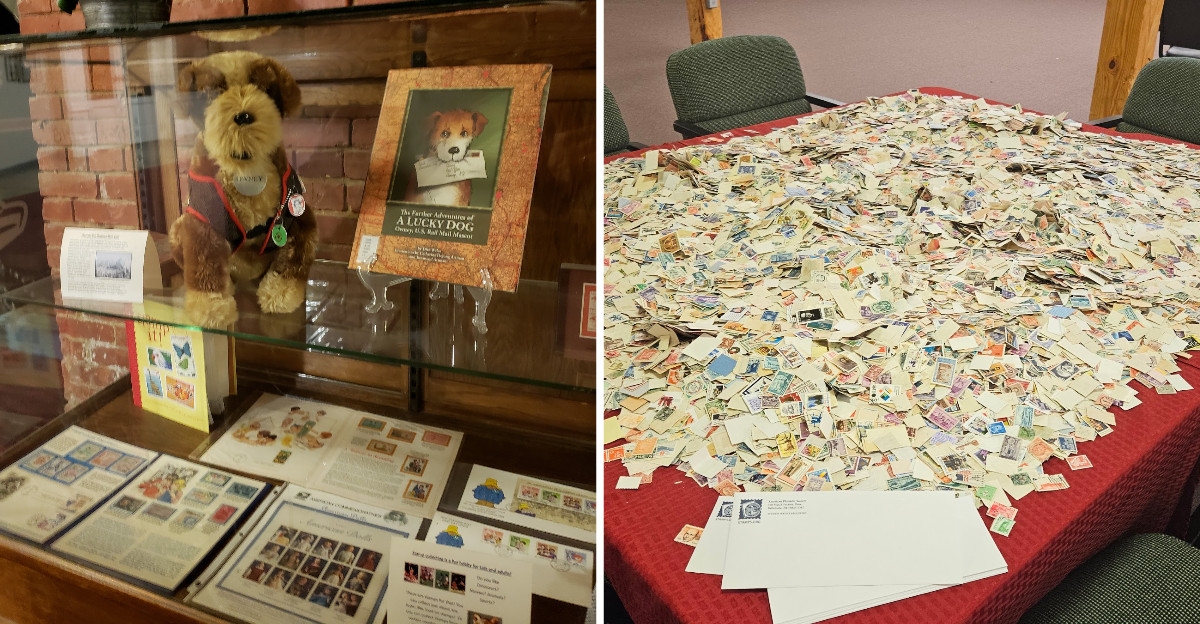
A building that once made matches now protects one of the largest collections of stamp knowledge in the world. That’s a bold career change for a factory.
I love that the place that once churned out tiny sticks now cares for tiny squares of paper.
Inside, you’ll find a huge library of books, journals, and catalogs about postage stamps and mail. There’s also a restored general store post office.
These days, this Pennsylvania landmark serves as the national headquarters of the American Philatelic Society, welcoming dedicated collectors and curious visitors alike.
Between its enormous research library, historic exhibits, and remarkable transformation from industrial factory to cultural center, the building offers a surprisingly interesting look at the history of everyday mail.
A Factory Swapped Matches for Mail, and It Totally Works
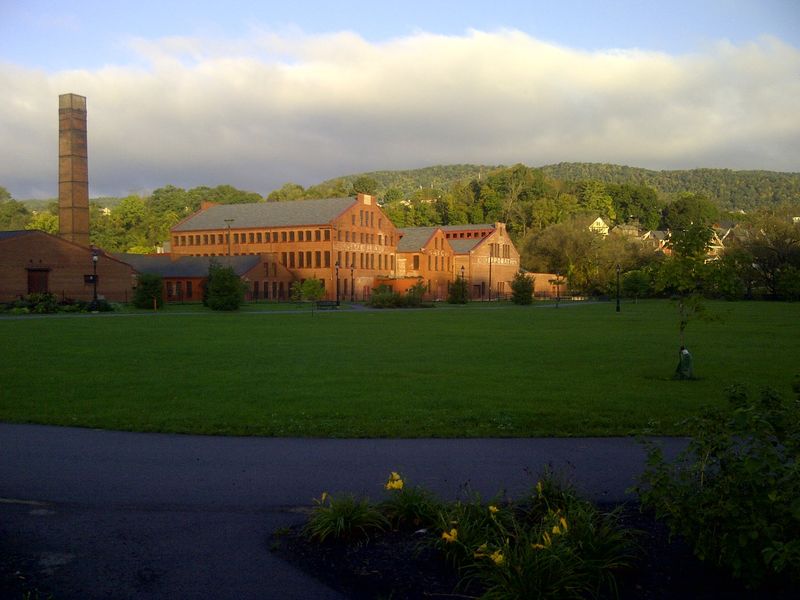
Old factories don’t usually get a happy second act. The American Philatelic Center in Bellefonte, Pennsylvania, is a lovely exception to that rule.
The building started out as a match factory in the early 1900s. Today it serves as the national headquarters for the American Philatelic Society and the American Philatelic Research Library.
That’s a lot of name for one building, so let’s make it simple. The Society is a nonprofit group for stamp collectors, and it’s one of the oldest and largest of its kind in the country.
The Society was founded back in 1886. It moved its operations to this restored factory after a big renovation project in the early 2000s.
The result keeps a strong link to the past. You still get the sturdy feel of an industrial building, now filled with exhibits, books, and offices.
I like that the street address even keeps the old story alive. Few headquarters can claim a street literally named for the matches once made there.
Is it a little funny that a building once full of fire-starting supplies now protects delicate paper? Absolutely.
It’s also a smart reminder that good buildings deserve a future.
Book Lovers, Prepare To Lose Track of Time in This Library
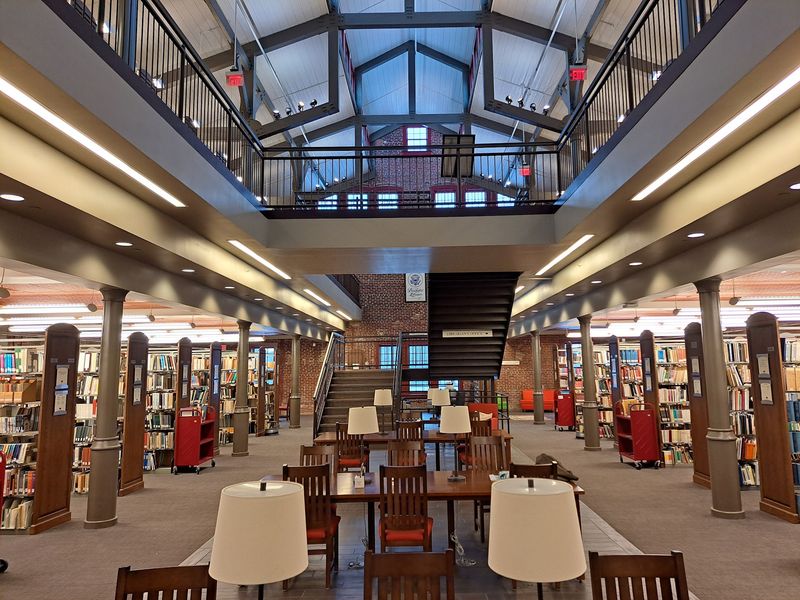
Here’s a fun claim to drop at dinner. The American Philatelic Research Library is known as one of the largest public stamp libraries in the world.
It holds books, journals, auction catalogs, and reference guides about stamps and postal history. Whatever odd postal question you have, someone probably wrote about it.
The library supports serious researchers, but beginners are welcome too. You can learn how to spot a valuable stamp or trace how mail moved across oceans.
Members can also borrow materials by mail. That fits the theme perfectly, since a stamp library shipping books by post just feels right.
Comfortable reading spaces make it easy to slow down. Bring a notebook if you plan to research a family collection or a mystery stamp from a shoebox.
Families can find a surprising amount here too. Stamps teach geography, history, art, and famous people, all on a space smaller than a cracker.
Library hours can differ from general building hours, so check ahead. A quick call before a long drive can save you from disappointment at the door.
Once you’re settled at a table, good luck leaving on schedule. Those shelves are persuasive.
Step Back Into a Restored General Store Post Office
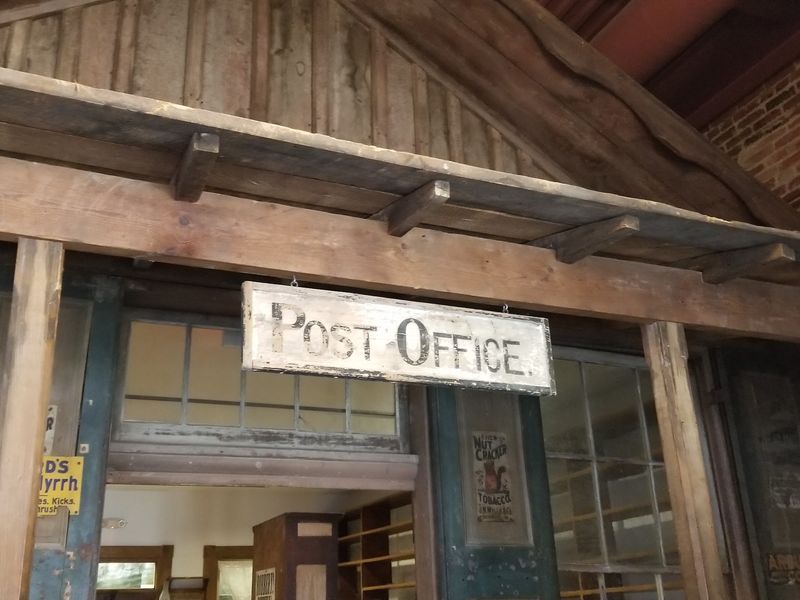
Mail used to be a social event. Before apps and email, folks picked up letters at a counter, often inside the local general store.
The American Philatelic Center preserves the historic Headsville Post Office, which once served a small West Virginia community and later became part of a Smithsonian exhibition. It’s one of the exhibits that charms even people who never collected a single stamp.
Old wooden post offices like this show how central mail once was to small towns. Letters carried news, orders, love notes, and bills, all through one tiny window.
Kids especially tend to find this display easy to understand. It turns a dusty history lesson into something real you can actually stand in front of.
Take a moment to notice the cubbies and counter details. Each piece hints at a time when the postmaster probably knew everyone’s name and business.
I think this exhibit explains stamps better than any textbook. You see the system that made those little paper squares so important.
Pair this stop with the library for the full picture. One shows how mail worked, and the other explains the stories behind the stamps themselves.
Bring Tissues for the Holocaust Memorial Display
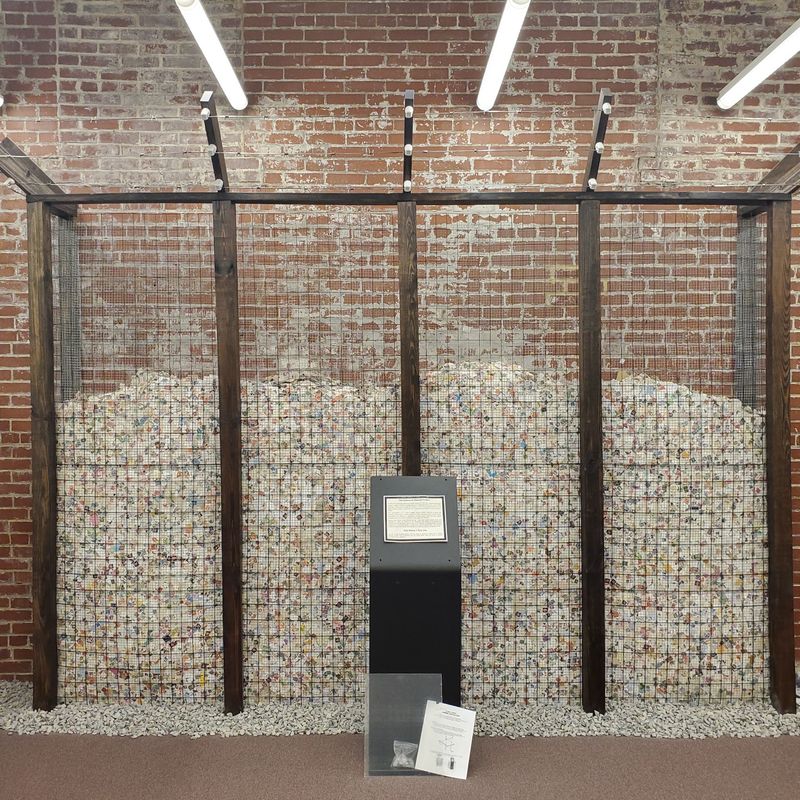
Eleven million canceled stamps. That number stops people in their tracks, and it should.
The center houses a Holocaust memorial built from stamps, honoring the millions of victims. The display began as a school project, where students collected stamps to help understand a number too large to picture.
Seeing that many stamps together turns an abstract figure into something physical. Each tiny square represents a life, and the effect is quiet and powerful.
Plan for some extra time here. This isn’t a quick glance exhibit, and many visitors want a moment to reflect before moving on.
Parents may want to talk with children beforehand. The display offers a gentle but honest way to start a meaningful conversation about history and kindness.
I believe this memorial shows what stamps can really do. They aren’t just collectibles, they can carry memory, respect, and lessons for future generations.
It’s a small exhibit with a huge impact. Many people leave Bellefonte remembering this room more than anything else in the building.
Give it your full attention. It earns it.
Your Inner Treasure Hunter Gets a Mountain to Dig Through
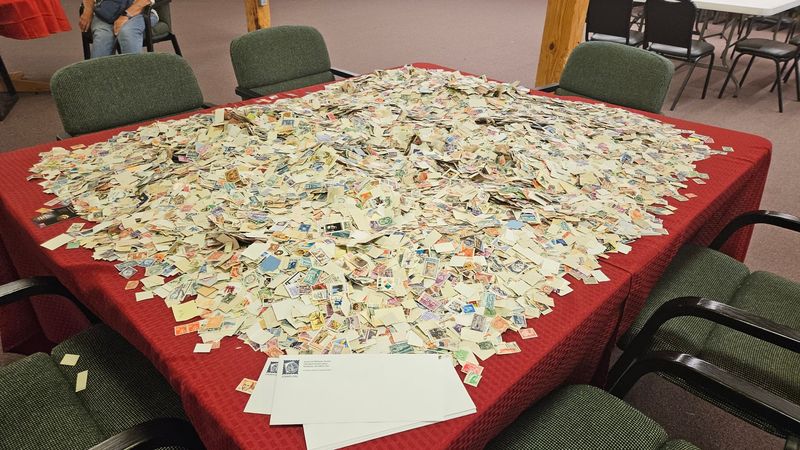
Some kids want screens. Hand them a giant pile of stamps from around the world, though, and watch them suddenly turn into tiny detectives.
The center has offered visitors chances to look through big batches of stamps. It’s a hands-on way to spot colorful designs, faraway countries, and maybe a favorite animal or two.
This kind of activity is how many collectors got started. One interesting stamp leads to another, and soon there’s a shoebox, then an album.
The American Philatelic Society works hard to welcome young collectors. It offers youth resources and educational programs designed to make the hobby friendly for beginners.
Bring a magnifying glass if you have one. Tiny details, like printing marks and postmarks, become way more exciting when you can actually see them.
Adults are allowed to enjoy this too, by the way. Nobody’s checking ages at the stamp pile.
Ask staff about current activities before your visit. Offerings can change, especially around events, so a quick check helps you plan.
Who knew sorting paper could feel like digging for gold? Honestly, that’s the magic of this whole hobby.
The Gift Shop Might Turn You Into a Collector
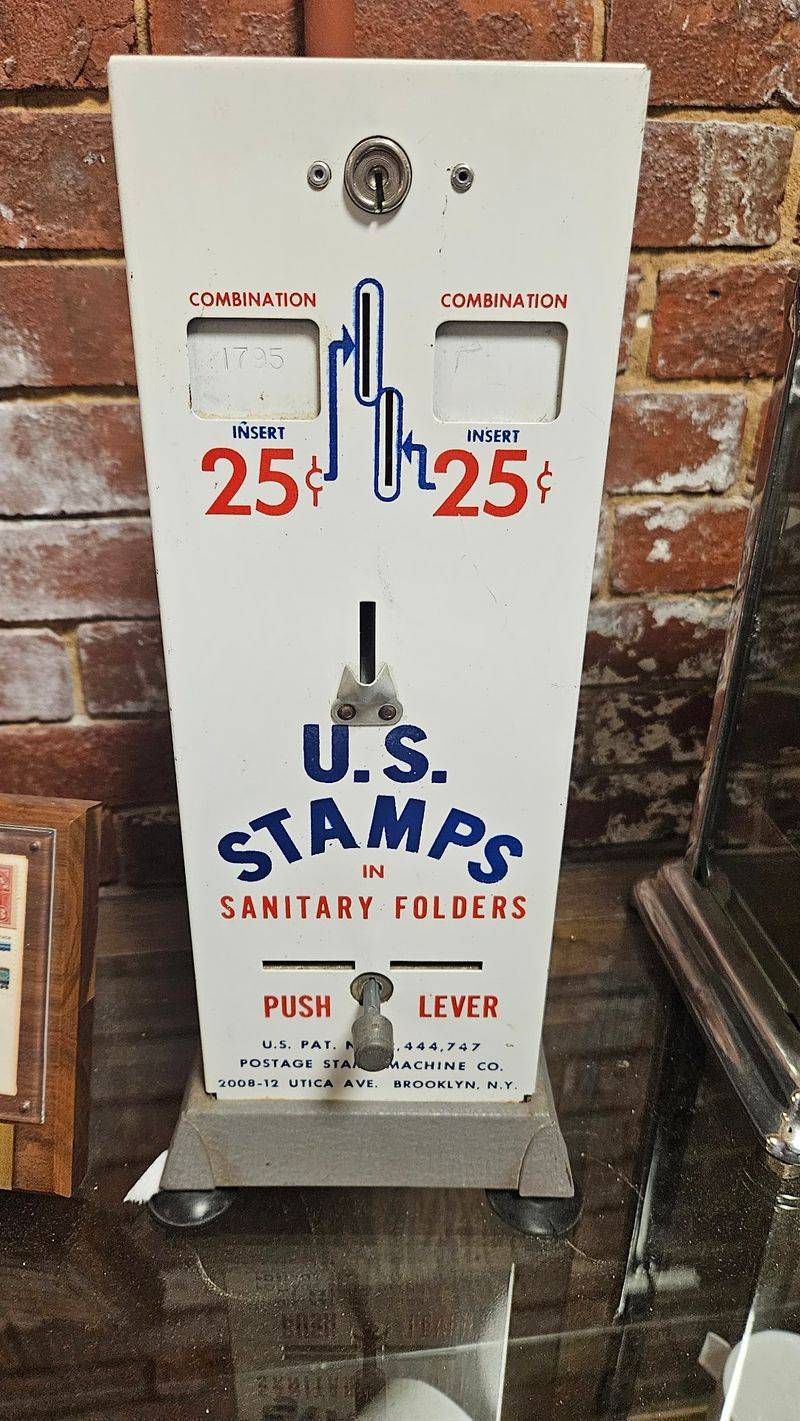
Warning: the gift shop is where casual visitors become collectors. It happens fast.
The shop at the American Philatelic Center carries stamp-themed gifts plus used stamps you can add to a collection. It’s a handy place to grab starter supplies if the exhibits sparked a new interest.
Beginners should look for basic tools first. Stamp tongs, a magnifier, and a simple album go a long way, and they keep your fingers off delicate paper.
Packets of mixed stamps make great gifts for kids. They’re colorful, inexpensive-looking, and full of countries that might send a curious mind to the map.
I like that the shop feels connected to learning, not just souvenirs. Everything nudges you back toward the hobby itself.
Already a serious collector? The Society also offers member services like stamp sales circuits, where members can review stamps by mail before buying.
That system has helped collectors buy and sell for many years. It’s an old-school approach, which fits a group devoted to postage.
Leave a little room in your bag. Something small and paper-shaped will probably follow you home.
Plan Your Visit Around Weekday Hours, Not Weekend Whims
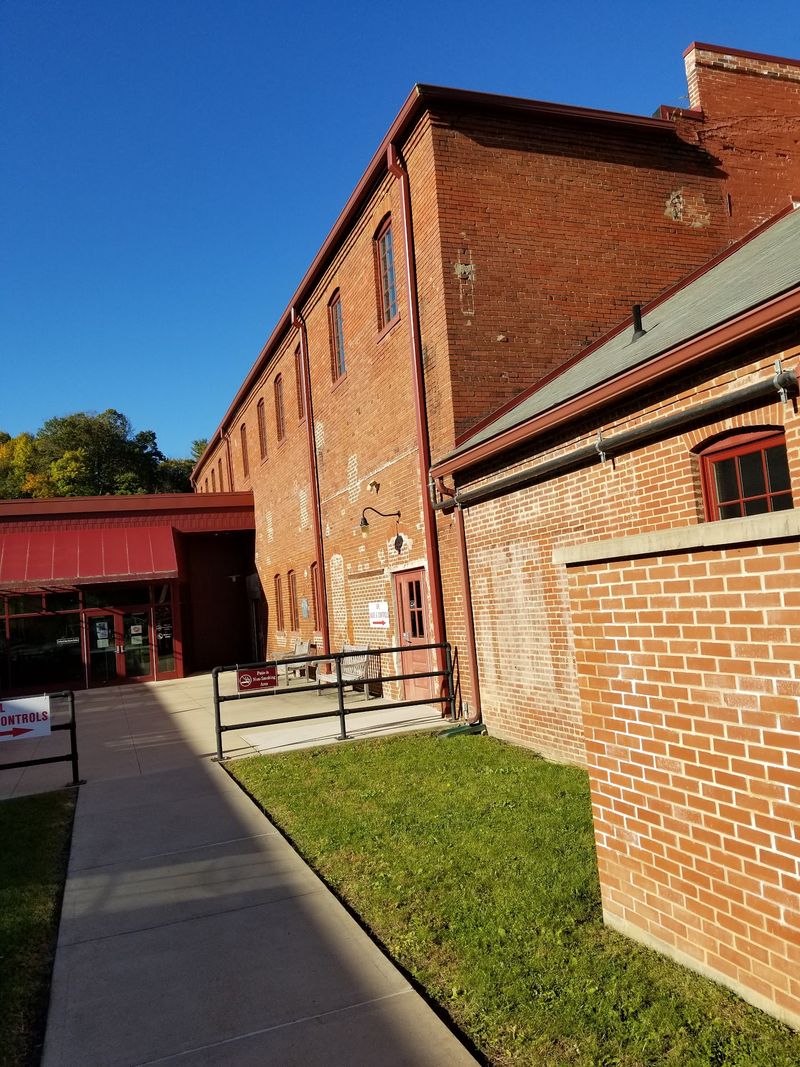
Timing matters here more than at most attractions. The center keeps business hours, so weekend road trippers need a backup plan.
You’ll find it at 100 Match Factory Place, Bellefonte, PA 16823. The building is generally open Monday through Friday, from 8:30 a.m. to 5:00 p.m.
Saturdays and Sundays are usually closed. The staff does open for occasional evening and weekend special events, so watch for those.
Groups can arrange tours through the Society. That’s a smart option for schools, clubs, or families who want a guided look at the exhibits.
Bellefonte sits in Centre County, not far from State College. That makes the visit easy to pair with other plans in central Pennsylvania.
Give yourself at least an hour or two. The exhibits, the library, and the memorial each deserve unhurried attention.
Calling ahead is never a bad idea, especially near holidays. Schedules can shift, and nobody wants to stare sadly at a locked door.
A weekday visit might mean taking time off. Then again, how often do you get to tour a match factory full of stamps?
Joining the Club Comes With Surprisingly Useful Perks
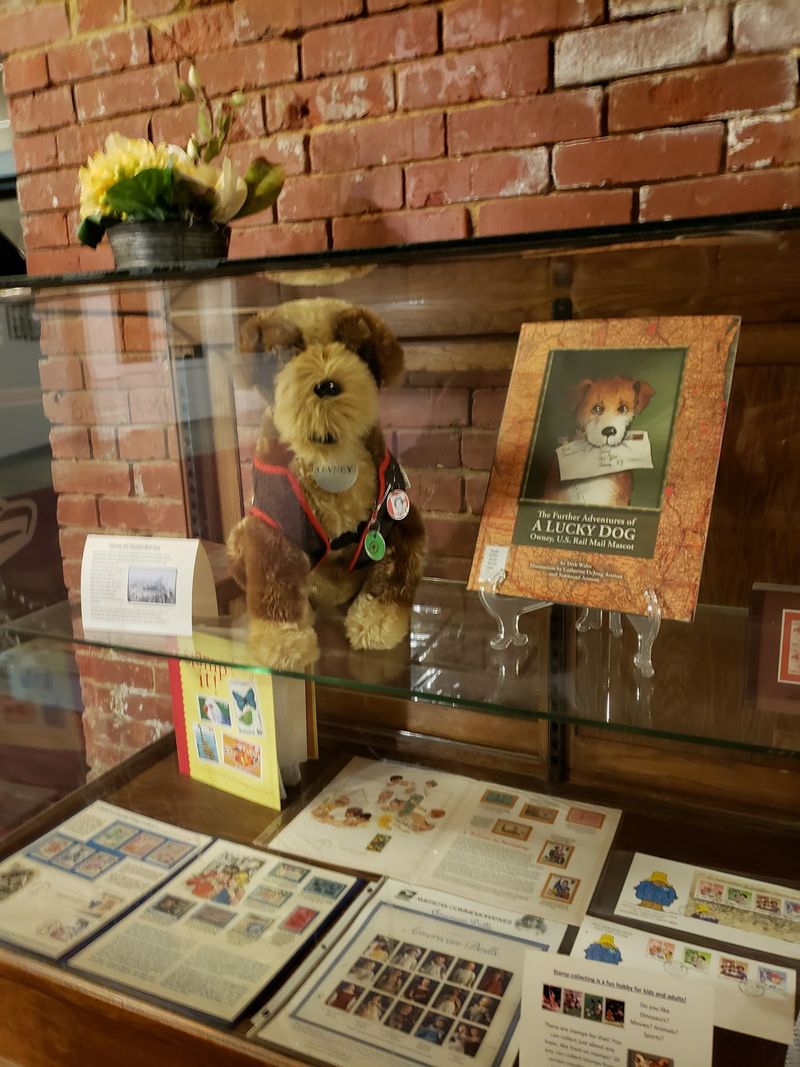
Membership isn’t just a card for your wallet. The American Philatelic Society offers real services that help collectors at every level.
Members receive The American Philatelist, the Society’s monthly journal. It’s packed with articles on stamps, postal history, and collecting tips.
The Society also runs an expertizing service. Experts examine stamps to help determine whether they’re genuine, which matters a lot for pricier pieces.
Got a pile of stamps from a relative? Society resources can help you learn what you have before you decide to keep or sell.
There are also educational programs, online learning, and connections to local stamp clubs. A hobby that seems solitary can turn surprisingly social.
Young collectors and beginners get attention too. That focus helps keep the hobby growing instead of fading away.
The headquarters in Pennsylvania supports all of this behind the scenes. Staff there handle much of the work that keeps members connected nationwide.
I think that’s the coolest part of the building. It’s not only a museum, it’s a working home for a community that loves paper history.
Make a Day of It in Charming Victorian Bellefonte
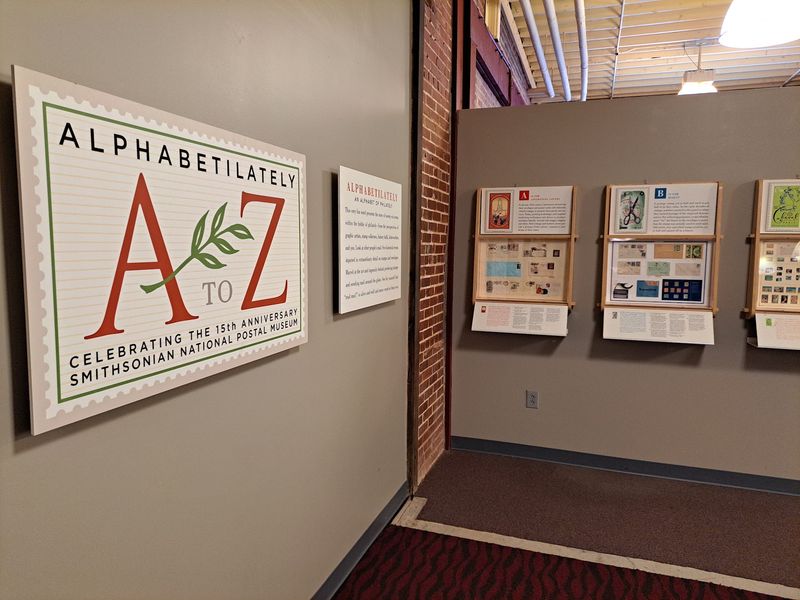
Bellefonte doesn’t stop at stamps. The town is known for its beautiful Victorian architecture and its long history as home to several Pennsylvania governors.
After your visit, take a stroll through downtown. The historic district is easy to explore on foot and offers plenty of old buildings to admire.
Talleyrand Park sits along Spring Creek near downtown. It’s a peaceful place for a short walk, and the creek is famous among trout anglers.
Bellefonte also connects easily to State College, home of Penn State. That means more museums, restaurants, and campus attractions are just a short drive away.
Stamp fans can turn the area into a full weekend. Visit the center on a Friday, then explore nearby towns and trails afterward.
I love how the trip blends small-town charm with a national institution. It’s not every day a quiet borough hosts the heart of an entire hobby.
Pack comfortable shoes and a little curiosity. Between the creek, the brick streets, and the old match factory, you’ll have plenty to see.
Just maybe send a postcard home. It feels required.
