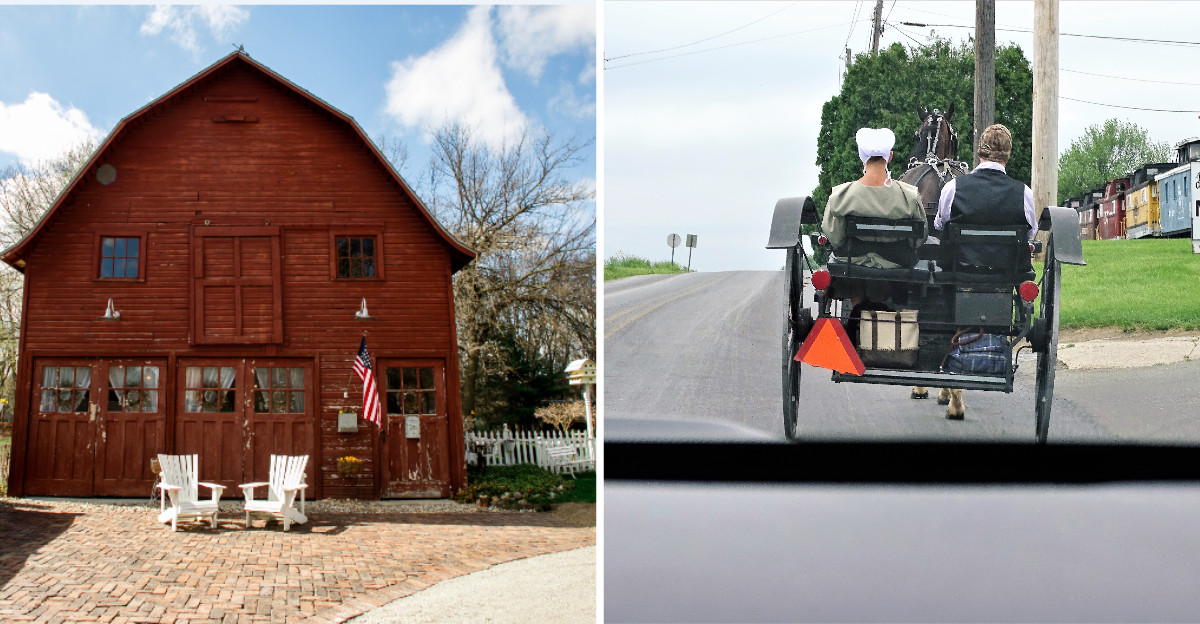
Steel wheels on horse-drawn buggies became the center of an unexpected controversy in a rural Pennsylvania community. Local officials proposed banning metal-wheeled vehicles on township roads, arguing that they could damage pavement and increase maintenance costs.
For Amish families whose religious traditions restrict the use of rubber tires, the proposed rule raised concerns about everyday transportation, farming, and religious freedom. What appeared to be a straightforward road maintenance measure quickly became a much larger community debate.
Residents packed a public meeting to challenge the proposal, questioning its fairness and the impact it could have on their Amish neighbors. Their objections prompted officials to reconsider the restrictions rather than proceed with an immediate vote.
The township ultimately abandoned the proposal after hearing public feedback. The dispute showed how local residents could influence a government decision while defending the interests of neighbors whose traditions differ from their own.
Meet the Township at the Heart of the Clatter
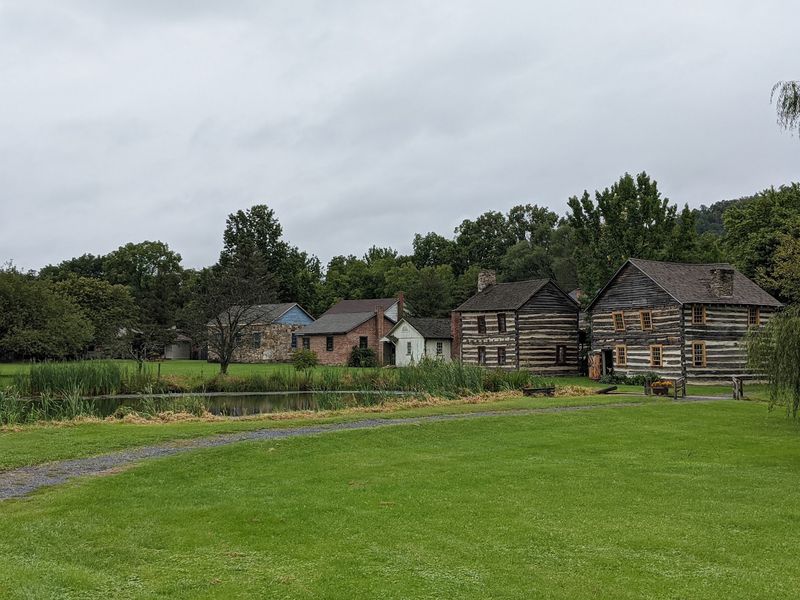
Rural roads, wide fields, and mountain ridges set the scene for this story. Bedford Township sits in Bedford County, Pennsylvania, wrapped around the historic borough of Bedford.
It’s the kind of place where a tractor on the road is normal, not news. Horse-drawn buggies fit right into that rhythm, sharing lanes with pickups and school buses.
Townships in Pennsylvania carry a lot of hometown power. Elected supervisors handle local roads, set rules, and decide where repair money goes each year.
That setup matters here. When road wear becomes a worry, supervisors are the ones who get the phone calls and the complaints.
The controversy reached a turning point on July 21, 2026, when dozens of residents attended a Bedford Township supervisors’ meeting to oppose the proposed restrictions. Many argued that the ordinance would place an unfair burden on Amish families who depend on traditional horse-drawn transportation.
Supervisors did not vote on the proposal that evening. Instead, they postponed the decision amid widespread public opposition.
The outcome became clear in early August. Township officials announced that they would no longer pursue the proposed steel-wheel and animal-waste ordinance, explaining that they had considered residents’ feedback before making their decision.
Why Some Buggies Roll on Steel Instead of Rubber
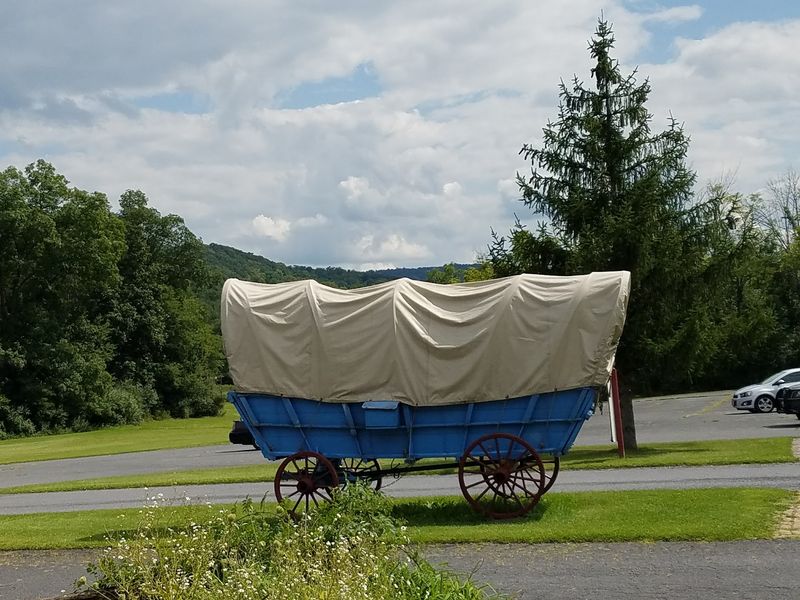
Rubber tires seem like a no-brainer to most drivers. For some Amish groups, though, they’re a step toward the fast, worldly life their faith asks them to avoid.
Each Amish church district follows its own set of rules, called the Ordnung. Some districts allow rubber on buggies, while more conservative ones stick firmly with steel rims.
Steel wheels also show up on farm equipment in many Amish communities. The idea is simple: keep machines from becoming too handy for long trips or quick errands.
That choice is about community, not stubbornness. Slower travel keeps families close to home, church, and neighbors, which is kind of the whole point.
Here’s a fun detail. Steel-wheeled equipment has been used on farms for generations, long before cars filled up country roads.
So when a township talks about banning steel wheels, it’s not asking for a quick tire swap. It’s touching a rule tied to how families practice their faith every single day.
Understanding that helps explain the reaction in Bedford Township. People weren’t defending a gadget, they were defending a way of life.
The Road Repair Bill Nobody Wanted to Pay
Asphalt is tougher than it looks, but it isn’t invincible. Narrow steel rims press a lot of weight onto a tiny strip of road, especially under heavy farm loads.
Over time, that pressure can leave grooves, scuffs, and cracks. Township crews then have to patch or repave, and paving is never cheap.
From the supervisors’ side, the worry made sense. Small townships work with tight budgets, and road upkeep often eats a big chunk of the money.
Nobody likes seeing fresh pavement scarred up soon after a project wraps. Taxpayers notice, and they usually let local officials know about it.
That’s how a ban starts to sound like a tidy fix. Stop the steel wheels, save the roads, and stretch the budget a little further.
The catch is that tidy fixes rarely stay tidy in a real community. Money matters, but so do the families who would suddenly be stuck without a legal way to farm or travel.
I believe both worries deserved a fair hearing. Roads cost real dollars, and faith carries real weight, so the conversation in Bedford Township was always going to get lively.
Faith Has Legal Backup in the Keystone State
Pennsylvania has a law with a very direct name. The Religious Freedom Protection Act, passed in 2002, limits how much government can burden someone’s religious practice.
Under that law, a government rule that heavily burdens faith needs a strong reason. It also has to use the least restrictive way to reach its goal.
That’s a big deal for a steel-wheel ban. If Amish families ride on steel because of their religion, a flat ban could run straight into that legal wall.
Officials would need to show there wasn’t a gentler option. Think weight limits, specific road rules, or wheel adjustments that respect church guidelines.
Fun fact: Pennsylvania was founded by William Penn partly as a place for religious freedom. So the state’s history and its modern law point in the same direction here.
None of this means roads don’t matter. It means a township has to balance the budget against rights that the state takes seriously.
Pennsylvania’s religious freedom protections provided important legal context for the debate, although no court ruling was needed to resolve the controversy. Township supervisors withdrew the proposal following public opposition, leaving the question of how a court might have evaluated the restrictions unanswered.
Middle Ground Beats a Messy Standoff
Compromise doesn’t make headlines, but it usually keeps the peace. Plenty of rural communities have found ways to protect roads without forcing families to break church rules.
Some ideas come up again and again. Rubber coverings over steel rims, flat-faced wheels instead of cleats, and weight limits on certain stretches of road.
Each Amish district decides what its members can accept. That’s why talking directly with church leaders often works better than writing a rule from across the table.
Here’s the beautiful part. When neighbors actually sit down together, solutions tend to feel fair to both the road crew and the buggy driver.
Bedford Township ultimately chose not to pursue the proposed ordinance at all. After hearing objections from residents, supervisors withdrew the restrictions rather than adopting a modified version.
The decision ended the immediate controversy without requiring Amish families to change their traditional transportation practices. It also demonstrated the influence of public participation in local government.
So if your community ever faces a similar clash, push for options before bans. A little creativity can save a lot of pavement and a lot of friendships.
Sharing the Road Without the Road Rage
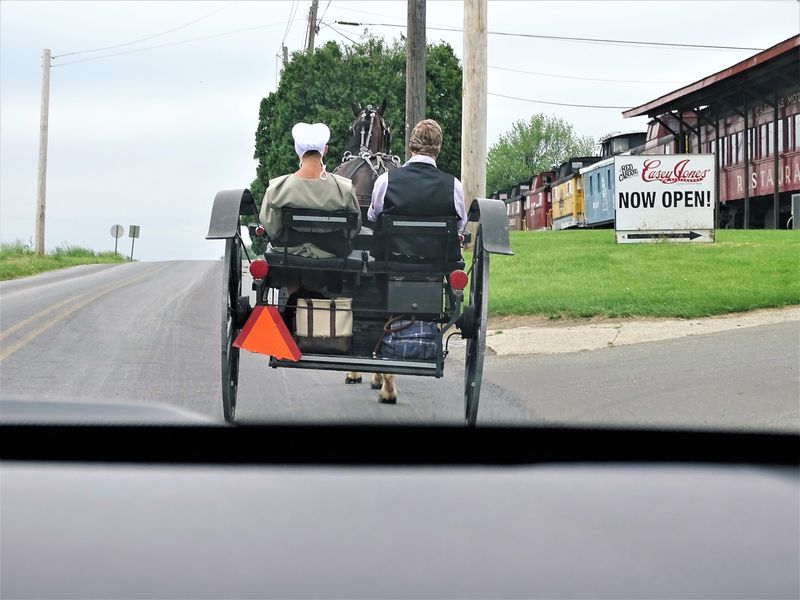
Ever crested a hill and found a buggy right ahead? That moment is why patience is the most useful tool for drivers in Amish country.
Buggies usually move far slower than cars. Many display the orange slow-moving vehicle triangle, which is your cue to ease off the gas early.
Pass only when you can see clearly ahead. Give horses plenty of room, because a loud engine or a honk can spook even a calm animal.
At night, buggies can be hard to spot. Lanterns and reflectors help, but your own careful speed helps even more.
These habits matter in Bedford County, Pennsylvania, where farm traffic and car traffic mix daily. Kind driving keeps everyone moving and makes debates over road rules a little less heated.
Fun detail: following a buggy can actually be relaxing once you accept the pace. Rolling hills, open fields, and a steady clip-clop make a pretty good soundtrack.
The wheel fight reminded people that roads belong to the whole community. Respect on the asphalt is the everyday version of what residents defended at those township meetings.
Bedford Is Worth the Trip Beyond the Headlines
Stories like this one make people curious about the place behind them. Lucky for travelers, the Bedford area has plenty to explore once the buggy talk quiets down.
Nearby Bedford has a charming historic downtown lined with old brick buildings, independent shops, and locally owned places to eat. Visitors can stroll along its streets and admire the architecture that gives the community its distinctive character.
The surrounding countryside offers scenic drives, rolling farmland, and mountain views. These quieter attractions make the area appealing to travelers who enjoy exploring small Pennsylvania towns at a relaxed pace.
Nature fans can head to Shawnee State Park, west of town. It has a lake, trails, and room to slow down, which feels fitting after a story about slow travel.
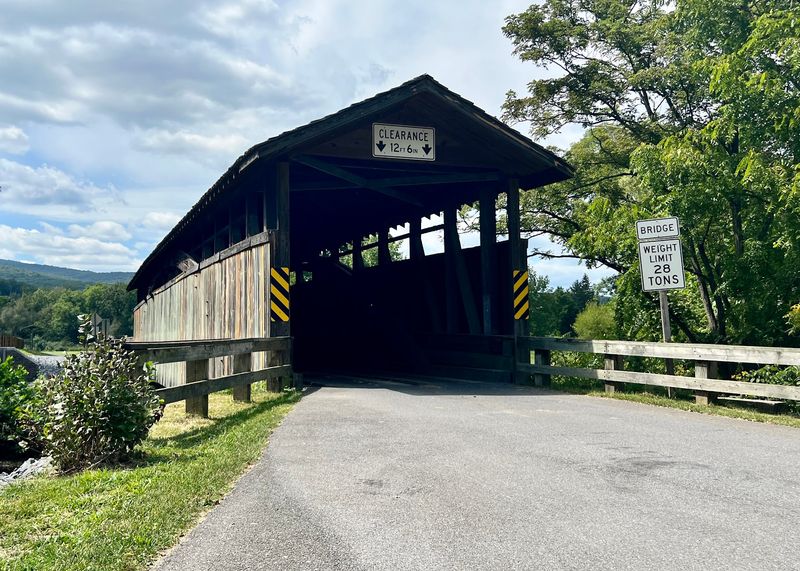
Bedford County also loves its covered bridges. Driving between them on back roads is a classic way to spend a fall afternoon.
Here’s my favorite part. The same quiet roads at the center of the debate are the ones that make the region so pretty to explore.
So drive gently, enjoy the views, and wave at the buggies. Bedford Township and its neighbors reward visitors who take their time.
Residents’ Opposition Helped Stop the Proposed Ban
Strip away the steel and the asphalt, and the real story is about neighbors. Bedford Township showed how quickly a local rule can become a test of community values.
On one side sat a genuine concern about road costs. On the other stood families whose faith shapes something as simple as a wheel.
Neither side was a villain. That’s what makes this story so relatable, because most hometown fights are really two fair points bumping into each other.
The pushback worked because people showed up and spoke clearly. They reminded officials that rules land on real families, not just on paper.
I like that the loudest tool in this tale was ordinary civic effort. No fancy campaign, just residents caring enough to fill a room and share their side.
There’s a takeaway for anyone, anywhere. Learn who runs your township, read the meeting agendas, and speak before a decision is locked in.
Pennsylvania’s back roads will keep carrying buggies, tractors, and minivans side by side. As long as neighbors keep talking, there’s room on the pavement for everyone, steel wheels included.
