A single chicken here soaks in marinade for up to 16 hours after a two-hour brine. That’s longer than most of us sleep on a good weekend.
The chef spent four years tweaking the recipe before it got its own home. He tested it at pop-ups first, one batch at a time.
I like that kind of patience. It shows up on the plate in big, bold Peruvian flavor.
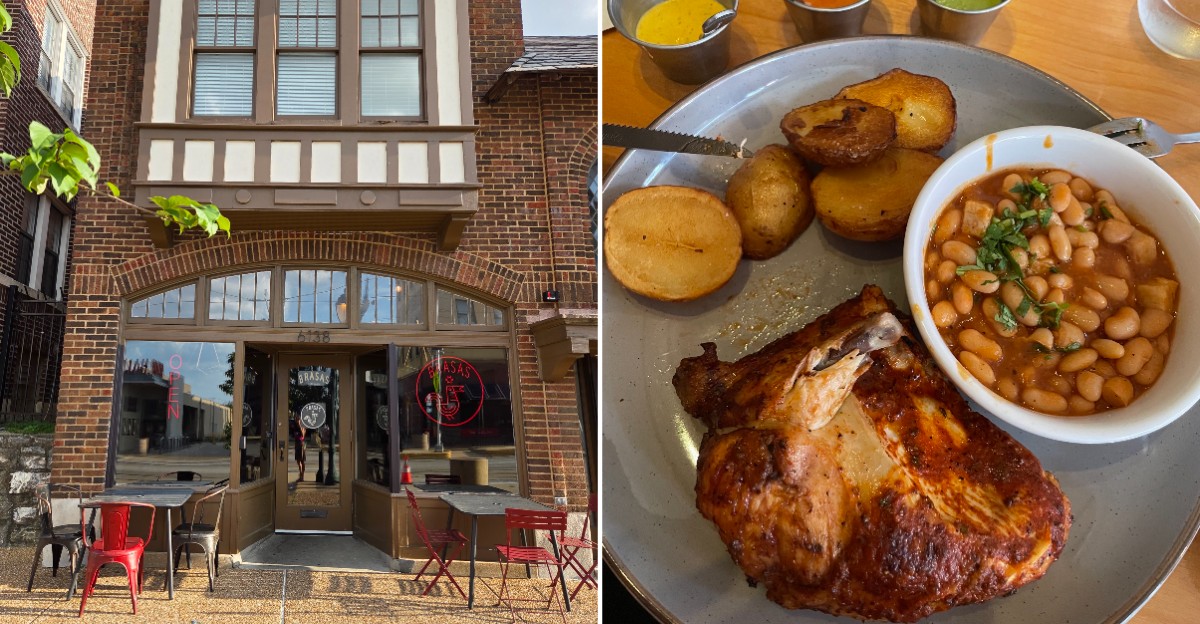
The dining room is tiny, with just 21 seats inside. It sits on a famous Missouri shopping strip, right across from a busy concert venue.
That location makes dinner before a show feel almost too easy.
Then there are the three sauces that come alongside. One of them, a bright green cilantro sauce, gets plenty of attention.
I’m curious which one would win you over.
The Name Tells You Exactly How Dinner Gets Cooked
Brasas means embers in Spanish, and that one word says a lot. At Brasas on the Delmar Loop in St. Louis, the name points straight to how the star dish gets cooked.
The specialty here is pollo a la brasa, which is Peruvian rotisserie chicken. In Peru, this dish is a big deal, a bit like burgers or pizza are for many Americans.
Chef Andrew Cisneros owns and runs the place. He’s known around the area for Peruvian-inspired cooking and sauces that earn plenty of praise.
I love a restaurant name that doubles as a promise. You read the sign, and you already know the chicken is the main event.
That focus matters more than you might guess. Plenty of restaurants try to do a little of everything and end up fuzzy about what they really are.
Brasas picks one thing and builds the whole experience around it. The menu grows outward from that chicken, like branches from a sturdy trunk.
So if a friend asks what kind of food is served here, the answer is simple. Think Peruvian comfort food, led by a bird that spends a long time getting ready for its big moment.
Honestly, that’s a pretty great job description for a chicken.
Four Years Of Pop-Ups Built This Recipe
Good recipes rarely show up overnight. Chef Cisneros spent about four years developing his pollo a la brasa before Brasas ever opened its doors.
Much of that work happened at pop-ups at Original J’s Tex-Mex and Barbecue, starting around 2020. A Peruvian chicken pop-up at a Tex-Mex barbecue spot is a fun detail all on its own.
Pop-ups are a smart way to test a dish. A chef gets real feedback from real eaters without the risk of signing a lease first.
That kind of trial run gave the recipe time to grow up. Each round was another chance to adjust the seasoning, the timing, or the cooking.
Then, on Thursday, July 11, 2024, Brasas officially opened. The chicken finally had a permanent home instead of a borrowed corner.
I can’t imagine the relief of that first night. After years of setting up and packing down, the kitchen could simply stay put.
Knowing this backstory changes how the meal feels. You aren’t just eating rotisserie chicken in Missouri.
You’re eating the result of years of patient testing, one pop-up at a time. That’s a story worth tasting, and it explains why the chicken gets top billing.
Sixteen Hours Of Prep For One Golden Bird
Two hours in a brine. Then 13 to 16 hours in a marinade before the chicken ever meets the heat.
That marinade is packed with flavor makers. Lime juice, rosemary, oregano, cumin, and fresh black pepper all join the party.
Two Peruvian pepper pastes bring extra depth. Panca paste and mirasol paste add the kind of flavor that tells you this isn’t backyard grilled chicken.
The long soak is the secret weapon. It gives the seasoning time to reach past the skin instead of just sitting on top.
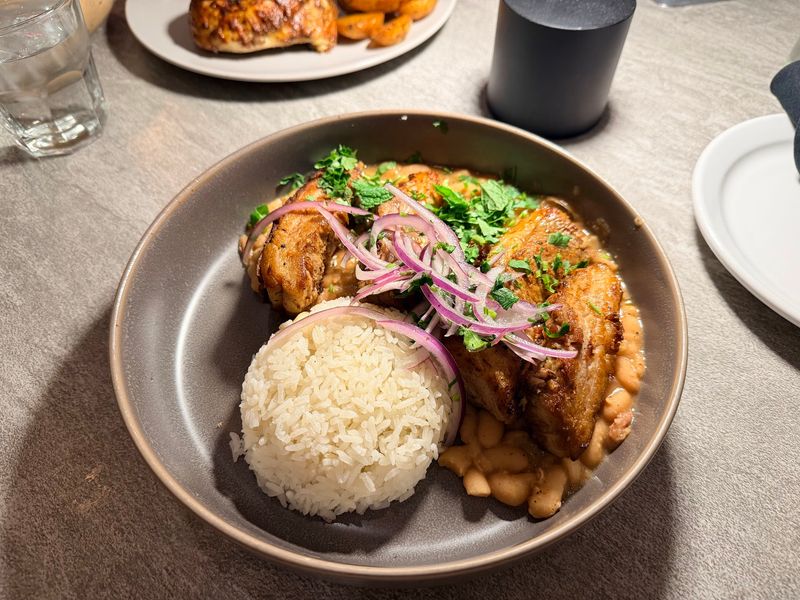
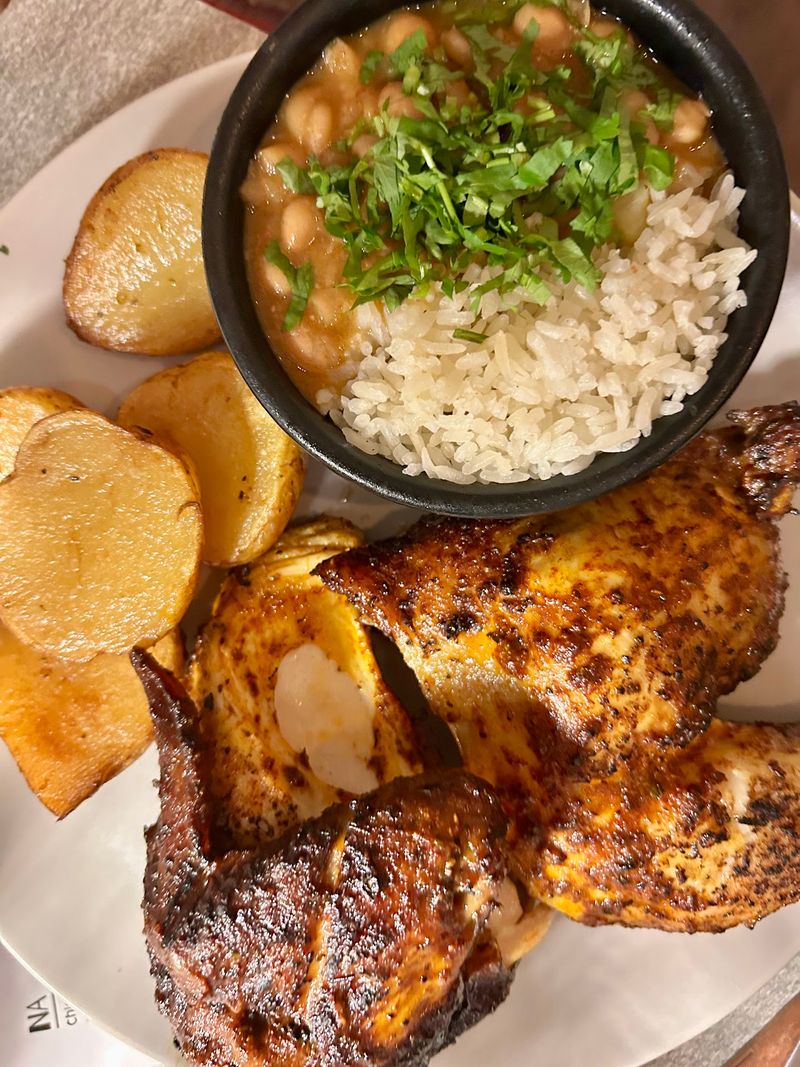
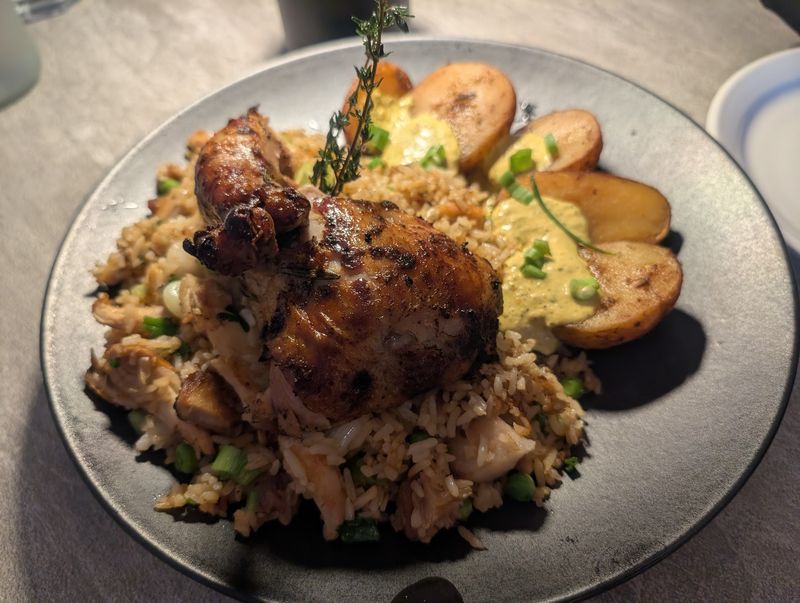
Ordering comes with choices, too. The Mostrito de Brasas pairs a quarter chicken with pork belly fried rice, rotisserie potatoes, and cremas.
Sides help you build your own plate. Options include steak fries, rotisserie potatoes, yuca fries, maduros, and a simple house salad.
Maduros are sweet fried plantains, and they make a great partner for savory chicken. Yuca fries are a fun swap if you usually grab regular fries without thinking.
My advice is to mix textures. Pair something crispy with something soft, then let those three sauces tie it all together.
Patience in the kitchen means you get to enjoy the payoff fast.
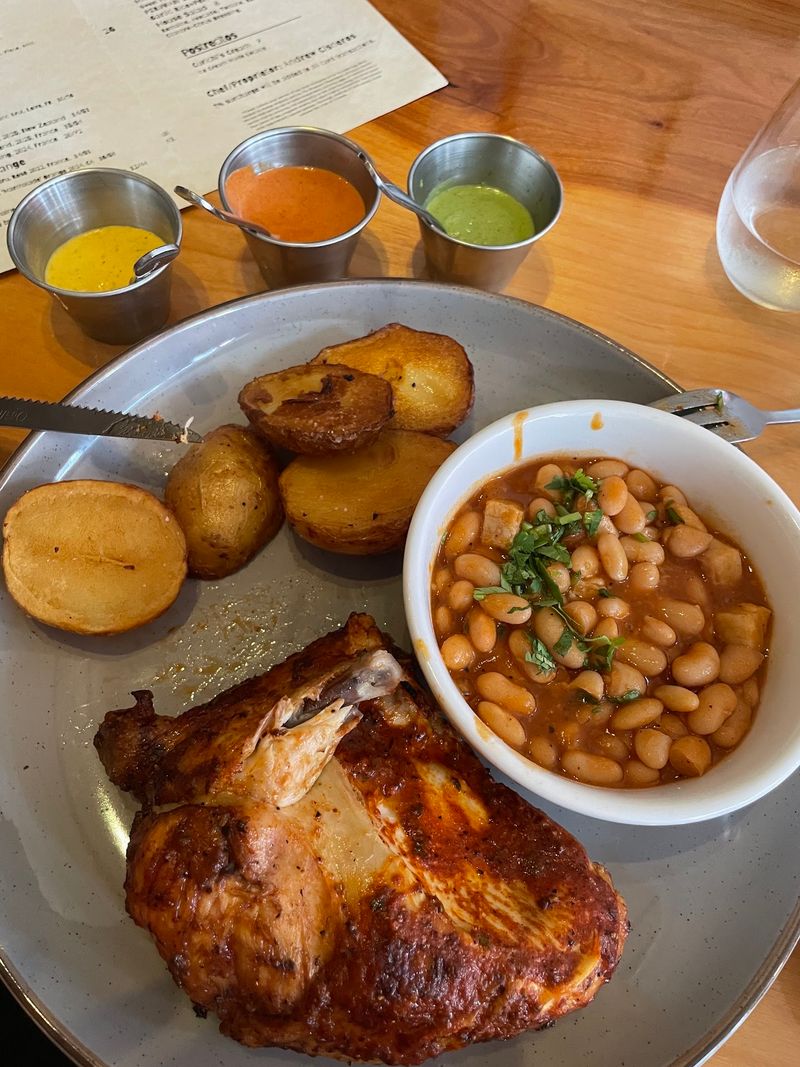
Three Sauces, One Tough Decision
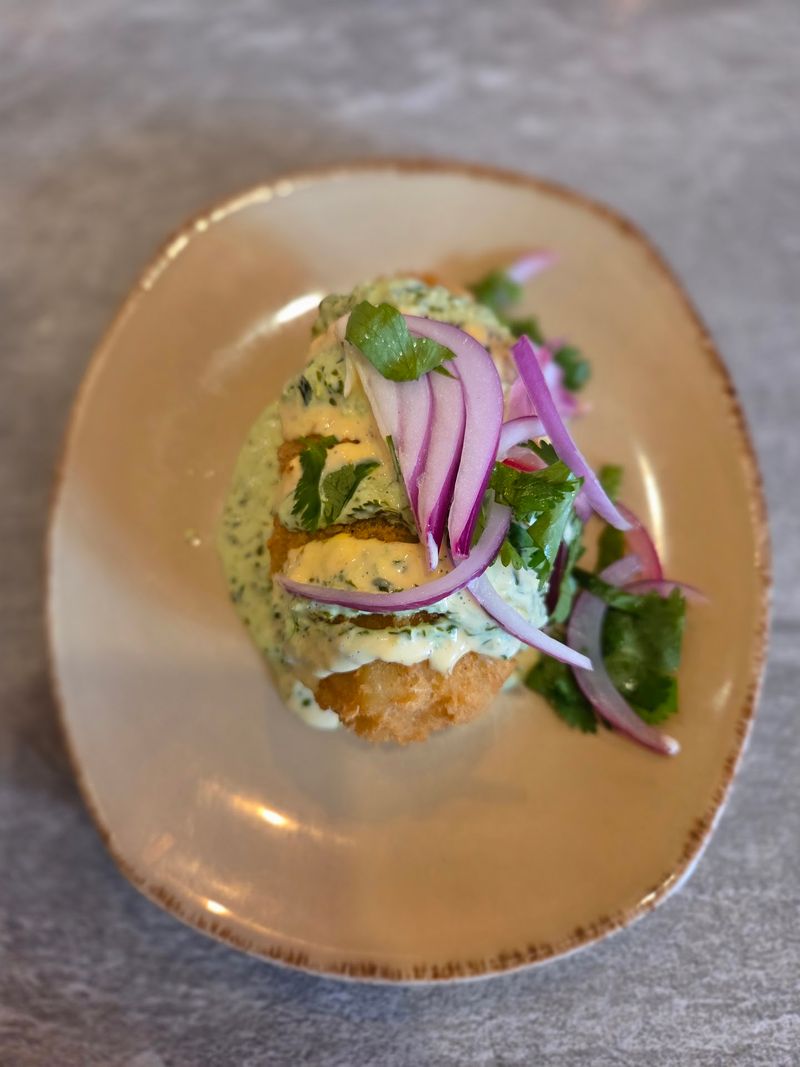
Here’s a fun problem to have. Your chicken arrives with three sauces, and each one wants to be your favorite.
First up is huancaina, a pepper cheese sauce. It’s creamy and rich, the kind of sauce that makes plain bites feel fancy.
Next comes rocoto, made with a Peruvian pepper of the same name. It brings the heat for anyone who likes a little kick.
Then there’s the cilantro-infused aji verde. This bright green sauce is widely considered the standout of the bunch.
I believe sauces can make or break a chicken dinner. A great bird deserves great company, and these three clearly earn their seats at the table.
Chef Cisneros has built a reputation partly on his sauces. That says something, since plenty of cooks treat sauce as an afterthought.
Try a quick taste test with your first few bites. Dip one piece in each sauce before you decide which cup to guard with your life… well, with your fork.
The sauces also work on sides like potatoes and plantains. Mixing and matching is half the fun of this meal.
Just don’t be surprised if the green cup empties first.
The Rest Of The Menu Refuses To Sit Quietly
Chicken may be the headliner, but the opening acts are loud. Brasas fills its menu with Peruvian classics that deserve their own fan clubs.
Papa rellena is a showstopper. A potato and yuca dough wraps around a beef stew, a soft-boiled egg, and an olive.
It’s then topped with aji verde, aji amarillo, mayo, and salsa criolla. That’s a lot happening in one dish, in the best way.
Anticuchos are marinated meats like beef heart, rib-eye, and chicken. They’re cooked on a Japanese yakitori grill, which is a cool twist.
Ceviche is a must, with a carretillero option that adds fried calamari or shrimp. Lomo saltado, a Peruvian staple, also earns a spot.
Chaufa aeropuerto is Peruvian fried rice loaded with pork belly, rib-eye, shrimp, and egg. There’s also an aji amarillo chicken curry and grilled pork belly with garlic rice.
Early plans for Brasas included additional specials on Friday and Saturday nights. Quail and duck were among the weekend specials announced before Brasas opened.My tip is to go with a group and share.
That way you can sample several dishes without needing a nap afterward.
Small Room, Big Personality
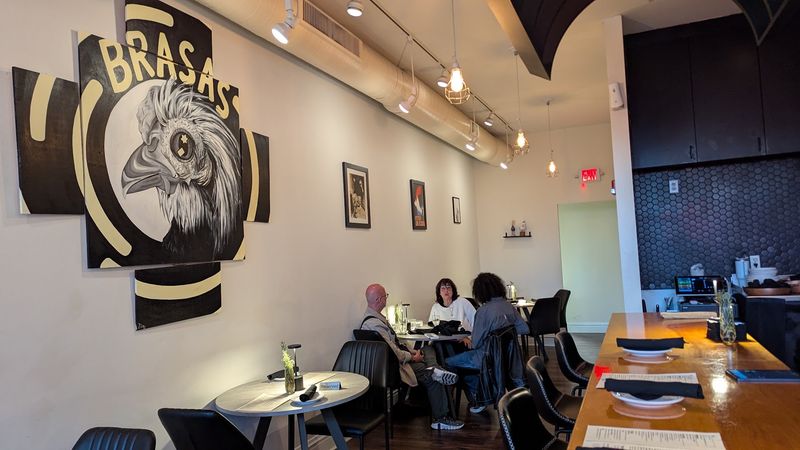
About 1,100 square feet. That’s roughly the size of a modest apartment, and it holds the whole restaurant.
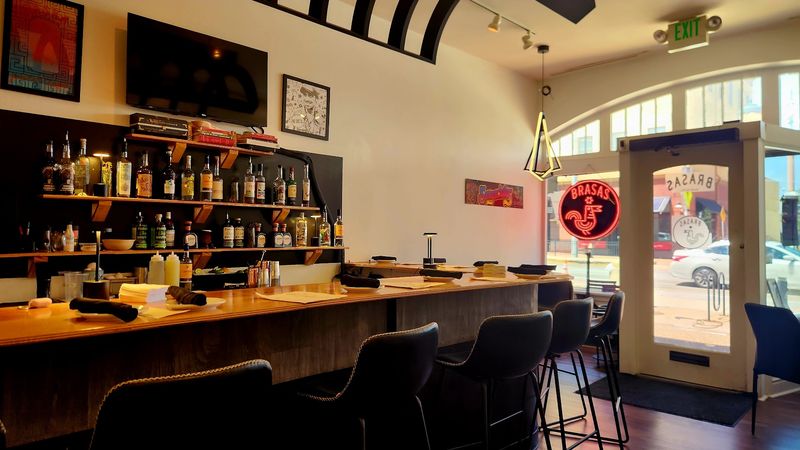
Inside, Brasas seats just 21 diners. There are five tables and seven spots at the bar.
Plans have included two patio tables for four more guests. Even then, this place stays pleasantly snug.
The walls add plenty of character. Art and photography with Peruvian references hang alongside poultry-themed prints.
I like that the decor has a sense of humor. Chicken prints at a chicken restaurant feel like a wink to everyone eating there.
The overall mood is casual, cozy, and welcoming. It’s tidy and polished, but nobody expects you to dress up.
That balance works well for this kind of food. Rotisserie chicken and dipping sauces call for a relaxed setting where you can use your hands a bit.
A small room also changes the feel of dinner. Conversations stay close, and the kitchen feels like part of the experience rather than a hidden back room.
Think of it as a neighborhood dinner spot with a passport. Comfortable enough for a weeknight, special enough for a date.
Your Pre-Concert Dinner Plan Just Got Easy
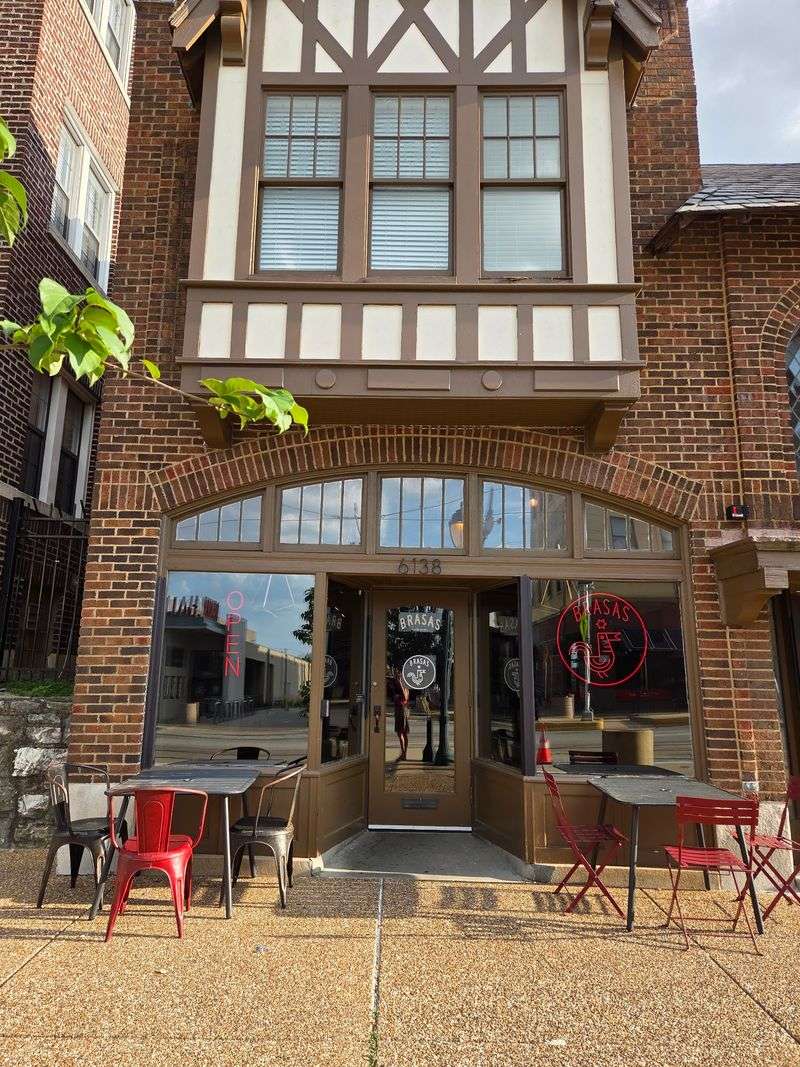
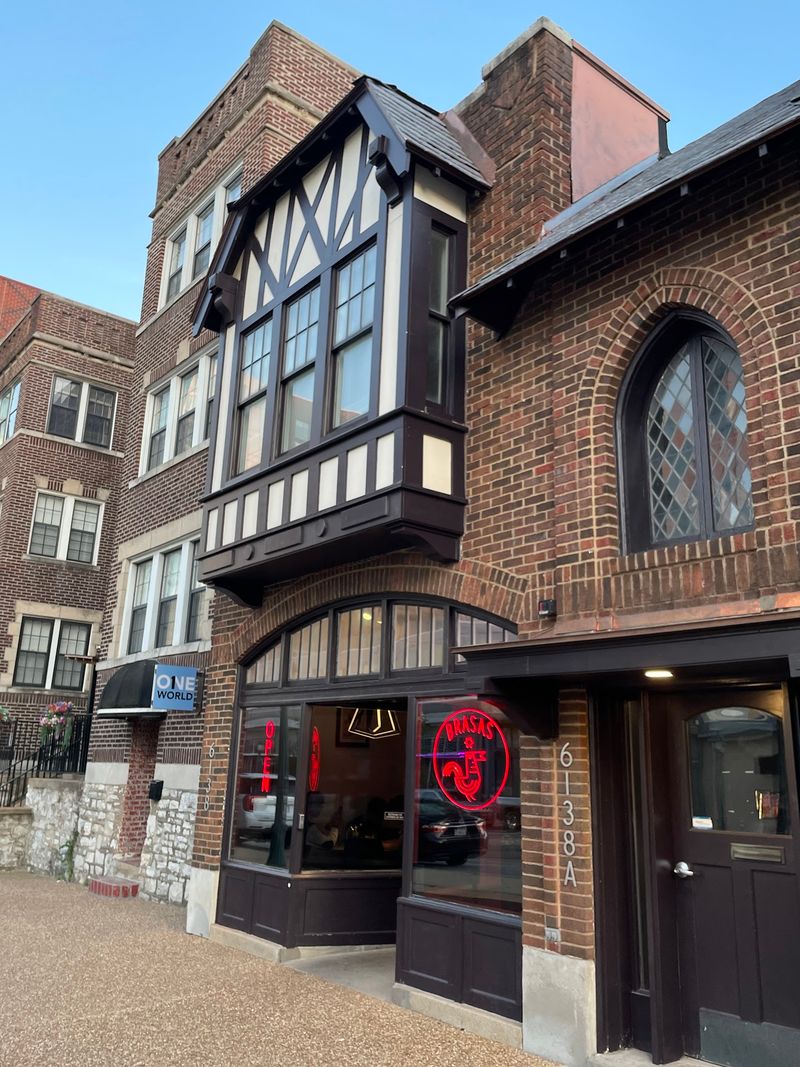
Location is a major perk here. Brasas sits right across the street from The Pageant and Delmar Hall, two well-known concert venues.
The restaurant calls 6138 Delmar Blvd, St. Louis, MO 63112 home. That puts it on the historic Delmar Loop, one of the most famous shopping and entertainment strips in Missouri.
The Loop is packed with shops, restaurants, and music spots. Strolling the street before or after dinner is part of the fun.
The space has a past, too. It previously housed 12oh7 Herban Eatery before Brasas moved in.
I can understand why a chef would want this spot. A steady stream of showgoers and neighborhood folks makes for a lively address.
Planning a concert night? Eating across the street means you won’t have to rush across town to make the opening song.
Street parking is part of the deal in this area. Give yourself a little extra time to find a space.
Few dinner plans line up this neatly. Great chicken, then a short walk to a live show, sounds like a pretty perfect evening on the Loop.
A Little Planning Goes A Long Way Here
With only 21 seats, timing matters. Reservations are recommended, especially on busy weekend nights.
Table reservations go through Tock. The bar is saved for walk-in guests, which is great news for spontaneous diners.
Without a reservation, a wait is possible. Weekends tend to be the trickiest time to snag a seat on a whim.
Hours are worth checking before you head out. Brasas is closed Monday and Tuesday.
Wednesday through Sunday, dinner runs from 5 to 9 PM. Saturday lunch has also been offered from 11 AM to 2:30 PM.
Bring a card, not cash. The restaurant operates with a cashless policy and adds a small surcharge to bills.
I’d suggest booking early if you’re catching a show nearby. Concert nights in the area can fill up a small room quickly.
Solo diners and pairs might try the bar route instead. Seven bar spots aren’t many, but they give walk-ins a fair shot.
A few minutes of planning saves a lot of hungry pacing on the sidewalk. Your future self, holding a fork, will thank you.
One Chef, A Growing Peruvian Family
Brasas isn’t Chef Cisneros’ only project. He also owns Jalea, a Peruvian bistro, and Sanguchitos by Brasas, a fast-casual stall.
That little family of restaurants shows how much he believes in Peruvian food. Each one gives diners a different way to explore it.
Jalea offers a bistro experience. Sanguchitos by Brasas leans quicker and more casual, with a name that borrows from its chicken-focused sibling.
I like seeing a chef grow a cuisine across a region instead of just one dining room. It makes Peruvian cooking feel more at home in Missouri.
For first-timers, Brasas makes a great starting point. The rotisserie chicken is approachable, even if Peruvian food is brand new to you.
Then the menu invites you to explore further. Papa rellena, anticuchos, and ceviche can turn one visit into a whole new list of favorites.
Since opening in July 2024, Brasas has become a strong addition to the Delmar Loop. It brings something different to a street already full of personality.
So grab a reservation, pick your sauces, and plan your sides. Somewhere in that tiny dining room, a well-marinated chicken is waiting for its spotlight.
