Some of the best afternoons in West Virginia start with a wrong turn and a faint whistle drifting over the trees. I came looking for a quick lunch and a gas stop, and I left smelling like coal smoke with a grin I could not shake.
Tucked deep in the mountains is a little town that still fires up century-old steam engines and sends them rolling along a quiet river. If you have ever missed the sound of a real train, this one might just pull at your heartstrings.
A Railroad Town Hidden in the Alleghenies
Picture a valley so quiet you can hear the river before you see it. High in Pocahontas County, wrapped in thick forest, sits a tiny community where the railroad never really left.
Steam still rises over the rooftops on weekends, and the whistle still echoes off the ridges.
The star attraction here is the Durbin & Greenbrier Valley Railroad, a heritage outfit that keeps old engines working instead of parking them in a museum. Its signature ride, the Durbin Rocket, chugs along the Greenbrier River behind a coal-fired, geared steam locomotive.
For many West Virginians, it feels like a ride straight back to the days when Grandpa talked about trains carrying timber out of the hills.
What makes the spot special is how unpolished it feels in the best way. Nobody is trying to dress this place up as a theme park.
You get mountain air, friendly crew members, real cinders, and scenery that changes with every season.
Over the next few sections, we will walk through the town’s timber roots, the engines that make it famous, the cars you can ride, and the practical stuff you need before you go. Grab a cup of coffee and settle in.
Timber, Junctions, and a Banker’s Name
Long before tourists showed up with cameras, this valley was all business. Timber built the town, plain and simple.
In the late 1800s and early 1900s, crews cut huge stands of hardwood and spruce from the surrounding mountains, and somebody had to haul all that lumber out.
Railroads answered the call. The Chesapeake & Ohio and the Western Maryland lines reportedly met here, turning a remote mountain stop into a busy junction for freight and passengers alike.
Imagine the noise of it all, with engines hissing, men shouting, and stacks of fresh-cut boards waiting by the tracks.
The town was incorporated in 1906 and named for Charles R. Durbin, Sr., a banker connected to the area’s early growth.
Folks who love West Virginia history will recognize the pattern right away. Boom towns like this one rose fast on timber and coal, then quieted down when the big operations moved on.
Here is the happy twist, though. Rather than fading into memory, the town held onto the very thing that made it.
The rails stayed, the stories stayed, and a few stubborn steam engines found a second career carrying families instead of logs.
The Engine Folks Call Old Dusty
Every good railroad town needs a legend, and this one has a 55-ton workhorse. The Climax No. 3 was built in 1910 by the Climax Manufacturing Company, a two-truck Class B geared locomotive designed for steep, rough logging lines.
Locals and rail fans have tagged it with nicknames over the years, including Old #3 and, by some accounts, Old Dusty.
Geared engines are a whole different animal from the sleek passenger locomotives you see in old movies. Instead of big driving wheels, they use gears and shafts to crawl up grades with serious pulling power.
They were never meant to be fast, just tough.
After a restoration finished in 2001, the Climax reportedly became the regular engine for the Durbin Rocket for many years. It is often described as one of only a handful of operating Climax logging locomotives left anywhere in the world.
That is a pretty big claim to fame for a little mountain town.
Right now, the old engine is waiting on a required inspection and overhaul, so you may not see it running on your visit. Even so, its story is woven into every trip, and the crew loves talking about it.
Heisler No. 6 Keeping the Fire Burning
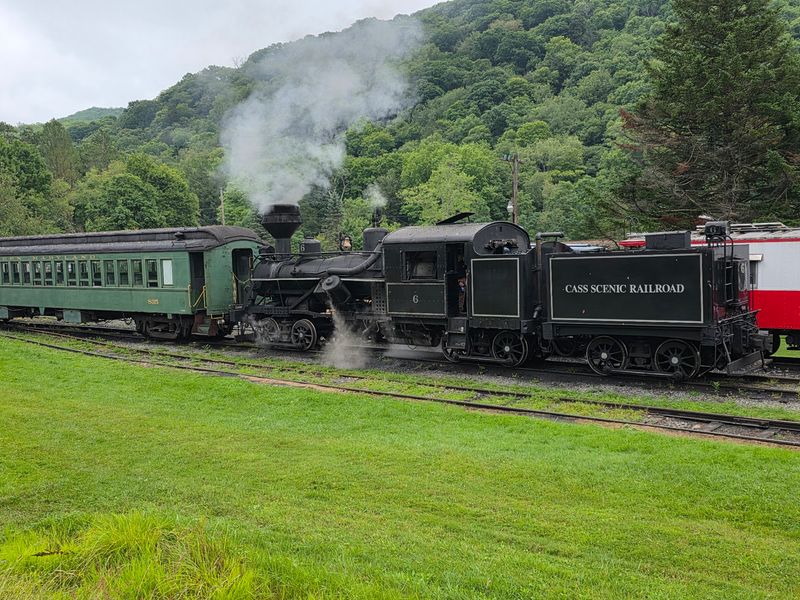
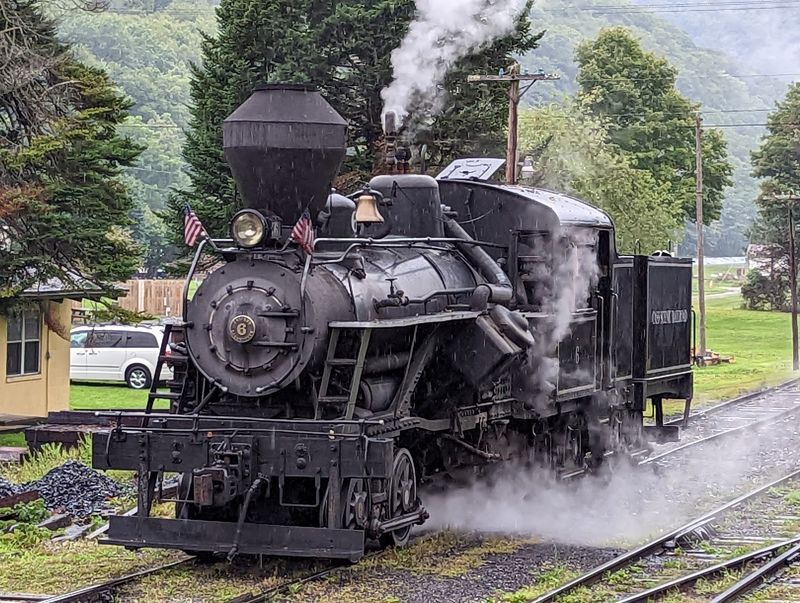
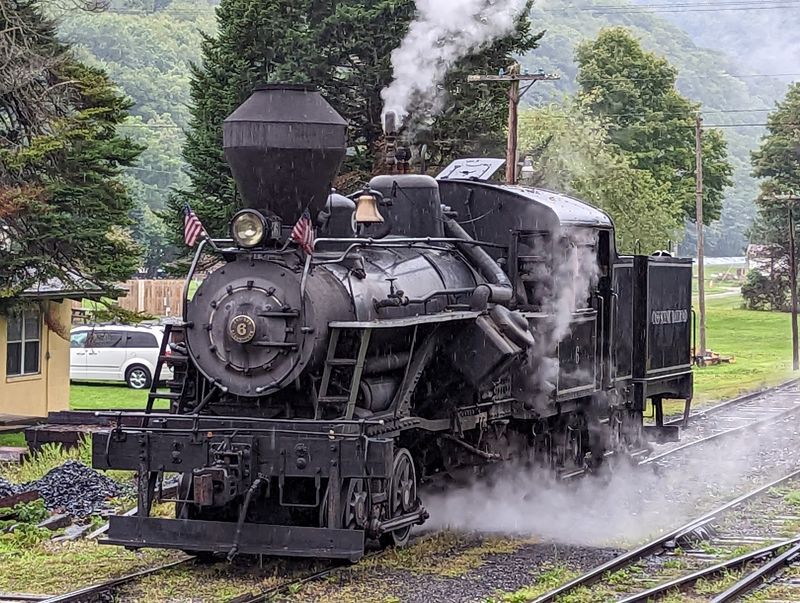
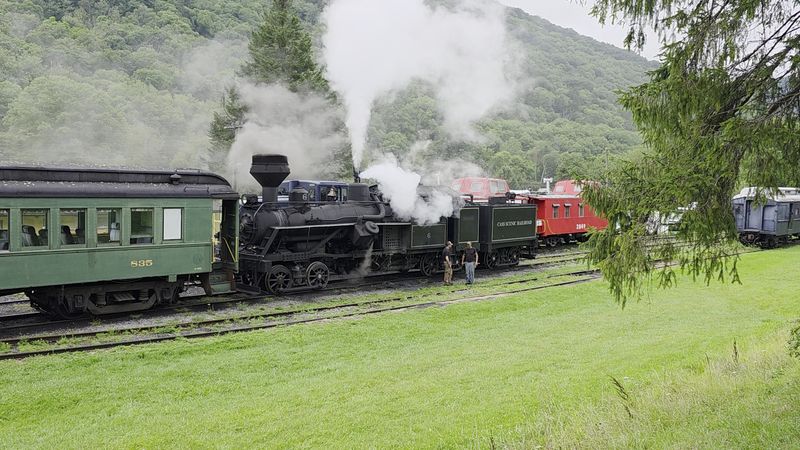
When one hero steps aside, another climbs aboard. These days the Durbin Rocket is often pulled by the Heisler No. 6, a coal-fired geared steam engine that also dates to 1910.
It came over from the Cass Scenic Railroad to fill in while the Climax gets its overhaul.
Visitors who have ridden behind it tend to rave about the machine. Rail fans point out that only a handful of Heislers like this one still operate, so seeing it restored and working feels like a real treat.
Some riders even mention that the crew let them get a closer look at the engine during the turnaround stop.
The Heisler seems to handle the gentle grade along the river with ease. Talk around the depot suggests it could end up staying in town for good, since it suits the route so well.
Nobody seems to mind that idea one bit.
Part of the fun is simply watching it work. You can see the crew shoveling coal and the engine taking on water from a stream along the way.
It is hands-on history, noisy and smoky, and kids tend to stare with their mouths wide open.
Ten and a Half Miles Along the Greenbrier
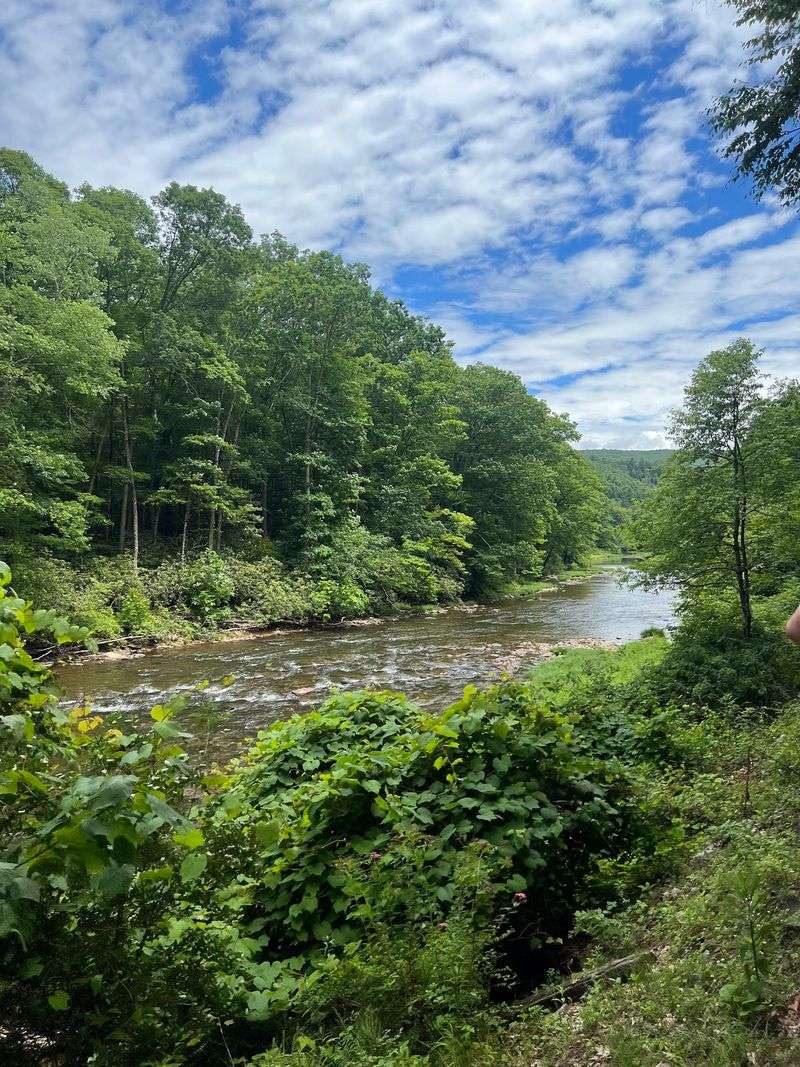
Slow is the whole point. The classic Durbin Rocket trip covers about 10.5 miles round trip and usually takes around two hours.
Do not expect to break any speed records, since riders have clocked it somewhere around six or seven miles per hour.
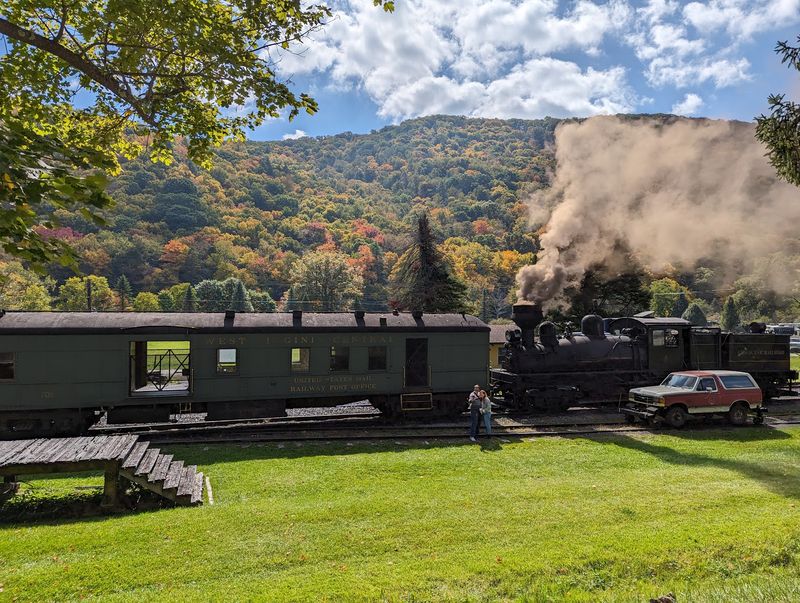
That pace gives you time to soak up the view. The train leaves the historic depot and follows the winding Greenbrier River past farmland, deep woods, and quiet bends inside the Monongahela National Forest.
Riders mention spotting wildlife, and some lucky folks have seen bald eagles circling overhead.
Fall is the season people talk about most. When the leaves turn, the hillsides light up in red, orange, and gold, and the river reflects it all back.
One visitor admitted they should have gone a week earlier to catch peak color, so plan with care if foliage is your goal.
There is also a break of roughly 20 minutes at the turnaround, where you can step off, stretch your legs, and look around. Riders recall a swinging bridge and the smell of pine and river mist.
On the way out the engine pushes the train, then it pulls you home.
Open Cars, Cabooses, and Freedom to Wander
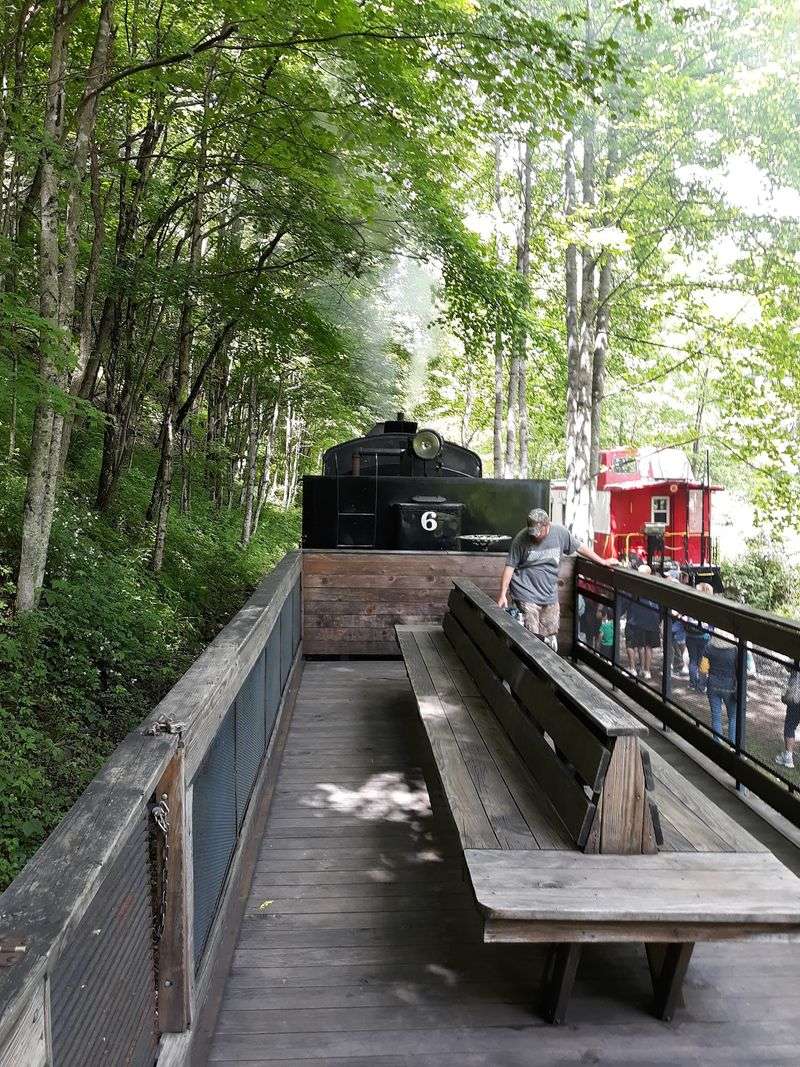
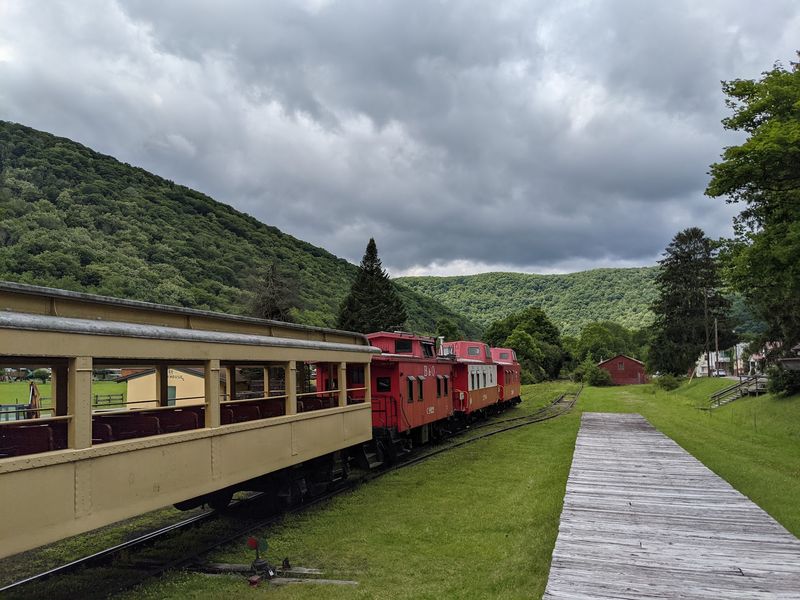
Picking a seat on this train is half the fun. The cars come from the 1920s era, and riders describe the lineup as a cheerful mix of open-air cars, roofed cars with wide open sides, and a caboose.
Each one gives you a slightly different ride.
Open-air cars are the favorite for photographers and anyone who wants nothing between them and the scenery. Covered cars with broad windows keep the sun or a light drizzle off your head while still letting the breeze through.
Then there is the caboose, where some visitors love standing on the back platform on the return trip.
One thing families keep mentioning is the freedom to roam. You are not stuck in one seat for two hours, so you can drift from car to car, try different views, and chase the best photo angle.
Parents with wiggly toddlers say that makes a huge difference.
A quick heads-up from riders who know: because the cars are open, a little coal smoke and ash may drift your way. Most folks shrug and say it makes the trip feel more authentic.
The bench seats seem comfortable enough, though trips can sell out and feel snug.
Storytelling Crews and Friendly Conductors
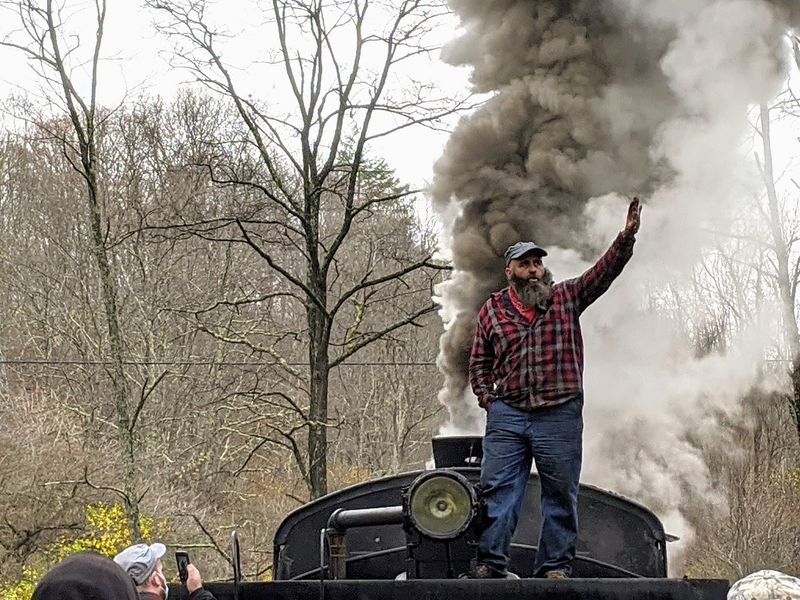
Ask almost anyone who has ridden, and they will bring up the people. Visitors often describe the staff as friendly, helpful, and genuinely happy to chat.
Several mention that the engineers and conductors stayed personable even after the train stopped.
On many trips, a guide or conductor shares bits of history as the miles roll by. Riders recall stories about the old engines, the timber mills they once served, and what life looked like in these hills a hundred years ago.
One conductor even earned a shout-out for his lively color commentary.
To be fair, not every ride is the same. A few visitors have noted trips with very little narration, and they wished someone had shared more about the area.
Your experience may depend on the day, the route, and who is working.
Still, the general feeling is warm. Rail buffs say nearly any employee can toss out an interesting fact if you ask.
That kind of small-town hospitality is something West Virginians recognize instantly, the same easy friendliness you might find at a church supper or a hometown diner. It turns a simple train ride into a conversation you will remember long after.
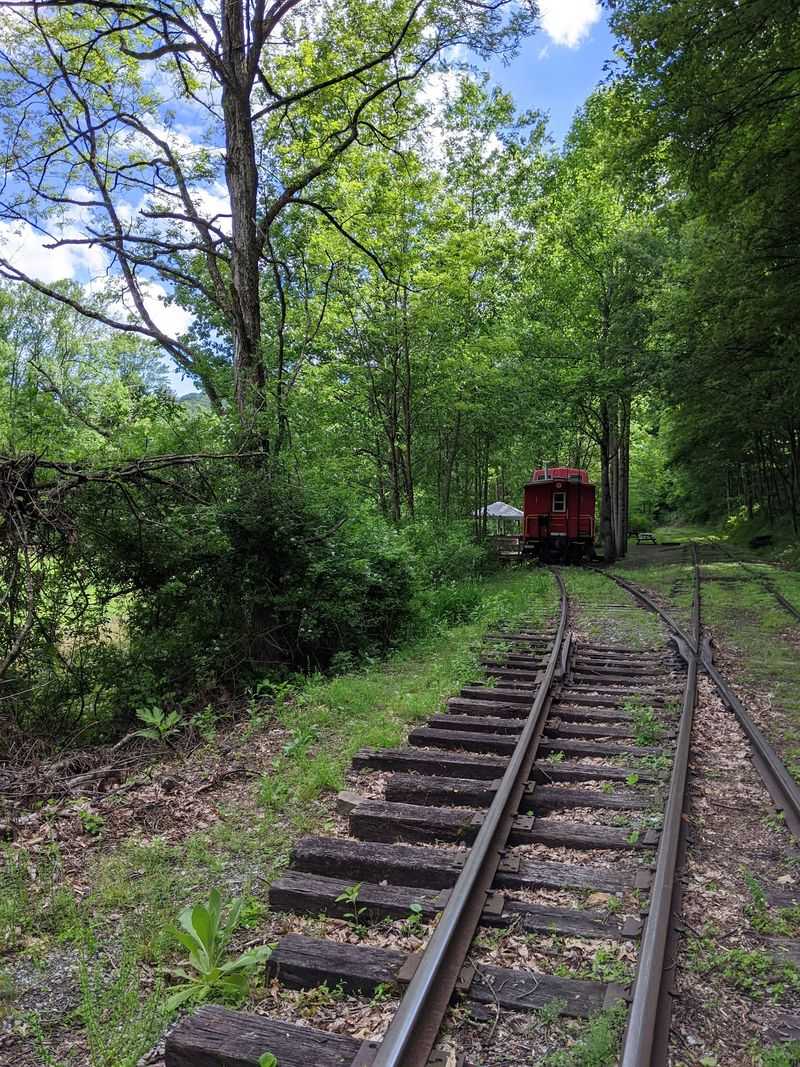
A Night Alone in the Castaway Caboose
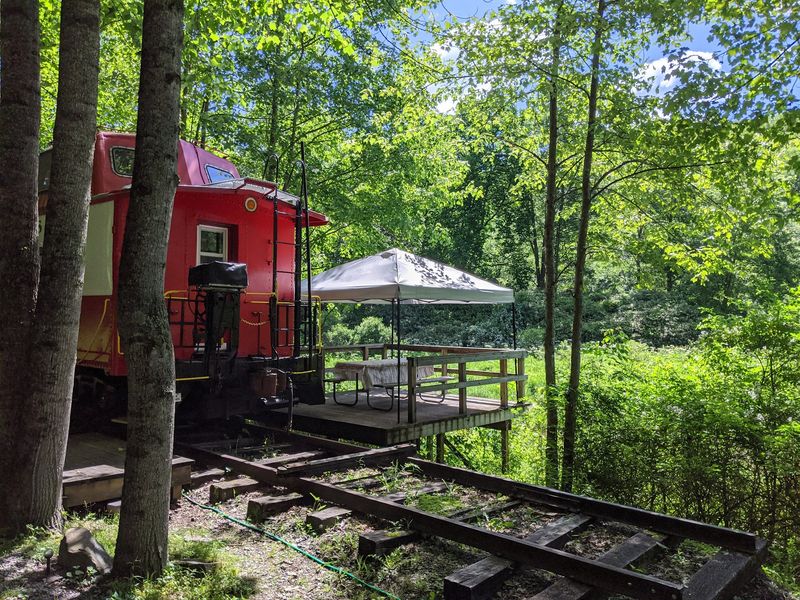
Ever wanted the train to just leave you behind? That is exactly what happens with the Castaway Caboose.
The railroad drops a fully equipped caboose on a secluded siding along the route and lets you stay as many nights as you book.
Inside, you will reportedly find a kitchen, a bath with a shower, and sleeping space for up to four adults. Step outside and the river is right there, with nothing but trees, water, and sky around you.
One rider was surprised to learn this option even existed and spotted it during a regular trip.
Forget about scrolling your phone, though. There is no cell service out there, and the quiet is the kind most of us have not heard in years.
Some guests describe it as a little eerie at first and then completely unforgettable.
For couples, retirees, or anyone craving a true off-grid escape, it might be one of the most unusual places to sleep in the whole state. Pack your groceries, a good book, and maybe a fishing pole.
The next train will come along to fetch you when your stay is done.
The Rebuilt Line Between Durbin and Cass
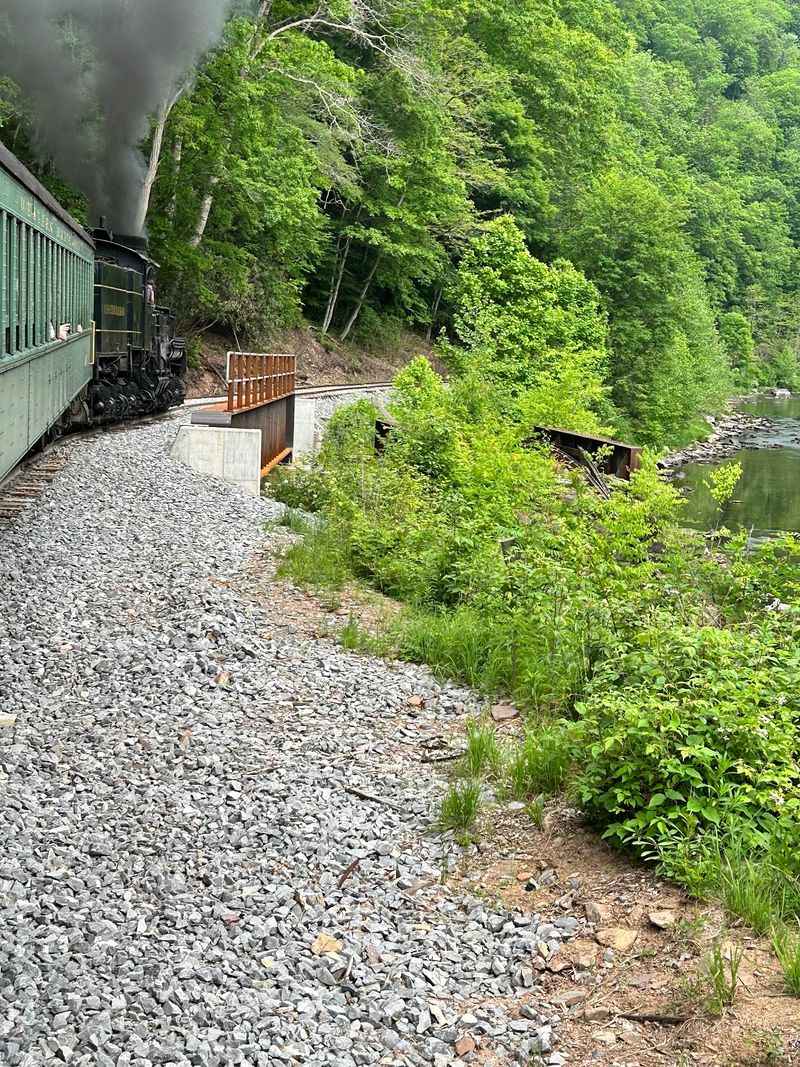
Floods in 1985 tore up the 15-mile stretch of track between Durbin and Cass, and for decades that link sat broken. Plenty of old-timers probably figured it would never come back.
They were happily wrong.
After a multi-year restoration, the historic Shay No. 5 made the first complete trip over the repaired line in February 2023. That reconnection opened the door to the Greenbrier Express, a full-day journey of roughly six hours round trip along the river between Cass and Durbin.
For serious rail fans, it is a big deal.
Riders who have taken the Cass to Durbin trip mention plush, bus-style bench seats that feel closer to the original style than modern table cars. Some trips include a lunch stop where you can browse little shops before heading back.
One visitor noted the Shay’s history was a highlight, and the tour guide did a fine job.
Fair warning for families: longer routes are not for everyone. A few riders felt the extended trips ran a bit long for small children, so bring snacks and activities.
For patient travelers, though, it is a gorgeous day in the mountains.
The 1902 Depot and a Walkable Little Town
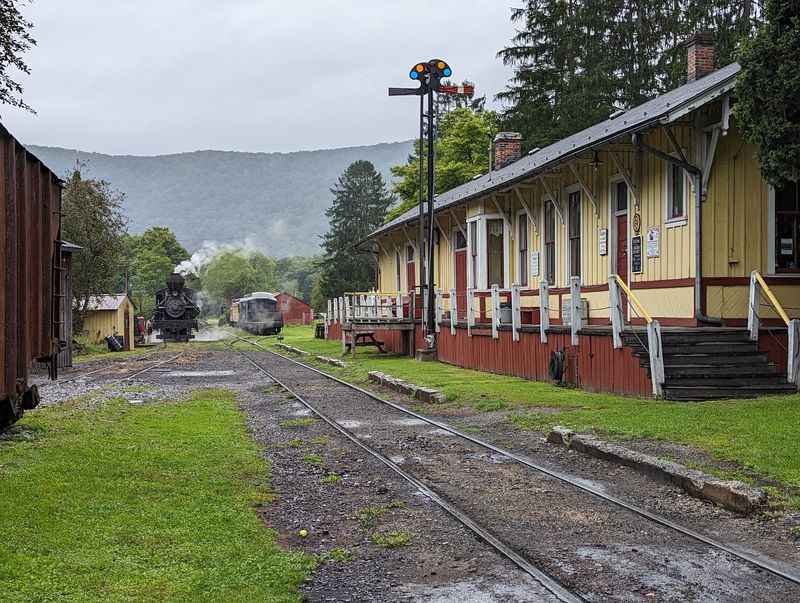
Before you board, take a few minutes to poke around the depot. The original 1902 Durbin Depot has been lovingly restored and now serves as an information center and gift shop.
It is the kind of building that makes you want to run your hand along the old wood.
Visitors speak kindly of the gift shop and the folks working the register. You can pick up souvenirs, train-themed treats for the grandkids, and local information about the area.
It is also a handy spot to ask questions before your ride.
Town itself is small and easy to explore on foot. A self-guided historical walking tour lets you trace the story of the old timber days at your own pace.
One rider tipped off fellow visitors to grab ice cream at the Rail & Trail, which sounds like a perfect summer reward after a smoky ride.
Because the town sits near the headwaters of the Greenbrier River and right next to the Monongahela National Forest, it works nicely as a home base. Some families have even camped within walking distance of the train.
Hikers, bikers, and anglers will find plenty nearby, including the West Fork Rail Trail.
Who Will Love This Ride Most
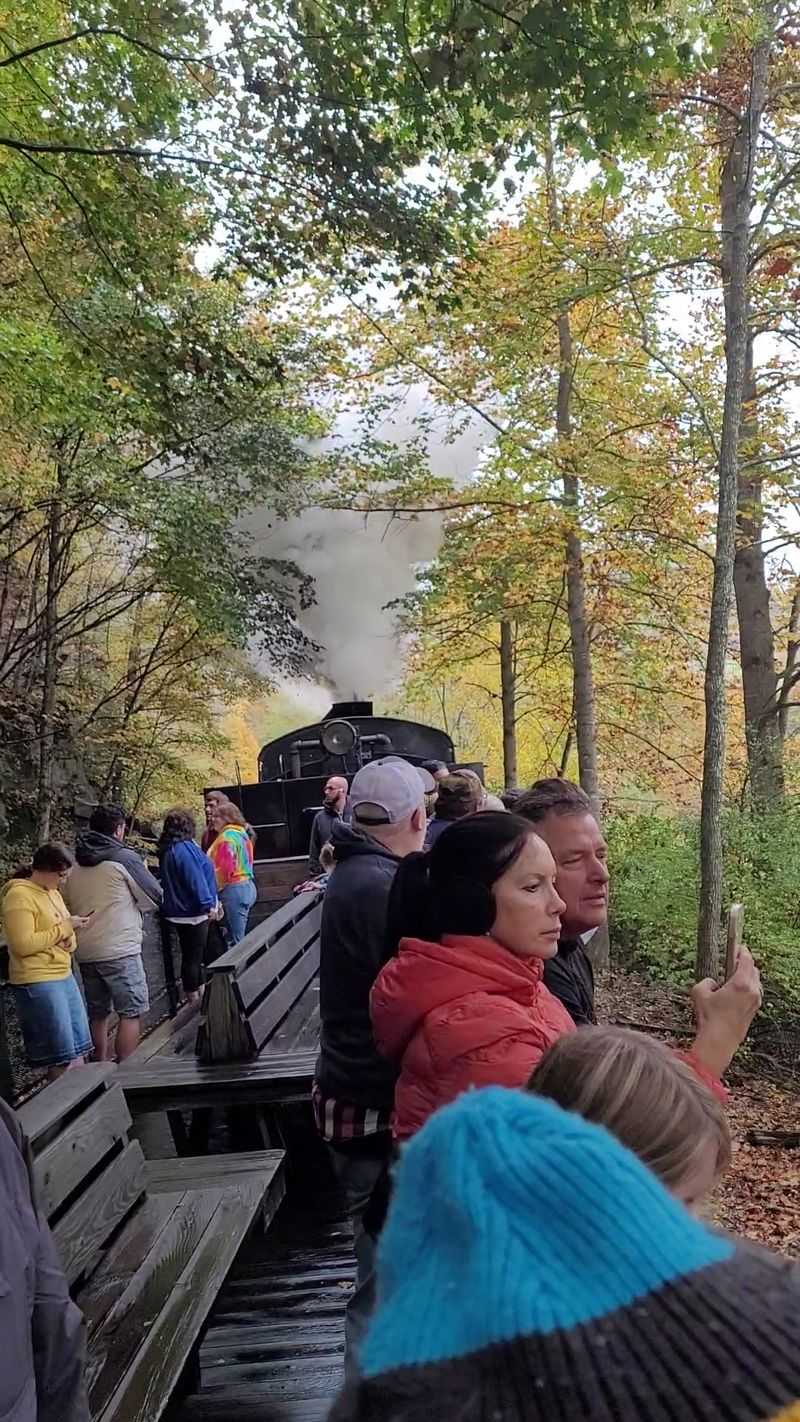
Grandparents, take note. This might be one of the sweetest outings you can share with the little ones.
Several families brought kids as young as two, and they report toddlers having an absolute blast.
Retired travelers seem especially drawn to it too. One couple described the joy of hearing a steam or old diesel engine pulling its heart out, calling it a highlight of their retired years.
If you grew up hearing trains rumble through your hometown, the nostalgia hits hard.
On the other hand, it is not for everyone. If you need speed, constant entertainment, or a strong phone signal, you may get restless.
There is zero cell service, and the crew sometimes jokes about it.
Most riders, though, see that as a gift rather than a problem. Without the buzz of notifications, people actually look out the window, talk to each other, and notice the eagles.
Train buffs, nature lovers, photographers, and anyone who misses the slower pace of the good old days will feel right at home. A couple even chose it for a birthday outing and called the prices great.
Bring patience, a camera, and maybe a light jacket for the breeze.
Hours, Booking Tips, and the Address
Good planning makes for a smoother day. According to listed hours, the railroad’s Durbin location is open Thursday through Sunday from 10 AM to 6 PM and closed Monday through Wednesday.
Schedules can shift with the season, so check the official website, mountainrailwv.com, before you head out.
Book early if you can. Riders say trips tend to sell out, especially during fall foliage season, when the leaves draw big crowds.
If peak color matters to you, keep an eye on local leaf reports and aim a little early rather than late.
Pack smart for a mountain day. Bring layers, sunscreen, and a few snacks or activities for children on the longer routes.
Some riders mention ear plugs and seat cushions, though plenty of folks did just fine without them.
You will find the railroad at 4759 Staunton Parkersburg Turnpike, Durbin, WV 26264. The town sits along a winding mountain highway in Pocahontas County, so give yourself extra drive time and enjoy the scenery on the way.
Once you arrive, parking near the depot is typical. Download maps ahead of time, since your phone signal will likely disappear before you reach the station.
A Soft Verdict From the Mountains
Some places earn your affection quietly. This little railroad town does not shout for attention, yet it lingers in your memory long after the coal smell fades from your jacket.
Between the old engines, the gentle river, and the folks who keep it all running, it feels like a piece of West Virginia that refused to let go of its past.
Pocahontas County itself adds to the charm. Known as Nature’s Mountain Playground, it offers trails, trout streams, campgrounds, and Civil War history within easy reach.
For retirees dreaming about a quieter life, the county reportedly has household bills that run well below the national median, often estimated around $931 a month, though figures vary.
Is the ride perfect? Not for those craving speed or nonstop excitement.
But for anyone who loves a slow afternoon, a good story, and the sound of a real steam whistle, it might be just right.
Whether Old Dusty is back on the rails or Heisler No. 6 is doing the honors when you visit, the spirit is the same. Climb aboard, put the phone away, and let the mountains do the talking.
Then come home and tell your family all about it.
