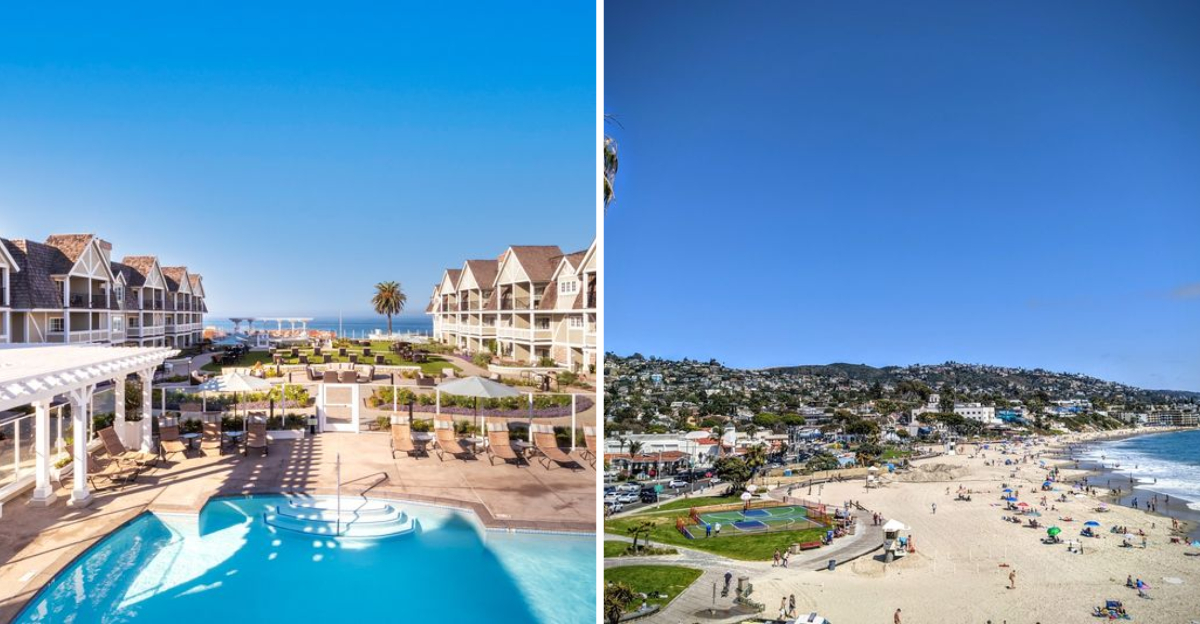
Biking beside a river in the flat valley heat one morning, watching fog roll over a cliff road with the windows down two days later. California has a way of making me forget what day it is, and that is exactly why I keep coming back.
What surprised me most, after years of wandering this state, is how wildly the cost of a trip can swing depending on which pin you drop on the map. Some of these places let you spend a whole weekend on foot and still feel like you saw everything, while others quietly ask for a bigger commitment before you even unpack.
I have stayed in a tiny coastal cabin that cost less than a night at a chain motel, and I have also paid for a room where the view alone felt like it justified the price. The difference is not always what you expect.
I put together this route from the gentlest on your wallet to the most extravagant, because knowing that difference changes how you plan and how much you enjoy the trip. Think of it as a coast-to-mountain tour where every stop has its own rhythm, and every rhythm has its own price tag.
1. Sacramento, The Capital That Keeps Things Easy
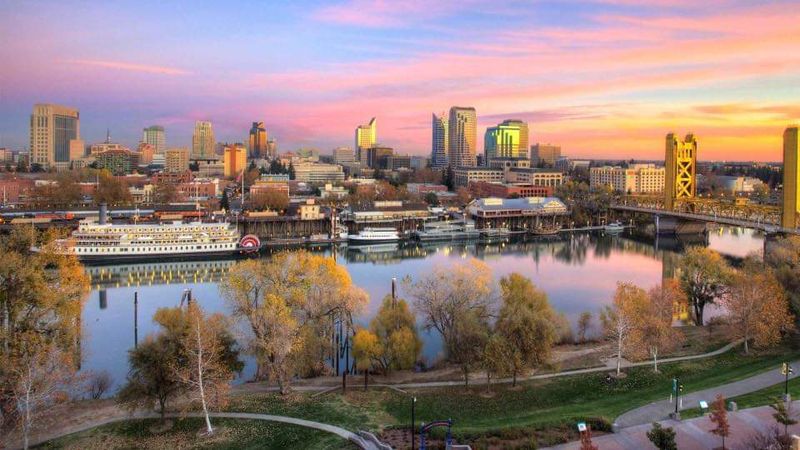
My first impression of Sacramento was how unhurried everyone seemed. People sat on the Capitol lawn eating lunch under enormous old trees, and nobody looked like they were rushing anywhere.
Of all the places on this list, this one asks the least of your wallet. The state Capitol and the park wrapped around it cost nothing to explore, and you can lose an easy hour just reading the plaques and watching squirrels bully the pigeons.
Old Sacramento sits along the river with wooden boardwalks and creaky storefronts that make you feel like you wandered into a different century. McKinley Park is where locals jog and toss frisbees, and the Crocker Art Museum sometimes opens its doors without an admission charge.
What I liked best was the American River Parkway. Paddlers, cyclists, and walkers all share it, and none of that costs a cent.
For meals, I skipped the tourist-heavy blocks and headed toward Midtown and Oak Park, where the food felt more local and far kinder on the budget. The light rail and buses handle the rest, so parking never became a headache.
2. Big Bear Lake, Pine Trees, Cabins, And Cool Air
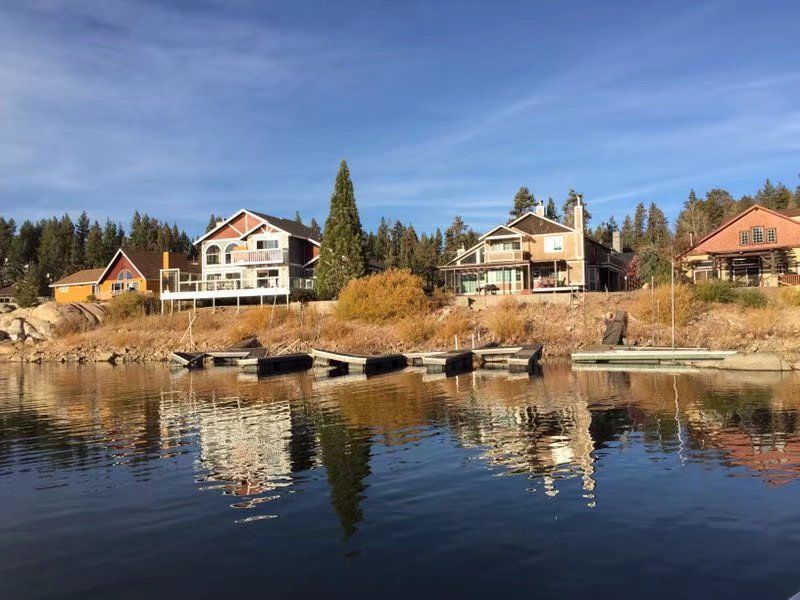
Driving up the mountain road toward Big Bear, I noticed the temperature drop about fifteen degrees in twenty minutes. The air smelled like warm pine, and I rolled the windows down and kept them there.
Timing matters more here than almost anywhere else in the state. Winter and summer bring crowds and higher demand, while spring and fall leave the trails quiet and the town relaxed.
Cabins are the classic stay, and having a kitchen changed everything for me. Cooking a couple of meals meant I could spend more time outside and less time thinking about restaurants.
Castle Rock Trail climbs fast and rewards you with a wide view of the water, and Pine Knot Trail runs longer through the forest. The paved Alpine Pedal Path hugs the shoreline and works just as well for a slow walk as a bike ride.
Stanfield Marsh is where I stopped to watch birds without meaning to, and the small historical museum filled a rainy hour. Best of all, the free trolley loops through The Village and past trailheads, so the car stayed parked.
3. Palm Springs, Desert Sun And Clean Lines
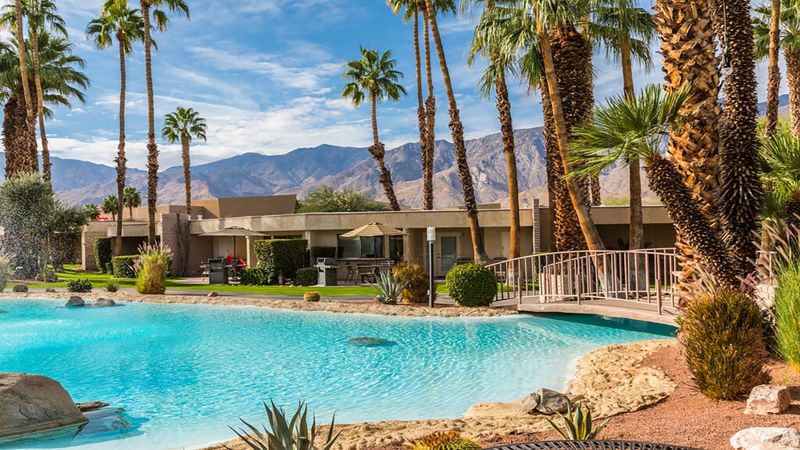
Something about Palm Springs makes me want to slow my walking pace. Maybe it is the heat, or maybe it is the low, angular houses that look like they were designed for lounging.
The mid-century architecture is the real attraction, and you can appreciate most of it from the sidewalk. I spent an afternoon just wandering neighborhoods, admiring butterfly rooflines and breeze-block walls, and it cost me nothing but sunscreen.
Peak season fills the resorts and pushes rates up, so I have had better luck visiting in the deep heat of mid-July through August. Weekdays also feel calmer and easier on the budget than weekends.
Moorten Botanical Garden charges only a small amount and is worth every minute, with cactus varieties I had never seen before packed into a tight, shady path. A few local museums open without any fee at all.
Trails climb out of town straight into rocky canyon country, and morning is the only sensible time to try them. Dining ranges from casual counter spots to polished patios, which means you control how much this trip costs.
4. Pismo Beach, Where The Coast Feels Unbothered
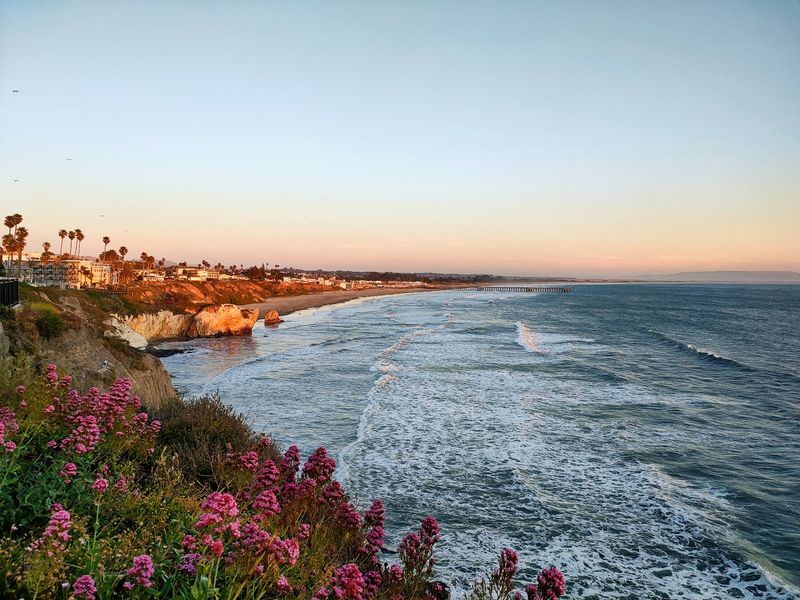
Pismo Beach was the first place on this trip where I genuinely lost track of time. I walked out onto the pier, stood there while the fog burned off, and forgot I had a schedule.
The central coast carries a high cost of living, but the town itself is generous with free experiences. Walking the sand costs nothing, and fishing from the pier does not require a state license, which still surprises people.
December through February brings quieter streets and easier lodging, and a midweek visit stretches a budget further than a Saturday ever will.
Between late fall and winter, the Monarch Butterfly Grove fills with clusters of orange wings hanging from eucalyptus branches. It is the kind of thing you have to stand still to really see.
Up above town, the Pismo Preserve offers hiking and mountain biking routes with ocean views that open up suddenly as you climb. I hiked it in the morning and had the ridge nearly to myself.
Downtown is compact and walkable, packed with small shops and casual restaurants a few blocks from the sand.
5. Carlsbad, The Village By The Sea
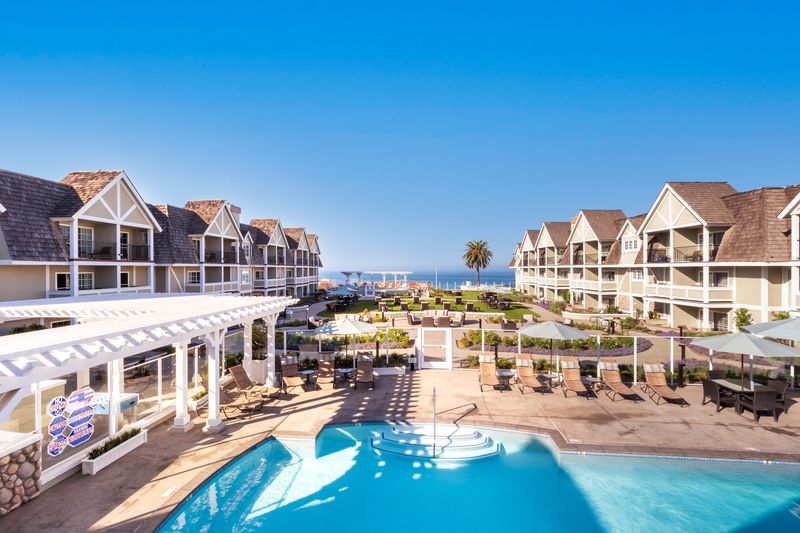
Families are everywhere in Carlsbad, and honestly it gives the place a cheerful, slightly chaotic energy that I enjoyed more than I expected. Kids with sandy feet, parents carrying too many towels, everyone happy.
Seven miles of coastline run through town, and beaches like Tamarack Surf Beach and South Carlsbad State Beach are free to walk onto. Some lots charge for parking, though street spots often cost nothing if you arrive early.
LEGOLAND California Resort and the SEA LIFE aquarium anchor the family side of things, and both draw visitors from far outside the county.
Living costs here run above state and national averages, so I aim for December, September, or October when the town exhales a bit. Midweek stays help too.
Carlsbad Village rewards walking, with small boutiques, coffee shops, and art galleries clustered close enough that you never need to move the car. I browsed for an hour without buying anything and still had a good time.
Mild weather nearly year-round makes the Coastal Rail Trail and the Batiquitos Lagoon paths pleasant almost any month you show up.
6. Laguna Beach, Coves, Art, And A Free Trolley
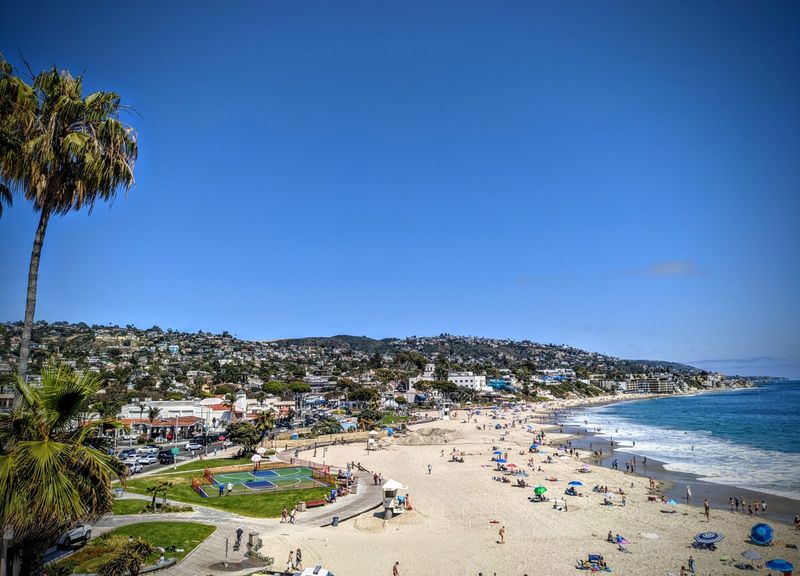
Laguna caught me off guard with how vertical it is. Streets tumble downhill toward the water, and every gap between buildings frames a different slice of blue.
Upscale is the word people use, and hotel and dining costs do reflect that. Yet I have had full, satisfying days here spending almost nothing beyond gas and a sandwich.
Fall and winter are the quieter stretches, with thinner crowds and gentler lodging rates.
Art shows up in unexpected places, from sculptures tucked beside stairways to murals on side streets. The town has cultivated that reputation for decades and it still feels genuine rather than staged.
Main Beach draws the crowds, while Thousand Steps Beach and Treasure Island Beach reward anyone willing to walk down a long staircase. Tide pools at low tide turn into small aquariums full of anemones and crabs.
Heisler Park runs along the bluff with picnic tables and paths that look straight out to sea, and I ended two evenings there watching the water change color.
The free trolley solved my parking problem entirely, which in a town this tight is no small victory.
7. San Francisco, Hills, Fog, And Big City Costs
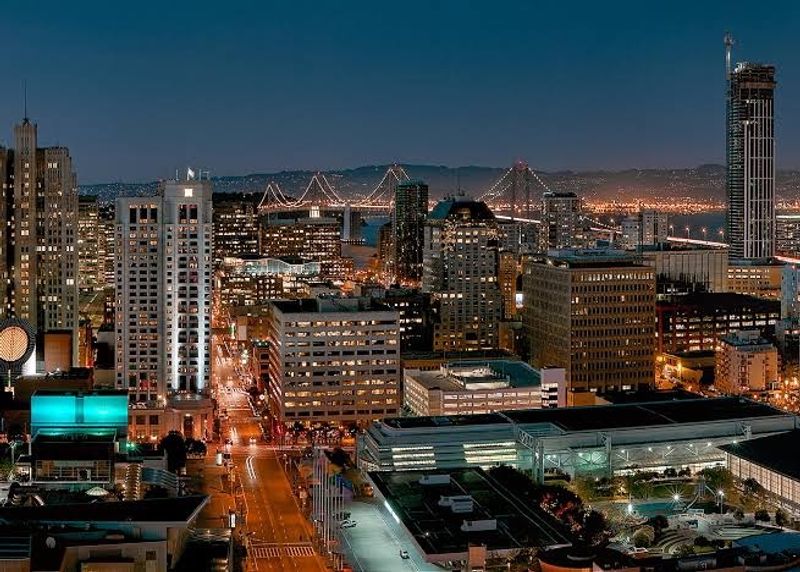
Fog rolled in while I was halfway across the Golden Gate Bridge, and within minutes the towers above me disappeared. That kind of weather drama is part of the deal here.
Among American cities, this one sits firmly on the expensive end for travelers, with lodging and restaurants doing most of the damage. Even so, an enormous share of what makes the city special is free.
Walking the bridge costs nothing and gives you views you will remember for years.
Golden Gate Park sprawls far bigger than most visitors expect, with meadows, gardens, and quiet paths that feel a world away from downtown traffic. Chinatown is another place where wandering is the entire activity, and the street life is the attraction.
MUNI buses and trains carry you up hills your legs would resent, and using them saved me both money and effort.
The Ferry Building is worth a stop for its architecture alone, though the food stalls inside are the real draw. For everyday meals, I found better value at neighborhood counters and markets than at the waterfront spots aimed squarely at tourists.
8. Santa Barbara, The American Riviera Without The Splurge
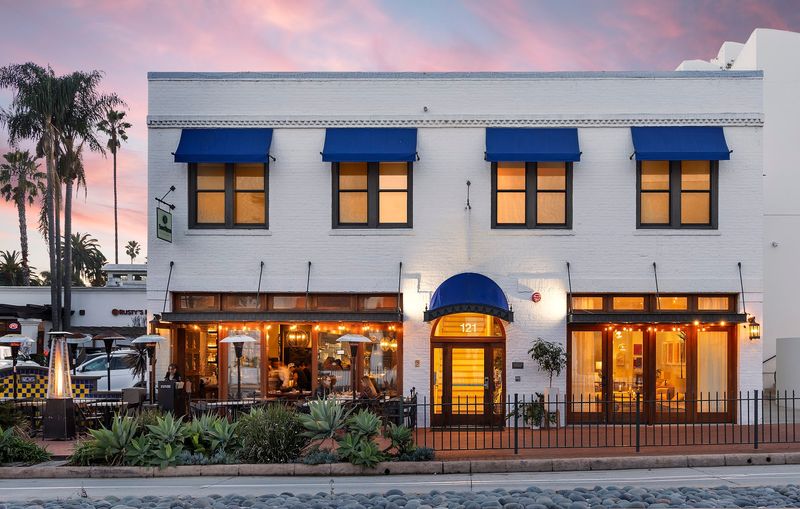
Red tile roofs, white walls, and mountains rising right behind the beach. That combination is why people call this stretch the American Riviera, and after one visit I understood the nickname completely.
Surveys have ranked it among the most expensive tourist destinations in the country, and weekend lodging carries a serious price. Planning carefully changes the equation, though.
Butterfly Beach and Leadbetter Beach cost nothing to enjoy, and a few nearby spots even offer parking without a charge.
The county courthouse surprised me most. It is a working government building, yet the tiled halls and the clock tower observation deck feel like a museum, and climbing up for the panoramic view costs nothing at all.
The Funk Zone is a walkable pocket of galleries, workshops, and murals where the fun is simply looking around.
Stearns Wharf, the oldest working wooden wharf in the state, is ideal for a slow stroll and some unapologetic people-watching. I ate better and cheaper a few blocks inland from the main tourist corridor, and local buses handled the rest of my getting around.
Address: 1100 Anacapa St, Santa Barbara, CA
9. Carmel-by-the-Sea, A Storybook Village With A Serious Price Tag
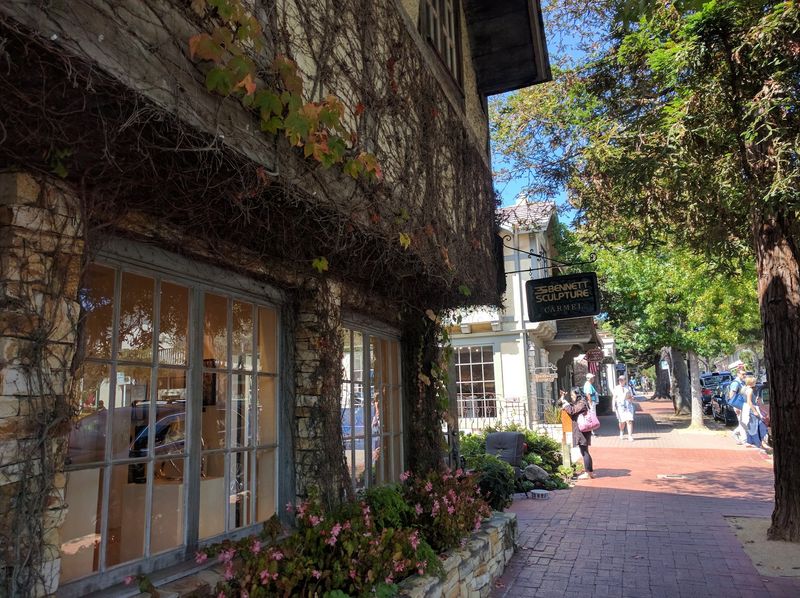
Nowhere else in California has made me stop mid-sidewalk to stare at a door. The cottages here look hand-drawn, with crooked chimneys and gardens spilling over low fences.
Charm like that comes at a cost, and this village ranks among the priciest places to stay in the state, especially in summer. Daily expenses add up quickly once meals are included.
Still, the wandering is free and endless.
Hidden courtyards branch off the main streets, connecting galleries and small locally owned shops you would never spot from the sidewalk. I found three of them by accident.
Carmel Beach has soft white sand, enthusiastic dogs, and sunsets that empty every restaurant patio in town. Just down the coast, Point Lobos State Natural Reserve offers cliffside trails where sea lions bark below and cypress trees twist against the wind.
Carmel Mission Basilica holds centuries of California history inside thick adobe walls and quiet gardens.
The scenic 17-Mile Drive curves past cypress groves and rocky headlands, and self-guided exploring keeps the day far more reasonable than it could otherwise be.
10. Most Expensive, Malibu And Its Twenty-One Miles Of Shoreline
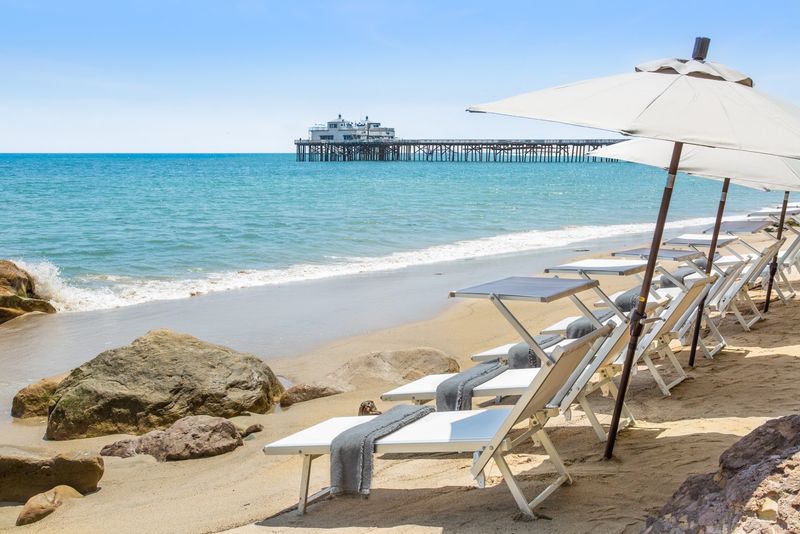
Malibu closed out my route with the biggest scenery and the biggest numbers. Cliffs drop straight toward the water, and the highway curves along the edge like it was drawn for a car commercial.
Reputation matters here. Exclusive real estate lines the shore, lodging sits at the top of the state’s range, and restaurants follow suit.
What nobody tells you is how much of the good stuff remains open to everyone.
El Matador Beach hides beneath a steep staircase, where sea stacks and rock arches create the most photographed sand in Southern California. Zuma is wide and windy, and Surfrider draws surfers who clearly know exactly what they are doing.
Reaching those beaches is generally free, though some parking lots ask a modest fee.
Inland, Solstice Canyon and the wider Santa Monica Mountains offer shaded creek trails and ridgelines with ocean views that stretch for miles. I hiked one in the morning and swam in the afternoon.
The pier makes a fine slow walk, and the grounds of the historic Adamson House can be visited without charge, which felt like a small gift at the end of the road.
