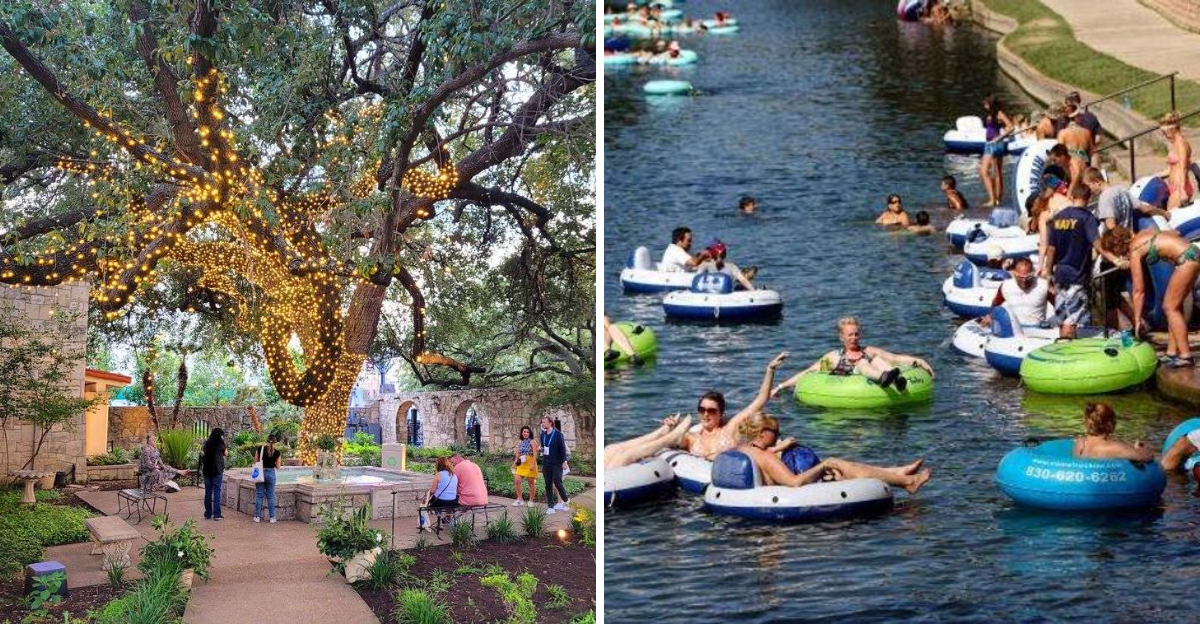
Popularity is a funny thing. A Texas attraction can have thousands of glowing reviews, endless social media photos, and a parking lot packed by 10 a.m., yet still leave some visitors wondering why they spent half the day getting there.
Crowds, high prices, long waits, underwhelming experiences, and the occasional attraction that looks considerably better online can all turn a famous stop into a one-and-done kind of place.
That does not mean these destinations are terrible or that nobody should visit them, because plenty of people genuinely love them.
This list is about the tradeoffs hiding behind the hype and the reasons a second trip might be harder to justify. Texas is too big and too interesting to keep spending weekends somewhere that felt merely fine the first time.
1. San Antonio River Walk
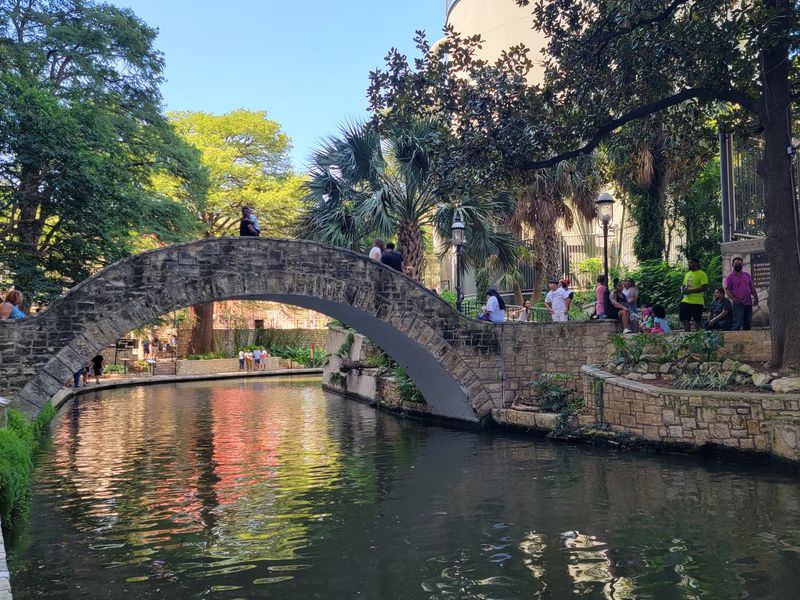
Photos of the River Walk sell a dream: soft lantern light, quiet water, a stone bridge arching overhead. Reality during peak season includes shoulder-to-shoulder foot traffic and a long wait for a table anywhere with a view.
The downtown loop is genuinely pretty, with cypress trees leaning over green water and mariachi music drifting between the arches. Yet the central stretch has leaned hard into tourism, and prices reflect that.
A short barge ride and a stroll can eat a surprising amount of a travel budget.
Parking is its own headache. Garages fill fast, street spots are scarce, and rates climb during festivals and holidays.
First-timers often circle for twenty minutes before giving up and paying whatever the nearest lot charges.
Navigation confuses newcomers too, since the walkway sits below street level and stairways pop up in unexpected places. It is easy to lose your bearings and end up a full block from where you meant to be.
Better plan if you go: skip the crowded main loop and walk north toward the Museum Reach or south along the Mission Reach, where the path is wide, shaded, and far calmer. Weekday mornings beat weekend evenings by a mile.
Worth seeing once for the atmosphere and the engineering story behind it, since the whole system began as a flood control project in the 1920s. After that first walk, though, the novelty fades quickly.
2. Magnolia Market at the Silos, Waco
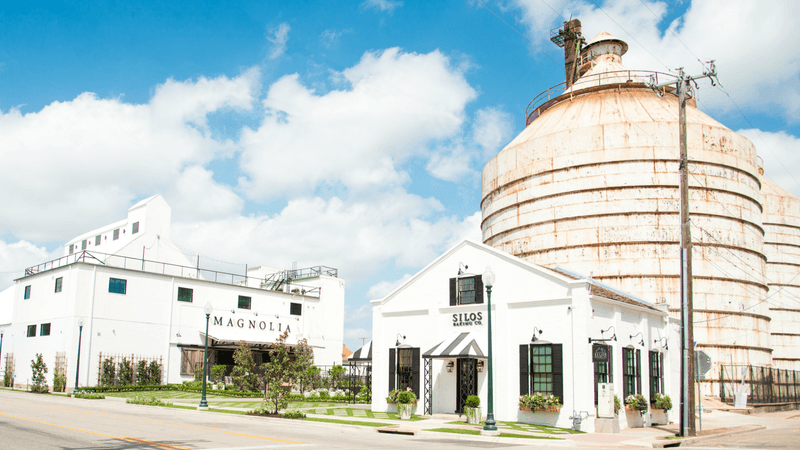
Two towering grain silos, a tidy lawn, and a very long line: that is the Magnolia Market experience on a Saturday. Fans of the home renovation show that made the place famous will feel the excitement, but everyone else may wonder why they drove so far.
The shopping is nice enough. Candles, throw pillows, seasonal decor, and garden goods fill the market building, and the outdoor lawn hosts games and food trucks.
Prices sit on the higher end for what amounts to home accents you could find elsewhere.
Crowds are the real issue. Weekend traffic backs up on the surrounding streets, nearby lots charge for spots that fill early, and moving through the store during busy hours means constant sidestepping.
Strollers and narrow aisles do not mix well.
Waco itself has more to offer than people give it credit for, including a mammoth fossil site and a solid riverside trail system. Still, plenty of travelers describe the city as a single-stop destination, and once the silos are checked off, the reason to return shrinks.
If you are going anyway, aim for a weekday morning shortly after opening. Bring water in summer, since the lawn offers limited shade and central Texas heat is no joke.
See it, snap the silo photo, buy a candle if that is your thing. A second trip is unlikely to feel any different from the first.
Address: 601 Webster Ave, Waco, TX 76706
3. Galveston Beach
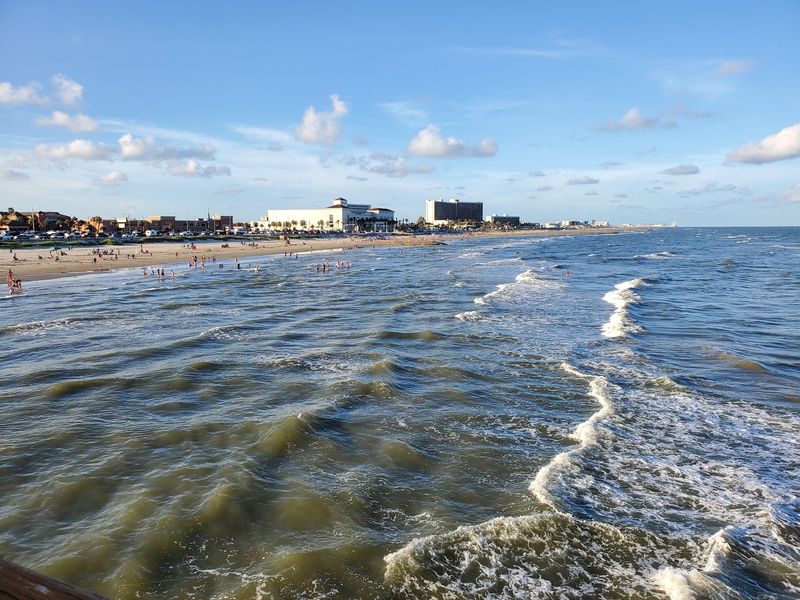
Anyone raised near clear blue water tends to get a shock at Galveston. Gulf water here runs brown from river sediment, and the shoreline often carries mounds of sargassum seaweed that pile up during late spring and summer.
Beyond the color, there are practical annoyances. Litter shows up on busy weekends, jellyfish drift close to shore during warmer months, and public access points are fewer than you would expect along such a long stretch of coast.
Parking near the seawall costs money and disappears fast on hot Saturdays. Families hauling coolers, chairs, and umbrellas end up walking farther than planned, which is not fun in ninety-degree humidity.
None of that erases what Galveston does well. The historic Strand district, the pleasure pier, and the island’s Victorian architecture give the trip real character.
The beach itself just rarely matches the postcard people imagine.
Smart moves for a visit: check seaweed and jellyfish reports before you commit, wear water shoes, and head toward the state park or the west end for thinner crowds. Early morning brings calmer water and easier parking.
Historical note worth knowing: Galveston was once the largest city in Texas before the devastating 1900 hurricane changed its future forever, and the seawall you walk on today was built in response.
Great for a weekend of history and boardwalk fun. As a beach destination, though, one visit tends to satisfy the curiosity.
4. The Alamo, San Antonio
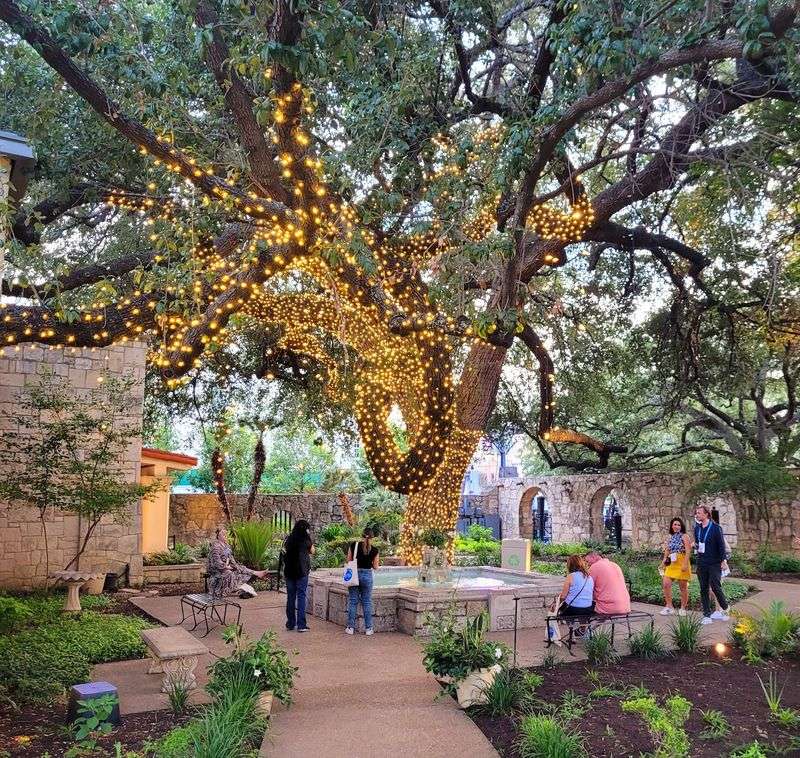
Standing in front of the Alamo for the first time, most people have the same quiet reaction: it is so much smaller than expected. Movies and textbooks build up an image of a sprawling fortress, but the famous chapel front is a modest limestone building hidden into a busy downtown block.
History lovers will still find meaning here, and the site absolutely matters to Texas identity. The problem is what surrounds it.
Souvenir shops, wax museums, and chain storefronts sit within a few steps of the entrance, which makes the mood feel more like a shopping strip than a memorial.
Crowds move through in a steady shuffle, especially during spring break and summer. Guides talk, phones go up, and the whole walk-through can be finished in about twenty minutes if the line moves well.
Visitors hoping for a slow, reflective experience often leave feeling hurried instead.
Practical tip for a first visit: arrive right when the grounds open, before tour buses roll in. Take time in the gardens and the Long Barrack, which are quieter and more informative than the chapel itself.
Reserve a free timed ticket in advance so you are not stuck waiting.
Fun bit of trivia: the building was originally a Spanish mission church, not a military fort, and the famous curved top was added years after the 1836 battle.
Once you have seen it and paid respect, there is not much reason to circle back. One thoughtful visit covers it.
Address: 300 Alamo Plaza, San Antonio, TX 78205
5. Fredericksburg Main Street
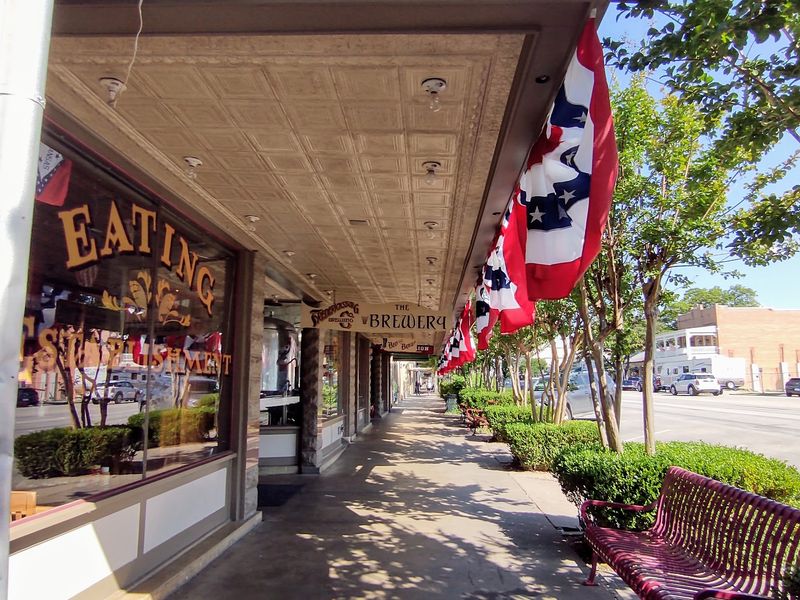
Some locals have started calling it Touristenburg, and after one Saturday on Main Street, the nickname makes perfect sense. Sidewalks fill early, shops stay packed, and finding a parking spot within reasonable walking distance turns into a small competition.
The German heritage here is genuine and charming. Historic limestone buildings, bakeries, and the Pioneer Museum tell a real story about the settlers who arrived in the 1840s.
That authentic core is worth an afternoon.
Trouble comes from volume. The tasting room trail that runs along Highway 290 pulls in tour vans and party buses, which slows the road to a crawl on weekends.
Tasting rooms themselves get loud and shoulder-to-shoulder, which defeats the relaxed hill country vibe most people came for.
Lodging prices climb during peach season and wildflower season, and popular shops sometimes cap how many people can browse at once.
Better strategy: visit Tuesday through Thursday, when Main Street breathes and shopkeepers actually have time to chat. Use the town as a base for Enchanted Rock, Luckenbach, or the Willow City Loop instead of treating the shops as the main event.
Little detail travelers miss: the National Museum of the Pacific War sits right downtown and is far more impressive than its small-town setting suggests.
Charming for a first look, no question. But once you have battled the weekend crowds and paid resort-level room rates, the hill country has quieter towns worth exploring instead.
6. Tubing the Comal River, New Braunfels
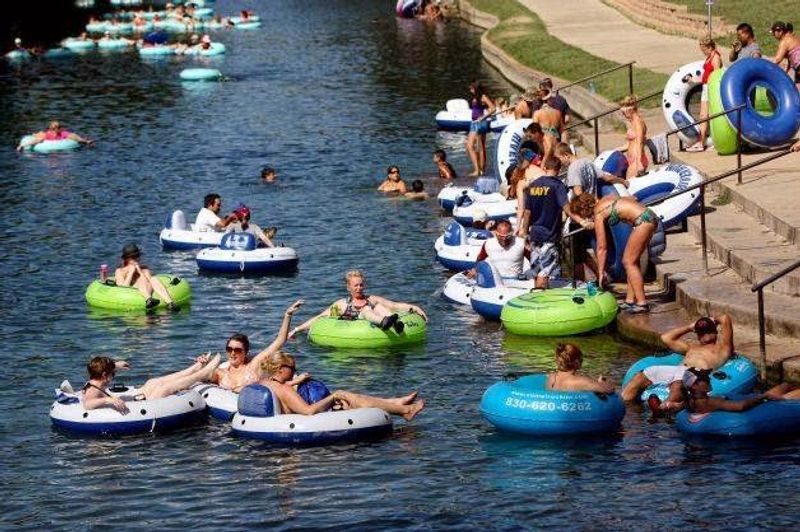
Picture a slow float down cool spring-fed water with nothing but birdsong overhead. Now picture two hundred inner tubes bumping into each other and speakers blasting from every direction.
That gap between expectation and reality catches a lot of first-timers off guard on the Comal.
The river is beautiful. Water stays around seventy-two degrees year round because it comes from the Edwards Aquifer springs, and the short three-mile course makes it beginner friendly.
On a quiet weekday in early June, it can feel magical.
Summer weekends are a different animal. Shuttle lines stretch long, tube rental lots overflow, and the chute area gets so congested that floaters spend more time untangling from strangers than drifting.
Anyone hoping for peace and quiet will not find it there.
Costs add up too. Tube rental, shuttle service, parking, and a cooler tube can push a family outing higher than expected before anyone touches the water.
Practical advice: go on a weekday, arrive before ten in the morning, and bring water shoes because the riverbed is rocky. Glass and disposable containers are banned, and rules are enforced.
Fun note: the Comal is often described as one of the shortest rivers in the country, running only about two and a half miles from spring to confluence.
A blast once for the story. Repeating it in peak season is more chaos than relaxation.
7. Schlitterbahn Waterpark, New Braunfels
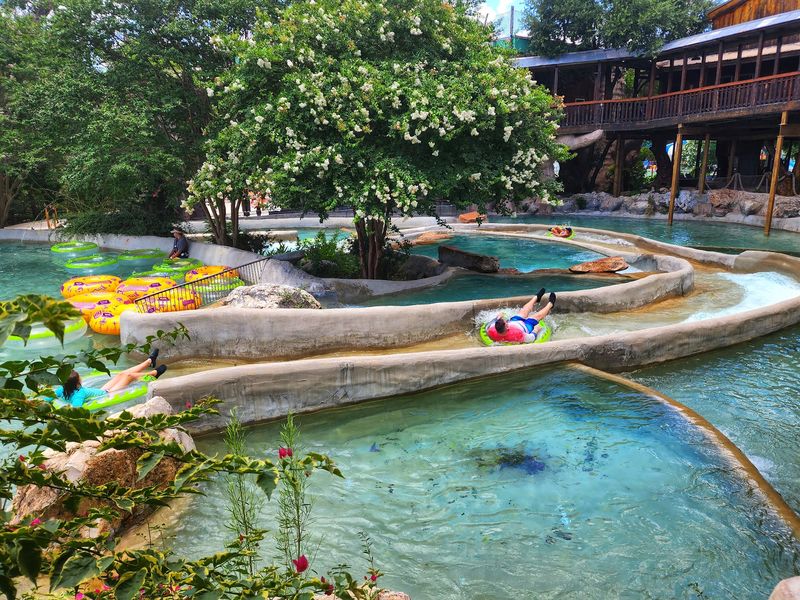
Ask a Texas kid about summer and Schlitterbahn usually comes up within thirty seconds. The park earned its reputation with clever river rides, uphill water coasters, and a layout that uses the actual Comal River as part of the fun.
Here is the catch. On a July weekend, waits for the headline attractions stretch long enough that a family might ride only a handful of slides across an entire day.
Walkways get packed, shaded seating disappears by mid-morning, and finding your group after a slide becomes a mission.
Money is the other sticking point. Admission for a family of four is significant on its own, then lockers, tubes, parking, and food push the total noticeably higher.
Plenty of visitors walk out feeling like the day cost far more than planned.
Heat plays a role too. Concrete walkways bake in the afternoon sun, and standing barefoot in a slow line under direct sunlight wears down even the most enthusiastic thrill seekers.
If you go, buy tickets ahead, arrive at opening, and hit the most popular rides first. Wear water shoes, bring reef-safe sunscreen, and consider a weekday in late August when school schedules thin out the crowd.
Origin tidbit: the park started small in the 1970s around a set of riverside cabins and grew into one of the most talked-about water parks in the country.
Memorable once. Twice starts to feel like paying premium prices to stand in line.
8. Congress Avenue Bridge Bats, Austin
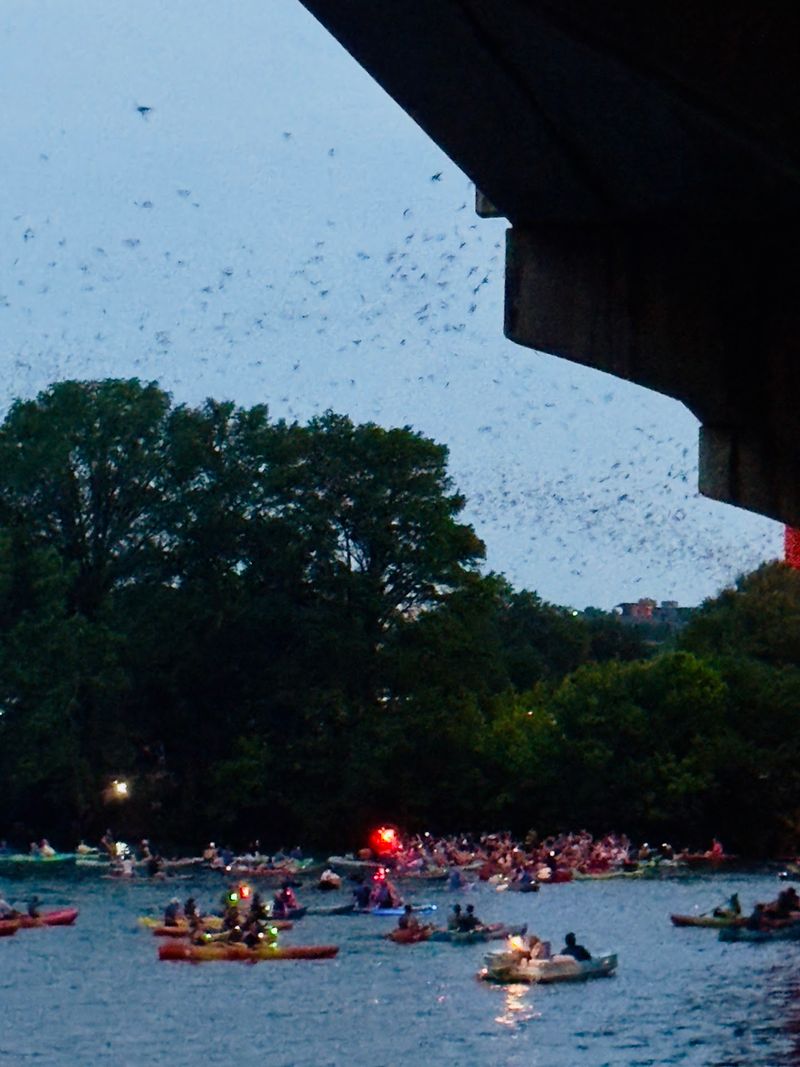
Roughly a million and a half Mexican free-tailed bats live under the Congress Avenue Bridge, and watching them pour out at dusk sounds like one of the coolest free shows in Texas. On paper, it is.
In practice, the crowd management is the hard part.
People start claiming spots along the railings an hour or more before sunset. By the time the bats stir, the bridge is packed tight, and the view for anyone in the second row is mostly the back of someone’s raised phone.
Timing is unpredictable. Bats emerge when they feel like it, and on cool or rainy evenings the flight can be small or delayed well past the expected window.
Standing around for ninety minutes and seeing a modest trickle is a real possibility.
Parking downtown near sunset costs money and takes patience, and traffic afterward moves slowly as everyone leaves at once.
Better viewing options exist. The lawn at the Statesman bat observation area, a spot along the hike-and-bike trail, or a kayak on Lady Bird Lake all give clearer sight lines with breathing room.
Worth knowing: the colony is seasonal, typically arriving in spring and heading to Mexico around late October or early November, so a winter trip means no bats at all.
Neat natural moment for a first visit. After that, the crowd usually outweighs the payoff.
9. Cadillac Ranch, Amarillo
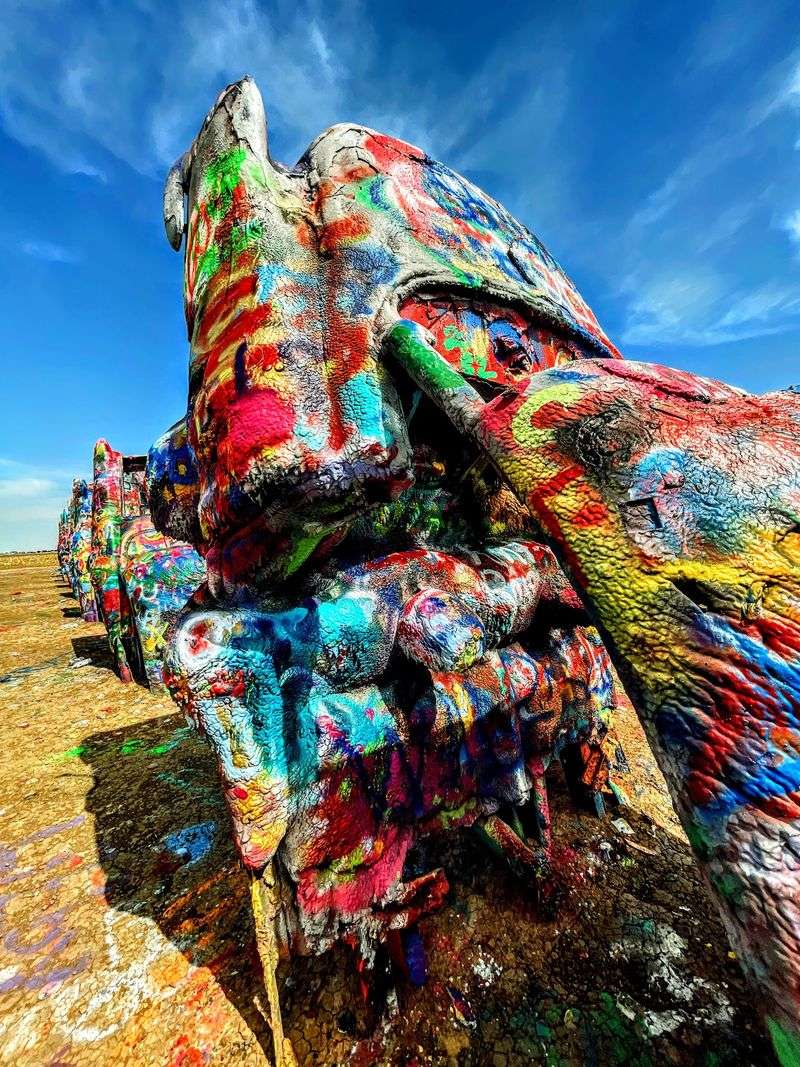
Ten old Cadillacs buried nose-first in a dusty Panhandle field, every inch of them layered in spray paint. As roadside oddities go, it is legendary, and the Route 66 crowd would riot if it ever disappeared.
The honest truth is that the whole stop takes about fifteen minutes. You park on the access road, walk through a gate, cross a dirt path, shake a can of paint, and add your mark to a car already covered in a thousand other marks.
Conditions rarely cooperate. Mud after rain turns the field into a boot-swallowing mess, the wind blows steady across the flat land, and empty spray cans litter the ground despite cleanup efforts.
Some travelers file it under cheesy, and that label is fair. The appeal is the photo and the quick brush with pop culture history, not any deep experience.
If you stop, bring your own paint since supplies on site are unreliable, wear shoes you do not care about, and go early or near sunset for better light and fewer people.
Backstory that makes it more interesting: the installation was created in 1974 by an art group working with a local businessman, and the cars represent the changing tail fin designs of Cadillacs from the late 1940s through the early 1960s.
Perfect for a highway break on a long drive west. Not the kind of place that pulls you back a second time.
Address: 13651 I-40 Frontage Rd, Amarillo, TX 79124
10. McKinney Falls State Park, Austin
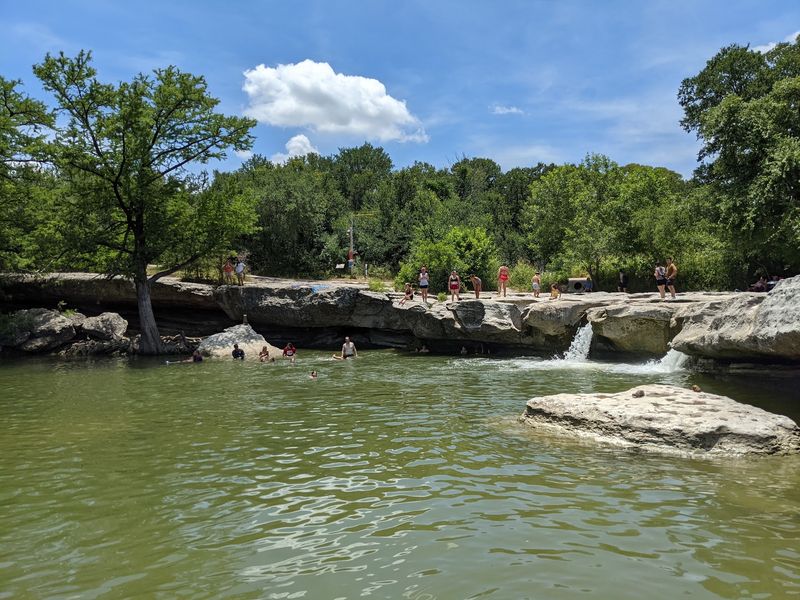
Search photos of McKinney Falls and you will see rushing water tumbling over wide limestone ledges. Show up in the middle of a dry August and you might find a shallow puddle sitting on bare rock instead.
Water levels here depend entirely on recent rain in Onion Creek. After a good storm the falls genuinely roar, and the swimming holes look inviting.
During a typical Texas summer drought, the cascades shrink to a trickle or vanish completely.
The park charges a small daily entrance fee, around six dollars for adults, which is reasonable. Reservations are often needed on weekends because the lot fills, and once capacity is reached, cars get turned away at the gate.
Trails get mixed reactions. Several are pleasant enough, with shaded creekside stretches and a paved loop good for strollers, but hikers used to hill country ruggedness may find them fairly plain.
Best approach: check recent rainfall reports before driving out, book a day pass online, and arrive early on hot weekends. Water shoes help on the slick limestone, and shade is limited on the rocky sections.
Interesting historical layer: the park holds the stone ruins of a nineteenth century homestead and a former horse trainer’s cabin, plus one of the oldest bald cypress trees in the state near the lower falls.
Pleasant for an afternoon when conditions line up. When the creek runs dry, the drive feels harder to justify a second time.
Address: 5808 McKinney Falls Pkwy, Austin, TX 78744
