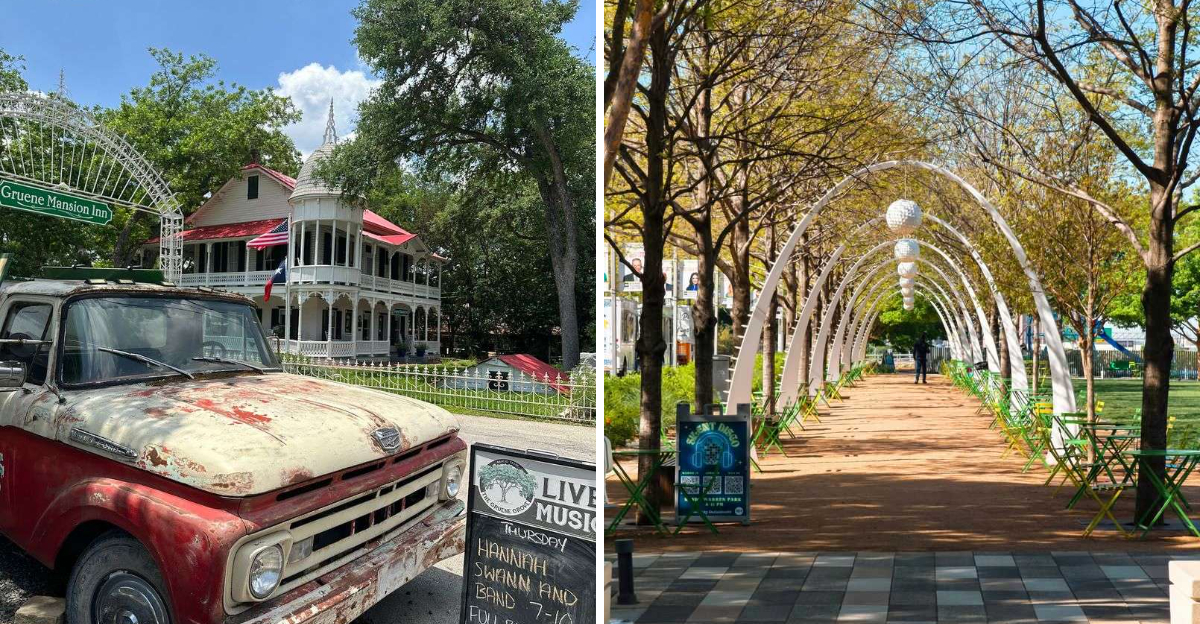
A Texas weekend can cost less than a fancy dinner or somehow turn into a small financial emergency before Saturday night, depending entirely on where you go.
Hotel rates, parking, food, attractions, and even how far you have to drive can make two equally popular destinations land on completely different ends of the budget.
This ranking looks at the places Texans actually love escaping to and sorts them by what a realistic weekend tends to demand from the wallet, while remembering that seasonal prices can always shake things up.
Some getaways leave plenty of room for a good dinner and a spontaneous stop or two, while others make free activities suddenly look very attractive.
Texas is huge, but apparently the price of having fun changes just as dramatically as the scenery.
1. Big Bend National Park and Terlingua
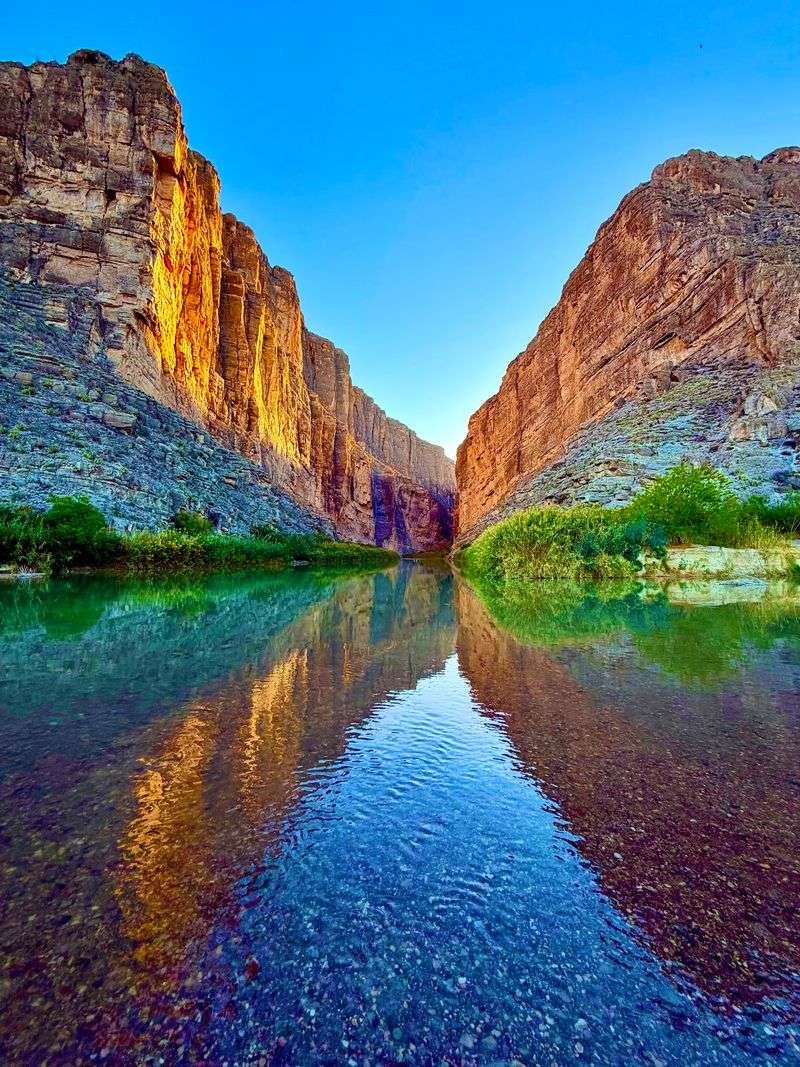
Out in the far reaches of West Texas, where the pavement thins and cell service disappears, Big Bend National Park and the ghost town of Terlingua deliver something genuinely rare: total, unfiltered wilderness.
The landscape here shifts constantly, from wide desert flats to rugged mountain ridges, deep river canyons, and washes carved by centuries of flash floods.
It’s one of those places that earns your respect before it earns your affection.
Terlingua itself carries a mood all its own. The crumbling adobe ruins of the old mercury mining town sit quietly alongside a handful of quirky businesses, and the porch at the Starlight Theatre becomes a gathering spot at sunset, with musicians playing as the Chisos Mountains fade into dusty silhouettes.
The pace here is slow on purpose, and visitors tend to fall into it naturally.
Big Bend was designated an International Dark Sky Park in 2012, and the night skies here are among the darkest in the lower 48 states. The Milky Way appears as a vivid galactic band overhead, not just a faint smudge.
Camping fees are modest, and the park’s remote location keeps crowds manageable compared to more accessible national parks.
Scenic drives toward Lajitas offer sweeping views that feel almost cinematic. Hiking trails range from flat desert walks to challenging mountain climbs, giving visitors plenty of options regardless of fitness level.
For a Texas getaway that costs relatively little but gives back enormously, Big Bend and Terlingua sit at the very top of that list.
2. Galveston Island
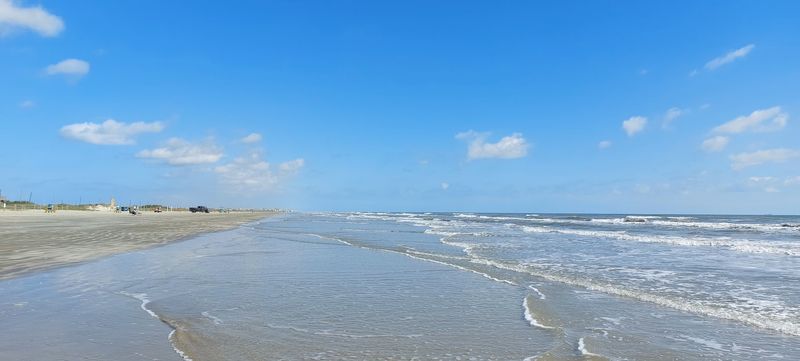
There’s a particular smell to Galveston that hits you the moment you cross the causeway, salt air mixed with something older and more layered, like the island itself is still breathing out its long history.
Just an hour south of Houston, this barrier island packs 32 miles of Gulf shoreline alongside a Victorian past that most coastal destinations simply can’t match.
The beaches are wide and easy, the kind you walk barefoot without overthinking it.
The Strand Historic District, once nicknamed the “Wall Street of the South” during the 1800s, is lined with magnificent iron-front buildings that now hold boutiques, art galleries, and restaurants worth lingering in.
Strolling the famous Seawall offers long, uninterrupted views of the Gulf, and the surrounding sand invites everything from early morning walks to afternoon relaxation.
Galveston also holds a significant place in American history as the birthplace of Juneteenth, a fact that adds real cultural weight to any visit. Museums here cover everything from maritime heritage to haunted history, and the island’s architecture tells stories that guided tours only begin to scratch.
Bird watchers find the island especially rewarding, as more than 300 species either live on or migrate through Galveston annually along the trans-Gulf migration route.
Costs on the island stay relatively manageable, especially if you avoid peak summer weekends. Free beach access, walkable neighborhoods, and a strong local food scene make Galveston an accessible getaway that consistently delivers more than expected.
It’s a place that rewards slow exploration.
3. Corpus Christi
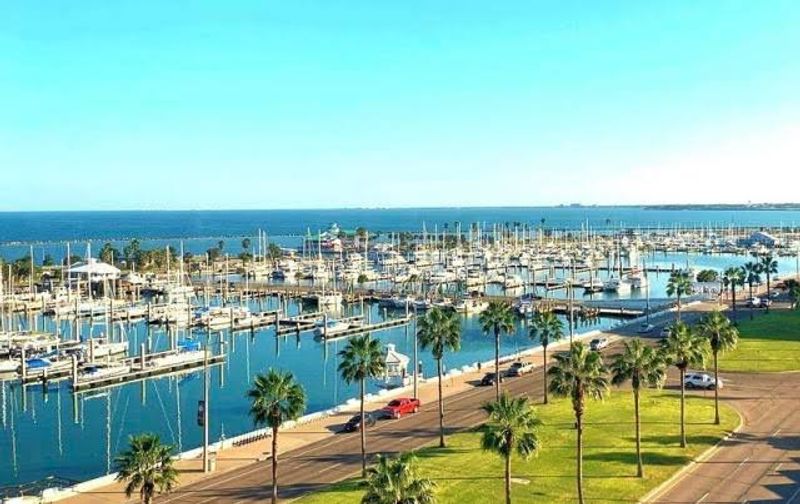
Corpus Christi moves at what locals affectionately call “Coastal Time,” a pace shaped by tides, warm breezes, and the unhurried rhythm of Gulf living.
The city earns its nickname, the “Sparkling City by the Sea,” through a combination of miles of accessible shoreline, a lively arts scene, and a cultural identity rooted deeply in its connection to the water.
It’s the kind of place where a full afternoon can disappear without any regret.
North Beach offers calm, family-friendly waters and sits conveniently close to the historic USS Lexington, a decommissioned aircraft carrier that now serves as a floating museum.
Whitecap Beach draws a different crowd, popular among those who come for shelling and surfing, where the Gulf’s energy feels more present and the shoreline less crowded.
The geography here is genuinely varied, with bays, islands, and inlets creating a layered coastal environment that rewards exploration.
Padre Island National Seashore, one of the longest undeveloped barrier islands in the world, lies just outside the city and offers a wild, untouched stretch of coastline that feels like a different planet compared to the developed beach towns nearby.
Wildlife sightings here are common and often memorable.
Corpus Christi’s spring and fall festivals bring the community together in ways that feel authentic rather than tourist-driven.
Budget-conscious travelers find Corpus Christi welcoming, with free or low-cost beach access and a range of affordable accommodation options throughout the city. The food scene leans heavily on fresh Gulf seafood, and the waterfront dining options offer solid value.
It’s a well-rounded coastal escape that rarely disappoints.
4. South Padre Island
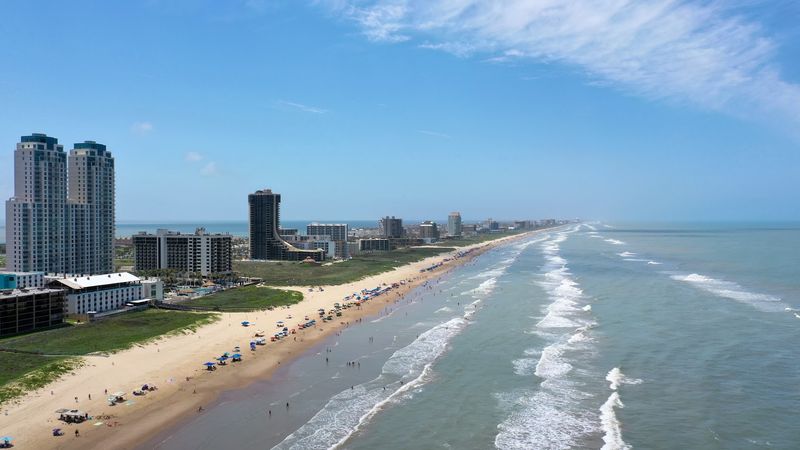
South Padre Island has earned a reputation that stretches well beyond Texas borders, often described as the “Caribbean of Texas” for its blue-green Gulf waters and powdery white sand.
Sitting at the southern tip of the world’s longest barrier island, it offers a warmth and vibrancy that feels distinctly tropical without requiring a passport.
The island’s energy is consistent year-round, shifting between lively and laid-back depending on the season.
Laguna Madre Bay, tucked between the island and the mainland, is widely regarded as one of the premier windsurfing and kiteboarding destinations in the entire country. The steady coastal winds and shallow, warm water create near-perfect conditions for both beginners and experienced riders.
Sea Turtle, Inc. operates on the island as a dedicated conservation center for Kemp’s Ridley sea turtles, offering visitors a chance to connect with one of the Gulf’s most remarkable wildlife stories.
The Port Isabel Lighthouse, standing since the 1850s, remains one of the most photographed landmarks in the region. Climbing to the top rewards visitors with sweeping panoramic views of the island, the bay, and the Gulf stretching to the horizon.
It’s a quick stop that adds real historical context to what might otherwise feel like a purely beach-focused trip.
South Padre sits a step above the most budget-friendly Texas beach destinations, largely due to its popularity and island logistics. That said, free beach access and a range of mid-tier dining and lodging options keep it accessible.
The natural beauty here is genuinely hard to argue with, and the island tends to leave a lasting impression.
5. Gruene
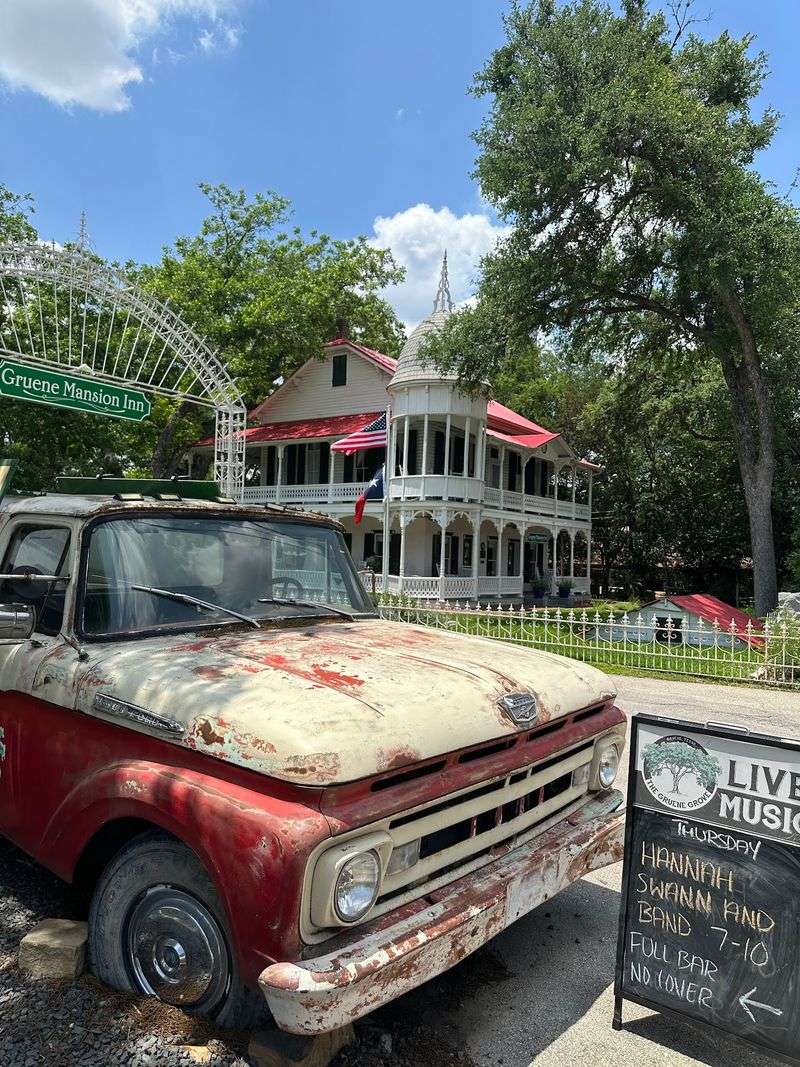
Gruene is the kind of place that sneaks up on you. It’s technically a historic district within New Braunfels, but it carries the full personality of its own small town, built along the Guadalupe River with a charm that feels entirely unforced.
The 19th-century buildings are well-preserved without feeling like a museum, and the whole area is compact enough to explore on foot in a relaxed afternoon.
Gruene Hall anchors everything. Built in 1878, it holds the distinction of being Texas’ oldest continually operating dance hall, and it earns that title every single day with live music that fills the space from afternoon onward.
The building itself is beautifully simple, with a false front, wooden floors worn smooth by decades of dancing, and shutters that open wide to let in the river breeze. Numerous songwriters and musicians got their start on that stage, and the history feels present rather than distant.
Beyond the dance hall, the Gristmill Restaurant offers riverside dining with views of the Guadalupe that make even a simple meal feel special. Nearby shops lean toward local and handmade, with a selection of boutiques that reward unhurried browsing.
Market days, held on select weekends, bring close to 100 artisans and free live entertainment to the district, adding a festive layer to the already lively atmosphere.
Gruene is genuinely affordable by Texas getaway standards. Most of the best experiences here cost very little, and the town’s walkable layout means spending a full day without burning through a travel budget.
It’s a hidden gem that longtime Texas travelers return to again and again.
6. Wimberley
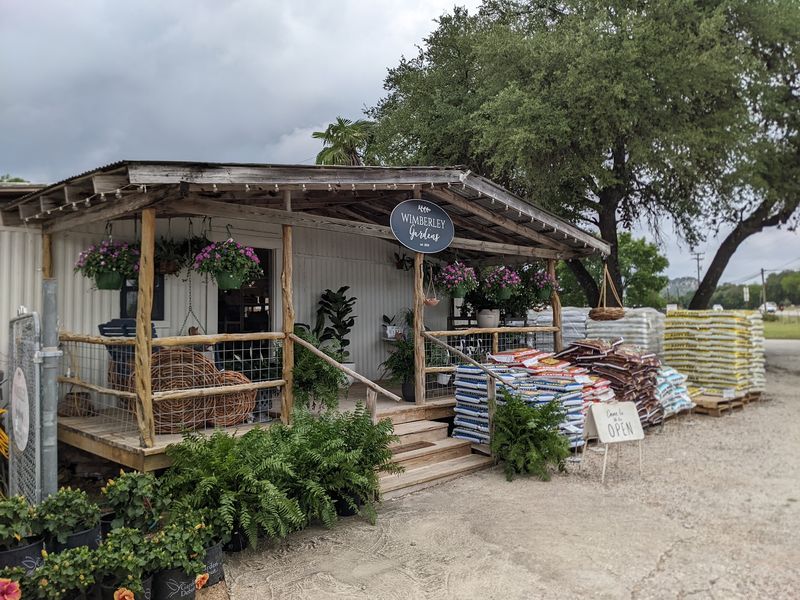
Wimberley sits quietly in the Texas Hill Country in a way that makes you wonder why more people haven’t made it their regular escape.
The Blanco River and Cypress Creek run through the valley like natural landmarks, shaping the town’s identity and giving it a freshness that larger destinations simply can’t manufacture.
The water here is clear in a way that catches you off guard, especially if you’ve only ever swum in murky Texas lakes.
Blue Hole Regional Park is the kind of place that earns its reputation honestly. The blue-green water, filtered through layers of limestone, stays cool even in the height of summer, and the massive cypress trees overhead create a canopy that feels almost otherworldly.
Rope swings dangle from the branches, and the park fills with families and friends who come back season after season.
Jacob’s Well Natural Area offers a different kind of wonder. The artesian spring feeds a natural grotto that descends deep into the earth, drawing swimmers and curious visitors who want to experience something genuinely unusual.
The surrounding landscape of the Hill Country adds to the sense of discovery. Wimberley’s town square and market days round out the experience with local boutiques, art galleries, and a community energy that feels authentic and unhurried.
Costs in Wimberley sit in the middle range for a Texas Hill Country trip. Entry to Blue Hole is modest, lodging options vary from budget cabins to charming bed and breakfasts, and the local dining scene offers good value.
Address for Blue Hole Regional Park: 333 Blue Hole Ln, Wimberley, TX 78676
7. Fredericksburg
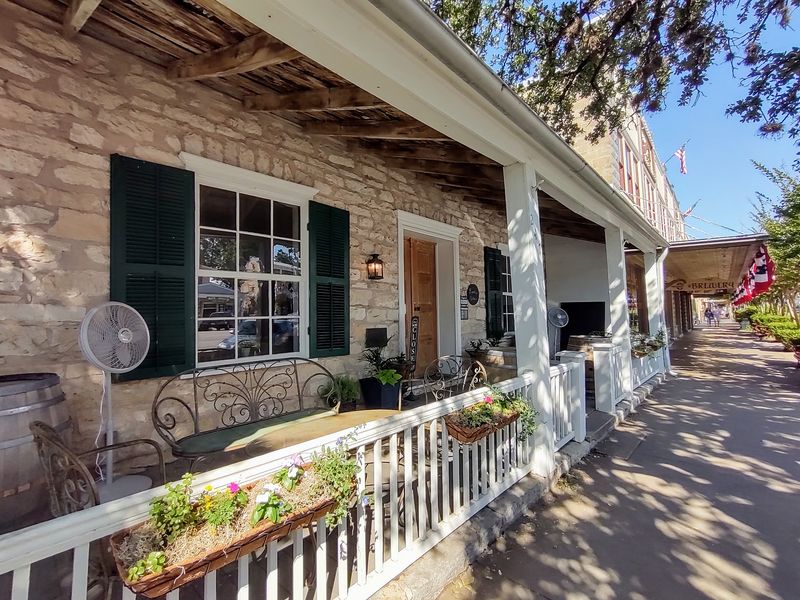
Fredericksburg rewards visitors who appreciate a destination that offers genuine depth rather than surface-level charm. Settled by German immigrants in the 1850s, the town has held onto its heritage in ways that show up in the architecture, the food, and the overall character of the place.
Main Street alone could fill a full afternoon, lined with independent boutiques, art galleries, and shops that reflect a community proud of its roots.
The surrounding Hill Country has transformed Fredericksburg into a recognized center of Texas wine country, with more than 60 wineries and vineyards operating in the region.
The landscape is beautiful in all seasons, but summer brings peach orchards into full production, and roadside stands become a beloved local tradition that visitors look forward to year after year.
The blend of German culinary traditions with contemporary Texas cuisine creates a dining scene that stands apart from anything found in the state’s larger cities.
Enchanted Rock State Natural Area sits just a short drive from downtown and delivers one of the most distinctive natural experiences in Texas.
The massive pink granite dome rises dramatically from the surrounding Hill Country, offering hiking trails, rock climbing, and wildlife observation across a landscape that feels ancient and alive at the same time.
Sunset from the summit is a particular highlight. The rock’s geological history stretches back over a billion years, which gives even a casual visit a sense of real perspective.
Fredericksburg carries a higher price tag than many Texas getaways, reflecting its popularity and the quality of its offerings.
Address for Enchanted Rock State Natural Area: 16710 Ranch Rd 965, Fredericksburg, TX 78624
8. San Antonio
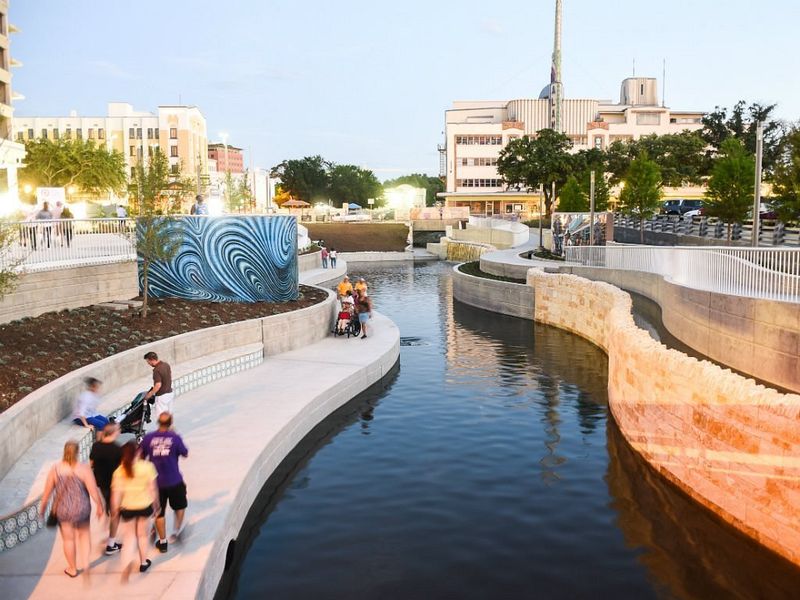
San Antonio has a gravity to it that’s difficult to explain until you’ve felt it yourself. The city carries centuries of history in a way that never feels heavy or museum-like, but alive and constantly in motion.
Colonial charm coexists with a modern, diverse urban culture, and the result is a city that feels unlike anywhere else in Texas or the country.
The River Walk stretches 15 miles through the heart of the city, shifting personality throughout the day. Morning brings a peaceful, shaded walkway where the water moves quietly and the cypress trees cast long shadows.
By evening, the same path transforms into something far more festive, with illuminated trees, open-air restaurants, and the gentle sound of conversation drifting across the water. Charming stone bridges connect the various sections, and the whole experience rewards slow walking rather than rushing.
The Alamo stands as one of the most recognized landmarks in American history, and visiting in person adds a weight that photographs simply don’t capture.
La Villita, one of San Antonio’s oldest neighborhoods, offers cobblestone streets, limestone buildings, and artisan boutiques that collectively feel like a step into Colonial-era Texas.
The city’s culinary identity runs deep, shaped by centuries of Tex-Mex tradition and a neighborhood food culture that goes far beyond tourist-facing restaurants.
San Antonio sits comfortably in the upper-mid range of Texas getaway costs, with a wide variety of lodging and dining options across every budget level. The concentration of world-class history and culture in a walkable urban core makes it exceptional value.
Address for The Alamo: 300 Alamo Plaza, San Antonio, TX 78205
9. Austin
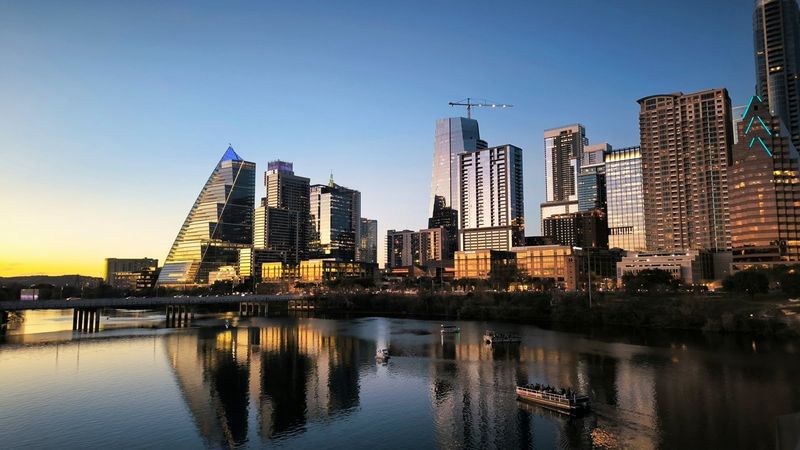
Austin operates on a frequency that’s hard to tune out once you’ve caught it. The city earned its title as the “Live Music Capital of the World” through sheer volume and consistency, with live performances spilling out of venues, patios, and street corners on any given night of the week.
But music is just the entry point to a city that offers far more texture than its reputation suggests.
The natural landscape surrounding Austin is genuinely impressive for a major metropolitan area. Rolling limestone hills, spring-fed creeks, and a network of urban trails create an outdoor scene that locals take seriously.
Barton Springs Pool, a three-acre natural swimming hole within Zilker Metropolitan Park, stays at a refreshing temperature year-round and has been a community gathering place for generations.
The Congress Avenue Bridge bats, a colony of nearly 1.5 million Mexican free-tailed bats, take flight at dusk in a spectacle that draws crowds every evening from spring through fall.
East Austin reveals the city’s evolving history through murals, small businesses, and a neighborhood character that resists easy categorization. South Congress Avenue offers a different energy entirely, with iconic shops, food trucks, and a stretch of Austin culture that feels both curated and genuinely local.
The farmers markets, river trails, and outdoor programming give the city a livability that visitors often find unexpectedly appealing.
Austin has grown into one of the more expensive Texas destinations, particularly for lodging during major events and festivals. Planning ahead and exploring neighborhoods beyond downtown helps manage costs without missing the city’s best experiences.
Address for Barton Springs Pool: 2131 William Barton Dr, Austin, TX 78746, Austin, TX 78746
10. Dallas
Dallas makes no apologies for its ambitions. The skyline alone communicates a city that moves fast and thinks big, with glass towers, the iconic Reunion Tower, and a sprawling urban energy that sets the tone before you’ve even left the highway.
As one of the largest cities in the United States, Dallas has built a reputation around commerce and innovation, often called the “Silicon Prairie” for its booming tech presence. But underneath the corporate surface, there’s a cultural city worth spending real time in.
The Dallas Arts District is one of the largest urban arts districts in the country, and it earns that designation through genuine institutional weight.
The Dallas Museum of Art, the Nasher Sculpture Center, and the Winspear Opera House anchor a district that offers world-class exhibitions, performances, and public art in a concentrated and walkable area.
The quality here competes with major arts destinations across the country, which makes it a pleasant surprise for first-time visitors who arrive expecting something more corporate than cultural.
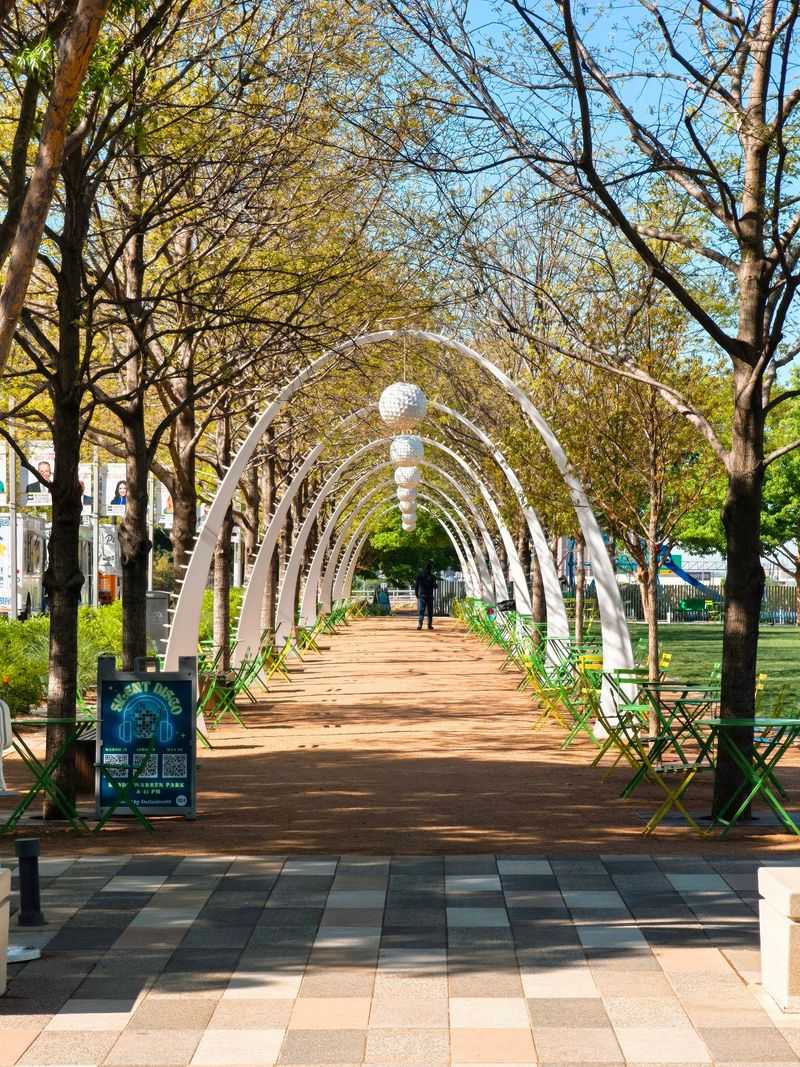
Klyde Warren Park covers 5.2 acres of green space built directly over the Woodall Rodgers Freeway, connecting Downtown and Uptown Dallas in a way that feels genuinely inventive.
Free programming, food trucks, lawn games, and community events fill the park throughout the week, creating a social hub that locals and visitors share comfortably.
The surrounding culinary scene ranges from upscale dining to beloved neighborhood spots, and Dallas’s passion for sports adds another layer to the city’s collective identity.
Dallas sits at the top of this list for cost, reflecting its status as a major metropolitan destination with premium lodging and dining options.
Address for Klyde Warren Park: 2012 Woodall Rodgers Freeway, Dallas, TX 75201
