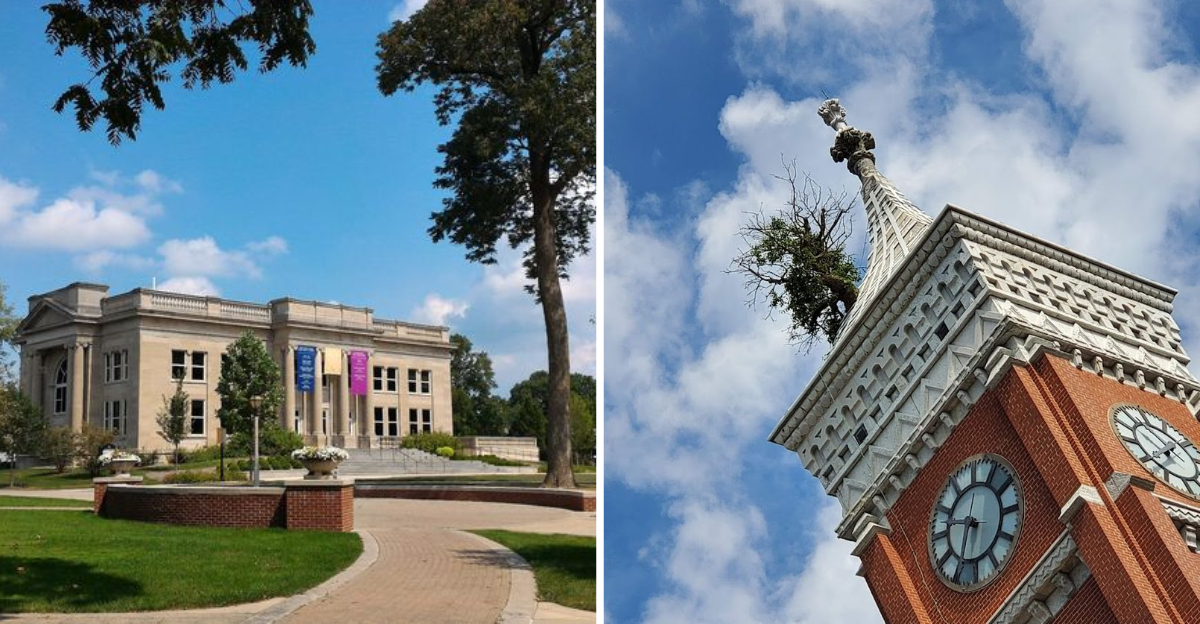
I did not think a simple drive through Indiana would stick with me the way it did. The scenery kept shifting between open fields, quiet backroads, and small towns that feel untouched by time.
There is a calm rhythm to the place, where everything slows down without asking for attention. Locals seem used to it, but visitors notice it right away. It is the sort of escape that makes a regular weekend feel completely different.
No rush, no noise, just space to breathe and notice what usually gets missed. It stays with you longer than expected.
1. Metamora
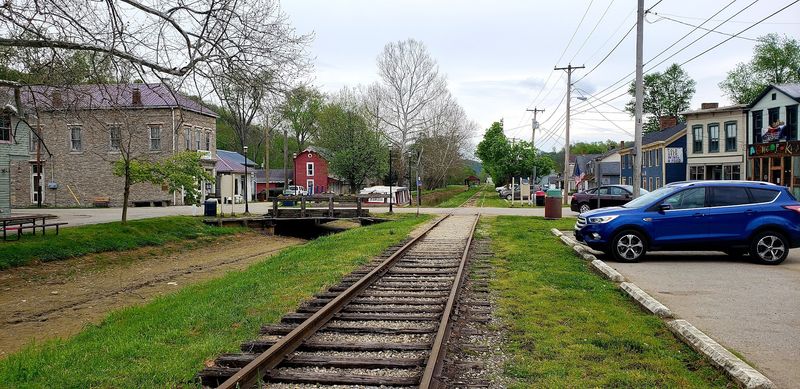
There is something almost magical about arriving in Metamora, where the entire town feels like a living museum frozen somewhere in the 1800s. The Whitewater River Valley cradles this small historic village gently, and the first thing you notice is how quiet everything is.
It is the kind of quiet that actually settles into your bones.
Metamora holds the distinction of being Indiana’s only canal town, and it is home to the only operating wooden aqueduct in the entire United States. The Metamora Grist Mill still grinds cornmeal and flour using water power, just as it did centuries ago.
Watching that process feels surprisingly moving, like witnessing history breathe.
Weekends from May through October, the Whitewater Valley Railroad runs vintage train excursions through the valley, offering scenic rides that are genuinely hard to forget. A 2.6-mile hiking and biking trail follows the historic canal, perfect for a slow, unhurried afternoon.
Seasonal events like the Metamora Music Festival on Labor Day weekend bring bluegrass, gospel, and folk music to the town, filling the valley with warmth and sound that feels completely authentic.
2. Story
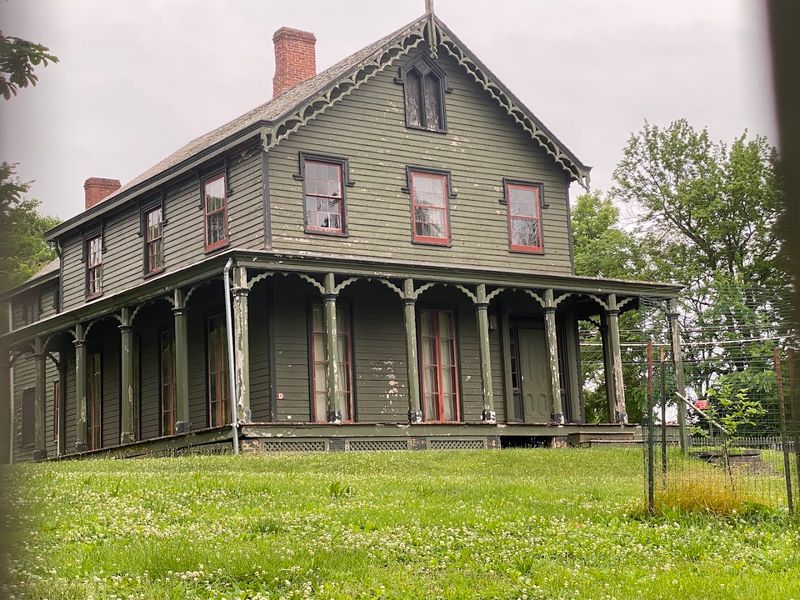
Story, Indiana, might be the closest thing to a genuine escape hatch from modern life. Founded in 1851 as a lumber town, this tiny hamlet nearly vanished after the Great Depression and the rerouting of a main road.
What remained was saved by people who clearly understood its quiet value.
Today, the Story Inn occupies the lovingly restored historic buildings, including the old general store, which now serves as a restaurant full of character. Guest cottages are tucked among the trees, and the rooms are intentionally free of televisions, phones, and alarm clocks.
I genuinely think that detail alone is reason enough to visit.
Nestled between Hoosier National Forest and Brown County State Park, Story is surrounded by miles of hiking and biking trails, creeks, and ponds that beg to be explored at a leisurely pace. The isolation here does not feel lonely; it feels deliberate and deeply peaceful.
Autumn transforms the surrounding forest into a canvas of reds and oranges that makes you want to stay just one more night.
Address: 6404 S SR 135, Story, IN
3. Nashville
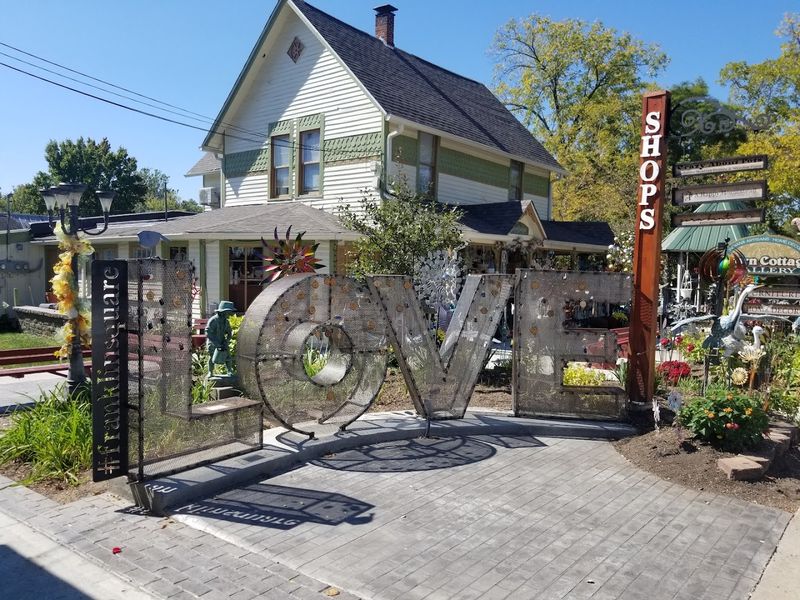
Nashville, Indiana, has a creative energy that sneaks up on you as soon as you turn onto its main street. Nestled in the rolling hills of Brown County, this small town has quietly built a reputation as the artistic heart of the state.
Art studios, handcrafted goods, and one-of-a-kind shops line the streets in a way that feels organic rather than curated.
Brown County State Park, just outside town, is one of Indiana’s most beloved natural spaces, offering dense forest trails that wind through valleys and ridgelines with sweeping views. Fall is particularly spectacular here, drawing visitors who simply want to walk among the trees and breathe.
It is the kind of place where you forget to check your phone.
Nashville balances natural beauty with creative culture in a way that is genuinely rare for a town this size. Local artists have called this area home for generations, and their influence is visible in galleries, murals, and even the architecture of the buildings themselves.
Whether you are hunting for a handmade piece of art or just looking for a trail to clear your head, Nashville delivers both with easy, unhurried charm.
4. Shipshewana
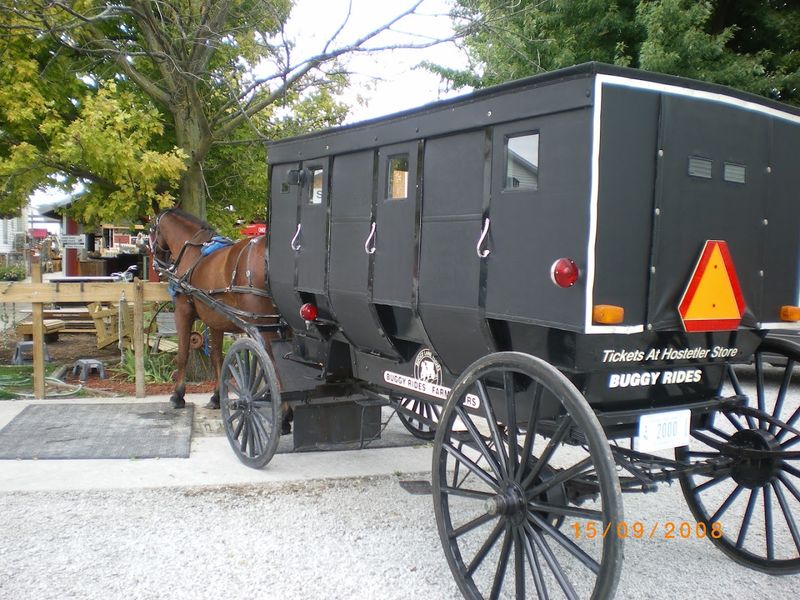
The sound of horse hooves on pavement is your first real clue that Shipshewana operates on a completely different rhythm than the rest of the world. Located in LaGrange County, this town is home to one of the largest Amish communities in the United States, and that cultural presence shapes everything about the experience here.
The Shipshewana Auction and Flea Market is the town’s most iconic draw, sprawling across 40 acres with hundreds of vendors selling Amish crafts, handmade goods, antiques, and fresh local produce. It runs on Tuesdays and Wednesdays from May through September, and the energy on those mornings is something between a treasure hunt and a community gathering.
You never quite know what you will find.
Beyond the market, the Pumpkinvine Nature Trail winds through miles of picturesque Amish farmland, connecting Shipshewana to neighboring communities in a peaceful, unhurried way. Downtown features unique shops, including the multi-floor Davis Mercantile, where browsing feels like an event in itself.
Buggy rides are available for those who want a more immersive taste of local life, and the overall atmosphere here is one of genuine simplicity that feels restorative rather than old-fashioned.
Address: Shipshewana Auction and Flea Market, 345 S. Van Buren Street, Shipshewana, IN
5. Greencastle
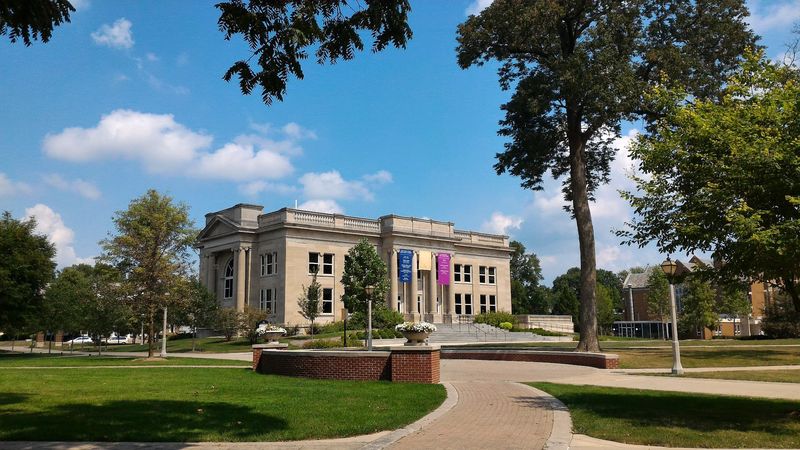
Greencastle has the kind of downtown that makes you slow your car down before you even find a parking spot. The historic Courthouse Square anchors the town with brick-paved sidewalks and boutique storefronts that feel genuinely local, not like a set designed to look charming.
The presence of DePauw University adds a steady pulse of cultural energy without overwhelming the town’s relaxed character.
Nature lovers will find a lot to love at DePauw Nature Park, a remarkable 520-acre preserve carved from a former limestone quarry. Over nine miles of trails for hiking and biking weave through the landscape, alongside a lake and excellent bird-watching opportunities.
The Fern Cliff Nature Preserve, a National Natural Landmark, adds even more dimension with its steep sandstone cliffs, forested ravines, and dense colonies of ferns.
Public art installations are scattered throughout Greencastle, adding unexpected splashes of color and creativity to an already appealing streetscape. The community has a warmth to it that you notice quickly, the kind where strangers actually say hello.
Whether you spend the afternoon on a trail or simply wandering the square, Greencastle has a way of making a few hours feel genuinely well spent.
Address: DePauw Nature Park, 1400 W County Road 125 S, Greencastle, IN
6. Wabash
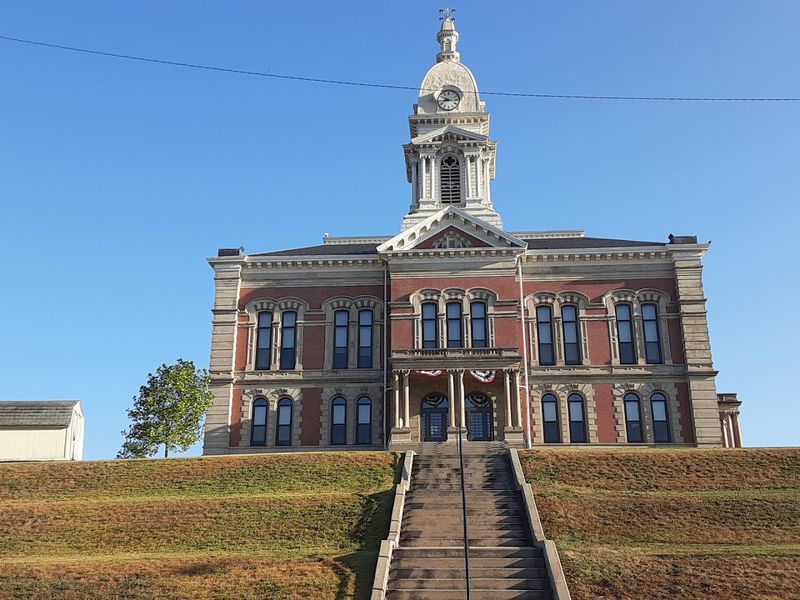
Wabash carries its history with a kind of easy confidence that makes exploring it feel rewarding rather than like a homework assignment. The downtown area has a genuine lived-in quality, anchored by the Eagles Theatre, originally built in 1906 and beautifully renovated into a multi-use venue for movies, live entertainment, and a grand ballroom that still turns heads.
The Honeywell Center is another cultural landmark, hosting shows and concerts that bring the community together throughout the year. For those curious about local history, the Honeywell House serves as a cultural museum that offers a window into the domestic life of a prominent Wabash family.
The Wabash County Historical Museum rounds out the experience with thoughtfully curated exhibits connecting visitors to the region’s past.
One of the most unexpected delights in town is the 13/24 Drive In, which has been screening outdoor movies since 1951. There is something undeniably nostalgic about watching a film under an open sky, and Wabash does it with style.
The town’s overall energy is one of quiet pride, a community that has preserved what matters while staying genuinely open to visitors who want to experience it.
Address: Eagles Theatre, 106 W Market St, Wabash, IN
7. Angola
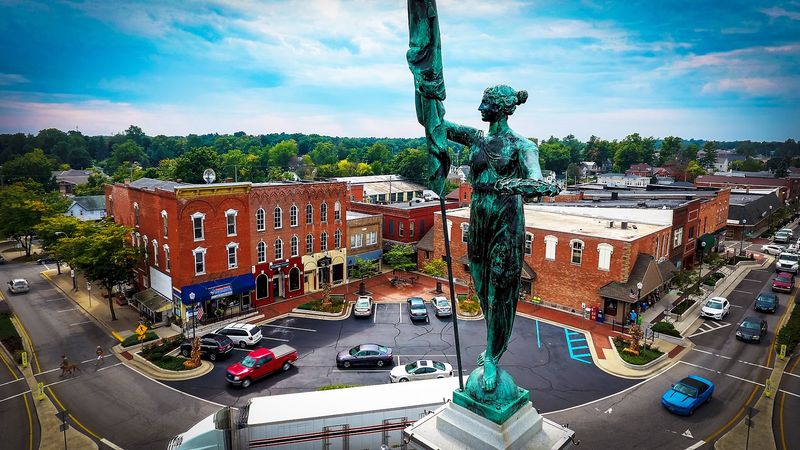
Angola sits in Indiana’s northeastern corner like a well-kept secret, surrounded by more than 100 natural lakes that shimmer through the trees on every side. There is a Norman Rockwell quality to the downtown square that is not manufactured or nostalgic in a forced way.
It simply looks and feels like an American town that has taken good care of itself.
Pokagon State Park is the outdoor centerpiece of the area, offering extensive hiking, biking, and camping opportunities across beautifully maintained grounds. In winter, the park’s Toboggan Run draws visitors who want a rush of cold-air excitement before warming up somewhere cozy.
Lake James is another gem, with clear waters perfect for swimming and camping during warmer months.
The downtown district is lined with historic architecture and filled with local boutiques, art galleries, and shops that reward slow browsing. First Fridays, organized by the Downtown Angola Coalition, transform the square with extended shopping hours, food vendors, and live music that brings the whole community out.
Angola’s unhurried pace is not just a vibe; it is a lifestyle that visitors tend to carry home with them long after the weekend ends.
8. Greensburg
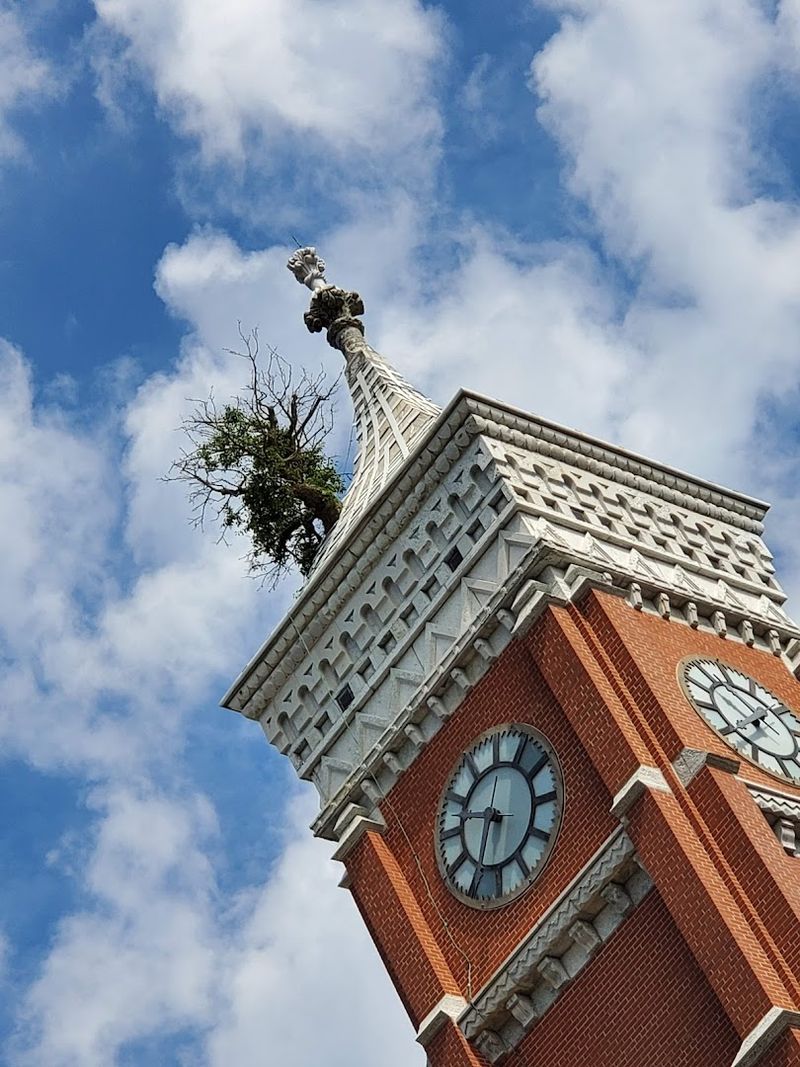
Greensburg has a claim to fame that is genuinely hard to top: trees have been growing out of the roof of the Decatur County Courthouse tower since the 1870s, roughly 110 feet above the ground. The current tree is a Mulberry, and the phenomenon has been featured in Ripley’s Believe It or Not.
It is the kind of quirky, wonderful detail that makes a town instantly memorable.
Beyond the famous courthouse, Greensburg moves at a pace that feels like a deep exhale. The streets are peaceful, neighbors know each other, and the overall atmosphere has a close-knit Midwestern warmth that is easy to settle into.
Rebekah Park offers walking trails and picnic areas shaded by mature trees, particularly stunning during autumn when the foliage turns brilliant shades of red and gold.
Southeastern Indiana does not always make the top of travel lists, but Greensburg earns its place with understated charm and genuine community character. It is the kind of town where a Saturday afternoon stroll feels like exactly enough.
Sometimes the most restorative travel experiences are the ones that ask the least of you and give the most back.
Address: Decatur County Courthouse, 150 Courthouse Square, Greensburg, IN
9. Berne
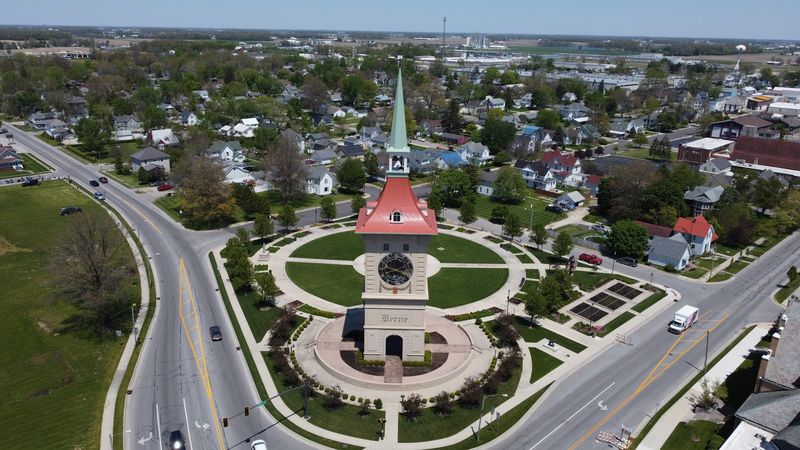
Berne might be the most unexpectedly European town in all of Indiana, and I mean that as the highest possible compliment. Settled by Swiss Mennonite immigrants in the 1800s, the town has held onto its heritage with remarkable dedication, from its architecture to its community events and even the Bernese German dialect still spoken by some residents today.
The 160-foot Muensterberg Clock Tower in Muensterberg Plaza is a tribute to the famous Zytglogge clock tower in Bern, Switzerland, and during warmer months, daily glockenspiel shows bring the tower to life with figures performing the town’s history to music. The Swiss Heritage Village and Museum preserves historic structures including the Sweitzer Barn and an old schoolhouse, offering a genuine look at pioneer life in this unique community.
Each July, the Swiss Days festival fills the town with authentic costumes, traditional music, craft vendors, and friendly competitions that feel celebratory rather than performative. The Berne Canton Tree, displaying the coats of arms of Swiss cantons alongside state and national emblems, adds another layer of civic pride to the streetscape.
Berne is proof that small towns can carry big cultural stories with grace and warmth.
Address: Muensterberg Plaza and Clock Tower, 218 US Highway 27 S, Berne, IN
10. Corydon
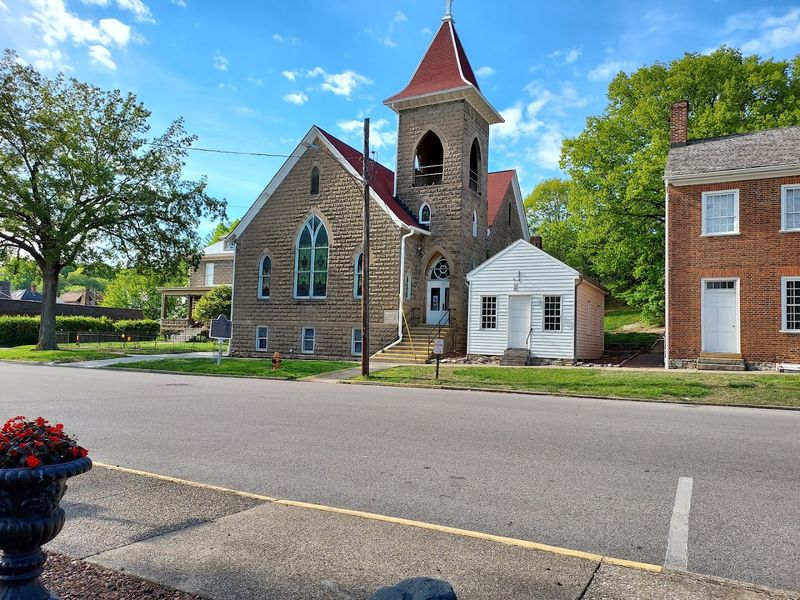
Corydon carries the weight of Indiana’s earliest history with a quiet dignity that makes walking its streets feel genuinely significant. As the state’s first capital from 1816 to 1825, this small town in the southern hills holds more historical layers than most places ten times its size.
The original Federal-style limestone capitol building still stands, looking remarkably composed for something over two centuries old.
The preserved trunk of Constitution Elm, the tree under whose shade delegates drafted Indiana’s first state constitution in 1816, remains on the historic site as a kind of living monument. The Governor’s Mansion, built in 1817, and the First State Office Building from the same year add to a historic district that tells the story of Indiana’s founding in a tangible, walkable way.
An heirloom herb garden on the grounds adds an unexpected touch of natural beauty to the experience.
Corydon is not trying to be anything other than what it is, and that honesty is part of its appeal. The surrounding Harrison County landscape offers additional outdoor exploration, and the town’s unhurried pace makes it ideal for a reflective weekend away.
History feels personal here rather than distant, which is exactly what good travel should do.
Address: Corydon Capitol State Historic Site, 126 E. Walnut St., Corydon, IN
