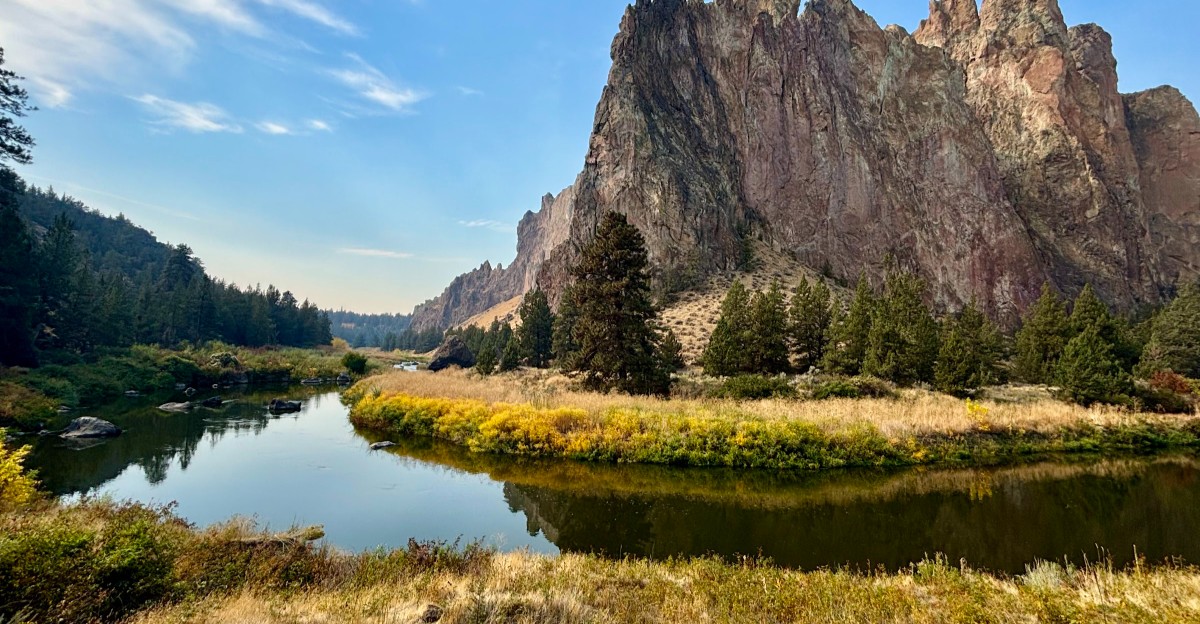
A rock spire called Monkey Face rises about 350 feet over a canyon floor. Down below, rattlesnakes bask on warm stones near the trails.
The cliffs are made of welded tuff, which is volcanic ash pressed into stone. Climbers treat these walls like a giant playground. Thousands of routes cover the rock, and many are bolted for sport climbing.
Golden eagles and prairie falcons nest high on the ledges. River otters and beavers work the water below. Mule deer wander through the brush like they own the place, and honestly, they kind of do.
I believe the best adventures come with a little suspense. Here, that suspense might be curled up beside the path.
The Scaly Locals Have Seniority Here, So Mind Your Feet
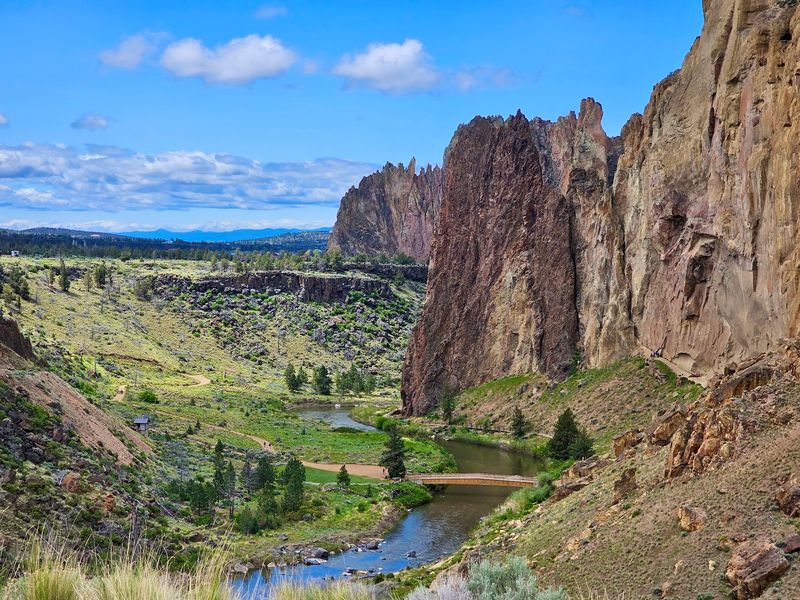
Smith Rock State Park sits in the high desert of Central Oregon, and rattlesnakes are part of the cast. They show up most during the warmer months, when sunny rocks become their favorite lounge chairs.
You might spot one along a trail edge or on a rocky slope. Areas near the Crooked River and talus slopes are common places to keep your eyes open.
The good news is that these snakes want nothing to do with you. Give one plenty of space, and it will usually move along on its own schedule.
Staying on marked trails is the smartest move you can make. It protects fragile plants and also keeps you out of tall brush where snakes hide.
Watch where you put your hands too. Scrambling over boulders means reaching into cracks you can’t fully see.
Closed-toe shoes beat sandals every time out here. Hiking poles help as well, since they let you test the path ahead and keep your balance.
Leave earbuds at a low volume, or skip them entirely. A rattle is a polite warning, and you’ll want to hear it clearly.
Treat every snake sighting as a cool wildlife moment, not a reason to panic. Then tell the story at dinner.
Misery Ridge Earns Its Name With Every Switchback
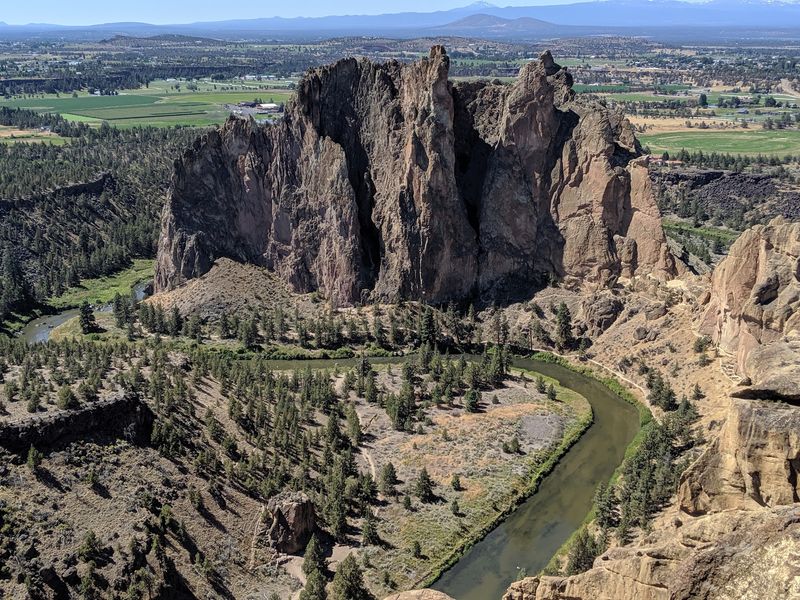
Few trail names are this honest. Misery Ridge climbs roughly 600 feet in about a mile, with switchbacks and steps that test your legs.
Your reward comes at the top. Wide views open over the canyon, the winding Crooked River, and the rugged rock walls that make this park famous.
Many hikers turn it into a loop. You can continue past the summit and drop down toward the river, then follow the River Trail back.
The descent has loose soil in spots, so traction matters. Sturdy hiking shoes and trekking poles can save your knees and your pride.
Shade is almost nonexistent on this route. In summer, the sun bakes the rock and the trail heats up fast.
Start early in the morning if you visit during warm months. Pack more water than seems reasonable, plus a hat and sunscreen.
Plan on a few hours if you add the river loop. Snacks help, and so does a slower pace with frequent breaks.
Know your limits before you commit. Smith Rock State Park has gentler options if your legs vote for a flatter day.
Say Hello To A 350-Foot Monkey Who Never Blinks
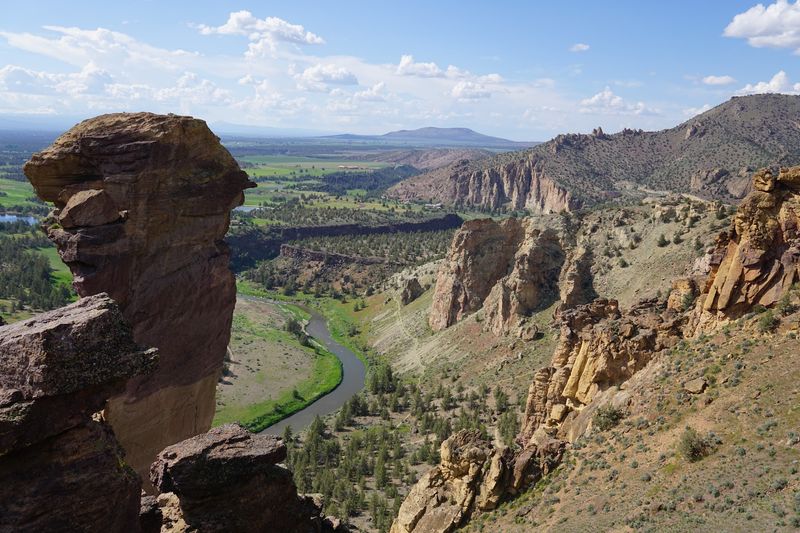
Some rock formations need a little imagination. Monkey Face does not, because the giant face practically stares back at you from the skyline.
The spire stands about 350 feet tall. It’s the park’s most famous landmark, and it shows up in countless photos for good reason.
Like the cliffs around it, Monkey Face is made of welded tuff. That rock formed from volcanic ash that settled and hardened around 30 million years ago.
The opening that forms the mouth is part of the fun. Climbers tackle this tower, and spotting tiny figures on it gives you a real sense of scale.
You can get a great look from the Misery Ridge area. The trail swings close enough for clear views of the face.
Bring a camera with a decent zoom if you have one. Morning and late-day light can make the rock glow warm and golden.
Kids especially love naming what they see in the stone. Expect debates about whether it looks more like a monkey or a grumpy uncle.
Either way, you’ll leave with a new favorite rock. Few landmarks in Oregon have this much personality.
Climbers Come From Everywhere To Hang Off These Walls
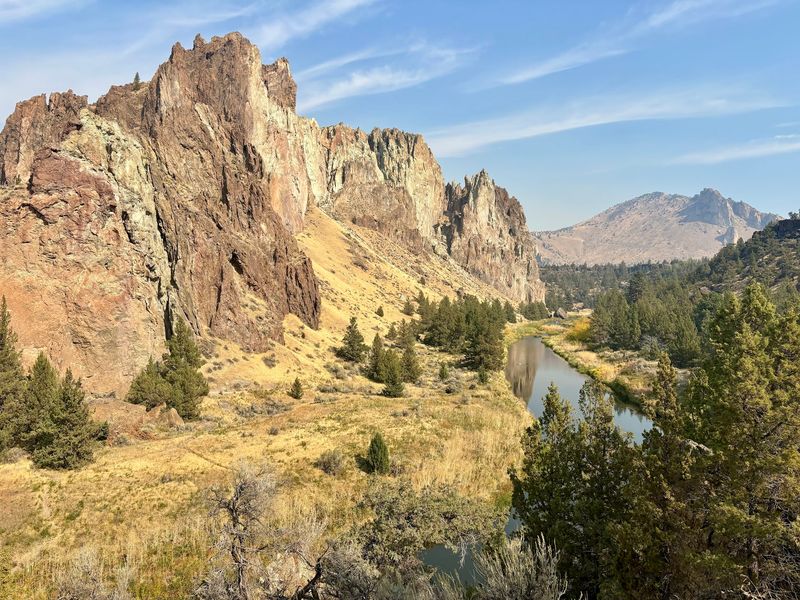
Ask a climber about modern American sport climbing, and Smith Rock usually enters the chat fast. Many consider this park its birthplace.
The numbers are wild. The park offers thousands of climbs, including more than a thousand bolted routes.
Variety is the big draw. Sport climbing, traditional climbing, multi-pitch routes, and bouldering all happen on these tuff and basalt walls.
You don’t need to climb to enjoy the show. Watching people inch up a sheer face is entertainment enough, and your palms might sweat a little.
Climbers here also share space with nesting raptors. From about January 15 to August 1, some areas close seasonally to protect eagle and falcon nests.
Check posted closures before heading to a specific wall. The signs exist so baby birds can grow up without an audience.
Beginners should go with an experienced partner or a guide. Rock this tall rewards skill, patience, and good gear.
The climbing scene feels welcoming to all levels. Some folks are clipping their first bolt, while others chase routes known around the world.
Whatever your level, the walls at Smith Rock State Park make Oregon feel like a vertical playground.
Eagles And Falcons Rule The Sky While Otters Work The River
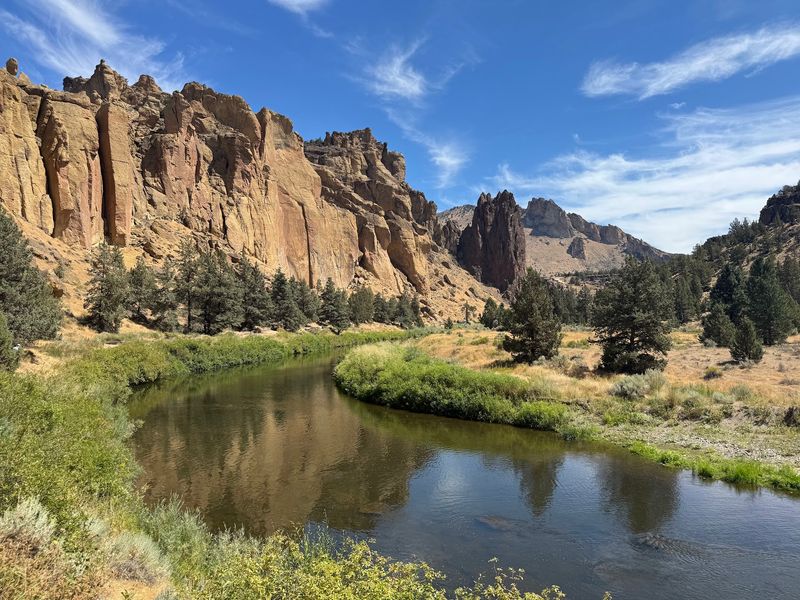
Golden eagles and prairie falcons nest on these cliffs. Watching one ride the wind over the canyon might become the highlight of your day.
Bird lovers will find plenty more. White-throated swifts zip around the rock, and canyon wrens add their song to the scene.
The riverside habitat along the Crooked River matters too. In winter, migratory birds and various sparrows gather in these green pockets.
Down at water level, keep watch for river otters and beavers. They stay busy, so patience and quiet steps improve your odds.
Mule deer often wander near the trails. Keep your camera ready, but stay back and let them go about their business.
Drones are prohibited in the park year-round. That rule protects the raptors, especially during nesting season.
Binoculars are a smart addition to your pack. They turn a distant speck into a proper eagle sighting.
Early mornings tend to be calmer for wildlife watching. The air is cooler, and animals are often more active before the heat builds.
Bring a simple bird guide if you’re curious. You might head home knowing more feathered neighbors than human ones.
Gentler Trails Still Deliver Big Canyon Views
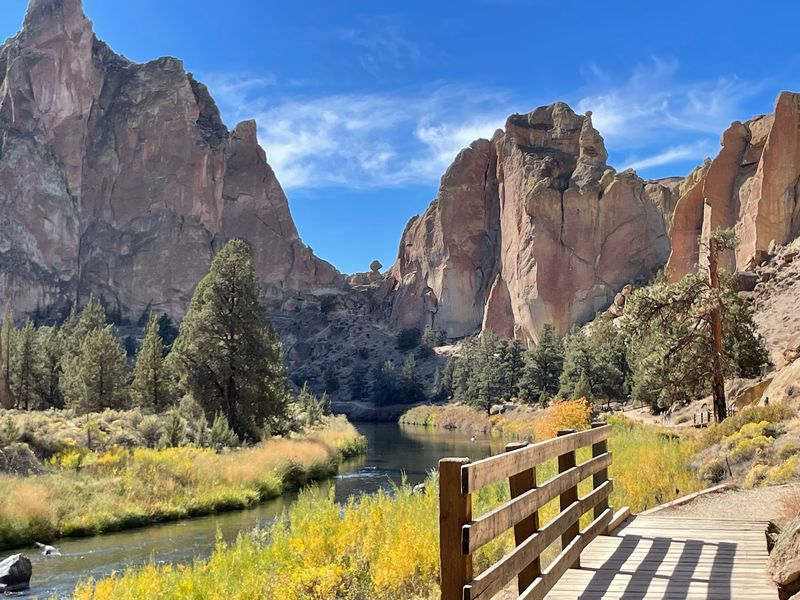
Not every great hike requires a lung-busting climb. The River Trail follows the Crooked River and gives you towering cliff views from below.
Families with young kids often appreciate the calmer pace. You still get canyon walls, birds, and plenty of climbers to watch.
Up top near the parking areas, a rim walk offers sweeping views. It’s a great option if you want the scenery without the steep drop into the canyon.
One catch is the hill leading down into the park. Even easy routes start with a steep slope, and you’ll climb it again on the way out.
For longer days, the Smith Rock Summit Loop adds more miles. The park has a network of trails, so you can mix and match.
Picnic tables give you a spot to refuel. Pack lunch, plenty of water, and something salty for the walk back.
Mountain bikers can enjoy select trails here too. Stick to routes where bikes are allowed and yield to hikers.
Whichever path you pick, stay alert near brush and rocks. The rattlesnakes don’t check trail difficulty ratings before choosing a sunny spot.
Pitch A Tent At The Bivouac And Wake Up Next To The Cliffs
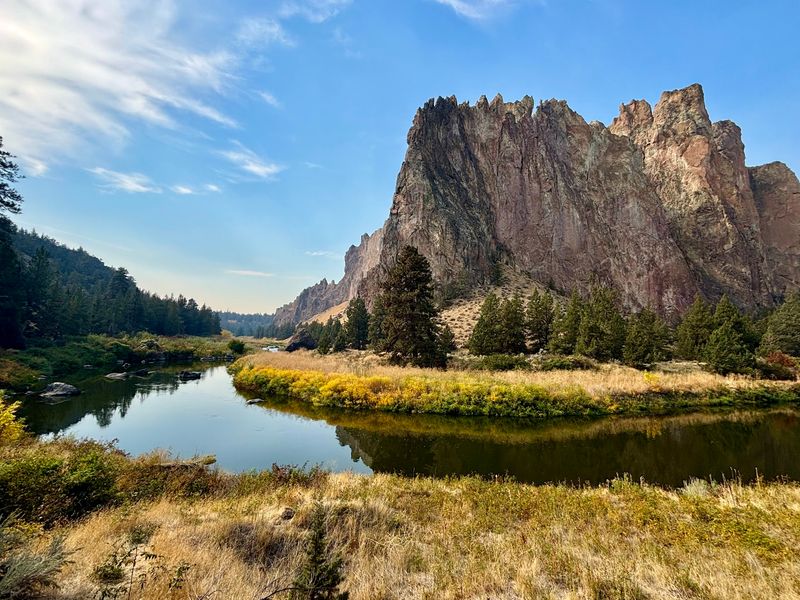
Camping here keeps things simple. Smith Rock State Park offers a walk-in, tent-only area called the bivouac.
Sites are first-come, first-served, with no reservations. The camping season usually runs from early spring through late fall, depending on weather.
A few rules keep the place peaceful. RV camping, sleeping in vehicles, and open fires are not allowed in the park.
Your camping fee includes a day-use parking permit for the next day. That’s handy if you plan a sunrise hike or an early climb.
Campers get restrooms, showers, and a shared cooking area. The community setup makes meal prep feel like a friendly outdoor kitchen.
Arrive early during busy seasons to improve your chances of a spot. Weekends in nice weather can fill up quickly.
Pack a camp stove since fires are off the table. A warm layer helps too, because high desert nights can cool down fast.
Store food properly and keep your site tidy. Wildlife notices crumbs long before you do.
Waking up right beside the canyon is a real treat. Your morning commute to the trailhead becomes a short stroll.
A Few Smart Details Make Your Visit Way Smoother
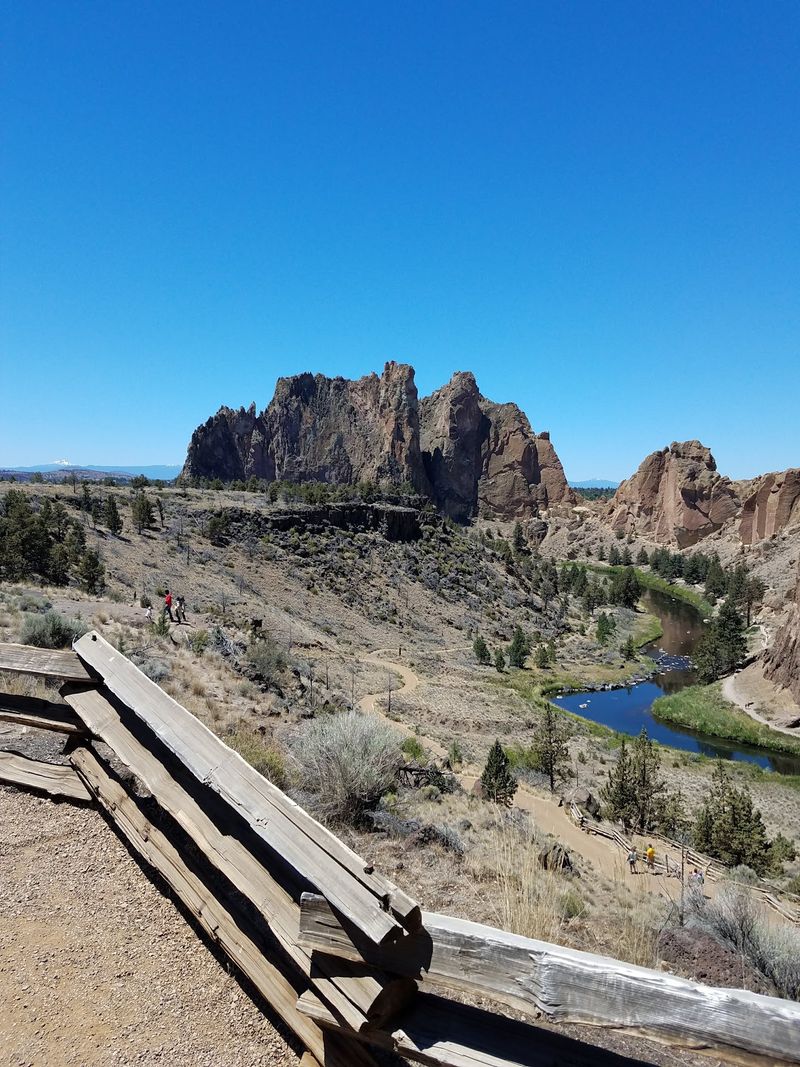
Planning ahead pays off at a park this popular. Smith Rock State Park is open year-round for day use, from dawn to dusk.
That means 30 minutes before sunrise until 30 minutes after sunset. Early birds get cooler air and easier parking.
Visitors use the address 9241 NE Crooked River Dr, Terrebonne, OR 97760. The park sits in Central Oregon, not far from Bend.
A day-use parking permit is required. You can pay by card at kiosks in the parking areas, and annual Oregon State Parks permits also work.
Parking can get tight, especially later in the day. Arriving early often means a shorter walk to the trailhead.
Restrooms are available, but some are a hike from the main lots. Plan bathroom stops before heading down into the canyon.
Bring plenty of water no matter the season. The desert air dries you out faster than you’d expect.
Keep an eye on park updates before you go. Planned trail and parking improvements may affect some areas from December 2026 through May 2027.
A little prep keeps your day relaxed. Then you can focus on views instead of logistics.
Central Oregon Keeps The Fun Going Beyond The Park
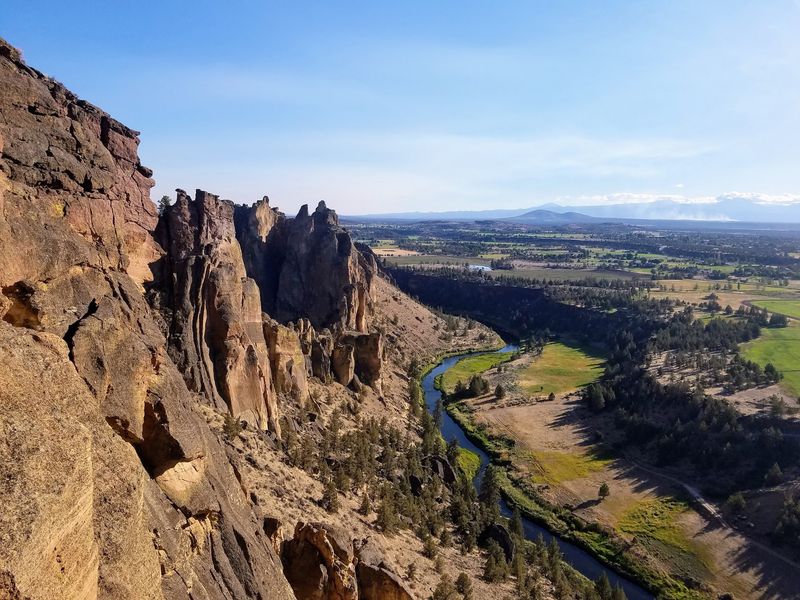
Central Oregon gets a lot of sunshine, which explains why outdoor fans flock here. Smith Rock is a highlight, but the region has much more to offer.
Paddle boarding on the Deschutes River is a popular warm-weather option. Calm stretches make it a relaxing change from rocky trails.
Winter brings skiing at Mt. Bachelor. Combine snowy slopes with a crisp desert hike, and you’ve got a seriously varied weekend.
Volcano fans should check out Newberry National Volcanic Monument. The obsidian lava flows sparkle with black volcanic glass.
Caving adds another layer of adventure to the area. Golf courses and scenic bikeways round out the options.
Bend makes a handy base for exploring. You’ll find plenty of places to eat and rest after a big day outside.
Spread your activities over a few days if possible. Rushing means missing the slow moments that make trips memorable.
Whatever you add to the itinerary, keep Smith Rock State Park as the centerpiece. Its cliffs, river, and wildlife are hard to match.
Just remember the rattlesnakes got there first. Watch your step, and the high desert will treat you well.
