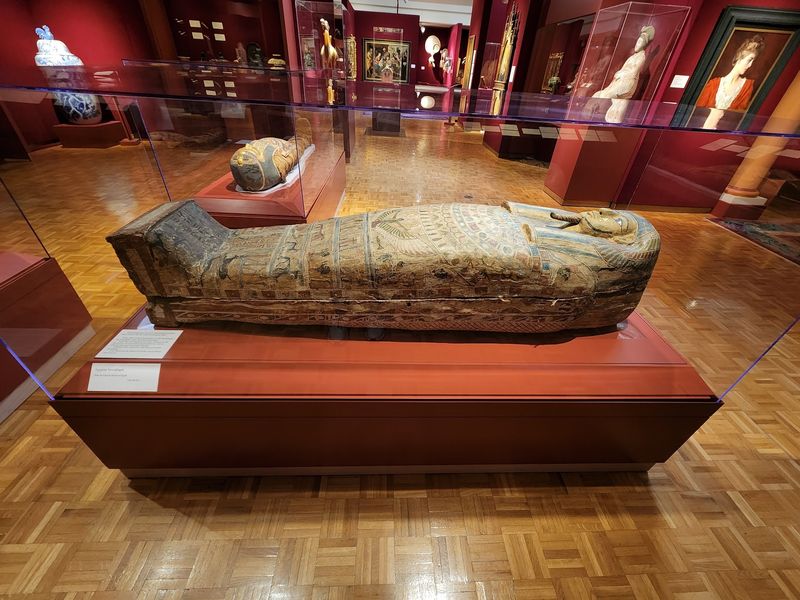
I pulled off the highway in Oklahoma looking for a quick lunch and a stretch of my legs, not a brush with ancient Egypt. A short detour later, I was standing face to face with a woman who lived more than 2,000 years ago, wrapped in linen under soft gallery lights.
Nobody had told me this was here, and that surprise is exactly why it stuck with me. If you love history, cheap day trips, or a good story to bring home, this little stop deserves a spot on your next drive.
A Campus Museum With Ancient Guests
Picture a quiet college campus a short drive east of Oklahoma City, with tidy lawns, brick buildings, and students crossing between classes. Tucked among them sits the Mabee-Gerrer Museum of Art, a small museum with a collection that feels far bigger than its walls.
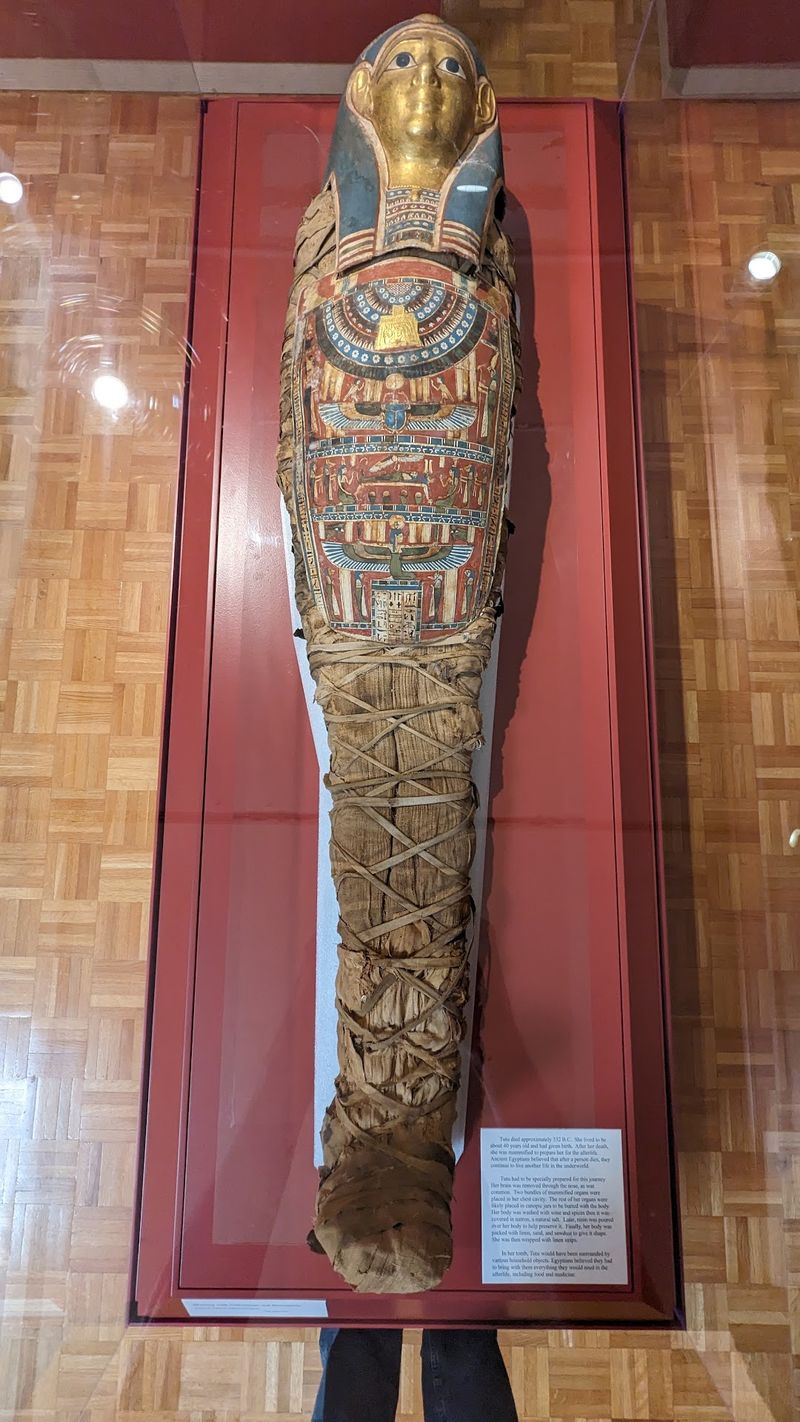
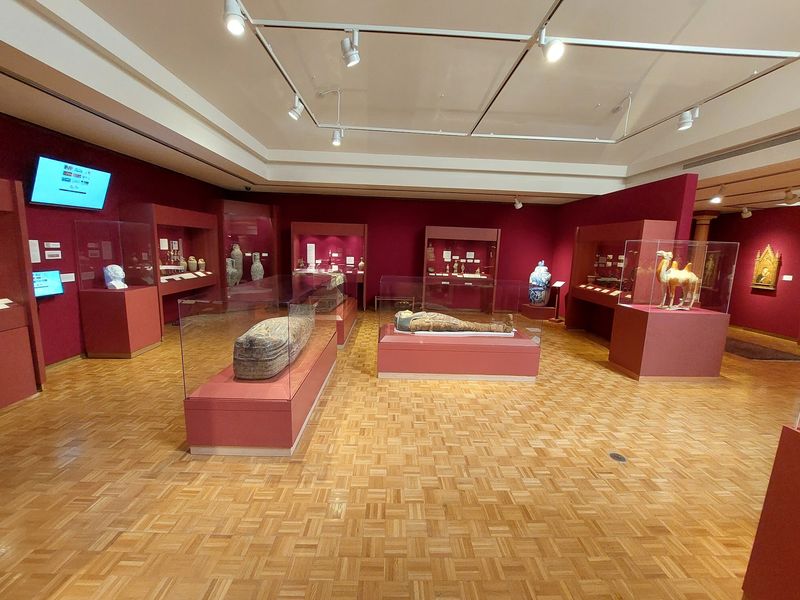
Inside, visitors find art and objects stretching from ancient times right up to contemporary work. The museum’s own description covers everything from Egyptian and Greek pieces to Renaissance paintings and Native American works.
Then there are the two real Egyptian mummies, the reason many first-timers walk through the door.
Here is the fun part. Plenty of Oklahomans have lived in the state for years without hearing about this place, and visitors often say they came for the mummies and stayed for everything else.
One longtime resident admitted it took more than a decade to discover it, and now a return trip is always on the calendar.
Founded in 1919, the museum ranks among the state’s longest-running cultural institutions. That kind of staying power is rare, and it gives the building a settled, cared-for feel.
Think of it less as a flashy attraction and more as a well-loved treasure chest that happens to be open to the public.
Father Gerrer and His Globe-Trotting Collection
Every great collection starts with one curious person, and this one began with a Benedictine monk named Father Gregory Gerrer. Born in Alsace in 1867, he spent years traveling across Europe, Africa, and South America, gathering objects of artistic and cultural value.
His goal was simple and generous. He wanted everyday people in Oklahoma to see treasures they might never travel far enough to view in person.
That dream turned into a museum in 1919, and today the collection holds more than 3,500 works spanning over 8,000 years of human creativity.
Gerrer was not only a collector. He was also a painter, and several of his own oil paintings hang in the galleries today.
Visitors regularly single out his work as a highlight, which makes sense once you see how skilled he was with a brush.
Here is a detail that may surprise you. According to staff, only around 4 percent of the full collection is on display at any given time, because the building simply cannot hold it all.
So the pieces you see on one visit are just a small slice of what this monk and the museum have gathered over the decades.
Tutu, Oklahoma’s 2,400-Year-Old Resident
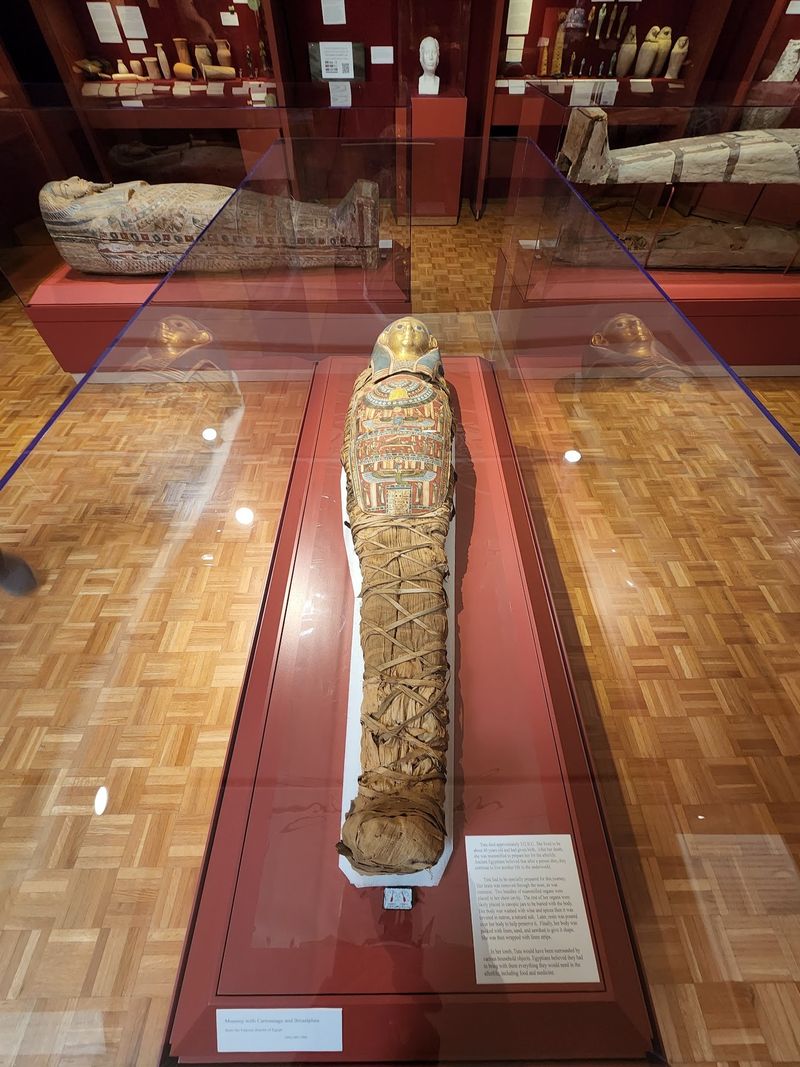
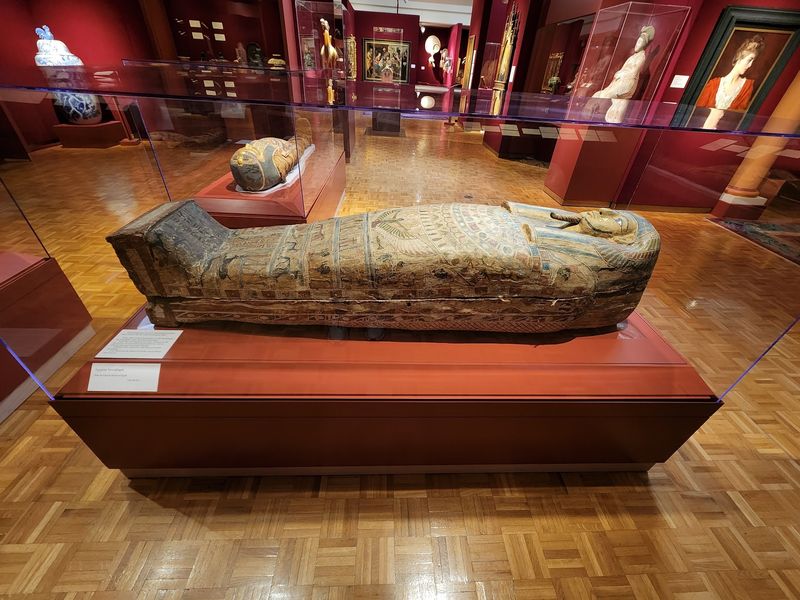
Meet Tutu. She is a woman from Egypt’s Ptolemaic period who lived roughly 2,400 years ago, around 332 BCE, and she has become the museum’s most famous permanent guest.
Researchers have learned a surprising amount about her. Her organs were preserved one by one, then carefully placed back inside her body before she was wrapped in layers of linen.
Her arms are crossed, and the care taken with her preparation suggests she held a high place in her community.
Scans also estimate that Tutu was over 40 years old, which counted as a long, full life in her era. Standing near her case, it is hard not to wonder about her daily routine.
What did she eat, who were her friends, and what would she think of ending up in the middle of Oklahoma?
Ancient Egyptians believed the body needed to be preserved for the journey into the next life. That belief led to a process lasting months, with salt drying and countless yards of linen bandages.
Seeing the real result in person hits differently than any textbook photo.
Regulars like to remind newcomers that Tutu stays put while other exhibits rotate. She is always home when you visit.
A Roman-Era Mummy and a Hospital Scanner
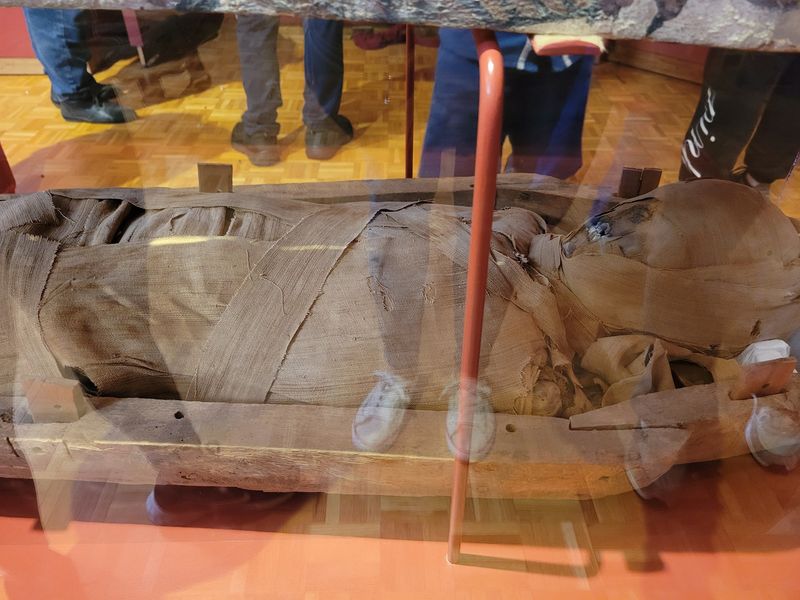
Tutu has company. Resting nearby is a second mummy from Egypt’s Roman era, dating back about 2,000 years.
Far less is known about this individual’s background, which only adds to the mystery. Studies suggest this mummy likely kept all internal organs, a detail that may reflect changing customs while Rome held influence over Egypt.
It could also point to a different social standing than Tutu enjoyed.
So how do experts learn all this without unwrapping anything? In 2015, both mummies took a very unusual field trip to SSM Health St. Anthony Hospital in Shawnee, where they received full CT scans.
The images offered far more detail than the X-rays taken back in the 1990s.
That is right, Shawnee, Oklahoma, is where this whole adventure lives. The museum sits on the campus of a college in this friendly town, roughly a 40-minute drive from Oklahoma City and an easy trip from Tulsa.
Science fans will love this chapter of the story. It shows how modern tools can respect fragile ancient remains while still answering big questions, and the museum shares those findings in a way that feels easy to follow for adults and young readers alike.
Shrunken Heads, Sawshark Bones, and Other Oddities
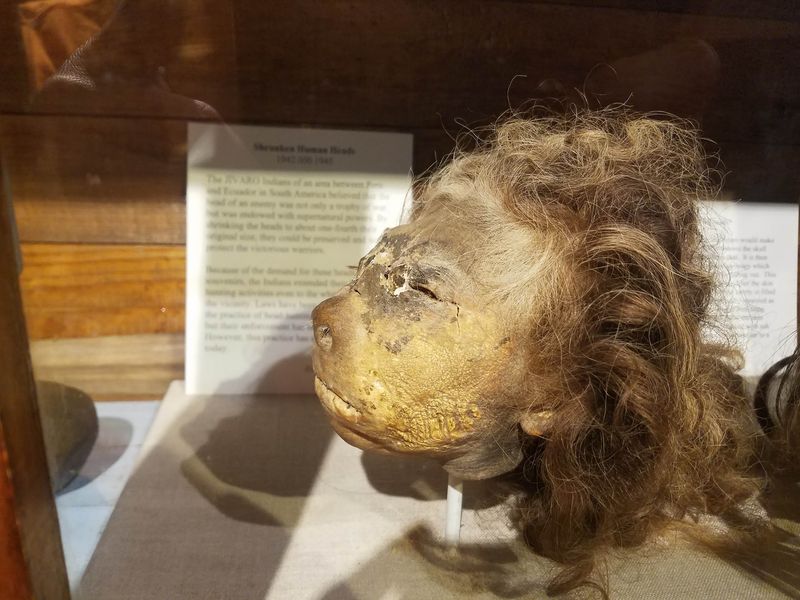
Just when you think you have the place figured out, a sawshark nose bone shows up. The museum’s curiosity cases are where the collection gets wonderfully unpredictable.
Visitors describe a lineup that jumps across the globe. You might spot Greco-Roman pottery and coins, ollas, Dogon and other African masks, Chinese smoking pipes, and clothing and tools made by Indigenous peoples.
There is even a skullcap connected to Pope Pius X among the religious artifacts.
Then come the shrunken heads. Many guests admit they never expected to see something like that in Oklahoma, and the display even explains how the practice worked.
It is a jaw-dropper, though sensitive kids may want a heads-up before turning the corner.
Beyond the Egyptian mummies, the museum also holds a strong group of other Egyptian artifacts that round out the ancient story. Together, these pieces give a real sense of how people across continents lived, worshipped, and expressed themselves.
Plan on slowing down here. One visitor mentioned wishing for more than an hour just to study the cases properly before closing time arrived.
Curious adults especially tend to linger, reading every label and comparing objects from places thousands of miles apart.
Fine Art, Pottery, and Glowing Stained Glass
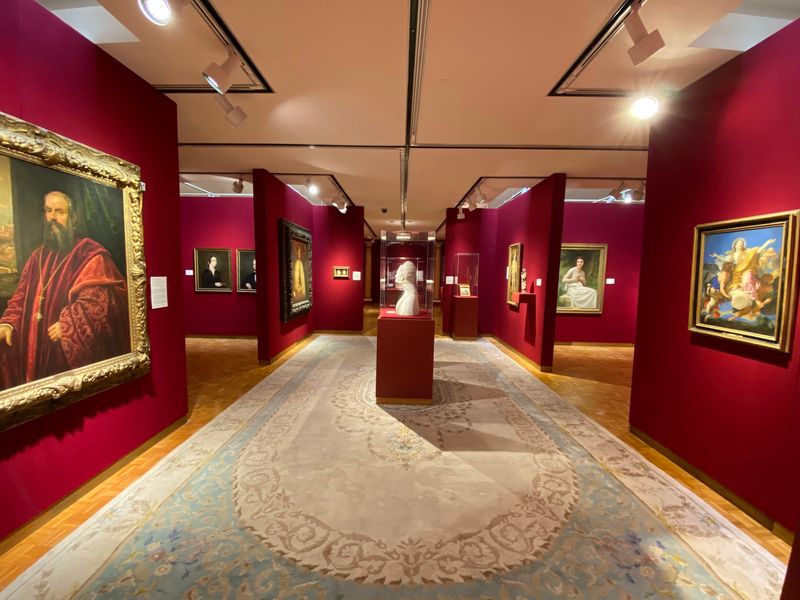
Mummies may grab the headlines, but art lovers get plenty to savor too. Many guests are pleasantly surprised to find a genuine fine art museum hiding behind the ancient history.
Galleries hold paintings, sculpture, and pottery that range from classic oil works to modern mixed media. One parent mentioned that the kids raced through a scavenger hunt while the grown-up quietly enjoyed the pottery, which sounds like a fair trade for everyone.
Look up, too. The stained glass windows and the building’s interior earn steady praise for their beauty, adding a calm, almost reflective mood to your visit.
Special exhibits keep the walls fresh. A recent Madonna and Child collection delighted visitors who happened to catch it, with one couple noting it wrapped up around Valentine’s weekend.
Since displays change seasonally, what you see may differ from what a friend saw a few months earlier.
The museum also hosts art shows and small concerts from time to time, giving locals one more reason to return. For a parent craving a quiet hour with beautiful things, this corner of the building can feel like a small gift to yourself, no long drive to a big city required.
Treasure Hunts and a Peaceful Courtyard
Want to keep young explorers busy while you actually read the labels? The museum has a clever answer in its scavenger hunt.
Families describe kids searching the galleries for clues, then earning the chance to open a treasure chest with a special key. One mom said her children, ages 7 and 9, loved the hunt but ended up just as excited about the art and history.
That is a pretty great outcome for any outing.
School and club groups visit too. One art club field trip included learning about the mummies, making clay scarab beetles, and studying visual clues hidden in two paintings.
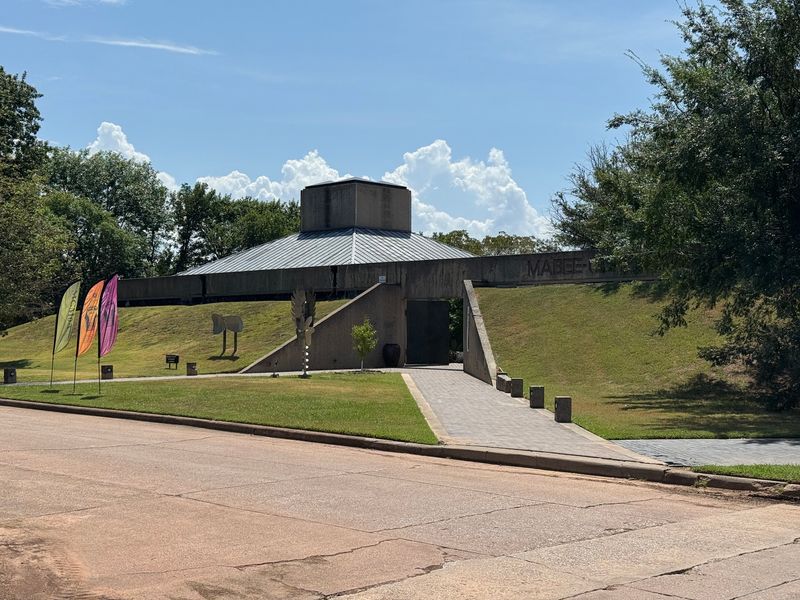
Outside, the front courtyard offers a quiet, peaceful spot to sit and talk about what you just saw. Guests often mention how clean the museum is and how kind the staff and volunteers are at the desk.
Grown-ups get plenty here on their own terms. Couples come for relaxed date afternoons, retirees enjoy the unhurried pace, and history buffs appreciate the depth.
A quick note for parents of sensitive kids, though: one child loved the mummy area while a sibling preferred to skip it entirely, so gauge comfort levels ahead of time.
Hours, Admission, and Getting to Shawnee
Good news for budget-minded travelers: this outing typically will not strain your wallet. Many visitors mention free admission, especially during summer promotions, while other sources list adult tickets around $10 and about $5 for seniors and military.
Kids 17 and under and students with ID are often admitted free.
Since pricing may change, a quick look at mgmoa.org or a call to 405-878-5300 before you go is smart. That way you know exactly what to expect at the door.
Hours generally run 10 a.m. to 5 p.m. Tuesday through Saturday.
The museum is usually closed Monday, and Sunday hours may vary, so double-check if you are planning a weekend trip.
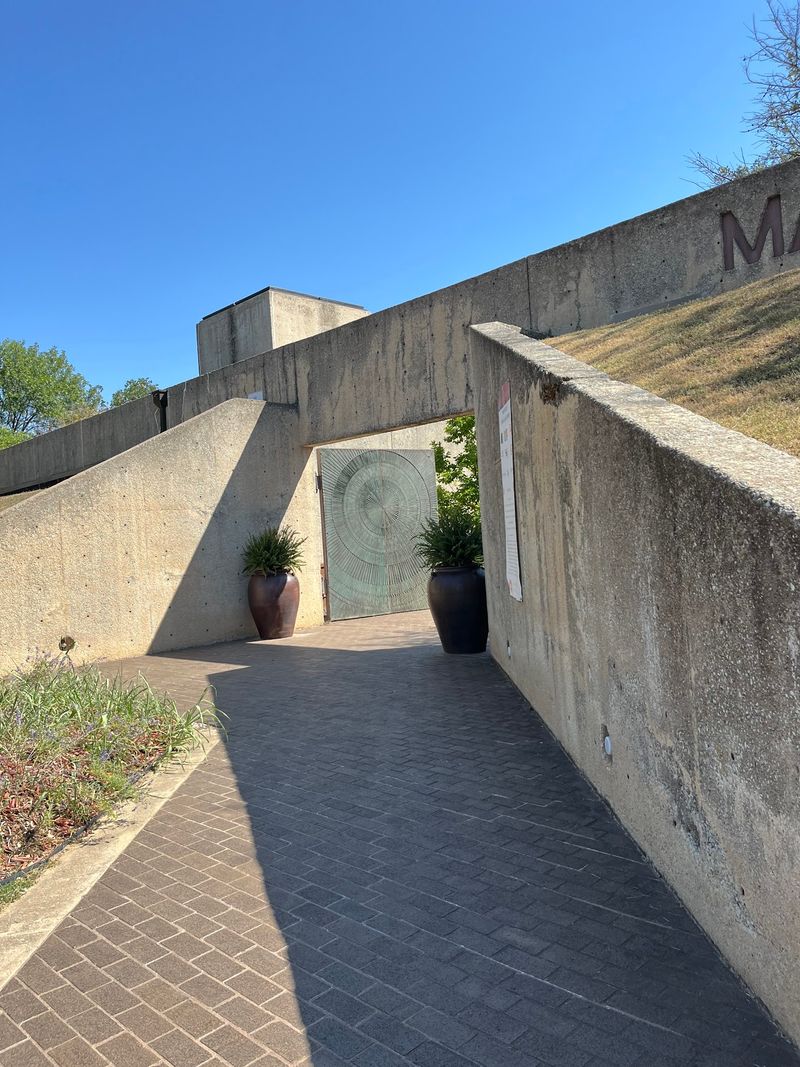
You will find it at 1900 W MacArthur St in Shawnee, on a college campus. From Oklahoma City, plan on roughly 40 minutes along I-40, and Tulsa folks can usually make it in under 90 minutes.
Save a few minutes for the gift shop. Shoppers love browsing the unique items, and souvenirs like a little Egyptian cat figurine come without a big price tag.
Oklahoma summers run hot and spring storms can roll in quickly, so an indoor stop like this makes a handy year-round plan.
Why This Little Museum Earns the Drive
Some places shout for attention. The Mabee-Gerrer Museum of Art simply waits, quietly holding 8,000 years of human stories, until you stumble in and realize what you have found.
Its size is part of the charm. You can see the highlights in an hour or two, which leaves time for lunch in town and an easy drive home.
Yet the quality of the collection rivals what you might expect from a much larger city museum.
Repeat visits pay off here. With only a small share of the collection on view and exhibits rotating seasonally, each trip may reveal something you missed before.
Special events like mummy day give regulars another excuse to come back.
For parents, it checks a lot of boxes at once. You get a low-cost day out, real ancient history, beautiful art, and a calm setting that feels refreshing rather than exhausting.
Kids get scavenger hunts and treasure chests as a bonus.
Oklahoma has plenty of road trip favorites, but few let you meet a woman from ancient Egypt on the same afternoon you admire a monk’s paintings. Tutu will be waiting whenever you are ready.
