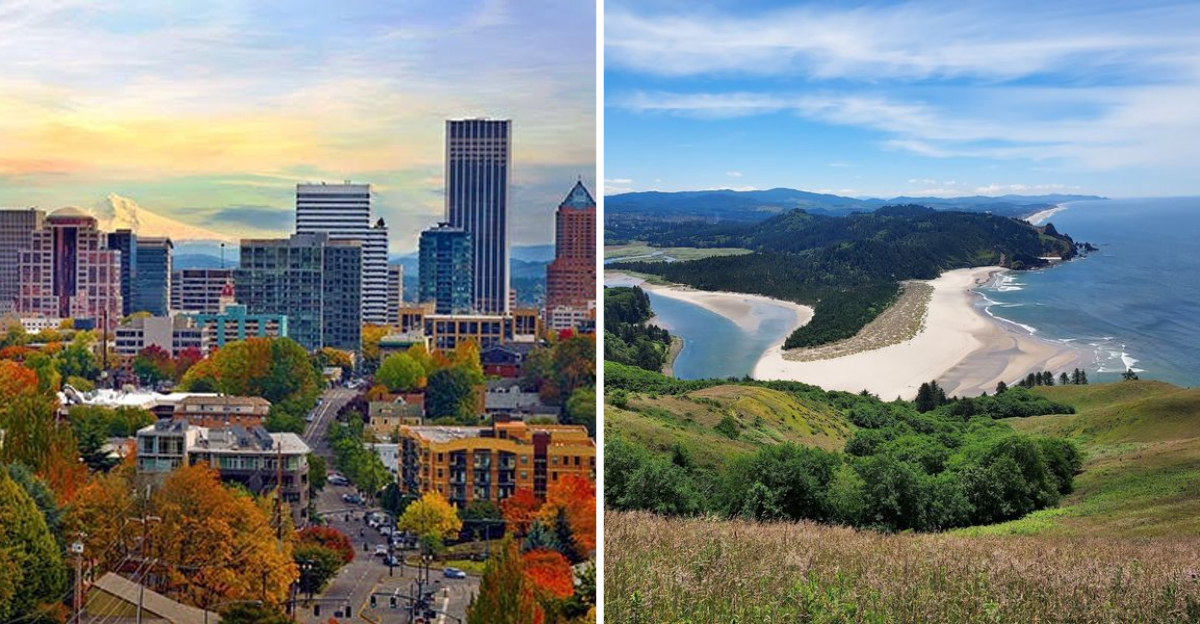
You’ve probably scrolled past countless “best places to live” lists, each one promising a better life. But Oregon hits different. There’s something about this state that makes people fall hard and fast.
Maybe it’s the coast with its dramatic cliffs and quiet beaches. Or the forests that feel ancient and alive. The food scene that punches way above its weight, the craft culture that runs through everything, and the kind of communities where neighbors actually know your name.
The rain? Locals will tell you it’s what makes everything so impossibly green. It’s not perfect – no place is. But for the people who call it home, Oregon isn’t just a place to live. It’s a place that becomes part of who you are.
If you’ve been wondering what it would be like to actually love where you live, Oregon might just have the answer.
1. Crater Lake Is Bluer Than Photos Admit
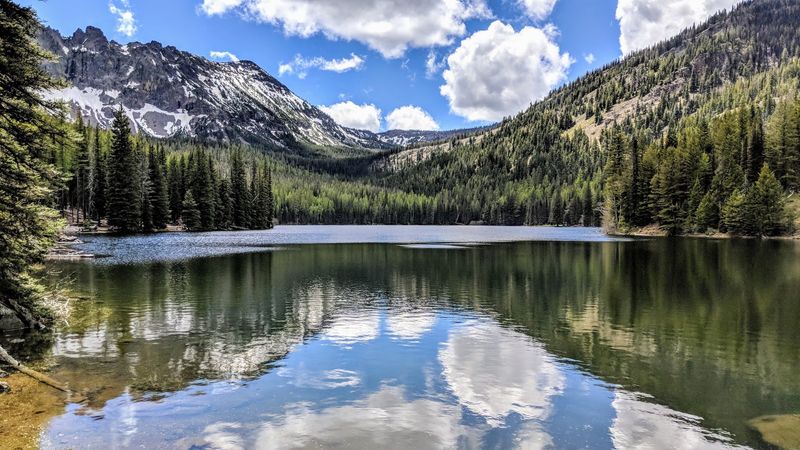
Blue does not really cover it. Crater Lake sits in the collapsed bowl of an ancient volcano, and the water is so deep and so clear that it throws back a shade closer to ink than sky.
At almost 1,943 feet, it is the deepest lake in the United States, fed only by rain and snowmelt with no rivers running in or out.
Rim Drive loops 33 miles around the caldera with pullouts that stretch a short trip into three hours. Wizard Island rises out of the middle like something drawn for a storybook.
Snow buries the park for much of the year, and the road usually opens fully in July. Winter turns the rim into a snowshoe route, silent except for wind.
Residents get to treat all of it as a long weekend rather than a bucket-list flight. Southern Oregon locals often drive up for sunrise, then head home by lunch.
The park sits about two hours from Medford, and the steep hike down to Cleetwood Cove is the only legal way to touch the water. Bring layers.
2. Food Carts and a Kitchen Culture That Never Sits Still
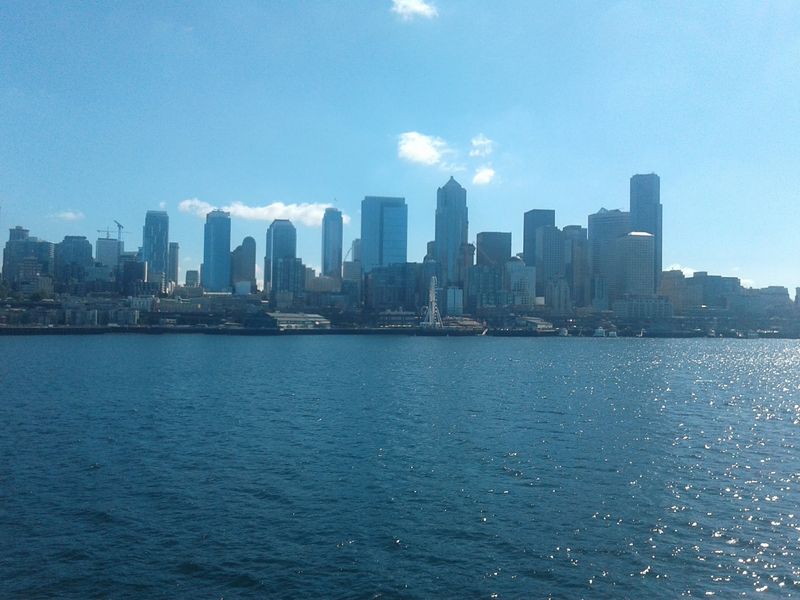
Lunch in Portland often happens standing up, paper tray in hand, at a pod of food carts wedged into a parking lot.
The city built a reputation on these small kitchens, where a cook with one great recipe can open without a full restaurant behind them. Thai curry, Georgian dumplings, Salvadoran pupusas, Vietnamese sandwiches, and biscuits the size of a fist all live within a block of each other.
Beyond the carts, the restaurant scene leans hard on what grows nearby. Chefs pull mushrooms from coastal forests, berries from the Willamette Valley, and salmon from the Columbia.
Doughnuts became a local sport somewhere along the way, and lines form early on weekends.
Portland also spreads its good food far past downtown. Neighborhoods like Alberta, Division, and Hawthorne each have their own rhythm, and eating well rarely requires a reservation made weeks ahead.
Rain does not close the pods either, since most have covered seating and heaters running through winter. Newcomers usually find a favorite spot within a month and defend it forever. Food here feels less like a trend and more like a habit worth keeping.
3. Mount Hood Sits at the End of the Street
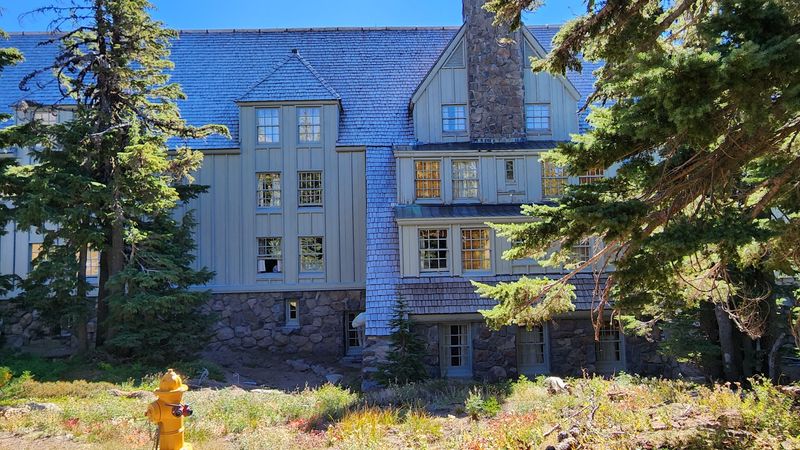
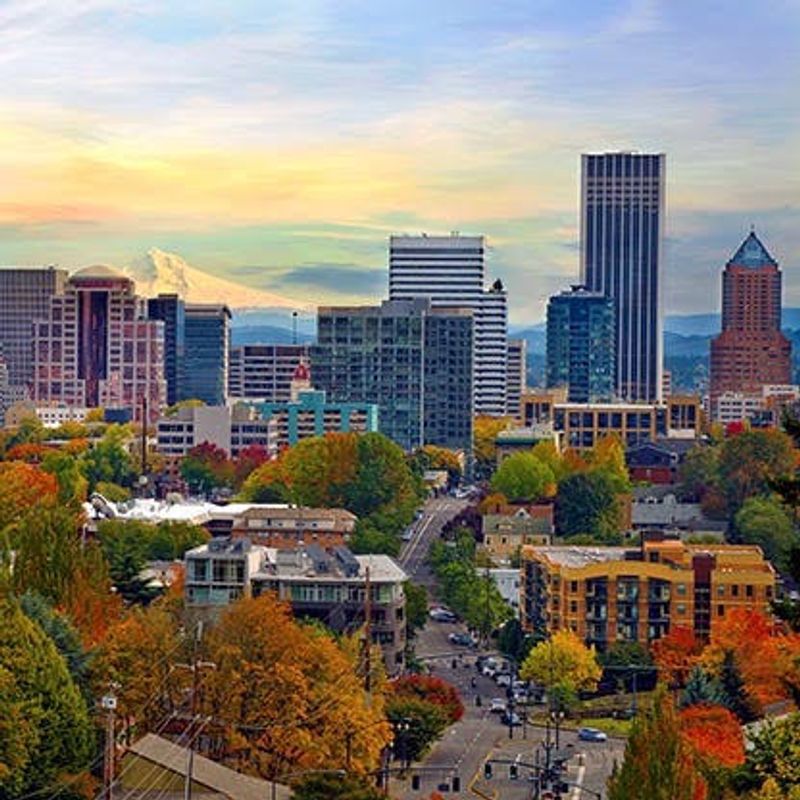
On a clear morning in Portland, Mount Hood shows up at the end of the street like it wandered into the neighborhood. The peak reaches 11,249 feet and holds snow through summer, which is why Timberline Lodge runs the longest ski season in North America.
Timberline itself is worth the drive even without skis. The lodge was built by hand in the 1930s, all heavy timber and stone fireplaces, and its exterior appeared in a famous horror film.
Five ski areas sit on or near the mountain, and most are close enough to Portland for an after-work run under the lights.
Summer flips the script entirely. Wildflowers cover the meadows around Trillium Lake, huckleberries ripen along the trails, and the reflection of the peak in still water shows up on half the postcards in the state. Living an hour from a glaciated volcano rearranges what a normal Saturday looks like.
Snow tires and chains become part of winter planning, and mountain weather shifts faster than any forecast suggests.
4. Nothing Extra at the Register
The price on the tag is the price at the register. Oregon has no statewide sales tax, one of only a handful of states in that club.
Groceries, shoes, laptops, furniture, a new bike, all of it rings up exactly as marked. Over a year of ordinary spending, that adds up in a way people notice without doing any math.
Shoppers from Washington have crossed the Columbia River for decades to take advantage of it, and border towns like Portland and Astoria see plenty of out-of-state plates.
Income tax runs higher than the national average, so the trade-off is real rather than magic. Still, for anyone furnishing a first apartment or replacing a car full of gear, the savings land right away.
Budgeting for a move gets easier too, since big one-time purchases like appliances and mattresses cost exactly what the label says.
Visitors often mention it before anything else about the state. Locals barely think about it until they travel somewhere else and get surprised at a checkout counter.
5. Sunshine and Sagebrush in Central Oregon
Cross the Cascades heading east and the rain stops almost mid-sentence.
Central Oregon trades moss and fir for juniper, sagebrush, and something close to 300 sunny days a year. Bend anchors the region, a town along the Deschutes River where people float downstream on summer afternoons and ride mountain bikes the rest of the time.
Smith Rock State Park sits half an hour north, a wall of orange rock rising over a bend in the Crooked River, and it helped shape modern sport climbing in America.
Lava fields, cinder cones, and ice caves are scattered across the area, leftovers from volcanic activity that geologists still study. Winters bring dry cold and blue skies instead of steady drizzle. Mount Bachelor handles the snow duties, twenty-two miles from town.
The stargazing surprises newcomers most. With little light pollution and dry air, the Milky Way appears over Prineville and the Ochoco range with almost no effort.
Bring lip balm and a water bottle, since desert air pulls moisture out of everything, hikers included. Anyone who assumes Oregon means constant rain has not spent a week in Deschutes County.
6. Every Beach Belongs to Everyone
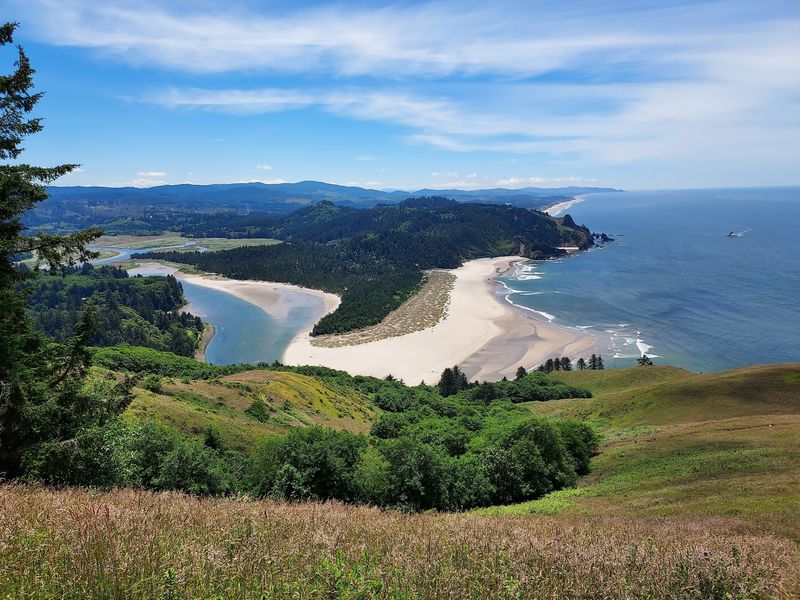
Every mile of Oregon’s shoreline belongs to the public, thanks to a law signed back in 1967. That means no gated beaches, no private stretches of sand blocked off by resorts.
Highway 101 runs the whole length of the state, curling past sea stacks, tide pools, and fishing towns that still smell like salt and cedar. Cannon Beach draws the crowds with Haystack Rock, but quieter spots like Oceanside or Bandon feel almost private on a weekday morning.
Storm watching turns into a legitimate winter hobby here. Waves slam the headlands, wind rattles the windows of oceanfront motels, and locals grab a hot drink and watch the whole show.
Summer brings gray whales, agate hunting, and dunes big enough to swallow a whole afternoon near Florence. The water stays cold year round, so surfing means a thick wetsuit rather than a tan. Nobody seems to mind.
Pack a rain jacket regardless of the season, because the coast writes its own forecast. Living within a two-hour drive of that coastline changes weekends completely. A spur-of-the-moment trip to the ocean stops being a vacation and becomes a Saturday.
7. Waterfalls Stacked Along the Columbia River Gorge
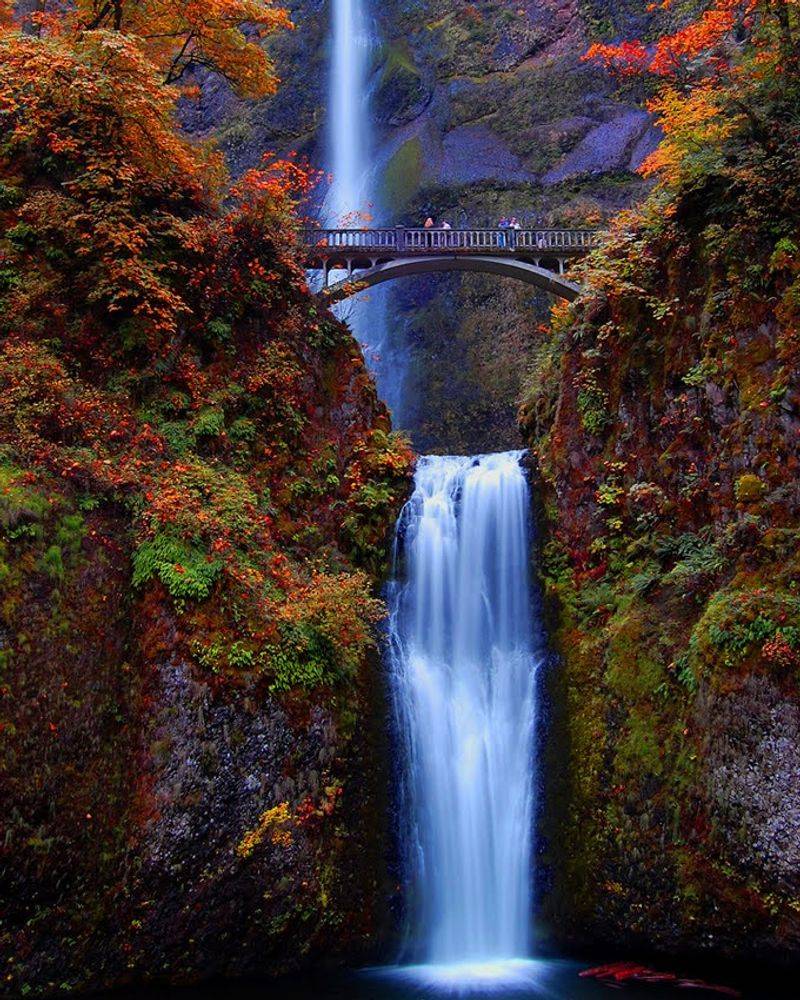
More than 90 waterfalls tumble down the Oregon side of the Columbia River Gorge, packed into a canyon carved by ice age floods.
Multnomah Falls gets the attention, dropping 620 feet in two tiers with a stone footbridge crossing between them. The Historic Columbia River Highway strings together a dozen more, several visible from the parking lot.
Spring is the loud season, when snowmelt turns every creek into something worth pulling over for.
Hikers can chain together trails at Oneonta Gorge, Wahclella Falls, and Eagle Creek, then finish the day with a view from Crown Point that stretches for miles up the river.
Wind funnels through the canyon with real force, which is why Hood River became a windsurfing and kiteboarding hub. Watching sails crisscross the water below the bridge never gets boring.
All of it starts about thirty minutes east of Portland, close enough for a weeknight walk in the woods. Permits are sometimes required for the busiest corridor in summer, so checking ahead saves a wasted drive.
8. Farm Stands, Berries, and Hazelnuts by the Ton
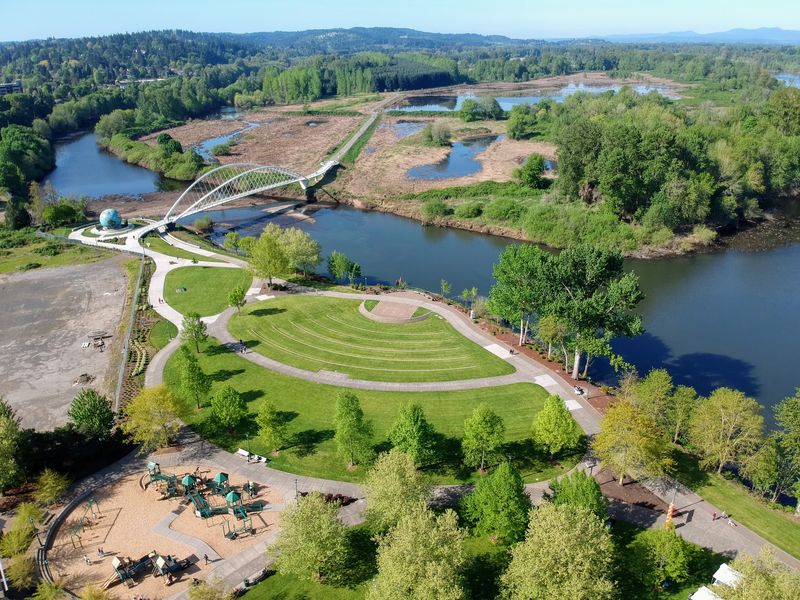
Oregon grows about 99 percent of the hazelnuts produced in the United States, which explains why they turn up in everything from pastries to salads.
The Willamette Valley stretches south from Portland with dark soil, mild weather, and farms that sell straight to the people who eat their food. Roadside stands run on honor boxes in some places.
Portland State University hosts a Saturday farmers market that fills a park block with berries in June, peaches in August, and squash by October. Smaller towns run their own versions, usually with a musician and a line for fresh bread.
Hood River Valley turns into a corridor of pear and apple orchards each fall, with Mount Hood parked in the background. U-pick fields make a cheap family outing, and freezing a summer’s worth of berries becomes a normal August chore.
Community supported agriculture boxes are common too, delivered weekly with whatever the farm harvested that morning. Eating seasonally happens naturally rather than as a lifestyle choice. When strawberries are that good in June, nobody buys imported ones in January.
9. Coffee Shops That Double as Living Rooms
Rain and caffeine have a long history together in the Pacific Northwest.
Oregon roasters take the process seriously, sourcing single-origin beans and printing the farm name on the bag. Ordering a pour-over means waiting a few minutes while someone weighs the grounds and watches a timer. Nobody rushes. That patience is part of the appeal.
Cafes double as workspaces, meeting rooms, and places to wait out a downpour with a book. Baristas remember regular orders after a week, which makes a new city feel smaller in the best way.
Portland alone holds dozens of independent roasters, and the habit spreads statewide. Eugene, Bend, Ashland, and Astoria all have shops that roast in the back and pour in the front.
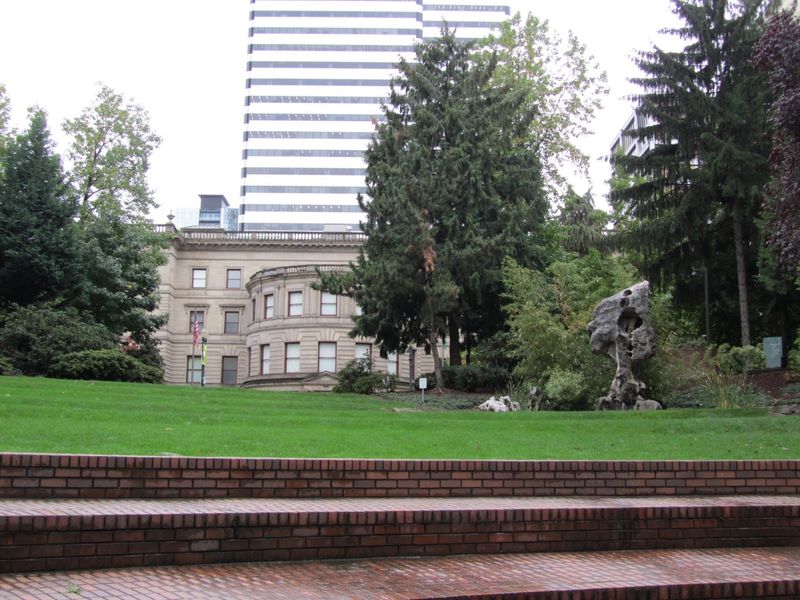
Tea drinkers do fine too, and the Lan Su Chinese Garden in downtown Portland keeps a teahouse beside a koi pond. Bring a laptop or a notebook, since nobody will hurry the table along on a gray afternoon.
For newcomers, cafes turn into the easiest way to meet people without joining anything formal. Show up twice at the same hour and conversation tends to follow.
10. Small Towns With Real Character
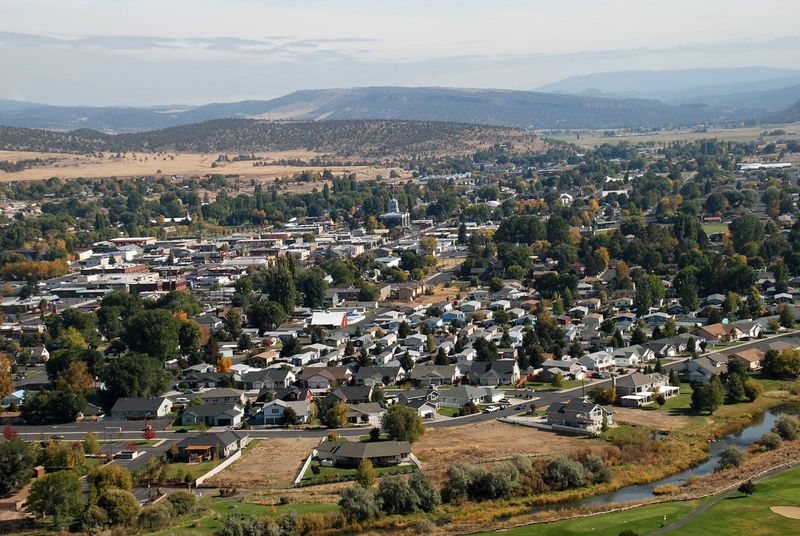
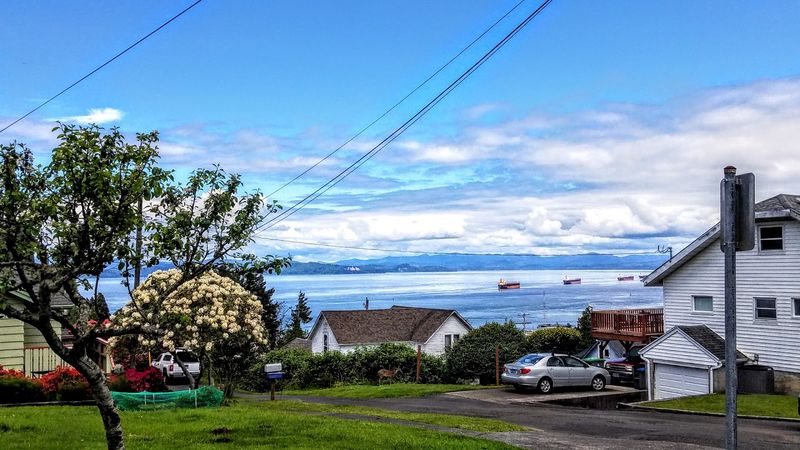
Astoria climbs a hillside at the mouth of the Columbia, all Victorian houses, working docks, and sea lions barking from the pilings.
Founded in 1811, it is the oldest American settlement west of the Rockies, and the town wears that history openly. Movie fans still hike up to the house from a certain 1985 treasure-hunting film.
Ashland sits at the opposite end of the state, running a Shakespeare festival that draws theatergoers from across the country for most of the year.
Joseph, tucked under the Wallowa Mountains in the far northeast, keeps bronze foundries on its main street and a glacial lake at the edge of town.
Then there is Sisters, with its western storefronts, and Silverton, where a canyon full of waterfalls sits just up the road.
Each one has a coffee shop, a hardware store, and someone who knows every road in the county. Housing costs less than Portland, and the trailheads are closer. Winter can feel quiet in the smallest ones, which plenty of people consider the whole point.
11. Half the State Is Public Land
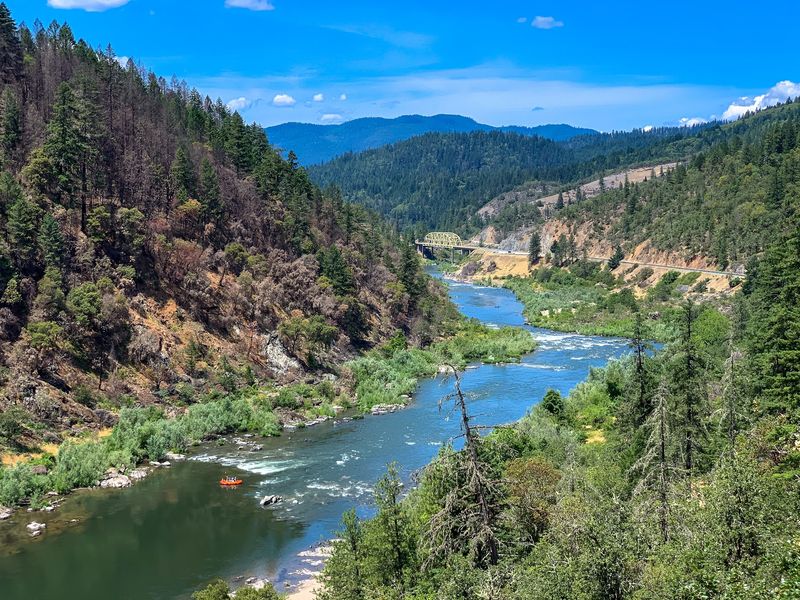
Roughly half of Oregon is public land, managed by the Forest Service, the Bureau of Land Management, and the state park system.
In practice, hiking, camping, fishing, and paddling rarely require permission or a long drive. Hundreds of state parks and dozens of wilderness areas cover the map.
Portland alone holds Forest Park, over 5,000 acres of second-growth woods with 80 miles of trail inside city limits. Deer wander through, and the trailheads sit at the end of ordinary streets. Cyclists get bike lanes, greenways, and gravel roads that run for hours without traffic.
Rafting the Rogue, fly fishing the Deschutes, kayaking Waldo Lake where the water clarity rivals Crater Lake, all of it sits within a few hours of most towns.
Gear shops sell used equipment, and rental counters make trying something new cheap enough to risk. Nobody needs to own a raft to spend a day on a river.
The culture leans toward participation rather than spectating. Weekend plans usually start with a weather check and a map, not a ticket.
12. Four Climates, One Address
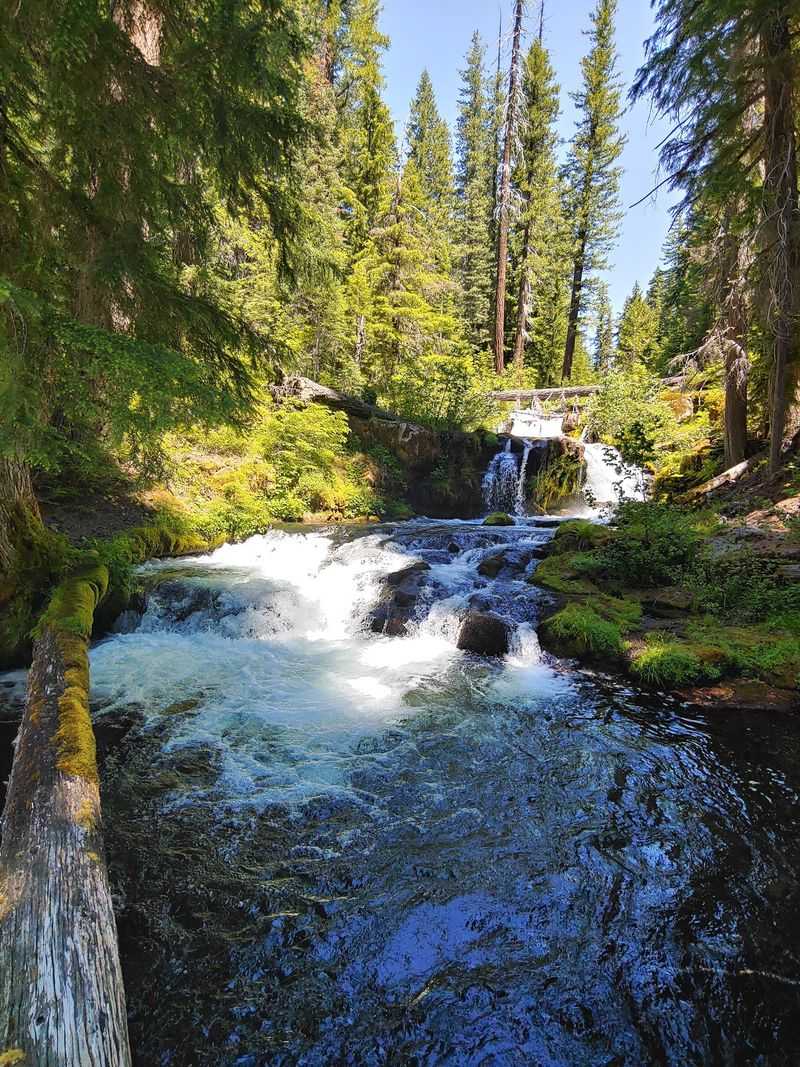
Western Oregon winters stay green, and that surprises people more than the rain does.
Temperatures rarely drop far below freezing near the coast and in the valley, so lawns keep growing and moss creeps across every north-facing surface. Snow shovels are mostly decorative in Portland.
Summers run warm and dry with low humidity, long evenings, and sunsets that hang around past nine in June.
Autumn brings big-leaf maples turning gold along river roads, and spring starts early with cherry blossoms downtown by March.
The rain gets exaggerated. Portland receives less annual precipitation than Boston or Atlanta, though it arrives as drizzle spread across many gray days. Locals adapt by owning good rain jackets and skipping umbrellas entirely.
Head east over the mountains and the climate changes completely, with dry cold, deep snow, and sunshine most of the year.
Having four genuinely different climates inside one state means picking the weather that suits a person rather than tolerating whatever shows up.
That flexibility might be the most underrated reason to move here. Pack layers for the first year and let the state teach the rest.
