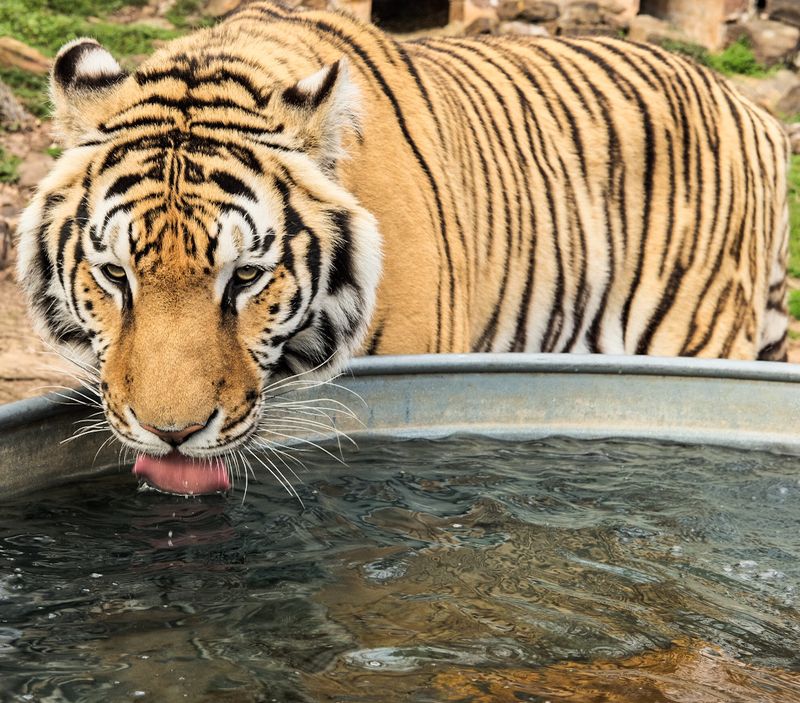
Picture a quiet country road in Oklahoma, a simple gate, and then the low rumble of a tiger chuffing somewhere past the fence. Most folks drive right by without knowing that nearly 200 rescued animals live just out of sight.
Tigers, bears, wolves, and a whole cast of unlikely characters have found a safe place to rest after rough starts. It is not a zoo, and that is exactly what makes the story worth telling.
A Working Rescue on the Edge of Broken Arrow
Out past the suburbs, where Broken Arrow fades into tree lines and gravel shoulders, sits Safari’s Sanctuary. The address is 26881 E 58th St S, Broken Arrow, OK 74014, and the place calls itself a working rescue, not a zoo.
That label matters. The sanctuary is a non-profit 501c3 organization devoted to exotic wildlife that people bought, bred, or abandoned.
Big cats, bears, wolves, primates, reptiles, and barnyard animals all share the grounds.
Nearly 200 animals call the property home today. Each one arrived because it had nowhere else to go, whether it was a pet that grew too large or a resident of a zoo that shut its doors.
For Oklahomans used to roadside attractions, the setup can feel surprising. There is no ticket booth, no gift shop, and no snack stand.
The work happens quietly every single morning, carried out by a small crew and a steady stream of volunteers who show up because they care.
Think of it less as a destination and more as a neighbor doing extraordinary work. Understanding that from the start sets the right expectations for everything that follows, including how you can actually get involved.
Lori Ensign and a Hobby That Grew Teeth
Some doctors suggest knitting. Others suggest gardening.
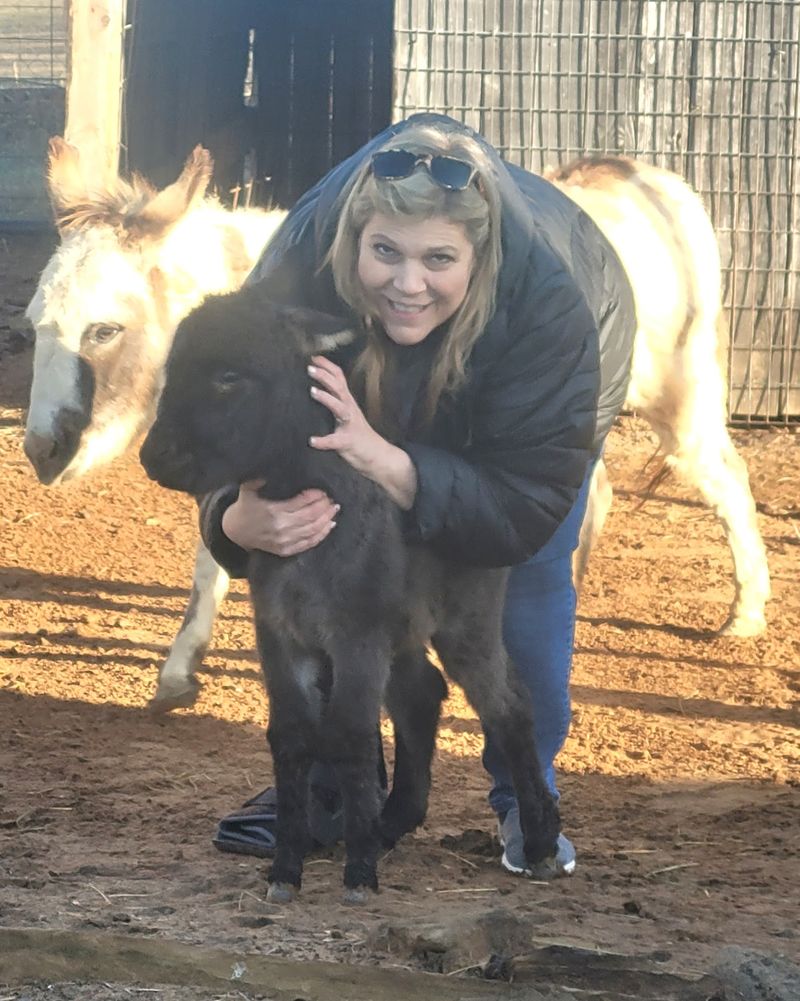
When Lori Ensign received a multiple sclerosis diagnosis and was told to find a hobby, she started rescuing animals instead.
That was the seed. In 1995, she founded Safari’s Sanctuary, and the hobby has kept growing ever since.
More than 30 years later, she is still at it, caring for creatures most people only see on nature shows.
Supporters describe her as one of the most devoted animal people they have ever met. Volunteers who worked alongside her years ago still speak warmly about how hard she works and how much she gives to the animals each day.
Her approach is hands-on and practical. She replies personally to messages, remembers former helpers by name, and signs off notes with a simple “Lori.” One response even ended with the word “chuffs,” the friendly puffing sound tigers make to greet each other.
There is something very Oklahoma about the whole story. A determined woman, a stretch of land, and a refusal to give up on animals others discarded.
It is the kind of grit that tends to earn quiet respect around here, and her sanctuary stands as proof of it.
Why Exotic Pets End Up Needing Rescue
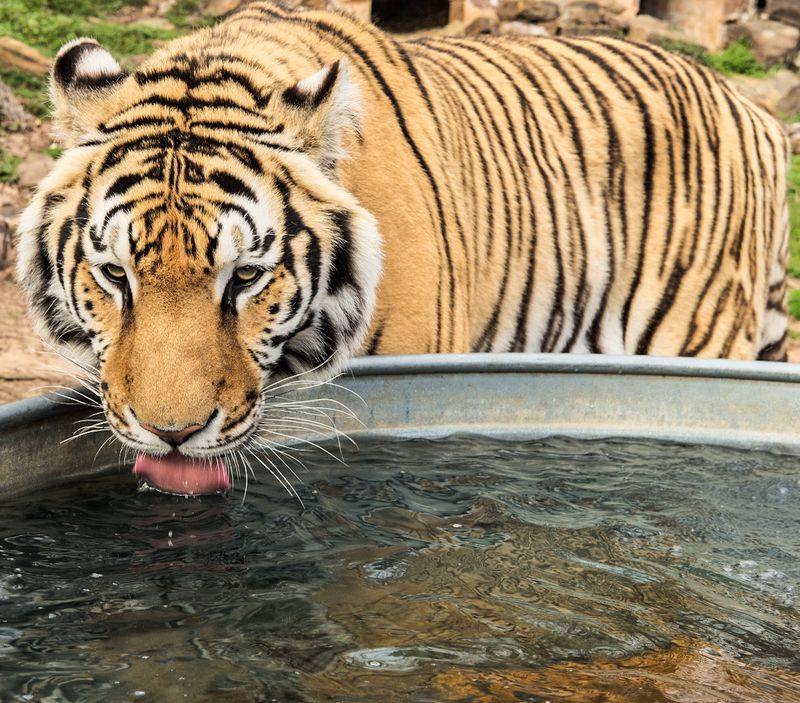
A tiger cub fits in your arms. Two years later, it outweighs your truck’s spare tire several times over.
That math catches a lot of owners off guard.
Many residents at the sanctuary came from people who thought owning something exotic would be fun. Others were overbred by sellers chasing a quick profit, and some came from zoos that closed and could not place every animal.
Without a refuge, many of these animals would have faced being put down. The sanctuary steps in at that moment, offering space, food, and steady care for the rest of their lives.
Visitors and volunteers alike point out that the animals arrive with heartfelt stories. One former helper described the variety as stunning, with special and unique animals each carrying their own history.
Here is a quick fact worth sharing at the dinner table: big cats can live well into their teens or beyond in human care, which means a rescue is a long commitment. Every new arrival adds years of feeding, vet needs, and maintenance.
Understanding that backstory changes how you see the enclosures. These are not exhibits.
They are retirement homes for animals that never asked to be anyone’s novelty.
Tigers and Lions Under Oklahoma Skies
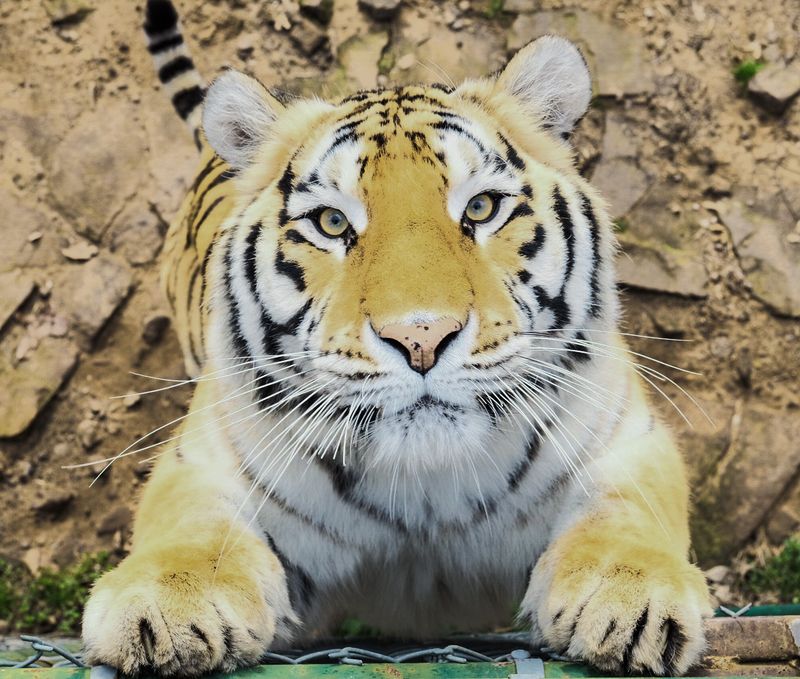
Stripes in the tall grass. A low, rumbling call at sunrise.
The big cats are often the first thing people mention when they talk about this place.
Tigers top the list in conversations about the sanctuary, and lions have shared the grounds too. Years ago, guests who stayed overnight remembered hearing the wolves, lions, and tigers calling out at dusk and dawn, a sound that stuck with them long after.
Caring for these cats is serious business. Feeding schedules, enclosure checks, and cleaning routines happen daily, and volunteers follow detailed instructions to keep everything safe and consistent.
Former helpers say the cats are well cared for, and they appreciate that the animals now get to simply be themselves. With fewer people walking through, the cats can relax and live peacefully with only occasional human contact.
Picture a tiger stretching out on a warm Oklahoma afternoon, completely unbothered by anyone watching. That calm is the whole point.
If you ever get the chance to volunteer, the big cats may leave the deepest impression. Hearing a tiger chuff a greeting at close range is a moment most people never forget, and it makes the hard work feel more than worth it.
Bears With a Second Chance
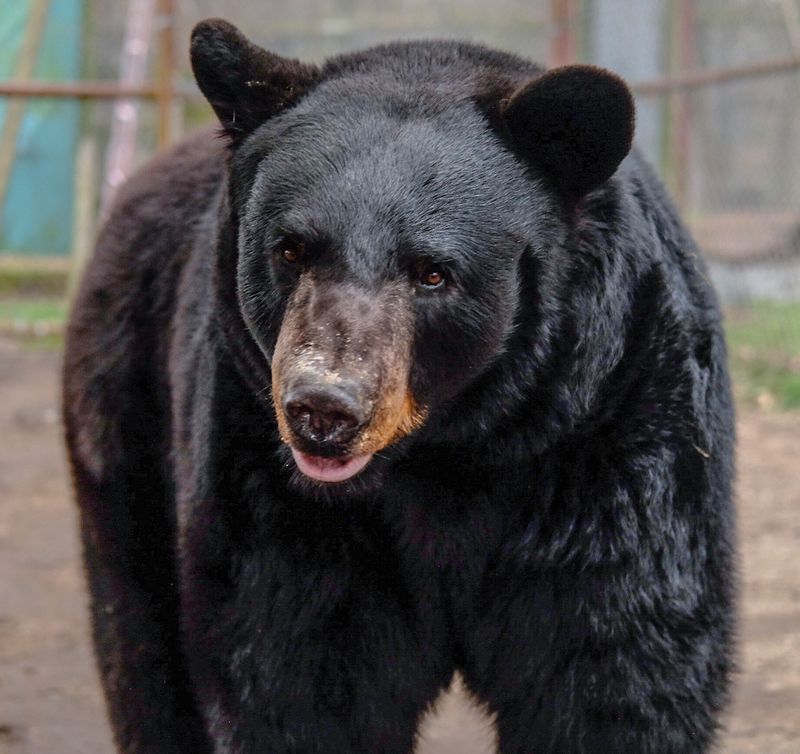
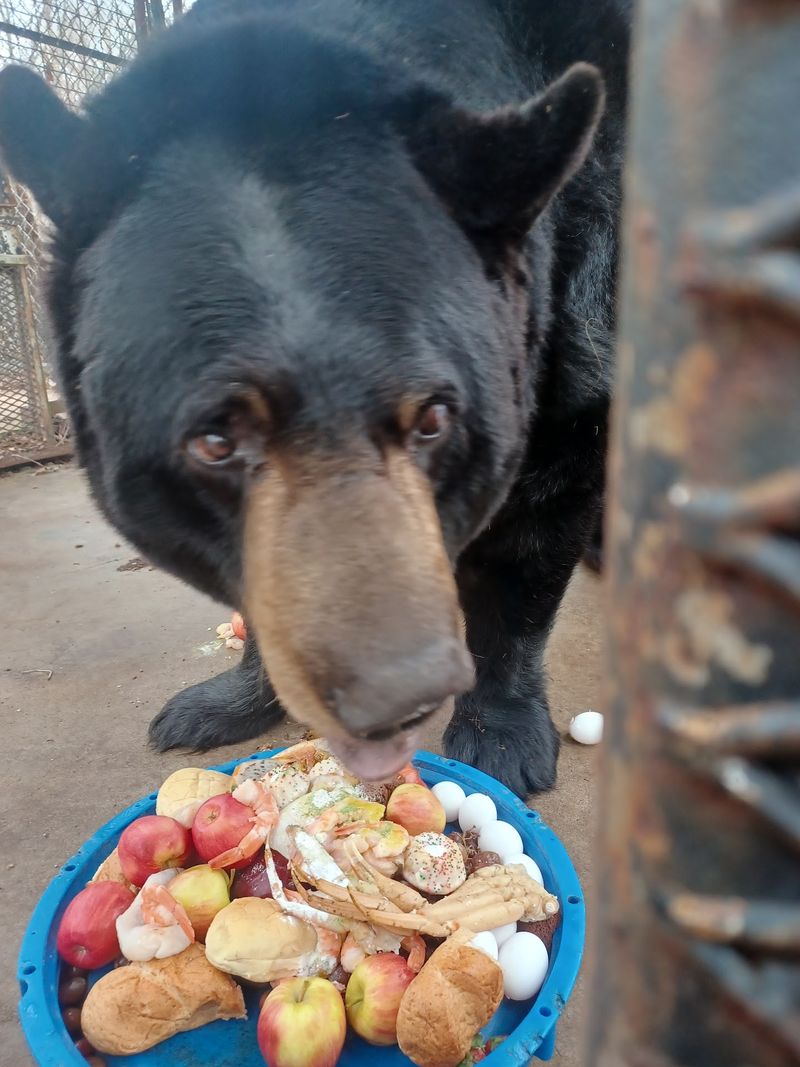
Bears have a way of looking thoughtful, even when they are just deciding which log to nap against. At Safari’s Sanctuary, they get plenty of time to think.
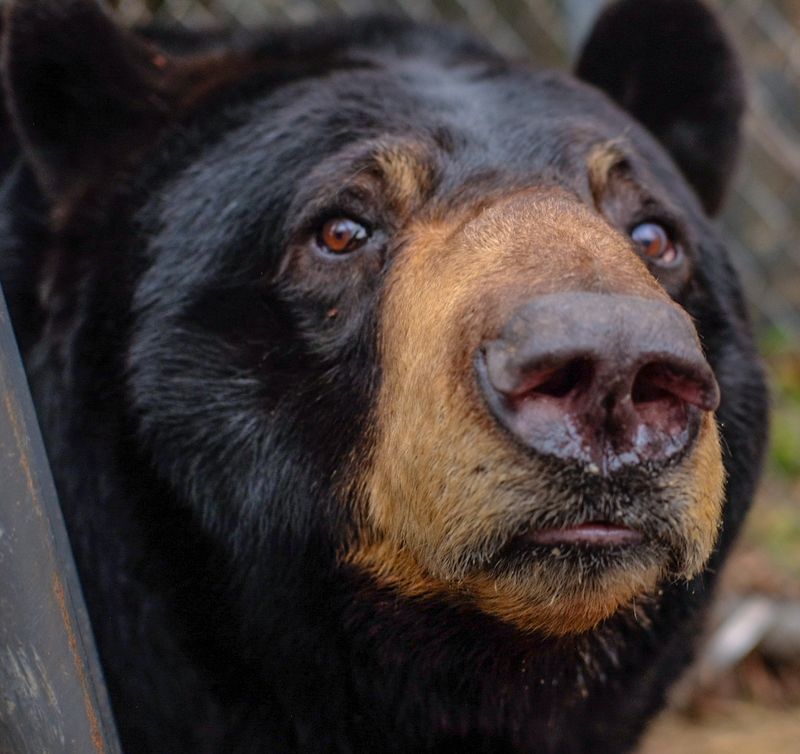
Bears are part of the rescued population here, joining the big cats and wolves as some of the largest residents. Like their neighbors, they arrived because previous situations simply did not work out.
A bear needs space, sturdy fencing, and a lot of food. Those needs do not pause for holidays or bad weather, which is one reason volunteer help matters so much on this property.
Oklahoma weather can test anyone. Summer heat, gusty spring winds, and storm season all shape daily chores, and the crew adjusts to keep every animal comfortable through the swings.
Fun bit of trivia: black bears are native to parts of eastern Oklahoma, roaming the wooded hills of the southeast. Seeing one in a safe sanctuary setting offers a small reminder of the wild side of our own state.
For the bears here, the story has turned from uncertain to steady. Meals arrive on time, people who care check in daily, and the next chapter looks a whole lot gentler than the first.
The Wolf Chorus at Dusk
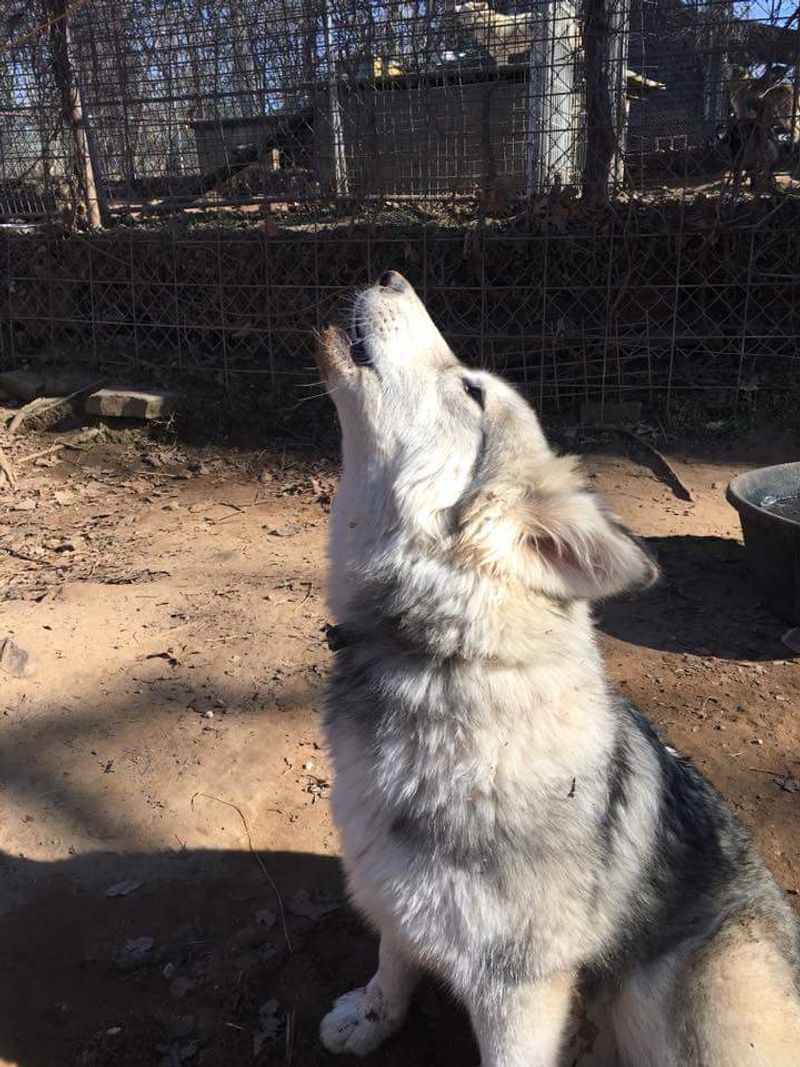
Ask a former volunteer about their favorite residents, and you might hear one word right away: wolves. At least one young helper named them as a personal favorite after years of working on the grounds.
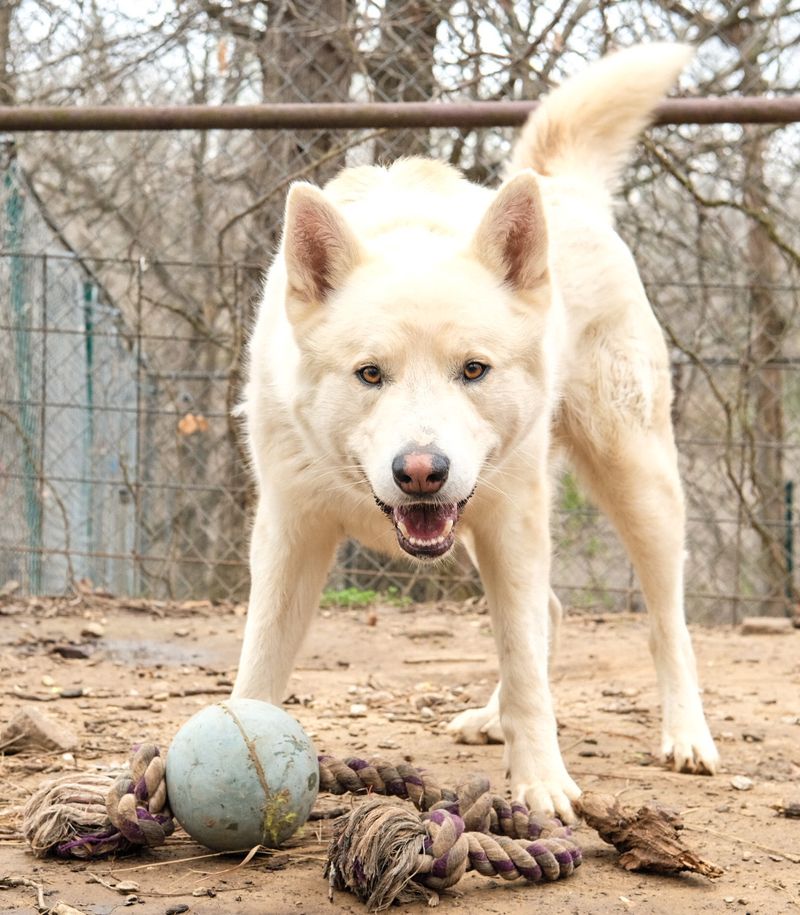
Wolves bring a different energy than the cats. They watch, they move as a group, and when evening rolls in, they sometimes lift their voices in a howl that carries across the property.
Guests who once stayed overnight in a cabin on site described the wolf calls at dusk and dawn as a highlight. Mixed with the rumbles of lions and tigers, it made for a soundtrack you simply cannot find anywhere else in the state.
Wolves are social, smart, and need careful handling. Volunteers learn what each animal eats and pick up facts about their habits along the way, which turns daily chores into a crash course in wildlife behavior.
There is something stirring about hearing a wolf howl in Oklahoma. It feels ancient and a little wild.
For animals that once had no future, that howl now sounds like a declaration. They are home, they are safe, and they have plenty to say about it.
Primates, Reptiles, and the Barnyard Crew
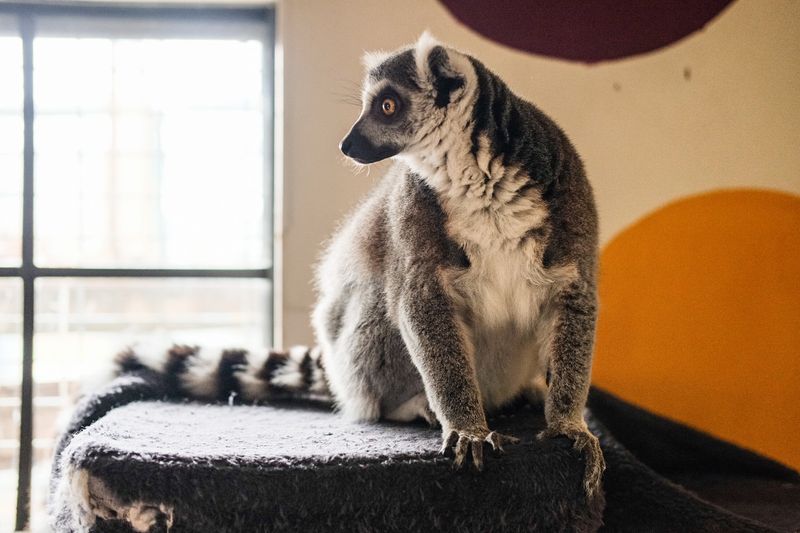
Not every resident has stripes or fangs. Some have scales, some have curious little hands, and a few just want a scratch behind the ears.
The sanctuary cares for primates, reptiles, and a range of barnyard animals alongside the headliners. Years back, families remembered holding snakes and even alligators during their time on the grounds, and kids once held kangaroos at a party.
That variety surprises people. One supporter said the range of animals Lori has saved is simply amazing, and it is easy to see why when the list stretches from big predators to everyday farm friends.
Every species brings its own needs. Reptiles need warmth, primates need stimulation, and barnyard animals need steady feeding and clean pens, all of which adds up to a long list of chores.
Here is a fun thought: on a single morning shift, a volunteer might go from tending goats to checking on a reptile to preparing food for a tiger. Few jobs offer that kind of range.
The mix gives the place a homey, patchwork feel. It is part wildlife refuge, part farm, and entirely built around giving every creature a fair shot.
Life Behind the Gate After 2020
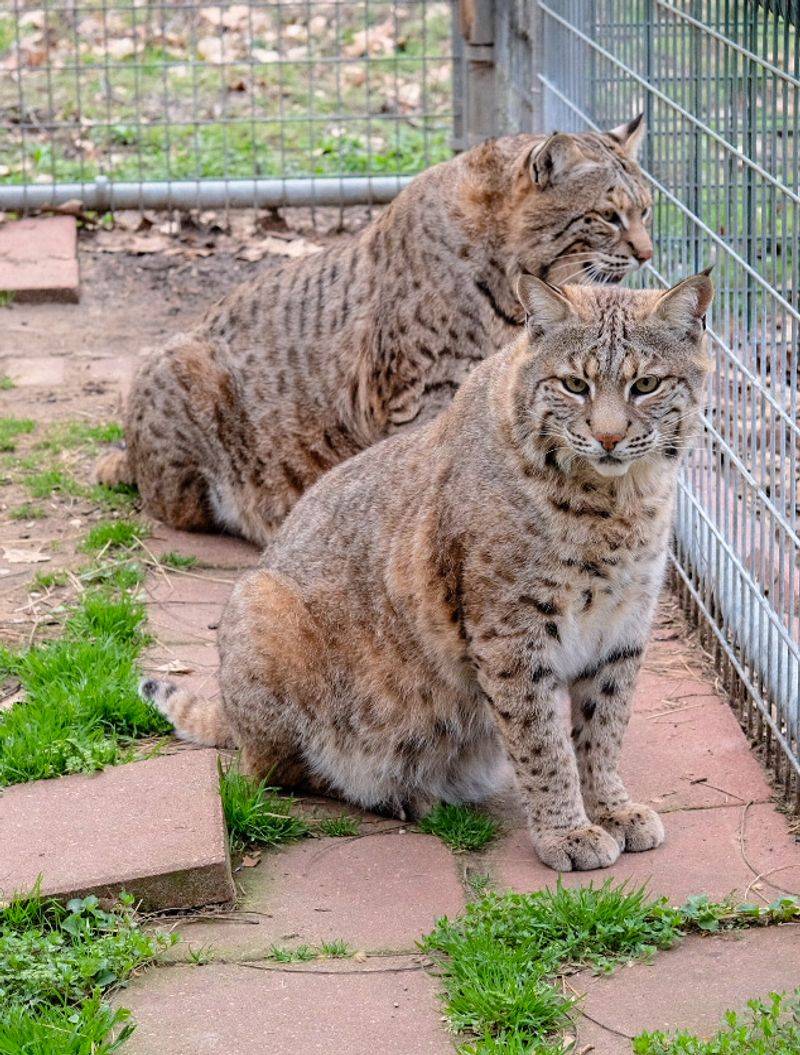
For 18 years, families could visit. Then the pandemic arrived, and everything shifted.
The sanctuary explained that after COVID, they no longer had the help they used to. There was just enough support to care for the animals and handle new rescues, so public visits ended.
Today, Safari’s Sanctuary is not open to the public and does not offer tours. Signs near the property note this in the arrows, though a few folks have still pulled up expecting a petting zoo or a walk-through attraction.
If you have fond memories of earlier visits, you are in good company. Some longtime supporters say they miss the public days, yet many agree the animals seem calmer with fewer people around.
Fewer crowds mean less stress. The animals can rest, play, and live on their own terms with only occasional human encounters, which fits the whole spirit of a true sanctuary.
So please do not just drive out on a whim with the grandkids. Call ahead at 918-357-5683 or check safarisanctuary.org first.
Respecting that gate is one of the kindest things you can do for the residents living behind it.
Volunteering as the Real Way In
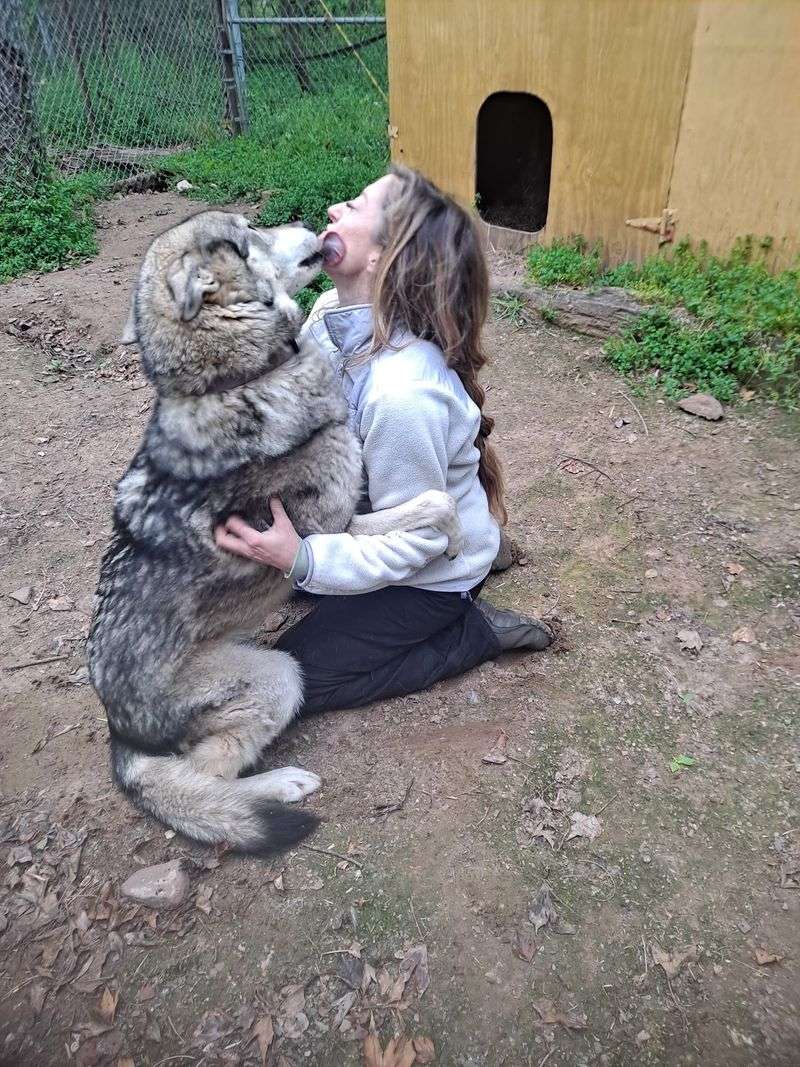
Want to get close to a tiger without a ticket? Roll up your sleeves.
Volunteering is the main door into this place now.
The sanctuary is run with volunteer help, and that topic comes up more than any other when people talk about it. Folks describe the experience as wonderful, meaningful, and even spiritual.
Former helpers explain that there is a specific check sheet with clear instructions. You learn what to feed each animal, pick up facts about them, and know exactly where to find guidance when you need it.
Families have made it a tradition. Teen sisters volunteered for nearly a year and learned a great deal from Lori, Stacy, and other helpers, while one young volunteer worked alongside her grandmother.
Be ready for real work, though. Experiences vary, and at least one parent years ago felt expectations were not explained well, so ask questions early and communicate openly about what you are comfortable doing.
Animals do not care about weekends, and neither does the schedule. The sanctuary is listed as open 8 AM to 2 PM daily for its work, so morning shifts are the norm.
Reach out first to see what help is needed.
Dedicated Staff and Knowledgeable Guides
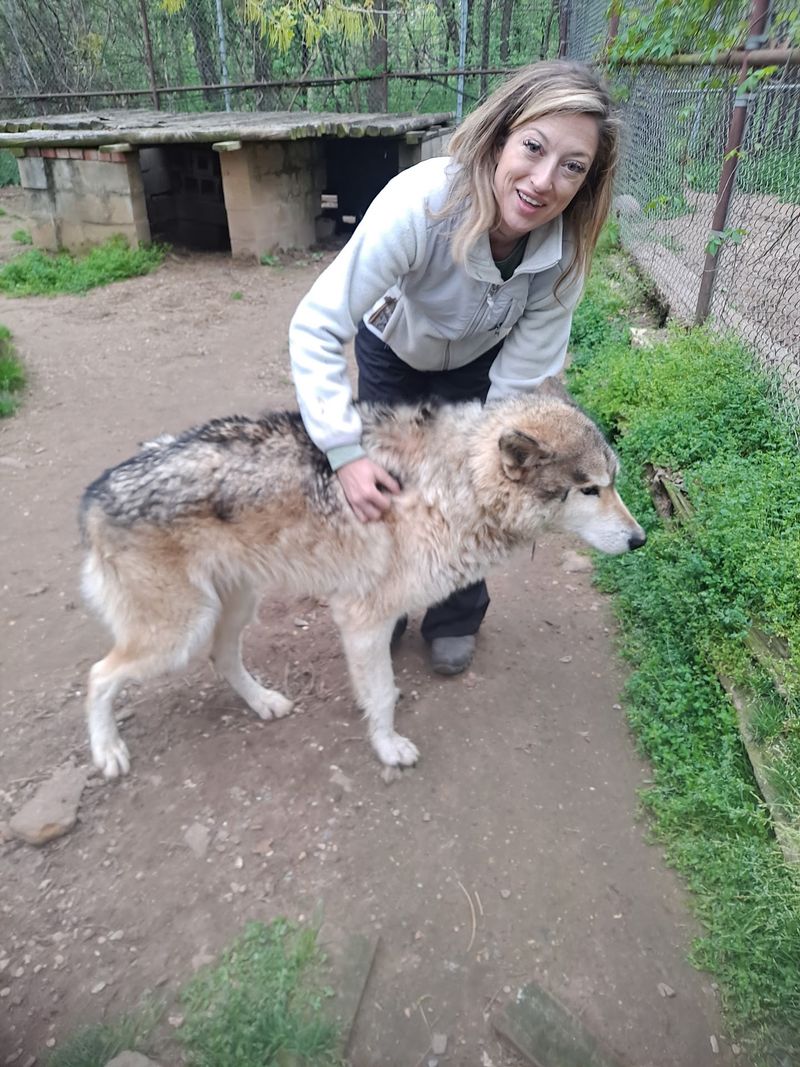
Passion is contagious. People who spend time with the crew here tend to walk away talking about the people almost as much as the animals.
Recent visitors called the employees knowledgeable and passionate about their work. Others praised the staff as professional and described the grounds as a beautiful campus.
Back when guided visits happened, families said their guide shared a lot of information and clearly cared about the animals. One person said they learned more in one trip than they expected, and the animals looked well cared for.
That expertise matters on a property like this. Knowing which animal eats what, how to approach an enclosure, and how to spot when something is off takes experience and patience.
Owners and staff seem to share a real bond with these animals, according to supporters. That connection shows in small moments, like a quick check on a sleepy bear or a calm word to a pacing cat.
If you do end up volunteering, lean on these folks. Ask questions, listen closely, and watch how they work.
You will leave with practical skills and a deeper respect for what it takes to keep wild animals thriving.
Memories From the Public Years
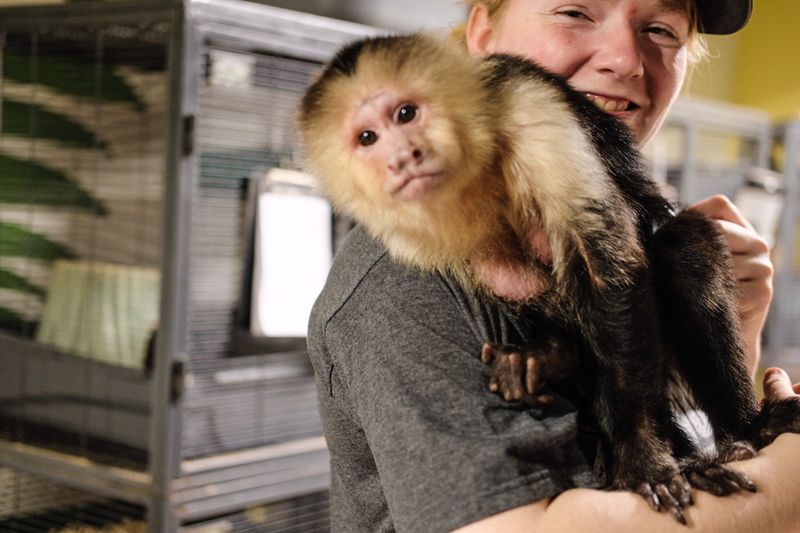
Plenty of Tulsa-area families can still picture it. A birthday party, a kangaroo in someone’s arms, and kids grinning from ear to ear.
During its public era, the sanctuary hosted parties and visits. One parent booked a six-year-old’s birthday there and said it was a hit, with friendly crew members and extra animals brought out for the kids.
Others remember staying overnight in a cabin, feeding big cats, and holding snakes and alligators. Admission was modest back then, around $5 per person for groups, the kind of price that fits an Oklahoma family budget.
Not every memory was perfect. A few guests had mixed experiences with parties or expected a petting zoo, which is part of why clear expectations matter so much now.
Still, those early days built a lot of goodwill. People who tagged along as kids now bring that affection back as adult volunteers and supporters.
Nostalgia is a funny thing. It reminds us of what was, while nudging us to support what is.
Those public years helped many Oklahomans fall in love with this rescue, and that love still keeps the lights on today.
Who This Sanctuary Suits Best
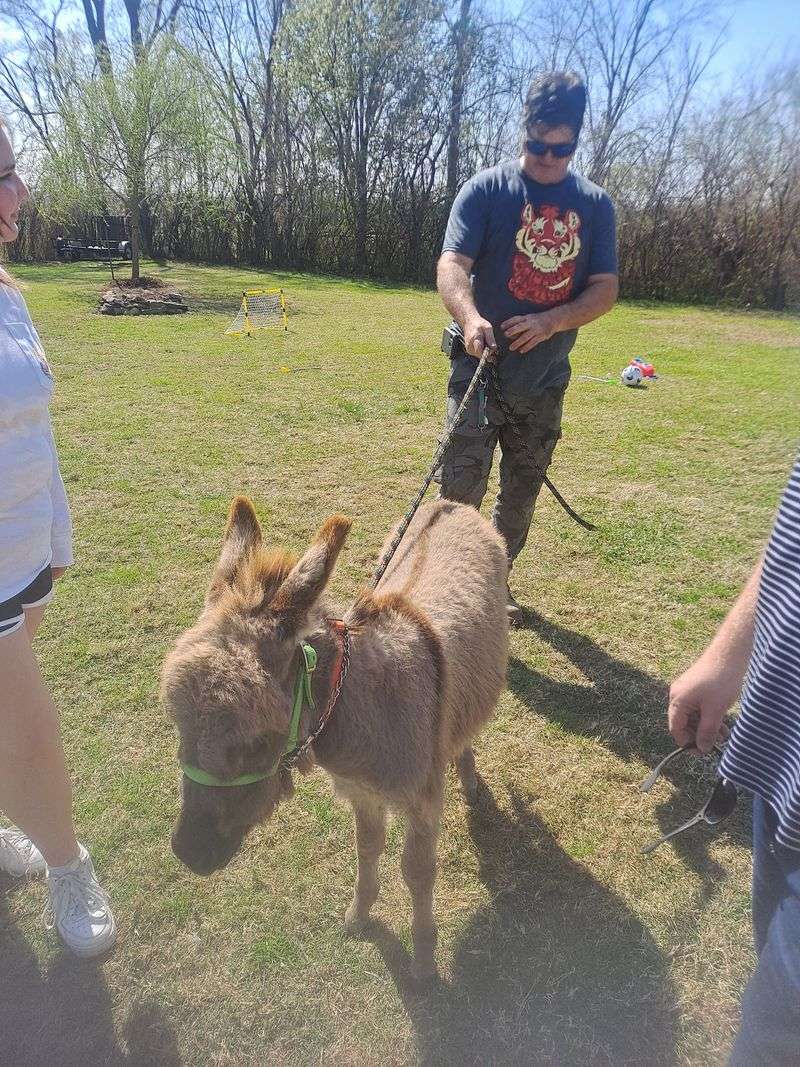
Animal lovers who do not mind a little mud on their boots will feel right at home here. So will anyone looking for purpose rather than a quick outing.
Retirees with free mornings are a natural fit. One supporter noted the sanctuary welcomes people with extra time on their hands, and steady hands are always appreciated.
Teens and families can also benefit. Kids come up often in conversations about the place, and young volunteers say they learned responsibility, animal facts, and what real care looks like.
Who might be disappointed? Folks hoping to pet animals or stroll through exhibits for an afternoon.
That is simply not what happens here, and the sanctuary is upfront about it.
Community service participants have also found their way to the property. For many, it becomes more than hours on a form.
Think of it this way: if your idea of fun is helping a rescued wolf settle into a peaceful life, you are the right person. If you want a zoo day, Tulsa has great options nearby.
Matching your goals to the place keeps everyone happy, including the animals who depend on calm routines.
Hours, Contact Details, and Getting There
Planning starts with a phone call, not a GPS pin. Since the sanctuary is not open to the public, reaching out first is the smart move.
Working hours are listed as 8 AM to 2 PM, seven days a week. That schedule reflects when chores and volunteer shifts happen, not visiting hours, so please do not treat it as an open-door invitation.
You can call 918-357-5683 or visit safarisanctuary.org for information about volunteering, donations, or rescue questions. Details may change, so confirm before making plans.
The address is 26881 E 58th St S, Broken Arrow, OK 74014, out on the eastern edge of town. From Tulsa, it is an easy drive, and from Oklahoma City, figure on roughly two hours, depending on traffic.
Dress for the weather. Oklahoma summers get hot, spring brings storms and wind, and mornings can be chilly in colder months.
Sturdy shoes are a must around animal areas.
There is no admission fee to list, because there is no admission. If you want to help, donations go toward feeding and caring for nearly 200 animals, and even small gifts can stretch surprisingly far.
A Quiet Refuge Worth Supporting
Not every special place needs a turnstile. Sometimes the best thing a spot can do is stay quiet and keep its promises.
Safari’s Sanctuary has done exactly that for more than three decades. Tigers, bears, wolves, primates, reptiles, and farm animals now live out their days in safety because one woman refused to look away.
You may never stroll past these enclosures as a tourist, and that is okay. The animals are calmer, the work goes on, and the mission stays clear.
For Oklahomans who love proof that our state holds remarkable people and places, this rescue fits the bill. It is modest, unflashy, and powered by grit rather than glossy marketing.
Consider pitching in. Volunteer a morning, send a donation, or simply share the story so fewer people buy exotic pets on impulse.
Next time you drive the back roads east of Broken Arrow, roll the window down near dusk. You might not see a thing, but somewhere past the trees, a wolf could be howling and a tiger could be chuffing.
That sound means a rescue worked, and that is something worth celebrating.
