A shiny, red-eyed winged creature stands guard over one of the calmest downtowns in West Virginia. Nobody seems worried.
In fact, folks pose for photos with it before strolling to lunch.
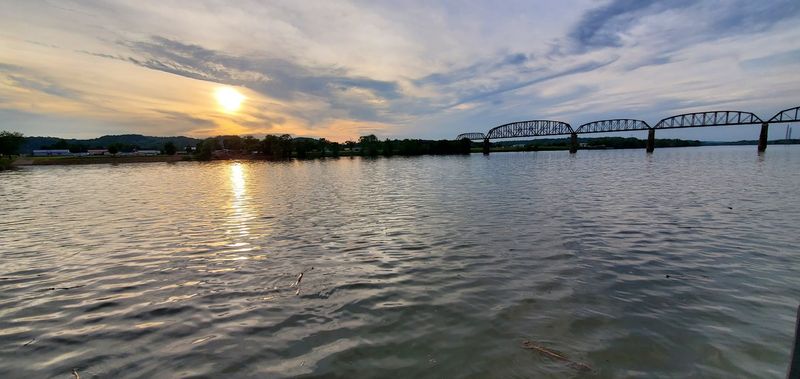
Two big rivers meet at the edge of this little city. A long floodwall nearby doubles as an outdoor art gallery, with painted scenes of the town’s past stretching block after block.
I like how a place this small carries so much story without trying too hard. You can walk to a riverside park, a log house from the 1790s, and a quirky museum in one easy morning.
Housing here tends to cost far less than in bigger cities, too.
I can’t imagine a better mix for a slower season of life. So where exactly is this river town hiding?
Two Rivers Meet At The Edge Of This Little County Seat
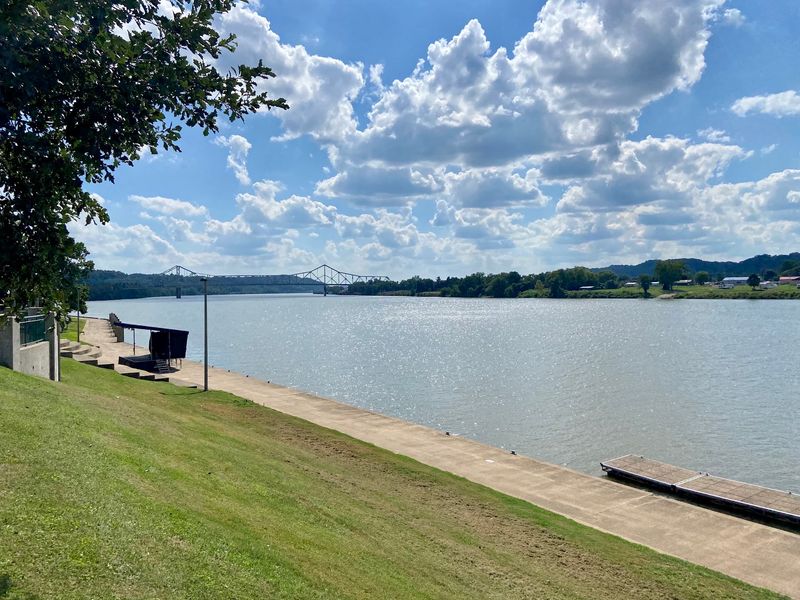
Meet Point Pleasant, the county seat of Mason County, West Virginia. The city sits right where the Kanawha River flows into the mighty Ohio.
That spot gives the town its whole personality. Water frames the place on two sides, and the pace seems to follow the slow, steady current.
Point Pleasant is small, with 4,101 residents counted in the 2020 census. That’s the kind of number where faces start looking familiar after a few trips to the store.
Don’t mistake small for isolated, though. The city anchors its own micropolitan area, which even stretches across the river into Ohio.
For retirees, that balance matters a lot. You get small-town calm without feeling cut off from groceries, doctors, or a good afternoon outing.
Many people pass this corner of the state without stopping. Their loss, honestly, because the town packs a surprising amount into a walkable footprint.
The coming sections cover the history, the parks, the quirky legends, and the everyday comforts. Each one adds another reason this river town deserves a longer look.
Why Folks On A Fixed Income Keep Eyeing This Town
Money talk first, since it’s on every retiree’s mind. Small West Virginia towns like Point Pleasant generally offer housing costs well below the national average.
That often means rent and home prices that leave more room in a monthly budget. Exact figures shift year to year, so it’s smart to check current local listings before deciding anything.
West Virginia also helps retirees in another way. The state has phased out its income tax on Social Security benefits, according to the state tax department.
Put those pieces together, and a fixed income may stretch noticeably further here. More cushion for groceries, travel, or spoiling grandkids sounds pretty good.
Housing stock in town leans toward older homes and modest neighborhoods. Many sit within a short drive or walk of downtown and the riverfront.
Lower costs don’t mean a dull life, either. The town’s parks, museums, and festivals cost little or nothing for everyday enjoyment.
Of course, every budget is personal. Still, if your goal is calm living that doesn’t drain savings, this city earns a spot on the short list.
A Main Street Built For Slow, Easy Strolls
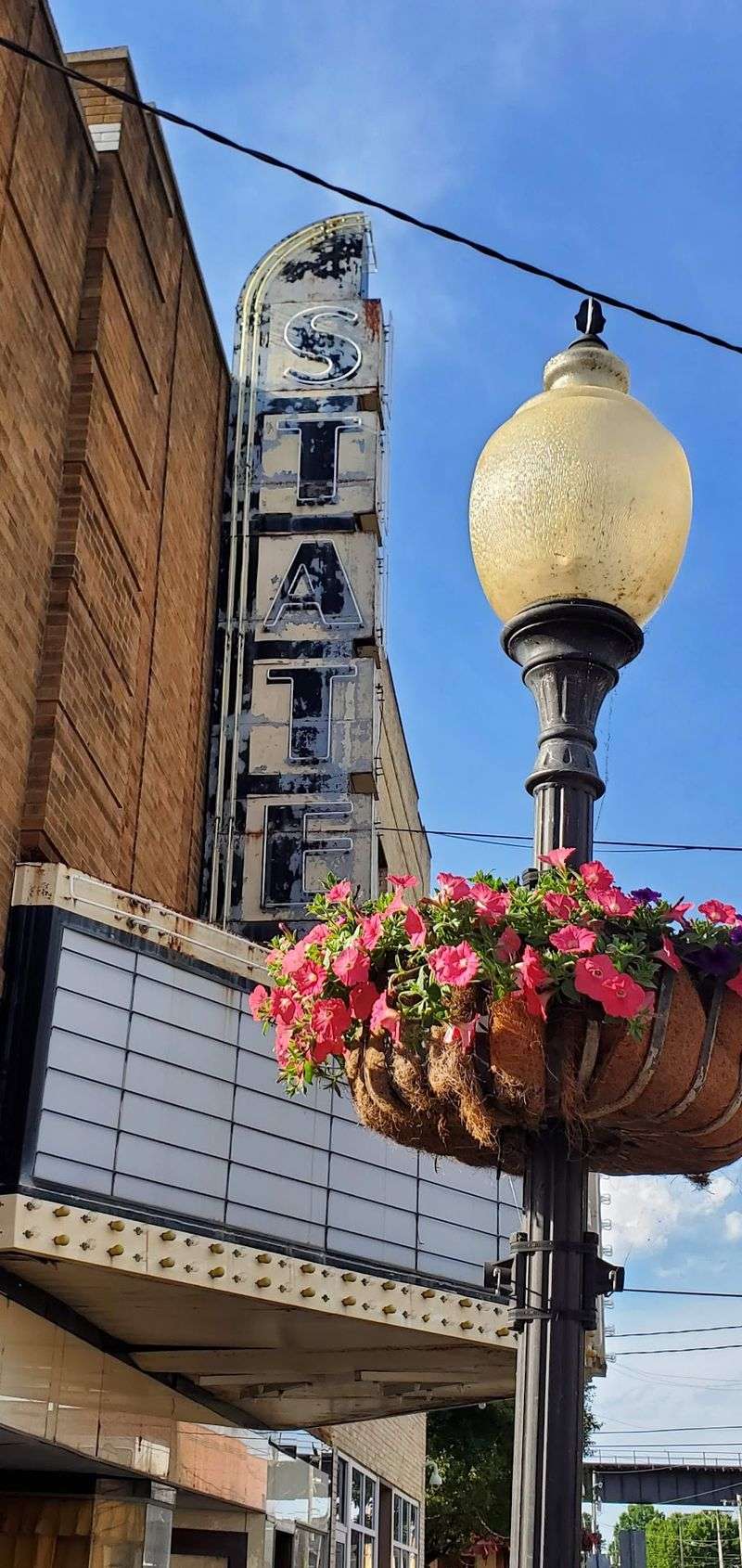
Brick storefronts line Main Street, and much of downtown feels made for walking. Some stretches feature brick paving that adds an old-fashioned look underfoot.
Nothing here moves fast. That’s exactly the appeal for anyone tired of honking traffic and crowded parking lots.
Downtown holds the town’s best-known stops within a few blocks. The Mothman statue, the Mothman Museum, the historic Lowe Hotel, and the floodwall murals all cluster nearby.
So one stroll can cover art, history, and a little spooky fun. Not bad for a morning walk that doesn’t need a car at all.
Old buildings give the street real character. Many date back to the town’s busier river trade days, when boats brought steady business to the waterfront.
Benches and shady corners make it easy to take breaks. Retirees who enjoy a gentle daily loop will find plenty of reasons to repeat it.
A good walking street also builds community. When the same route passes the same shops each day, hellos turn into conversations pretty quickly.
The Shiny Winged Legend Everyone Poses With
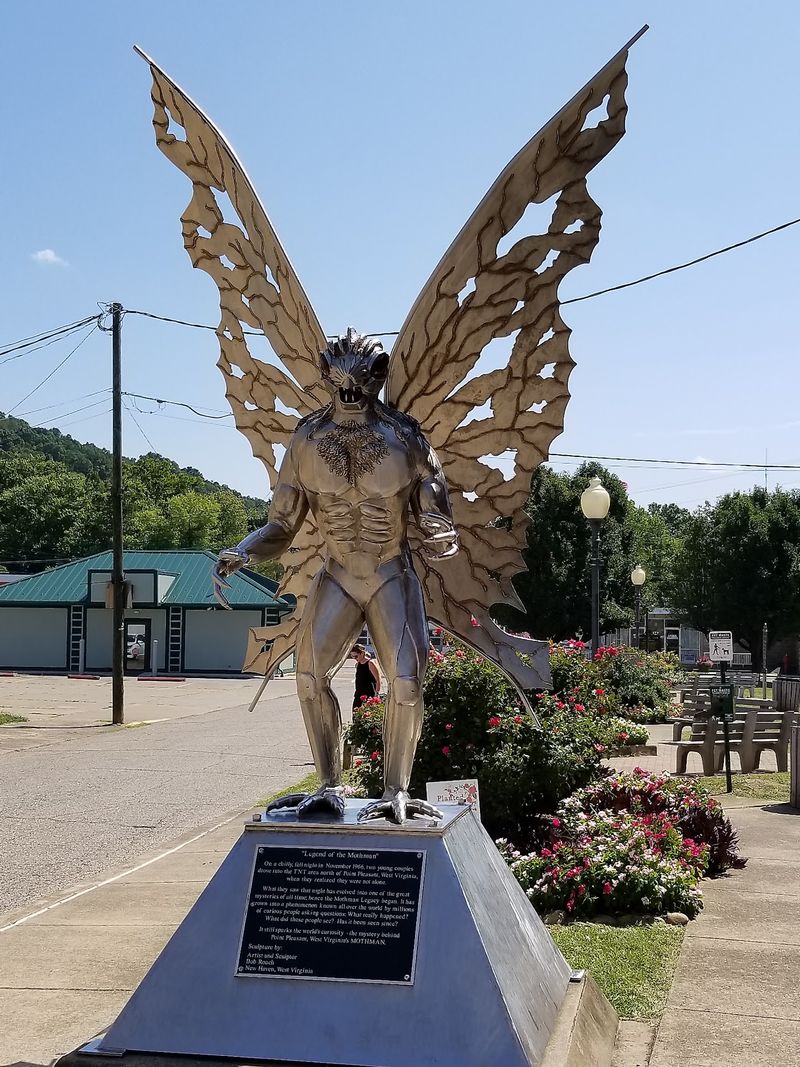
Few towns adopt a creature with glowing red eyes as their mascot. Point Pleasant did, and it works beautifully.
The Mothman legend began with reported sightings around town in 1966 and 1967. Those stories later inspired a book and a 2002 Hollywood film.
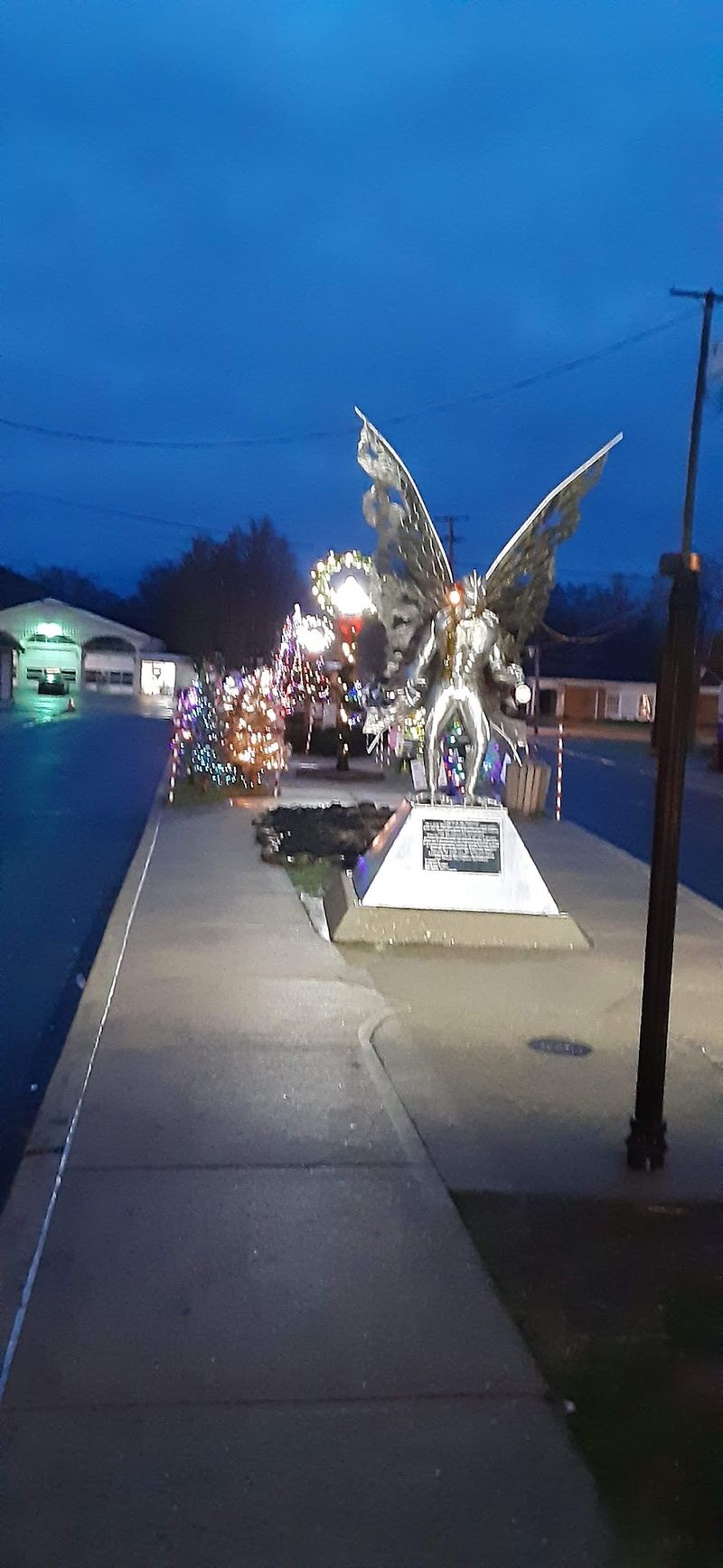
Downtown now features a polished stainless steel Mothman statue by artist Bob Roach. It stands roughly 12 feet tall, wings spread wide, and it was unveiled in 2003.
Visitors line up for photos with it all year. Grandkids especially love it, which makes it a handy outing when family comes to visit.
Steps away, the Mothman Museum gathers props, documents, and newspaper clippings about the legend. It’s quirky, fun, and refreshingly unpretentious.
You don’t have to believe a word of the story to enjoy it. Plenty of residents treat it with a wink and a smile.
For a quiet town, the legend brings a welcome spark of tourism. That keeps downtown shops busier and gives locals one more thing to brag about.
September Brings A Festival That Doubles The Fun
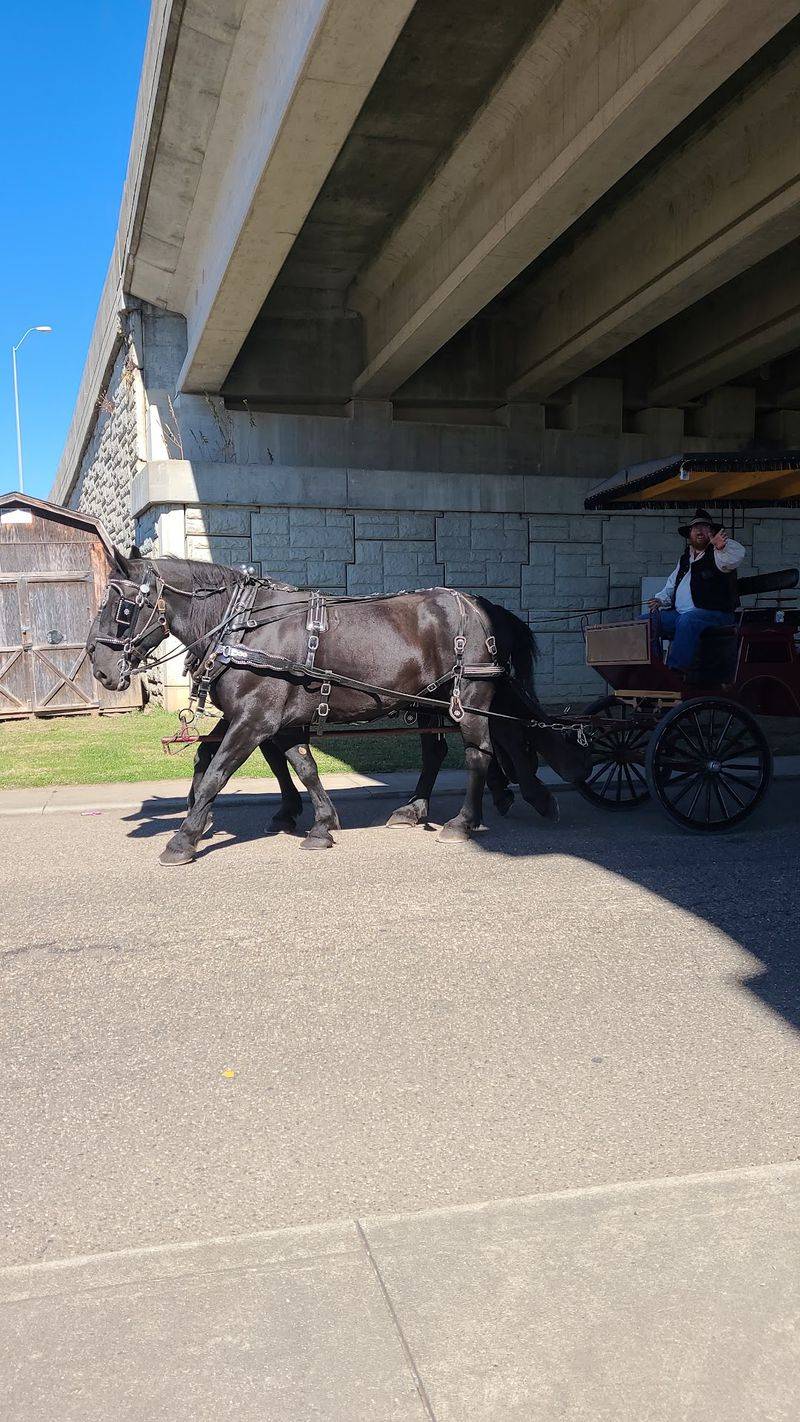
Mark the calendar for September. That’s when the Mothman Festival typically takes over downtown Point Pleasant.
The event usually lands on the third weekend of the month. Vendor booths, guest speakers, hayride tours, and costumed fans fill the streets.
For a town of about 4,000, the turnout can be impressive. Festival weekend often brings visitors from across the country.
Retirees get the best of both worlds here. You can join the excitement for a day, then enjoy a peaceful town the rest of the year.
Local food vendors and craft sellers add a homegrown flavor. It feels more like a giant community gathering than a slick commercial event.
Planning tip: parking and lodging fill up during festival weekend. Locals have the clear advantage, since they can simply walk downtown from home.
The festival also shows the town’s sense of humor. A community that celebrates its oddest legend with this much enthusiasm clearly knows how to have a good time.
Painted History Stretches Along The Floodwall
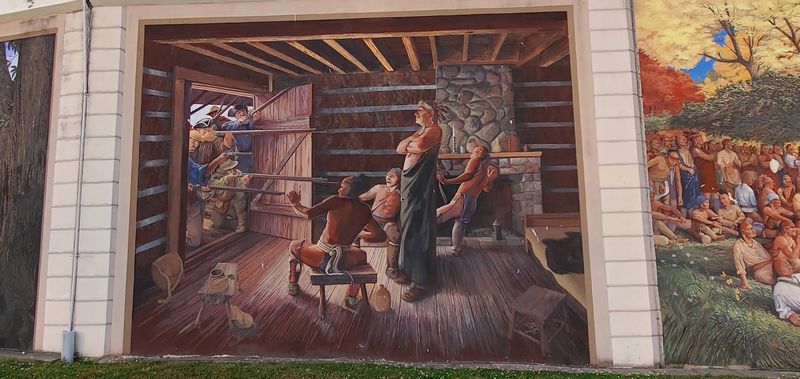
Most floodwalls are plain gray concrete. Point Pleasant turned its wall into a long outdoor history lesson.
Muralist Robert Dafford and his team painted a series of large scenes along the riverfront. Each panel shows a chapter of local history, from early settlement to riverboat days.
Walking the murals feels like flipping through a giant picture book. The colors pop, and the details reward anyone who slows down.
Best of all, it costs nothing to enjoy. That’s a nice perk for retirees watching the budget.
The murals sit close to the riverfront park and downtown. A visit pairs easily with lunch or a stroll along the water.
Grandkids often learn more from these walls than from a textbook. Pointing out steamboats and old landmarks makes local history stick.
Repeat visits never get stale, either. Light changes through the day, and you tend to notice new figures and scenes each time you pass.
Riverfront Park Views Worth A Daily Visit
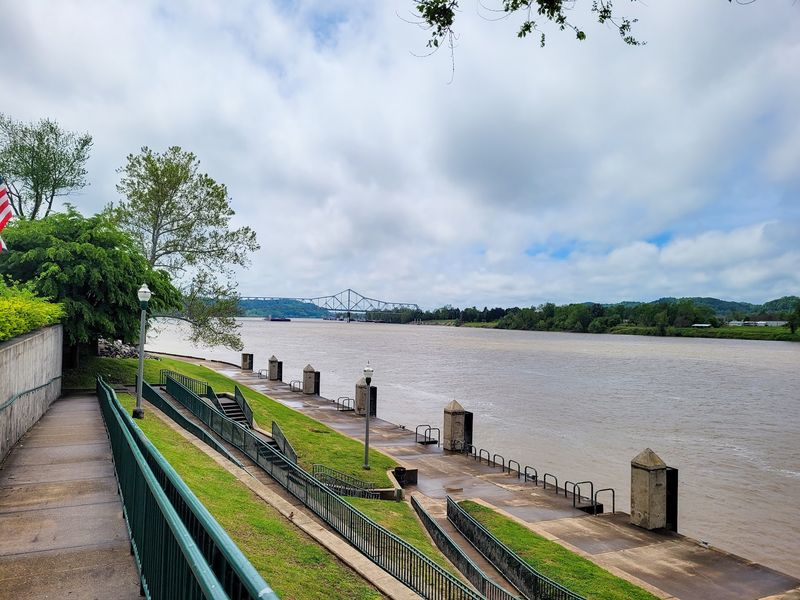
Sunset over the Ohio River is free entertainment. Point Pleasant Riverfront Park gives you a front-row seat.
The park sits along the water near downtown, just beyond the floodwall. Paths, open green space, and an amphitheater make it a natural gathering spot.
Barges drift past at a relaxed pace. Watching them glide by can easily fill a calm afternoon.
The amphitheater hosts community events and performances during warmer months. Schedules vary, so check the city’s posts for what’s coming up.
For daily walkers, the riverfront makes a scenic loop. Flat ground helps, especially for knees that prefer easy terrain.
Bring a folding chair or grab a bench. A thermos of coffee and a good book turn the park into an outdoor living room.
River towns often feel defined by their waterfronts. Here, the park keeps that connection alive and welcoming for every age.
A Granite Monument Marks A Pivotal 1774 Day
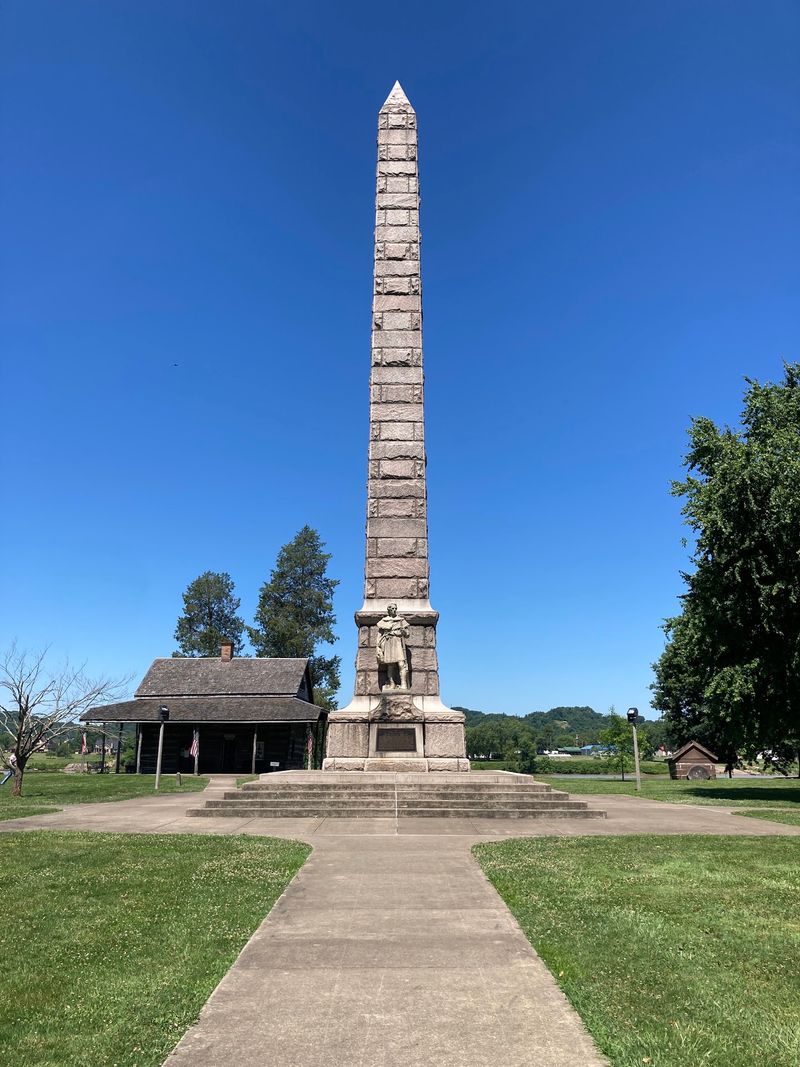
History buffs, this one’s for you. Tu-Endie-Wei State Park sits right at the point where the two rivers meet.
The name comes from a Wyandot phrase often translated as the point between two waters. Fitting, considering the view.
The park honors the 1774 Battle of Point Pleasant, fought between Virginia militia and Shawnee forces led by Cornstalk. Some historians link the event to events leading up to American independence.
A tall granite obelisk rises at the center of the grounds. It was dedicated in 1909 and is easy to spot from across the lawn.
A memorial to Cornstalk also stands on the grounds. Interpretive markers help visitors understand the people on both sides.
The park is small and peaceful, perfect for a reflective stroll. Shade trees and river views make it a favorite resting spot.
For residents, it’s an easy place to bring visiting family. A quick walk here explains a lot about why the town matters to West Virginia history.
The Old Log House That Has Seen Two Centuries
Built in 1796, the Mansion House still stands inside Tu-Endie-Wei State Park. It’s reportedly the oldest hewed log house in the Kanawha Valley.
The structure once served as a tavern and home for early settlers. Today it holds period furnishings and artifacts from frontier life.
Walking past it makes the past feel very close. Those thick logs have outlasted generations of river floods and changing towns.
The house is typically open for tours during the warmer seasons. Hours can change, so check with the state park before visiting.
Retirees who love antiques and old craftsmanship will enjoy studying the details. The joinery alone tells a story about hard work and patience.
It also pairs neatly with the monument and river view next door. One short visit covers centuries of history without much walking.
Small towns don’t always protect landmarks this well. Point Pleasant clearly values its roots, and this sturdy cabin proves it.
Riverboat Stories Live On Inside A Downtown Museum
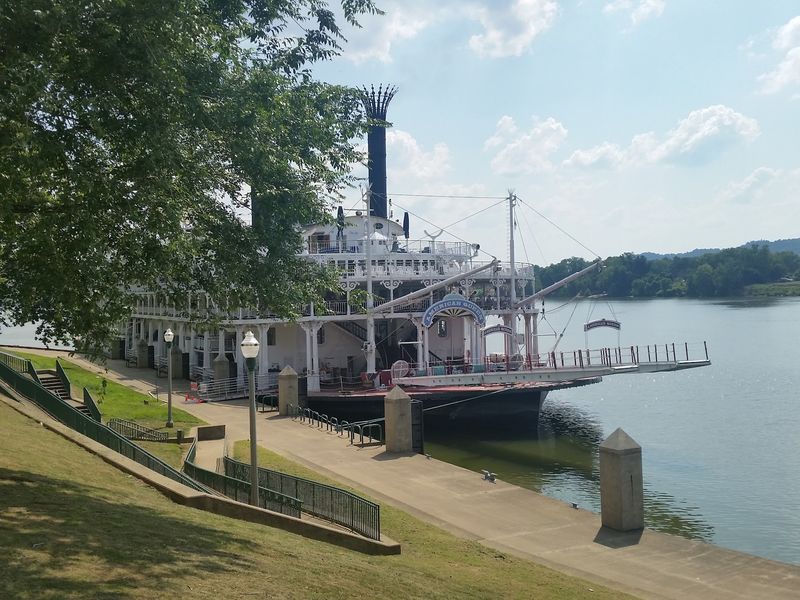
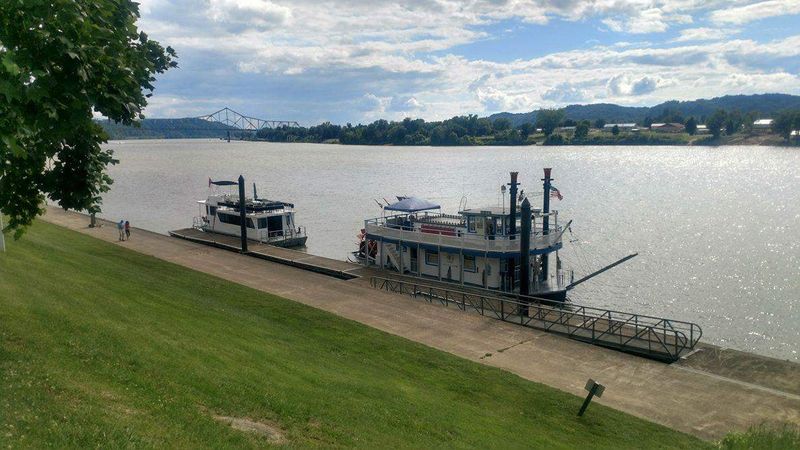
Towboats, steamboats, and river pilots all get their due at the Point Pleasant River Museum and Learning Center. It sits right downtown near the floodwall.
The museum focuses on life along the Ohio and Kanawha Rivers. Exhibits cover boats, river commerce, and the families who made a living on the water.
One section remembers the Silver Bridge, which fell into the Ohio in December 1967. The museum handles the topic with care and respect.
Hands-on displays make it friendly for grandkids, too. A visit can easily turn into a family outing on a rainy day.
The museum also highlights the river’s role in local jobs today. Barge traffic still shapes the economy up and down the valley.
Hours vary by season, so it’s wise to call ahead. Admission is typically modest, which suits a careful budget.
For anyone moving to town, it’s the perfect introduction. Understanding the river helps you understand your new neighbors.
Spend A Night Or Two In A 1901 Hotel
Old-school elegance still greets guests at the Lowe Hotel on Main Street. The building dates to 1901 and carries a strong sense of its era.
Wide hallways, period furnishings, and classic details give it charm. It feels like stepping back a century, minus the hand-cranked phones.
For anyone scouting Point Pleasant before moving, it’s a fun base. You can walk to the statue, murals, and river from the front door.
Some guests come for the history alone. Others enjoy the hotel’s reputation for ghost stories, which fits the town’s playful spooky streak.
Staying downtown also helps you test daily life here. Morning walks and evening strolls show what the town feels like when it’s quiet.
Booking ahead is smart, especially during the September festival. Rooms tend to go quickly when visitors pour into town.
Historic hotels like this are getting rare. Having one right on Main Street adds real character to everyday life in town.
Lakeside Trails And Wide Open Wildlife Land
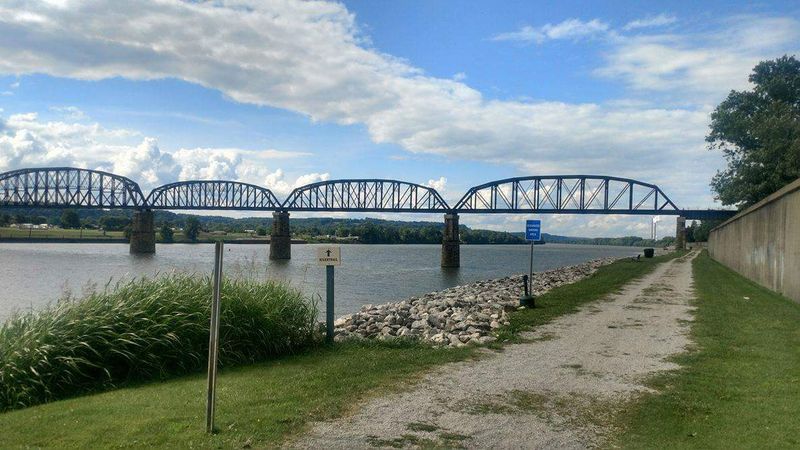
Need more green space? Krodel Park sits on the edge of town with a pretty lake at its center.
A walking path loops around the water, and the park offers fishing, picnic areas, and camping. It’s a peaceful spot for a morning walk or a lazy lunch outdoors.
Fishing fans especially appreciate the lake. Casting a line close to home beats driving hours for a quiet day on the water.
North of town, the McClintic Wildlife Management Area covers a large stretch of wetlands and fields. Birdwatchers and nature lovers find plenty to see across its ponds and trails.
McClintic is also tied to the Mothman legend. The area held a former World War II munitions plant, known locally as the TNT area.
Both spots show off the softer, natural side of Mason County. Fresh air, birdsong, and open sky are always nearby.
For active retirees, that access is gold. Daily outdoor time comes easy when parks are only minutes away.
Farm Life And Easy Drives Just Up The Road
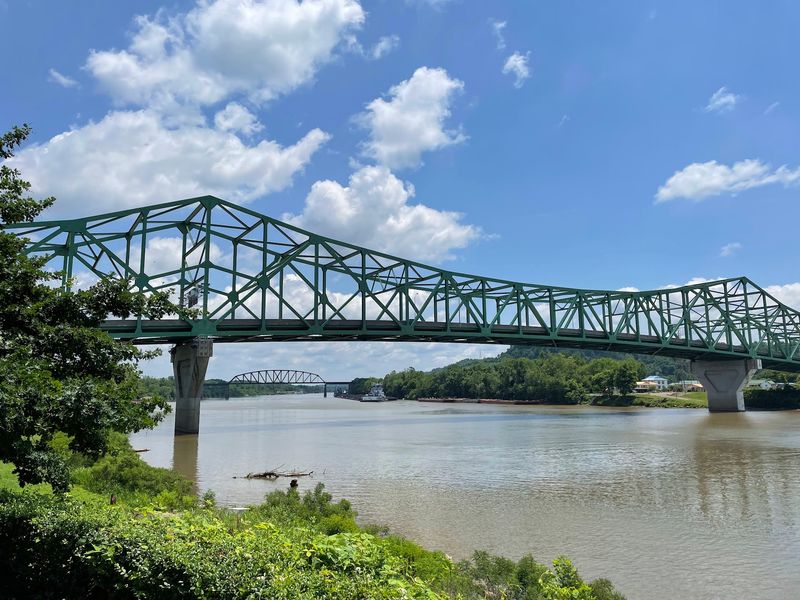
Just a few miles north, the West Virginia State Farm Museum celebrates rural Appalachian life. Old barns, antique tractors, and historic buildings fill the grounds.
It’s a wonderful outing for anyone who grew up on a farm. Grandkids get a taste of how earlier generations lived and worked.
Seasonal events often bring crafts, demonstrations, and old-time skills to the property. Check the museum’s schedule before heading out.
Point Pleasant’s location also makes day trips simple. Gallipolis, Ohio, sits just across the river, with extra shopping and dining options.
Bigger cities are reachable, too. Huntington and Charleston both make practical drives for specialty shopping or medical appointments.
That mix suits retirees well. You can live quietly yet still reach larger services when you need them.
Getting to town is simple by car, with U.S. Route 35 connecting the area toward Charleston.
Mailing addresses use Point Pleasant, WV 25550, which makes the hunt for a new home straightforward.
A Calm Chapter Waiting Where The Rivers Meet
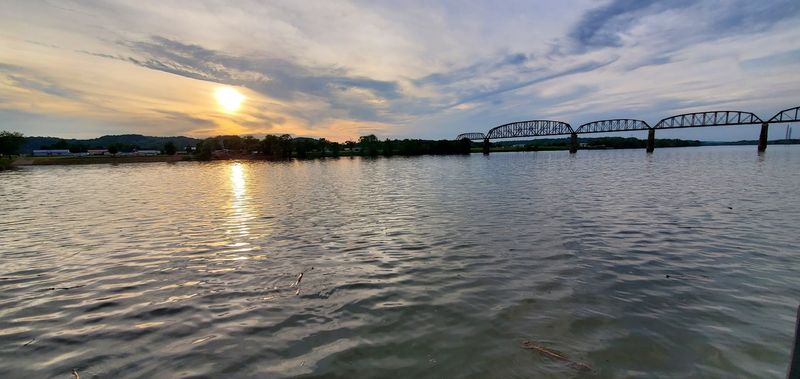
So, is Point Pleasant the right fit for retirement? For many people, it could be a very good one.
The town offers lower living costs, walkable streets, and a riverfront that never gets old. Add rich history and a playful local legend, and life rarely feels dull.
It won’t suit everyone, of course. Folks craving big-city nightlife or endless shopping may feel restless.
But anyone seeking calm will likely feel right at home. Mornings by the water and friendly faces downtown make a pretty strong case.
The best advice is to visit first. Spend a weekend, walk Main Street, and see how the pace feels.
Talk with neighbors at a local cafe or festival. Their stories will tell you more than any brochure ever could.
West Virginia has plenty of small towns, yet this one stands out for its setting and spirit. Where two rivers meet, a quieter, richer chapter of life may be waiting.
