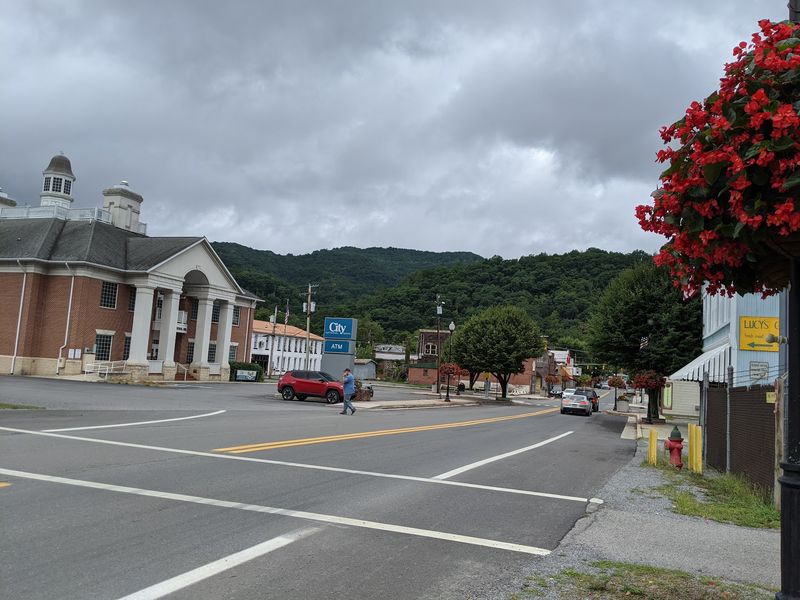
Picture a place where your monthly check stretches further than you ever thought possible, tucked between green mountains and a lazy river in West Virginia. Somewhere the neighbors wave, the streets stay quiet, and a home costs a fraction of what it might elsewhere.
It sounds almost too good to be real, but small mountain towns still hold onto that kind of life. Come along and discover a spot where slowing down and living well go hand in hand.
Where the River Bends in the Allegheny Mountains
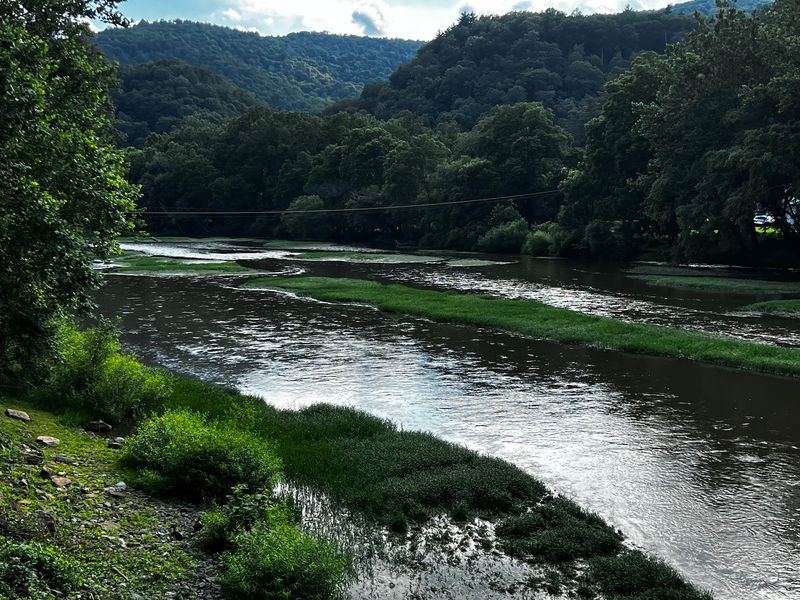
Tucked into the folds of the Allegheny Mountains, this small town sits right along the Greenbrier River, the longest free-flowing river in the eastern United States. The scenery alone tells you why people fall for the place.
Marlinton serves as the county seat of Pocahontas County, West Virginia, with a population of around 998 recorded in the 2020 census. Despite its modest size, it carries a weight of history and a role bigger than its numbers suggest.
Located at roughly 38.22 latitude and -80.09 longitude, the town rests in a river valley framed by forested ridges. Mornings often bring mist curling off the water, and the mountains change color with each passing season.
What draws retirees here is a blend of affordability and beauty that feels increasingly rare. A modest check can cover far more, and the surroundings ask nothing of you but a willingness to slow down.
For anyone weary of crowded highways and rising prices, this quiet corner of West Virginia offers a gentler alternative that still feels rooted, real, and welcoming.
Stretching a Fixed Income Further Than You Thought
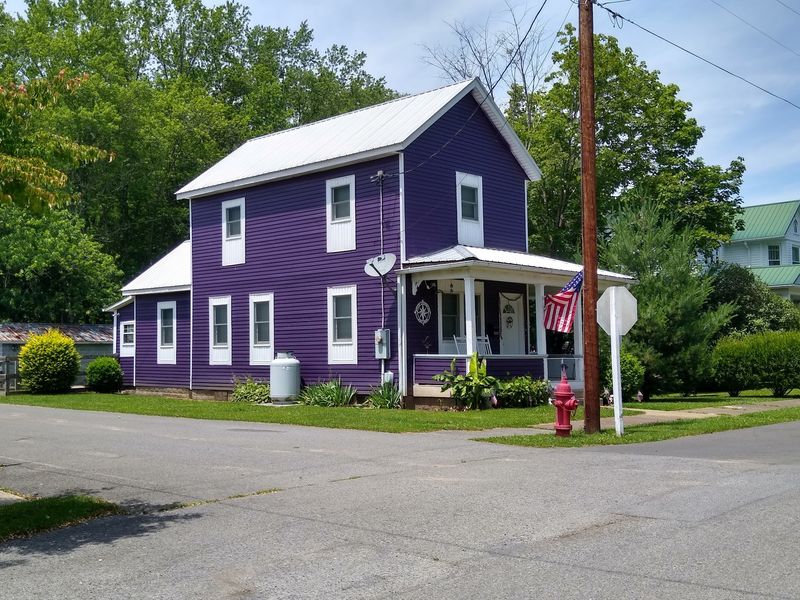
Money worries keep plenty of retirees up at night, and this is where the numbers start working in your favor. West Virginia’s overall cost of living reportedly runs about 20% below the national average, and Marlinton itself earns an A+ affordability rating, often cited as around 16% cheaper than average.
Housing is where the savings really show. The median home value in town has been reported near $82,000, roughly 71% below the national figure, while listing prices tend to hover closer to $159,000.
Renters may find median rent around $642 a month, about 45% under the national average.
Property values did tick up modestly, rising 3.76% between 2023 and 2024, with the median property value reaching $93,900. Even so, the entry point remains gentle.
Local incomes reflect the smaller scale, with median household earnings ranging from about $37,273 to $39,643, and households headed by someone over 65 earning around $41,346. When day-to-day costs stay low, a modest check can genuinely cover the essentials with a little breathing room left over for enjoying life.
A Tax Climate Built for Retirement
Few things please a retiree more than keeping more of what they’ve earned, and West Virginia has quietly become friendlier on that front. The state now offers exemptions for Social Security benefits, easing the burden on those living month to month.
Military retirement income also receives state tax exemptions, a meaningful perk for veterans settling into the mountains. There are additional income tax breaks for certain federal and state first responders, rewarding years of service with real savings.
Property taxes, often a hidden drain on fixed incomes, rank among the lowest in the nation here, reportedly the 40th lowest. That helps keep monthly housing costs manageable long after the mortgage is paid.
Residents over 65 may also qualify for a property tax credit exemption, adding another layer of relief. These pieces stack together into a picture that favors people trying to make retirement dollars last.
Taken as a whole, the tax environment reinforces what the low cost of living already promises. For someone weighing where to spend their later years, this combination of exemptions and low rates makes Marlinton a genuinely practical choice rather than just a scenic dream.
Frontier Roots and a Railroad Boom
Long before highways reached this valley, the land here belonged to the frontier. First settled as Marlin’s Bottom in 1749 by Jacob Marlin and Stephen Sewell, it ranks among the earliest European settlements in the Greenbrier Valley, born of grit and self-reliance.
Fortunes shifted with the arrival of the Chesapeake & Ohio Railway in the late 1800s. A booming timber economy turned the sleepy community into a busy commercial center almost overnight.
By 1910 the population had climbed to 1,086, and the town supported a tannery, banks, a hospital, numerous stores, and even an opera house. It became the county seat of Pocahontas County back in 1891, cementing its regional importance.
When the timber industry faded and the railroad line eventually closed, the town could have withered. Instead it reinvented itself around outdoor recreation, arts, and heritage tourism.
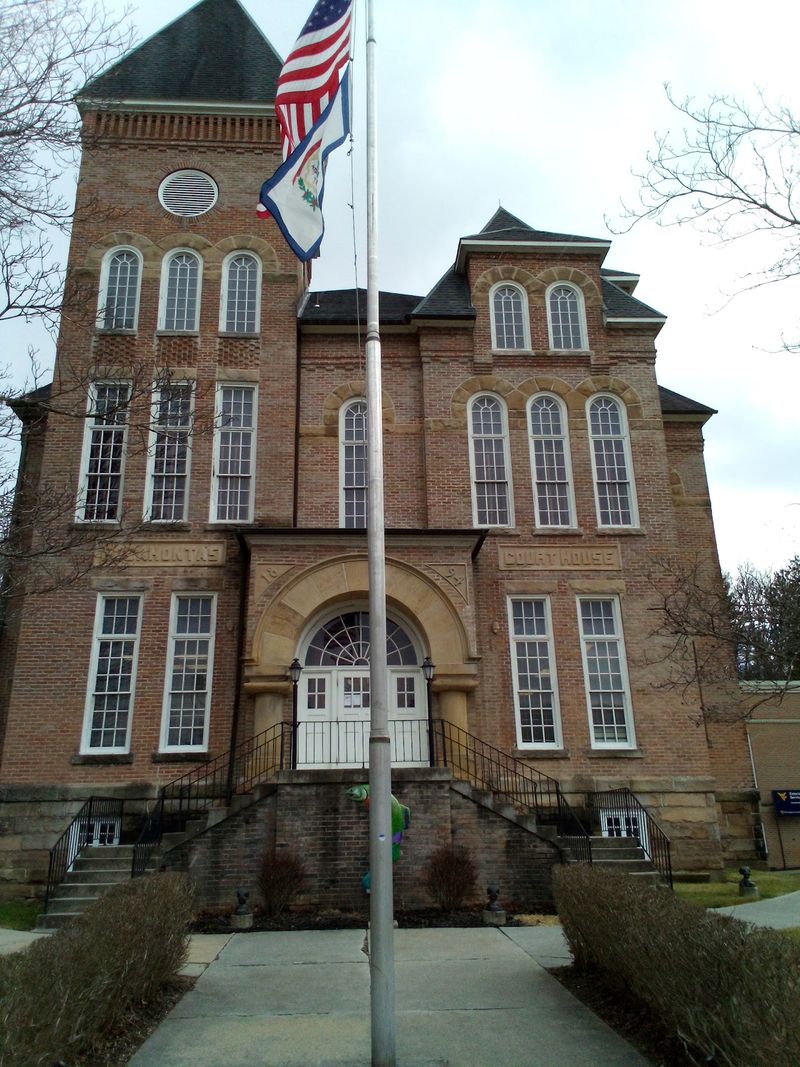
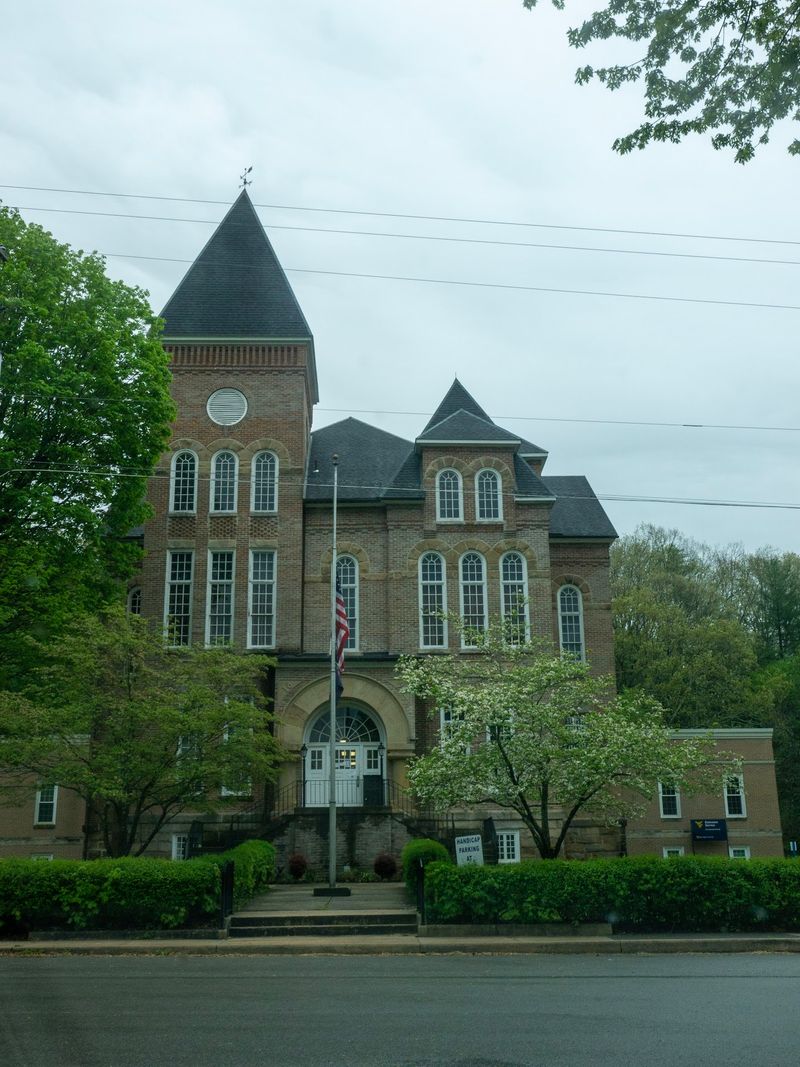
Reminders of the boom years still stand, including the historic Chesapeake and Ohio Railroad Station and the Pocahontas County Courthouse. Walking these streets, retirees find themselves surrounded by tangible history, a living reminder that this place has weathered hard times and come through with its character intact.
A Downtown Straight Out of a Painting
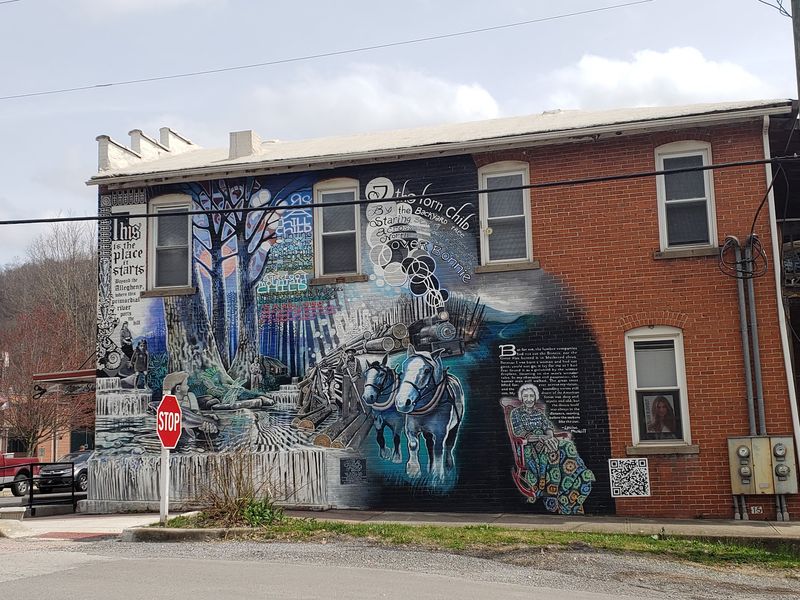
Some places just feel like memory made solid, and downtown here is one of them. Historic brick buildings line the streets with not a single chain store in sight, a sight often compared to a Norman Rockwell painting come to life.
Warmer months bring flower boxes bursting with color against the old facades, softening the brick and inviting a slower stroll. Flags flutter in the mountain breeze, adding a quiet note of civic pride.
Neighbors here treat strangers like friends, and a friendly greeting from passersby comes as naturally as breathing. That close-knit warmth turns simple errands into pleasant little visits rather than rushed chores.
A striking mural on one brick building captures the town’s Appalachian traditions and the rise and fall of its timber days. It stands as both art and remembrance, a nod to the generations who built this community.
For retirees who grew up when small towns felt like extended family, this atmosphere hits close to home. The uncrowded sidewalks and unhurried pace offer something increasingly hard to find, a place where daily life still moves at a human, neighborly tempo.
Festivals That Keep Old Traditions Alive
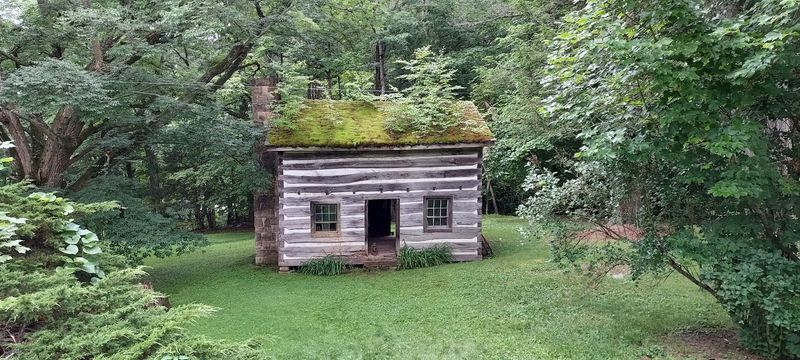
Mark your calendar for July, because that’s when the frontier era comes roaring back to life. The Pioneer Days Festival fills the town with traditional crafts, music carrying deep Celtic and Appalachian roots, and heaping tables of home cooking.
Artisans demonstrate blacksmithing, quilting, and wood carving, offering a window into the self-sufficient spirit that once defined these mountain communities. Watching skilled hands at work reminds visitors how much know-how the old-timers carried.
Come September, the Autumn Harvest Festival and Roadkill Cook-off takes over with a name that raises eyebrows and a reputation for genuine Appalachian culinary creativity. Game meats like venison and rabbit get transformed into surprisingly inventive dishes.
Beyond the cooking, the fall festival features craft vendors, live music, and competitions celebrating traditional skills. It’s a celebration of hunting heritage and resourcefulness rather than the oddity its title suggests.
Both events give retirees plenty of reason to gather, mingle, and swap stories with neighbors. For an audience that treasures the good old days, these festivals aren’t just entertainment, they’re a heartfelt continuation of the traditions that shaped this corner of West Virginia.
Comfort Food and Riverside Tables
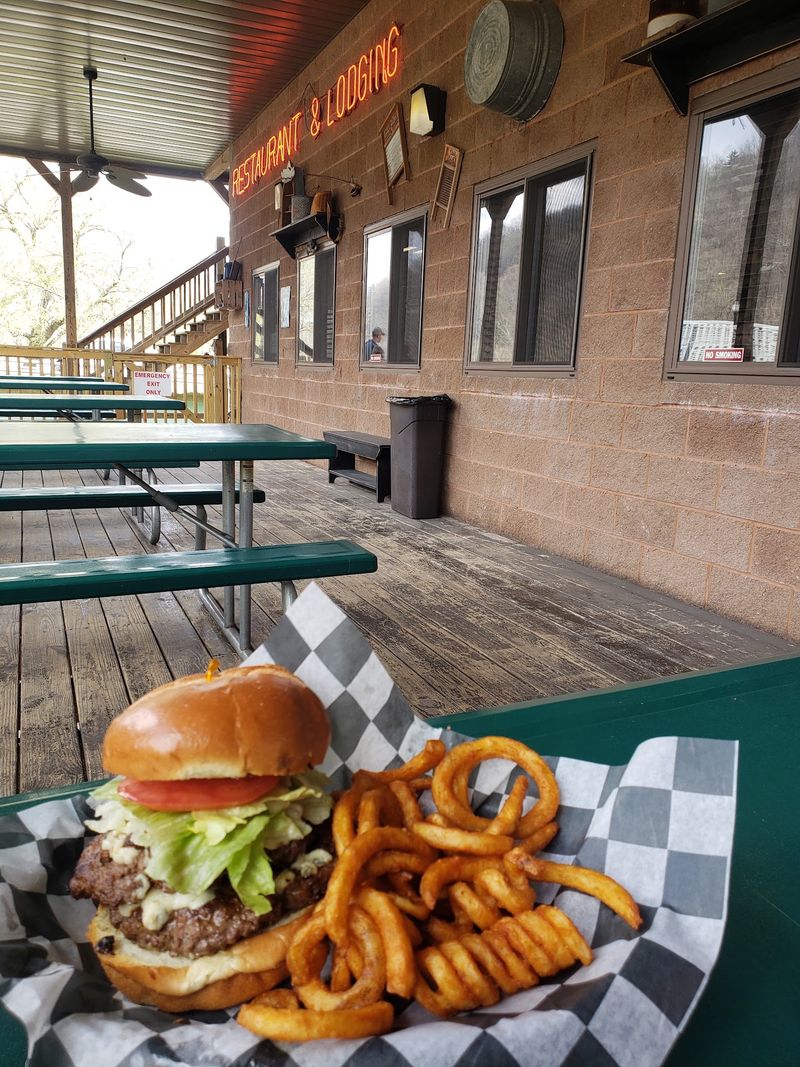
Hearty, honest food is a language everyone in these mountains speaks fluently. Cozy cafes and riverside eateries here take pride in serving up genuine Appalachian comfort fare, the kind that warms you after a day spent outdoors.
The atmosphere in these spots tends to be as inviting as the menu, with locals and visitors settling in side by side. A comforting meal shared with good company feels like the whole point.
For those who lean toward classic American cooking, the Greenbrier Grille and Lodge offers traditional dishes in a scenic setting. Outdoor seating overlooking the Greenbrier River makes an ordinary lunch feel a little special.
The town’s food culture reaches its peak during festival season, when regional flavors and game meats take center stage. Those gatherings turn eating into a full community experience.
What ties it all together is a simple idea, that good food and good company belong together. Retirees on a budget appreciate that satisfying meals here don’t demand a splurge.
Between friendly cafes and river views, dining out becomes one of the small, affordable pleasures that make everyday life feel richer.
The Greenbrier River Trail Runs Right Through Town
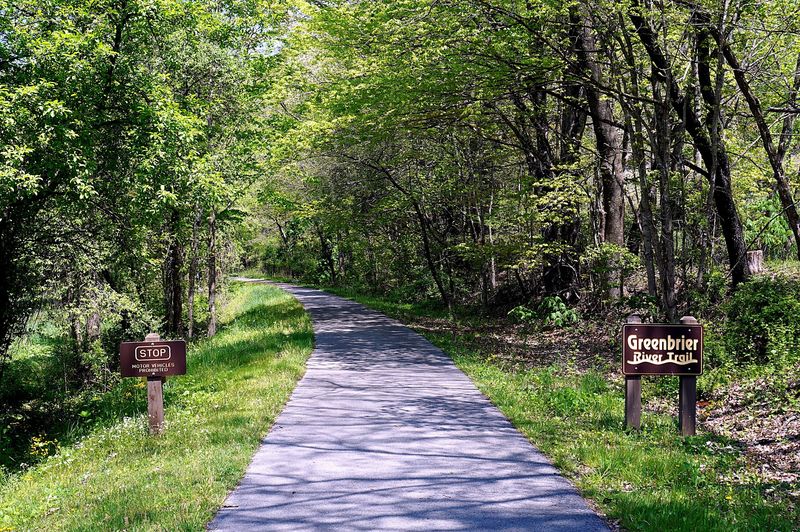
Adventure practically starts at your doorstep here, and the crown jewel is the Greenbrier River Trail. This 78-mile converted railroad corridor runs straight through the heart of town, following the longest free-flowing river in the eastern United States.
Because it once carried trains, the path stays nearly level, making it welcoming for walkers, cyclists, and horseback riders of every ability. Older legs appreciate a route that rewards without punishing.
The trail winds through lush forests, open meadows, and small communities, opening onto river views at every turn. Along the way there’s world-class fishing, plus swimming, kayaking, and canoeing for those who love the water.
Its reputation stretches nationwide, having earned a spot in the Rails-to-Trails Conservancy Hall of Fame. Few small towns can claim such a beloved recreational treasure passing right down the middle.
For retirees, the trail doubles as exercise, social space, and scenery all in one. A morning stroll can turn into a chat with a neighbor or a quiet moment by the water.
It’s the kind of amenity that keeps an active retirement affordable, since nature charges no admission.
Wilderness at the Doorstep of the Monongahela Forest
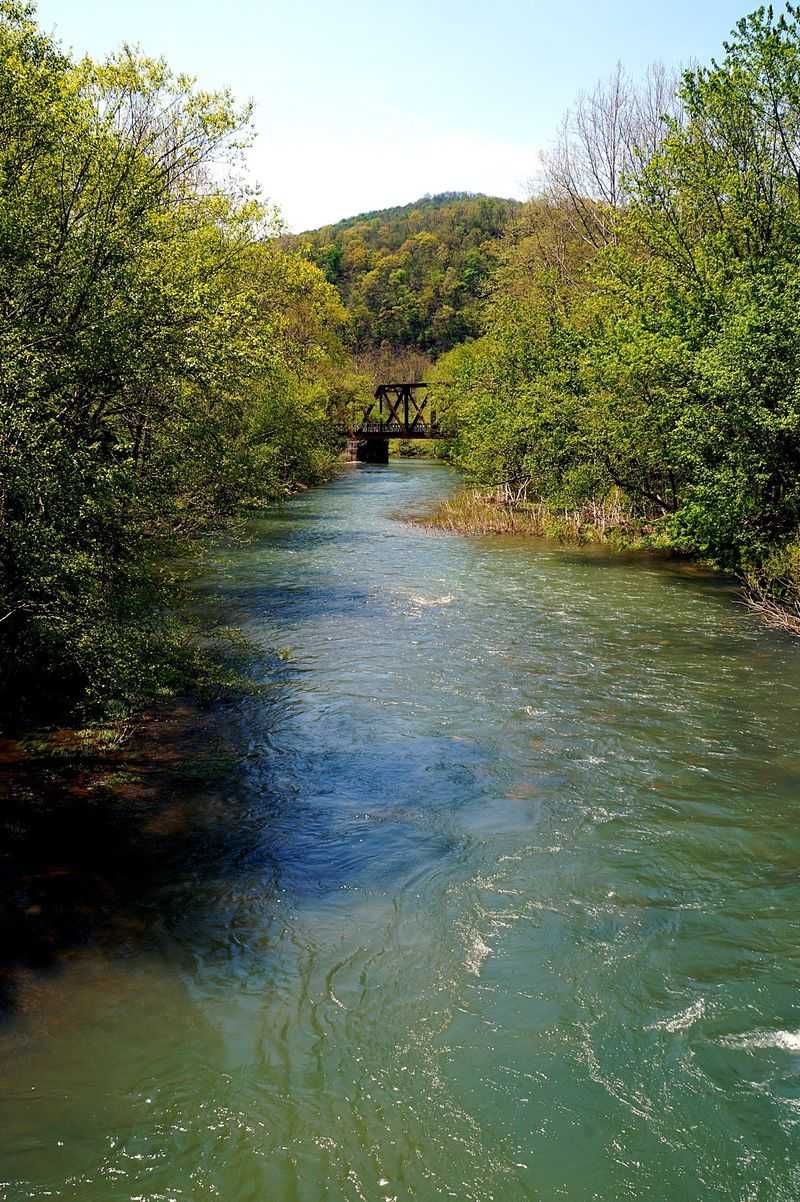
Step just beyond town and the wilderness opens wide. Marlinton sits near the vast Monongahela National Forest, a landscape offering countless avenues for exploration and quiet wonder.
Nature lovers can visit the Cranberry Glades Botanical Area, known for its rare high-elevation bog and gentle boardwalks that make the terrain accessible. The Highland Scenic Highway delivers stunning drives and access to hiking trails for those who prefer a slower pace.
More ambitious wanderers head to the Tea Creek Backcountry, with nearly 45 miles of trails for biking, camping, fishing, hiking, and cross-country skiing. Mountain bikers gravitate toward the Monday Lick Trail System, whose flowy ridgelines connect right back to downtown.
Within an hour’s drive lie treasures like Cass Scenic Railroad State Park, where historic steam trains offer nostalgic rides, and Watoga State Park with its cabins and forest paths. Snowshoe Mountain, Droop Mountain Battlefield, Falls of Hills Creek, and Beartown State Park round out the options.
All this natural abundance means retirees rarely run out of new places to discover. Best of all, exploring these public lands costs little, letting a modest budget buy a lifetime of outdoor adventure.
Healthcare and Everyday Peace of Mind
Good medical care matters more with each passing year, and this small town keeps those needs within reach. Pocahontas County Memorial Hospital sits nearby, offering straightforward access to routine care, emergencies, and specialized services.
Several senior living communities also call the area home, including Community Care of Marlinton and Pocahontas Center. Between them they provide assisted living, hospice care, long-term care, respite care, and skilled nursing options.
The town’s makeup reflects its appeal to older residents. With a population around 1,139 by 2022 estimates and a median age of 47.2, about 25.7% of residents are 65 or older, a community naturally attuned to senior needs.
Specialized senior care also tends to cost less here than the national norm. Assisted living in West Virginia averages about $4,838 monthly, roughly $1,062 below the national figure, while home health aides run near $5,125.
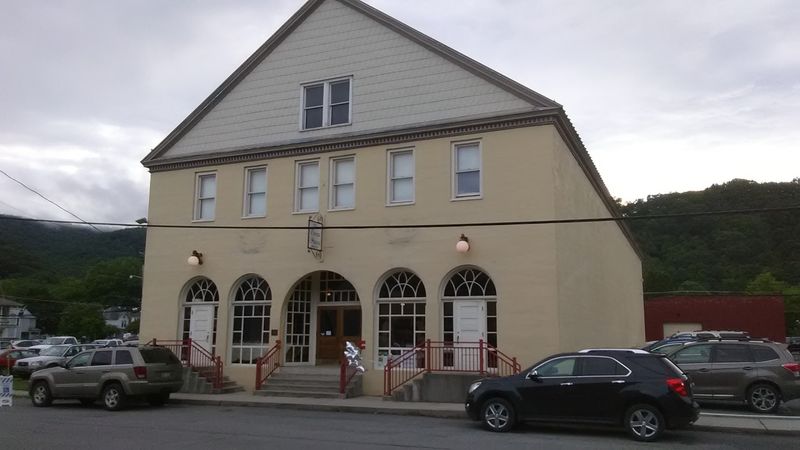
Social ties support wellness too, with gatherings at places like the Pocahontas County Opera House keeping people connected. Between accessible healthcare, affordable care options, and a caring community, retirees can settle in knowing that both their comfort and their security are genuinely looked after.
An Unassuming Gem Worth Considering
Add it all up and a quiet truth emerges about this mountain town. Low housing costs, a friendly tax climate, and everyday expenses well below national averages let a modest check stretch in ways that feel almost forgotten elsewhere.
Beyond the dollars, there’s a richness of history and community that money can’t buy. From frontier settlements to railroad glory days, the past lives on in brick storefronts, festivals, and neighbors who still wave hello.
Active retirees find endless outdoor pleasures at their doorstep, while those craving calm can savor the slow, unhurried rhythm of mountain life. Culture thrives too, with performances at the beautifully restored Pocahontas County Opera House built back in 1910.
Local healthcare and senior services round out a package that feels remarkably complete for a town this size. It manages to be affordable without feeling like a compromise.
If curiosity has you wanting to see it firsthand, aim for the county’s central landmark, the Pocahontas County Courthouse at 900 3rd Ave, Marlinton, WV 24954. Do you remember when small towns felt like home?
This one still does, and it might just be waiting for you.
