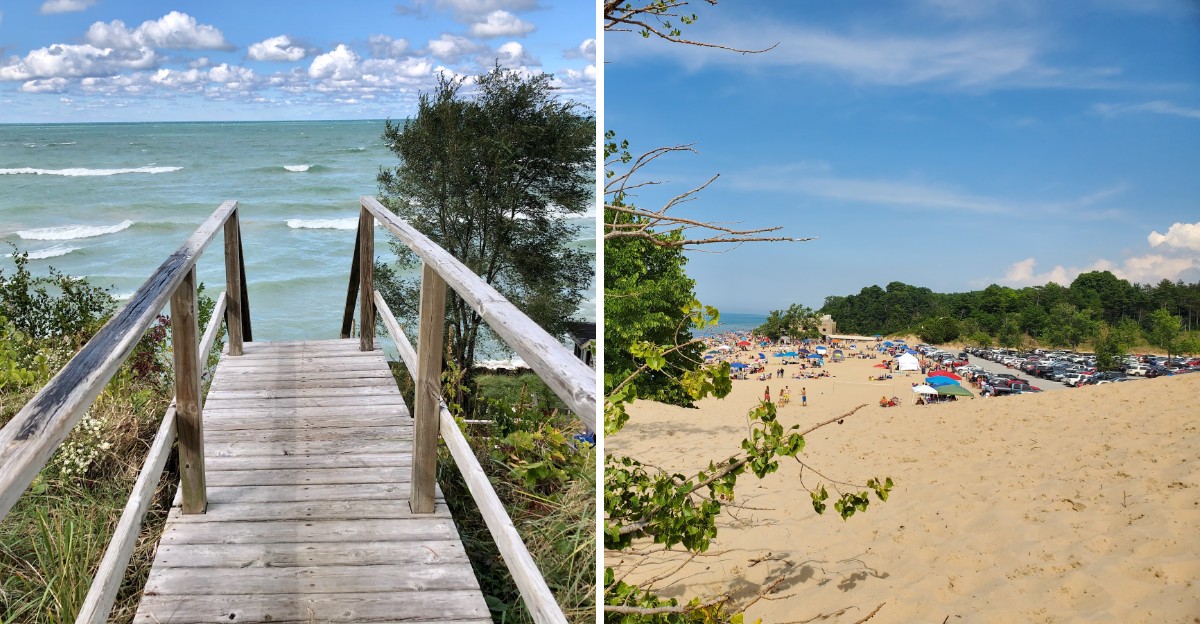
Someone came to the beach for a swim. Someone else came with a lawsuit.
That is a rather dramatic way to complicate a summer afternoon, but this Indiana shoreline has seen exactly that kind of clash. A group of wealthy lakefront homeowners challenged public access to the beach in front of their properties, launching a dispute that eventually reached the U.S.
Supreme Court. Meanwhile, the shore remained what it had always been for generations of visitors: a place to walk along Lake Michigan, cool off in the waves, and admire the dunes.
The controversy drew strong opposition from Hoosiers who worried about public access to the water. It turned a familiar beach into a much bigger debate about ownership and fairness.
The views are still lovely. The legal history makes the shoreline considerably more complicated than it first appears.
Old Deeds and Tax Bills Said the Sand Was Theirs
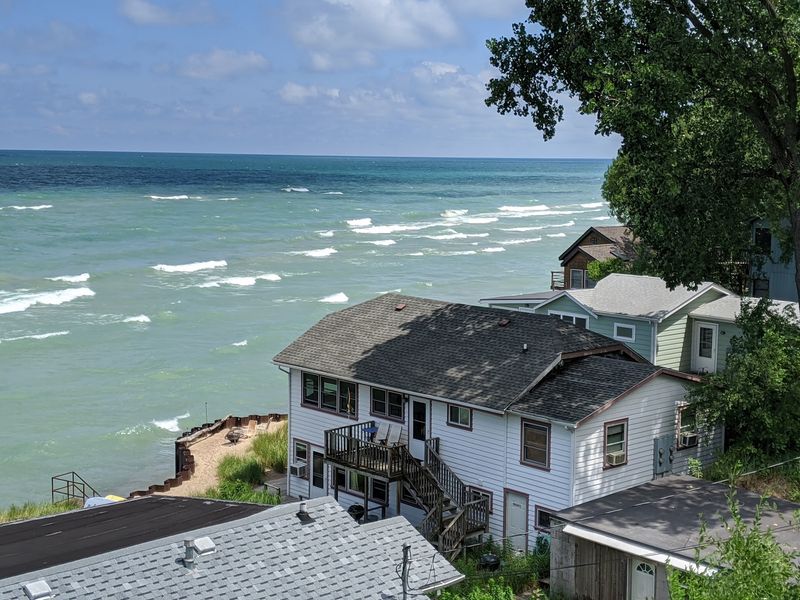
Paper trails can tell powerful stories. The Porter homeowners leaned on theirs heavily, pointing to property deeds and tax records that showed their land running all the way down to the water’s edge.
Randall and Kimberley Pavlock, who run a Chicago property management and brokerage company, said their family had owned the land for five generations. Raymond Cahnman, chairman of the TransMarket Group trading firm, joined them.
Their main argument was simple to say but hard to prove in court, since they believed they had paid taxes on every grain of sand in front of their homes.
From their point of view, paying taxes on something meant owning it. That feeling makes sense.
Most people would expect the same rule for a backyard or a driveway.
Beaches, though, play by different rules in many states. Lake Michigan’s shoreline has a special line called the ordinary high-water mark, and the land below it has a long history of being treated as shared space.
For visitors, this part of the story offers a handy lesson. A deed does not always tell the whole tale when water is involved.
Anyone curious about shoreline rights in Porter can check the Indiana Department of Natural Resources website for plain-language guidance before a beach day.
Knowing where public sand begins makes a stroll feel more relaxed, and it helps everyone respect the private homes sitting up on the dunes.
A 2018 Court Ruling Changed Everything
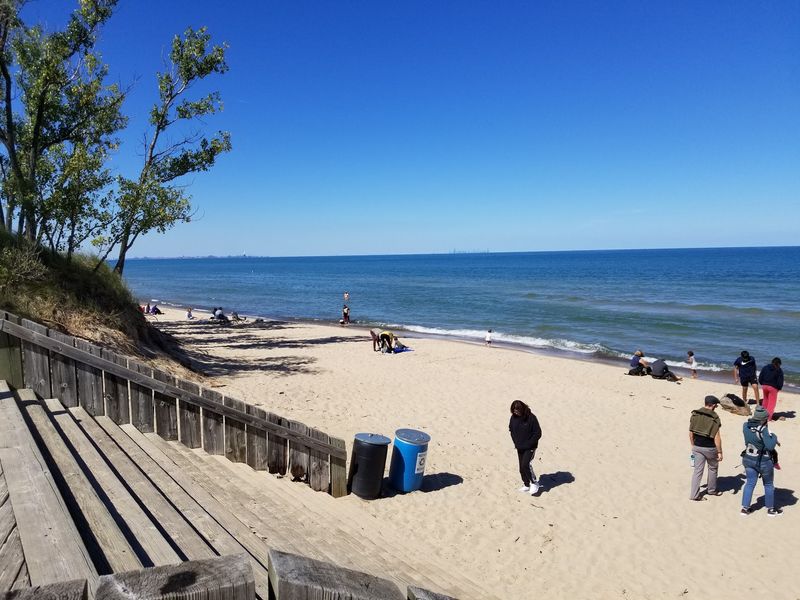
Back in 2018, the Indiana Supreme Court made a big call in a case named Gunderson v. State.
The judges decided that the Lake Michigan shoreline, up to the ordinary high-water mark, belongs to the state of Indiana.
Even more important, the court said this land is held in trust for all citizens. That means the sand near the waves is not a private yard.
It is a shared treasure.
The ruling also explained that lakefront owners never truly held title to that strip of beach in the first place. For the Porter homeowners, that news landed like a cold wave on a hot July afternoon, and it pushed them to look for help in federal court.
Here is a fun bit of history. The idea of a public trust goes back thousands of years to ancient Roman law, which treated the sea and its shores as belonging to everyone.
Indiana’s judges were following a very old tradition.
So what does that mean for a beach lover today? Along Porter’s shoreline, anyone can walk the wet, packed sand near the water without worry.
Pack a towel, bring sunscreen, and enjoy the cool breeze. The 2018 ruling is the reason that easy walk stays open for families, joggers, and dog walkers who simply want a little lake time.
They Called It a Taking Without Pay
Ever heard of the Fifth Amendment’s takings clause? It says the government cannot grab private property without paying a fair price.
That rule sat at the heart of the homeowners’ complaint. In December 2019, with support from the California-based Pacific Legal Foundation, they filed a federal lawsuit in Hammond.
They argued that the 2018 ruling was an abrupt change in state law that took their beach away without any payment at all.
On paper, the idea sounded strong. Courts saw it differently.
A federal judge tossed the case in April 2021, saying there was no legal basis to undo the state court’s decision. Then in May 2022, the 7th U.S.
Circuit Court of Appeals in Chicago agreed with that judge. The appeals court made a sharp point, explaining that if the owners never had title to the shoreline, nothing could have been taken from them.
The court also said the homeowners sued the wrong people. Their complaint aimed at state officials, but the ruling came from the Indiana Supreme Court itself.
For readers, the takeaway is pretty practical. Big legal ideas often depend on small details, like who owns what and who made the decision.
Anyone following future beach debates in Porter should watch those details closely. They usually decide the final outcome more than loud headlines do.
Bonfires, Picnics, and Tents Near the Front Porch
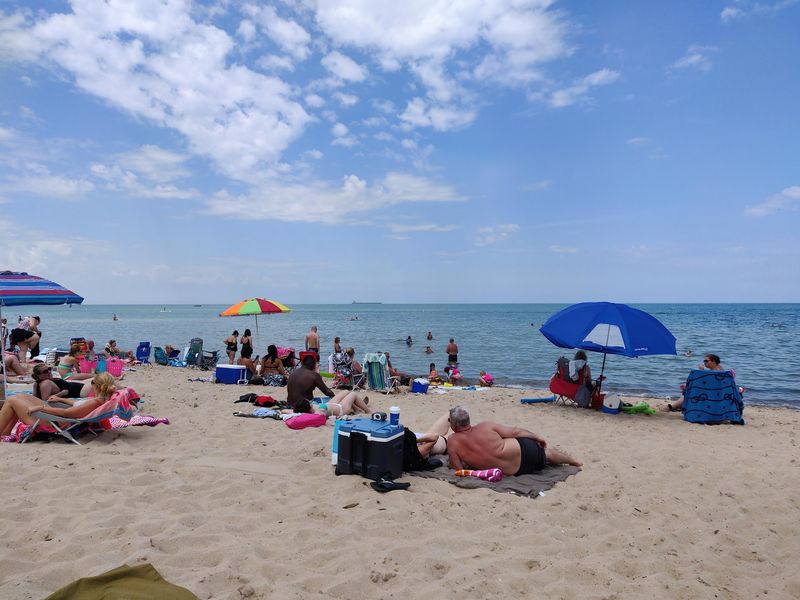
Think about a quiet morning coffee on the deck, then spotting a tent pitched right below the house. That image explains a lot about how the homeowners felt.
Interestingly, the Pavlocks and their neighbors were not against all visitors. In 1980, they agreed to a federal easement so people from the nearby Indiana Dunes park could walk along their beach.
They hoped that friendly move would block any future government land grab.
Walking was one thing. Camping, picnics, bonfires, and beach games were another, and the owners objected to those activities happening on sand they considered private.
It is easy to understand both sides here. Homeowners want calm and privacy.
Beachgoers want space to spread out a blanket and toss a frisbee.
Good manners can bridge that gap. Visitors heading to Porter’s shoreline can keep things smooth by following a few simple habits:
Stay close to the water rather than climbing toward the homes and fragile dunes. Carry all trash out, keep music low, and follow posted rules about fires.
Dunes are delicate, and stepping off marked paths can damage plants that hold the sand in place.
Small acts of respect go a long way. A beach day feels better for everyone when locals, visitors, and lakefront families can share the view without stepping on each other’s toes.
The Supreme Court Said No, Twice
Getting the nation’s highest court to hear a case is tough. Thousands of requests arrive every year, and only a tiny handful get chosen.
The Porter beach fight knocked on that door two separate times. In February 2019, the U.S.
Supreme Court declined to review the Gunderson ruling. Then in November 2022, the justices turned away the homeowners’ federal case as well.
That second no was the final whistle. With it, the 2018 Indiana decision and the appeals court ruling stayed firmly in place.
Many people wonder what a refusal like that actually means. It does not mean the justices wrote a long opinion picking a side.
It simply means the lower court decisions remain the law, which in this case kept the shoreline open for walking, fishing, boating, and swimming.
For beach fans in northwest Indiana, those two quiet refusals carried huge weight. They closed a long chapter of court fights that started years earlier on a few stretches of Porter sand.
A smart tip for curious travelers is to read news coverage from trusted outlets when big rulings come out. Sources like the Associated Press reported each step of this case.
Following along helps turn confusing legal language into a clear picture of how decisions affect real places, real beaches, and real summer plans.
Lawmakers Wrote Beach Rights Into Indiana Law
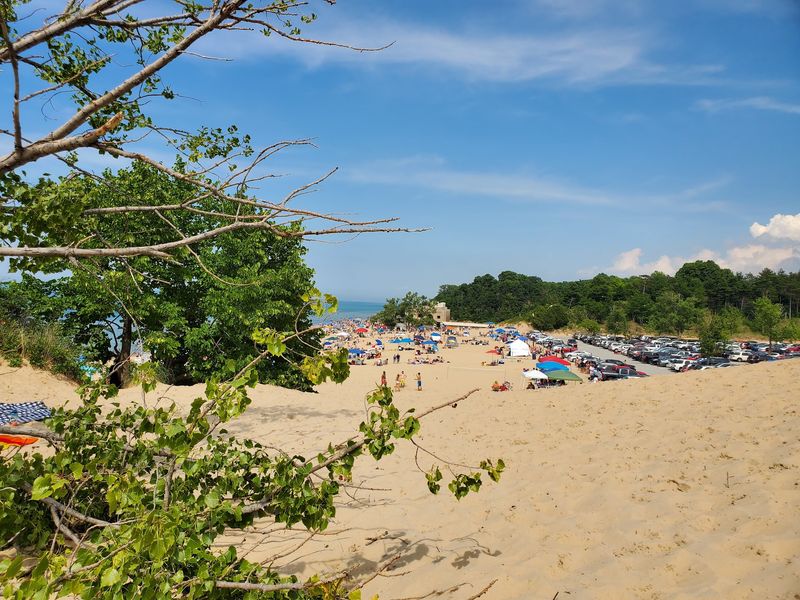
Court wins can feel like they might slip away someday. Indiana lawmakers decided to lock things down.
In 2020, the Indiana Legislature approved a law that put the public’s shoreline rights in writing. The law clearly lists activities people can enjoy along Lake Michigan, including walking, fishing, boating, and swimming.
It also states that lakefront property owners are not entitled to exclusive use of the beach or the water.
That move mattered a lot. Judges interpret laws, but lawmakers create them, so having both on the same page gave beach access a double layer of protection.
Picture a young angler casting a line at sunrise near Porter, with gulls circling and waves rolling in. Under this law, that simple scene is fully protected.
No one can shoo that kid away for standing on wet sand by the lake.
Here is a helpful idea for visitors who want to enjoy these rights the right way. Anyone planning to fish should check Indiana fishing license rules first, since protected access does not replace normal state requirements.
Swimmers should also watch for rip current warnings, which Lake Michigan can produce on windy days. Shared beaches are a gift, and staying safe keeps that gift enjoyable.
Knowing the law and the lake together makes every trip to Porter’s shoreline smoother and much more fun.
Why Hoosiers Fought So Hard for Their Lake
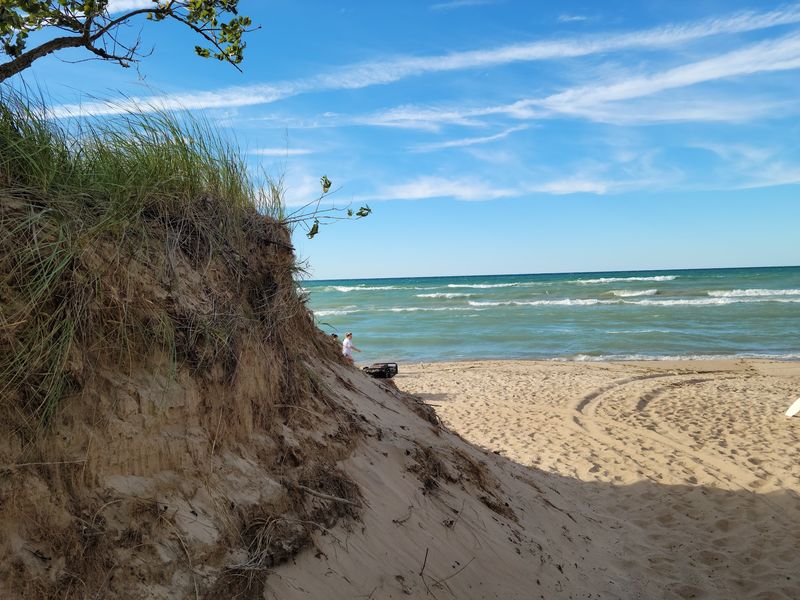
Few things stir people up like a favorite beach in danger. Porter’s shoreline is not just sand and water, it is part of the town’s identity.
The town sits inside the Indiana Dunes ecosystem, a landscape so special it helped spark the creation of The Nature Conservancy. Generations of conservationists fought to protect these dunes from factories and heavy development.
So when a lawsuit tried to fence off part of the beach, many Hoosiers saw it as one more battle in a very long story.
The backlash came from many directions. State officials defended public rights in court, judges sided with the public at every level, and lawmakers wrote those rights into law.
Everyday people cared too. Families who grew up building sandcastles here felt personally tied to the outcome.
That shared love explains the passion. Lake Michigan is huge, wild, and beautiful, and folks in Porter believe it should belong to everyone, not just the people with the best view.
Visitors can honor that spirit easily. Spend time at the Indiana Dunes, explore the trails, and learn about the plants and birds that make this place unique.
The town website at townofporter.com shares local news and events worth checking before a trip. Leave the beach cleaner than it was found, and the next family will enjoy it just as much.
