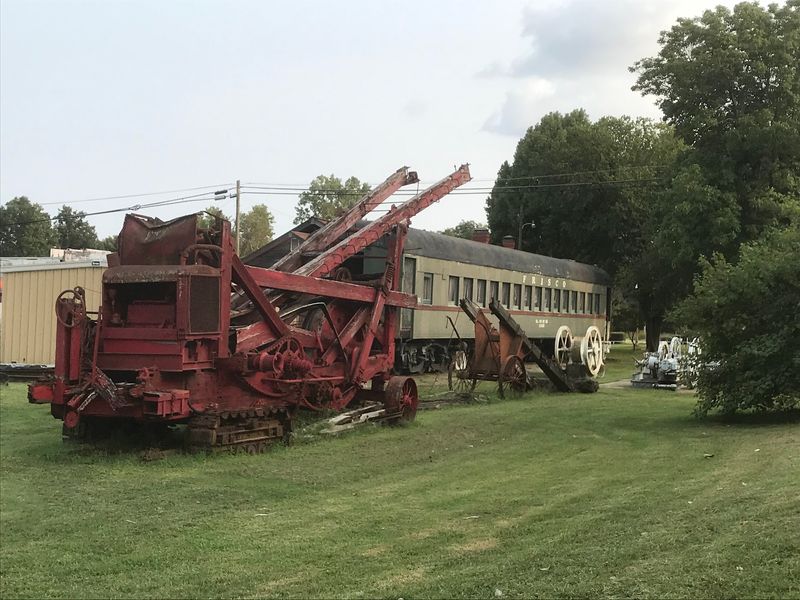
I pulled off the highway expecting a quick stretch and a glance at some old photos. Instead, I found a weathered depot surrounded by oil rigs, train cars, and stories that would not let me leave.
Small towns in Oklahoma have a way of hiding their best history in plain sight, and this one hides it behind rusty iron and friendly faces. If you love places that cost nothing and give you plenty, keep reading.
A Boomtown Museum in an Old Train Depot
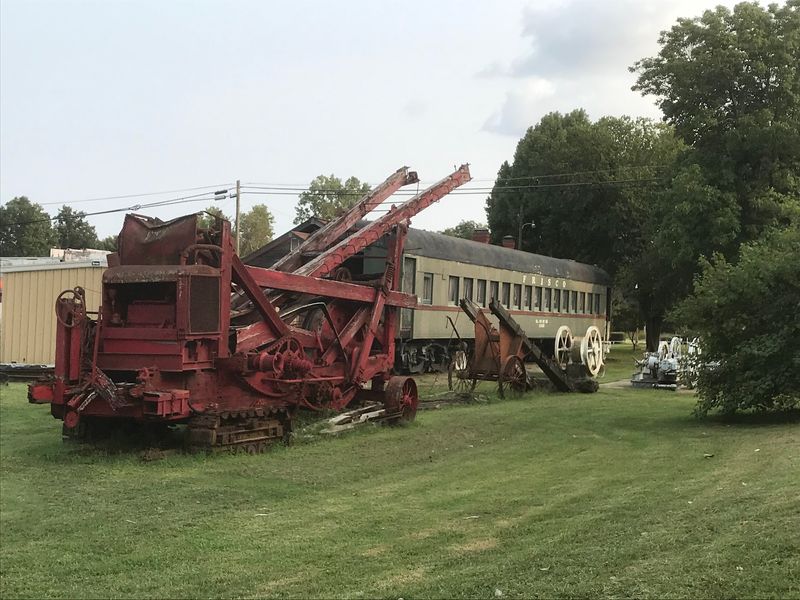
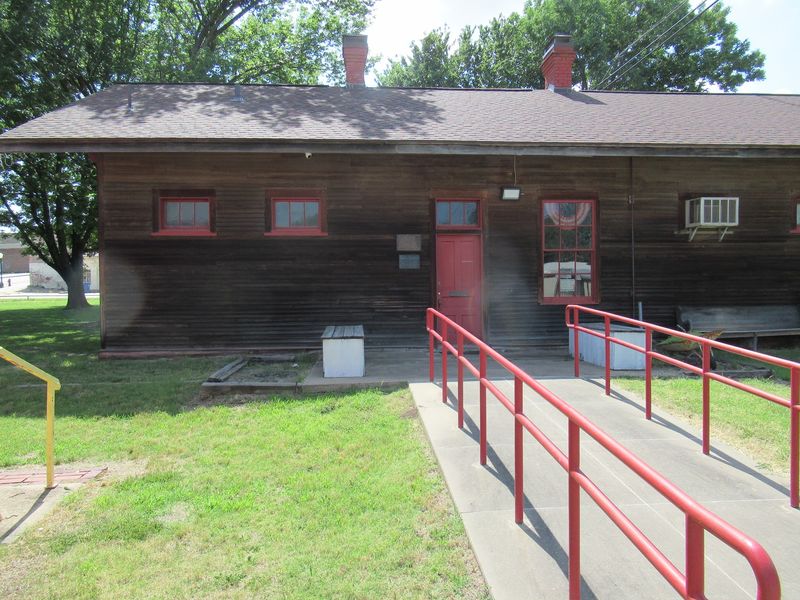
Picture a quiet brick depot where trains once hissed to a stop, now guarding a whole town’s memory. The Drumright Historical Museum sits inside that historic depot at 301 E Broadway St in Drumright, a small Creek County town between Tulsa and Oklahoma City.
The museum is run by the Drumright Historical Society, and its mission is simple. It keeps the story of an oil boomtown alive for anyone curious enough to step inside.
Visitors describe it as a wonderful small town museum that captures the historical heart of Drumright and the surrounding area.
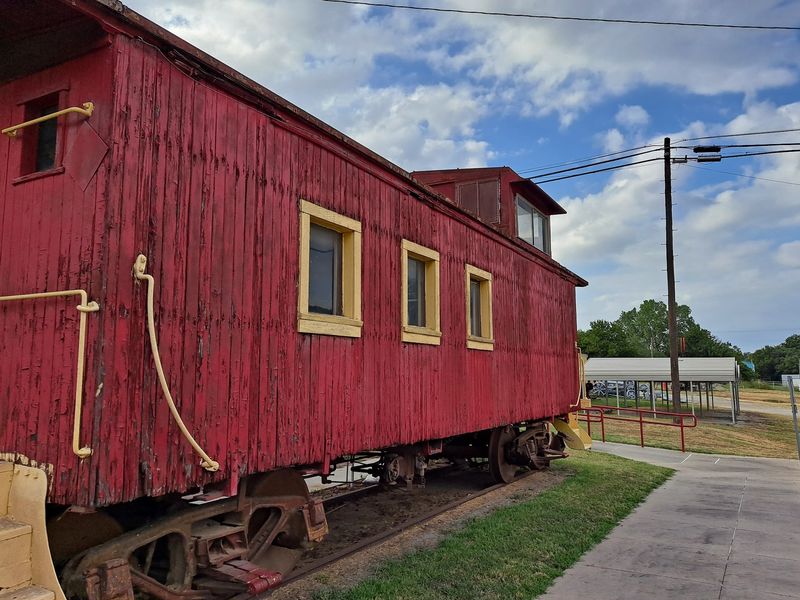
Out front, rusty steel tells part of the tale before you even reach the door. Oil drilling machines, a boiler, and old train cars rest on the grounds like retired workers enjoying the sunshine.
Inside, shelves of historical books, photos, and special exhibits fill the rooms.
For road-trippers, the drive is easy to justify. Tulsa folks can get there in well under an hour, and Oklahoma City travelers face a comfortable trip along the highways.
Look for the OPEN sign along Highway 33, which visitors say marks the spot. It is the kind of stop that turns a short break into a long, happy afternoon.
Roots Reaching Back to Statehood
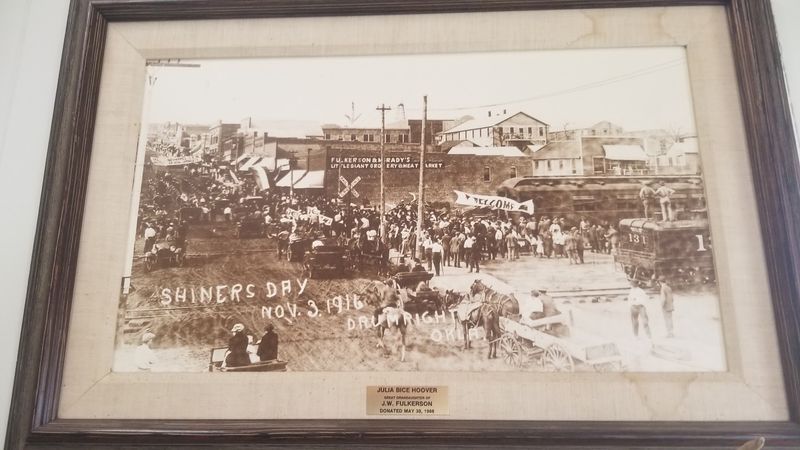
Oil changed everything here, and fast. Drumright grew during the early oil boom years, when wells and workers turned open land into a busy town almost overnight.
One visitor put it well, noting that Drumright’s history goes all the way back to statehood. Documents, artifacts, and reminders of that era appear in nearly every corner of the museum.
You can trace how a rough boomtown slowly became a settled community with schools, theaters, and businesses.
Guests often mention that the collection covers the late 1800s through the 1930s. That stretch includes the wild boom years, the people who rushed in for work, and the families who stayed.
Many pieces are not the usual museum items you see everywhere, which makes browsing feel fresh.
History here also feels personal. Some visitors have family ties to the town, and one even shared that relatives helped start Drumright.
For them, walking through the depot feels like coming home.
Even without local roots, the story grabs you. Anyone who enjoys learning how Oklahoma towns came to be will find plenty to think about.
The past here is not dusty. It is detailed, local, and full of real names and faces.
Iron Giants on the Museum Grounds
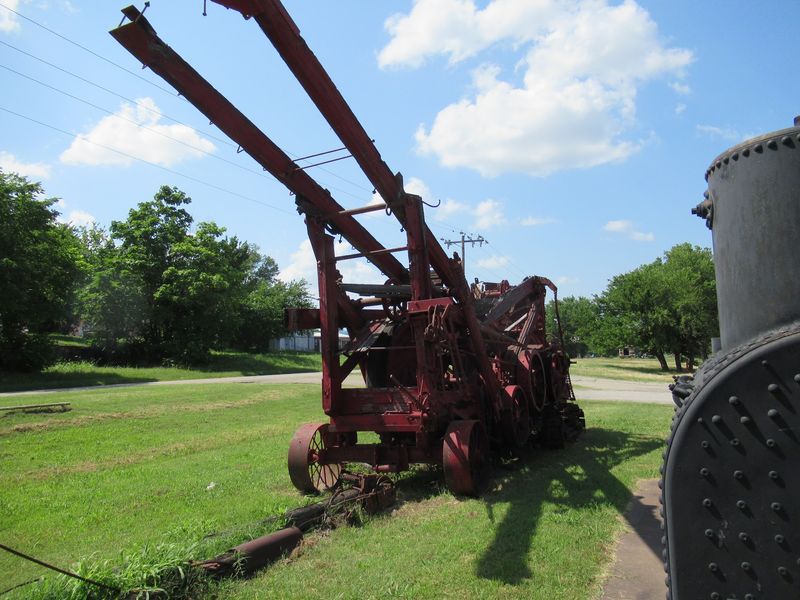
Rust has never looked so handsome. The outdoor collection at the museum gathers heavy steel from the oil boom days and sets it out for everyone to see up close.
Visitors list train cars, a boiler, Fordson tractors, drilling equipment, and several other pieces tied to oil production. One short but honest summary from a guest calls it oil machines up close, and that is exactly the charm.
You can stand beside the gear that once powered a booming industry.
Everything is neatly placed around the building and well maintained, according to travelers. That matters, because old machinery can look neglected fast.
Here, it feels cared for and respected.
Kids especially enjoy the trains, which seem to spark instant excitement. Parents get to explain how oil moved from the ground to the rails, and the giant equipment does most of the teaching.
Bring a camera, since the steel against the Oklahoma sky makes great photos.
Plan for weather, though. Summers in Oklahoma can get hot and windy, so mornings may be more comfortable for exploring outside.
Spring and fall offer especially pleasant days to wander among these quiet iron giants.
Volunteers Who Carry the Stories
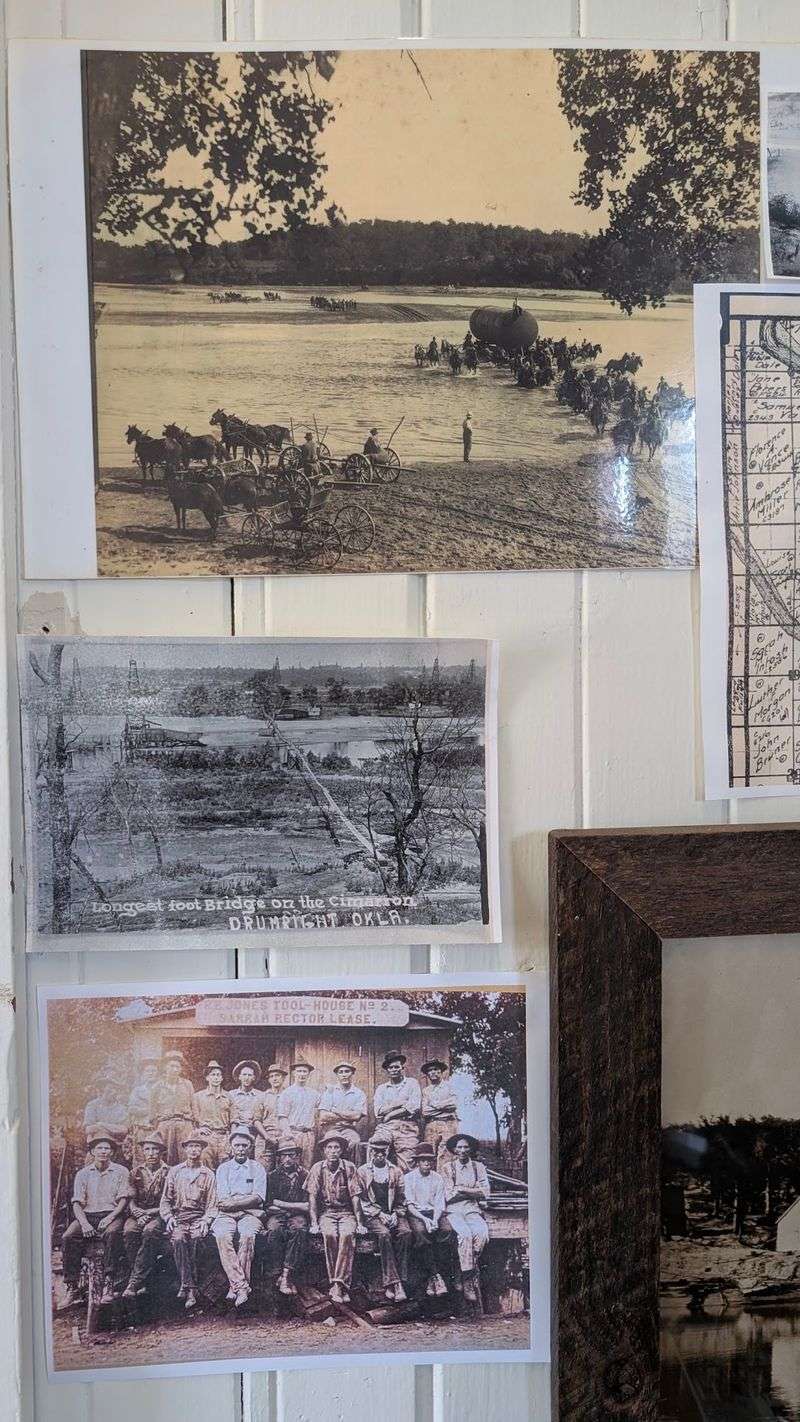
Ask one question, and you might get an hour of stories. The volunteers at this museum are a big reason people leave smiling.
One recent visitor planned to stay about 30 minutes and ended up staying for hours. An older gentleman who has lived in Drumright since the 1950s walked them through the exhibits, artifact by artifact.
Nothing felt rushed or scripted, and the visit felt like sitting with living history.
A younger volunteer who grew up in town was also helping sort photo binders and archives. He knew how to identify people, places, and moments from the past.
Together, the pair made the museum feel alive rather than still.
Other guests describe passionate, knowledgeable volunteers who offer guided tours. Couples mention getting personal walk-throughs, and families appreciate staff who enjoy chatting with visitors.
Many say these helpers truly care about preserving Drumright’s history and artifacts.
Kindness reaches beyond tours, too. One visitor shared how a staff member went above and beyond helping find old family pictures during a hard time.
That kind of help is rare. It shows this place serves its community, not just passing tourists.
The Tornado Tire and Tales of Resilience
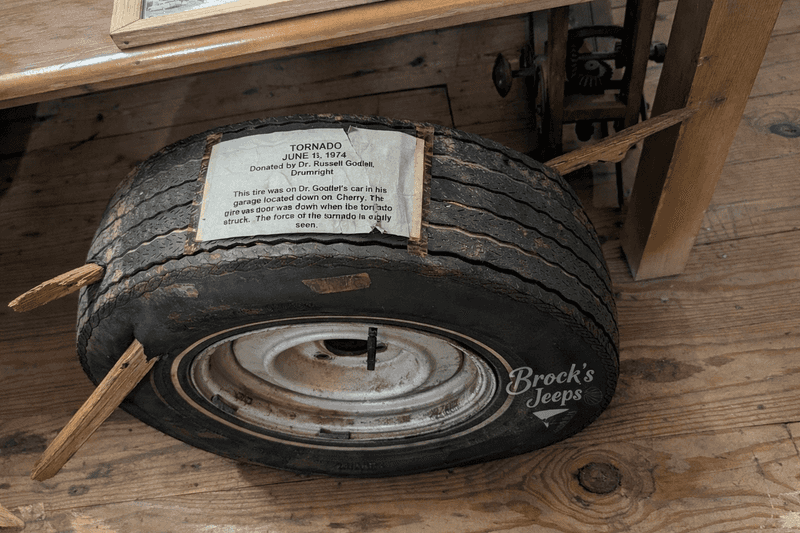
Some objects speak louder than any sign. Among the most talked-about pieces in the museum is a preserved tire pierced by debris from the June 8, 1974 tornado.
Seeing it in person leaves an impression. Visitors describe it as a powerful reminder of what the community has endured.
The display connects the town’s oil-era beginnings to its later chapters, when residents had to rebuild and push forward.
Oklahomans know storm season well, so this exhibit hits close to home for many travelers. It sparks conversations about weather, preparation, and how small towns pull together after hard days.
Kids often ask plenty of questions here, which makes it a natural teaching moment.
The tornado history section sits alongside other displays about everyday life. That pairing feels thoughtful.
It shows Drumright not as a single moment frozen in time, but as a place that kept going through good years and tough ones.
Take a few minutes at this exhibit and read the details. The story behind that battered tire adds weight to everything else in the building.
It turns a museum visit into a lesson about strength, neighbors, and the stubborn spirit of an Oklahoma town.
Schools, Families and Heritage Beyond Oil
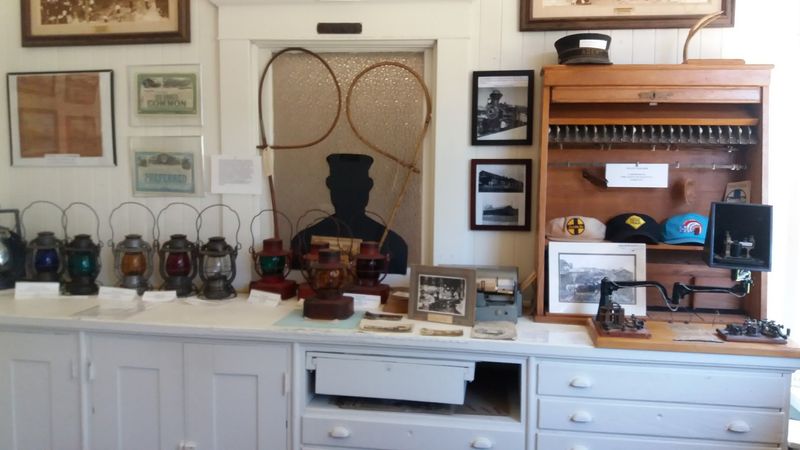
Oil may have built the town, but people gave it a heart. The exhibits here reach well beyond derricks and pipelines.
Visitors point to displays about local schools, theaters, businesses, industry, and daily life. There are thoughtful materials on education, including rare items connected to the Dunbar School and early African-American history in Drumright.
These pieces highlight community members whose stories often get left out of textbooks.
Native American history also has a place in the collection. Oklahoma is home to 39 federally recognized tribes, and local exhibits help connect the area’s growth with the people who were here long before the boom.
It is a respectful reminder that this land holds many layers of history.
Family stories appear throughout the rooms as well. Old photos and documents show the faces of shopkeepers, students, and workers who shaped the town.
Guests with roots in Drumright often spend extra time hunting for familiar names.
One visitor mentioned enjoying old photos and stories from Drumright and the surrounding areas with their son. That shared discovery is part of the magic.
Each display adds another voice, and together they paint a full and honest picture of small-town Oklahoma life.
Quirky Treasures Like the Electric Perm Machine
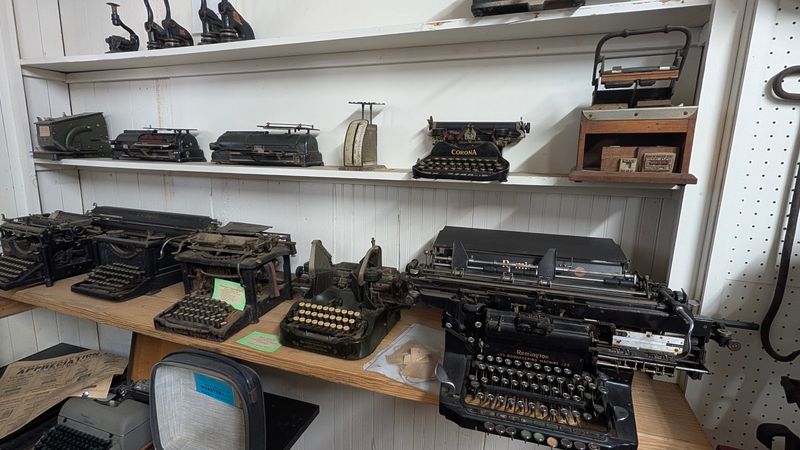
Not every treasure here is made of drilling steel. Some are delightfully odd, and those often become visitors’ favorites.
Take the electric perm machine. One guest who wandered in during a garage sale event called it their favorite piece, and it is easy to see why.
The contraption looks like something from a science fiction movie, yet it once gave people curly hair.
Items like that help explain why guests say this collection is not run-of-the-mill museum material. You might move from a heavy oil tool to an old household gadget in just a few steps.
The variety keeps things lively, especially for kids who get bored quickly.
Special exhibits rotate attention to different parts of the town’s past. Historical books line shelves for anyone who wants to read deeper.
There is also plenty of space where photos invite you to compare old Drumright with the town today.
Bring curiosity and a little patience. One traveler admitted they did not have time to see everything and hoped to return.
That is a good sign. When a small depot holds so many surprises, a second trip almost feels required.
Murals, Main Street and a Friendly Atmosphere
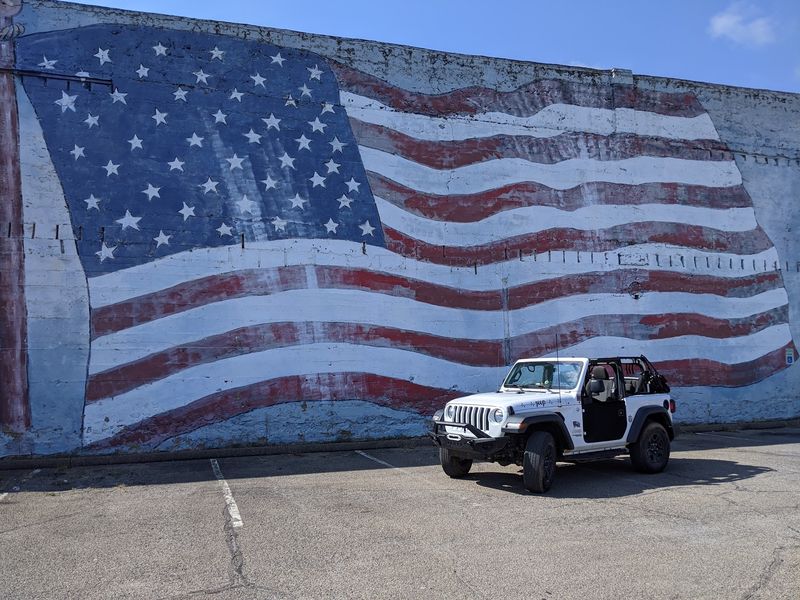
Step outside after your visit and look up. Across the parking lot, a building wears two striking murals that many guests mention.
One is painted on the second-story wall, and the other covers the full height of the building on the opposite side. Visitors call both great works of art.
They make a fun photo stop and add color to the historic setting.
The mood around the museum feels relaxed and welcoming. Guests describe friendly people who like talking with visitors, and some say they love the whole town.
You are not hurried along. Instead, you are encouraged to linger and ask questions.
Occasionally, the grounds host small festivals and community happenings. One traveler happened upon a little festival while in town for a garage sale event.
Another mentioned memorable cabbage rolls, suggesting food sometimes shows up at local gatherings.
This setting suits families, retirees, history buffs, and anyone exploring nearby Route 66 backroads. Grandparents can share memories while kids chase train cars with their eyes.
It is unfussy, affordable, and warm, which is exactly what makes small-town Oklahoma stops so rewarding.
Hours, Cost and Planning Tips
Timing is everything with this museum, so check the schedule before you go. Hours are a bit unusual and can change.
Currently, the museum opens Monday, Friday, and Saturday from 9 AM to 2 PM. On Tuesday, Wednesday, and Thursday, it opens from 1 PM to 5 PM.
Sunday is closed.
That Saturday window closes early, and one traveler arrived on a Saturday afternoon only to find the doors locked. A quick call to 918-352-3002 may save you from disappointment.
The Drumright Historical Society website can also help with updates.
Here is the best news for budget travelers. A past visitor described it as a free and fun family outing, so it often costs little or nothing to enjoy.
Donations likely help keep the volunteers and exhibits going, so consider tossing a few dollars in if you can.
Plan at least an hour, though many people stay much longer. Wear comfortable shoes for the outdoor equipment.
In summer, bring water, and in spring, keep an eye on storm forecasts. Pairing your stop with lunch in town or a backroads drive makes for a satisfying day trip.
A Small Depot Worth the Drive
Some places impress you with size. Others win you over with heart, and Drumright’s museum firmly belongs in the second group.
Guests call it meaningful, informative, and a true step back in time. The mix of rusty oil equipment, trains, quirky artifacts, and personal stories creates a visit that feels both educational and warm.
Few stops this modest deliver so much.
What sets it apart is the people. Volunteers who lived the history share it freely, turning objects into stories.
One visitor summed it up by saying the museum is the heart of Drumright, and that feels fair.
Families with kids will enjoy the trains and machines. Retirees and history fans will appreciate the photos, documents, and tales from the boom years.
Anyone with local roots may find the experience deeply personal.
So when you are planning your next Oklahoma road trip, consider a detour to this old depot. Call ahead, arrive with questions, and give yourself extra time.
You may come for the oil machines, but you will probably leave talking about the stories, the kindness, and a small town that refuses to forget where it came from.
