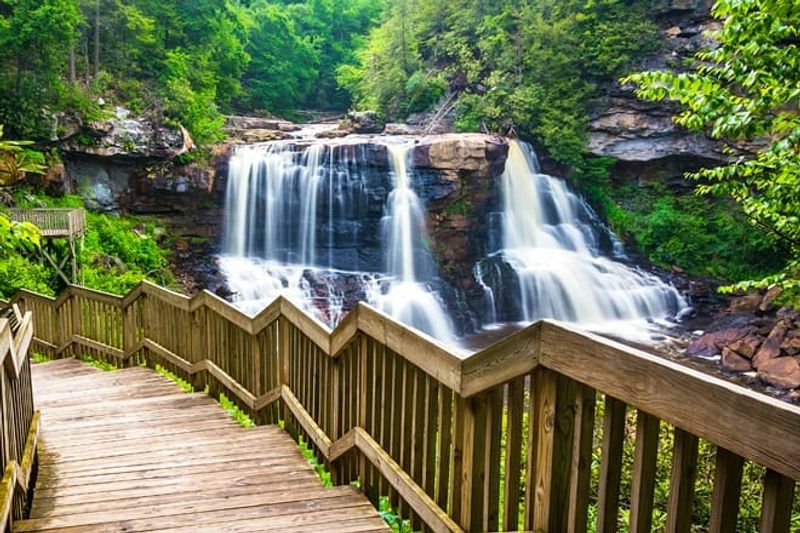
Ask someone from the Mountain State to point you toward a small valley, and you may get sent up a holler instead. That one word can tell a listener more about where you grew up than a driver’s license.
I love how ordinary words carry so much history here. Linguists often link West Virginia speech to Scots-Irish and English settlers who arrived generations ago.
Other sounds belong to a wider band of American speech called the Midland dialect.
The fun part is that most folks never notice they’re doing it. A grandparent’s way of naming a chore or a backyard stream can stick with a family for decades.
Those sounds travel to college, to new jobs, and to kitchens far from home.
So how many of these do you still say the old way? I have a hunch a few will sound just like Mamaw.
1. Appalachia
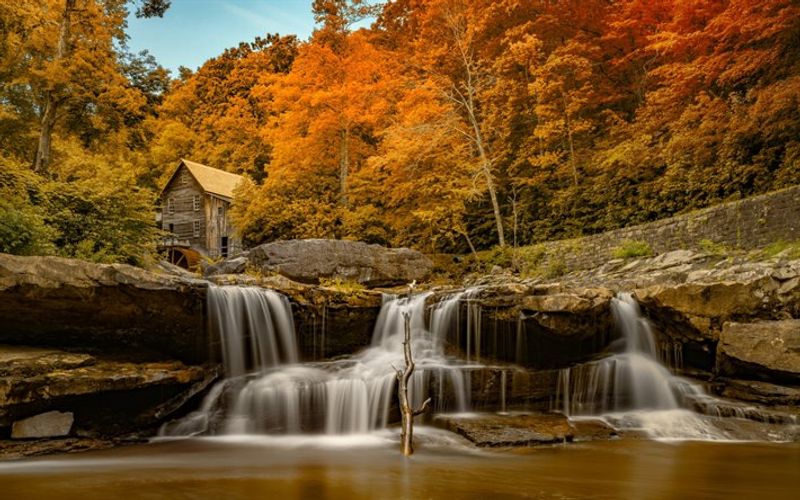
Few words spark a friendly argument faster than the name of the mountains themselves. Say it wrong at a West Virginia cookout, and someone will likely correct you with a grin.
Locals usually say App-uh-LATCH-uh, with a short a like in the word latch. Many outsiders, especially from the North and in national news, lean toward App-uh-LAY-shuh instead.
Both versions show up in dictionaries, so neither is technically wrong. Still, the LATCH sound is widely treated as the insider pronunciation across central and southern Appalachia.
There’s an old regional joke that makes the point nicely. If you say it wrong, someone might throw an apple at you, and that rhyme with latch is the whole lesson.
For many families, the pronunciation is tied to pride in place. Saying it the local way can feel like claiming the ridges, hollers, and small towns as your own.
Appalachian State University, just south in North Carolina, has even addressed the debate for curious visitors. That tells you how often the question comes up around the region.
Next time a TV reporter says LAY-shuh, you’ll know exactly why folks at home wince. You might even reach for an apple.
Address: Statewide, West Virginia
2. Hollow
Out here, a narrow valley between two steep hills has a name you won’t find on many maps. Folks call it a holler, and they say it without a second thought.
The standard spelling is hollow, of course. In everyday West Virginia speech, though, that final ow sound often turns into an er sound.
Linguists note the same shift in words like window and yellow, which may come out as winder and yeller. It’s a pattern, not a random slip, and it’s been heard in the region for generations.
Many scholars connect these sounds to Scots-Irish and English settlers who moved into the mountains long ago. Their speech reportedly stayed strong because many communities were tucked away by rugged terrain.
A holler is more than a landform to plenty of West Virginians. It can mean a whole community, a set of neighbors, and a road that leads home.
You’ll hear it in songs, family stories, and directions like “two hollers past the church.” Try giving those directions to a GPS and see how it goes.
Once you start saying holler, hollow may never sound right again. Consider yourself warned, neighbor.
Address: Statewide, West Virginia
3. Creek
Kids in the Mountain State don’t catch crawdads in the creek. They catch them in the crick, and their parents probably did too.
Plenty of Americans rhyme creek with leak. Across West Virginia and much of Appalachia, the vowel often shortens so the word rhymes with stick.
The crick pronunciation isn’t limited to the mountains. You may also hear it in parts of Pennsylvania, Ohio, and the rural Midwest, which share some speech roots.
What makes it fun here is how often it gets used. West Virginia is crisscrossed by streams, so the word comes up constantly in daily talk.
Some folks switch between the two depending on the setting. A person might say creek in a formal meeting, then say crick at Sunday dinner without blinking.
That flip is common with regional speech everywhere. People tend to keep their home sounds for family and friends, where they feel most natural.
Ask around, and you’ll find plenty of grown adults who still say “up the crick” about their childhood home. Funny how one little vowel can carry a whole summer of memories with it.
Address: Statewide, West Virginia
4. Wash
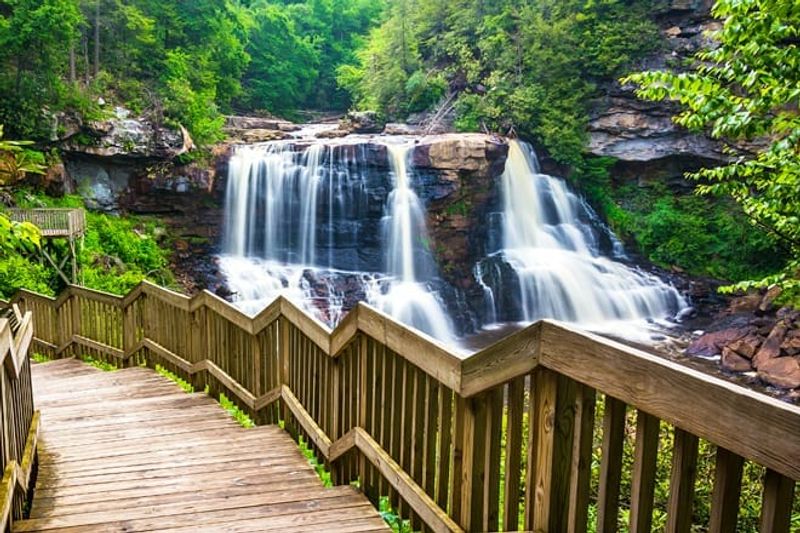
Laundry day sounds a little different in plenty of West Virginia homes. Instead of doing the wash, Grandma might have asked you to help with the warsh.
That sneaky r is called an intrusive r by language experts. It shows up where the spelling gives no hint of it at all.
The sound belongs to the Midland dialect region, which stretches through West Virginia and neighboring states. You’ll also hear it in Washington, which sometimes becomes Warshington.
Younger speakers may use it less than their grandparents did. Even so, plenty of families still warsh dishes, warsh the car, and warsh up before supper.
Some people tease about it, but the sound has a long history. Researchers have tracked the intrusive r in American speech for well over a century.
For many West Virginians, hearing warsh brings back a specific picture. Think wringer washers, clotheslines, and the smell of sheets dried in mountain air.
Do you still say it, or did someone train it out of you in school? Either way, the r has a sneaky habit of slipping back in when you’re home.
Address: Statewide, West Virginia
5. Fire
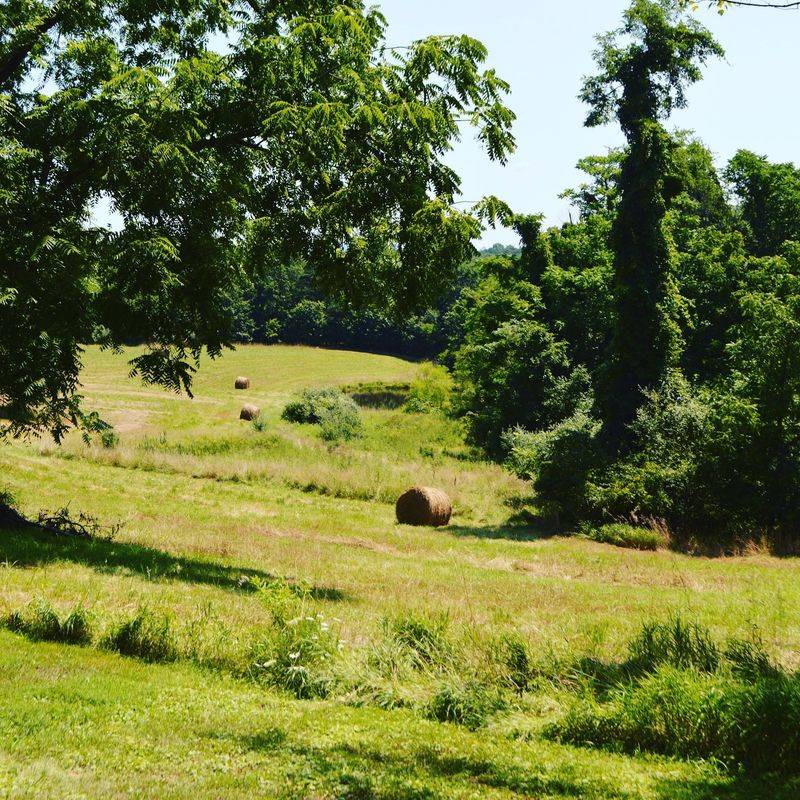
On a chilly mountain night, somebody may ask you to stoke the far. Don’t panic, nobody wants a trip to the far station, they just want the stove going.
Linguists have a big word for this one: monophthongization. In plain terms, a gliding two-part vowel flattens into a single, smoother sound.
So fire sounds like far, tire sounds like tar, and I can come out closer to ah. It’s one of the best-known features of Southern and Appalachian speech.
In West Virginia, the sound tends to be stronger in the southern counties. Northern areas, closer to Pittsburgh, often lean toward a different set of vowels.
That split makes the state a fascinating place for language lovers. A drive of a few hours can change how folks say the same simple word.
The flattened vowel also turns up in classic country and bluegrass recordings. Listen closely, and you’ll catch singers stretching “tar” and “far” in ways that feel right at home.
Just be careful with directions. “The far is out back” and “it’s far out back” can mean very different trips.
Address: Statewide, West Virginia
6. Hurricane
Here’s a word that trips up weather reporters and road-trippers alike. In Putnam County, Hurricane is a town, not a storm, and locals say it their own way.
Most Americans pronounce the word HUR-uh-kane, like the big ocean storms. Residents of the West Virginia town often say something closer to HUR-uh-kun.
That softer ending sounds relaxed and quick, the way many local place names get shortened over time. Saying the full storm version is a quick way to mark yourself as a visitor.
The name reportedly traces back to surveyors who saw trees knocked down by a powerful windstorm near a creek. Hurricane Creek, and later the town, carried the name forward.
Plenty of states have places with surprising pronunciations, and residents tend to guard them proudly. It’s a small, friendly test of who’s from around here.
The town sits along Interstate 64 between Charleston and Huntington, so plenty of travelers pass its exits. Now you can read that sign like a neighbor instead of a forecaster.
Try it slowly once, then fast. HUR-uh-kun rolls off easy after a few tries.
Address: Hurricane, WV 25526
