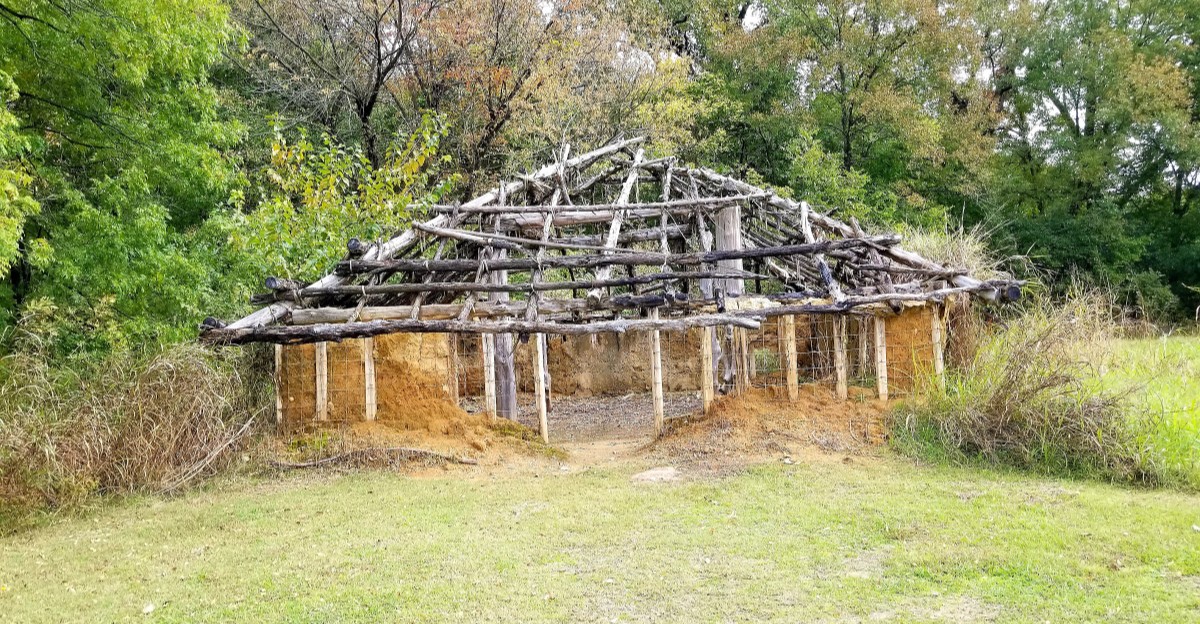
I went looking for a quiet place to stretch my legs and maybe find a decent lunch, and instead found a field of soft green hills that turned out to be one of the most important ancient sites in North America. Out in eastern Oklahoma, those humble lumps of earth hold the story of a people who traded across a continent, studied the stars, and carved art so fine it now sits in museums far away.
There is no flashy sign or roadside hype, just a small visitor center, a walking trail, and a lot of sky. If you think your home state has run out of surprises, this one might change your mind.
A Prairie Field Holding Oklahoma’s Only Public Prehistoric Site
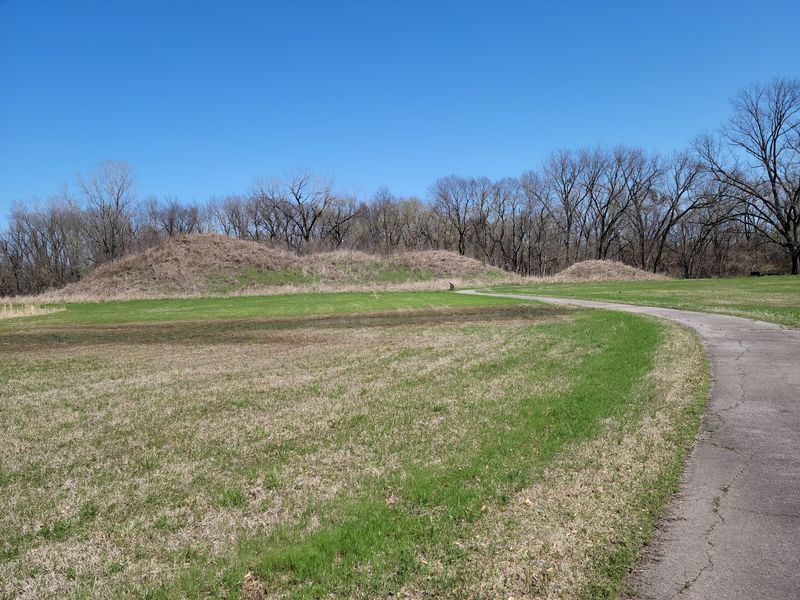
Picture a gentle stretch of eastern Oklahoma farmland, not far from the Arkansas line, where a few rounded hills rise from the grass like sleeping giants. Most drivers would never guess those bumps were built by human hands.
Yet the Spiro Mounds Archaeological Center protects them as the only prehistoric American Indian archaeological site in the state that is open to the public.
The preserve covers about 150 acres and is run by the Oklahoma Historical Society. Inside its boundaries sit twelve mounds, a modest interpretive center, and close to two miles of trails.
It is classified as a museum, but the real exhibit is the land itself.
Visitors often describe the place with words like peaceful and meditative rather than thrilling. That fits.
You will not find a theme park feel, a big crowd, or a gift shop line, since the gift shop has been absent during recent renovations.
What you do get is a rare chance to stand on the exact ground where a major ancient city once thrived. For anyone who values preserved, unpretentious history over polished attractions, that alone may justify the drive.
One recent visitor summed it up well, suggesting you should not expect pyramids or mountains, only real history in a beautiful setting.
Thousands of Years Along the Arkansas River
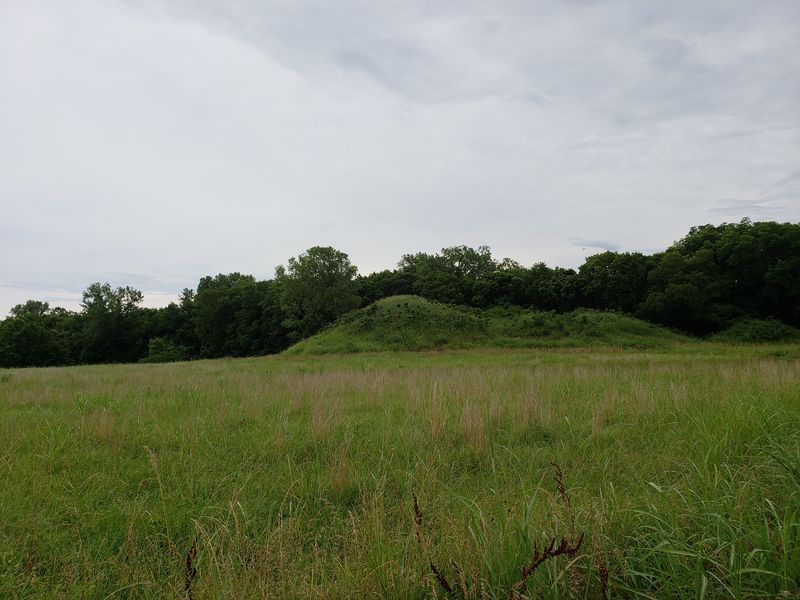
Long before anyone drew state lines, people were already living in this part of eastern Oklahoma. Evidence suggests human presence in the region stretches back at least 8,000 years, with some estimates reaching much further.
The mounds you see today are the high point of a very old story.
Permanent settlement at Spiro took shape around 800 CE. Between roughly 850 and 1450 CE, it grew into a thriving center for Caddoan-speaking people of the Mississippian culture.
Spiro ranked as one of four major regional hubs in a network that stretched from the Rocky Mountains to the Virginia coast and from the Gulf Coast to the Great Lakes.
Think about that for a second. A town in what is now rural Le Flore County was trading goods and ideas with communities hundreds of miles away, without highways, trucks, or mail service.
Leaders here built political, religious, and economic systems that held a large region together. Priest-chiefs and an elite class held special roles and often lived atop the mounds their community raised.
That legacy continues today through the Caddo Nation of Oklahoma, one of the state’s 39 federally recognized tribes. They carry forward the heritage of these mound builders as a living culture, not a closed chapter.
Craig Mound and Its Famous Hollow Chamber
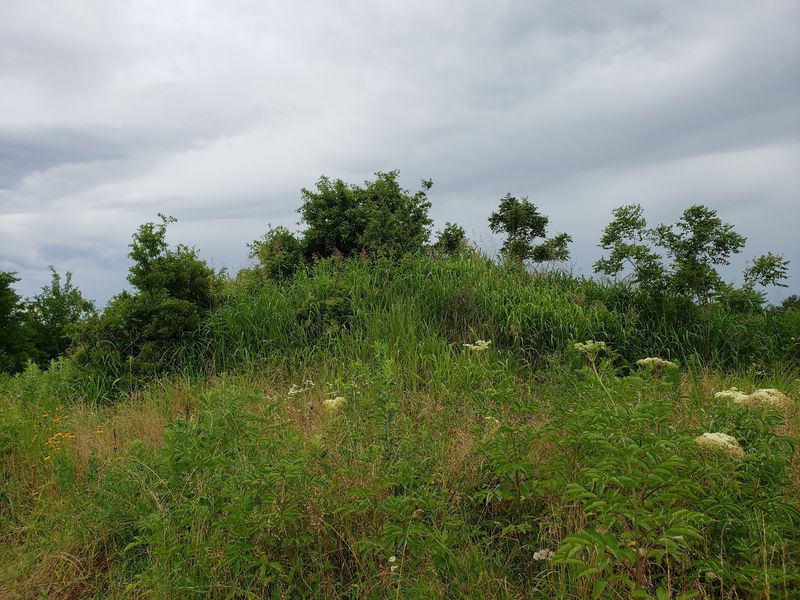
Every site has a celebrity, and here it is Craig Mound. Built layer by layer from basketloads of dirt, it served as the ceremonial burial mound for the community.
What made it world famous was a hollow chamber inside.
That chamber did something almost unheard of. It protected delicate objects made of wood, shell, copper, fabric, and feathers, materials that normally break down and vanish over centuries.
Archaeologists still talk about it as one of the most remarkable finds in North America.
The 1930s brought a painful twist. Commercial diggers worked the mound between 1933 and 1935, chasing profit, and caused serious damage while scattering countless pieces across the country.
Later, the University of Oklahoma and the Works Progress Administration carried out careful excavations from 1936 to 1941 and recovered thousands of remaining artifacts.
Here is a detail many visitors do not expect. The Craig Mound you see today is a reconstruction, since the original was heavily excavated, and a few other mounds were reshaped after the digging too.
Some guests feel let down by that, while others find it moving to stand where those treasures once rested.
One visitor who had seen Spiro artifacts in other museums said it was thrilling to finally see where they came from.
Temple Mounds, House Mounds, and a Walk Through the Old City
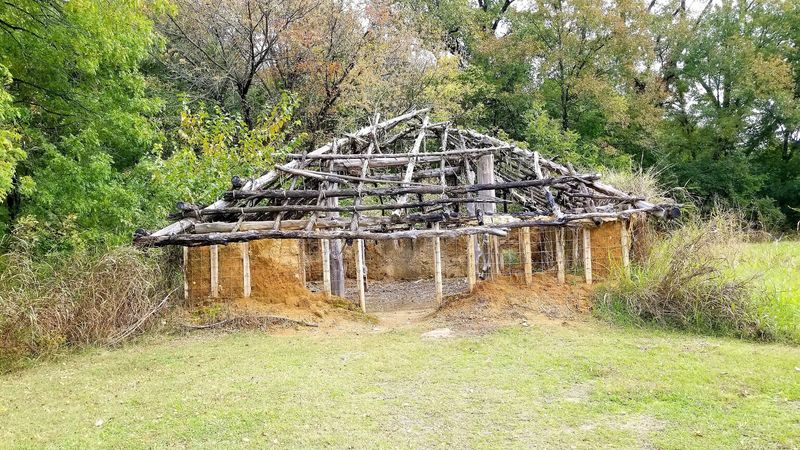
Lace up and start walking, because the trail is where Spiro really opens up. The single trail splits into a longer loop of about two miles and a shorter option around one mile.
Part of it is paved and part is dirt, with an easy, level feel.
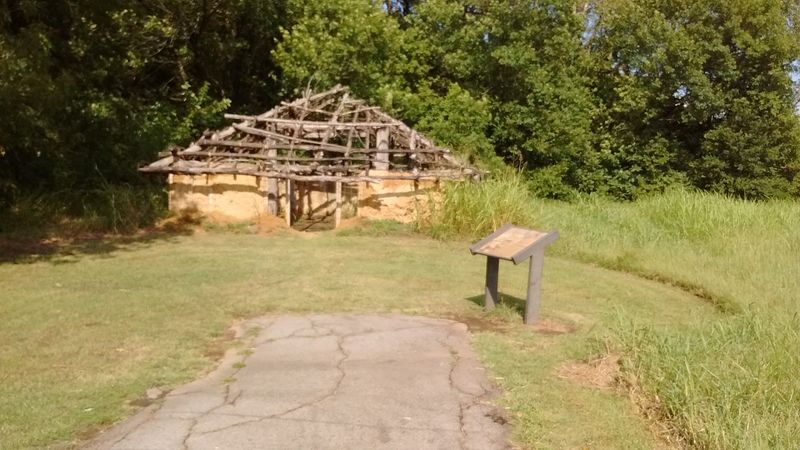
Along the way you pass nine house mounds, which likely held homes for important leaders. Two temple mounds once supported major religious buildings, and Brown Mound stands out as the key temple mound, with elite homes clustered around it.
The result is a rough map of an ancient neighborhood you can stroll right through.
Visitors mention three major mounds plus several smaller ones, with a nature trail running next to Craig Mound. It does not take much imagination to picture smoke rising from rooftops and people crossing the open plaza.
Fair warning, though. Outdoor signs have been badly sun faded, and grounds upkeep has drawn complaints at times, with overgrown grass and some litter along a nearby canal.
During renovation, parts of the trail may also be closed.
Still, many guests call it a lovely walk with wide views. One couple who came after a snowfall described the loop as beautiful and serene, a quiet couple of hours well spent.
Shell Carvings, Copper Plates, and Sky Watchers
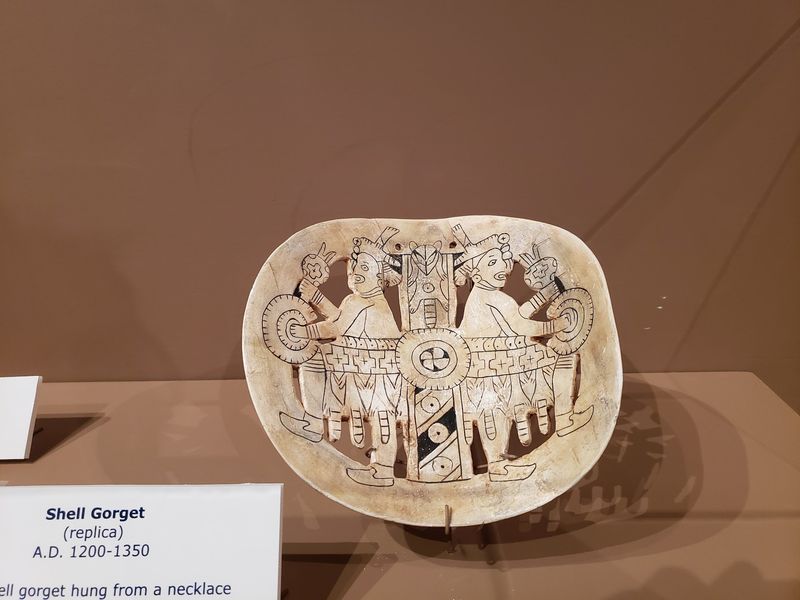
Corn, beans, and squash filled the bellies of Spiro’s people, but their hands were busy with far more than farming. They were master artisans who produced fine pottery, hammered copper plates, and beads and jewelry made from freshwater pearls.
Their engraved shells are especially admired today.
Inside the interpretive center, the shell art gets serious attention. Visitors rave about volumes of detailed drawings that document the unique shell carvings, book after book of them.
Even guests who felt let down by other parts of the museum often single out these drawings as excellent.
Now, about the display cases. Many original items are covered or not shown, a choice tied to federal law protecting Native American cultural items and to tribal wishes.
Some travelers who drove a long way were frustrated by this, so it helps to call ahead and know what you will and will not see.
Respect goes a long way here. These pieces belong to a living heritage, and the tribes have a voice in how they are shared.
Spiro’s people also watched the heavens closely. They studied astronomy and divided the year into lunar months, which explains why the site’s seasonal sky events feel so fitting today.
Solstice Sunsets and Staff Who Love a Good Question
Ask almost anyone who enjoyed Spiro what made the day, and the answer is usually a person, not a mound. Knowledgeable staff come up again and again.
The director has spent long stretches answering visitor questions about the Spiro people, and earlier guests praised other guides just as warmly.
The staff is small, sometimes just one employee on duty. That means you may get unhurried, one-on-one conversation, the kind that turns a short stop into a real lesson.
Bring your curiosity and do not be shy.
Then there are the solstice walks. The center has hosted guided sunset tours around the winter solstice, and attendees describe them as wonderful and full of surprises about eastern Oklahoma history.
Watching the sun drop over a site built by sky watchers is a memory that sticks.
The mood overall is calm and reflective. Adults who love history, retirees on a slow road trip, and parents who want to learn something themselves will feel right at home.
Kids can enjoy it too, especially if they like walking and open space. One grandparent planned to come back with grandchildren for a picnic, which sounds like a fine plan on a mild spring or fall day.
Hours, Admission, and the Drive to Spiro
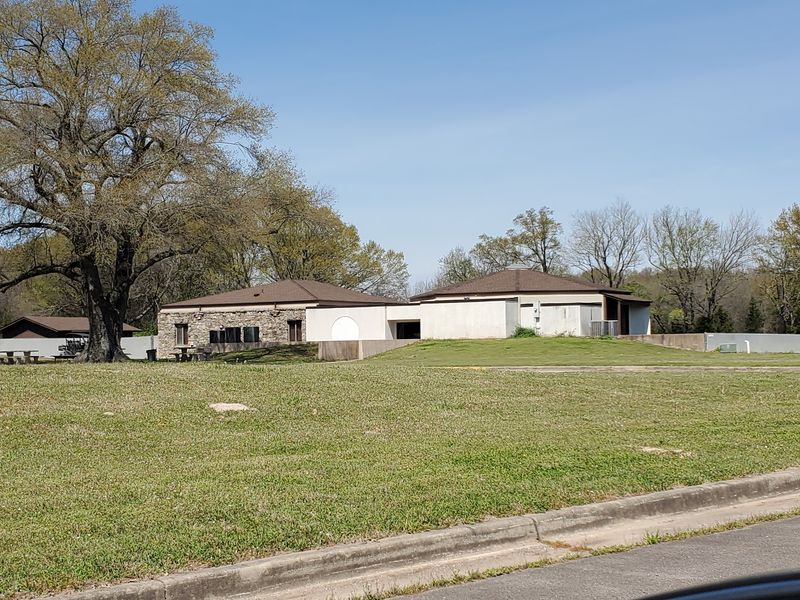
Plan ahead and you will save yourself a wasted trip. The center sits at 18154 1st St in Spiro, in Le Flore County, close to the Arkansas border.
Fort Smith is a short hop away, while Tulsa and Oklahoma City make for longer day trips.
Hours typically run Tuesday through Saturday, 9 am to 4 pm, with the site closed Sunday and Monday. Schedules can shift during renovation, so calling 918-962-2062 before you leave is smart.
The Oklahoma Historical Society website at okhistory.org/sites/spiromounds may also list updates.
Admission has changed over time. Entry was waived for a stretch while upgrades were underway, and one recent visitor reported paying about $10, while other sources list adult admission around $7.
Either way, it is an easy fit for a budget day out.
Comforts are simple but appreciated. The climate-controlled visitor center has clean, nice restrooms, which travelers mention often.
Oklahoma weather deserves a thought too. Summer heat on an open trail can be intense, spring brings storm season, and winter can be crisp but lovely.
Bring water, a hat, and good walking shoes for the dirt portion of the trail.
Worth the Drive for the Right Kind of Traveler
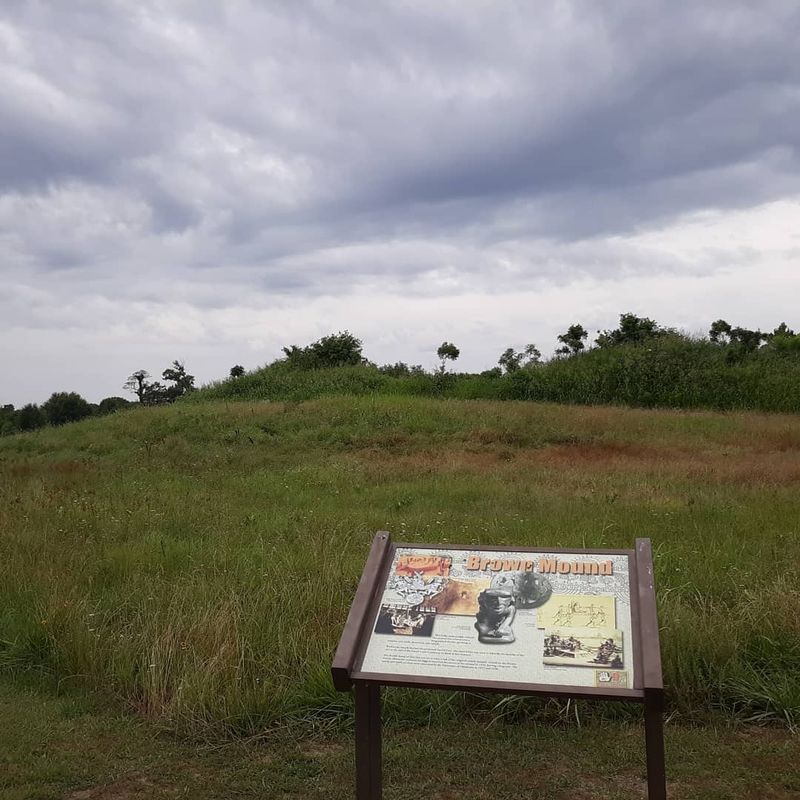
Honest talk first. Spiro is a work in progress, with renovations that have dragged on, faded signs, and display cases that may be covered when you arrive.
A roughly $1.5 million investment in parking, trails, and plaques has been underway, so the experience you get depends partly on timing.
Some visitors leave disappointed, especially those expecting rooms full of glittering artifacts. If that is your goal, call ahead and ask what is currently on view.
For others, the magic is exactly what is left. You walk the ground of one of the great ancient centers of North America, flip through stunning shell art drawings, and chat with staff who genuinely care.
Many guests call it a treasure and say they want to return once upgrades finish.
It suits history lovers, Oklahomans curious about their own backyard, and anyone who would rather spend a quiet afternoon learning than standing in line. The price stays modest, the crowds stay thin, and the sky stays huge.
Go in with patience and an open mind. Thousands of years of life rest under those grassy hills, and they still have plenty to say to anyone willing to slow down and listen.
