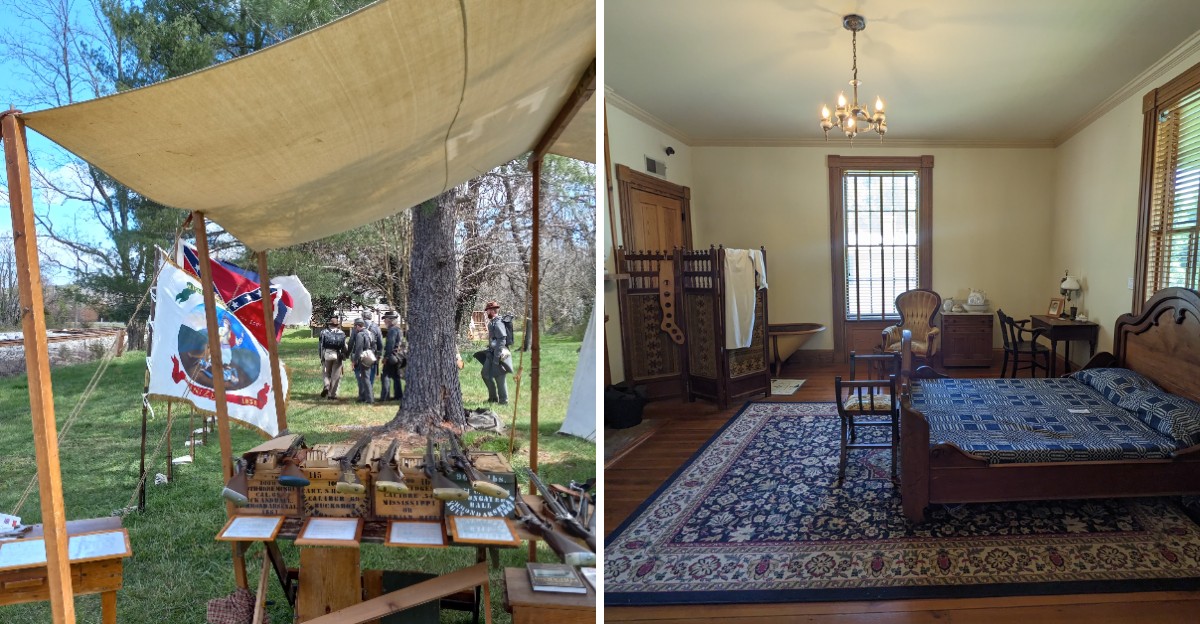
Some buildings carry weight. You can feel it when you walk through the door, even if you do not know the history.
This Virginia building has that kind of weight. During the Civil War, it served as a hospital, and seventy thousand soldiers passed through its halls.
Many of them suffered. Many of them died.
Today, it operates as a museum, preserving the history of what happened here. The exhibits are honest and detailed, with medical tools, photographs, and personal items that belonged to the soldiers.
The building itself is part of the experience, with original floors and walls that have witnessed more than most people can imagine. Some visitors report strange feelings, unexplained sounds, and the sense that they are not alone.
Whether you believe in ghosts or not, the history is powerful enough on its own. Go with respect and take your time.
This is not a light afternoon.
A Railroad Hotel With Big Ambitions
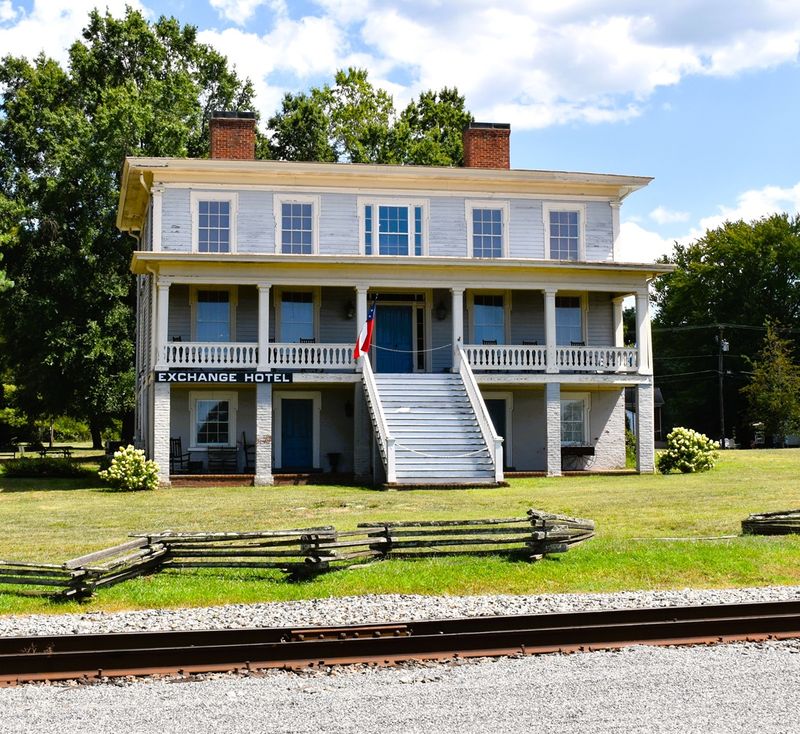
Picture a town where two busy railroads crossed paths, and someone thought, hey, those passengers need a nice bed. That bright idea gave birth to The Exchange Hotel in Gordonsville.
Built just before the Civil War, the hotel was a stylish stop for people riding the rails through central Virginia. Its tall Greek Revival lines and long, shady porches made it look like a fancy party was always about to start.
Location was everything. The tracks ran right past the front door, so tired riders could hop off, grab a meal, and rest up before the next leg of their trip.
Gordonsville itself became famous for something tasty during this era. Local Black women, many of them formerly enslaved, sold fried chicken and other homemade food through train windows.
That hustle earned the town a reputation as a fried chicken capital, and the story is still proudly told today.
Stand in front of the building and you can almost hear the whistle blowing. The porches, the brick, and the rail line nearby help you imagine the bustle of a booming junction town.
Spend a moment outside before heading in. Seeing the hotel as its first owners did makes everything inside hit harder.
When Guest Rooms Became Hospital Wards
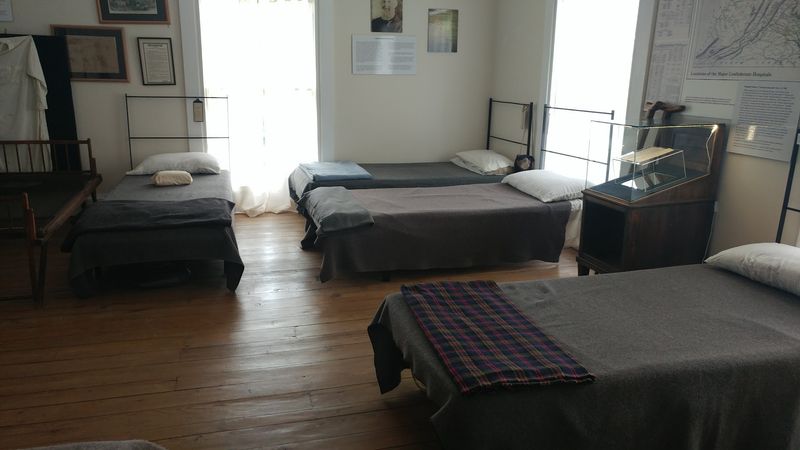
War changes everything, including the purpose of a perfectly good hotel. Once fighting spread across Virginia, the Confederacy turned the building into the Gordonsville Receiving Hospital.
Fancy guest rooms were swapped for rows of cots. The railroad that once delivered vacationers now delivered wounded and sick soldiers, sometimes in overwhelming numbers.
Tents spread across the grounds when the inside filled up. The total count of men treated here over the war years reached into the tens of thousands, which is a staggering amount for one small town spot.
Soldiers from both sides passed through, along with men suffering from diseases that were often more deadly than bullets. Doctors, nurses, and local helpers worked nonstop in conditions that would make a modern hospital worker faint.
Walking through the recreated ward, you get a real sense of how crowded and tense it must have felt. The neat beds look calm now, but the signs nearby explain the chaos behind them.
Take your time reading the panels in each room. Short, clear explanations break down how a receiving hospital worked, who ran it, and why this crossroads location mattered so much to the war effort.
Surgical Tools That Will Make You Wince
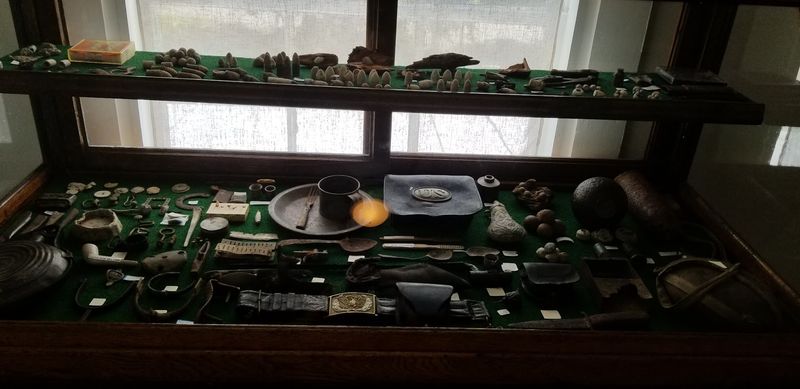
Squeamish? Brace yourself, because the medical exhibits here do not sugarcoat anything.
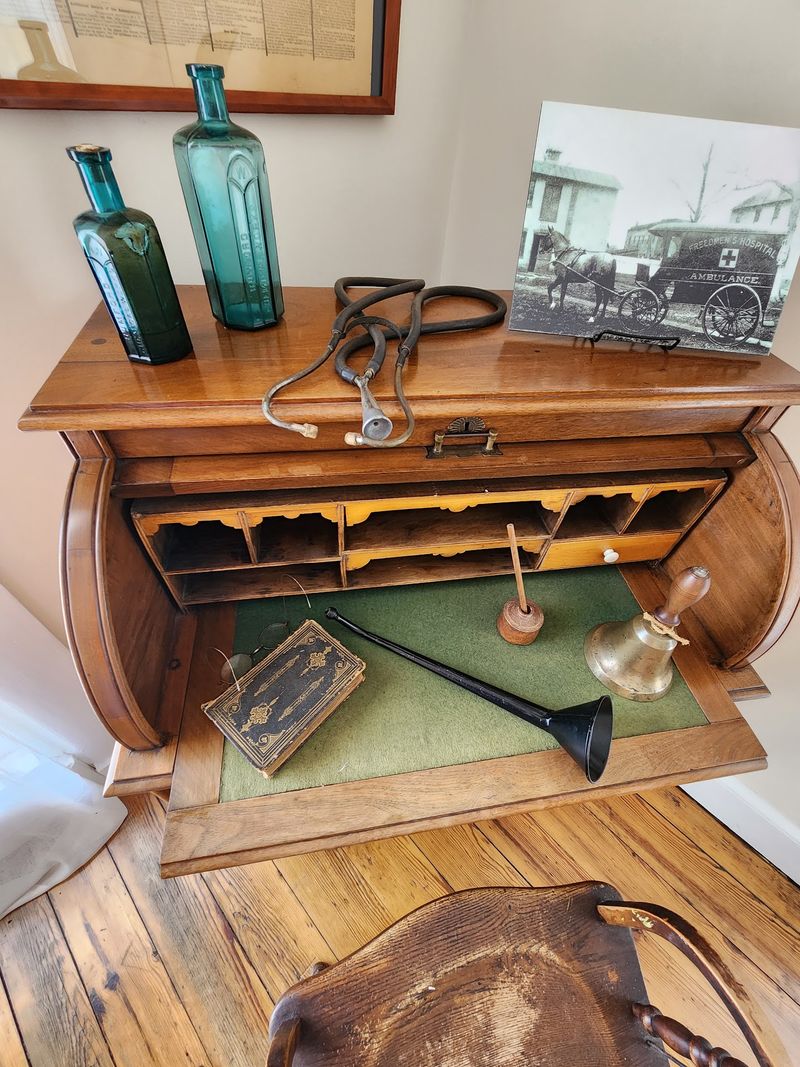
Bone saws, tiny knives, and rusty-looking probes sit behind glass like a horror movie prop table, except every piece is real.
Amputation was a common treatment for badly injured arms and legs. It sounds brutal, and it was, yet it often saved lives in an age before modern germ science.
Displays explain how surgeons worked fast, sometimes with chloroform to knock patients out. Plenty of myths about soldiers biting bullets get gently corrected along the way.
Medicine bottles and old pill containers add another layer. Some remedies helped, and some were basically hopeful guesses wrapped in fancy labels.
Kids who love gross facts will be thrilled. Grown-ups will likely walk away with a new respect for the doctors who did their best with what they had.
A smart tip is to pair these cases with the nearby text panels. Seeing a tool and then learning exactly how it was used turns a creepy object into a powerful history lesson.
Just maybe skip a big lunch right before this part.
Three Floors Packed With Stories
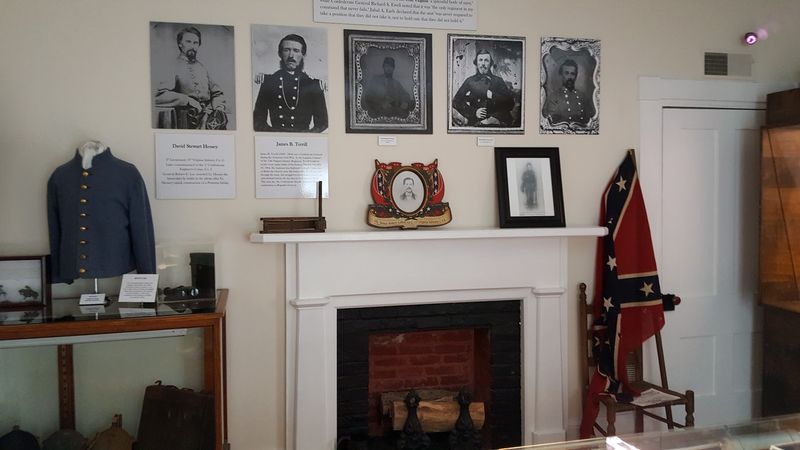
Think a small-town museum can be seen in twenty minutes? Think again.
The Exchange Hotel spreads its exhibits across three floors, and each level has its own personality.
Uniforms, weapons, letters, and everyday objects fill the rooms. Some items belonged to soldiers, while others show what life looked like for townspeople living through the war.
A gun case upstairs draws plenty of attention. Old rifles and pistols sit beside explanations of how they worked and how they changed fighting.
Personal belongings often pack the biggest punch. A worn pair of glasses or a handwritten note can feel more emotional than any cannon.
Tours here are largely self-guided, which means you can linger as long as you want. Speed readers might move quickly, but history lovers can easily spend a few hours soaking it all in.
Comfortable shoes are your best friend. The stairs are original in feel, and you will be going up and down more than once to catch everything.
Plan your visit with extra time built in. Rushing through these halls would be like skimming the last chapter of a thrilling book.
After the Cannons Went Quiet
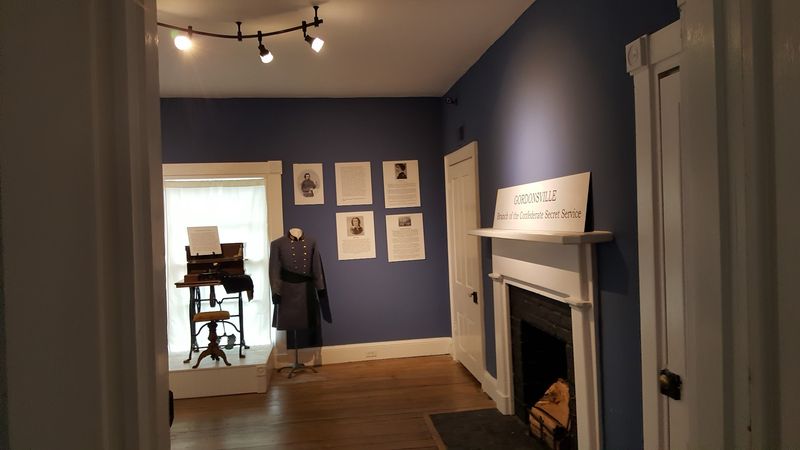
Peace did not mean the end of this building’s important work. Once the war wrapped up, the old hotel took on a new role tied to the Freedmen’s Bureau.
That federal agency helped formerly enslaved people as they started new lives. Medical care was part of the mission, and this site served as a hospital for freedmen during those uncertain years.
Here is a chapter many textbooks skip right over. Learning it adds depth and honesty to the full story of the South after the fighting stopped.
Exhibits connect the dots between war, freedom, and the struggles that followed. You get a fuller picture of Gordonsville as a living community, not just a dot on a battle map.
Eventually the building returned to hotel life for a while, welcoming rail passengers again. Later it slipped into quieter uses and slowly showed its age.
A local preservation group stepped in and saved it from crumbling. Without that effort, this whole treasure might have vanished.
Spend a few minutes in these rooms. They remind you that history keeps going long after the famous headlines fade.
Spooky Whispers in the Hallways
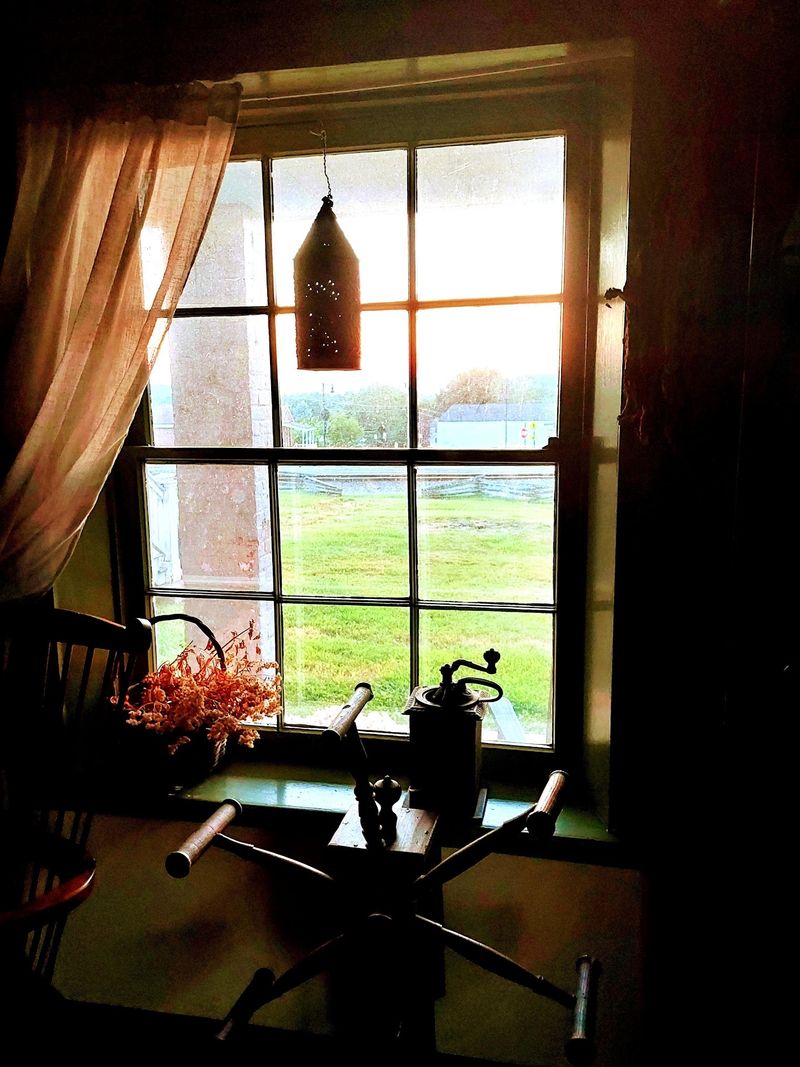
Cold spots on a hot day. Tapping sounds near a display case.
A figure in an old-fashioned nurse outfit glancing from an upstairs window.
Stories like these have turned the museum into a favorite for paranormal fans across Virginia. With so much pain packed into one building, it is no shock that ghost tales cling to the walls.
Staff are happy to share the spooky side without forcing it on anyone. Some folks roll their eyes, while others swear they felt someone standing right behind them.
The building has hosted investigators and appeared in paranormal media over the years. Its reputation as one of the more haunted spots in the region keeps growing.
Do you have to believe in ghosts to enjoy this? Absolutely not.
The real history is eerie enough on its own.
Still, keep your ears open as you climb the stairs. Old buildings creak, settle, and groan, and your imagination will happily fill in the rest.
Skeptics and believers can visit side by side and argue the whole drive home. That might be the most fun part of all.
After Dark Ghost Hunts and Paranormal Nights
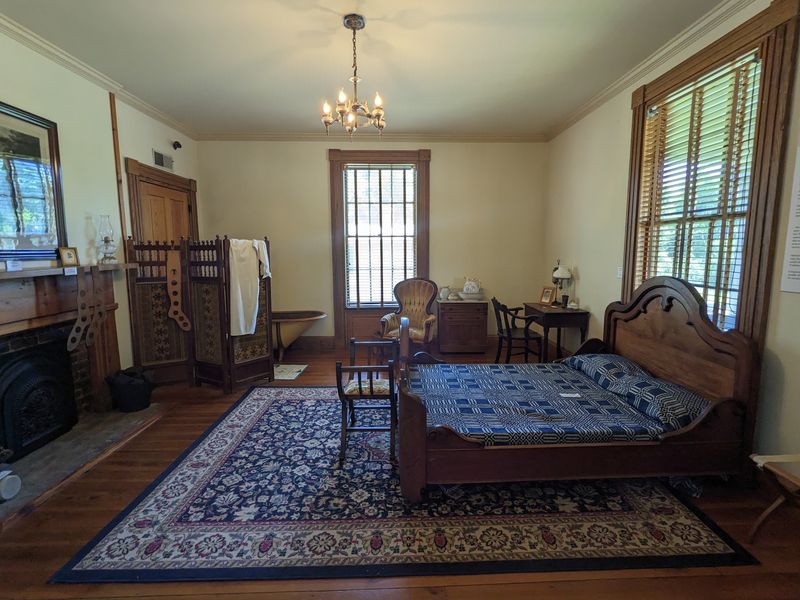
Daytime tours are great, yet something about flashlights and silence turns a museum into pure adventure. Special paranormal events let you explore the halls after hours.
These nighttime sessions usually start with history, which grounds the experience in real facts. Then the lights dim and the listening begins.
Investigation gear often comes into play. Think devices that claim to detect energy changes or capture strange voices.
Age limits typically apply to these evening events, so younger kids may need to sit this one out. Checking the official website before buying tickets saves heartbreak later.
Spots can fill up fast, especially around fall. October in central Virginia is prime time for anything spooky, and this place knows how to set a mood.
A light jacket is smart, since old buildings can feel chilly at night, ghosts or no ghosts. Bring a sense of humor too, because nervous giggles are almost guaranteed.
Whether you leave with goosebumps or just great stories, these evenings offer a completely different way to connect with the past. Few museums let you meet history in the dark like this.
Reenactors Who Bring the Past Back to Life
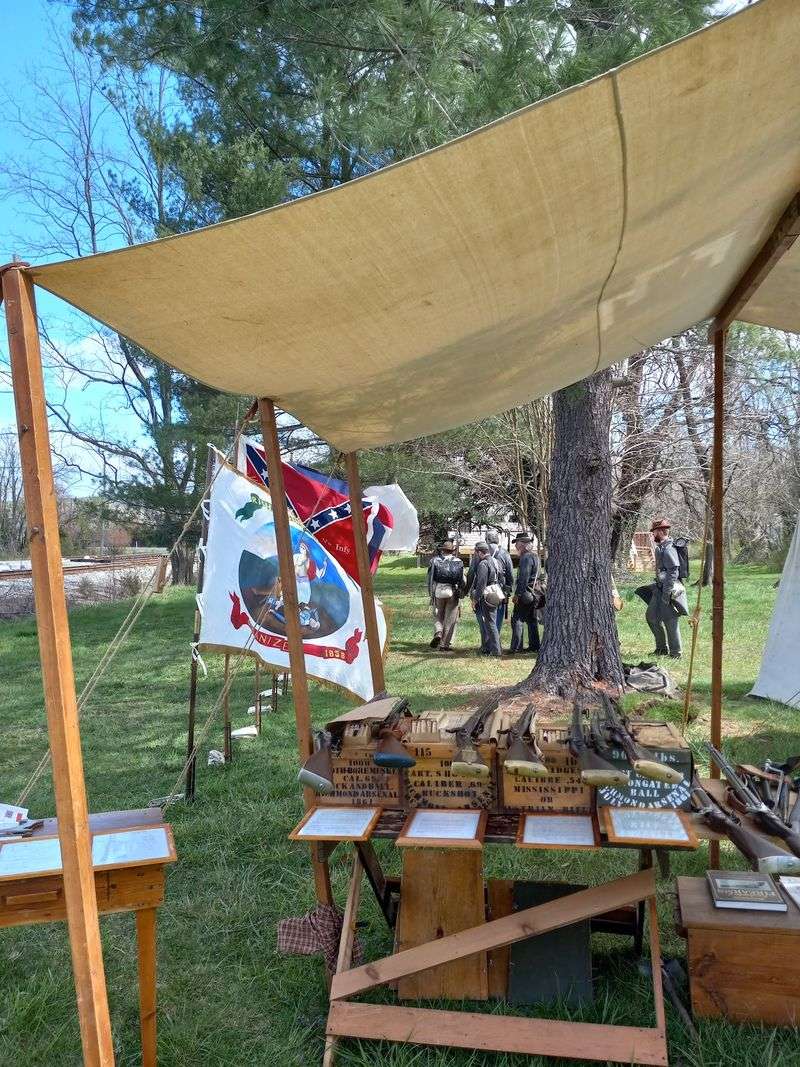
Nothing beats seeing history walk around in boots and hoop skirts. Living history events at the museum feature reenactors dressed as soldiers, surgeons, and civilians.
These folks take their craft seriously. Uniforms, tools, and even the way they talk are carefully researched to match the era.
Watching a mock surgery demonstration is both fascinating and a little unnerving. Questions are welcome, and the answers are usually packed with surprising details.
Families especially love these days. Kids who might yawn at a sign suddenly perk up when a soldier explains what was in his backpack.
Event schedules change throughout the year, so keep an eye on the museum calendar. Spring and fall tend to offer the most pleasant weather for outdoor demonstrations.
Bring sunscreen and a refillable water bottle if you plan to spend time on the grounds. Folding chairs can be handy for longer programs too.
Talking with reenactors adds a human touch that glass cases cannot match. You walk away feeling like you briefly stepped into another century, minus the scary medicine and itchy wool.
Friendly Faces, Fun Hunts and a Charming Gift Shop
Great museums often shine because of their people, and this one is no exception. The staff here are known for being welcoming, chatty, and seriously knowledgeable.
Got a question about a uniform button or a strange medical tool? Odds are someone at the front desk can tell you the story behind it.
Families get a nice bonus. A scavenger hunt for kids turns the exhibits into a game, keeping young eyes busy and curious.
Before leaving, swing through the gift shop. Shelves hold history books, Civil War themed souvenirs, and fun keepsakes that are far better than a random fridge magnet.
Proceeds help support a nonprofit museum that relies on community love to keep its doors open. Every purchase or donation helps preserve this building for the next generation.
Personal photography has been allowed in recent times, but policies can shift. A quick check at the desk is the polite move.
Leave a little time for chatting with the team. Some of the best facts are not on any sign, and those conversations can be the highlight of the afternoon.
Plan Your Trip to Gordonsville
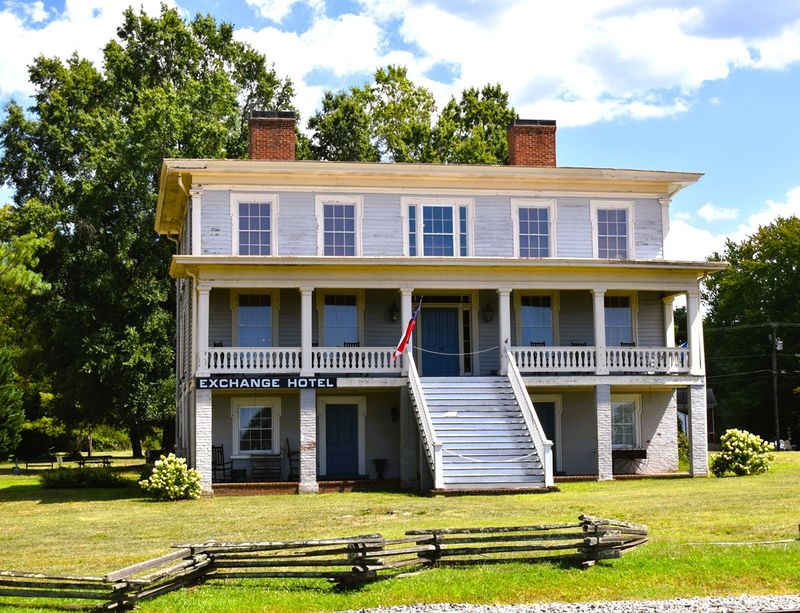
Mapping it out is easy. You will find The Exchange Hotel Civil War Medical Museum at 400 S Main St, Gordonsville, VA 22942, right on the edge of a cute historic downtown.
Gordonsville sits in the rolling Piedmont of central Virginia, a short drive from Charlottesville. That makes it a perfect half-day adventure or a stop on a bigger road trip.
Nearby, James Madison’s Montpelier sits just up the road in Orange County. Pairing the two makes for a history-packed day that feels anything but boring.
Downtown Gordonsville has antique shops and local eateries worth a stroll. Fall leaves and crisp air make autumn especially pretty, while spring brings soft green hills.
Hours vary by season, and the museum is not open every day. A quick peek at the official website before you go keeps surprises to a minimum.
Allow a few hours inside, since there is so much more to see than you expect. Honestly, I would rather overplan than miss a single room.
So grab your keys, your curiosity, and maybe a brave friend. The ghosts, and the history, are waiting.
