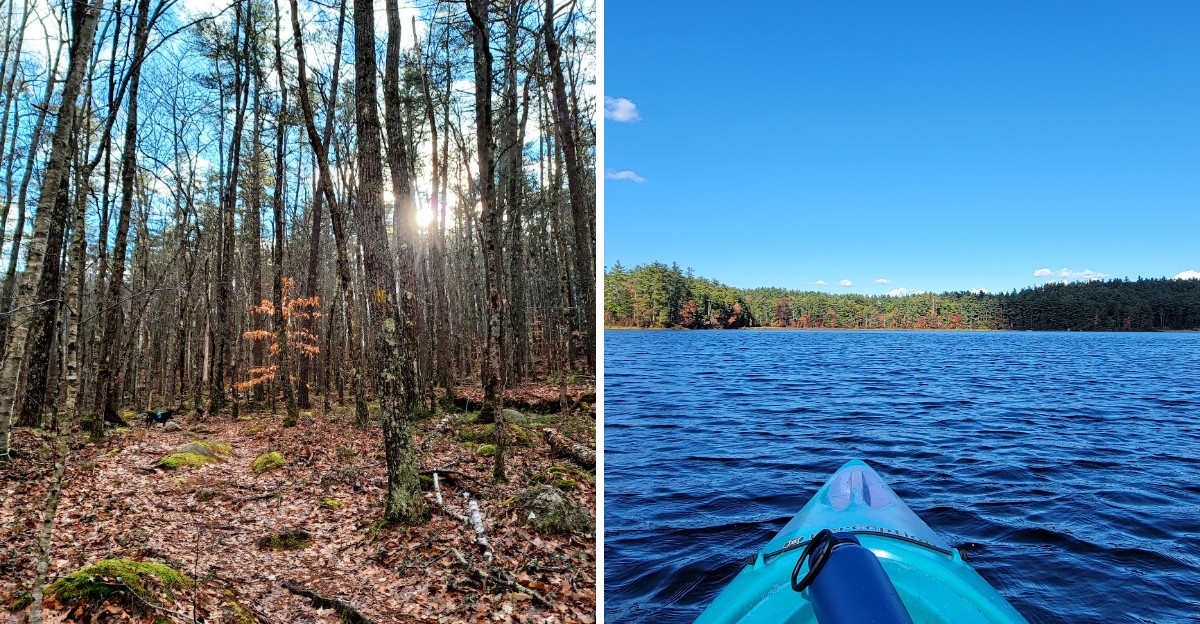
New Hampshire’s only venomous snake has been linked to one forest park more than almost anywhere else in the state. That rattler is endangered, protected by law, and very rarely seen.
It doesn’t live alone, either. Water snakes bask on logs near the ponds.
Black racers zip across sunny trail edges, and tiny ring-necked snakes hide under damp rocks.
I like how this place mixes ordinary weekend fun with a quiet wild side. Families swim, paddle, bike, and camp here, often without noticing the scaly neighbors nearby.
I believe a little knowledge makes any hike better. Knowing who lives along the trail turns a simple walk into a real nature lesson.
So which snakes share these woods, and how do you give them the space they deserve?
Over 10,000 Acres Means Plenty Of Room For Slithery Neighbors
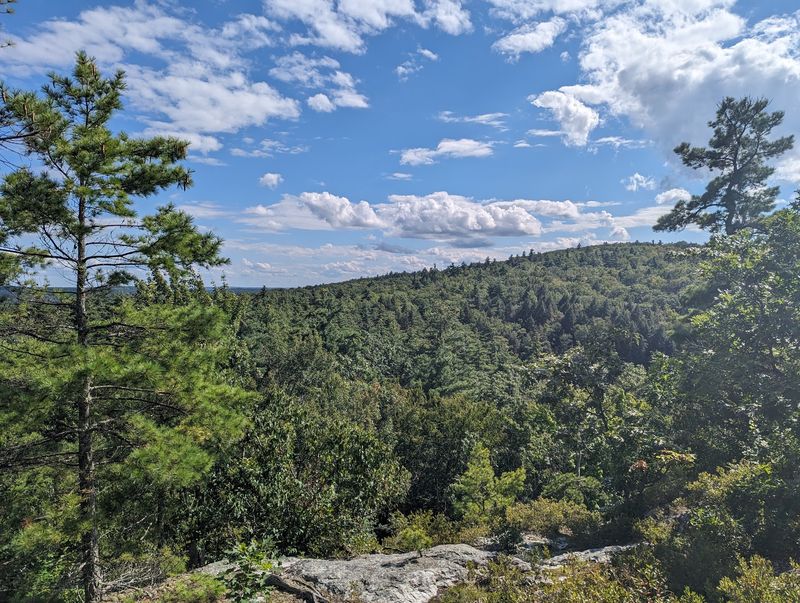
Size matters when it comes to snakes, and Bear Brook State Park has plenty of it. The park stretches across more than 10,000 acres, making it the largest developed state park in New Hampshire.
Most of it sits in Allenstown, but the land spills into Deerfield, Hooksett, and Candia too. That’s a lot of ground for a creature that prefers to stay out of sight.
Variety is the real secret here. Dense forests, wetlands, marshes, open grasslands, ponds, and rolling hills all share the same map.
Each habitat suits a different kind of snake. Some love water, while others favor sunny brush or shady, damp woods.
New Hampshire has 11 native snake species in total. Several of them find a comfortable home inside this park because the landscape offers so many choices.
Think of it like a giant apartment building with different floors. The water snake gets the pond view, and the racer takes the sunny edge.
The good news is that most of these snakes want nothing to do with you. They’re shy, quick to hide, and busy hunting their own meals.
A little awareness keeps everyone happy. Watch your footing, stay on trails, and you’ll share the space just fine.
That Splash By The Shoreline Might Be A Northern Water Snake
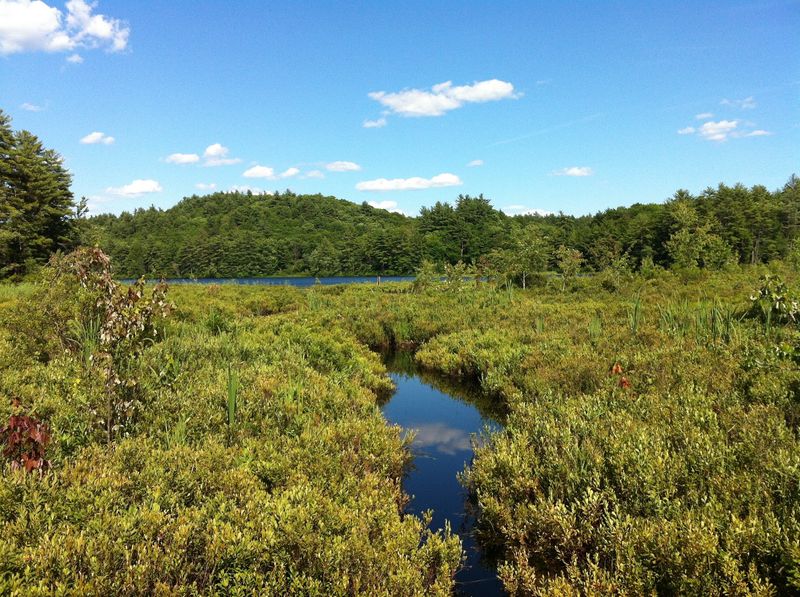
Heavy-bodied and patterned in brown, gray, and reddish bands, the northern water snake loves the park’s wetter corners. Look near beaver ponds, wetland edges, and slow-moving streams.
On warm days, these snakes often bask on rocks or logs near the water. One quick movement from you, and they usually slip right in and vanish.
Adults typically measure 24 to 42 inches long. Their bellies show red half-moon shapes, which is a fun detail if you ever get a respectful look.
Fish and amphibians make up most of their menu. They hunt along the water’s edge and in shallow spots, which explains why ponds attract them.
Non-venomous does not mean cuddly, though. If someone grabs one, it may strike and release a foul-smelling musk.
Their saliva also carries a mild anticoagulant, so a bite can bleed more than you’d expect. The simple fix is to never pick one up.
Many people mistake water snakes for something more dangerous because of their size and attitude. Give them space, and they’ll happily give you the same courtesy.
Bring binoculars instead of curiosity-driven fingers. You’ll get a better look, and the snake keeps its afternoon nap.
Blink And You Might Miss The Speedy Black Racer
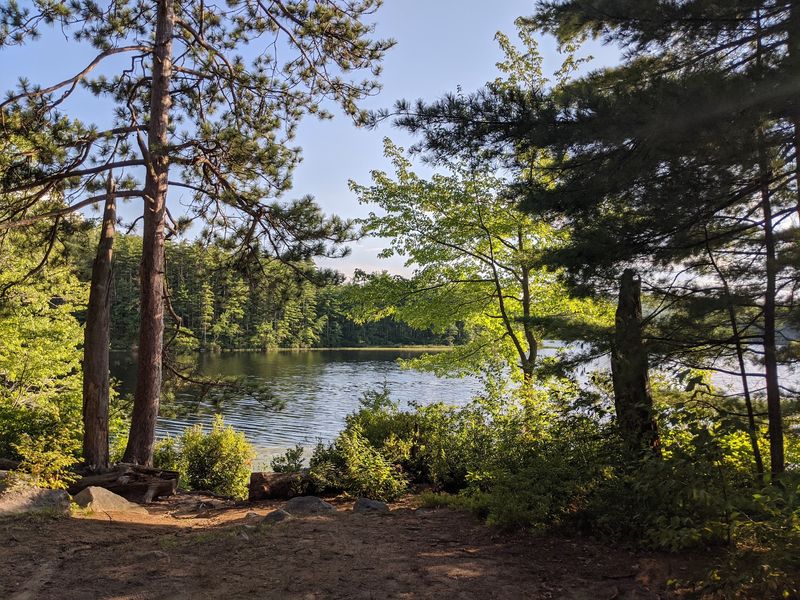
Fast is the whole personality of the northern black racer. This sleek, dark snake can reach four to five feet long, yet it often disappears in seconds.
Inside the park, racers show up along sunny logging roads and brushy field margins. They like heavy brush, thick grasslands, and forest edges where warmth meets cover.
Southern New Hampshire is their main territory in the state. That puts this park right in their neighborhood.
Small mammals and other reptiles make up their diet. Speed helps them chase down meals instead of waiting around for one.
Racers are non-venomous, which is a relief given how startling they can be. A long black snake zipping across a trail will make anyone jump.
Mountain bikers and hikers using the park’s open stretches should stay alert. Sunny trail edges are exactly where a racer might be warming up.
If one crosses your path, stop and let it pass. Chasing or cornering it only creates stress for both of you.
Honestly, a racer sighting is a pretty cool story. Few animals in these woods move with that kind of style.
Flip A Rock Gently And Meet The Tiny Ring-Necked Snake
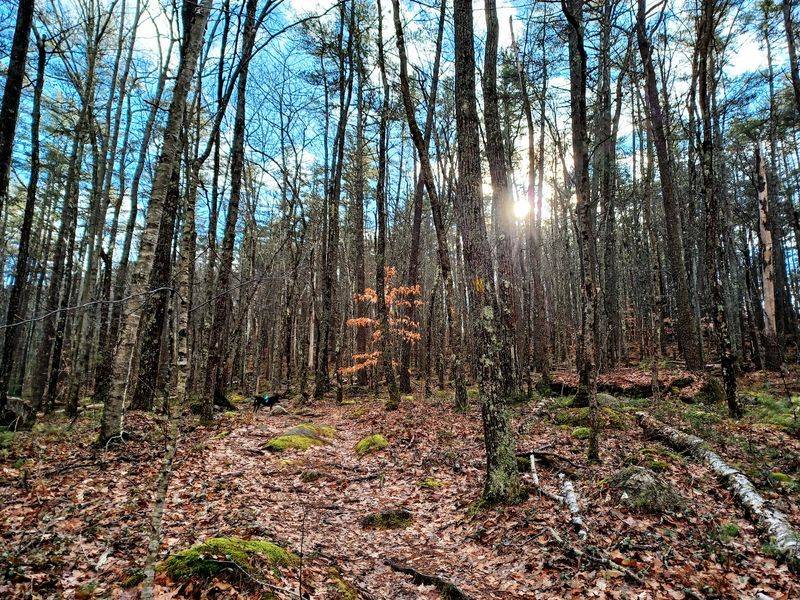
Tiny and shy, the ring-necked snake is the park’s cutest scaly resident. Most grow only 10 to 15 inches long.
Their bodies are bluish-black with a golden or yellow ring around the neck. The belly is yellow too, like a little secret color reveal.
You’ll rarely see them out in the open. They’re nocturnal and spend daylight hours tucked beneath moist logs and rock slabs in upland forests.
Moist, shady woodlands suit them best. That makes the park’s thick forest a comfortable fit.
Salamanders and earthworms are their favorite meals. They’re also known to live in colonies, so where you find one, others may be close.
Kids exploring the woods might find one by accident. Teach them to look, not grab, and to put any lifted log back exactly as it was.
Those logs are homes for more than snakes. Rolling them back carefully protects salamanders, insects, and everything else hiding underneath.
I love that such a small creature can feel like a real discovery. Spotting that bright ring is a moment worth a quiet whisper.
The Rare Rattler That Makes This Park Famous Among Snake Fans
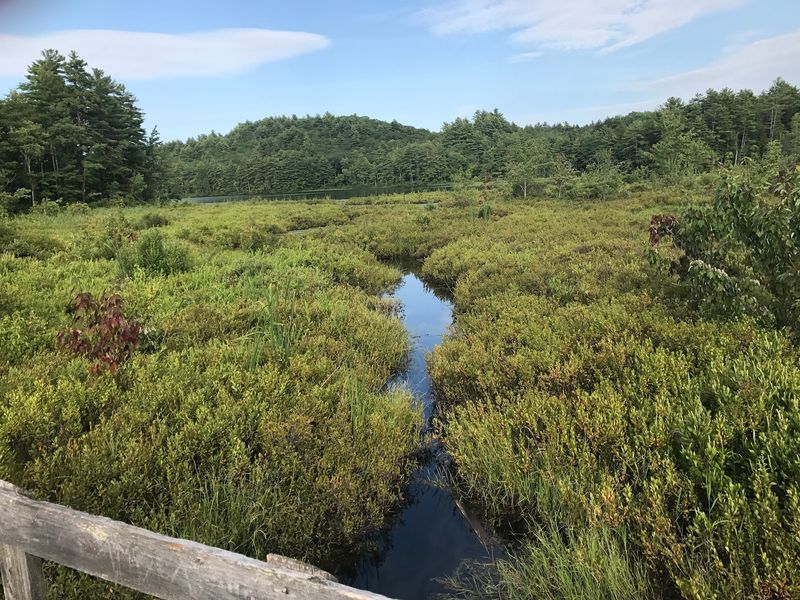
Here’s the headline snake. The timber rattlesnake is the only venomous snake in New Hampshire, and Bear Brook State Park has been named a place where you’re most likely to encounter one.
Some sources even say the park holds the largest number of them in the state. Its huge size, marshes, and ponds create the kind of habitat these snakes need.
Before you panic, consider the odds. Timber rattlesnakes are endangered in New Hampshire and occupy only a small part of their old range.
Encounters are rare. Most visitors will never see one at all.
Conservation officials keep known den sites protected and undisclosed. That secrecy keeps the snakes safe from people who might disturb them.
The species is also considered a concern across the northeastern United States. Every single rattler matters for the population’s future.
If you ever do hear that famous buzz, back away slowly. Stay calm and give the snake plenty of room.
Then make a mental note of where you were. Sightings should be reported to New Hampshire Fish and Game, which helps biologists track these remarkable animals.
Protected By Law, So Hands Off Means Hands Off
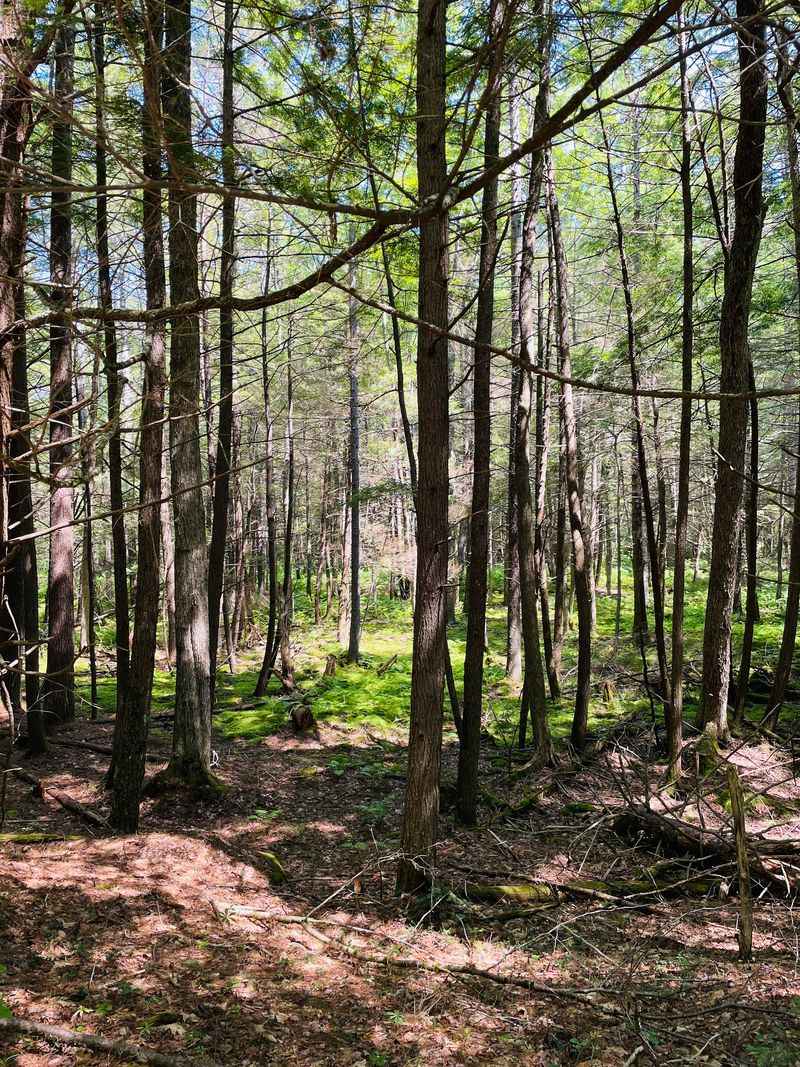
Laws back up good manners in this park. It’s illegal to disturb, take, or harm a timber rattlesnake because of its endangered status.
That rule covers curious poking, moving, and photographing up close by crowding the animal. Distance is the respectful choice and the legal one.
New Hampshire Fish and Game actively manages and cares for rattlesnake dens. Their work helps a struggling population hang on.
Every report from the public adds useful information. A quick note about a sighting can support real conservation work.
Other snakes deserve similar respect, even without endangered status. Water snakes, racers, and ring-necked snakes all play roles in keeping the ecosystem balanced.
They eat rodents, amphibians, and other small animals. Remove them, and the whole food web gets wobbly.
So what’s the best move when you spot any snake? Stop, enjoy the view from a safe distance, and let it go about its business.
Leashing dogs helps too, since a curious pup can get into trouble fast. Keeping pets close protects them and the wildlife they might sniff out.
A park this wild works best when people act like guests. The snakes were here first, after all.
Forty Miles Of Trails Where Your Eyes Should Stay On The Ground
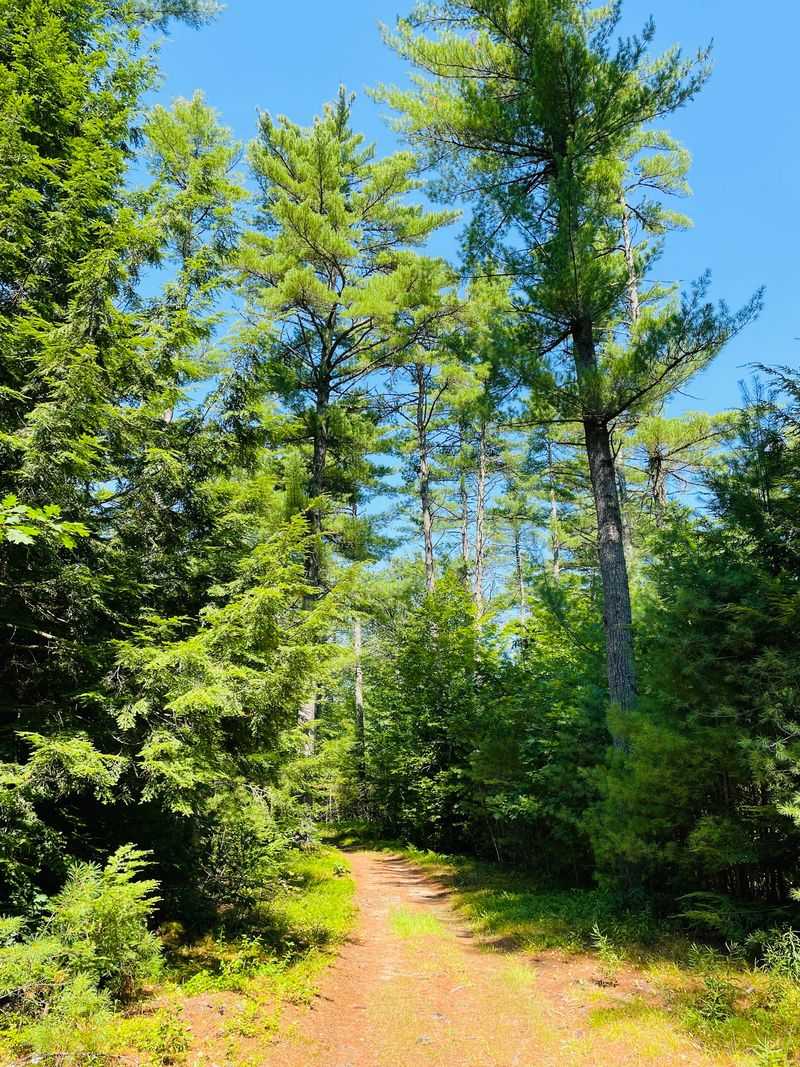
More than 40 miles of hiking and biking trails wind through this park. That’s a lot of chances to share the path with something scaly.
Mountain biking is a big draw here, and the trail network keeps riders busy. Hikers also have plenty of room to roam.
Sunny trail edges and brushy margins are prime spots for basking snakes. Watch the ground ahead, especially on warm mornings.
Sticking to marked trails is your best defense. Bushwhacking through tall grass makes surprise meetings far more likely.
Sturdy shoes beat sandals on these routes. Long pants add another easy layer of protection.
Pay attention when stepping over logs or reaching onto rocks. Snakes love those hiding spots, and a quick glance first saves a big jump later.
Bikers should keep speeds reasonable on sunny stretches. A racer crossing the trail moves fast, but so do you.
The trails here also lead to ponds, forests, and quiet corners worth discovering. With a little attention, you’ll enjoy all of it without a single scare.
Honestly, watching where you step is just good hiking advice anywhere. Here, it simply comes with better stories.
Pond Days Come With Kayaks, Fishing, And A Few Wild Neighbors
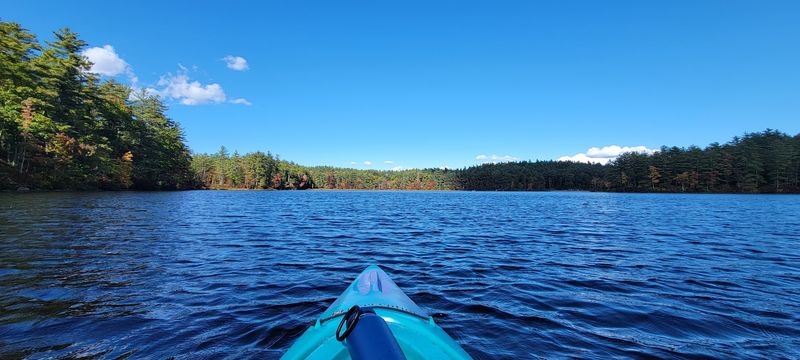
Beaver, Catamount, Archery, and Spruce Pond give this park its watery charm. They offer swimming, fishing, and boating opportunities across the property.
Archery Pond is set aside for fly fishing. That makes it a peaceful spot for anglers who like their casting quiet.
Water attracts wildlife, and snakes are no exception. Northern water snakes favor pond edges and wetlands, hunting fish and amphibians in the shallows.
Seeing one swim past your kayak can be startling. Remember that it’s simply heading somewhere and has zero interest in your boat.
Paddlers get a great view of shoreline logs where snakes like to bask. Keep a respectful distance and enjoy the sighting from the water.
Anglers should watch their footing on rocky banks. Those sun-warmed stones are favorite resting spots.
Families heading to the beach area can relax and swim. Just teach kids to leave any snake they spot completely alone.
The ponds are some of the prettiest places in New Hampshire’s largest developed state park. A wild neighbor or two only makes the scene feel more alive.
History, Camping, And Year-Round Access Round Out The Adventure
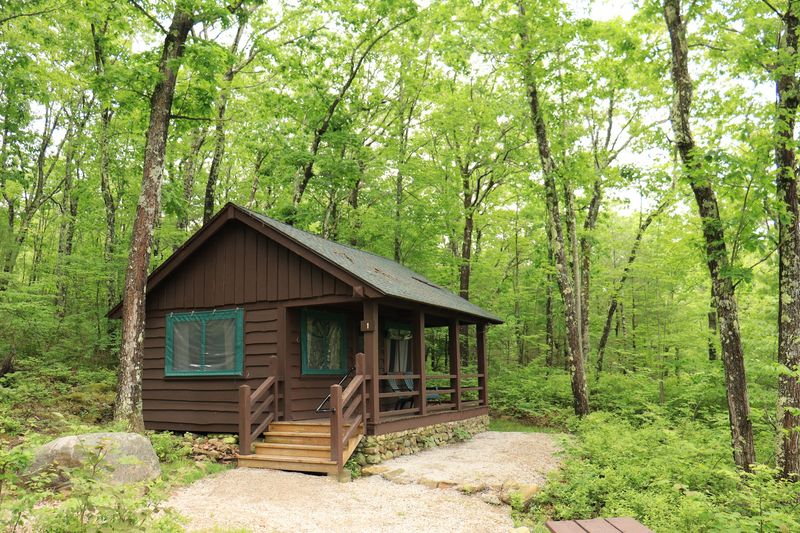
Snakes aren’t the only story at Bear Brook State Park. The land was acquired by the federal government in 1935 and developed by the Civilian Conservation Corps.
The park opened to the public in 1943. Many CCC-built structures now belong to a National Historic District.
History fans can visit the Richard Diehl CCC Museum and the New Hampshire Snowmobile Museum. The Old Allenstown Meeting House adds another glimpse into the past.
Campgrounds and cabins let visitors stay overnight. Archery ranges add a fun skill-building activity during the day.
The park welcomes visitors year-round. Day-use areas keep set hours, and facilities go unstaffed during the off-season.
Snakes are most active in warmer months, so winter visits come with fewer surprises. Snowy trails offer a totally different kind of adventure.
You’ll find the main entrance at 157 Deerfield Rd., Allenstown, NH 03275. It’s an easy trip for anyone exploring southern New Hampshire.
Pack good shoes, curious eyes, and a respectful attitude. Between the history, ponds, and slithery locals, this massive park rewards anyone willing to look closely.
