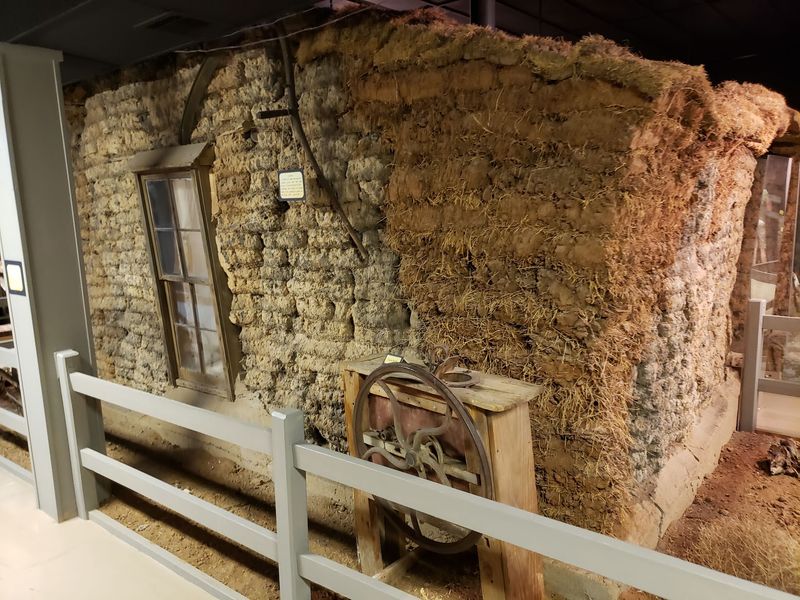
I pulled off a quiet two-lane road in Oklahoma expecting a five-minute leg stretch and maybe a cold drink from the car cooler. Instead, I found myself standing inside a house built from the prairie itself, breathing in the smell of old earth and imagining a family eating supper by lamplight.
A tiny building out in farm country turned into one of the most surprising hours of my whole road trip. If you have ever wondered how pioneers really lived, this stop answers that question with your own two feet.
A Prairie Home Saved Under One Roof
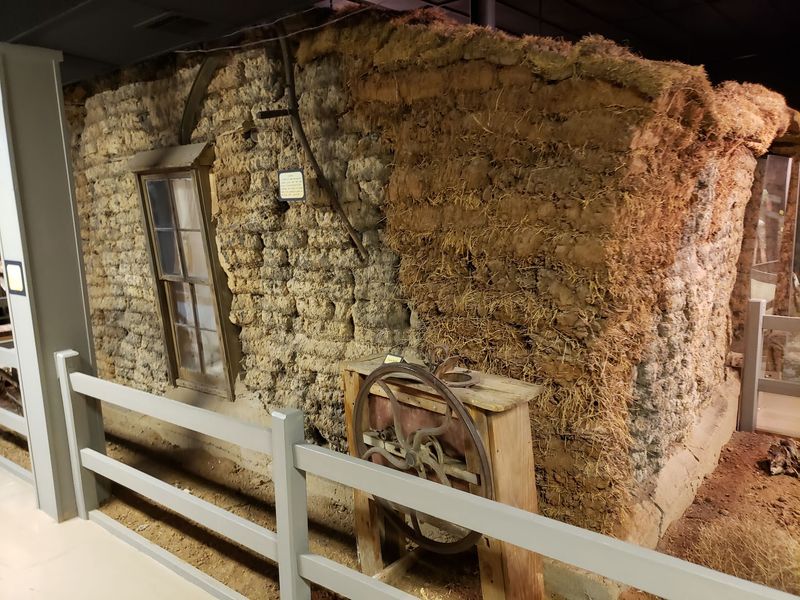
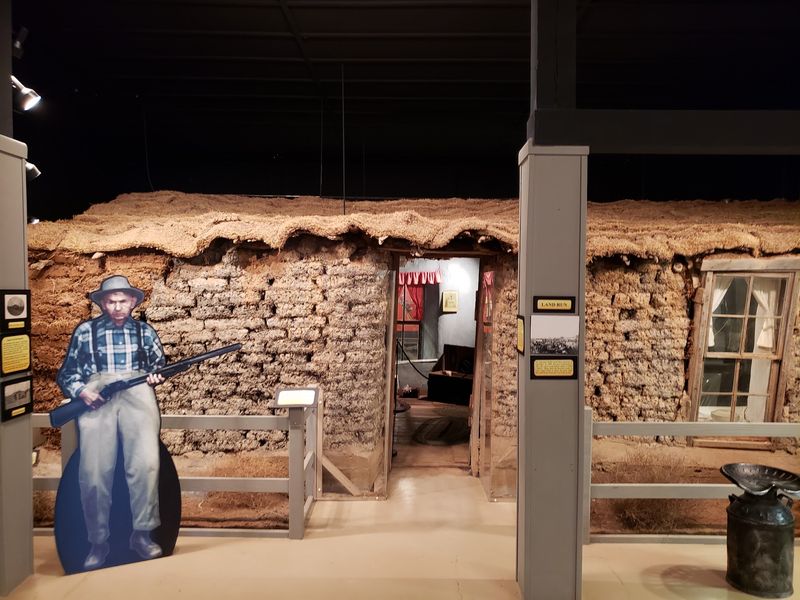
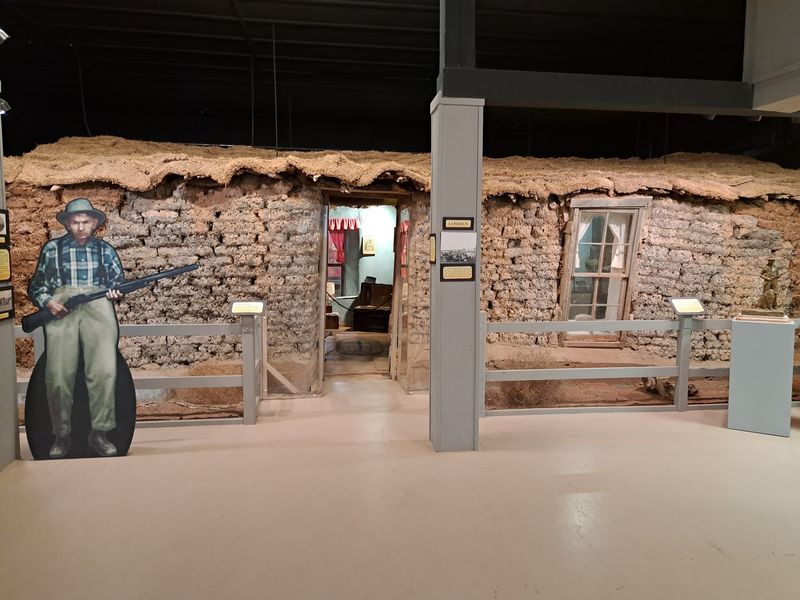
Picture a house made of dirt bricks that has outlasted more than a century of Oklahoma wind, hail, and summer heat. That is the heart of the Sod House Museum, a small state-run historic site that protects what visitors call the last remaining sod home in Oklahoma.
The original house now sits inside a larger building, sheltered from the weather that would have worn it down long ago. You walk in, and suddenly the walls around you are thick slabs of prairie earth cut by hand.
It feels less like a museum exhibit and more like stepping into someone’s front room.
The site is operated through the Oklahoma Historical Society, which keeps things simple and preserved rather than flashy. There are no big screens or loud gift shop displays fighting for your attention.
Instead, you get a real structure, original artifacts, and a staff that clearly loves telling the story.
For a road-tripper wanting proof that Oklahoma holds places worth the drive, this is a strong case. It is modest, honest, and rooted in the land, which is exactly why it sticks with people long after they leave.
Many visitors say it was the best surprise of their trip.
The Truth Behind the Treadle Headline
Let’s be upfront about something. Tales of pedaling antique sewing machines tend to belong to other Oklahoma collections, and nothing in the information available for this site promises a treadle you can sit down and use.
So what do visitors actually do here? They walk through a genuine sod house, peer at tools pioneers relied on daily, and climb down into a root cellar built by hand.
That hands-on, feet-on experience is the real draw, and honestly it beats a gimmick.
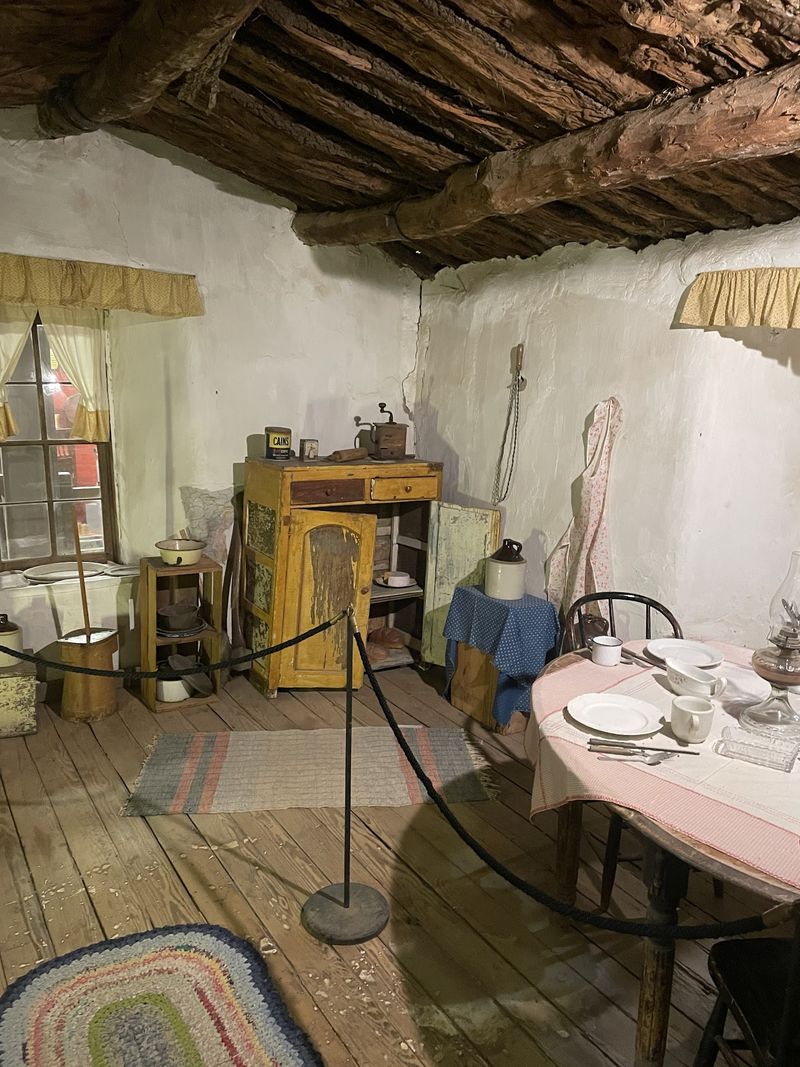
Guests often mention the huge range of period items on display. Several say they spotted household objects that their grandmothers once owned and used regularly, which sparks a surprising wave of family memories.
Kitchen goods, farm implements, and everyday helpers fill the exhibits.
That connection is what makes the stop powerful for adults, not just kids on a field trip. You start wondering how your own great-grandparents managed laundry, mending, cooking, and planting without electricity.
The answers sit right in front of you, arranged with care.
If you came hoping for a stitching lesson, check ahead with the staff about any special programs. Otherwise, come ready to explore something even rarer: a pioneer home that was never supposed to last this long.
Land Run Roots and a Homesteader’s Gamble
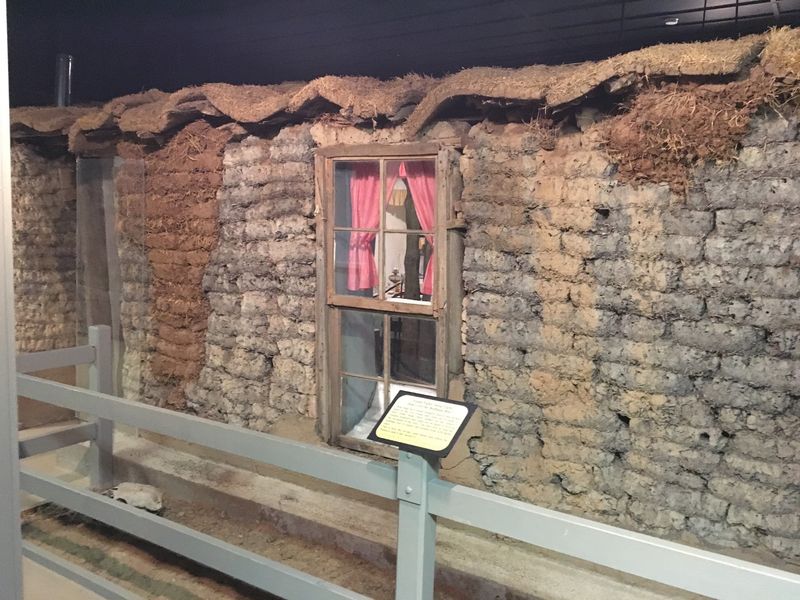
Back in the 1890s, the Cherokee Outlet land run opened northwest Oklahoma to waves of hopeful settlers. Trees were scarce out here, so families turned to the only building material lying at their feet: thick, root-bound prairie sod.
The house preserved at this site came out of that era. Visitors describe the collection as packed with memorabilia from the Land Run period, giving useful context for why anyone would build a home from dirt in the first place.
It was practical, cheap, and surprisingly snug.
One guest shared that their tour guide had family ties to the man who built the original sod house. Moments like that turn a history lesson into a living story.
Suddenly the builder is not a name on a sign but someone’s relative with real choices and struggles.
Another visitor noted that a home like this should not have survived more than five years. Sod walls typically crumble with rain and time, which makes this structure’s endurance feel almost stubborn.
It is a quiet tribute to the grit of the families who settled the region.
Standing inside, you realize the term pioneer spirit was not just a slogan. It was dirt, sweat, and a lot of hope.
Walls Made of Prairie Earth
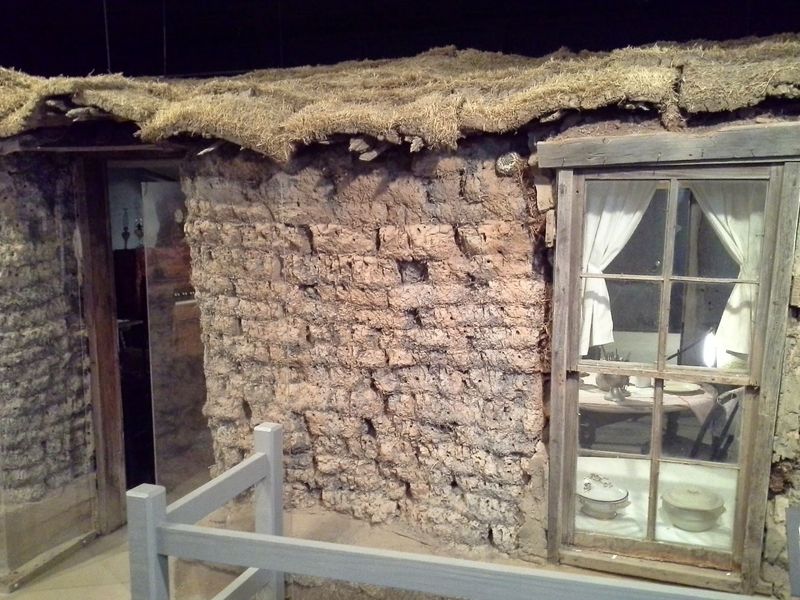
Run your eyes along those walls and you will notice layers, stacked like giant brownies cut from the field. Each block was sliced from the ground, flipped, and piled up to form a sturdy shelter against prairie storms.
Staff members typically walk guests through how the house was built and how it changed over time. Visitors often praise these explanations, especially the story of the home’s progression from rough beginnings to a lived-in family space.
The details make the building feel personal.
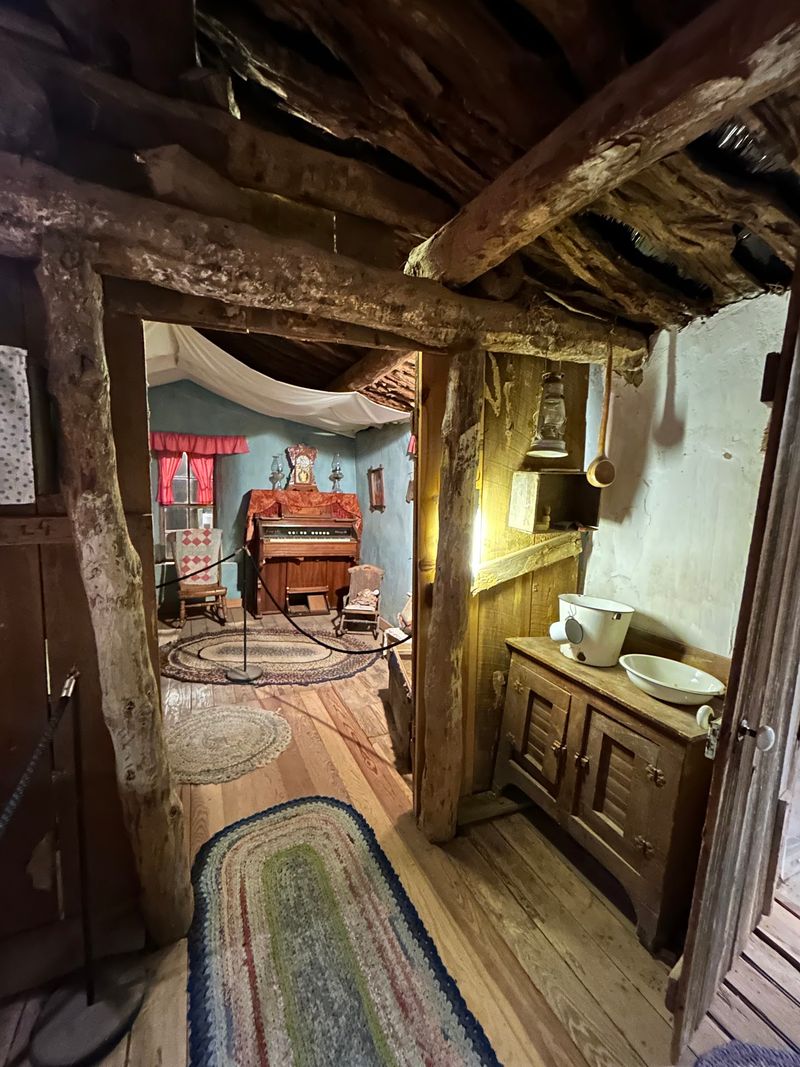
Inside, the rooms are small and simple. You can easily imagine a family crowded around a table, quilts piled on beds, and a stove working hard on a cold January night.
Sod insulated surprisingly well, staying cooler in summer and warmer in winter than you might expect.
Of course, there were trade-offs. Dirt walls meant dust, bugs, and the occasional unwelcome critter wandering in.
Pioneers often tacked cloth or newspaper to ceilings to catch falling bits of earth.
Seeing the real thing beats any textbook drawing. Guests repeatedly say the preservation is excellent, and you can tell real care goes into keeping a fragile, century-old structure standing for the next generation of curious travelers.
Down the Steps Into the Root Cellar
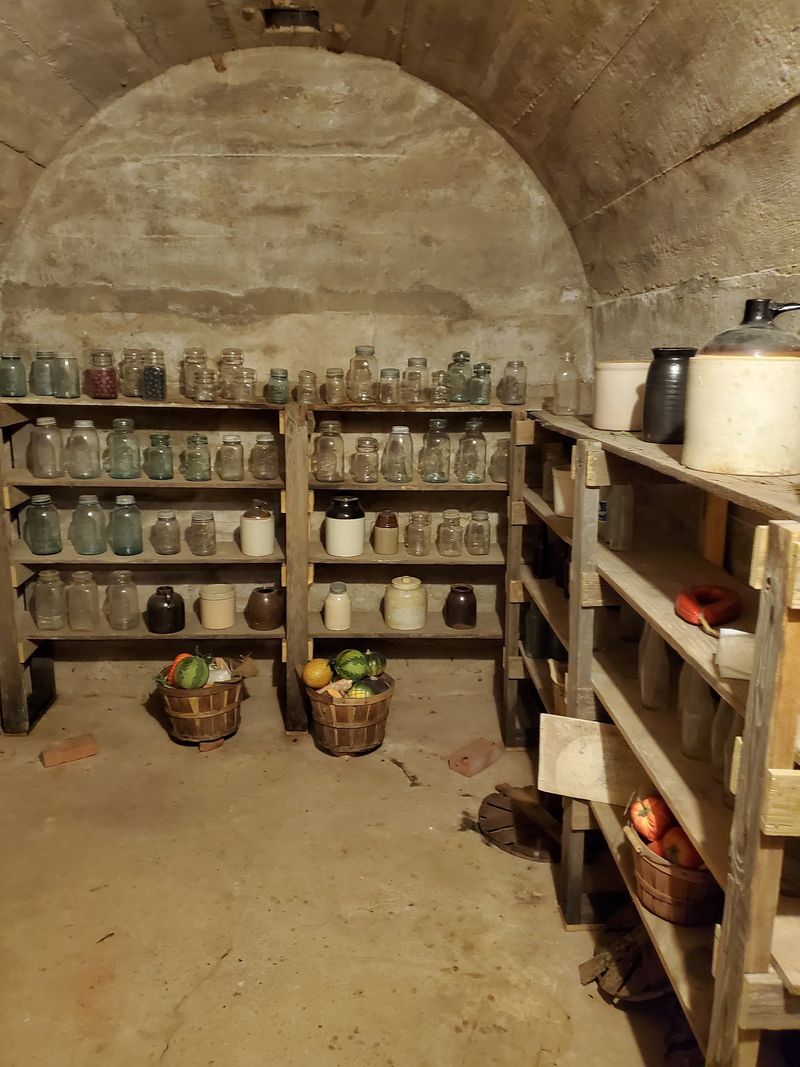
Cool air greets you before your eyes adjust. Heading down into the root cellar is a favorite moment for many guests, and plenty of them mention the temperature drop as the most noticeable surprise of the visit.
Root cellars were the pioneer version of a refrigerator. Families stored potatoes, carrots, canned goods, and other food underground where steady, cool conditions kept things fresh much longer.
On scorching Oklahoma summer days, stepping down here must have felt like pure relief.
These spaces also served another purpose on the plains. When storms rolled across the prairie, a cellar offered shelter from the wind.
Anyone who has lived through an Oklahoma spring understands why that mattered so much.
Being able to walk down yourself turns the visit into something physical. You feel the earth close in, notice the quiet, and get a sense of how people prepared for tomorrow without any modern conveniences.
Kids tend to love this part, but adults are often just as fascinated.
Watch your step on the way down, since old stairs are rarely as roomy as modern ones. Take a minute at the bottom to simply stand still and soak in the hush.
Farm Tools That Did the Heavy Lifting
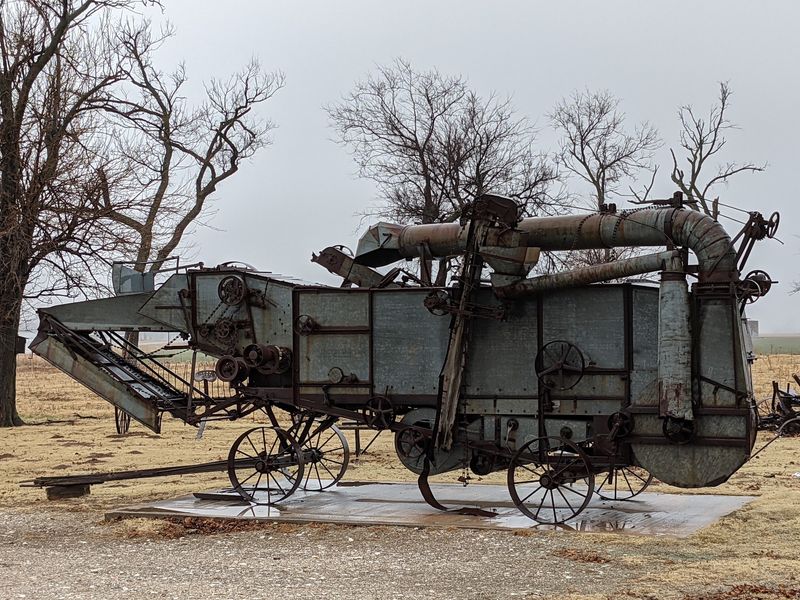
Ever tried to plant a field without a tractor? The old farm equipment on display here shows just how much muscle went into feeding a family on the prairie.
Visitors frequently point to the collection of farmers’ tools and period implements as a highlight. You will see the kind of gear homesteaders depended on to break tough sod, harvest crops, and keep a working farm running.
Each piece hints at long days and sore backs.
One guest summed it up perfectly by saying life back then was work, in capital letters. Looking at these tools, it is hard to argue.
Everything from hauling water to grinding grain required time, strength, and clever problem-solving.
For adults who grew up around farms, this section can feel like a reunion with grandpa’s barn. For city folks, it is an eye-opener about where food once came from and how much effort it took.
Either way, it makes a strong conversation starter on the drive home.
Take your time reading the displays. The staff can usually explain how unusual items worked, and their answers often include fun stories you would never find on a placard alone.
Guides Who Bring the Stories to Life
Knowledgeable staff comes up again and again when visitors talk about this place, more than any other single topic. That says a lot about the people who greet you at the door.
Guests describe friendly welcomes, personal tours, and even a VIP feel during quiet visits. Some were shown around by the director, while others met a curator who clearly pours heart and energy into the museum.
The docents are often called a wealth of knowledge.
Small museums live or die by their storytellers, and this one shines. Instead of rushing you along, the staff typically shares how the house was built, who lived there, and what daily life required.
Questions are welcome, and answers often come with a personal touch.
One reviewer mentioned signing the visitor log and simply saying hello, which captures the relaxed, neighborly mood. You are not a ticket number here.
You are a guest in a place someone deeply cares about.
Plan to chat for a bit rather than wandering silently. The conversations often turn out to be the most memorable part of the stop, and they add layers of meaning to every artifact and corner of the old soddy.
Where It Sits on the Map
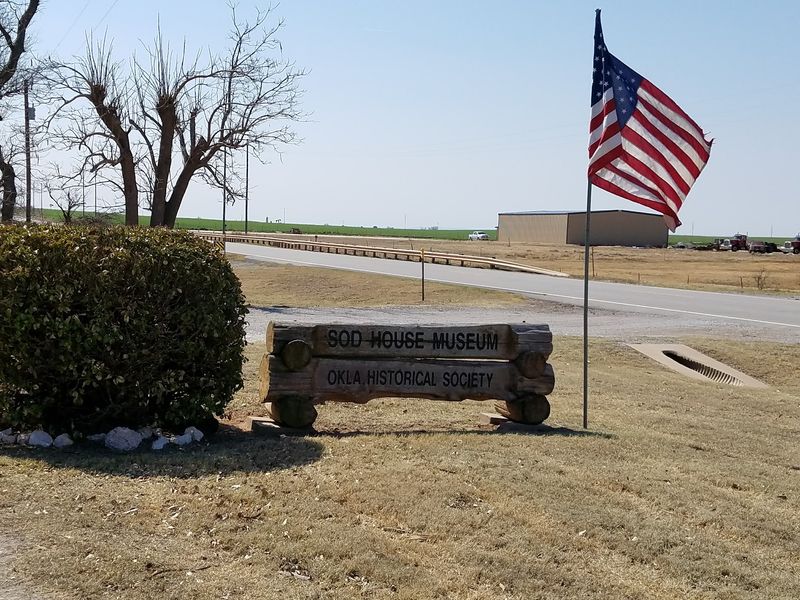
Now for the reveal. The museum sits at 4628 OK-8 near Aline, out in the wide-open farm country of northwest Oklahoma in Alfalfa County.
It is the kind of place many people discover by accident. Several guests admit they had never heard of it and simply pulled over after spotting it from the highway.
Others came back years later to share it with their own kids after visiting as children.
The location pairs nicely with other regional adventures. Visitors mention stopping on the way to dig for crystals at the nearby salt plains area and swinging by Gloss Mountain.
Building a loop around these spots makes for a full, budget-friendly day trip.
From Oklahoma City or Tulsa, expect a longer drive than a quick afternoon jaunt, so treat it as part of a bigger outing. The open roads offer big skies and plenty of quiet scenery along the way.
Parking is typically straightforward at a rural site like this.
Watch the weather before heading out, especially in spring storm season. Oklahoma wind can be fierce on the plains, and summer heat makes that cool root cellar feel even more welcome.
An Hour Well Spent for Curious Adults
Good news for anyone with a packed travel schedule: most guests say an hour is plenty. Visitors describe it as a quick tour that can be fully explored without feeling rushed, yet packed with surprising detail.
Short does not mean shallow. People often leave thinking about how easy modern life feels by comparison.
One guest reflected on what pioneers ate, how they planned ahead, and how they kept learning new skills just to make tomorrow a little better.
For parents, this stop offers something for you, not just the kids. History buffs, genealogy fans, and anyone with family roots on the plains will find plenty to chew on.
A few visitors shared that their own great-great-grandparents lived in sod houses, which made the experience deeply personal.
The exhibits are intimate rather than overwhelming. You can actually read the displays, ask questions, and still have energy for the drive.
That makes it an easy add-on to a road trip rather than an all-day commitment.
Bring a little curiosity and a willingness to slow down. The payoff is a richer sense of the state’s story and maybe a few new questions for your relatives.
Young Explorers and Prairie Lessons
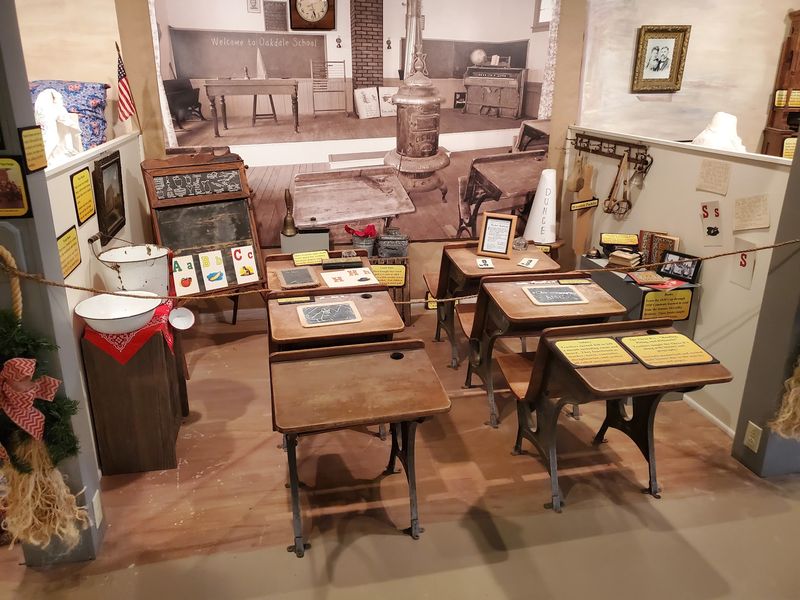
Kids raised on tablets and air conditioning may find this place a real jaw-dropper. One visitor joked that children will quickly appreciate that sleeping on a floor pallet and emptying bedpans each morning was a much harder life.
The compact size works in favor of younger visitors. Attention spans rarely get stretched thin, and the root cellar adds a fun, slightly adventurous moment.
Touring a home made of dirt sparks plenty of questions all by itself.
Families often return across generations. One guest brought their son after remembering their own childhood visit, while another came back for a second stop and said they would happily return again.
That kind of loyalty says the experience holds up.
Still, think of the kids as tagalongs on a shared adventure rather than the sole reason to go. Adults usually get just as much, sometimes more, from seeing the tools and household items.
Grandparents may enjoy pointing out things they once used themselves.
Set a few ground rules about touching delicate artifacts before you walk in. A quick chat in the car about what pioneers lacked, like electricity and running water, helps kids appreciate everything they see inside.
Hours, Fees, and Cash in Your Pocket
Here is the practical stuff that saves headaches. The museum typically opens Tuesday through Saturday from 9 a.m. to 5 p.m. and is usually closed Sunday and Monday, so plan around those days.
Bring cash or a checkbook. Visitors report that the site may not accept cards, which can catch modern travelers off guard.
A quick stop at an ATM in a bigger town before heading into the countryside is a smart move.
Admission is modest. One guest noted student entry around $4, with veterans often admitted free, though prices can change, so confirm before you go.
Guests regularly say the experience is well worth the entry fee.
For the latest details, call the museum at 580-463-2441 or check the Oklahoma Historical Society website. Small rural sites sometimes adjust hours for holidays, staffing, or weather.
A short phone call can spare you a long, disappointing drive.
Since the site is indoors, it works as a year-round outing. Summer visits benefit from the cool cellar, while winter trips pair nicely with a warm small-town lunch nearby.
Spring storms are the main wild card, so keep an eye on forecasts.
A Soft Verdict From the Plains
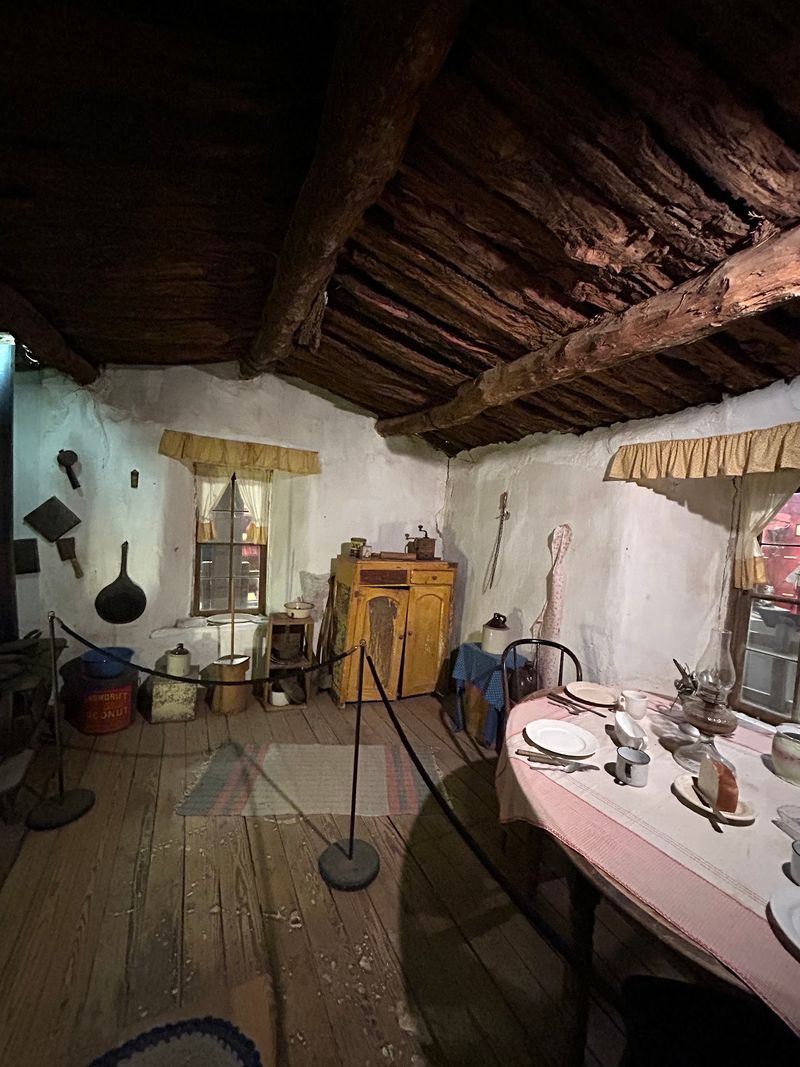
Sometimes the best stops are the ones that ask nothing fancy of you. No reservations, no crowds, no big price tag, just a humble house of earth and people eager to share its story.
Is it worth the drive? For travelers who value preserved, unpretentious places, the answer leans strongly toward yes.
Guests call it a historical gem, a treasure, and a must-see piece of Oklahoma heritage, and many say places like this deserve support.
Go in with the right expectations. You will not find a sprawling complex or interactive gadgets around every corner, and treadle sewing should not be your main reason for coming.
What you will find is rare: a real sod home, a cool root cellar, and staff who make you feel welcome.
Pair it with nearby salt plains crystal digging or Gloss Mountain for a full day of northwest Oklahoma adventure. Bring cash, check the hours, and leave room for conversation.
You might drive away thinking a little differently about your own comfortable home. That quiet shift in perspective is the real souvenir, and it costs far less than anything sold in a gift shop.
