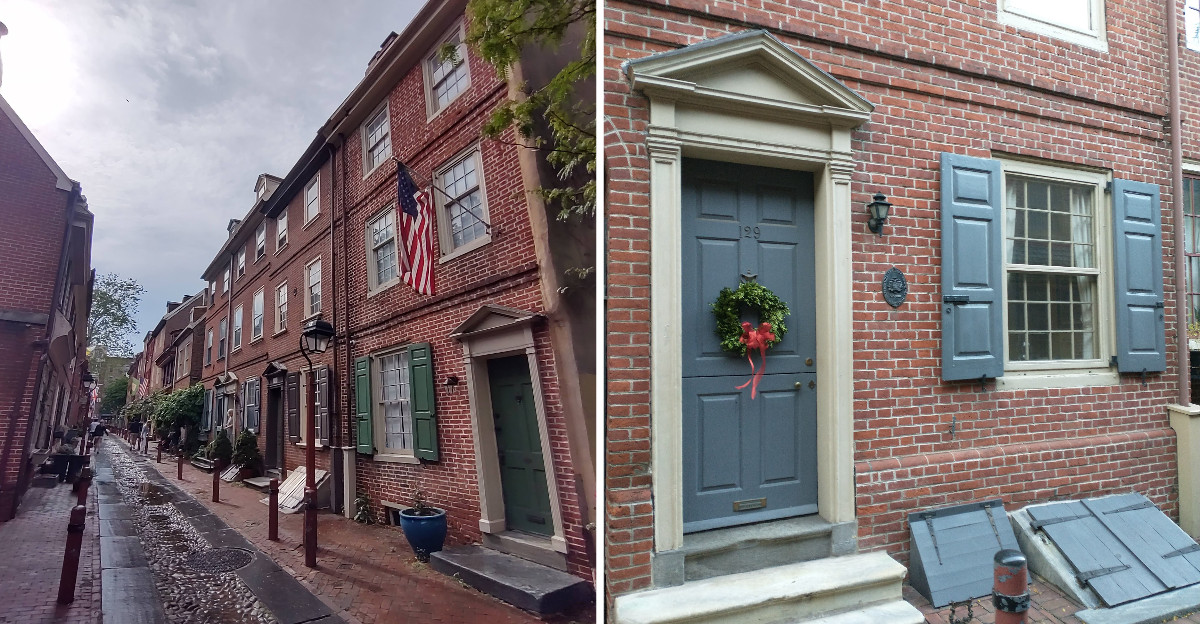
People have lived on one narrow Pennsylvania lane every year since 1702. That streak almost ended in the 1930s, when the old houses looked worn out and ready for the wrecking ball.
One determined woman decided that was not happening. Her name was Dorothy Ottey, and she rallied neighbors to save the block before anyone could knock it down.
I like how her plan was simple. She asked people to care about tiny brick homes that many folks walked right past.
Then she helped form a group that still protects the street today.
More than three centuries later, the little street is still home to families, thanks in part to a woman who saw history worth saving when others saw buildings ready to disappear.
Meet The Little Street That Refused To Quit
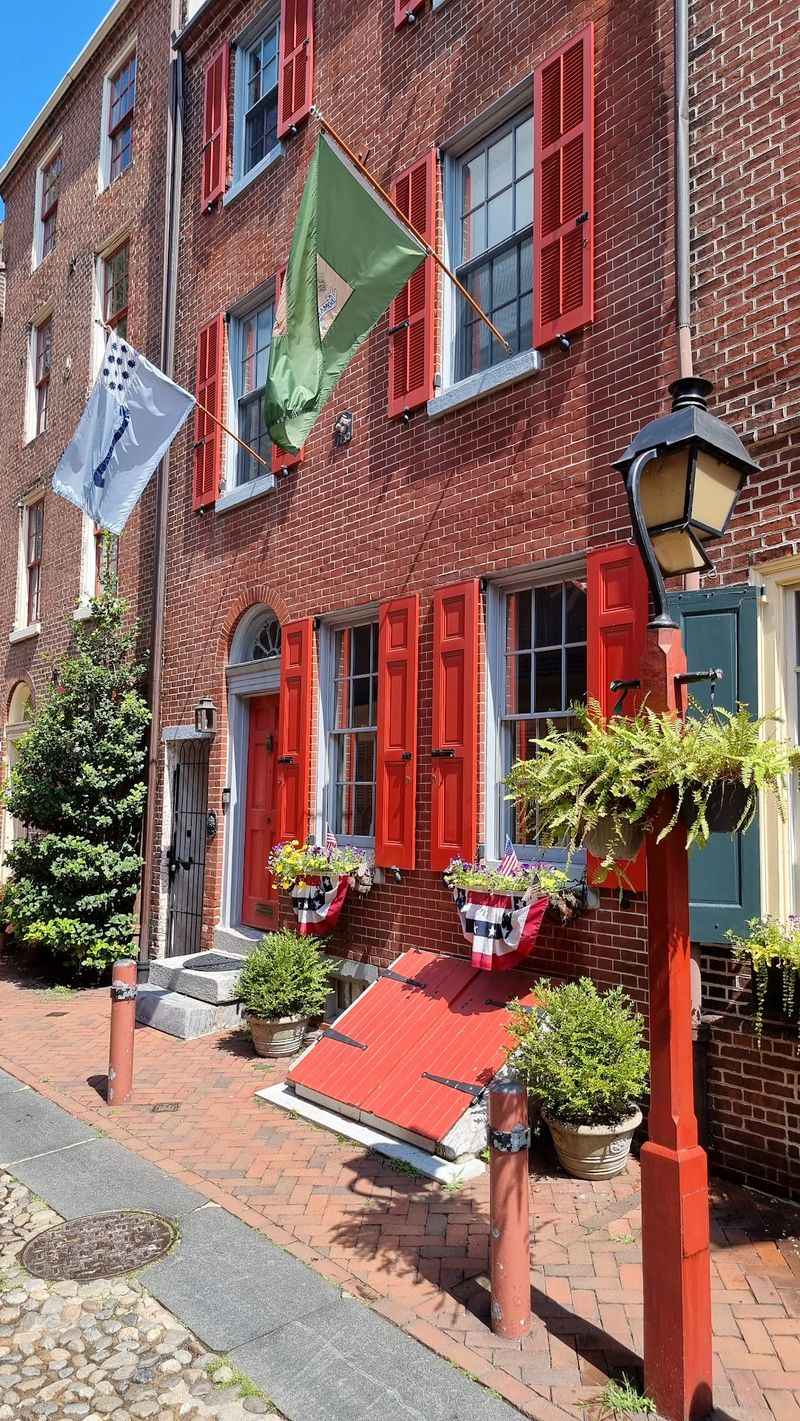
Elfreth’s Alley in Philadelphia, Pennsylvania, is often called the nation’s oldest continuously inhabited residential street. People have called it home since the early 1700s, and they still do today.
The lane opened in 1703 as a cart path toward the Delaware River, created by landowners Arthur Wells and John Gilbert. It later took its name from Jeremiah Elfreth, a blacksmith and land developer.
Elfreth was a blacksmith, which feels fitting for such a sturdy little block. His name stuck, and the street still carries it more than three centuries later.
Around 32 houses line the alley today. They were built between the 1720s and the 1830s, so the block works like a timeline in brick.
Early residents were mostly working people. Think tradespeople like shipbuilders, glassblowers, and craftsmen who kept a busy port city running.
That detail matters more than it seems. Grand mansions get saved all the time, but everyday homes usually vanish without a fuss.
Here, the regular folks’ houses survived instead. You get a rare look at how ordinary families lived in early America, not just the wealthy ones.
Keep that in mind as you stroll. Every doorway once belonged to someone who worked hard just a few blocks from the waterfront.
The Woman Who Said No To The Wrecking Ball
Dorothy Ottey did not have a giant budget or a famous title. She had stubborn love for a crumbling street, and that turned out to be enough.
By the early 1930s, the alley looked rough. The neighborhood had grown industrial, and many of the old homes were in poor shape.
Plenty of people saw the block as something to clear away. Ottey saw a chunk of American history that deserved another chance.
In 1934, she helped found the Elfreth’s Alley Association. The group set out to protect the houses and share their story with the public.
That was a bold move during the Great Depression. Money was tight everywhere, and fixing up old homes was hardly a top priority.
Still, the association kept pushing. Members worked to restore houses, draw attention to the street, and convince the city it was worth keeping.
It worked better than anyone might have guessed. Today, the same association she helped start still cares for the alley and runs its museum.
I believe that is the coolest part of her story. She built something that kept going long after her own work was done.
Philadelphia Is Finally Saying Thank You
Credit took its time, but it finally showed up. More than 90 years after Dolly Ottey helped launch the preservation effort, Philadelphia honored her legacy with a new park bearing her name, which opened in May 2026.
That recognition feels overdue in the best way. Most people who visit know the alley is old, yet few know a woman fought to keep it standing.
Her work set the stage for bigger wins later. In 1966, Elfreth’s Alley was named a National Historic Landmark.
That title is a serious deal. It puts the little lane in the same national spotlight as some of the country’s most famous historic sites.
None of that happens without the early groundwork. Saving buildings is much easier when someone has already proven they matter.
Her story also shows how preservation often starts small. One person speaks up, a few neighbors join in, and a street gets a future.
So when you walk the alley, give her a quiet nod. The bricks are still here partly because she refused to shrug and move on.
Honestly, a thank-you note from a whole city is a pretty great reply to persistence. Few of us will ever get one like it.
Yes, Real People Still Live Behind Those Doors
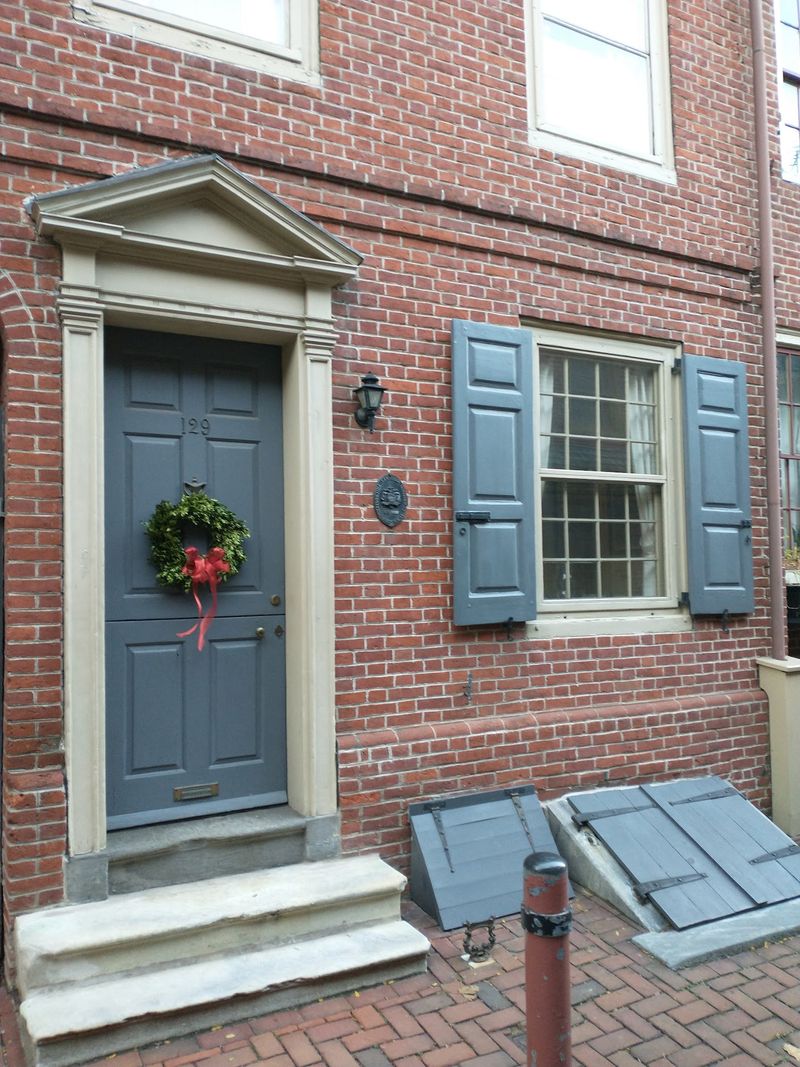
Those cute front doors are not movie props. Most houses on Elfreth’s Alley are private homes, and families live in them right now.
That is what makes the street so unusual. It is a National Historic Landmark and a regular neighborhood at the same time.
So a little courtesy goes a long way. Snap your photos, but skip peeking through windows or sitting on someone’s front steps.
Keep your voice friendly and low too. Residents are cooking dinner, doing homework, and living normal lives just a few feet away.
The homes still show off plenty of charm from the sidewalk. Look for brick fronts, shutters, flower boxes, and small details that reflect different building eras.
Because the houses went up over about a century, they do not all match. That mix makes the block feel lived-in rather than frozen.
Think of it like visiting a friend’s very old, very famous street. You get to admire it, as long as you treat it like someone’s home.
Honestly, that is the whole point Dorothy Ottey was making. A street stays alive when people keep living on it, not just looking at it.
Two Houses Open Up For Curious Visitors
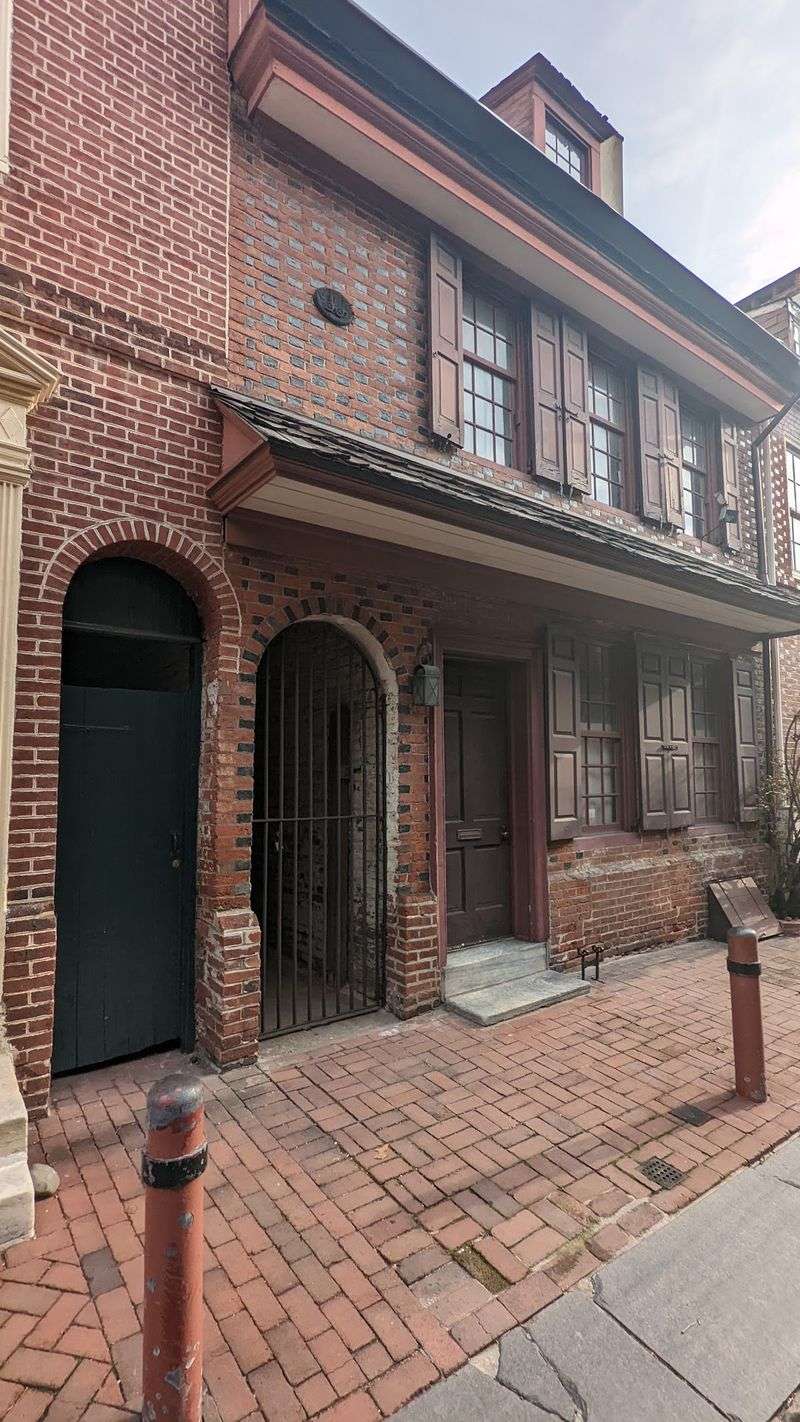
Want to see inside? The Elfreth’s Alley Museum gives you that chance, since you cannot exactly knock on a resident’s door.
The museum is run by the Elfreth’s Alley Association, the same group Dorothy Ottey helped start in 1934. Talk about a long commitment.
It uses two historic houses at 124 and 126 Elfreth’s Alley. Tours share stories of the craftspeople and families who once lived on the block.
This is where the street really comes to life. Instead of just admiring brick, you learn about the people who cooked, worked, and raised kids there.
The focus stays on everyday life. That is a refreshing change from tours that only talk about generals and wealthy founders.
Check the association’s schedule before you go. Tour days and hours can shift by season, so planning ahead saves you a disappointed shrug.
Kids may enjoy imagining life without electricity or running water. It makes modern chores sound almost relaxing by comparison.
Visiting also supports the work of keeping the alley preserved. Your ticket helps continue a mission that started nearly a century ago in Pennsylvania.
Watch Your Step On Those Famous Cobblestones
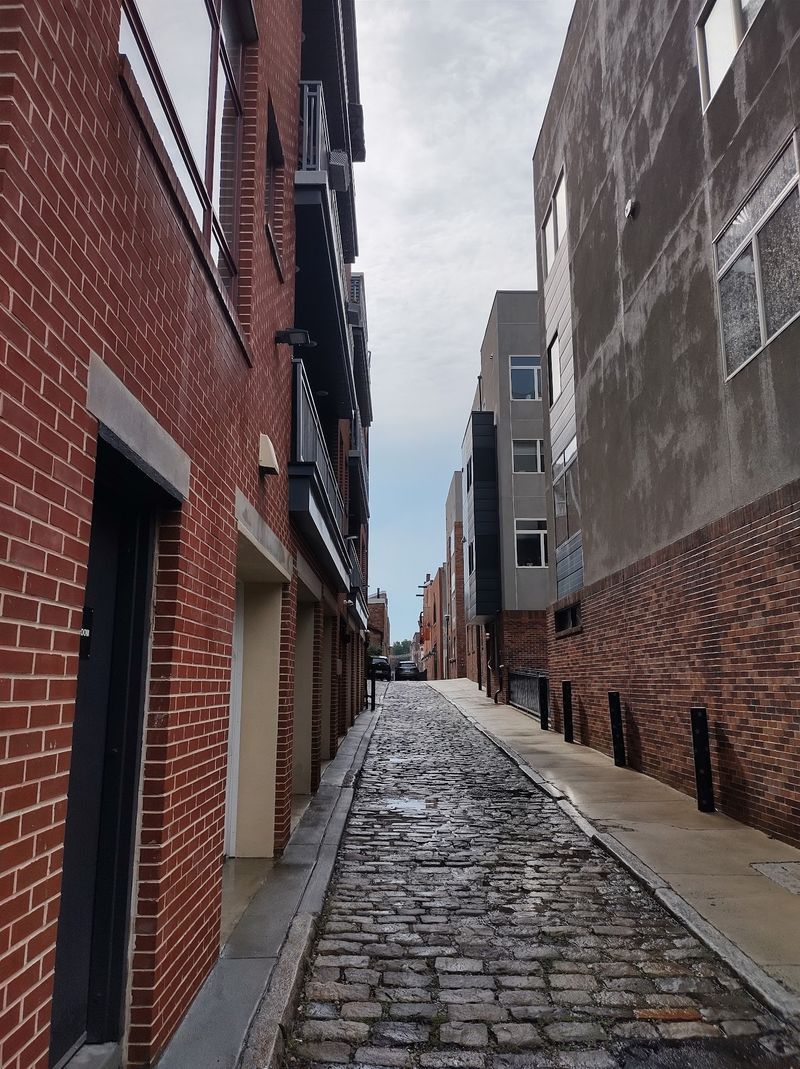
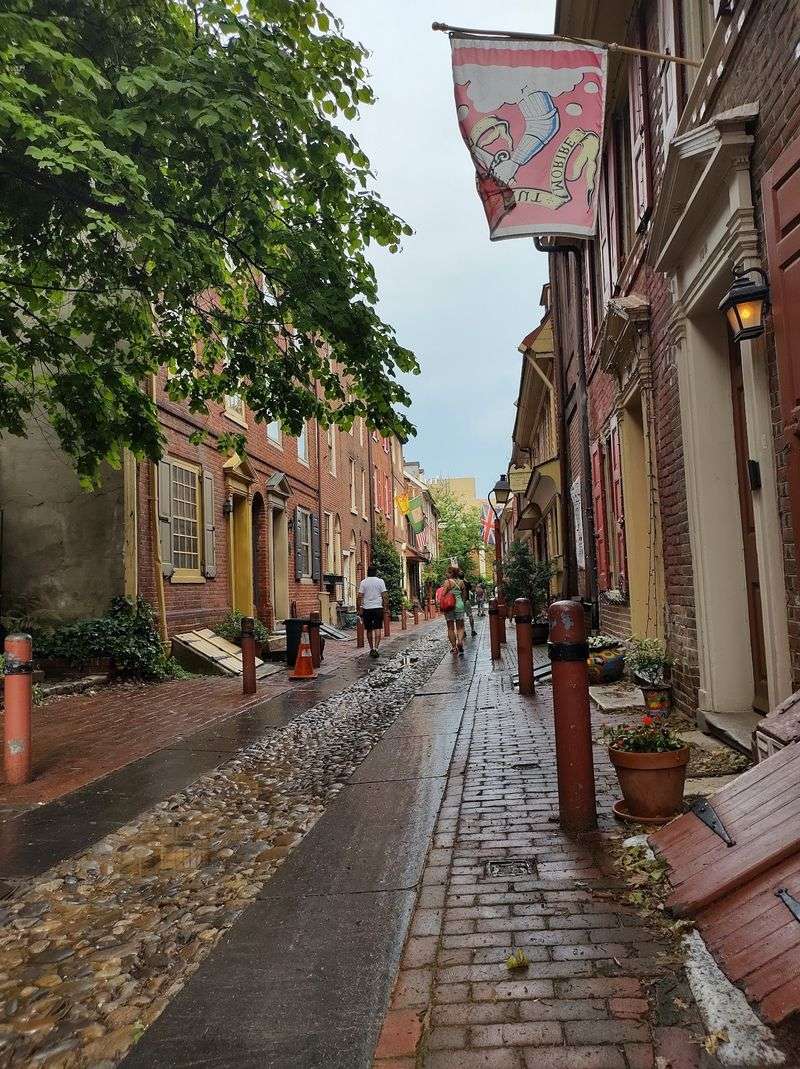
Comfortable shoes are your best friend here. The alley’s cobblestone surface looks fantastic in photos but can be tricky for wobbly ankles.
You will find the lane in Old City Philadelphia. The address is Elfreth’s Alley, Philadelphia, PA 19106, between North Front Street and North 2nd Street.
The street is short and narrow. You can walk the whole thing in a few minutes, though you will probably want to linger.
That compact size is part of the charm. Houses sit close together, so the block feels cozy and almost tucked away from modern traffic.
For photos, early hours usually mean fewer people in your shots. Just remember residents may be heading out to work, so stay out of their way.
Strollers and wheelchairs may find the uneven stones challenging. Plan a route with that in mind if anyone in your group needs a smoother path.
The sidewalks give you a slightly easier option. Still, take it slow and enjoy the view instead of rushing.
It is funny how a few hundred feet of stone can feel like a time machine. No ticket required for this part of the trip.
Mark Your Calendar For Open House Days
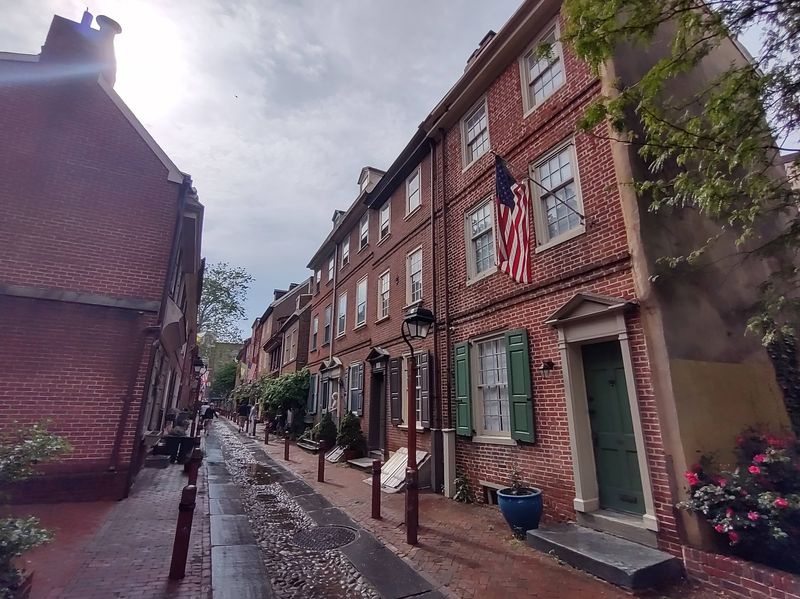
Once in a while, the residents throw the doors open. Special events at Elfreth’s Alley let visitors step inside homes that are normally private.
Fete Day is the big one, usually held in early summer. It has long been a tradition for the association, with house tours and colonial-style fun.
Holiday time brings its own celebration. Deck the Alley has offered evening tours of decorated homes during December.
These events are the rare moments when you can peek past the front doors. For history fans, that is basically a golden ticket.
Dates and details change from year to year. Check the association’s announcements well ahead of time, since popular events can sell out.
The events also raise money for preservation. So your fun day helps keep the bricks, windows, and stories in good shape.
I like how the residents take part in these traditions. Sharing your home with strangers takes real generosity, especially on a famous street.
It feels like a fitting tribute to Dorothy Ottey too. She wanted people to care about the alley, and these events invite everyone to do exactly that.
Your History Walk Does Not Have To End Here
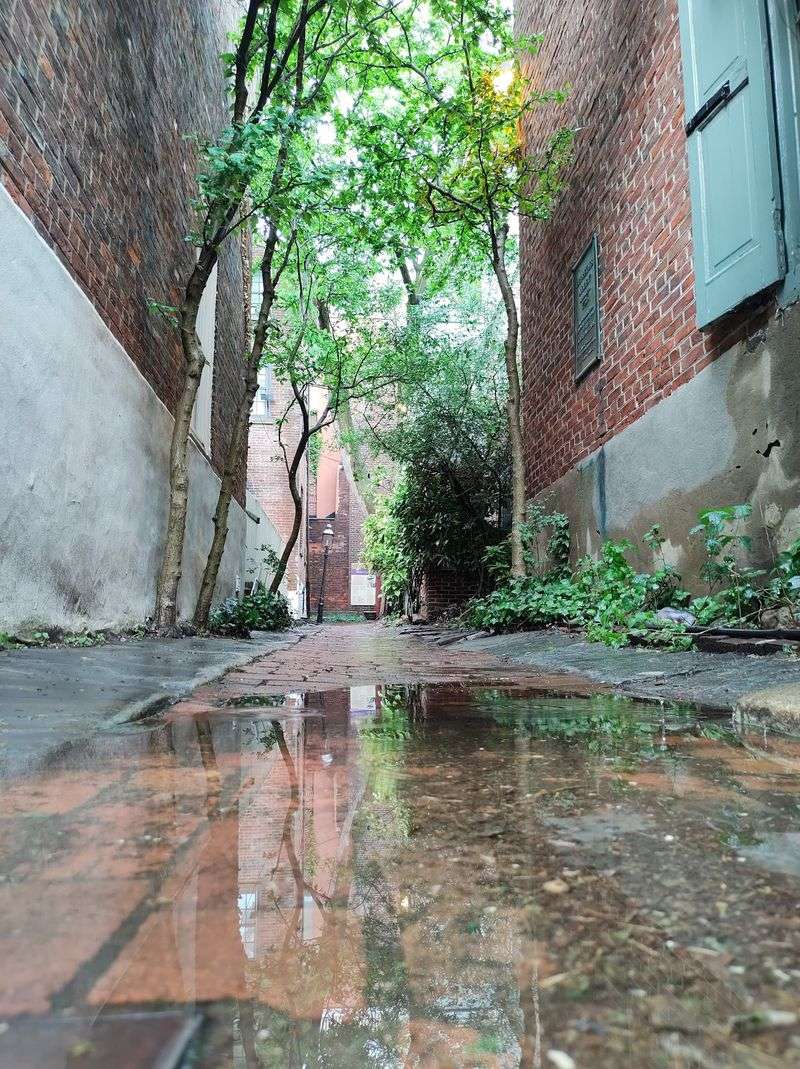
Old City Philadelphia is packed with history, and the alley sits right in the middle of it. That makes it easy to build a whole day around one short street.
The Betsy Ross House is just a short walk away on Arch Street. It is one of the city’s best-known stops for families.
Christ Church is close by as well. Its tall steeple is a landmark, and several founders worshipped there.
Independence National Historical Park is also within walking distance. You can visit the Liberty Bell and Independence Hall in the same outing.
Looking for a view? The Benjamin Franklin Bridge stretches over the Delaware River nearby, and the waterfront is only a few blocks east.
Pairing these stops tells a fuller story. Famous leaders made big decisions down the road, while working families built daily life on the alley.
That contrast makes Elfreth’s Alley even more meaningful. It reminds you that history belongs to regular people too.
Plan for lots of walking. Pennsylvania’s biggest city rewards curious feet, and this neighborhood is one of its most rewarding pockets.
Why This Tiny Lane Deserves A Spot On Your List
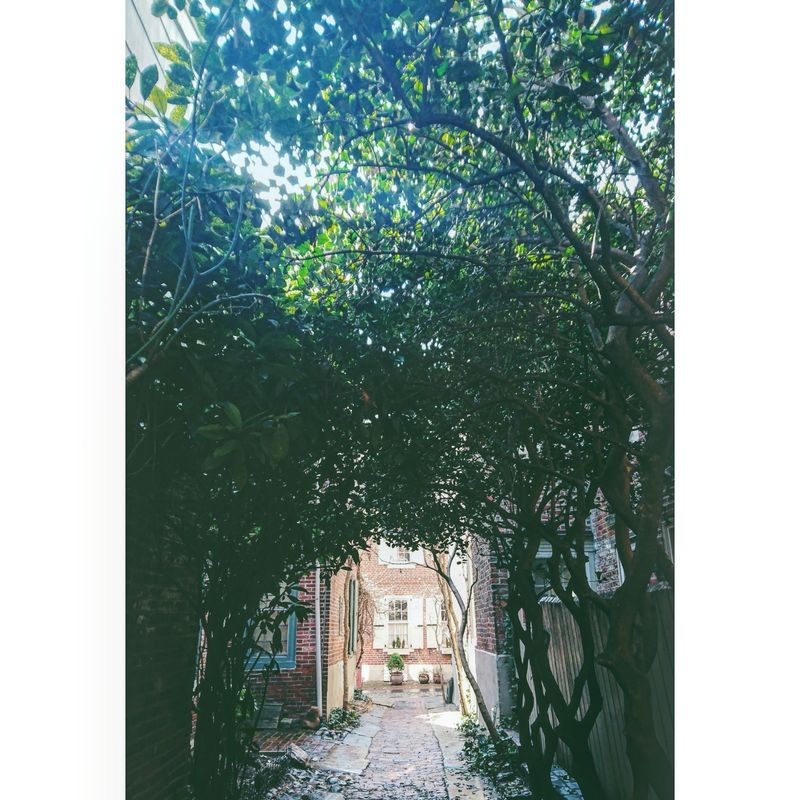
More than 300 years of daily life fit onto one narrow block. Few places anywhere can make a claim like that with a straight face.
Elfreth’s Alley survived growing industry, hard times, and a very real threat of demolition. It kept going because people kept showing up for it.
Dorothy Ottey was one of the first to stand up. Her 1934 effort turned a tired street into a protected piece of national history.
Her story offers a useful lesson. You do not need fame to make a lasting difference, just persistence and a few people willing to help.
Visiting takes very little time or money. You can walk the street for free, then add the museum or a seasonal event if you want more.
Bring curiosity and good manners. Remember that families call these homes theirs, even with cameras clicking nearby.
The alley also makes a great conversation starter with kids. Ask them which house they would pick and what life might have looked like back then.
Pennsylvania has plenty of famous landmarks. Still, this humble lane might be the one that sticks with you longest, thanks to a woman who refused to let it go.
