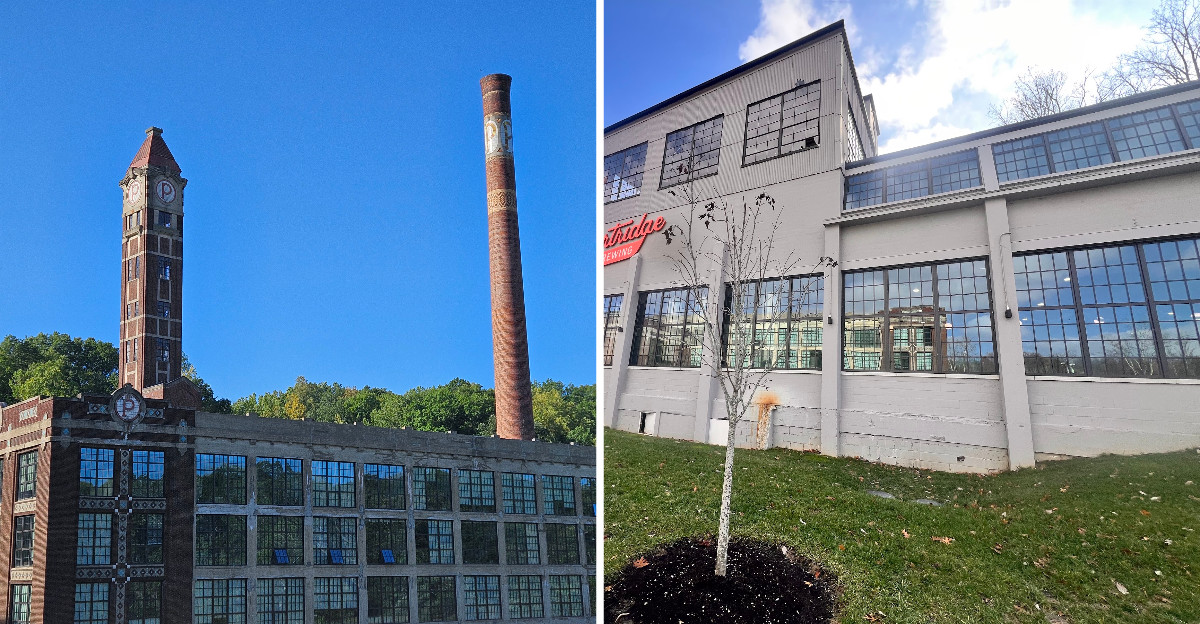
Brick walls rise through the trees along a river in Ohio, their tall windows and faded masonry looking like a page torn from a history book. This place once made millions of bullets for soldiers in two world wars.
Today people cook dinner, walk their dogs, and sip coffee inside those same walls. The past never really left.
It just made room for new neighbors. For decades the buildings sat empty, forgotten by almost everyone, until someone saw their potential and brought them back to life.
Riding past on a bike, the urge to stop and stare is hard to resist. The smokestack-era feel lingers, and the river keeps moving past the old bricks.
Weeds grow between the cracks in the pavement, and the smell of river water mixes with the scent of fresh coffee from a nearby shop. This is the kind of roadside stop that stays with you long after the ride home.
Ohio keeps its history close, and this corner is proof. The old factory no longer makes weapons.
It makes memories instead.
A Factory That Helped Win Two Wars
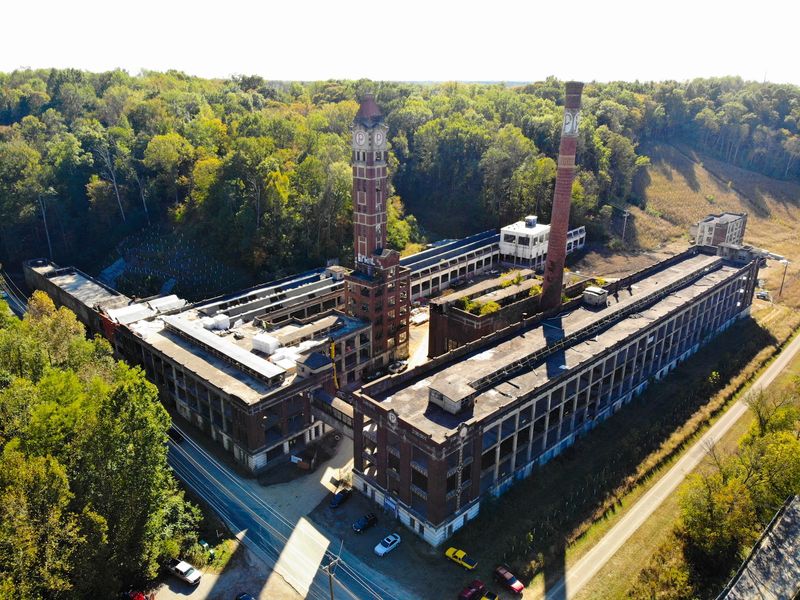
My jaw dropped when I learned how busy this quiet riverside spot used to be. Back in 1917, around 3,000 workers showed up here every day.
Together they turned out about 1,500,000 cartridges daily, which is a number that is hard to even picture.
Gershom Moore Peters founded the Peters Cartridge Company in 1887, right along the Little Miami River. The river mattered because early mills needed water, and the location helped the business grow into a giant.
During World War I and World War II, ammunition made here went to Allied forces fighting overseas.
Remington Arms bought the company in 1934, and military ammunition production finally stopped in March 1944. That means these walls heard the clatter of machines through some of the most important years of the last century.
When you visit, try to imagine the noise, the smell of gunpowder, and the crowds of workers heading home at shift change.
Today the place is calm, with birds and bike bells replacing factory whistles. I found that knowing the history made every brick feel more interesting.
Before you go, read a little about the World Wars so you can connect the dots while you explore the grounds.
Buildings Built to Last Since 1916
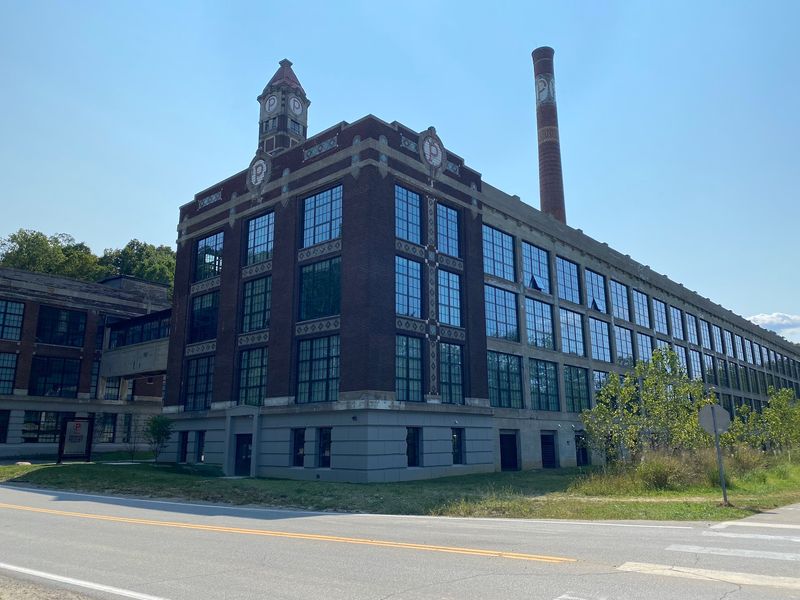
Something about old brick just makes me slow down. The main buildings at Peters Cartridge were put up in 1916, and you can tell they were made to handle heavy work.
Thick walls and big window openings give them a sturdy, honest look.
In 1985, the site was added to the National Register of Historic Places. That listing is a big deal because it recognizes places that tell an important part of the American story.
It also helped protect these structures from simply being torn down during the long years when nobody used them.
Take your time circling the outside if you visit. Look closely at the rows of windows, the patterns in the brickwork, and the way the buildings line up near the river.
Factories in that era were designed to catch as much daylight as possible, since electric lighting was not always strong or cheap.
Photographers will love the textures here, especially in early morning or late afternoon light. I snapped way too many pictures of window frames alone, and I have zero regrets.
A good tip is to bring a phone with plenty of storage, because the details keep pulling your camera back for one more shot.
From Bullets to Records and Back to Silence
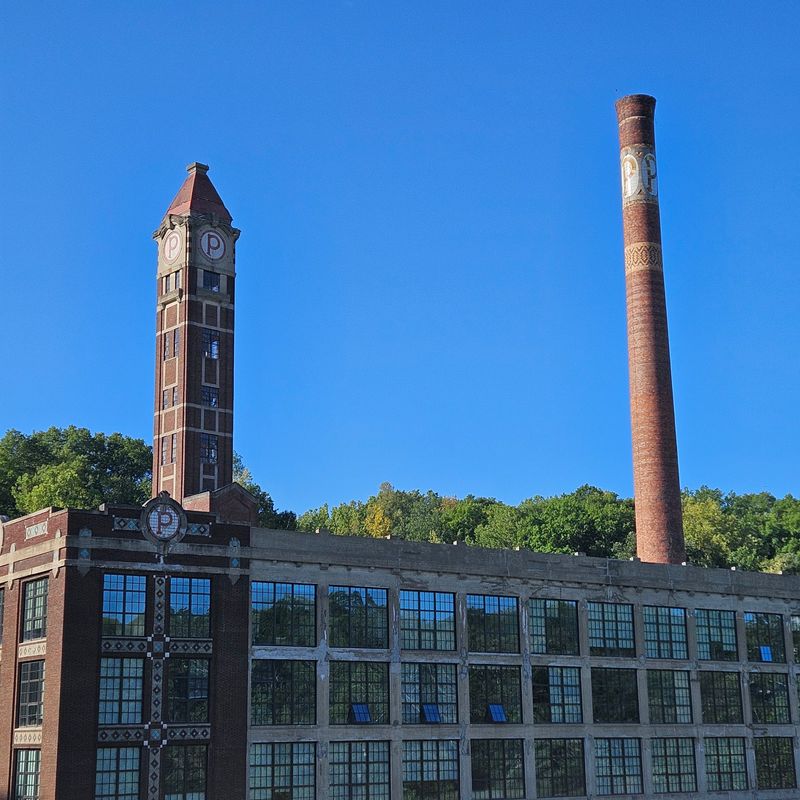
Here is a twist I did not see coming. After the ammunition work ended, Columbia Records moved in and used the complex to make phonograph records.
Picture music spinning out of the same rooms that once packed cartridges for soldiers.
Later, Seagram also used the property for a while. Then, in 1968, the doors closed and the buildings were left empty.
For about fifty years, weeds crept in, windows broke, and the factory became a spooky landmark that locals and curious explorers talked about.
The site also needed a serious environmental cleanup because decades of ammunition making had left the soil contaminated. That work wrapped up around 2017 and 2018, which cleared the way for new life.
Honestly, I think that part of the story gets overlooked, and it shows how much effort goes into saving old places safely.
Knowing this timeline makes a visit feel richer. You are not just seeing an old factory, you are seeing several chapters stacked on top of each other like layers of paint.
If you have kids along, ask them to guess what else the building might have made, since the record company answer always surprises people.
Apartments With 13-Foot Ceilings
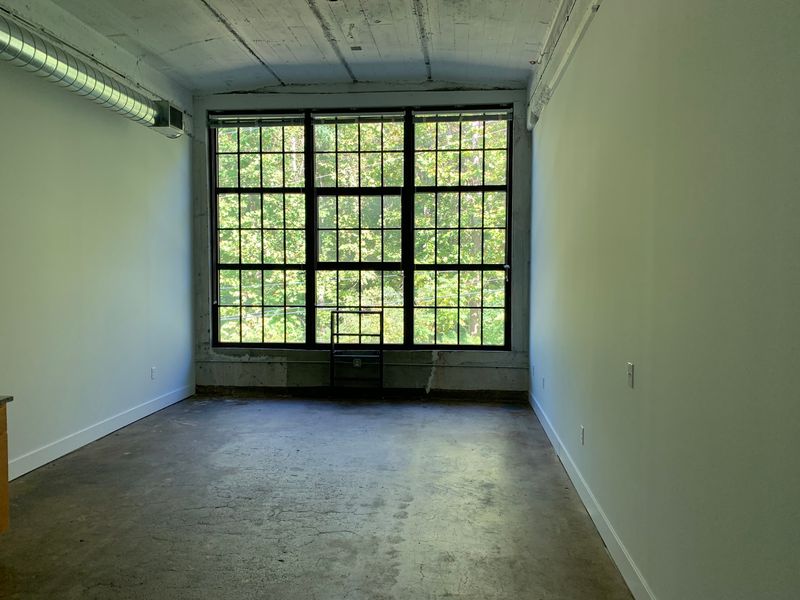
Tall people, rejoice. Inside the restored buildings, ceilings stretch about 13 feet high, and I caught myself looking up more than once.
The original concrete floors stayed, and so did the wide hallways that soak up natural light.
Around 2020, the project opened with 134 one-of-a-kind apartments and some commercial spaces. Because the building came first and the homes came second, no two layouts feel exactly the same.
That gives the place a city loft vibe even though it sits in a leafy, suburban part of southwest Ohio.
Modern touches blend right in with the history. Kitchens come with stainless steel appliances and granite countertops, which makes cooking feel a lot more fun than you might expect inside a former munitions plant.
Big windows mean you get plenty of sunshine, and the views of trees and grounds are a real treat.
If you are thinking about living here, plan a tour during office hours on a weekday, since the leasing office keeps a weekday schedule. Bring ideas for decorating, because those open spaces work like a blank canvas.
I could easily picture a giant bookshelf or a wall of plants filling one of those tall walls.
Shared Spaces That Bring Neighbors Together

A fire pit can turn strangers into friends faster than almost anything. At Peters Cartridge, the outdoor patio has one, and it is easy to imagine neighbors swapping stories there on cool fall nights.
That small detail says a lot about how this community was planned.
Inside, there is a large community living room where people can hang out, read, or just get out of their own apartment for a bit. A pool table adds some friendly competition.
The exercise room even includes a putting green, which made me laugh because golf practice inside an old ammo factory is not something I ever expected.
Cyclists get indoor bike storage, which is super handy with a major trail so close. Pet owners will be glad to know there is pet-friendly access to outdoor areas, so morning dog walks are simple.
Little perks like these make daily life smoother and a lot more social.
My advice for anyone moving in is to actually use these spaces. Show up at the patio, grab a pool cue, or stretch in the gym.
Shared areas only feel alive when people fill them, and this place seems built for folks who enjoy saying hello.
Another Company Right Next Door
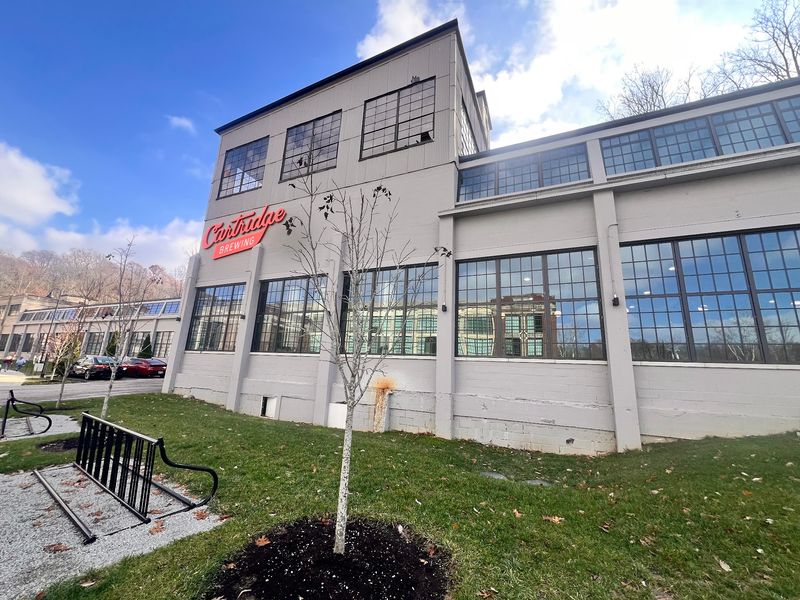
Hungry after a long ride? Cartridge Brewing Company opened on the property as part of the redevelopment, and it quickly became a favorite gathering spot.
The name is a nice nod to the factory’s past.
The space keeps the industrial charm going with brick, beams, and that old factory character. Families come in, cyclists roll up from the trail, and residents just stroll across the parking lot.
It is the kind of spot where you can grab a bite, rest your legs, and soak up the history around you.
Outdoor seating is a big draw when the weather is nice. Sitting outside, I loved hearing the mix of chatter and bike bells drifting by.
The food menu leans toward hearty, casual dishes, perfect after a few miles on two wheels or a walk by the river.
A smart move is to plan your trail ride so you finish here around lunch or dinner time. That way the meal feels like a reward.
Bring a light jacket in spring or fall if you want to sit outside, because evenings near the river can cool off quicker than you might think.
Riverside Trails Just Steps Away
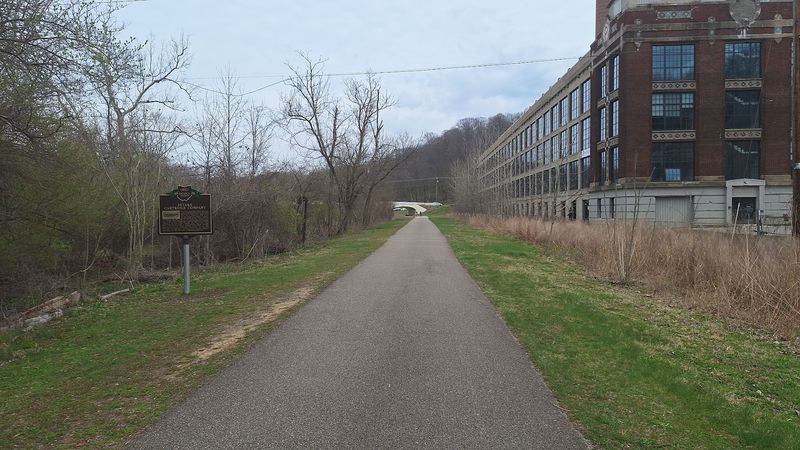
Few apartment buildings can say a famous bike trail runs practically past the front door. The Little Miami Scenic Trail is right here, and it changes how a day at Peters Cartridge feels.
Locals bike, jog, and walk it, and visitors often discover the factory while pedaling by.
The paved trail follows the Little Miami River through shady woods and small towns. You can ride a short loop or go much farther, depending on your energy.
Flat stretches make it friendly for beginners and kids, while longer rides keep experienced cyclists happy.
The river itself offers another way to explore. Paddlers enjoy its gentle current, and spotting herons or turtles along the banks is common.
I liked simply finding a quiet spot near the water and listening for a while.
Pack water, sunscreen, and a small snack before heading out. Weekends can get busy, so mornings tend to be calmer.
When you return, the old brick buildings waiting at the end of your ride feel like a cool reward.
Address: 1409 Grandin Road, Maineville, Ohio 45039
