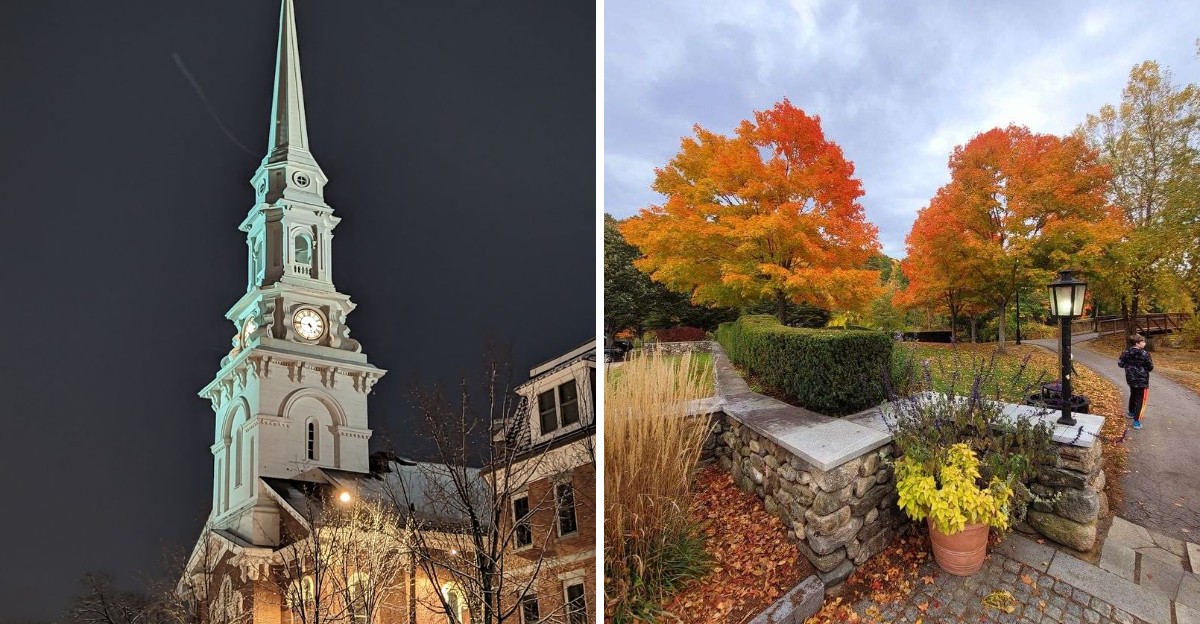
You do not have to visit a big city to find fascinating history in New Hampshire. Some of the most interesting stories are tucked away in the small towns that most people drive right past.
These places have been around for centuries, and they have seen wars, revolutions, and the birth of a nation. The buildings are old, the streets are quiet, and the stories are everywhere.
You can walk through a town that was settled in the 1600s and feel like you have stepped back in time. There are museums, cemeteries, and historic markers that tell the tales of the people who lived there.
The locals are proud of their heritage, and they are happy to share it with anyone who asks. These New Hampshire towns are not just places on a map.
They are living pieces of history.
Exeter
Revolution brewed here long before it boiled over. Founded in 1638, this Squamscott River town served as New Hampshire’s revolutionary war capital, which is a sentence that should really be on every welcome sign in the state.
Start at the American Independence Museum, 1 Governors Lane, where the story of breaking away from Great Britain gets told through objects rather than lectures.
The Ladd-Gilman House anchors the complex, a National Historic Landmark raised in 1721. Nicholas Gilman Jr., who signed the Constitution, called it home, and it later doubled as the governor’s mansion for John Taylor Gilman.
Water Street holds the Gilman Garrison House, the family’s original 1709 dwelling, built with defense in mind and timbers thick enough to prove it.
Curious about deeper local records? The Exeter Historical Society at 47 Front Street keeps programs, archives and traditions alive without a hint of dust.
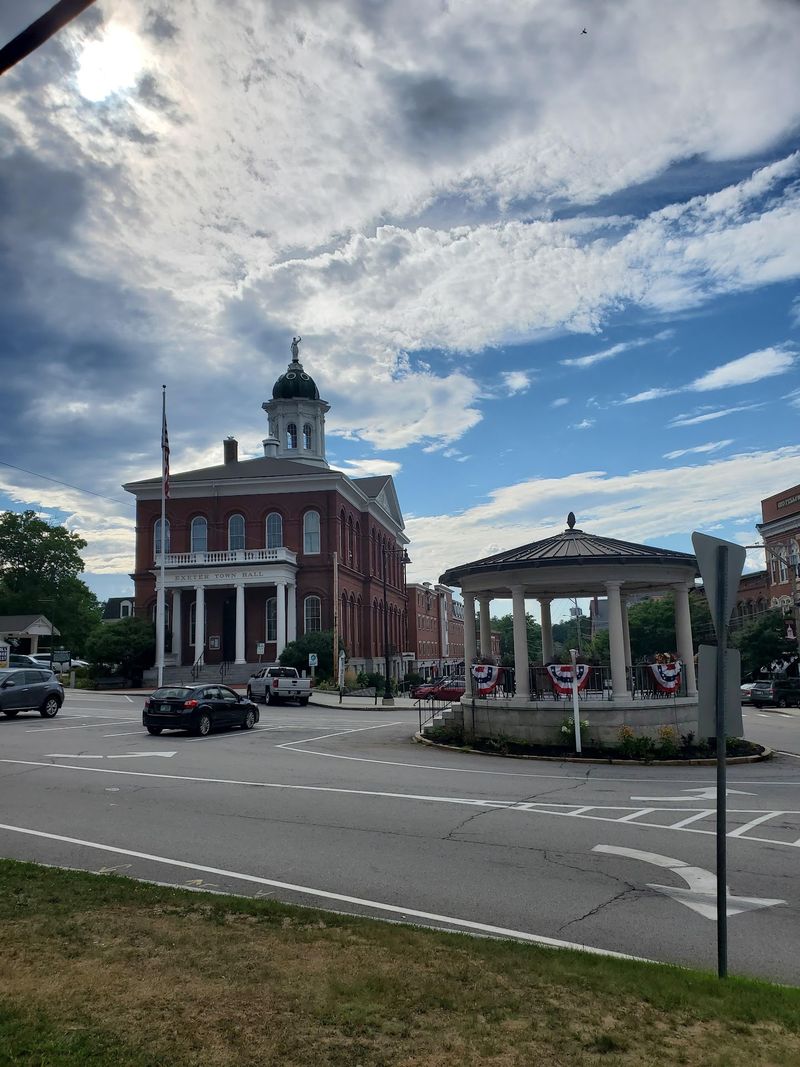
Downtown centers on the Exeter Town Hall from 1855, a building that has juggled courthouse duties and civic business with equal poise.
Then there is Swasey Parkway, gifted to the town in 1931, tracing the riverbank where seagoing vessels once docked during the late 1600s and early 1700s.
Walking that green strip today, you would never guess masts once crowded the water. Bring a blanket, watch the tide shift, and let the past sit quietly beside you.
Compact, walkable and genuinely lived-in, this place rewards slow feet and wandering eyes. Give it a full afternoon, minimum.
Hillsborough
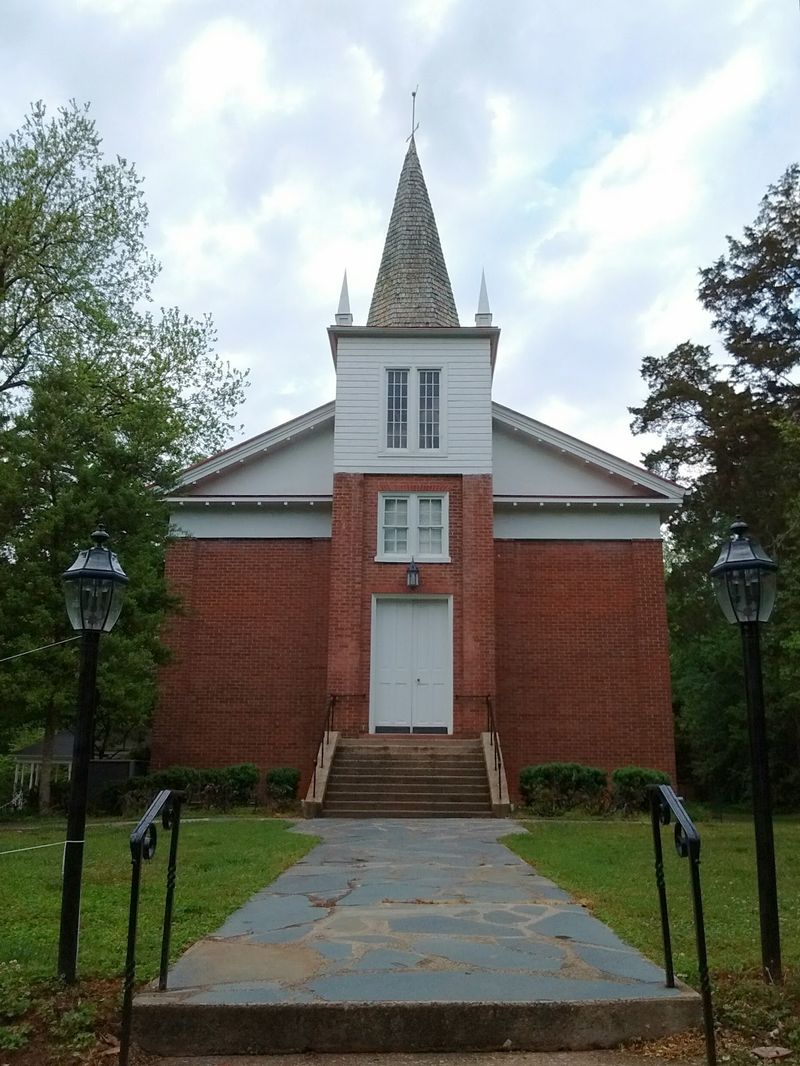
Stone arch bridges are the local flex, and nobody else in the state comes close. More preserved examples stand here than anywhere in New Hampshire, each one built without mortar and each one recognized by the Historic American Building Survey.
Once there were more than a dozen. Five remain today, four still carrying traffic, while one at the intersection of Route 202 and West Main Street waits to become the centerpiece of a public park.
Presidential history lives here too. The Franklin Pierce Homestead, boyhood home of the nation’s fourteenth president, sits on Route 31 roughly 100 yards north of where it meets Route 9, carrying National Historic Landmark status.
Named for Colonel John Hill back in 1735, the town still splits into four distinct villages: Bridge Village, Hillsborough Center, Upper Village and Lower Village. Each has its own personality, and Hillsborough Center in particular looks like a nineteenth century painting that forgot to age.
Incorporation happened on November 4, 1772, at the Bradford Inn on Bible Hill. The first post office opened over in the Lower Village.
For context and old photographs, the Hillsborough Historical Society and Museum fills in the gaps between bridges.
Craving trees over timelines? Fox Forest offers miles of trails, crisp air and the kind of quiet that makes phone screens feel silly.
Pack decent shoes, chase all five bridges, and call it a proper treasure hunt.
Hancock
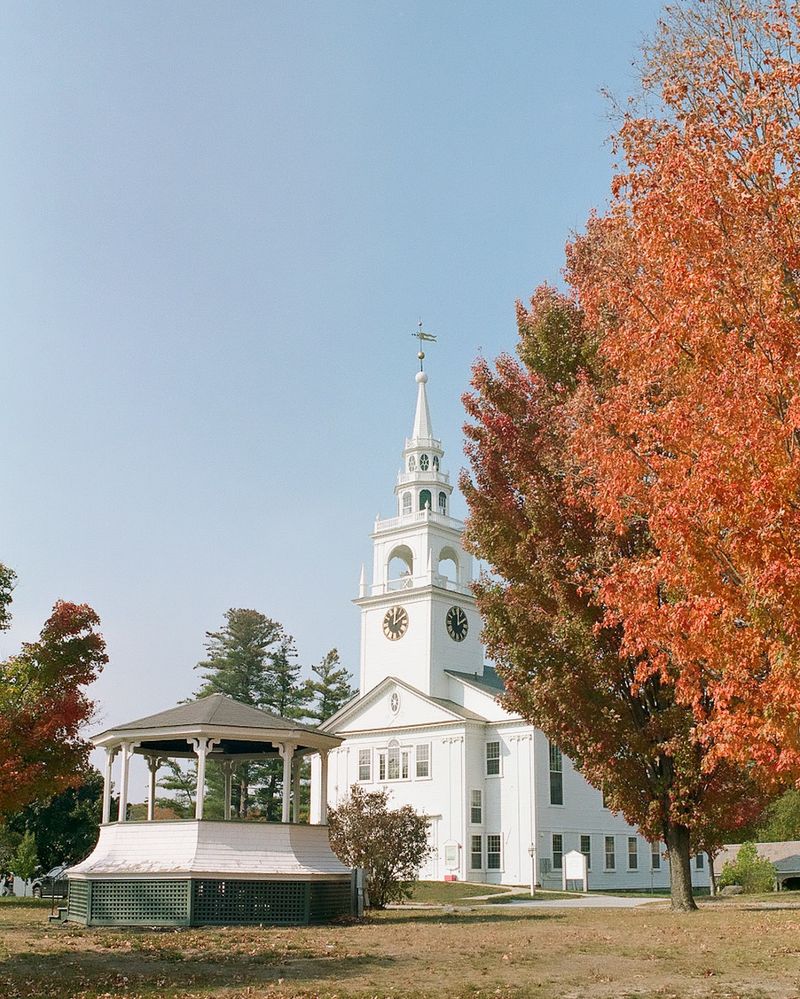
A Paul Revere bell rings out the hours here. Not a replica, not a story, an actual bell from the man himself, hanging in the town’s historic meetinghouse and chiming above Main Street like a heartbeat.
Settled in 1764 and incorporated in 1779, the village took its name from John Hancock, whose signature you can picture without trying.
Main Street reads like a museum with no admission desk. Stately brick storefronts and wood-shingled homes line the way, many listed on the National Register of Historic Places.
The common was laid out in 1785 and set aside for civic life, including the first cemetery and the meetinghouse. Sit under the gazebo, study the monument to those who served, and time the visit right for the summer outdoor concert series.
Antiques and local exhibits fill the Symonds Home from 1808, cared for by the Hancock Historical Society.
Art fans should step inside the Hancock Public Library, a handsome brick building that regularly hangs work by area artists.
Nature calls just outside the village at the Harris Center for Conservation Education, where trails climb into the Monadnock highlands.
And the Hancock Inn, standing since 1789, holds the title of oldest inn and tavern in the state. The floors creak in all the right places.
Small, graceful and genuinely unhurried, this hill town proves quiet can be unforgettable.
Harrisville
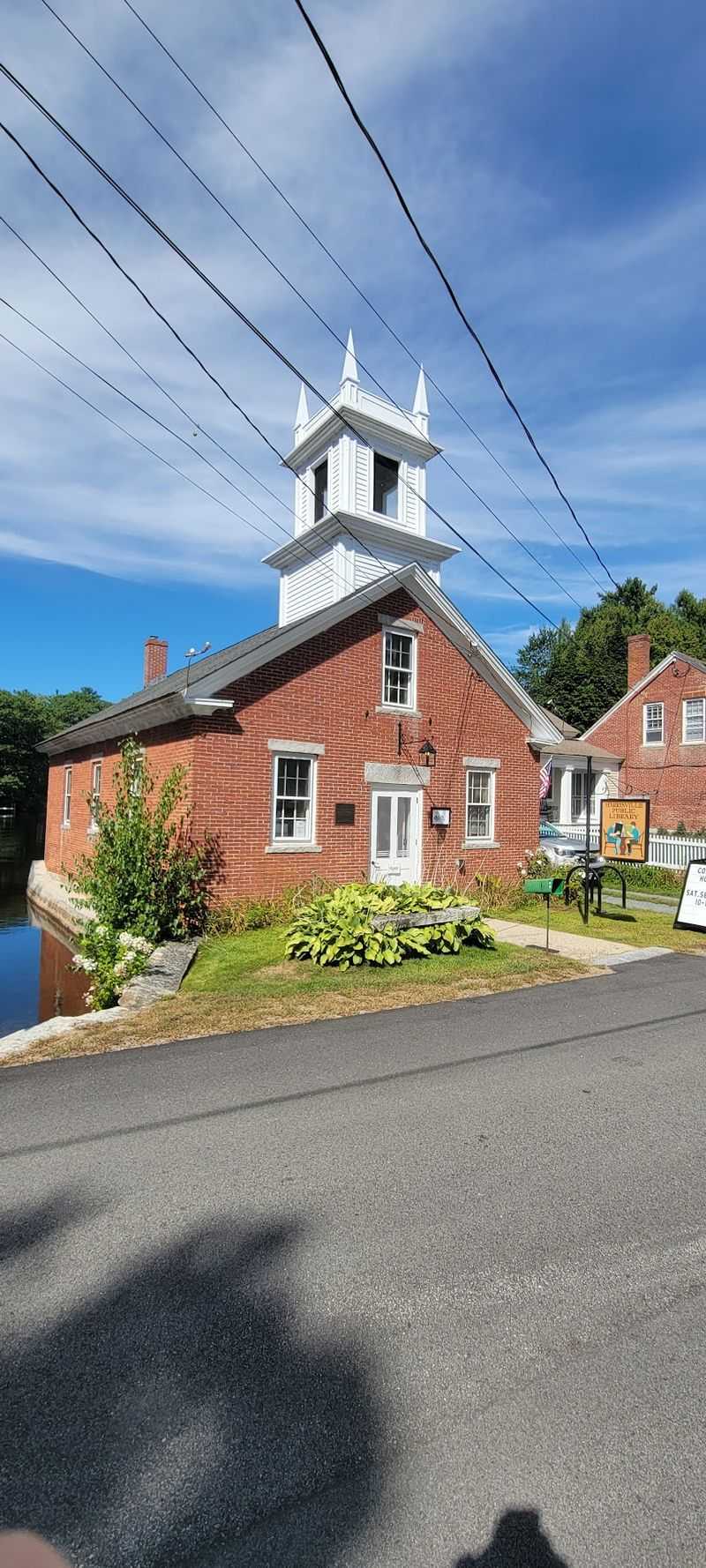
Imagine a nineteenth century mill village that never got knocked down, paved over, or turned into condos. That is exactly what survives here, the only textile village in the country still standing largely in its original form.
Brick mills, boarding houses, workers’ cottages and canals earned National Historic Landmark designation for the district in 1977.
Cheshire Mills ran the show from 1852 through 1970, and the water still slides past the same granite foundations.
Weavers make pilgrimages to Harrisville Designs at 4 Mill Alley, a nationally known yarn and weaving shop tucked inside the restored mill buildings. Wool, looms, and the soft clatter of craft carrying on.
Community life orbits the Harrisville General Store, part of Historic Harrisville, the organization keeping the whole village intact. Their office sits at 69 Main Street.
Want structure to your wandering? An audio walking tour covers 26 sites, including the Abel Twitchell House, the Community Church and the mills themselves.
The Harrisville Public Library at 7 Canal Street adds another handsome stop, small but full of character.
Out at 184 Aldworth Manor Road, Aldworth Manor looks across rolling countryside with views that make cameras work overtime.
Nothing here shouts. Water, brick and hillside do the talking, and the effect lands somewhere between peaceful and slightly uncanny.
Come in October when the ponds mirror the maples, then try to leave on schedule.
Littleton
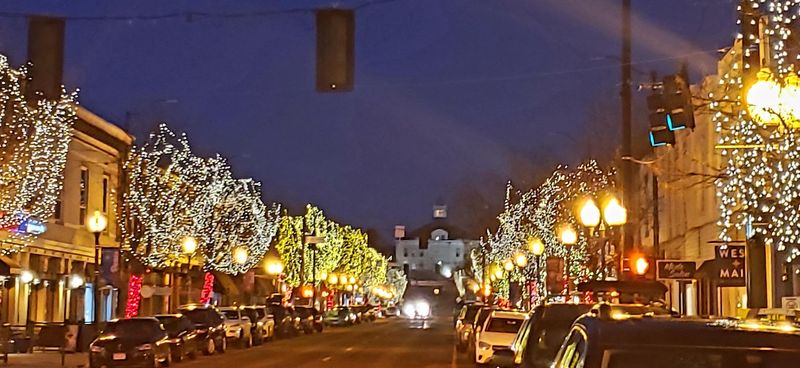
The town motto is literally “Be Glad,” and honestly, the place lives up to it. Author Eleanor H.
Porter grew up here and gave the world Pollyanna, whose joyful bronze likeness now stands mid-cheer on Main Street.
Tucked into the White Mountains, this community earned the first New Hampshire Profile Community Award for keeping the state’s independent spirit intact, plus a spot in the National Main Street program.
Local history waits at the Littleton Historical Society Museum, 2 Union Street.
Architecture buffs get plenty to admire. Thayer’s Hotel, the Post Office, the Edward H.
Lane House and the Opera House all appear on the National Register of Historic Places.
The Littleton Opera House, also known as the Town Building, is a grand Queen Anne landmark on Main Street that has passed the century mark with style.
Follow the Ammonoosuc Riverwalk for the best angles, a path that winds along the water, crosses a covered bridge and slips past the Littleton Grist Mill, the oldest commercial structure in the state north of the capitol.
Behind Main Street in the River District, Harmony Park invites anyone to bang, strum and chime on all-weather instruments overlooking the river.
Then there is Chutter’s at 43 Main Street, keeper of the World’s Longest Candy Counter. The scent alone could lead you there blindfolded.
Mountains, literature and sugar. Hard combination to beat.
Newmarket
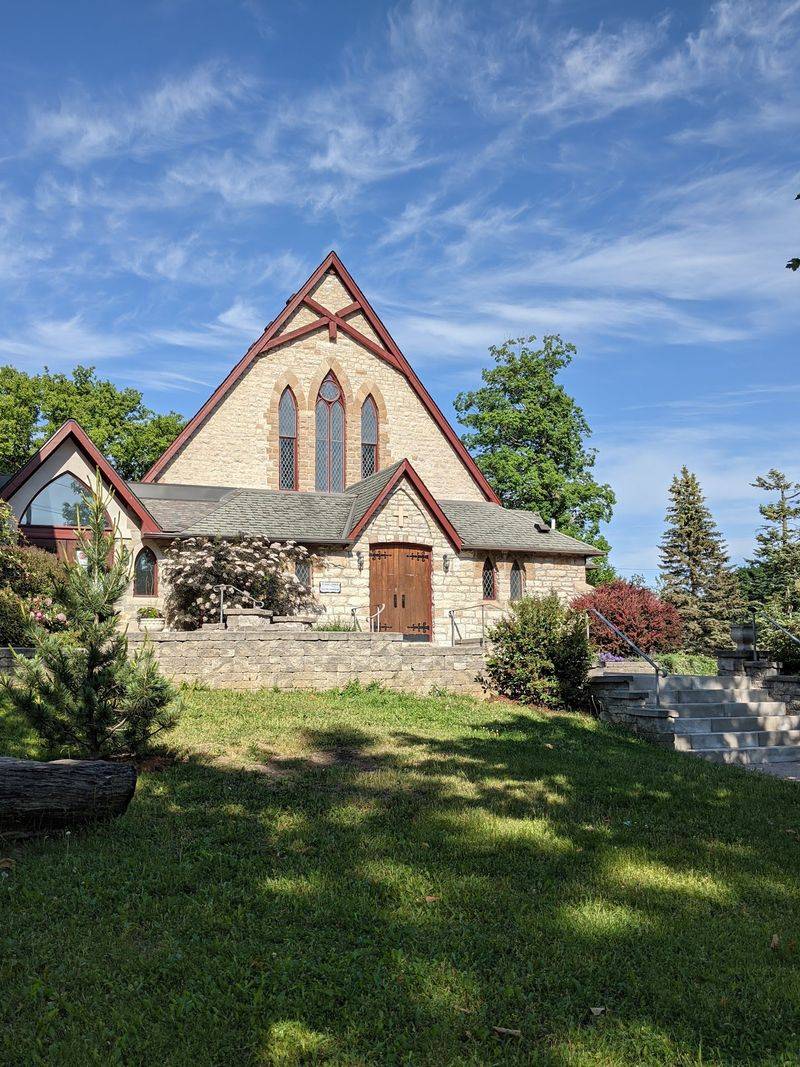
Brick mills, a rushing river, and a downtown that refused to fade. Sitting at the mouth of the Lamprey, this town once built ships, farmed, and fished before the Industrial Revolution rerouted everything toward cotton textiles in the 1820s.
By the close of the nineteenth century it ranked as the fifth largest manufacturing community in the state, which sounds wild once you see how compact it is.
Those old buildings did not go to waste. Restaurants and shops now fill them, character fully intact.
Head to Zion’s Hill at 3 Granite Street for the Newmarket Historical Society and Museum, housed in an 1841 stone building. Known as the Stone School Museum, it operated as a two-room schoolhouse right up until 1965 and now holds artifacts from the mill era.
The Riverworks, a brick-and-granite beauty from 1840, previously served as a grocery store and a millinery.
Live music lands at the Stone Church Music Club, a venue set inside an 1832 church where the acoustics do half the work.
A historic walking tour connects the dots between all these survivors, and it takes less effort than you would expect.
Outdoors, the Lamprey River that once turned the mill wheels now serves paddlers, while conservation land like the Wiggin Farm Conservation Area keeps green space plentiful.
Working past, lively present. Newmarket balances both without breaking a sweat.
Peterborough
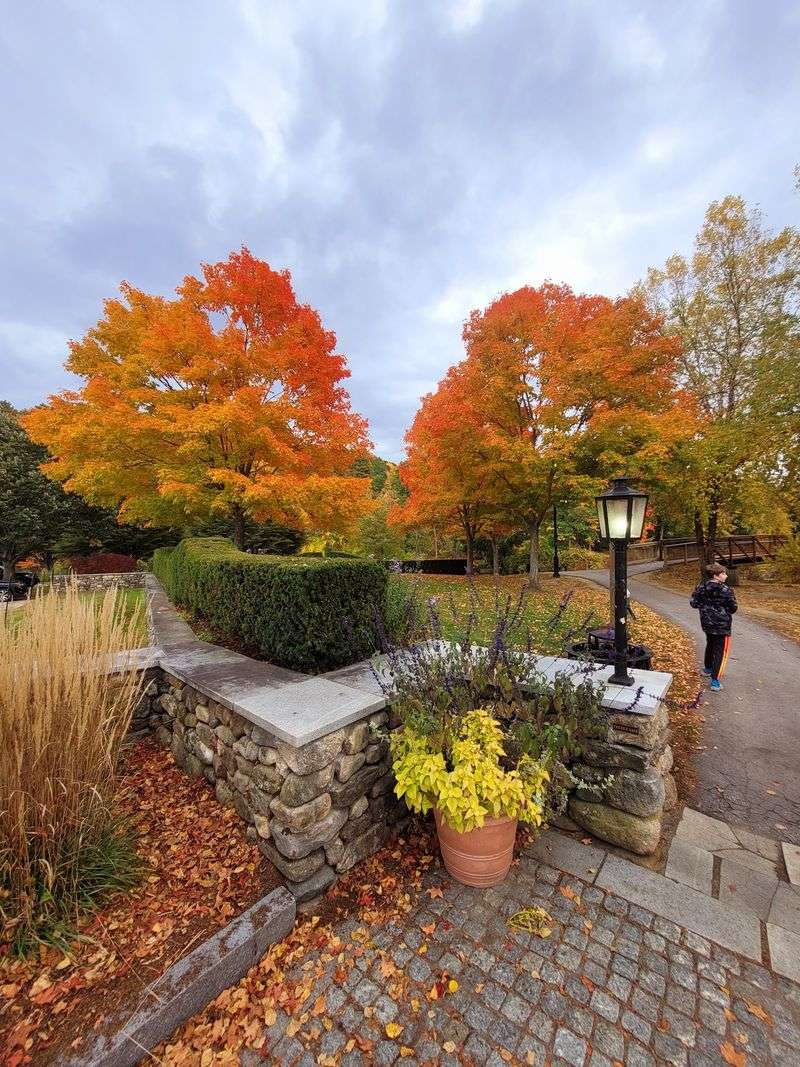
Every free public library in America owes this town a thank-you note. The first tax-supported free public library in the United States opened here in 1833, and the handsome library building standing today went up in 1892.
Settlement began as farming country, with the official grant arriving in 1737, and the downtown has held onto its early 1800s bones ever since.
History gets serious treatment at the Monadnock Center for History and Culture, 19 Grove Street, which looks after four historic buildings.
The Historical Building holds the museum and archives. Nearby, the Phoenix Mill House from around 1800 once housed a mill overseer and now works as a living history space.
Two more structures were rescued rather than demolished, the Brick Ends House and the District #8 Schoolhouse, both dating to 1824 and both relocated to the center’s grounds.
Creative types have been coming here for generations. The MacDowell Colony, founded in 1907, stands as the first and leading artist residency program in the country, and composers, writers and painters have shaped its reputation ever since.
At 26 Main Street, the Mariposa Museum and World Culture Center fills a building that began as a Baptist Church in 1842 and was rebuilt following a fire in 1999. Hands-on global folk art awaits inside.
Bookish, artsy and quietly influential, this Monadnock town punches far above its size.
Portsmouth
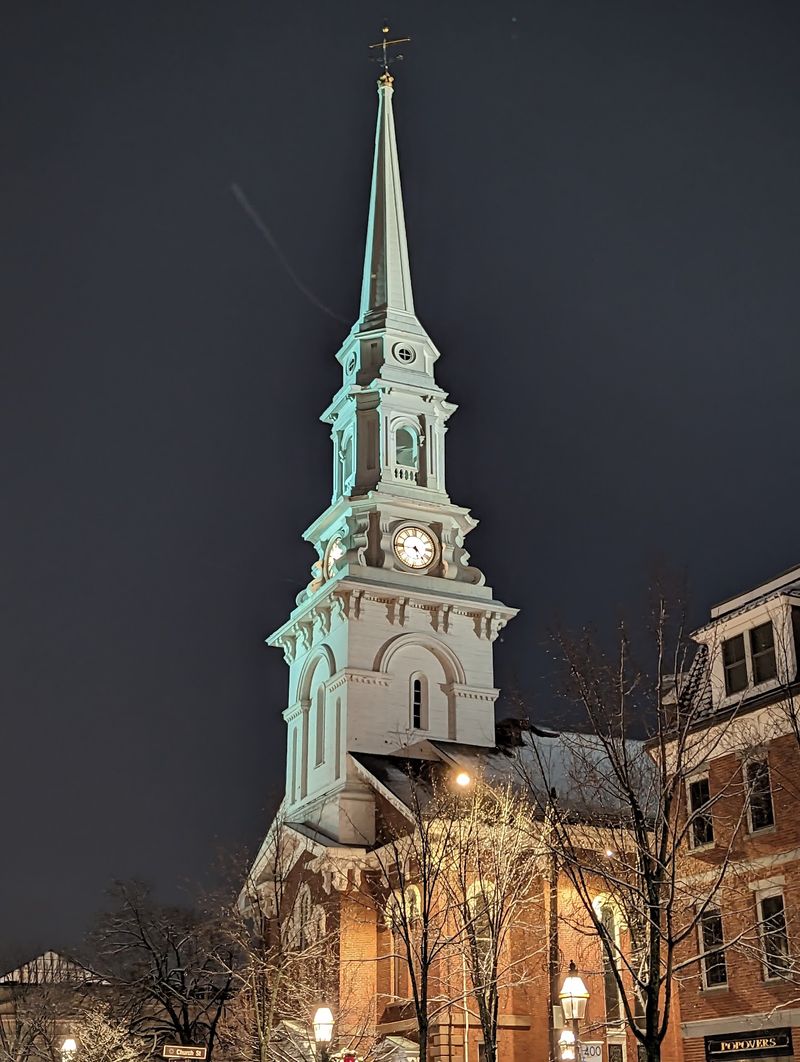
Four centuries of stories crammed into a walkable seaport. Settled in the early 1600s, this coastal city stacks colonial mansions, cobbled corners and salt air into one very photogenic package.
Ten acres at 14 Hancock Street hold Strawbery Banke Museum, an outdoor history museum preserving 32 domestic and commercial buildings that span 300 years, complete with traditional crafts and period exhibits.
Research and gallery space sit at 6-9 Market Square inside the Portsmouth Athenaeum, an independent library and museum established in 1817.
Naval history fans should aim for 43 Middle Street and the John Paul Jones House, a National Historic Landmark from 1758 where the Revolutionary War naval hero lodged.
At 154 Market Street, the Moffatt-Ladd House and Garden brings Georgian grandeur from 1763, once home to General Whipple, plus an authentic underground passage that sounds far more mysterious than a garden tour usually does.
Keep going and the list grows. The Langdon House at 143 Pleasant Street, the Jackson House at 76 Northwest Street, and the Warner House at 150 Daniel Street each offer a different slice of the past.
Down at 60 Marcy Street, the USS Albacore Museum and Park lets you walk through a revolutionary research submarine parked on dry land.
Between waterfront parks and brick sidewalks, the whole city rewards aimless wandering. Wear comfortable shoes and abandon your schedule early.
Wolfeboro
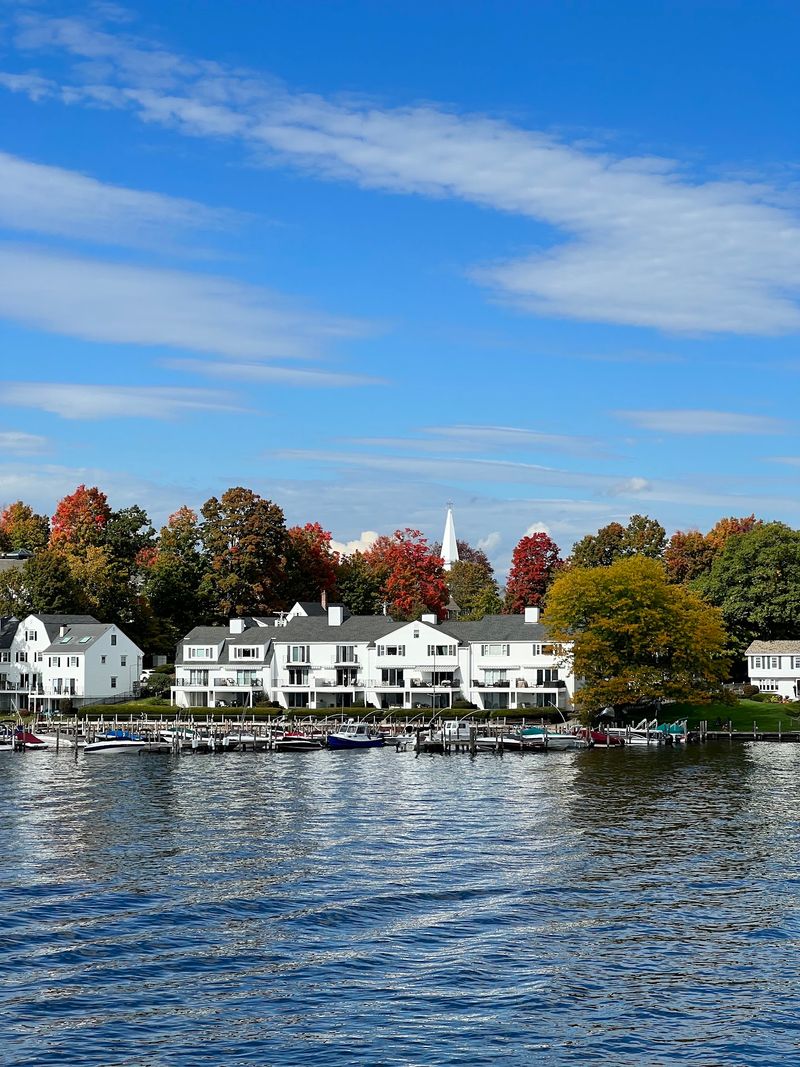
America’s oldest summer resort. That title has belonged to this Lake Winnipesaukee town since 1763, which means vacationing here has been fashionable for a very long time.
Set your bearings at 233 South Main Street, where the Clark Museum Complex sits in Clark Park under the care of the Wolfeboro Historical Society.
The Clark House, a 1778 farmhouse, later worked as a tavern and inn. Beside it stands the Pleasant Valley School House, a one-room schoolhouse from 1805 relocated to the site in the 1950s.
Round out the grounds with a reconstructed 1820s barn packed with vintage oddities and a research center, plus a replica firehouse sheltering antique hand pumps.
Twentieth century history takes over at the Wright Museum of World War II, 77 Center Street, dedicated to the Greatest Generation. Exhibits recreate 1940s home life, and the military vehicle collection carries national significance.
Natural history gets its turn at the Libby Museum nearby, where wildlife and specimen displays fill a lakeside building.
In the town center on South Main Street, the Pickering House keeps its main house and barn from 1813. Daniel Pickering, the town’s first postmaster, once lived there.
Lake views bookend everything, so pair museum hopping with a walk along the water and a look at the boats.
Granite State summers were basically invented here. Show up and see why the habit stuck.
