A working post office from 1852 still hand-cancels letters out here, and the postmark skips the ZIP code entirely. Yep, in the middle of the woods.
That’s the detail I can’t get over.
The post office sits in a historic village surrounded by more than 120,000 acres of pine forest. That makes this the largest single tract in the state park system of New Jersey.
Now that is a lot of trees.
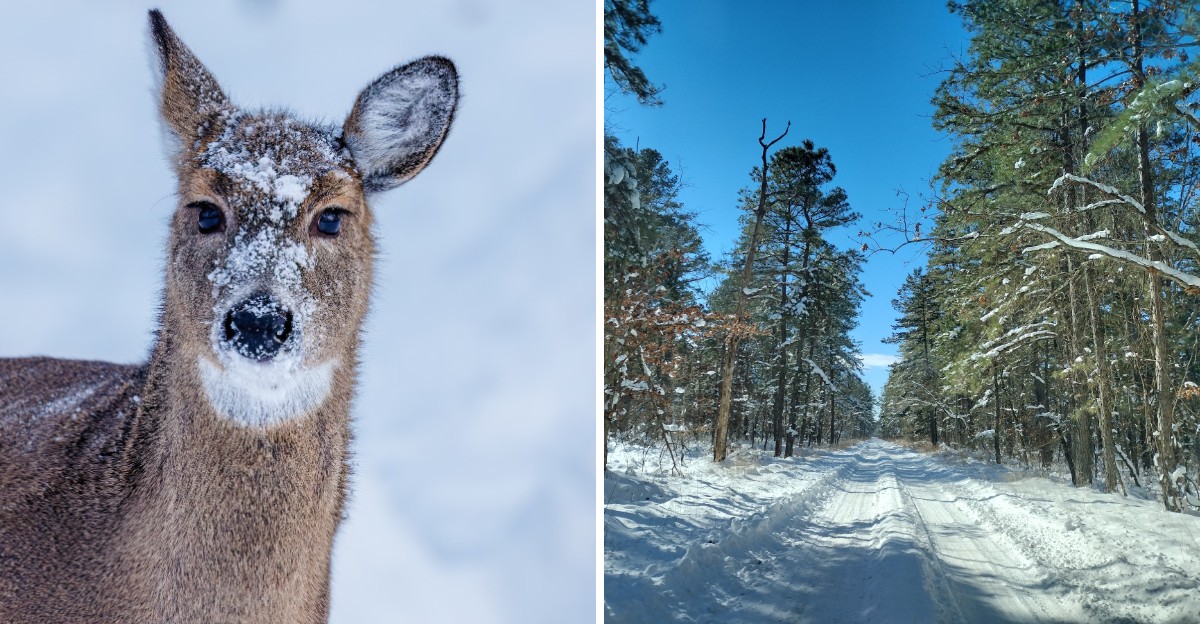
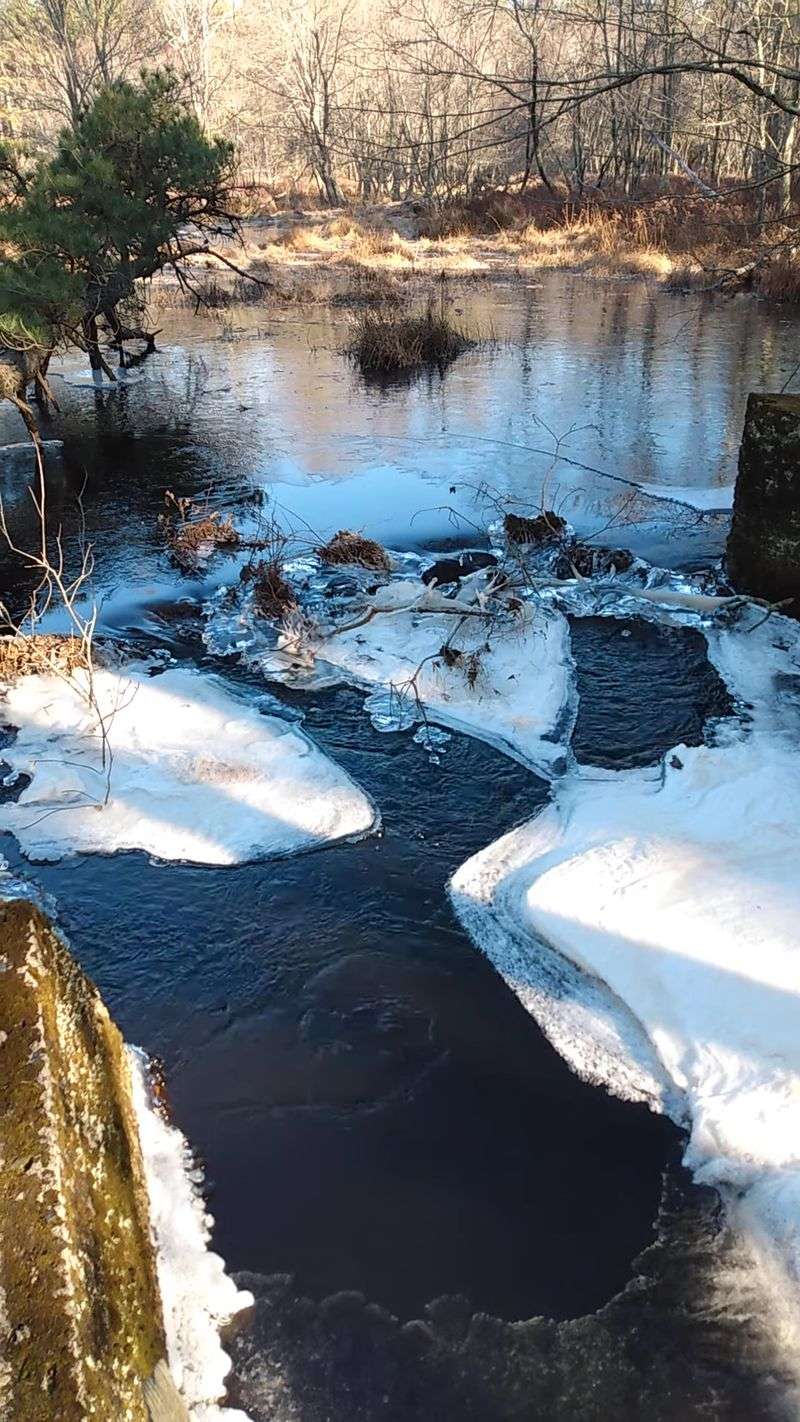
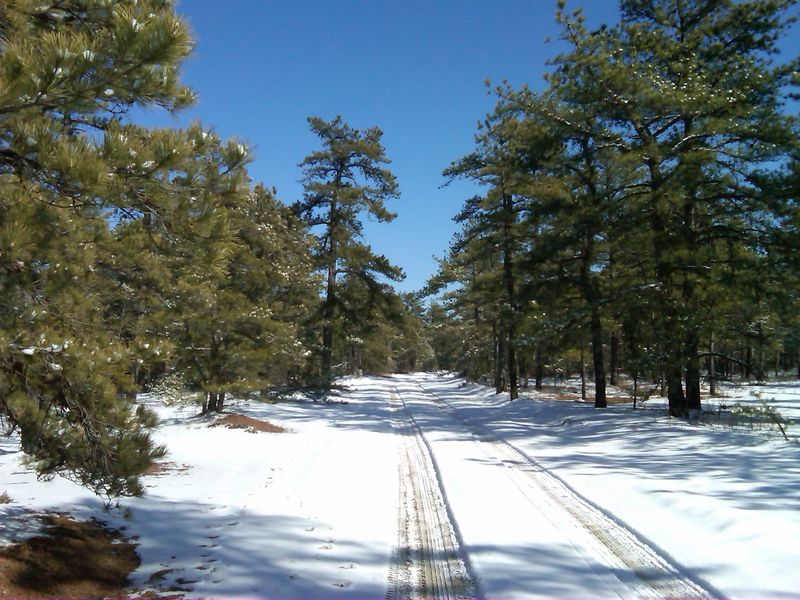
Add snow, and the whole place changes. Deep green pitch pines stand out against white ground, and dark cedar water slides past icy banks.
Sound seems to vanish.
I can see why winter fans love it here. The quiet feels almost unreal, and the history makes it even stranger in the best way.
More Than 120,000 Acres Go Wonderfully Silent Under Snow
Size matters here, and Wharton State Forest has plenty of it. The forest covers more than 120,000 acres in southern New Jersey.
That makes it the largest single tract of land in the New Jersey State Park System. When snow falls across all that space, the result feels surprisingly hushed.
The forest sits inside the Pinelands, a region known for sandy soil and evergreen trees. Pitch pines keep their color all winter, so the woods never look bare or gray.
Instead, you get bright white ground under deep green branches. On a sunny morning, frosted needles can sparkle like someone tossed glitter around.
Fair warning, the scale can catch first-timers off guard. Many roads inside the forest are sand or gravel, and winter conditions can make them tricky.
A sturdy vehicle and a careful plan help a lot. Download maps before you go, because cell service can be spotty in remote stretches.
Pack layers, water, and snacks even for a short outing. Wide open woods are lovely, but they don’t come with convenience stores.
Treat the forest with respect, and it rewards you with real peace. Honestly, that silence is the main attraction.
A Whole Historic Village Waits At The Heart Of The Woods
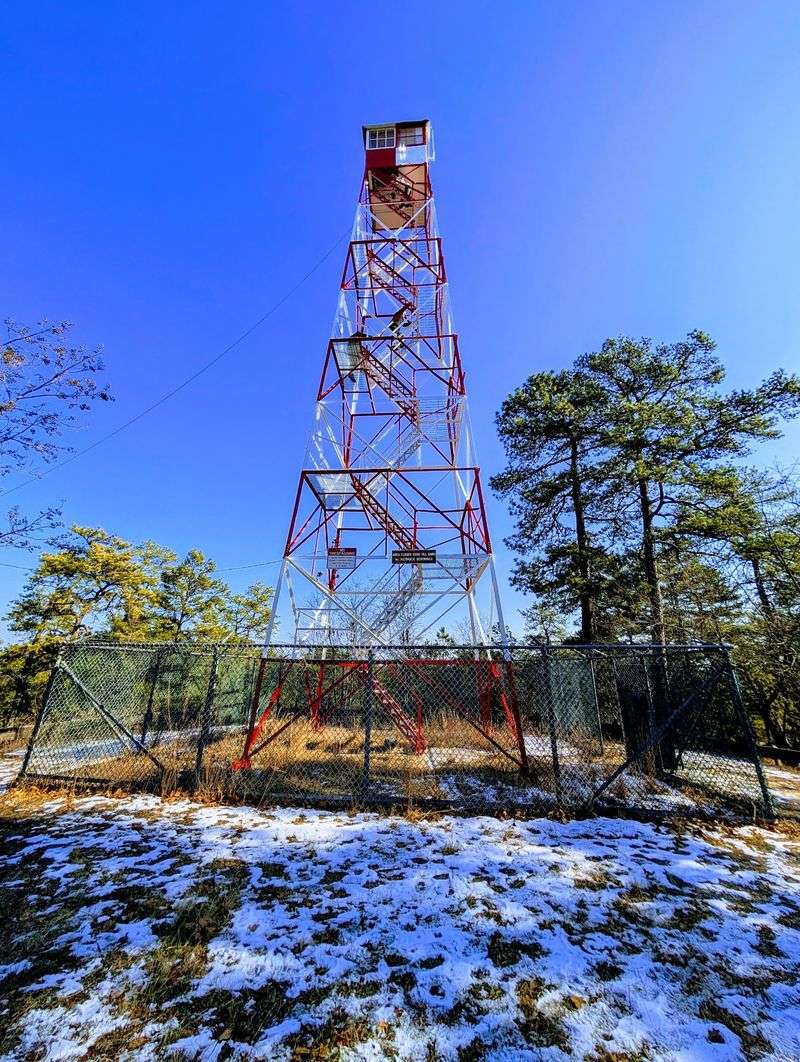
Old buildings look even better with snow on their roofs. Batsto Village proves that point at 31 Batsto Road, Hammonton, NJ 08037.
The village began as an ironworks community in the 1700s. Later, it shifted to glassmaking and farming as times changed.
Today, more than thirty historic buildings still stand on the grounds. Strolling past them in winter feels like stepping into an old postcard.
The star of the show is the Batsto Mansion, a grand Victorian-style home. Its tall tower rises above the village and makes a striking sight against a pale winter sky.
Workers’ homes, barns, and other structures help tell the story of daily life here. Each one adds a piece to the puzzle of how this forest community once ran.
The village also serves as a handy starting point for exploring Wharton State Forest. You’ll find a visitor center and trailheads close by.
Check hours before heading out, since schedules can shift by season. A quick look ahead saves a lot of disappointment.
Bring a camera and some patience. The best shots often come when fresh snow sits untouched along the paths.
Your Holiday Cards Can Get A Postmark With No ZIP Code
Mail call gets a lot more charming at Batsto. The village post office dates back to 1852 and still operates today.
Here’s the fun twist. Letters mailed here get a hand cancellation, and the postmark doesn’t include a ZIP code.
That small quirk turns an ordinary envelope into a little keepsake. Holiday cards sent from here feel like they traveled through time first.
Winter is a natural season to try it. Grab a few cards, write them out at home, and bring them along on your visit.
Friends and family might not notice the postmark right away. Then again, the curious ones definitely will.
The post office is one of the oldest in the country still in use. That alone makes the tiny building worth a stop.
Kids usually love this part, too. Mailing a letter from a historic village beats dropping it in a blue box any day.
Double-check operating hours before you plan around it. Small historic sites can keep limited schedules.
Honestly, few souvenirs cost so little and mean so much. A stamp, an envelope, and a story to go with it.
Miles Of Flat, Sandy Trails Make Winter Hiking Easy
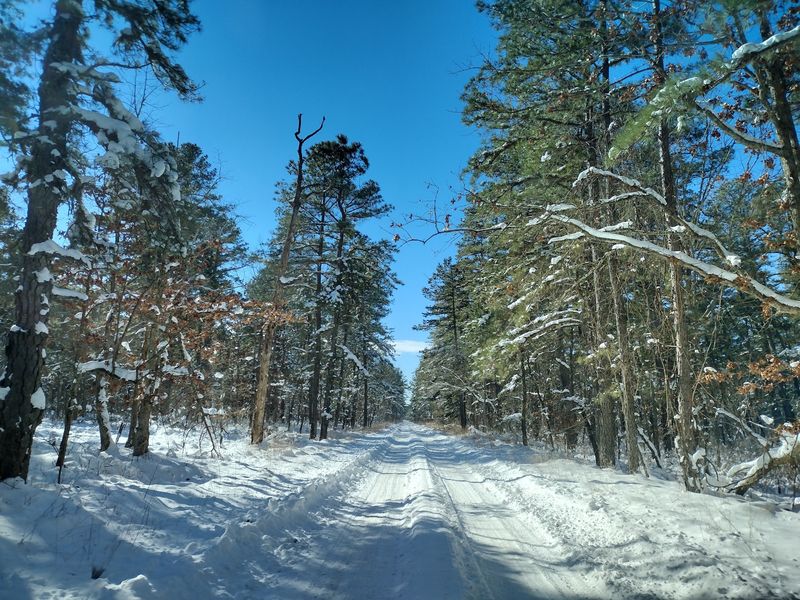
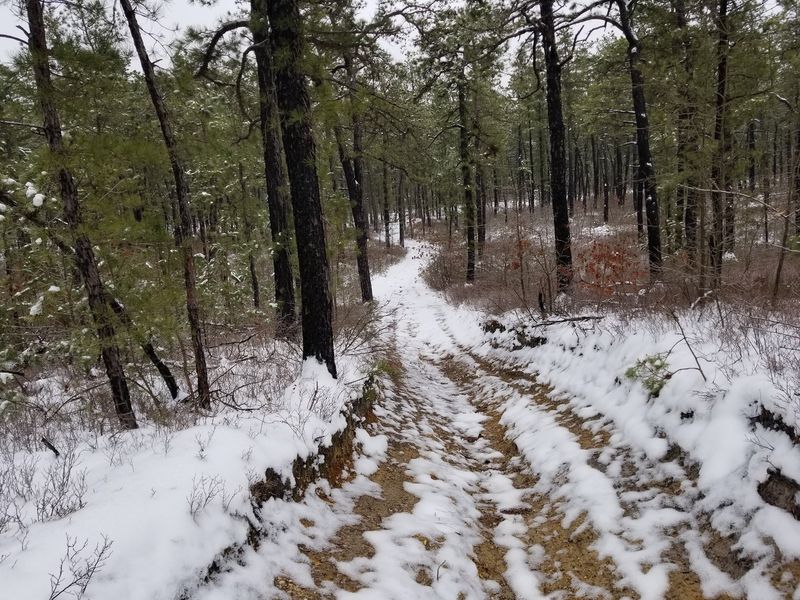
Good news for anyone who dislikes steep hills. The trails in Wharton State Forest are mostly flat and sandy.
The forest offers dozens of miles of marked hiking paths. Snow softens them into quiet, cushioned routes through the pines.
The famous Batona Trail runs about 50 miles across several state forests. A long stretch of it passes right through Wharton, marked with pink blazes.
Long-distance hikers love it, but you don’t need to tackle the whole thing. Short out-and-back sections work just fine on a cold afternoon.
For something easier, the Batsto Lake Trail loops near the village. It’s a solid choice for families or anyone who wants a relaxed walk.
Once enough snow piles up, cross-country skis and snowshoes come out to play. The flat ground makes both feel friendly for beginners.
Wear waterproof boots, since melting snow and wet sand can get messy. Traction devices help on icy patches, too.
Days are short in winter, so start early. The woods get dark fast, and trails can look alike once the light fades.
Tea-Colored Rivers Look Extra Dramatic Next To Snowy Banks
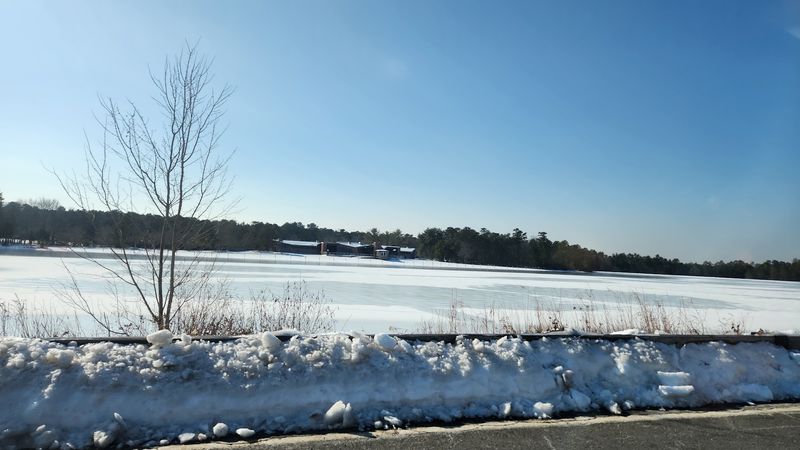
Those dark rivers aren’t dirty at all. The water gets its tea-like color from tannins and iron in the Pine Barrens soil.
Wharton State Forest has several of these waterways, including the Mullica, Batsto, and Wading Rivers. In summer, paddlers flock to them.
Winter shows a different side. Deep amber water curls past white banks, and the contrast looks almost painted.
Ice can form along the edges on cold days. Snow shelves sometimes hang over the banks, creating natural sculptures you won’t see in July.
Atlantic white cedar swamps line many of these rivers. Their tall, narrow trunks add a moody, storybook feel to snowy scenes.
Atsion Lake is another pretty stop in the colder months. Summer swimmers know it well, but winter turns it into a calm, frosty view.
Please stay off frozen surfaces, though. Ice on moving water can be thin and unpredictable.
Bring a thermos and find a safe spot along the bank. Watching dark water drift past snow is oddly soothing, and you’ll probably stay longer than planned.
Bare Branches Make Wildlife Much Easier To Spot
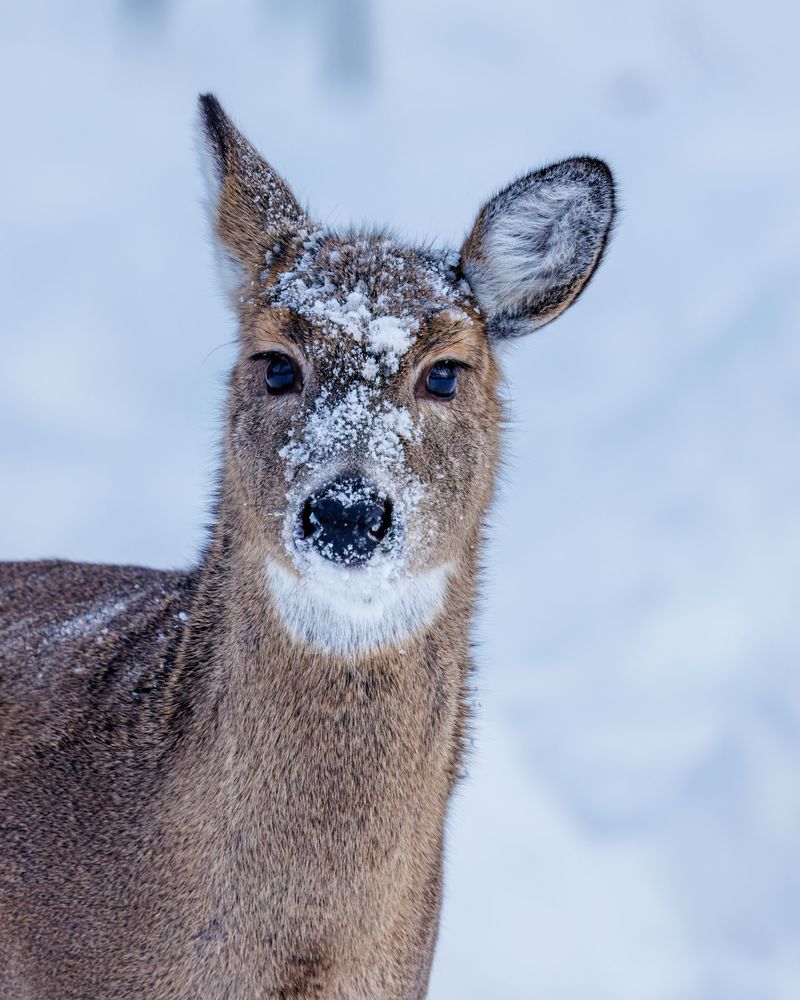
Winter strips away the leafy hiding spots. That’s great news for anyone hoping to see wildlife in Wharton State Forest.
Many oaks drop their leaves, which opens up views through the woods. Animals moving across snow also stand out much more clearly.
Birders have plenty to watch for here. Bald eagles, hawks, great blue herons, and several owl species can appear in the forest.
Bring binoculars and keep your eyes on treetops near open water. Eagles often favor spots where they can scan for fish.
White-tailed deer are common sights in the area. Lucky visitors might spot foxes, beavers, or even river otters along the waterways.
Fresh snow adds a bonus activity. Tracks show who passed by overnight, and kids love playing detective.
Move slowly and talk softly for the best chances. Animals notice noise long before you notice them.
Give every creature plenty of space, too. Winter is already hard for wildlife, so watching from a distance helps them save energy.
A simple field guide makes the hunt more fun. Naming what you see turns a walk into a mini adventure.
Old Iron And Paper Towns Hide Out Among The Pines
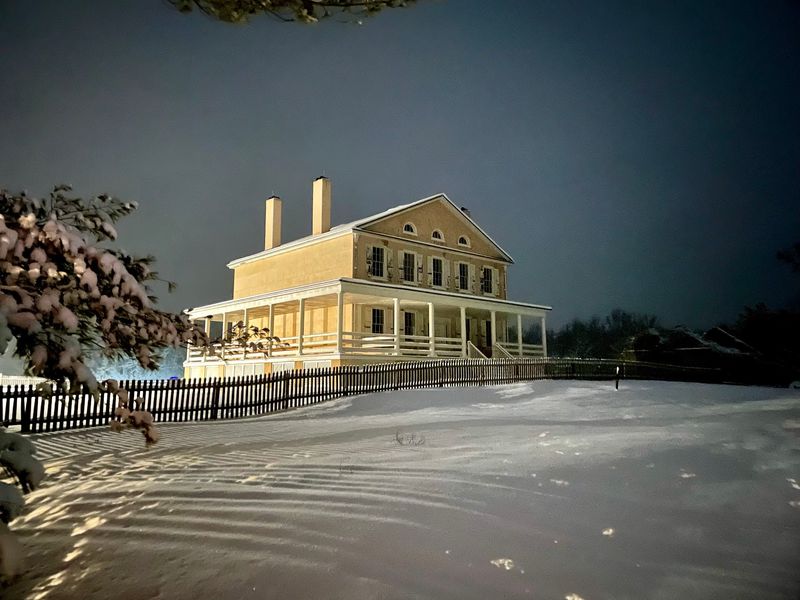
Batsto isn’t the only old settlement out here. Wharton State Forest also holds traces of other forgotten communities.
Atsion was once a company town that produced bog iron in the 1800s. Its mansion still stands, a sturdy reminder of busier days.
Harrisville tells another story. This village was known for a paper mill, and stone ruins remain among the trees.
Snow makes these sites feel even more mysterious. Crumbling walls under a white blanket really spark the imagination.
Harrisville Pond sits nearby, formed by old mill dams on the Oswego River. It’s a lovely spot to pause and take in the scenery.
Bog iron powered much of this region’s early economy. Workers pulled iron-rich deposits from local streams and turned them into useful goods.
That history explains why towns popped up deep in the pines. When industries faded, the forest slowly crept back in.
Treat ruins gently and stay out of fenced areas. Old structures can be fragile, especially when wet or icy.
A little background reading before you go makes these stops richer. Suddenly, a pile of stones becomes a whole story.
Seasonal Events Bring Extra Warmth To Batsto
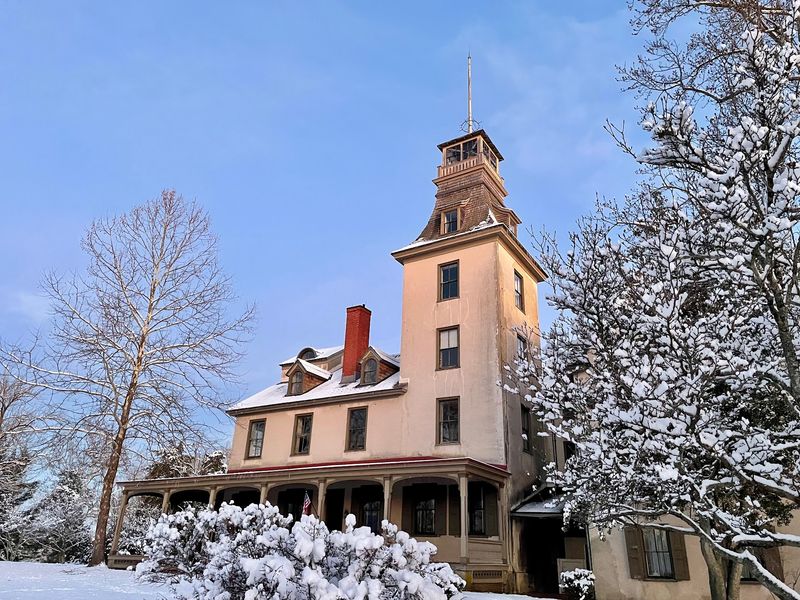
Cold weather doesn’t shut everything down at Batsto. The village often hosts seasonal programs that celebrate winter.
Holiday tours of the Batsto Mansion have shown off decorations inspired by the 1800s. Seeing old traditions up close feels cozy and a little magical.
Past winter events have included wagon rides, live music, and warm refreshments. Those are the kinds of extras that turn a chilly visit into a festive one.
Event lineups can change from year to year, so check ahead. The Batsto Citizens Committee and state park pages share updates.
Families tend to get the most out of these days. Kids can explore history without it feeling like a classroom.
Arrive early if an event is planned. Parking and tour spots can fill up on popular days.
Dress warmly even if most of the action happens outdoors briefly. Standing around in the cold sneaks up on you.
Pair an event with a short trail walk for a full day. You’ll get a dose of history and a dose of quiet woods.
Not a bad way to spend a gray weekend in New Jersey, right?
Clear Winter Nights Reveal A Sky Full Of Stars
Darkness is a rare treat in the most crowded state in the country. Wharton State Forest offers plenty of it.
Miles of protected pines keep many city lights at a distance. On clear nights, stars show up in numbers that surprise many visitors.
Winter air is often crisp and dry, which helps the view. Bright winter constellations like Orion are easy to find.
Mid-December brings the Geminid meteor shower. With good weather and luck, the dark skies here make it worth watching.
Plan carefully before heading out at night. Some areas have set hours, so confirm what’s open.
Bring blankets, hand warmers, and a red flashlight. Red light protects your night vision better than a regular beam.
Let someone know your plans, too. Remote roads and cold temps call for a bit of extra caution.
Then just look up and let your eyes adjust. After a snowy day of hiking and history, a sky full of stars feels like dessert.
Honestly, it’s a pretty great way to say goodnight to the pines.
