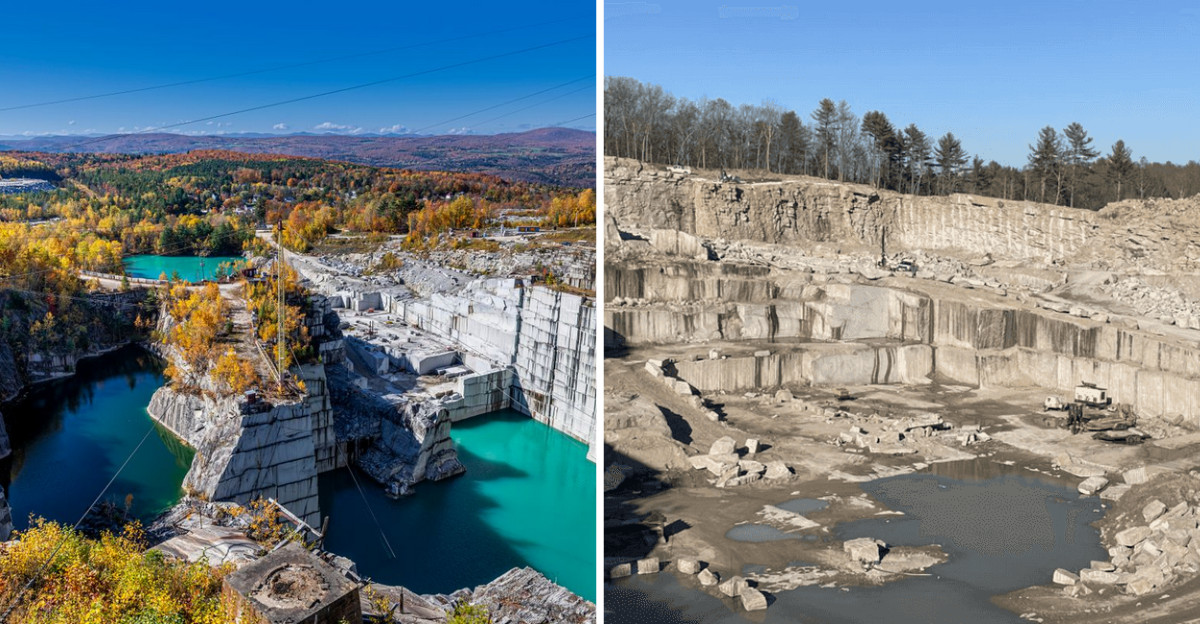
Stone walls, foundations, and old mill buildings all share the same cool blue-gray granite, a rock that came out of the ground beneath the town itself. Workers cut that stone along a creek in the 1840s, reshaping the land to make a community happen.
Running a hand along the rough blocks, the question of how many hands lifted them first is impossible to ignore. This South Carolina valley sits quietly, but its story is one of the boldest in Southern history.
The mill that started it all once powered a way of life that lasted for generations. Walking the streets, the past feels close enough to touch.
Nature and people worked side by side here, and the result is a place that still carries the weight of that labor. A quiet afternoon here lingers long after the drive home.
Blue Stone Hiding in Plain Sight
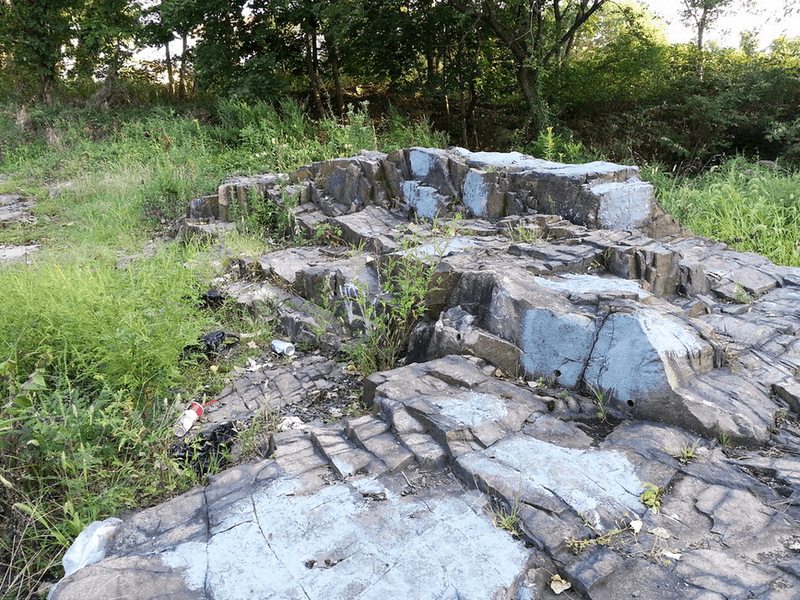
My first surprise came before I even parked the car. The rock lining the old buildings had a faint blue tint, almost like the sky had soaked into the stone.
Graniteville got its name from this very granite, found along Horse Creek, a stream that eventually feeds into the Savannah River. In the mid-1800s, a businessman named William Gregg wanted to build a textile village, and he decided to use what the land already offered.
Instead of hauling materials from far away, workers cut heavy blocks straight from the local deposit.
Think about what that meant. People with hammers, chisels, and simple tools pulled huge pieces of rock out of the ground, slowly carving the landscape into something new.
The sound of metal striking stone probably rang through the valley for months.
When you visit, take a slow look at the walls instead of rushing past. You will spot little flecks, rough edges, and color changes that show each block was shaped by hand.
A tip from me: come in late afternoon. The low sun brings out the blue shades in the granite, and the whole town seems to glow a little.
Bring a camera, because photos never quite capture it.
A Canal Dug by Hand and Big Ideas
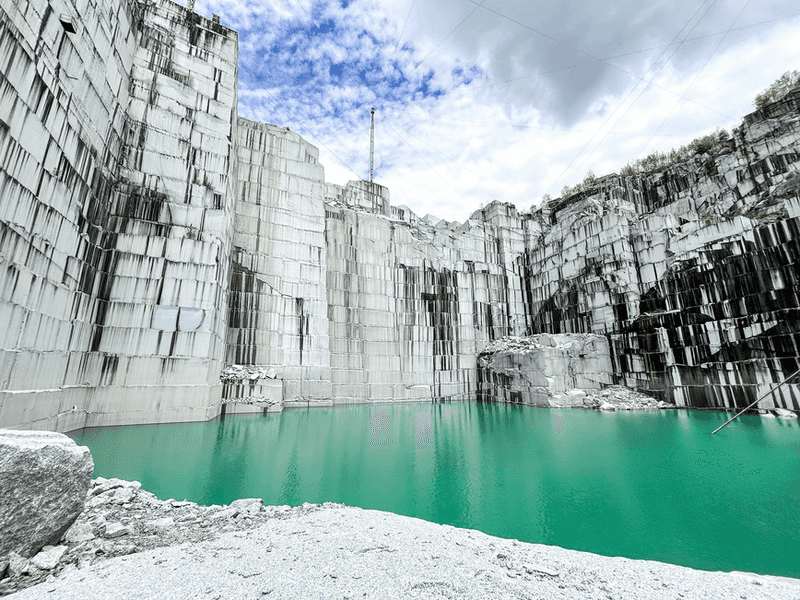
Water was the real engine of this town, and I did not fully get that until I saw the canal. It looks calm now, but it once did serious work.
Back in 1846, crews dug a power canal roughly a mile long. It pulled water from Horse Creek and Bridge Creek and sent it rushing toward the mill, where it turned the machines that spun cotton into cloth.
No electricity, no gas engines, just moving water doing heavy lifting.
Here is the part I found wild. The freshly cut granite blocks were floated down this same canal on boats, then moved onto a small railroad that carried them right to the construction site.
Some blocks even rode up to the second story of the mill.
That kind of planning was clever for its time. Gregg basically turned the landscape into one giant delivery system.
Today the canal no longer powers anything, yet it still traces a clear line through town. Walking near it, I liked imagining the splash of boats and the creak of ropes.
If you visit, look for spots where the water bends, since those curves hint at how carefully the route was chosen.
The Old Mill That Refused to Fall
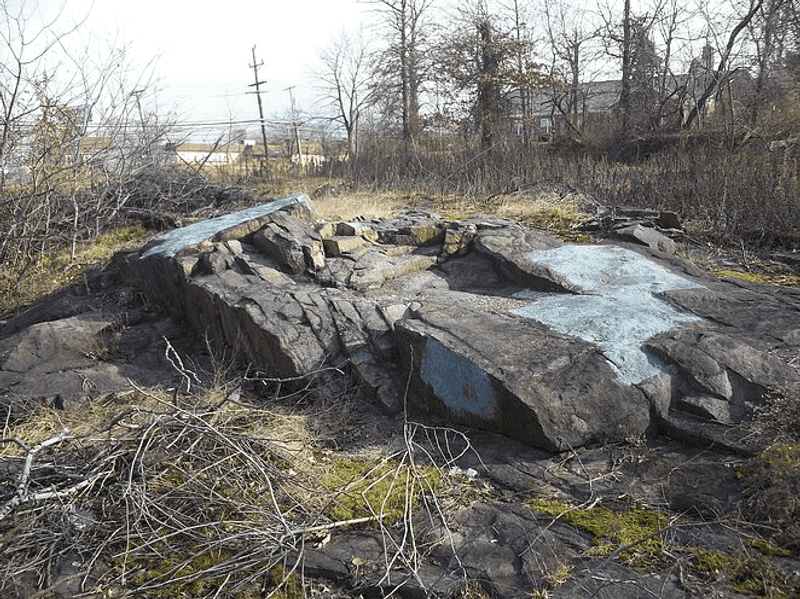
Some buildings just have presence. The original Graniteville Mill is one of them, and I stopped talking for a minute when I first saw it.
Finished in 1849, the mill stands two and a half stories tall and was built from that local blue granite. It was meant to be one of the largest textile mills in the South.
For a region that mostly farmed back then, this was a huge step toward factory work.
Did you know the mill made it through the Civil War? Sherman’s army swept through much of South Carolina, yet this stone giant survived.
Granite does not burn easily, which surely helped.
Standing near the walls, you notice how thick and solid they are. Gregg clearly wanted something that would last for generations, not just a few years.
The mill no longer hums with machines, but it still feels like the heartbeat of the town. Hundreds of workers once spent long days inside, and their daily lives shaped everything around it.
My advice is to view it from a few angles. The long sides show off the stonework best, while the corners reveal how neatly the blocks were stacked together.
Cottages, Churches, and a Whole Planned Village
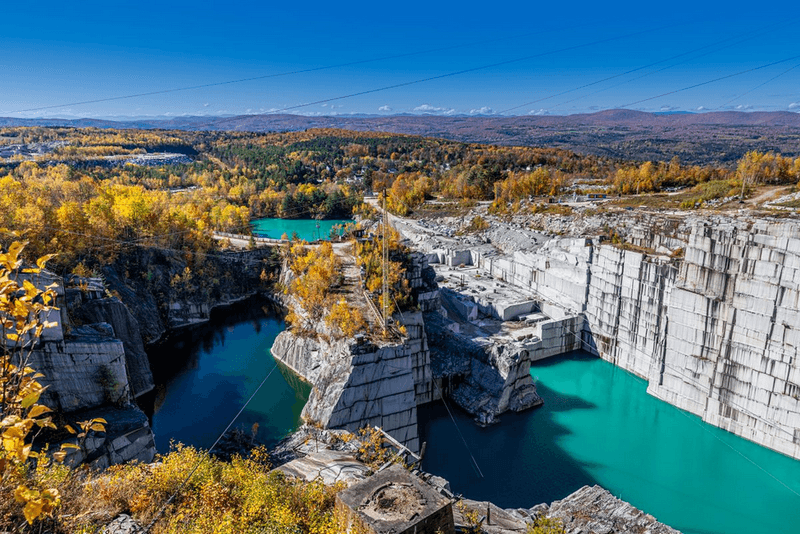
Gregg did not stop at one factory. He planned an entire village, and honestly it reminded me of a model town someone built on a giant tabletop.
His design included about 100 cottages for workers, two churches, an academy, a hotel, and several stores. Gregg acted as superintendent, engineer, and architect all at once, which sounds exhausting.
The result was one of the earliest and most complete mill villages in the country.
Many of those cottages still line Gregg Street. They show a Carpenter Gothic style, with pointed roof lines and charming trim that look a bit like something from a storybook.
Here is a fun history bit. Gregg required mill families to send their children to the Graniteville Academy, creating what is often called the South’s first compulsory education system.
In the 1840s, that was a big deal.
As you walk, keep in mind that people still live in many of these homes. Stay on sidewalks, keep your voice friendly, and enjoy the details from a respectful distance.
I loved picking out small differences between houses. One porch might lean a little, another might have fresh paint, and each feels like its own chapter.
Colors That Shift With the Light
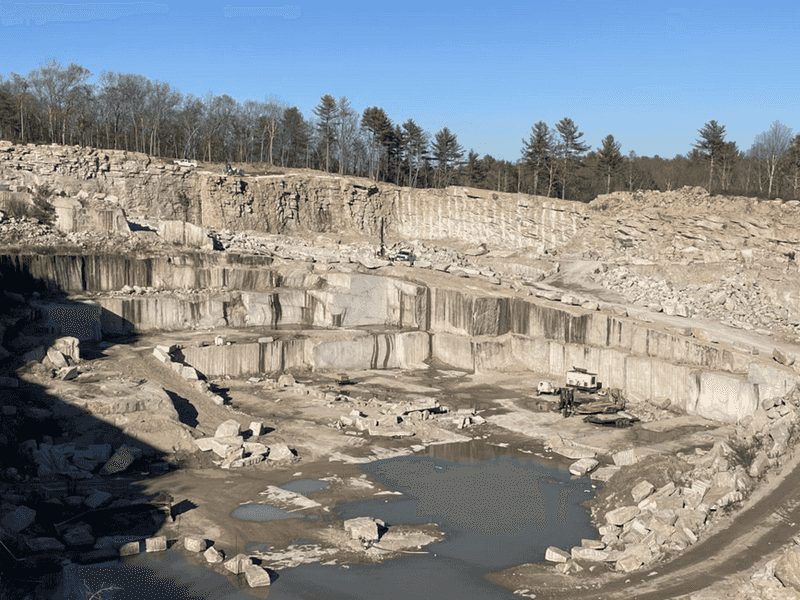
Granite sounds boring until you really stare at it. I spent way too long doing exactly that, and I regret nothing.
In Graniteville, the stone ties the whole historic district together. From the massive mill to foundations under the cottages, that same rock shows up again and again.
It gives the town a matching look, almost like everything belongs to one family.
Granite forms deep underground when melted rock cools very slowly over a long, long time. That slow cooling creates the tiny crystals you can see sparkling on the surface.
So when you touch these walls, you are touching something far older than the town itself.
Watch how the color changes during the day. Morning light makes it look cool and gray, while evening sun warms it toward soft blue and silver tones.
Bring a curious kid along if you can. Ask them to find crystals, cracks, or bits of moss tucked into the stone, and suddenly a history walk becomes a treasure hunt.
After nearly two centuries, many of these structures still stand strong. Seeing that made me appreciate how the earth itself became part of everyday life here.
A Slow Stroll Through a National Landmark
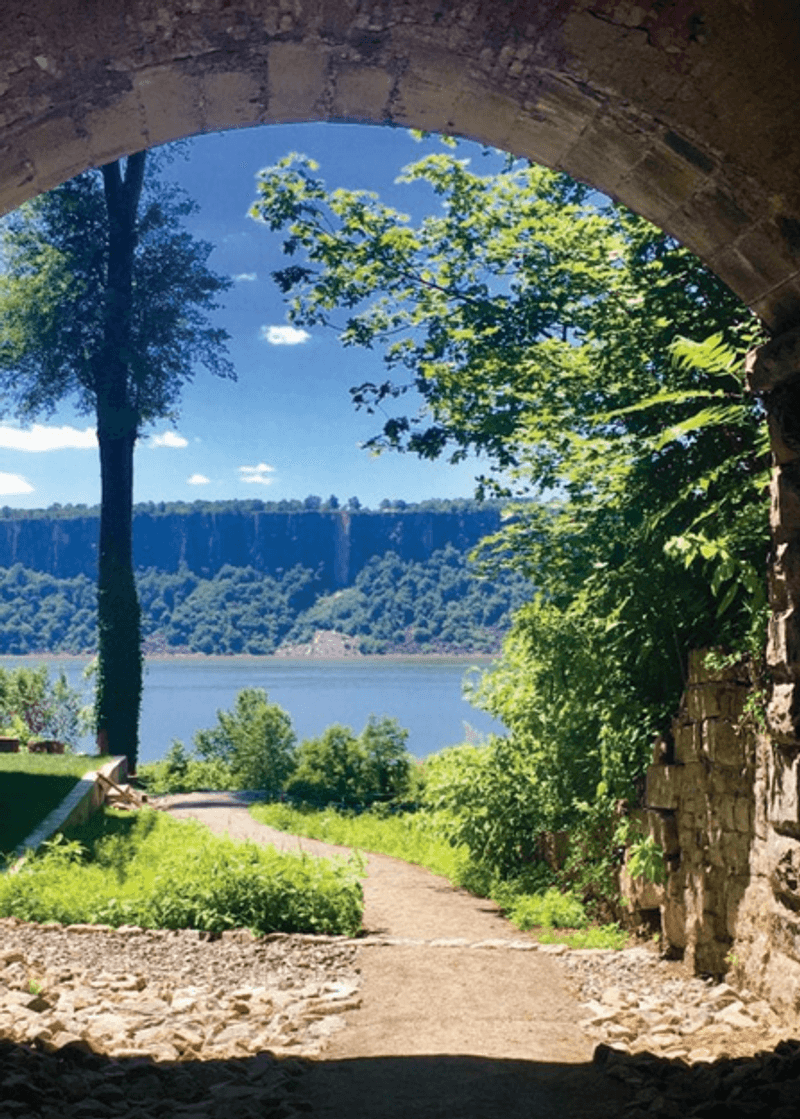
Nobody hands you a ticket here, and I kind of loved that. You just pick a street and start wandering.
The Graniteville Historic District is a National Historic Landmark, which is a top honor for historic places in the United States. It covers the mill, worker homes, churches, the canal, and the former Graniteville Academy, now Leavelle McCampbell Middle School.
A self-guided walk lets you go at your own pace.
I suggest wearing comfortable shoes and setting aside at least an hour. The streets are fairly calm, so you can pause often without feeling rushed.
Every turn seems to show another piece of the story. A church steeple pops into view, then a stone wall, then a cottage with a cheerful porch swing.
Spring and fall are the nicest seasons for walking. Summers in this part of South Carolina get hot and sticky, so bring water and plan for shade if you visit then.
Instead of hunting for one big quarry pit, think of the whole town as the quarry’s result. The carved-away earth lives on in these buildings, scattered across the valley like pieces of a puzzle.
Where the Past Still Hums Quietly
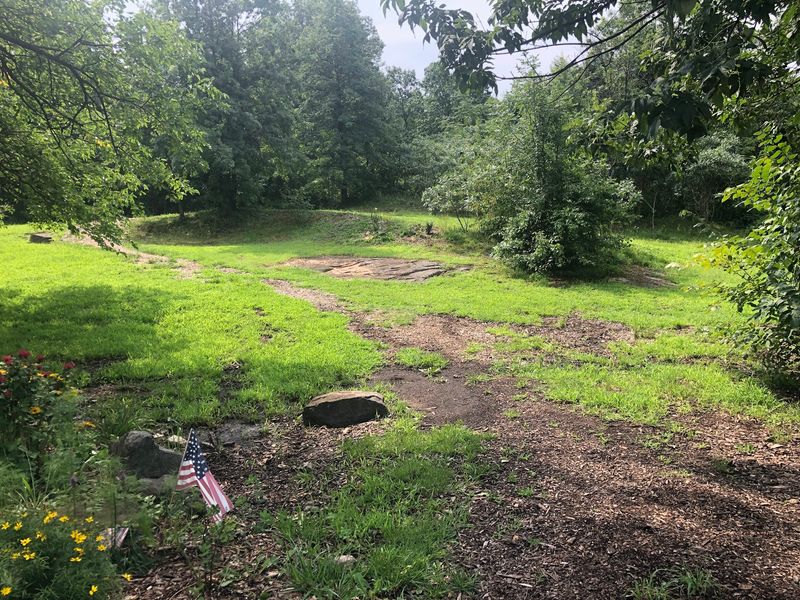
Leaving town, I caught myself glancing back in the rearview mirror. Graniteville has that effect.
The mill is quiet now, and the town has grown and changed like any community does. Still, the granite buildings keep the old story alive without needing a single sign.
They feel steady, like a friend who always shows up.
Local efforts to protect the historic district mean future visitors can see what made this place special. That matters, because few towns show so clearly how one natural resource shaped homes, work, school, and faith all at once.
If you are road tripping, Graniteville pairs nicely with a day in nearby Aiken. You can explore there, then swing over for a peaceful evening walk among the stone walls.
Here is my honest takeaway. This town proves that big ideas can be built from something as simple as the ground under your feet, as long as people are willing to work hard.
So take your time, notice the textures, and let the quiet sink in. The earth was carved away here, but what came from it still stands proudly today.
Address: Gregg Street, Graniteville, SC 29829
