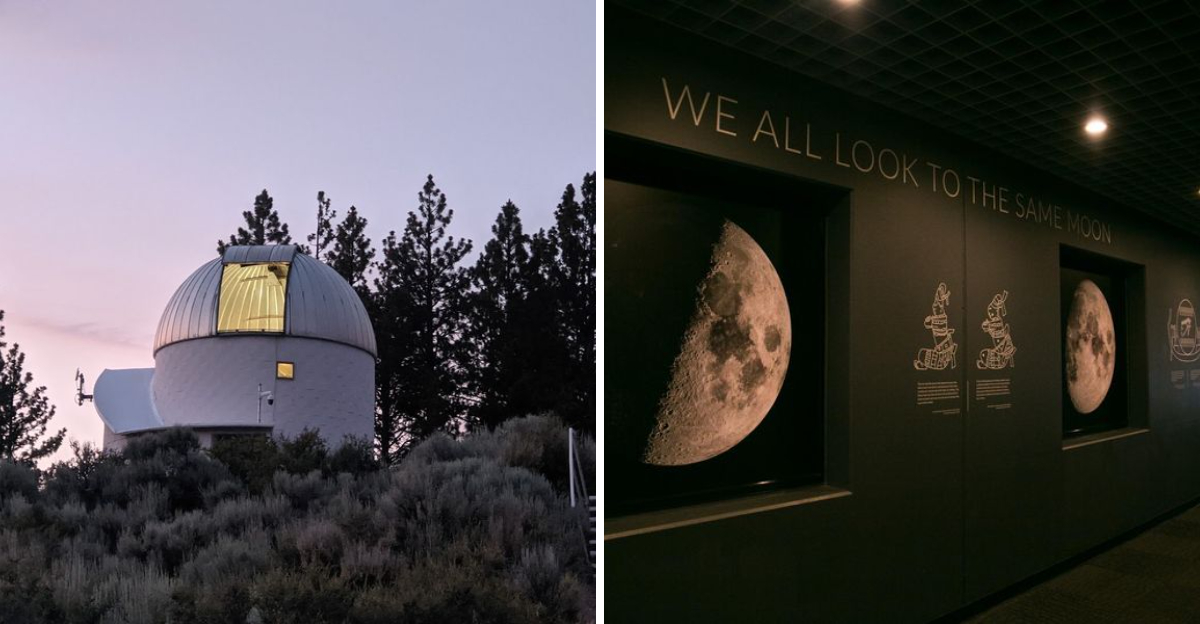
Looking for an out-of-this-world adventure in 2026? Oregon has you covered. You can explore the cosmos at a planetarium dome in the city, or get up close with actual spacecraft and aviation history in the valley.
A true highlight is a museum housing a legendary flying boat, where you can also see a spy plane and a massive missile. The space hangar offers a deep dive into NASA’s history, with artifacts and educational exhibits. It is a full day trip that combines awe-inspiring history with interactive science.
So fuel your curiosity with some of the best space-themed experiences the state has to offer. From hands-on exhibits to full-scale rockets, 2026 is your year to explore.
1. Oregon Museum of Science and Industry, Portland
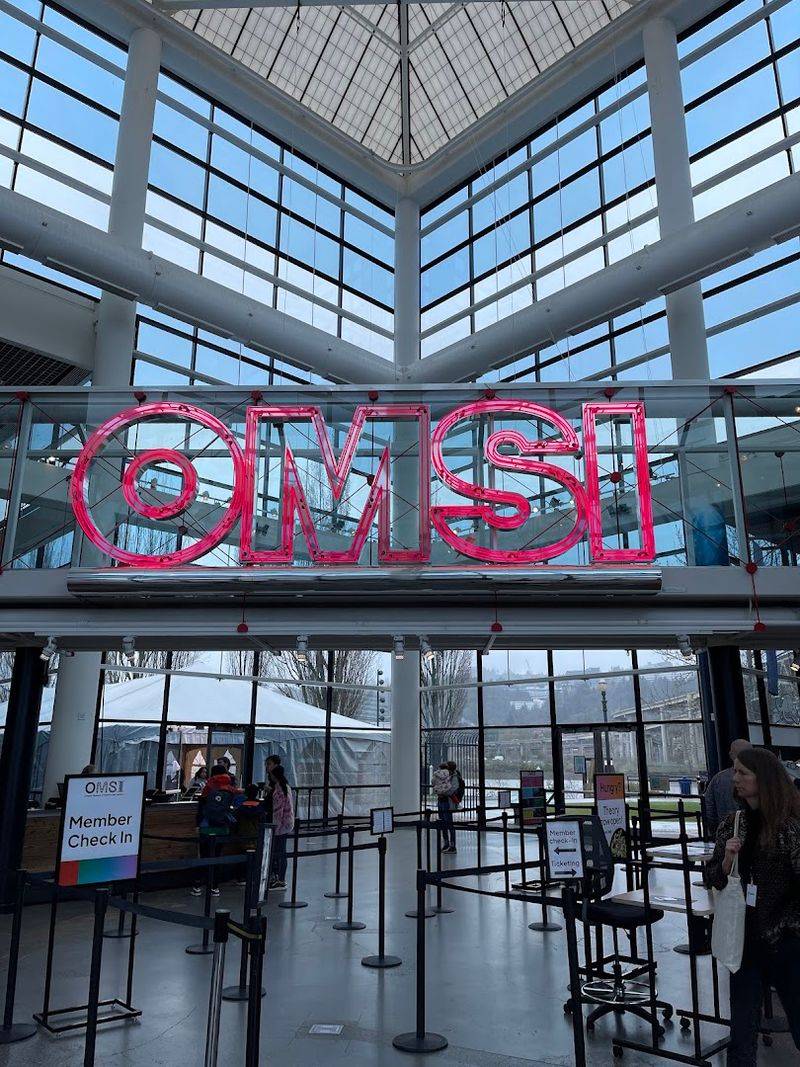
There is something contagious about the energy inside OMSI, especially when you wander into the space science exhibits and suddenly feel like a kid again. The museum has long been one of Portland’s most beloved institutions.
Its connection to astronomy and space exploration runs deep. Hands-on displays let you touch meteorites, explore scale models of the solar system, and learn about the physics of rocket propulsion in ways that actually stick.
The Kendall Planetarium inside OMSI is a genuine highlight. Full-dome shows take you on immersive journeys through the cosmos, and the quality of the projection technology makes the whole experience feel surprisingly cinematic.
It is worth arriving early to catch a show and then spending the rest of the morning exploring the broader exhibits.
Families with curious kids will find this place endlessly rewarding. Adults tend to linger just as long. The museum sits right along the Willamette River, so a riverside walk afterward makes for a perfect ending to the visit.
Address: 1945 SE Water Avenue, Portland, Oregon
2. Sunriver Nature Center and Observatory
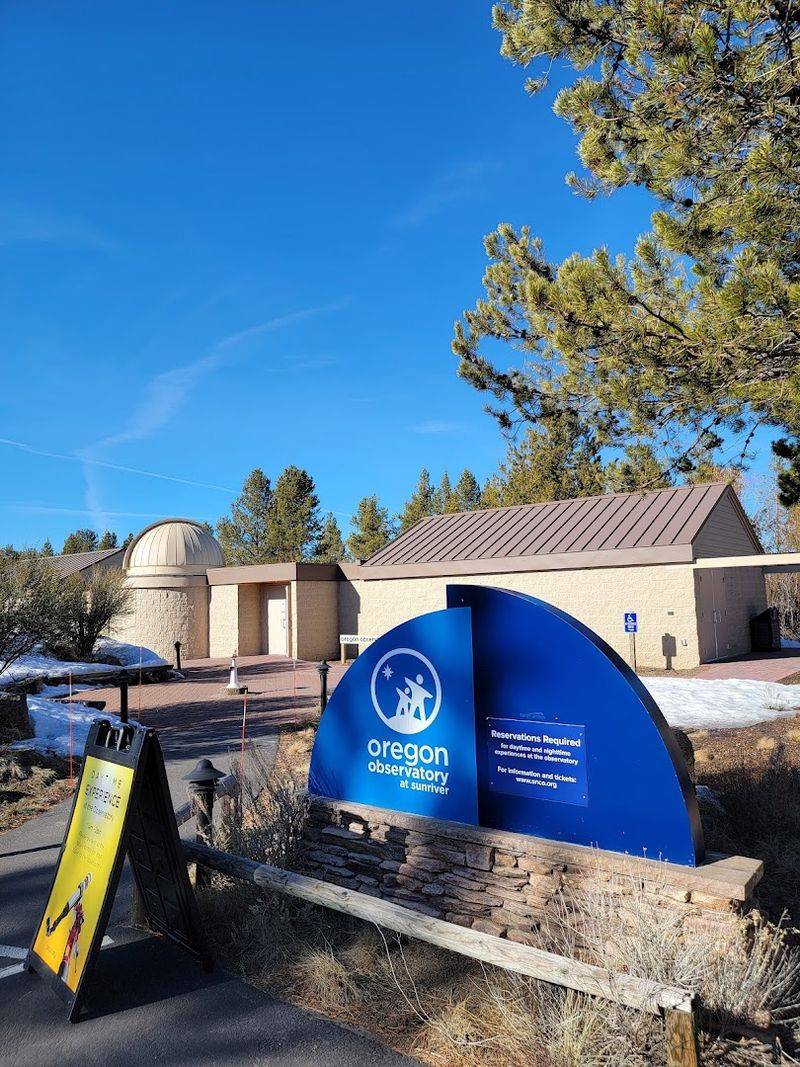
Sunriver is already known as one of Central Oregon’s most popular resort destinations, but tucked within its nature center is a gem that many visitors completely overlook. The Sunriver Nature Center and Observatory offers public star parties and telescope viewing sessions.
The setting, surrounded by ponderosa pines with minimal light pollution nearby, makes the whole experience feel wonderfully removed from everyday life.
During the day, the nature center itself is worth exploring. Exhibits cover local ecology, geology, and the natural history of the high desert, all of which connect in interesting ways to the broader story of our solar system and the universe. It is a nice way to fill the afternoon.
The observatory houses a 12.5-inch reflecting telescope, and trained volunteers guide visitors through what they are seeing with genuine patience and care. Kids especially respond to the moment when Saturn comes into view through the eyepiece.
That ringed planet never gets old, no matter how many times you have seen it. Check the schedule in advance since sessions depend on weather and season.
Address: 57245 River Road, Sunriver, Oregon
3. Goldendale Observatory State Park, Washington Border Day Trip
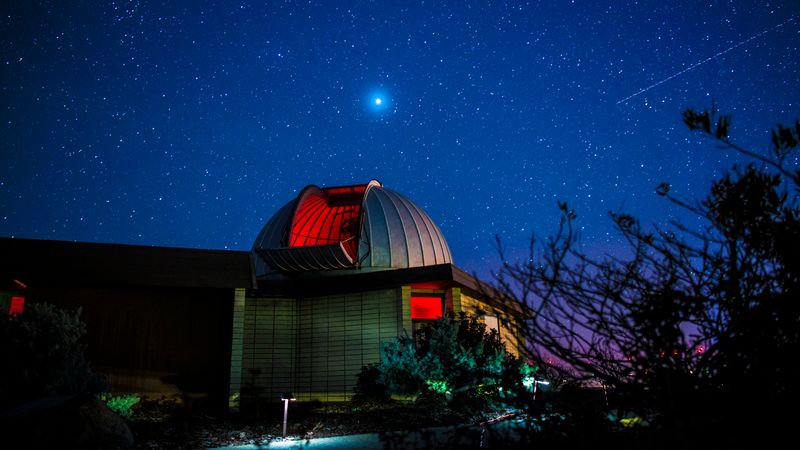
Just across the Columbia River from Oregon, Goldendale Observatory sits on a hilltop in southern Washington and makes for an excellent cross-border day trip from Portland or Hood River.
The drive itself is scenic, winding through the Columbia River Gorge before climbing into open grassland country. Arriving in the late afternoon gives you time to explore the grounds before the evening programs begin.
The observatory houses one of the largest public telescopes in the United States, a 24.5-inch Cassegrain reflector that has been welcoming curious visitors for decades.
Daytime programs let you safely observe the sun, while evening sessions turn toward planets, star clusters, and whatever else is visible that night. The staff have a gift for making complex astronomy feel approachable and exciting rather than intimidating.
The hilltop location means the horizon stretches in almost every direction, and the sunsets here are genuinely spectacular. Combine that with a sky that darkens beautifully once night falls, and you have a full day trip that rewards patience.
It is the kind of place that reminds you how vast the universe really is, and somehow that feels comforting rather than overwhelming.
4. Kendall Planetarium at OMSI
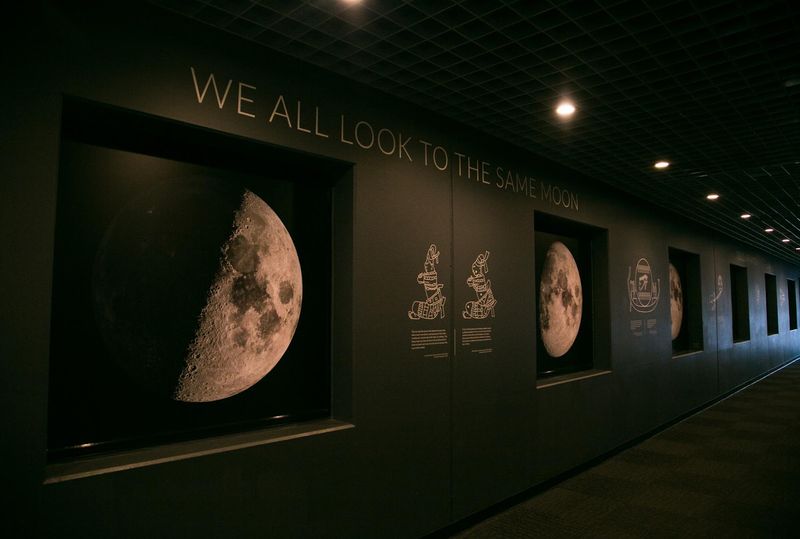
Few experiences compare to lying back in a reclining seat while the entire dome above you erupts into a swirling galaxy of stars. The Kendall Planetarium at OMSI deserves its own mention because it operates as a world unto itself.
Shows rotate seasonally, so there is almost always something new to see, and the programming ranges from family-friendly cosmic adventures to more in-depth astronomical presentations for older audiences.
The dome itself uses a Digistar projection system, which means the visuals are sharp, fluid, and genuinely breathtaking. I remember watching a show about black holes and feeling a strange mix of wonder and vertigo as the simulation pulled us toward the event horizon.
Laser shows also run regularly on weekend evenings, blending music with dazzling visual effects across the dome. Those tend to sell out, so booking ahead is a smart move.
Whether you go for the science or just the spectacle, the Kendall Planetarium delivers an experience that feels completely unlike anything else in Portland.
Address: 1945 SE Water Avenue, Portland, Oregon
5. Crater Lake National Park Dark Sky Viewing
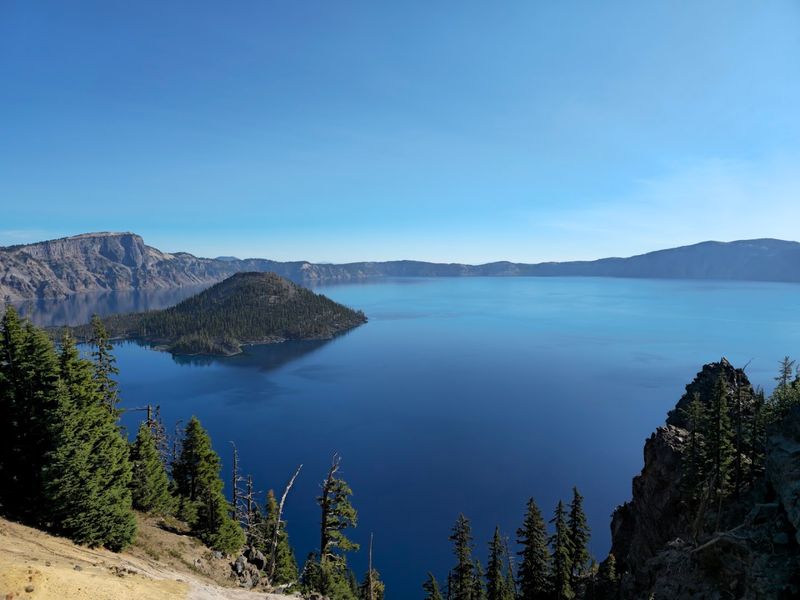
Crater Lake is already one of the most visually stunning places in the Pacific Northwest, but after dark it transforms into something almost otherworldly. The park has been recognized for its exceptional dark sky quality, and on a moonless night the star density above the caldera is genuinely staggering.
The deep blue of the lake disappears into blackness, and the sky above fills in with layer after layer of stars.
Summer is the best time to visit for night sky viewing, since the rim road is accessible and the temperatures are bearable after sunset. Ranger-led astronomy programs run on select evenings during peak season, and these are well worth attending.
Rangers have a talent for weaving together the geological story of the ancient volcano with the cosmic perspective that stargazing naturally invites.
Even without a formal program, simply pulling over at one of the rim overlooks and turning off your flashlight for a few minutes is enough to produce that sharp intake of breath that good dark skies always cause. Bring a red-light headlamp, a warm jacket, and something to sit on.
6. Ochoco National Forest Stargazing, Prineville Area
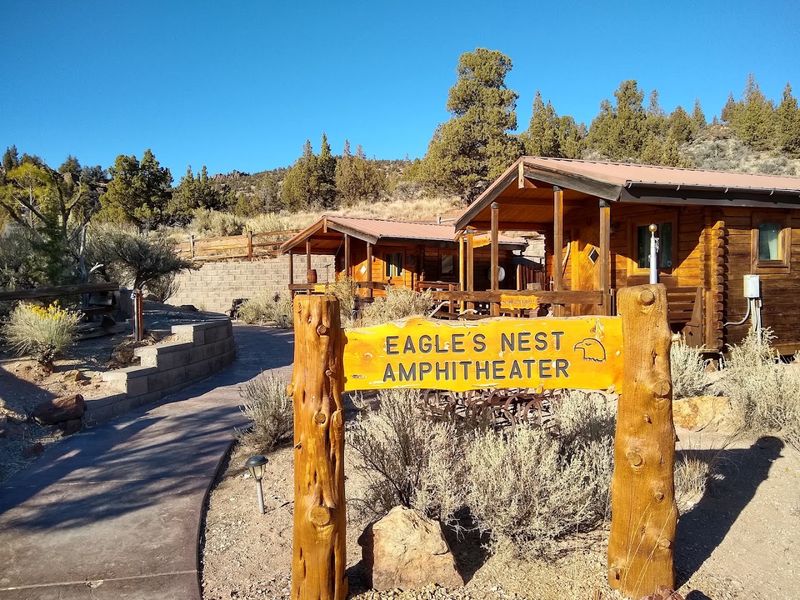
Not every great space experience requires a building or a telescope you did not bring yourself. Ochoco National Forest, spreading out east of Prineville, offers some of the darkest skies in Oregon without the crowds that sometimes gather at more well-known spots.
Getting out here feels like an adventure in its own right, with winding roads cutting through juniper scrub and pine forest before opening into broad meadows where the sky seems to double in size.
Amateur astronomers have quietly known about Ochoco for years, and on weekends you will sometimes find small clusters of people with serious equipment set up in the meadows near Ochoco Lake or deeper in the forest.
There is a communal generosity among stargazers that makes these informal gatherings surprisingly welcoming. Total strangers will invite you to look through their telescopes. It happens almost every time.
Daytime in Ochoco is its own reward too, with hiking trails, wildflowers in spring, and the kind of quiet that is increasingly hard to find. Pair an afternoon hike with an evening under the stars and you have a full and deeply satisfying day trip from Bend or Redmond. Ochoco rewards the unhurried traveler.
7. Pine Mountain Observatory, Bend Area
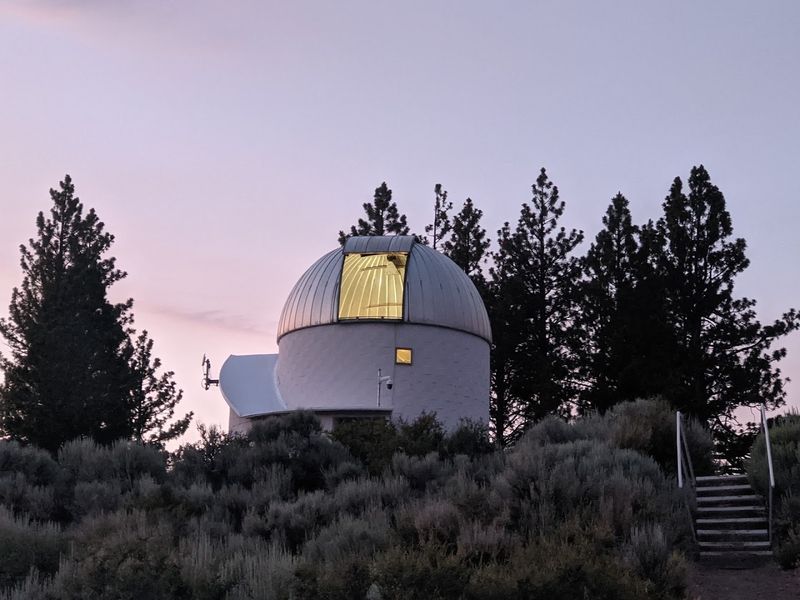
Perched at nearly 6,500 feet in the high desert east of Bend, Pine Mountain Observatory feels like the edge of the world in the best possible way. This research facility opens its doors to the public on select Friday and Saturday nights during the warmer months.
The experience is unlike anything you will find at a typical attraction. Real telescopes, real astronomers, and a sky so dark it almost does not look real.
Getting there requires a drive on a gravel forest road, which adds a bit of adventure to the whole outing. Bring layers because even summer nights get cold at that elevation.
The volunteers and staff are remarkably generous with their time, pointing out constellations, explaining what you are seeing through the eyepiece, and answering every question with genuine enthusiasm.
On a clear night, you might see Jupiter’s moons, Saturn’s rings, or distant nebulae that look like watercolor smudges against the black sky. It is humbling and exhilarating all at once. Plan to stay late because the sky only gets better as the night deepens.
8. Haystack Rock Astro Night, Cannon Beach
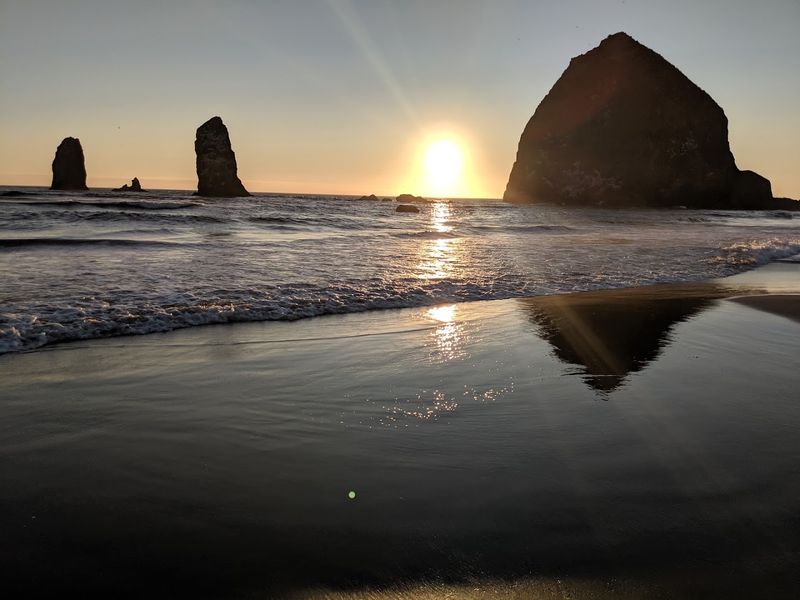
Cannon Beach is famous for its dramatic coastline and the iconic sea stack rising from the surf, but on certain evenings it becomes something else entirely. The Friends of Haystack Rock organization occasionally hosts astronomy events on the beach.
There is something particularly magical about stargazing with your feet in the sand and the sound of waves nearby.
The Oregon coast can be moody and cloudy, so timing matters. Late summer and early fall tend to offer clearer skies, and checking the forecast a few days out is always worth the effort.
When the clouds do part, the view above the Pacific is extraordinary, and the Milky Way sometimes appears to pour directly into the ocean.
Even if the stars stay hidden, Cannon Beach at night has its own atmosphere. The rock looms in silhouette against the sky, tide pools glimmer in the dark, and the whole scene feels cinematic. It is the kind of evening that stays with you.
9. Eastern Oregon Dark Sky Corridor, Burns and Steens Mountain
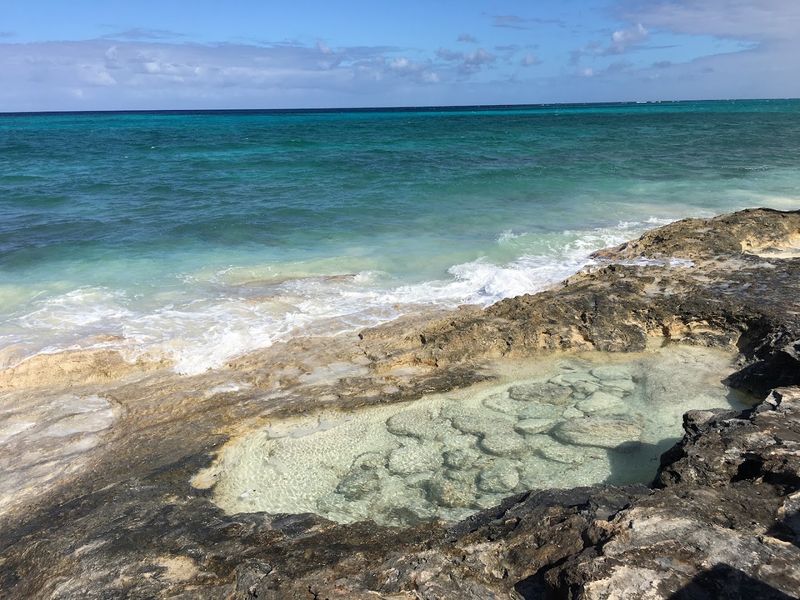
Few places in the continental United States offer skies as dark and expansive as the region around Burns and Steens Mountain in southeastern Oregon. This is genuinely remote country, and that remoteness is exactly the point.
Driving out here feels like leaving the modern world behind one mile at a time, and by the time you reach the high desert plateau, the silence is so complete it becomes its own kind of sound.
Steens Mountain rises to over 9,700 feet and is one of the great fault-block mountains of the West. The summit road, when open in summer, brings you above the surrounding basin and delivers a 360-degree horizon that stargazers dream about.
On a clear night, the Andromeda Galaxy is visible to the naked eye, and the sheer number of stars overhead can make familiar constellations hard to pick out at first.
Burns itself is a small ranching town with genuine Western character. Stock up on supplies before heading into the backcountry, and plan your trip around a new moon for the darkest possible sky. Camping overnight makes the most of the experience.
10. Rice Northwest Museum of Rocks and Minerals, Hillsboro
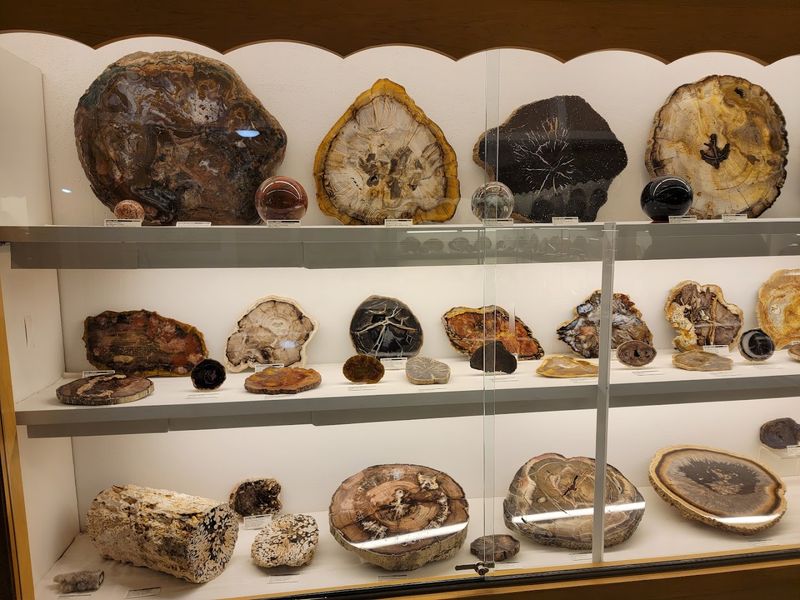
Space science is not only about looking up. Sometimes it is about looking at what has fallen down. The Rice Northwest Museum of Rocks and Minerals in Hillsboro holds an impressive meteorite collection that connects the story of Earth directly to the broader story of the solar system.
Meteorites are literal pieces of other worlds, and seeing them up close has a way of making abstract space science feel suddenly very tangible.
The museum occupies a beautiful mid-century home surrounded by gardens, and the atmosphere is intimate and unhurried. Exhibit cases display minerals and crystals from around the world, but the meteorite section always draws a crowd.
Some samples come from the asteroid belt, others from Mars and the Moon, and reading the labels feels a bit like reading a travel itinerary for the inner solar system.
Families with science-minded kids will find this place endlessly engaging, and adults who thought they were just tagging along often end up the most absorbed. The volunteer docents are knowledgeable and eager to share.
It is a smaller institution than OMSI but no less rewarding, and the short drive from Portland makes it an easy half-day addition to any weekend plan.
Address: 26385 NW Groveland Drive, Hillsboro, Oregon
11. Lakeview Dark Sky Area and Summer Lake Hot Springs Region
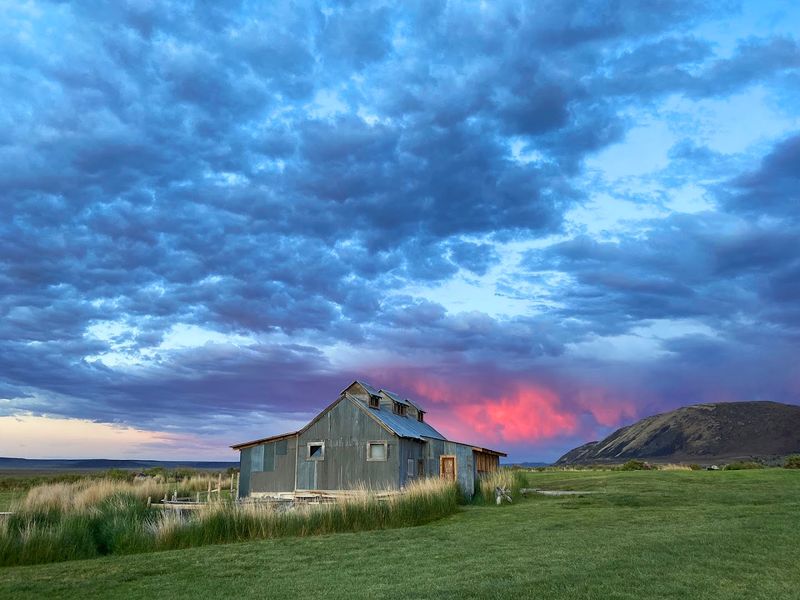
The area around Lakeview in south-central Oregon is one of those places that feels genuinely off the map, and that quality is a big part of its appeal. Lakeview bills itself as Oregon’s tallest town creates exceptional conditions for stargazing.
Light pollution out here is nearly nonexistent, and the sky on a clear night is almost impossibly dark.
The Summer Lake Hot Springs area nearby adds a wonderful dimension to the trip. Soaking in geothermal water while watching stars emerge overhead is one of those experiences that is hard to fully describe and nearly impossible to forget.
The springs are modest and natural-feeling, which suits the surroundings perfectly.
Birdwatching and wildlife viewing fill the daylight hours beautifully in this region, with the Warner Wetlands drawing impressive migrations in spring and fall. The whole area rewards slow, attentive travel. Plan to spend most of the day exploring before settling in for the evening sky show.
The drive from Bend takes a few hours but passes through some of Oregon’s most dramatic high desert scenery, making every mile feel worthwhile.
