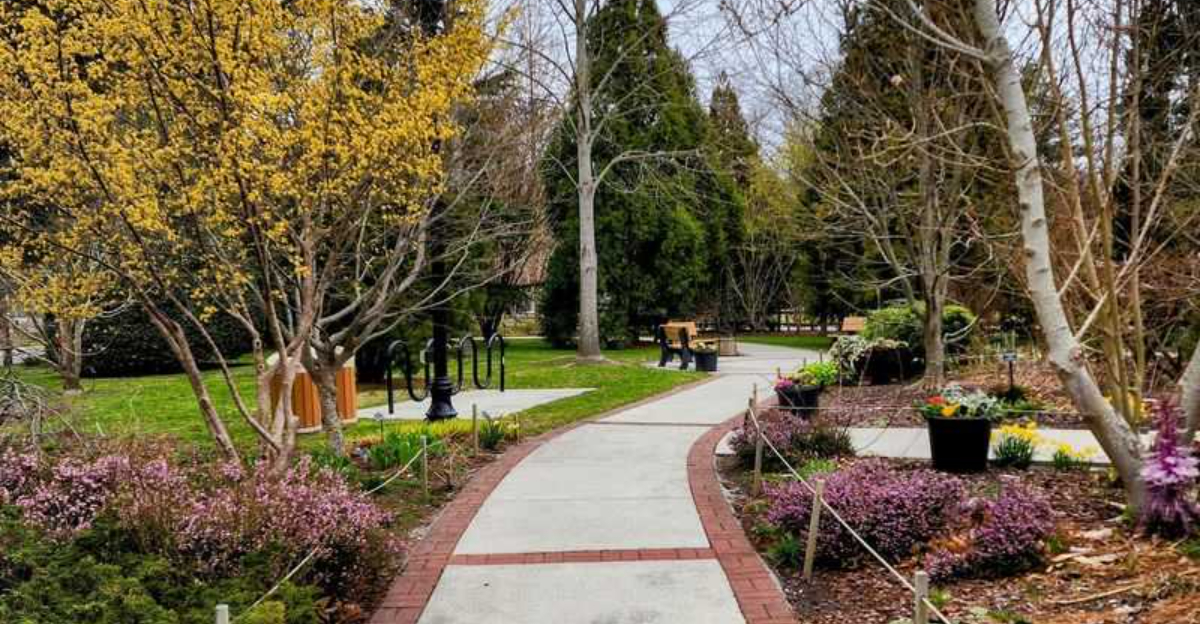
It is barely an acre. But somehow, it packs more charm than gardens three times its size.
A tiny oasis set between a school and a bike path, where winding paths lead you past camellias, magnolias, and even a raised bog full of pitcher plants.
Some say it is the smallest arboretum in the world, and honestly, that is part of its magic.
Benches invite you to sit. Specimen markers invite you to learn.
And the whole place hums with the kind of quiet that makes you forget you are in New Jersey.
Open every day from dawn to dusk, free to wander, and absolutely perfect for an afternoon escape.
Go find a bench, maybe a book, and just breathe.
A Tiny Arboretum With A Big Reputation
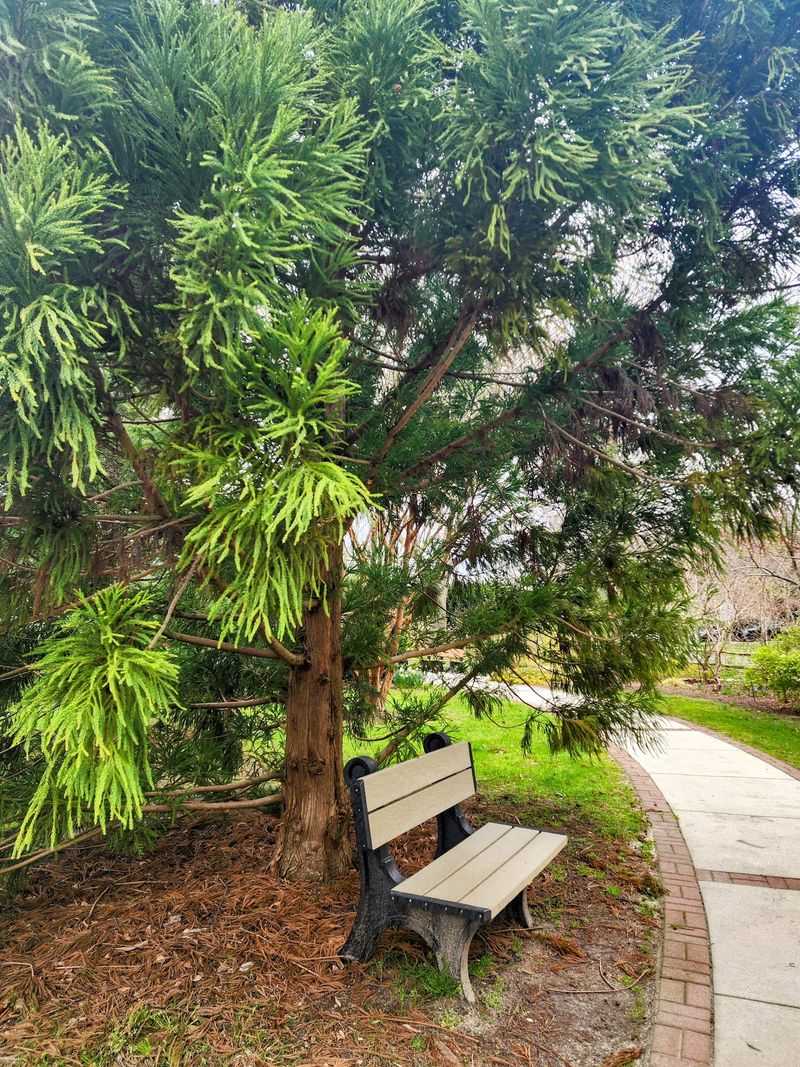
Small does not mean forgettable here. Often described as one of the smallest arboretums anywhere, this compact garden packs an impressive number of specimens into a space you can loop in minutes.
The trick is that nothing feels crammed. Beds are laid out with breathing room, so each tree and shrub gets its moment instead of competing for attention.
Visitors regularly mention how surprised they are by the range of plants growing in such a modest footprint. It genuinely does read like a carefully edited collection rather than a random planting.
Because the scale is so manageable, it works beautifully for a short break in a longer day. Cyclists pause here mid-ride, walkers detour through on their morning loops, and plant lovers linger far longer than planned.
My advice is simple. Don’t rush the walk just because the garden is little, since the details are where the charm lives.
Look closely and you’ll notice bark textures, berry colors, and leaf shapes you’ve probably never paid attention to before.
From Utility Land To Green Retreat
Hard to picture now, but the ground beneath these tidy beds once held a former electrical substation site. It was an unused patch of town land, the sort of parcel most people mentally skip over.
In April 2007, the Linwood City Council voted unanimously to turn that leftover space into an arboretum. Funding help came through an Open Spaces program grant, and volunteers did much of the hands-on work.
Knowing that backstory changes how the place feels underfoot. Every bed represents somebody’s decision to plant instead of pave.
Longtime residents have described the lot as an eyesore before the transformation, which makes the current version even more satisfying to walk through.
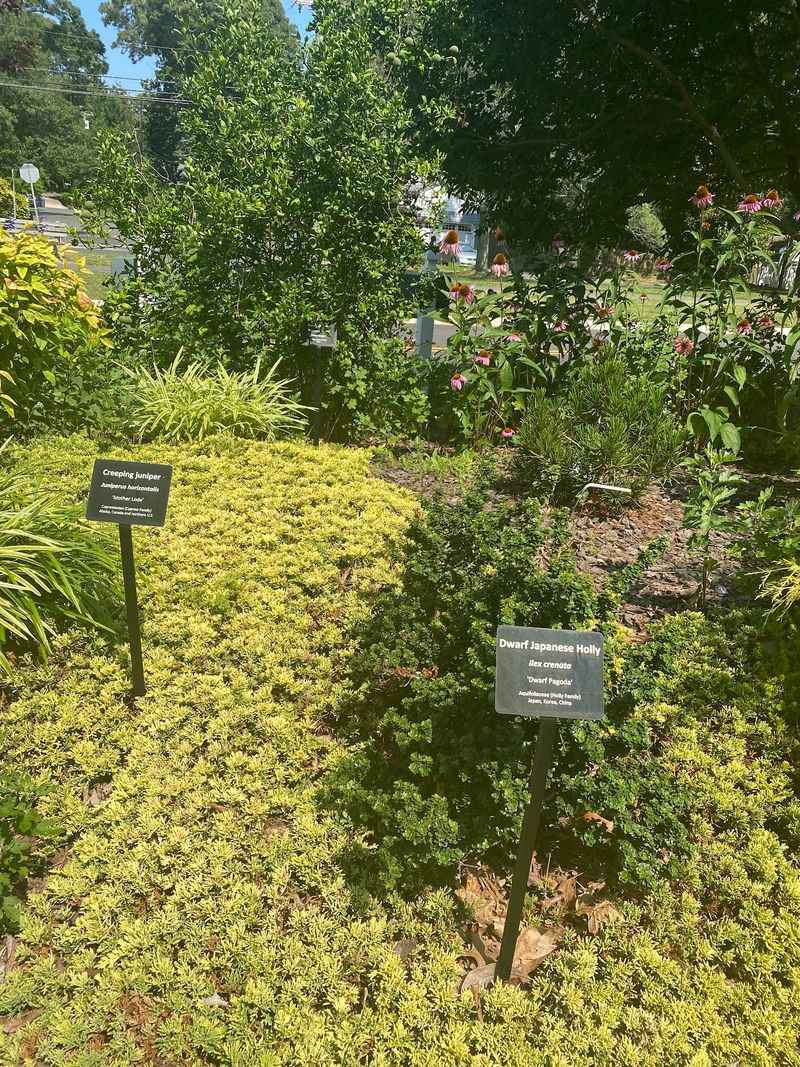
Education was part of the plan from the start, with an emphasis on plants suited to local home landscapes. That focus explains why so many specimens carry clear identification labels.
So a stroll here doubles as a low-pressure lesson. You leave knowing a few plant names you didn’t recognize an hour earlier.
Paths That Invite A Slow Pace
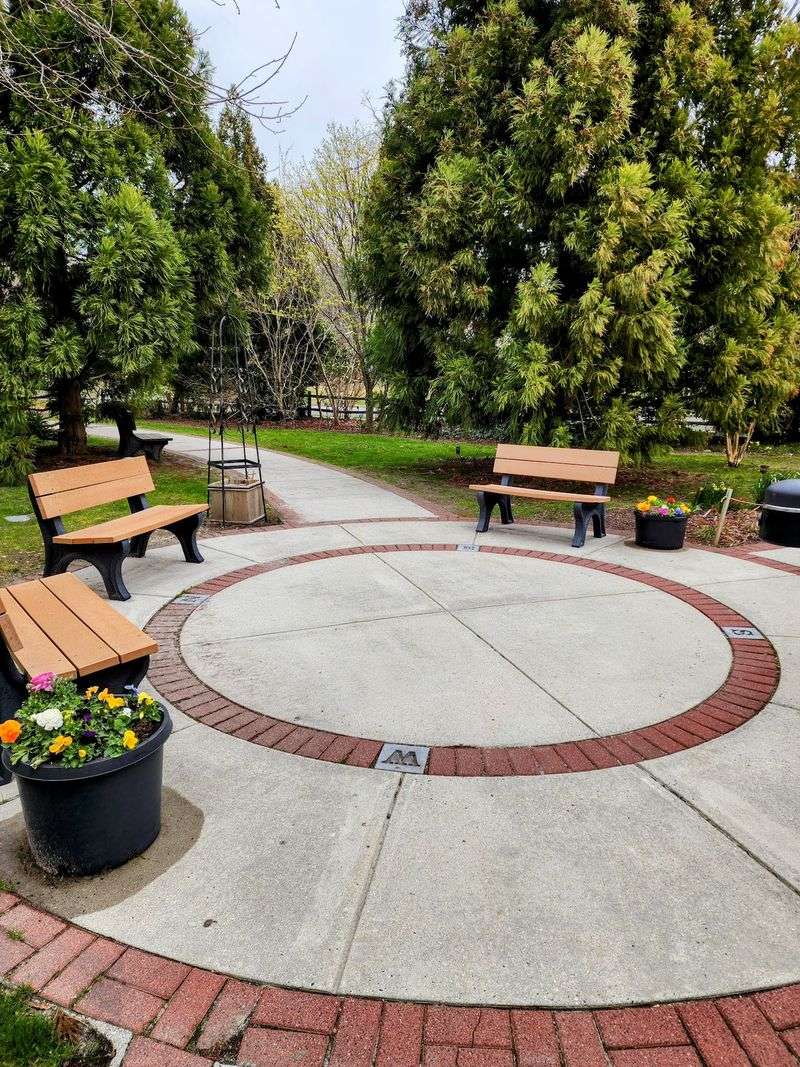
Curved walkways do something clever in a small garden. They hide the far side from view, so each turn reveals a new grouping of plants and the space feels bigger than the map suggests.
Benches are placed thoughtfully along the route, positioned for sitting rather than just decoration. Plenty of people bring a book and stay a while.
The surfaces are smooth enough for easy walking, which makes the whole loop approachable for most visitors regardless of pace.
What struck me most was how quiet it gets just a few steps in from the entrance. Birdsong takes over, and the hum of nearby roads fades into background noise.
Solo visits work well here. So do quiet walks with a friend, since the layout naturally encourages conversation at a wandering speed.
Give yourself permission to stop repeatedly. The garden rewards standing still more than it rewards covering ground quickly.
Morning and late afternoon light both flatter the plantings, casting long shadows across the beds.
Uncommon Woody Plants Worth Studying
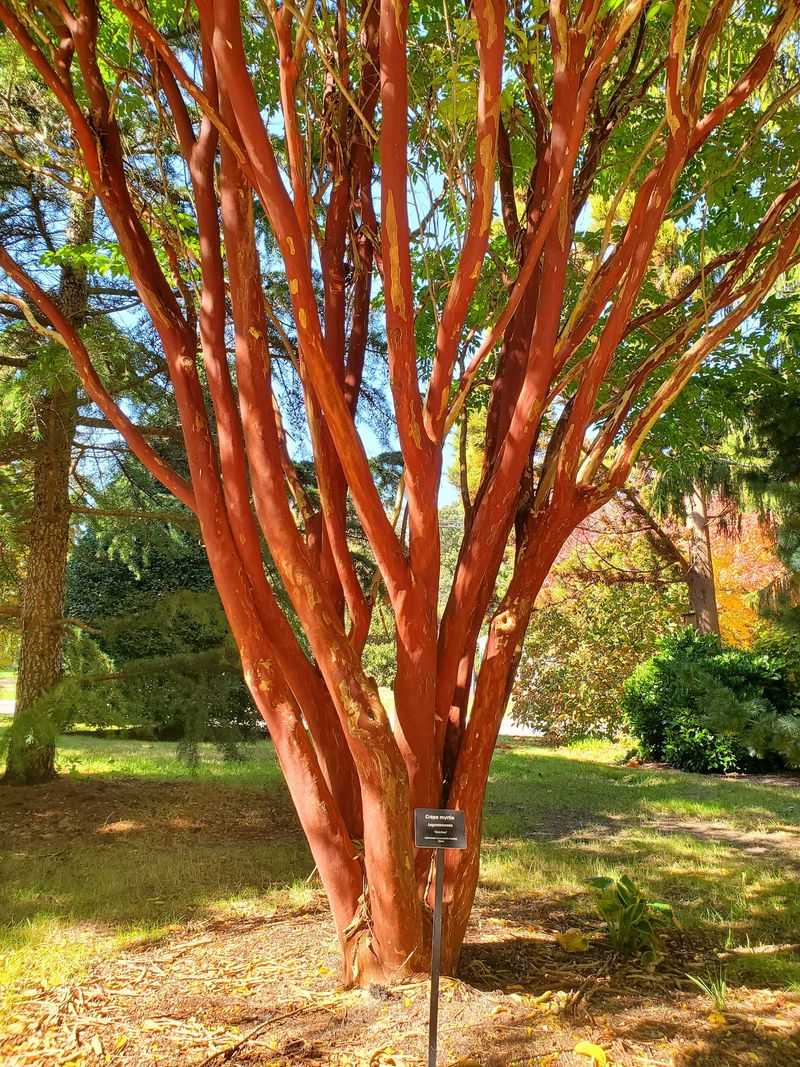
Plant nerds, this is your spot. The collection leans deliberately toward uncommon woody plants, meaning trees and shrubs you rarely see in typical neighborhood yards.
Redbuds bring their distinctive branching and spring color, while hollies hold the structure of the garden through every season.
The magnolia holdings are especially notable, with a range of species and hybrid cultivars represented. Some of them are rare yellow-flowered varieties, which is not something you stumble across often.
Labels throughout the beds make identification easy, and honestly they’re half the fun. Reading them turns a casual walk into a mini field study.
Visitors frequently comment on how much they learn about trees during a single visit, which speaks to how well the signage works.
If you garden at home, bring your phone and photograph the tags of anything you like. Many of these plants were chosen with residential landscapes in mind.
There’s even a small planting of pitcher plants, an unexpected curiosity tucked into the collection.
Ancient Trees Standing Quietly Nearby
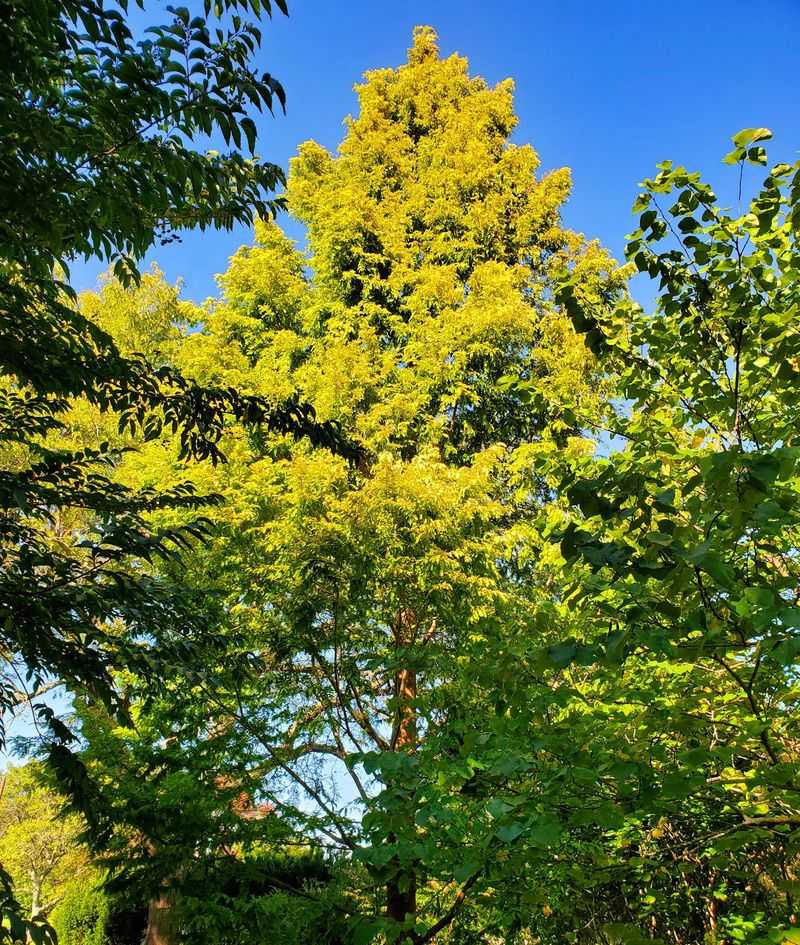
Two residents here have serious lineage. The maidenhair tree, better known as Ginkgo biloba, and the dawn redwood, Metasequoia glyptostroboides, are both considered living fossils.
Ginkgo leaves are unmistakable, shaped like tiny fans with veins that spread outward instead of branching from a central rib. In autumn they turn a clear butter yellow.
The dawn redwood is a conifer that drops its needles, which surprises people who expect evergreens to stay green year-round.
Standing beside plants whose ancestors go back millions of years adds a strange sense of perspective to an ordinary afternoon walk.
Fun detail worth knowing: the dawn redwood was known only from fossils before living trees were identified in China during the twentieth century.
Both trees make excellent photo subjects, especially the ginkgo’s foliage against a bright sky.
Take a minute at each one. These are the specimens most likely to stick in your memory after you leave.
Winter Color That Refuses To Quit
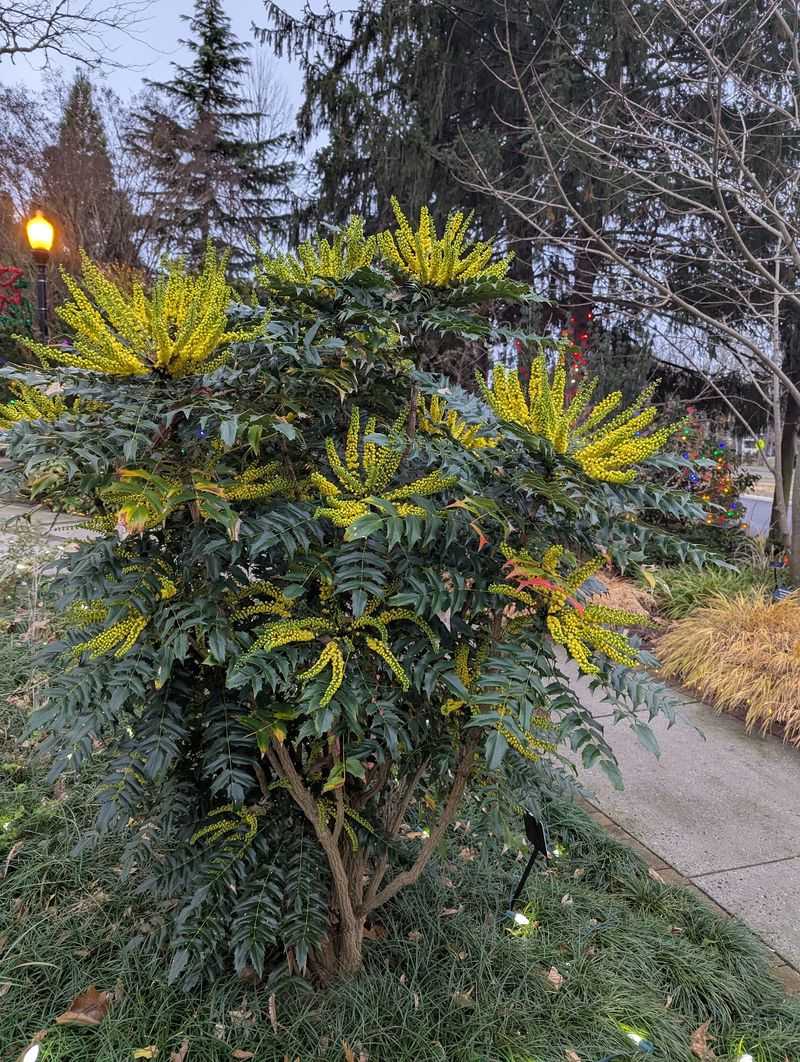
Most gardens go quiet after the first frost. Not this one, and that’s completely by design.
Plantings were selected specifically for autumn and winter interest, which means a January visit can be surprisingly colorful.
Hybrid witch hazel opens fragrant copper-red flowers on bare branches, one of those small miracles that feels almost impossible in cold weather.
Red-twig dogwoods glow against gray winter light, their stems turning brilliant once the leaves drop away.
Deciduous hollies contribute red and pale tangerine berries, holding onto them long after other plants have finished. Winter jasmine adds primrose yellow blossoms to the mix.
The garden also draws visitors in December for its holiday light display, and people who’ve seen it at night mention the lights and music as a highlight.
So if you assume there’s nothing to see in the off-season, this place gently argues otherwise. Cold-weather visits might actually be the most interesting ones.
Bundle up and go looking for color. It’s there.
A Neighborhood Green Space Everyone Passes
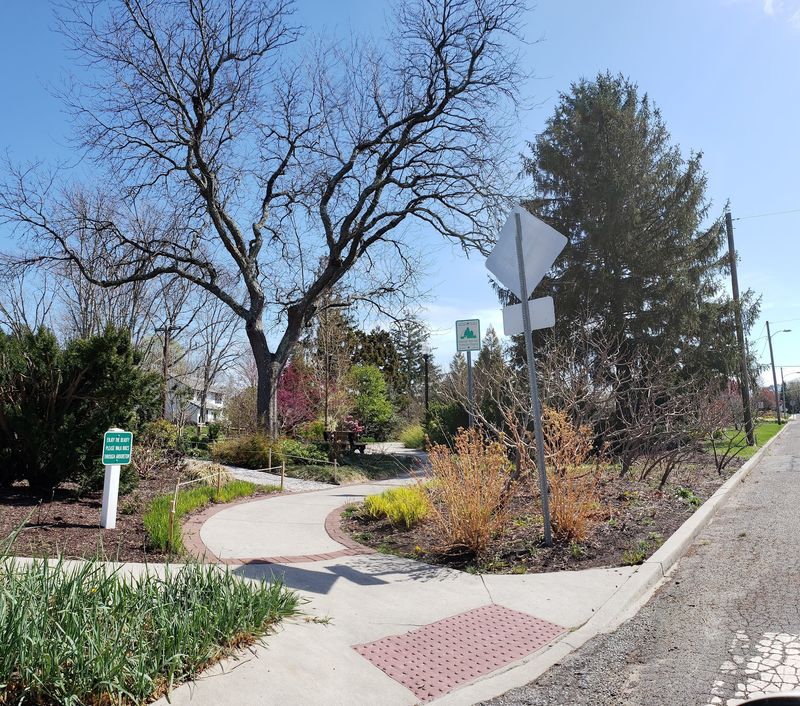
Location matters here more than you’d expect. The arboretum sits between a middle school and a well-used bicycle path, so a lot of people encounter it simply by going about their day.
Cyclists on the trail through Linwood often stop for a break, and riders have called it a welcome respite mid-route.
Morning walkers treat it as part of their regular loop, which gives the place a lived-in, familiar quality rather than a formal garden atmosphere.
City maintenance keeps the basics running, while members and volunteers contribute the extra care that makes the beds look as sharp as they do.
That volunteer involvement shows. Weeding, mulching, and labeling all stay current in a way that’s noticeable the moment you walk in.
The result is a shared resource that belongs squarely to the community around it.
Visiting feels less like touring an attraction and more like being welcomed into someone’s neighborhood pride project.
Simple Courtesies That Keep It Lovely
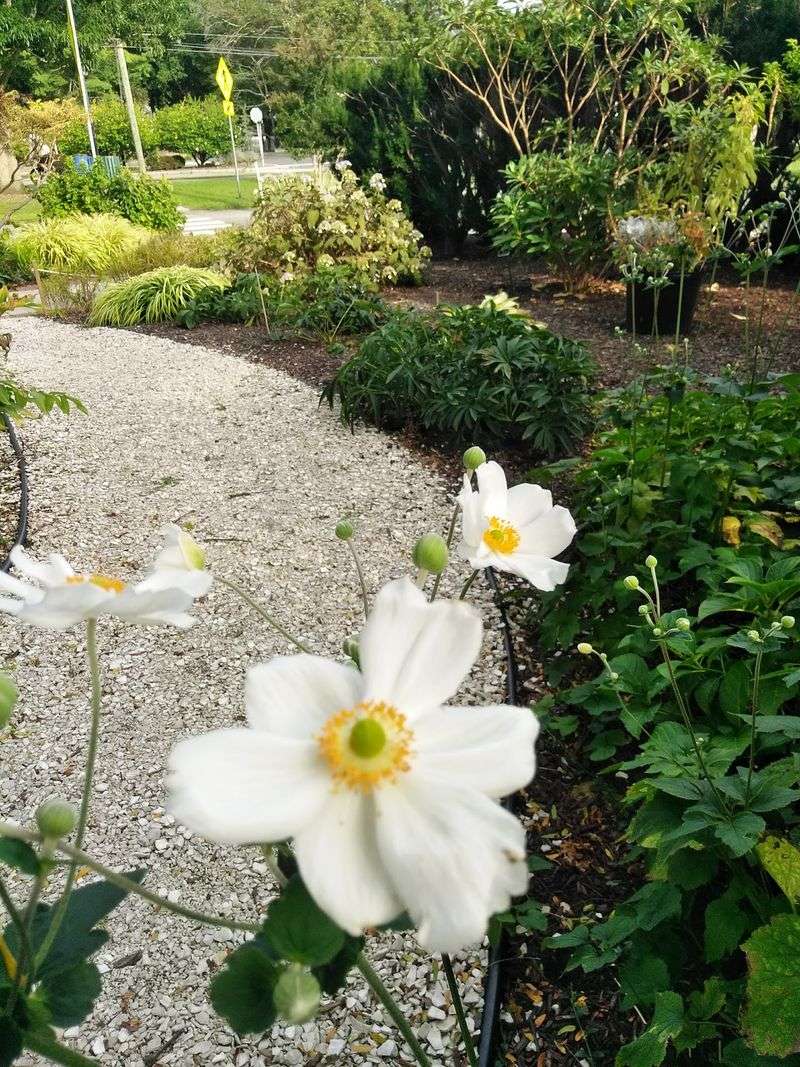
A garden this carefully tended runs on good manners. Staying on the marked paths is the first rule, and it protects roots and young plantings from foot traffic.
Admire flowers and foliage with your eyes and camera rather than your hands. Nothing should be picked or removed from the beds.
Children are welcome, and supervision helps keep both kids and plants safe among the closely spaced collections.
Dogs are allowed on leash, and there’s a water bowl set out for four-legged visitors, which is a small touch that dog owners clearly appreciate.
None of these guidelines feel restrictive once you’re inside. They read more like common sense for a space maintained largely by people who care deeply about it.
Following them means the next visitor gets the same tidy, blooming garden you found.
Pack out whatever you bring in, keep voices low, and the quiet atmosphere stays intact for everyone.
Easy Enough For Strollers And Small Feet
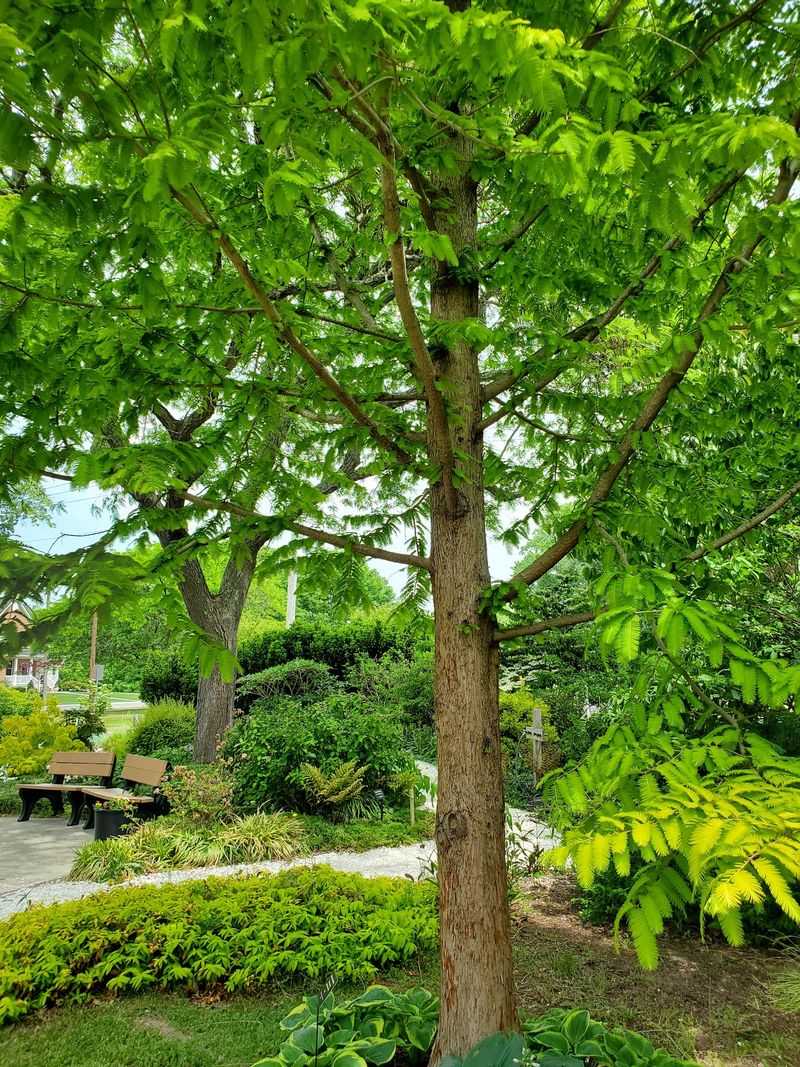
Families have an easy time here, which is not always true of botanical gardens. The pathways handle strollers without any wrestling or awkward detours.
Because the loop is short, little legs can manage the whole thing without meltdowns. That alone makes it a solid choice for an outing with young kids.
There’s plenty for children to notice too. Birds move through constantly, butterflies and moths visit the plantings in warmer months, and berry colors catch small eyes right away.
Plant labels give parents an easy way to turn a walk into a game of finding and naming things.
Shade from the trees keeps things comfortable on hot days, and several visitors have noted how much cooler it feels inside the garden.
The pace is naturally unhurried, which suits curious kids who want to stop every few feet.
It’s the kind of low-effort, high-reward stop that families end up repeating season after season.
Why This Afternoon Sticks With You
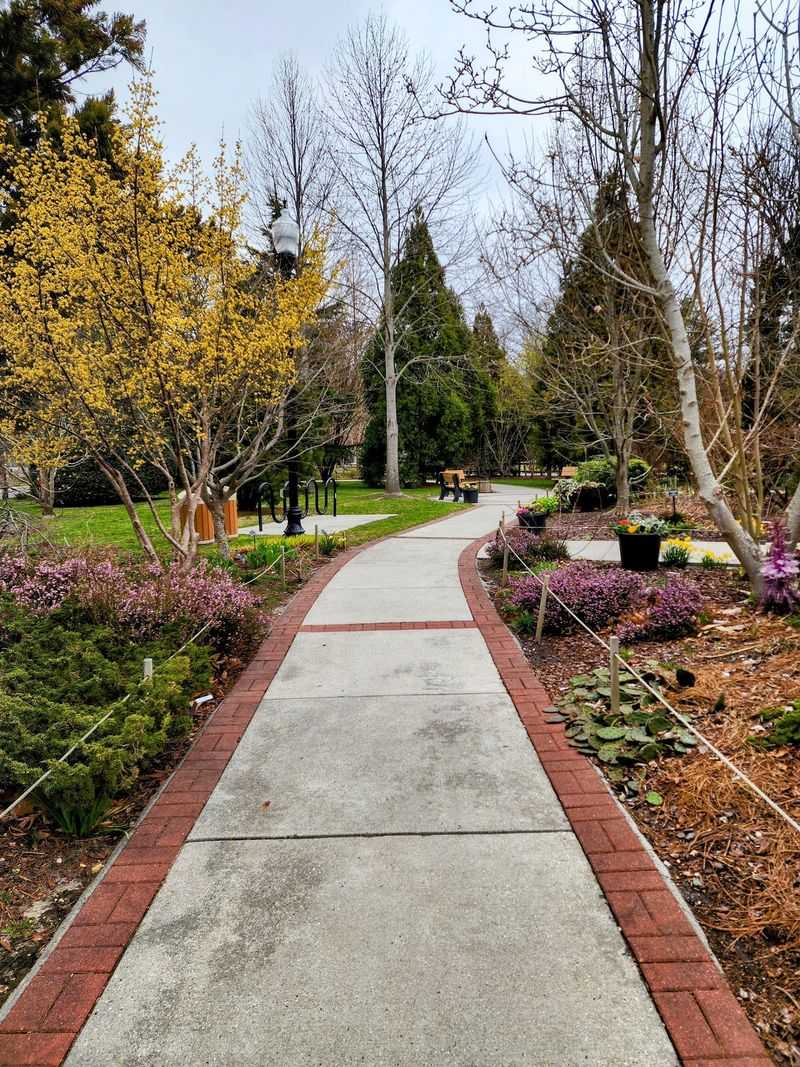
Leaving felt slower than arriving, and that seems to be the point. A short, thoughtfully planted garden turns out to be exactly the right size for resetting a busy head.
What lingers isn’t scale or spectacle. It’s the combination of rare magnolias, ancient tree lineages, winter blooms, and beds kept beautiful by people who clearly show up regularly.
Visitors describe it as peaceful, quaint, and educational, and all three fit comfortably at once.
Summer evenings bring butterflies and long light, autumn delivers texture and color, and December adds the holiday display. There’s no bad season to show up.
Whether you want twenty minutes of solitude or a gentle family walk, the garden meets you where you are.
The grounds stay open around the clock, so timing a visit is refreshingly simple.
Go once and you’ll probably start folding it into future trips through the area.
Address: Linwood Arboretum, 1410 Wabash Avenue, Linwood, New Jersey
