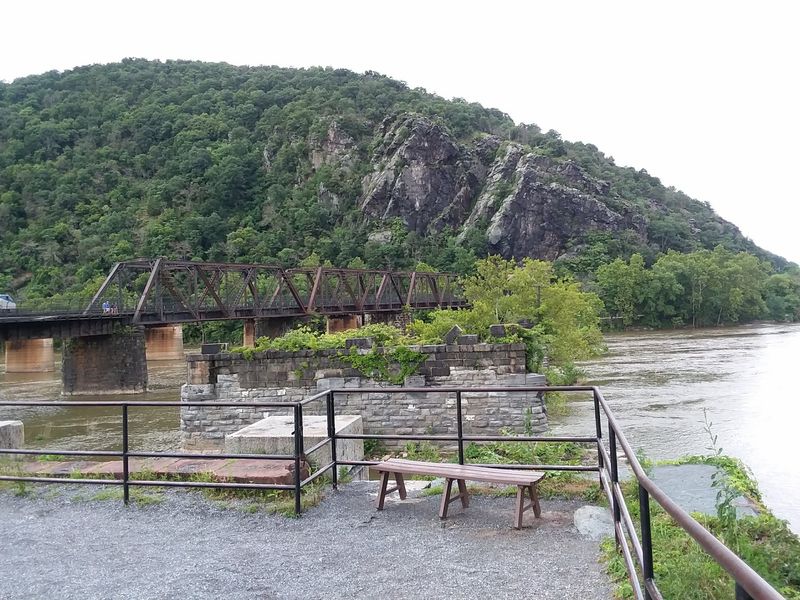
I only stopped to stretch my legs and maybe find a sandwich, but a short walk downhill changed my whole afternoon. There, at the tip of a skinny strip of land in West Virginia, two big rivers rolled together under steep green mountains.
I could see three states from one spot, and I forgot all about lunch. Some places surprise you, and this one keeps doing it long after you drive home.
A Peninsula Where the Water Decides Everything
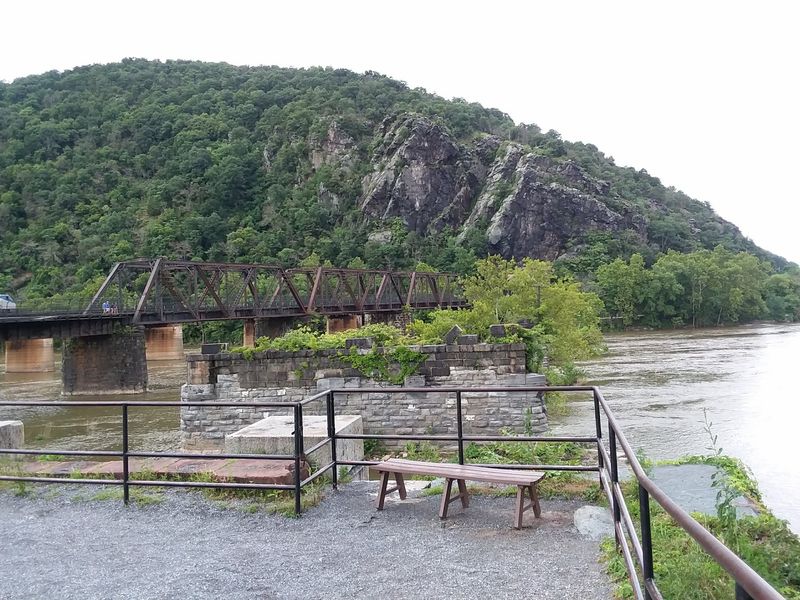
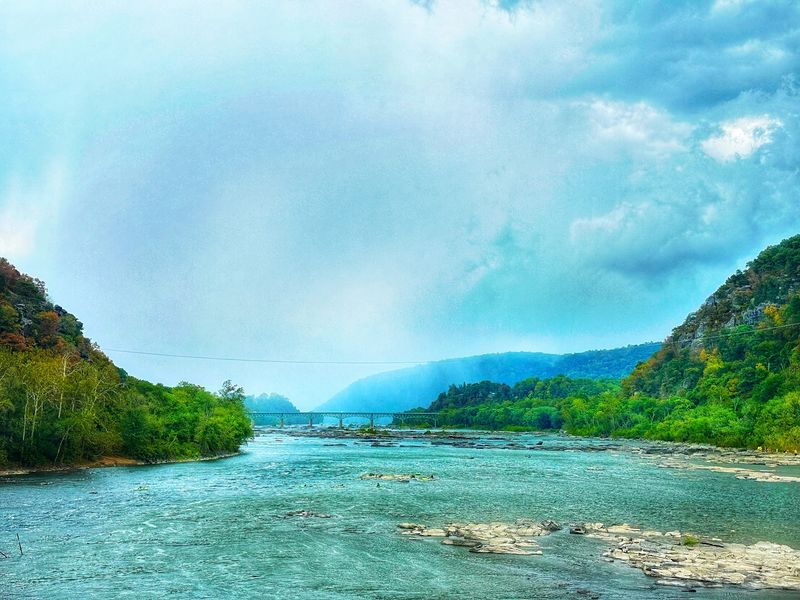
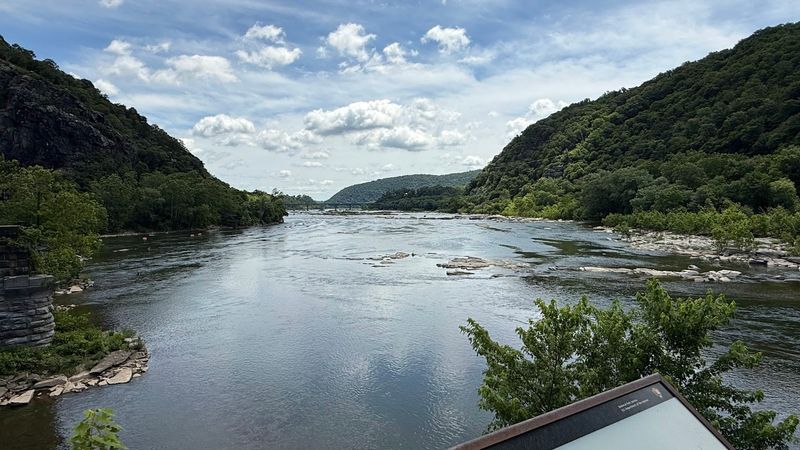
Picture a finger of land pointing straight into moving water. On one side runs the Shenandoah, on the other the Potomac, and right where they join sits a modest patch of ground locals simply call The Point.
Nothing about the name sounds grand. There is no giant sign, no gift shop at the tip, and no ticket booth at the edge of the water.
Yet this little peninsula delivers one of the most remarkable views in the eastern half of the country.
Standing here, you are on West Virginia soil. Look across the Potomac and you see the cliffs of Maryland.
Turn toward the Shenandoah and the far bank belongs to Virginia. Three states, two rivers, one spot where your shoes stay firmly planted.
Visitors often describe it as an easy walk that pays off far more than they expected. Some come for photos, while others simply sit and soak in the quiet roar of the current.
Either way, most leave talking about it.
Before we get to the footbridge, the trails, and the planning details, it helps to understand why this ground mattered so much long before anyone came here just for the scenery.
Ferrymen, Founders, and a Famous Rock
Back in 1733, a settler named Peter Stephens reportedly began ferrying travelers across these waters. He saw what everyone eventually saw: this was a natural crossing point, and people needed a way over.
Robert Harper, a millwright, purchased the land in 1747 and expanded that ferry business. His name stuck, and a small settlement started growing around the landing.
Then came the famous visitors. Thomas Jefferson stopped here in 1783 and wrote that the view was perhaps one of the most stupendous scenes in nature, even worth a voyage across the Atlantic.
The stone where he is said to have stood is still called Jefferson Rock, and you can hike up to it today.
George Washington noticed something different. He saw the raw power of the rivers and pushed for a federal armory here.
Construction began in 1799, and the quiet ferry town turned into an industrial hub with mills, a foundry, and tanneries humming along the banks.
Older West Virginians often remember learning these names in grade school. Standing at The Point, those textbook stories suddenly feel close enough to touch, like the past is just across the water waving back.
Hard Years and a Hopeful Classroom
Prosperity came with a price. The same location that made the town useful also made it a target during the most divided years in American history.
In 1859, abolitionist John Brown led a raid on the federal armory hoping to spark a revolt against slavery. Historians widely view that night as a major spark leading toward the Civil War.
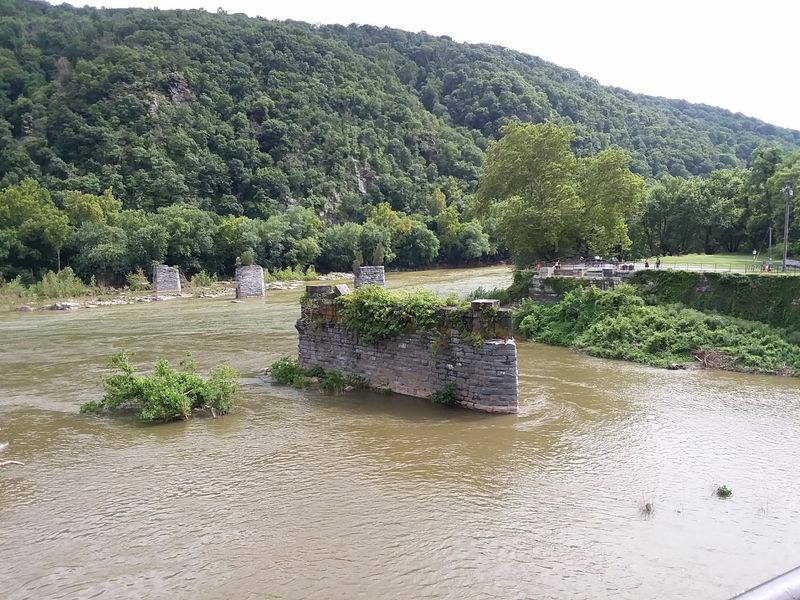
During the war that followed, control of the town reportedly changed hands eight times, and many buildings ended up in ruins.
Families who lived here faced enormous hardship. Their homes and businesses sat right in the path of armies moving between the Shenandoah Valley and the railroad.
Yet the story does not end in ashes. In 1867, Storer College opened to educate formerly enslaved people, and it grew into an important school for nearly a century.
In 1906, it hosted a meeting of the Niagara Movement led by W.E.B. Du Bois, an early chapter in the civil rights struggle.
When you gaze out from The Point, you are seeing the same rivers that watched all of this unfold. That quiet water has witnessed both heartbreak and hope, which gives the view a weight you can genuinely feel.
The Footbridge Over the Potomac
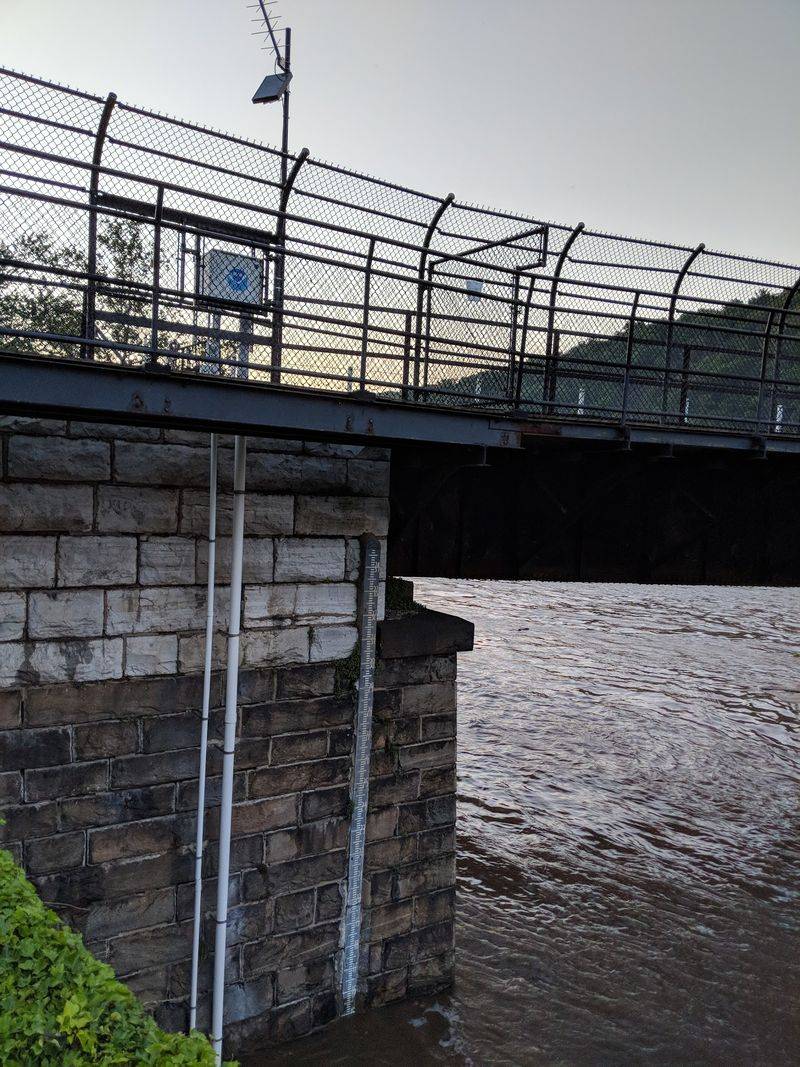
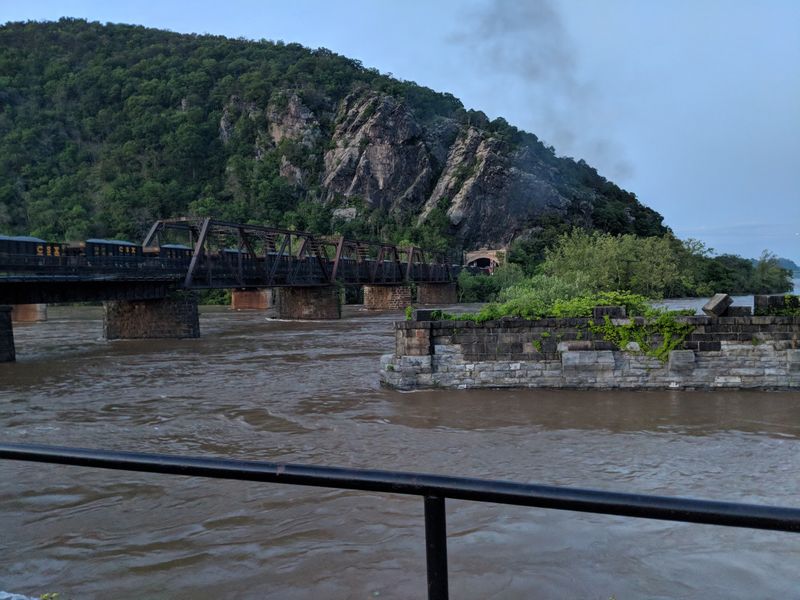
Here is where the title comes alive. Just steps from the tip of the peninsula, a pedestrian walkway stretches across the Potomac, attached alongside an active railroad bridge.
It is called the Goodloe E. Byron Memorial Footbridge, and it reopened in July 2020 after a temporary closure.
Walk it and you are walking part of the Appalachian Trail, which crosses right through town on its long journey up the East Coast.
Midway across, stop and look around. Below, the Potomac slides past.
Upstream, the Shenandoah pours in from the south. Behind you lies West Virginia, ahead lies Maryland, and across the Shenandoah sits Virginia.
It is a rare place where geography lessons become something you can actually see with your own eyes.
Trains still rumble by on the neighboring tracks, which adds a bit of old railroad charm. Folks who grew up near the B and O lines often find that sound wonderfully familiar.
On the Maryland side, the bridge connects to the C and O Canal towpath, a flat, shady path perfect for an easy stroll. You could walk a few minutes or a few miles.
Either way, the view back toward town is unforgettable.
Trails, Tubes, and Halfway Hikers
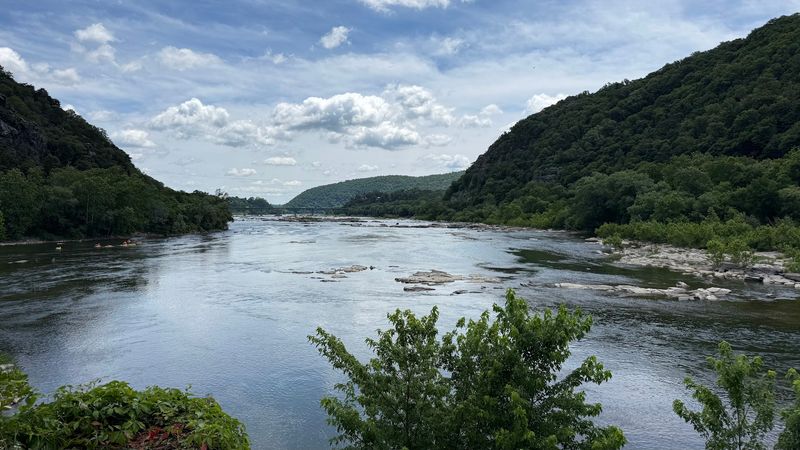
Lace up those boots. The Appalachian Trail runs right through town, and Harpers Ferry is often called the psychological midpoint of the whole route.
That is why you might spot sun-tanned thru-hikers with heavy packs wandering the streets, grinning like they just won a prize. The Appalachian Trail Conservancy has its headquarters here, and many hikers make a point of stopping in.
You do not have to walk two thousand miles to enjoy the outdoors, though. Trails through the national historical park range from easy rambles to steeper climbs, many passing old battle sites and scenic overlooks.
Prefer water? Local outfitters offer tubing, kayaking, and whitewater rafting on both rivers.
A lazy float on the Shenandoah can carry you right past the spot where three states come together, which makes for a pretty fun story at Sunday dinner.
Summer is the busy season for river trips, and the cool water feels great on a sticky July afternoon. Spring and fall bring wildflowers and changing leaves that make the hiking especially pleasant.
Whether you move slow or fast, the land and water around The Point seem to have something ready for every pace and every age.
Overlooks That Earn Their Reputation
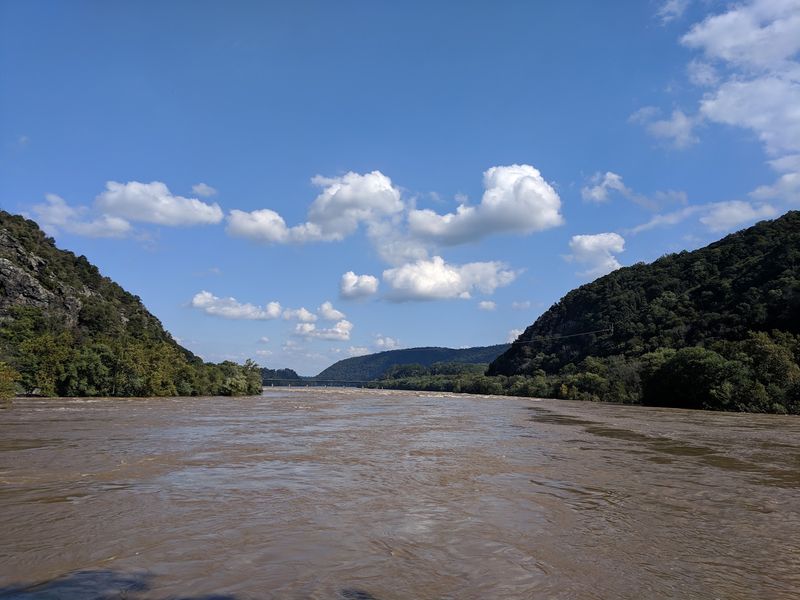
Want the postcard shot? You have options, and each one shows The Point from a fresh angle.
Jefferson Rock sits up the hill from Lower Town, reached by a pleasant walk along stone steps and shaded paths. From there, you see the rivers merging just as Jefferson described more than two centuries ago.
For the big panorama, the Maryland Heights Trail is the local favorite. It is a strenuous climb, so bring water and take breaks.
At the top, the entire town, the braided rivers, and the surrounding mountains spread out below like a living map. Plenty of people say the effort fades from memory the moment they reach the overlook.
Down at The Point itself, the view is gentler but no less special. Visitors frequently call it the most scenic spot in town, praising the mountains framing the confluence.
Timing matters, too. Some folks say the town feels downright magical at dusk, when the light softens and the water turns silver and gold.
Bring a camera, but also give yourself a few minutes without one. Some views deserve to be remembered with your eyes first and your phone second.
Quiet Moments for Reflective Souls
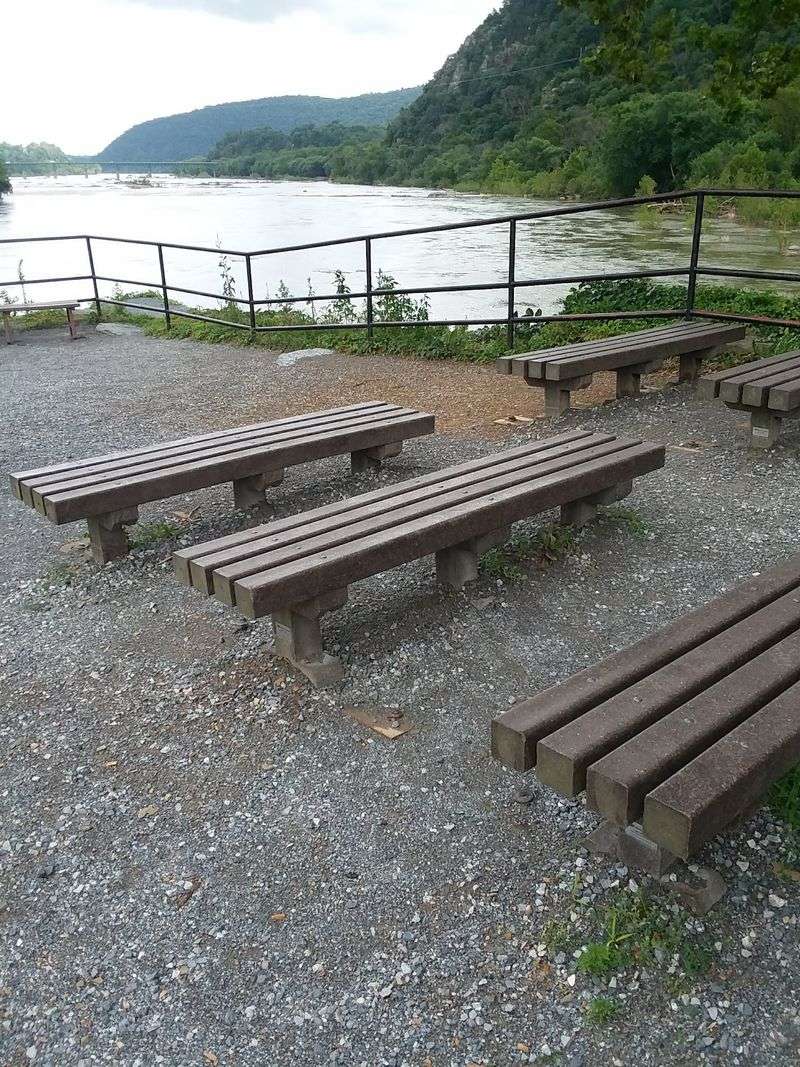
Not every great place needs to be busy. Some of the best afternoons at The Point involve doing almost nothing at all.
Visitors often mention sitting by the water to reflect on nature and creation. The steady sound of two rivers meeting has a calming way of slowing your thoughts down.
It feels a little like a front porch with a much bigger view.
Retirees especially seem to love it. The walk from Lower Town is easy, the scenery is free once you are inside the park, and there is no pressure to hurry.
Grandparents bring grandkids to point out which state is which, turning the outing into a playful geography quiz.
Couples come for a weekend getaway and linger until the evening light fades. Photographers wait patiently for the right clouds.
Hikers drop their packs and rest their legs before pushing north.
For many West Virginians, the spot also stirs up memories. Maybe it was a school field trip, a Sunday drive with Dad, or a first date along the river.
Do you remember your first visit here?
Whatever brings you, The Point has a way of making people pause and breathe.
Planning the Trip Down to the Confluence
Good news first: getting here is simpler than you might think. The Point sits within Harpers Ferry National Historical Park, near the bottom of Lower Town, at Harpers Ferry, WV 25425.
Most visitors start at the park visitor center at 171 Shoreline Drive, Harpers Ferry, WV 25425. Parking is available there, and a shuttle bus carries guests down to Lower Town during operating hours.
Once you hop off, everything is walkable, and the peninsula tip is just a short stroll past the historic buildings.
The park is open year-round, generally from about 9 a.m. to 5 p.m., though hours can shift and major holidays may bring closures. An entrance fee applies, either per vehicle or per person, and the America the Beautiful pass is accepted.
Seniors with a lifetime pass may find the visit especially budget-friendly.
Wear sturdy shoes, since some streets and paths are uneven. Bring water in summer and a light jacket in cooler months, because the river breeze can feel chilly.
Fees and schedules can change, so checking the National Park Service website before you leave home is always a smart move.
Why the Point Stays With You
Some places impress you for an hour. Others quietly follow you home and show up in your thoughts weeks later.
The Point belongs to that second group. It is small and unassuming, just a tip of land where rivers touch.
Yet it holds centuries of stories, from ferrymen and founders to soldiers, students, and thousands of hikers chasing a dream up the trail.
What makes it special is the mix. You get natural beauty that once stunned a future president, history that shaped a nation, and a peaceful spot where anyone can sit by the water for free once inside the park.
Visitors nearly always leave saying they want to come back.
For West Virginians, it is also a point of pride. Not every state can claim a corner where you see two neighbors at once while standing on home ground.
So pack a snack, grab a friend, and make the drive. Walk the footbridge, watch the Shenandoah meet the Potomac, and let the mountains do the talking.
Chances are, you will find yourself telling someone about it before the week is out. That is the lasting magic of this little peninsula.
