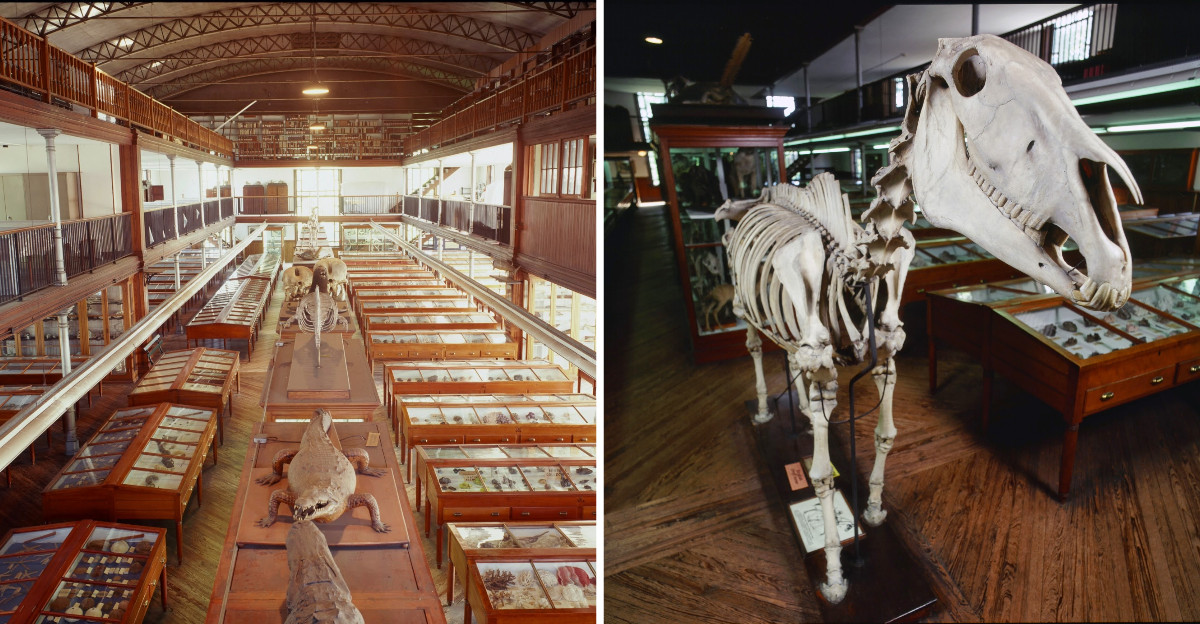
Creaky staircases lead to rooms where a horse skeleton stands beside glittering minerals and rows of birds that look ready to blink. Pennsylvania has a science museum that has been open since 1855, and its main hall still looks almost exactly as it did in the 1890s.
Handwritten labels inked over a century ago pull you into a world without touchscreens or flashing lights. Wooden cases hold fossils, shells, insects, and bones, all arranged with care.
The place was built on the idea that learning about nature should be free for everyone, and it still is. Hours slip away while reading those tiny labels and wondering about the people who wrote them.
Old things, curious things, and quiet places that make you think come together here. This museum might become your new favorite secret.
A Free Science School With a Big Idea
I love a place with a good origin story, and this one is a great one. Back in 1855, a merchant and self-taught scientist named William Wagner decided that anyone should be able to learn science, whether they had money or not.
So he started teaching free classes, and his wife, Louisa Binney Wagner, supported the project every step of the way. At a time when college was mostly for wealthy people, that idea was pretty bold.
The buildings went up between 1859 and 1901, and they still hold his huge personal collections today.
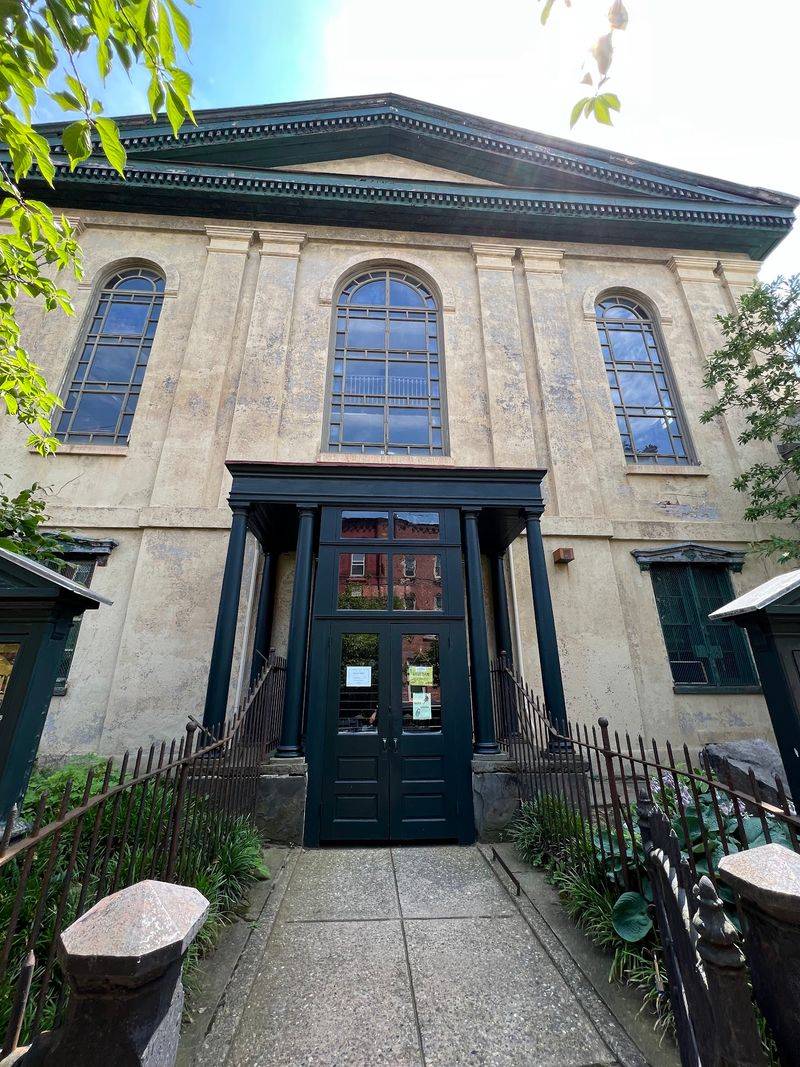
From the street, the building looks smaller than you might expect. Inside, though, it opens up into a world that feels much bigger.
The institute is now a National Historic Landmark, which makes sense once you see how carefully everything has been kept.
What surprised me most was that the free part never went away. Over 170 years later, you can still walk in without paying admission, and donations help keep the doors open.
I dropped a little something in the box on my way out because it felt like the right way to say thanks to a place that has been generous for so long.
The Lecture Hall Where Great Minds Gathered
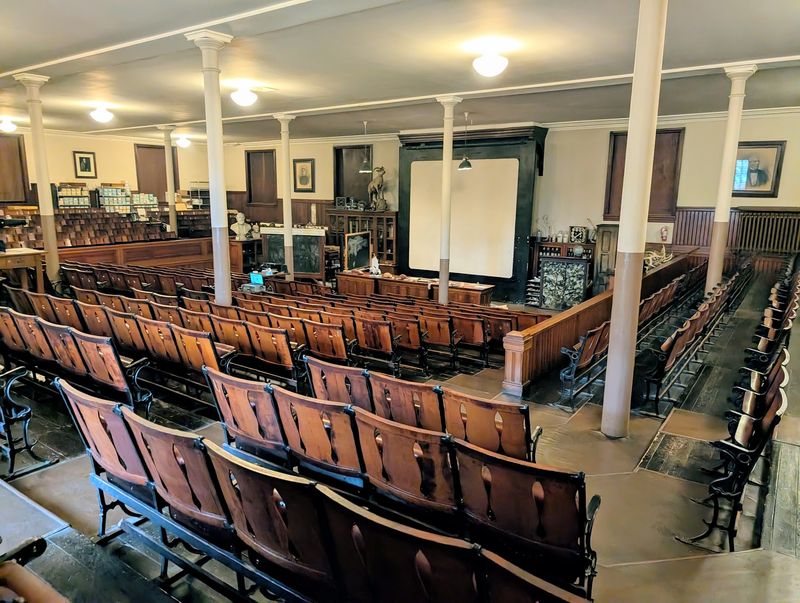
Before you even reach the famous exhibits, the main floor lecture hall stops you in your tracks. Rows of old wooden seats face a platform where teachers have been speaking to curious crowds for generations.
I sat down for a minute and tried to picture the room full of people in the 1800s, all leaning forward to hear about rocks, plants, and animals. The seats are worn, and honestly, that is part of the charm.
You can almost feel how many people have sat right there before you.
Here is the fun part. This hall is not a museum piece that only gets looked at, because it is still used for talks and programs today.
Some visitors have mentioned the original projector being part of the room’s story, which adds to the old-school feeling.
If you visit with a school group or a class, you might get a lesson right in this space. That is a pretty special way to learn, since you are sitting where students sat when your great-great-grandparents were kids.
Take a slow look at the ceiling and windows too. Small details like the woodwork and the way light spills across the room are easy to miss if you rush upstairs.
Upstairs Into the 1890s
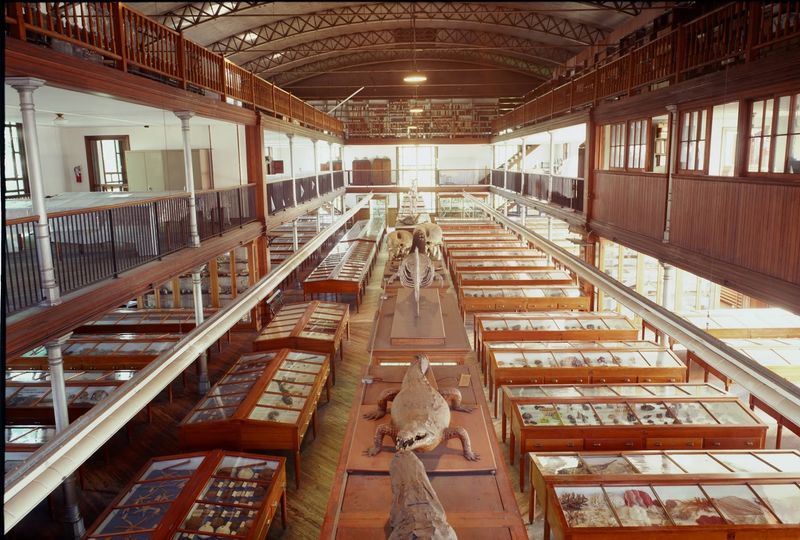
My breath caught a little at the top of the stairs. The second floor exhibit hall is one long room lined with cherry wood and glass cases that date back to the 1880s, and it holds more than 100,000 natural specimens.
The layout comes from Joseph Leidy, a famous scientist who reorganized the collection in 1891. He arranged everything based on Darwin’s ideas about evolution, so you move from simpler life forms toward more complex ones as you walk.
It is like reading a giant science book with your feet.
Since then, the setup has barely changed. That makes the hall a rare snapshot of how people studied nature over a century ago.
Most museums have rebuilt their exhibits many times, but this one kept its original look.
A quick tip from me: bring your patience and maybe a sweater or a fan, depending on the season. The building is old, so there is no air conditioning, and the windows are often open on warm days.
The lighting can be a bit dim in spots too. None of that bothered me, though, since it all adds to the feeling that you have slipped back into another era for an afternoon.
Handwritten Labels and Tiny Stories
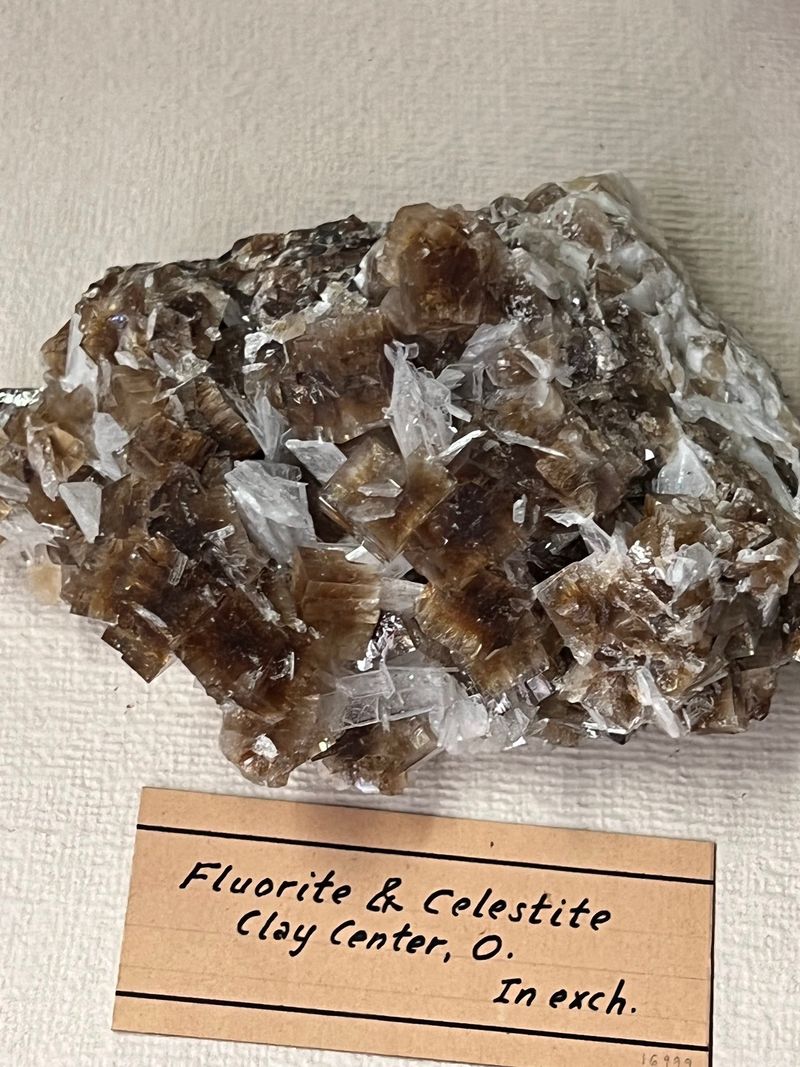
Some of my favorite moments here came from squinting at little paper cards. Many specimens still sit next to their original handwritten labels, written in neat, curly ink by curators long ago.
Reading them felt a bit like finding old notes in a library book. You are connecting with real people who studied these same shells and stones, even though they lived more than a hundred years ago.
Some labels have faded, so a few are tricky to read, and that is okay.
Since the labels do not explain much, I suggest a little homework before you go. Even better, book a guided tour by appointment.
A knowledgeable guide can turn a quiet case of beetles into a really fun story, and they are happy to answer questions.
Families have a nice option too. Scavenger hunts and activity sheets usually wait near the exhibit entrance, giving kids a mission as they explore.
Adults can grab one as well, and I kind of wish I had. One more thing to know is that photography is not allowed in the exhibit hall.
Sketching is welcome, though, so tuck a small notebook and pencil in your bag and draw your favorite find.
Rocks, Shells, Bugs, and Birds
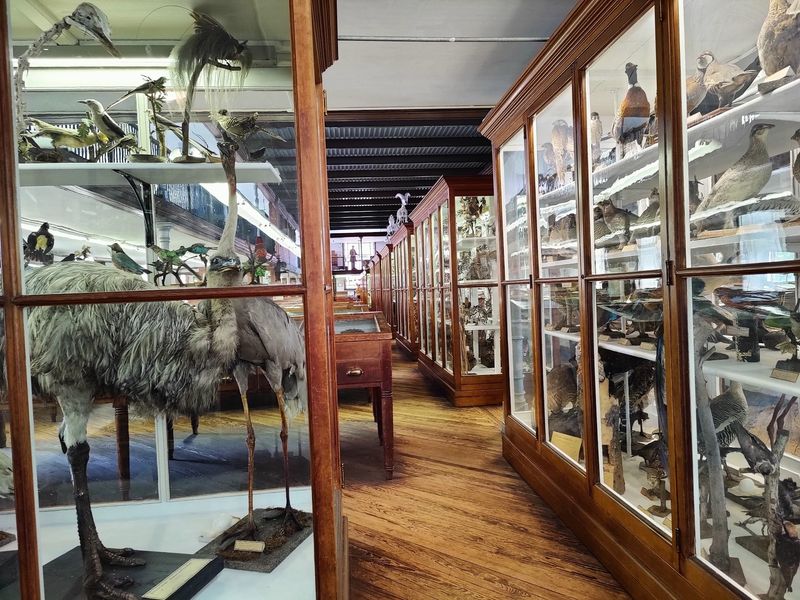
Bring your sharpest eyes, because the variety here is wild. One case holds sparkling crystals, the next holds bird eggs, and a few steps later you are staring at rows of pinned insects.
William Wagner’s mineral collection ranks among the oldest in the country, and it is a real treat. Some pieces glow with deep purples and greens, while others look like tiny frozen cities.
Several minerals and gems come from right here in Pennsylvania, which I thought was a fun local touch.
Shell lovers will find plenty to admire as well. Shells from around the world fill the cases, each one shaped like a little spiral sculpture.
I spent way too long comparing their colors and patterns.
Then come the mounted birds and mammals, which give you a look at animals that people studied long ago. There is also a large regional insect collection, plus reptiles, amphibians, fur samples, and nests.
It is a lot to take in. My advice is to pick one section and really slow down instead of trying to see everything at once.
You will notice small details, like the curl of a feather or the edge of a crystal, that make the trip worth it.
Saber-Toothed Cats and Giant Skeletons
Ready for the showstoppers? In 1886, the institute sponsored an expedition to Florida, and the team found the first American saber-toothed cat fossil.
That find still lives in the collection today, and seeing it in person gave me goosebumps.
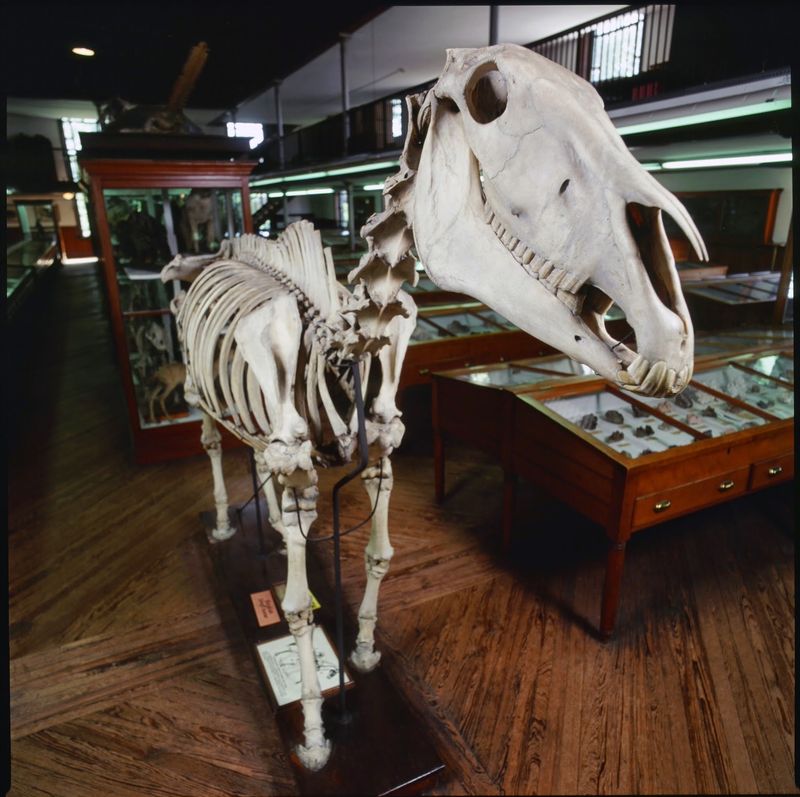
Big skeletons tower over the hall too. A complete buffalo stands nearby, along with an English draft horse skeleton that seems to watch you as you pass.
Kids tend to freeze in front of them, and grown-ups do too, if we are being honest.
There is more hiding in the smaller cases. You can spot mastodon teeth, huge corals, and even preserved rattlesnake skins.
Dinosaur bones are part of the collection as well, including a brontosaurus bone that many visitors love.
What makes these pieces extra special is that scientists still use the collection for research. So these are not just old curiosities sitting around collecting dust.
They help experts keep learning about how life on Earth has changed. I liked thinking about that as I looked at the bones, because it turned the visit from a simple look-around into something that felt connected to real, ongoing science.
Planning Your Visit and Joining the Fun
Old exhibits, fresh energy. That is the best way I can describe the program schedule here, which keeps the place lively all year.
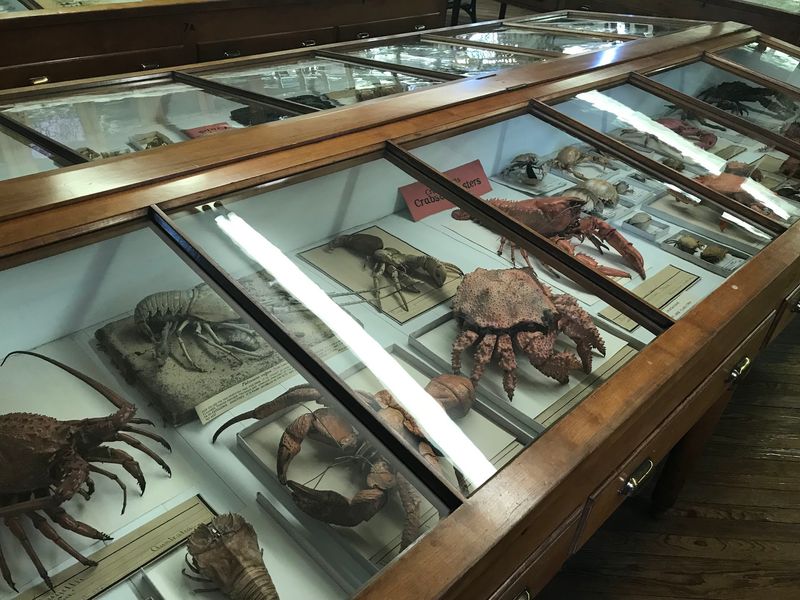
The institute hosts talks and family events on topics like geology and mushroom foraging. Kids can try shark tooth digs or learn about wet specimens, which are animals preserved in jars.
There is even a Natural History Road Show, where you bring your own mystery rocks or bones and a panel of scientists helps identify them.
Special events often happen on the first Saturday of many months, so check the website before you go. Regular hours are Tuesday through Friday, 9:30 AM to 4:30 PM.
You can register for free tickets online, and the museum is located near Temple University.
Getting there is easiest by public transit, since the Broad Street Line and a couple of bus routes stop a few blocks away. Parking nearby is limited.
Keep in mind that food, drinks, and photos are not allowed inside, and the building has stairs, so it is not wheelchair accessible. Leave a donation if you can, browse the small gift shop, and you will walk out with a head full of wonder.
Address: 1700 West Montgomery Avenue, Philadelphia, Pennsylvania
