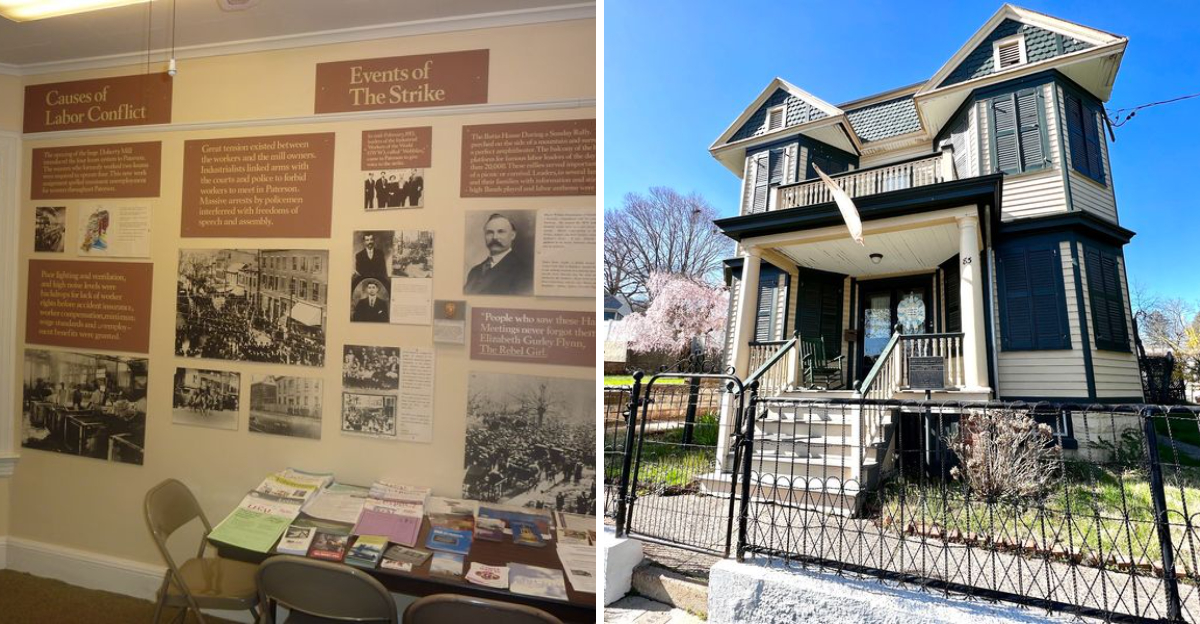
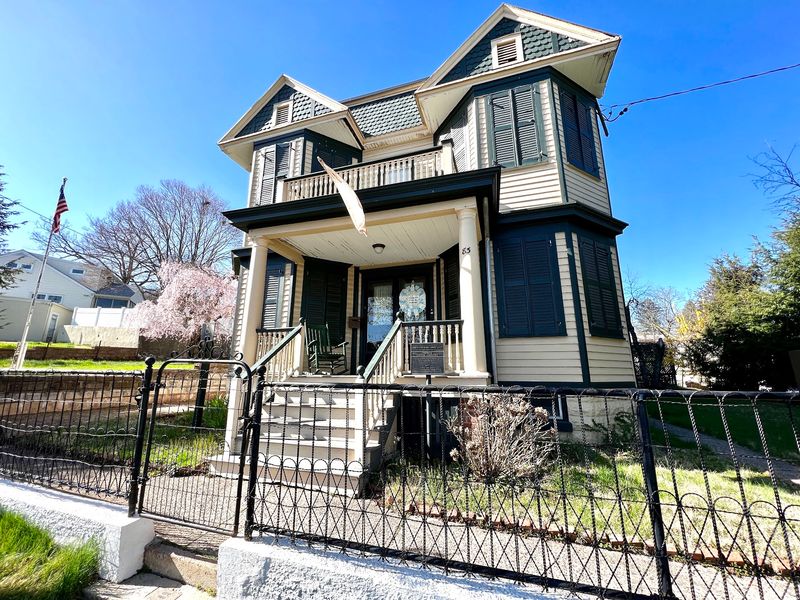
It looks like a house. A pretty ordinary one at that.
But peel back the paint and you will find one of the most radical front porches in American history.
Built by Italian immigrants in the early 1900s, this unassuming New Jersey home became a rallying point for a massive silk strike that shook the nation.
When thousands of workers walked off the job, the family opened their door.
They hosted speeches, rallies, and fired up a movement from their second-floor balcony.
Labor leaders held court in their yard. A modest immigrant home became the epicenter of a revolution.
Today, it stands as the first museum of its kind in the country. History does not always need a grand stage.
Sometimes a house and a family with conviction is enough.
A Home That Became a Monument to Labor
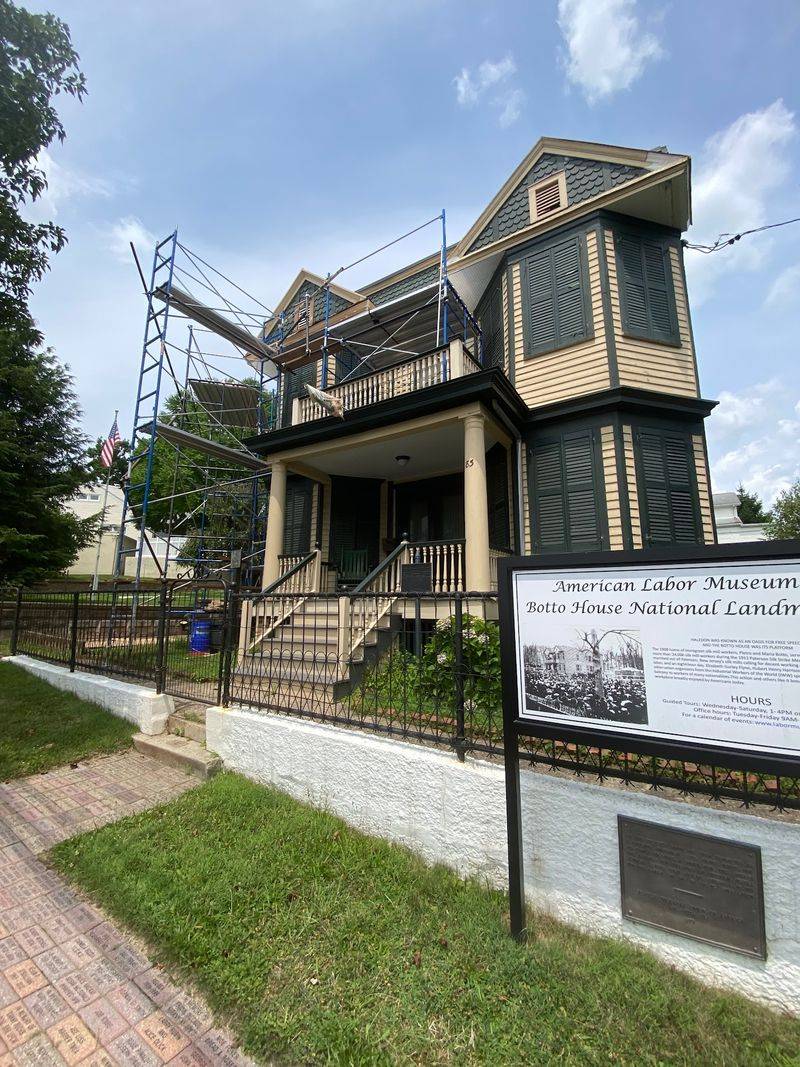
Walking up to the Botto House for the first time, you get the immediate sense that this building carries serious weight.
Built in 1908 by Pietro and Maria Botto, Italian immigrants from Biella, this Victorian home became the first Italian American site ever designated as a National Historic Landmark in the United States.
That distinction alone makes it worth the trip to Haledon, New Jersey.
The American Labor Museum, housed within these walls, focuses on the history of work, workers, and the labor movement, paying particular attention to the immigrant experience that shaped so much of American industry. Every room tells a layered story.
Period-accurate furnishings, carefully preserved details, and thoughtful exhibits combine to recreate the atmosphere of an early 1900s immigrant household.
The museum does not just present facts on a wall. It pulls you into a living narrative where a family’s daily routines intersected with one of the most significant labor uprisings in American history.
This is a monument built from ordinary life made extraordinary by courage.
Where Immigrants Organized for Justice
Pietro and Maria Botto arrived in the United States from Biella, Italy, in 1892, carrying little more than their skills and determination. After years of working in the Paterson silk mills and carefully saving every dollar, they purchased land in Haledon and built their family home in 1908.
The house was spacious by immigrant standards, which was entirely intentional.
The Bottos rented out rooms on the second floor to fellow immigrants, creating a small but tight-knit community under one roof. Maria managed the household with remarkable efficiency, taking on piecework from the local silk mills while also cooking for boarders and family alike.
That constant hospitality transformed the home into a natural gathering place for the surrounding immigrant community.
When labor tensions began rising in Paterson’s silk industry, the Botto home was already functioning as an informal hub for workers seeking connection and mutual support. The community that formed around their kitchen table laid the groundwork for something much larger.
Solidarity, it turns out, often starts with a shared meal and an open door.
Site of the 1913 Silk Strike
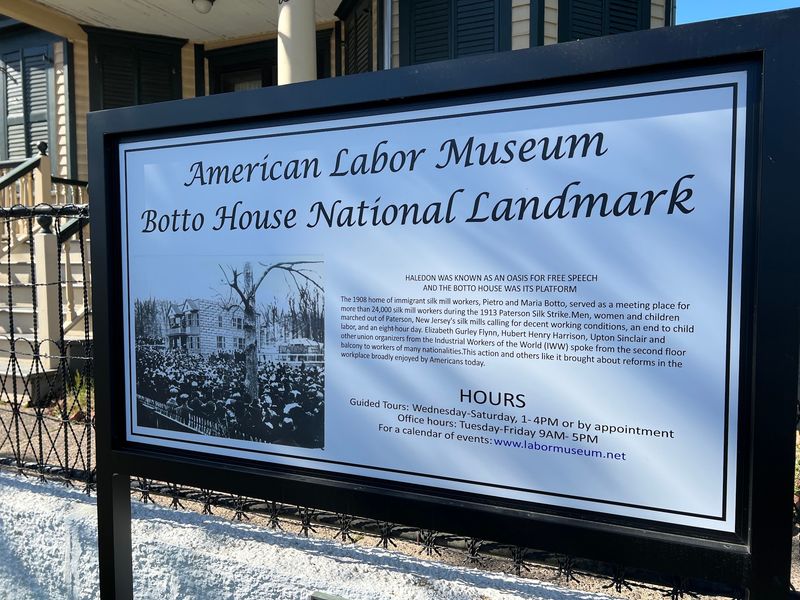
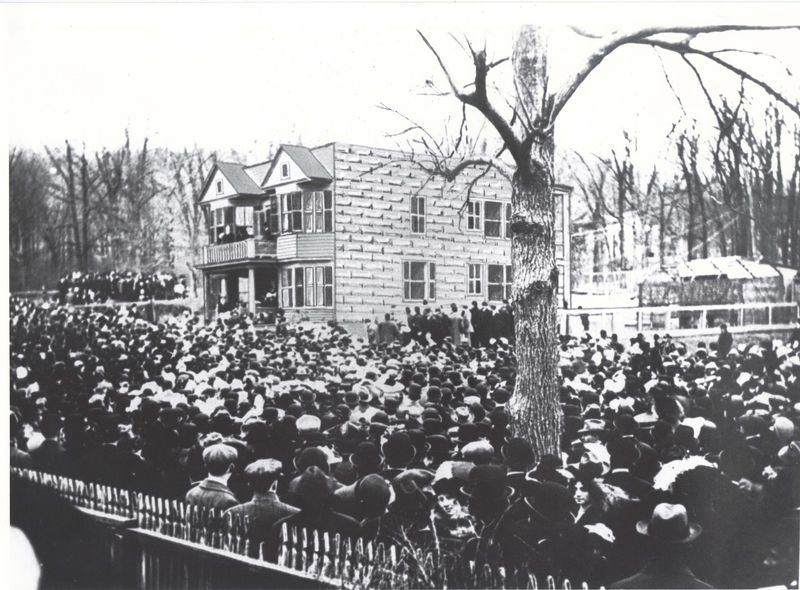
The year 1913 changed everything for this quiet home in Haledon. When 23,000 silk workers walked out of Paterson’s mills demanding an eight-hour workday, an end to child labor, and safer conditions, the city’s mayor banned public gatherings within city limits.
The Botto family responded by opening their property as the official rally site for the striking workers.
Every Sunday for nearly six months, between 15,000 and 25,000 strikers gathered on the hillside beyond the house. Speakers addressed the crowds from the second-floor balcony, delivering passionate speeches in multiple languages to reach workers of every background.
The Botto home became the heartbeat of the entire strike movement.
Maria and her daughters worked continuously during this period, preparing food and providing sustenance for strike leaders and activists who used the house as a base of operations. The kitchen was never quiet.
The museum today preserves this chapter with striking exhibits, photographs, and artifacts that bring the scale and determination of the 1913 strike into vivid, unforgettable focus for every visitor who walks through the door.
Labor History Lives in This House
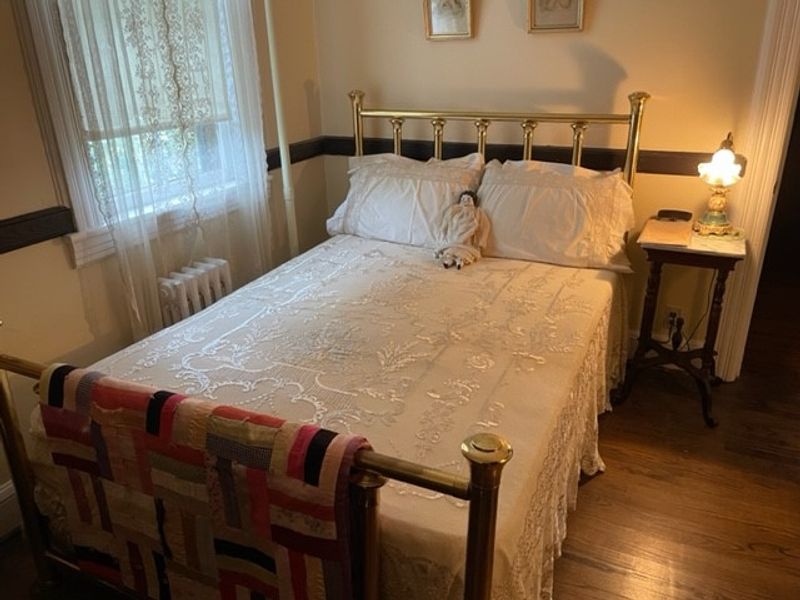
Exploring the furnished period rooms inside the Botto House feels genuinely different from visiting a conventional museum.
Each space has been carefully restored to reflect how the Botto family actually lived, with authentic furnishings, textiles, and household objects that root you firmly in the early 1900s.
The attention to detail is remarkable and deeply immersive.
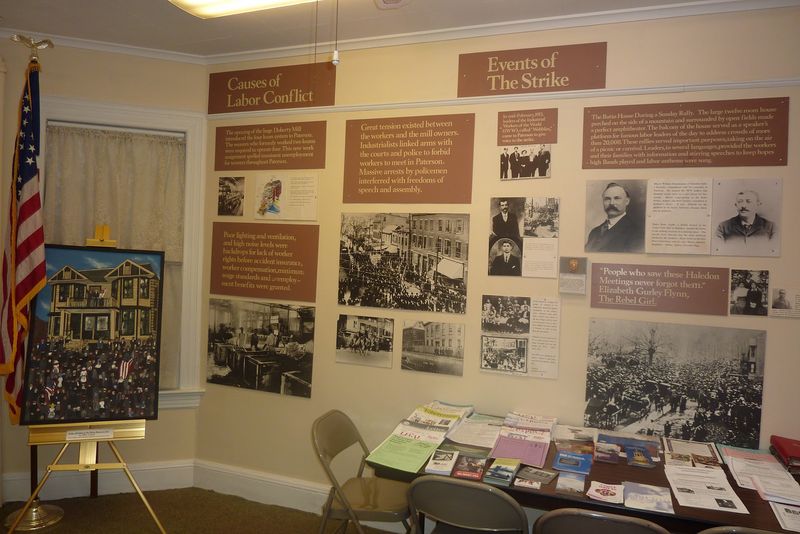
Beyond the period rooms, the museum hosts both permanent and rotating exhibits on labor and union history, covering movements that stretch well beyond 1913.
A notable example is an exhibit dedicated to the 1982 New York Garment Workers Strike, demonstrating how the museum connects historical events to the ongoing evolution of workers’ rights across generations.
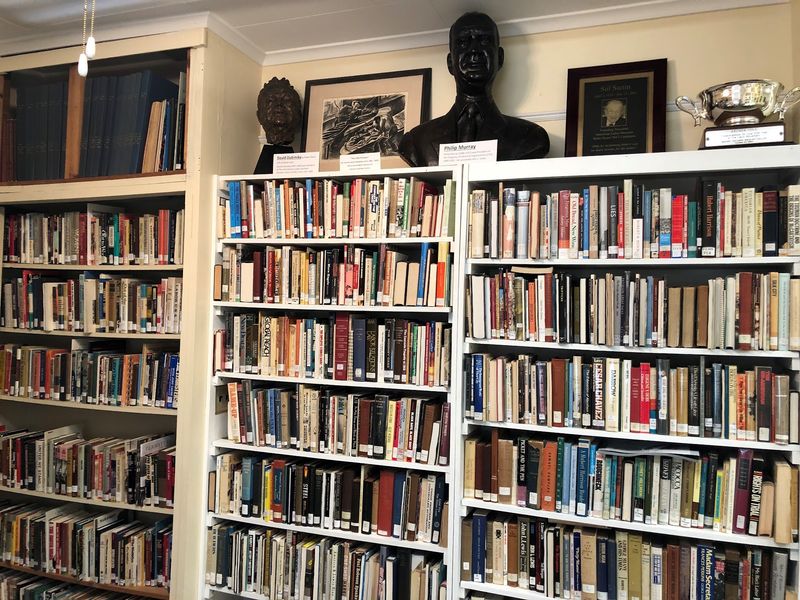
Visitors also have access to a research library filled with books and materials on labor history, making this a destination for both casual history lovers and serious researchers. The museum regularly hosts events, field trips for school groups, and even serves as a meeting space for modern labor unions.
History here is not something locked behind glass. It breathes, it connects, and it continues to grow with every new visitor who arrives with genuine curiosity.
One Family’s Home, A Nation’s Labor Landmark
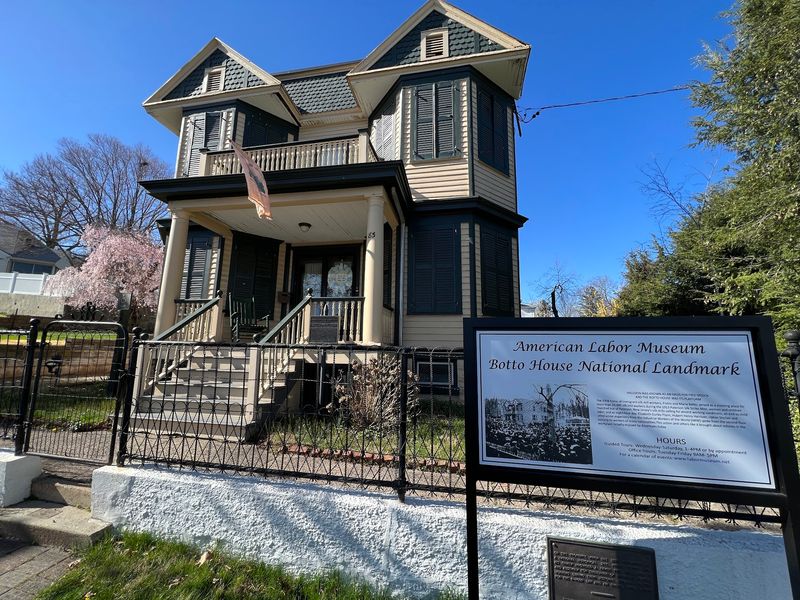
What makes the Botto House so compelling is the fact that it was never built to be famous. Pietro and Maria Botto simply wanted a good home for their family in a new country.
The idea that their personal space would eventually be recognized as a National Historic Landmark in 1982 would have likely stunned them both.
Pietro worked long hours in the silk mills alongside his daughters, while Maria ran the household, managed boarders, and took on piecework to supplement the family income. Every corner of this house reflects a life built through relentless daily effort.
The decision to open their home to thousands of striking workers was not a calculated political move. It was a deeply human act of generosity rooted in shared experience and community loyalty.
The museum honors that generosity by keeping the Botto family’s story central to everything it presents.
Visitors leave with a profound understanding of how one family’s willingness to take a stand transformed their private home into a cornerstone of American labor history, a legacy that continues to resonate more than a century later.
New Jersey’s National Landmark of Labor
New Jersey has no shortage of historic sites, but the Botto House occupies a category entirely its own. Designated a National Historic Landmark in 1982, it stands as the only museum in the United States dedicated exclusively to the history of American labor.
That makes it a genuinely singular destination, not just for New Jersey residents but for anyone interested in how working people shaped this country.
The museum’s location in Haledon was not accidental. Haledon was a socialist-governed borough in 1913, which is precisely why the Botto property could serve as a refuge for striking workers when Paterson’s authorities shut down all public gatherings within city limits.
The borough’s political climate made it a safe haven for free speech and assembly at a time when those rights were under serious threat.
Today, the museum preserves that legacy with quiet determination, maintaining the house, gardens, and exhibits with genuine care. Visiting feels like discovering a well-kept secret that deserves far more attention than it typically receives.
New Jersey’s labor landmark is here, open, and waiting to tell its story to anyone willing to listen.
From Family Home to American Icon
The transformation from private immigrant home to celebrated American icon did not happen overnight. It took decades of preservation work, community advocacy, and a deep commitment to honoring the story this house holds.
The American Labor Museum formally opened here in 1983, just one year after the National Historic Landmark designation was awarded.
Every restored room inside the Botto House reflects the ethics and cultural identity of the family who built it.
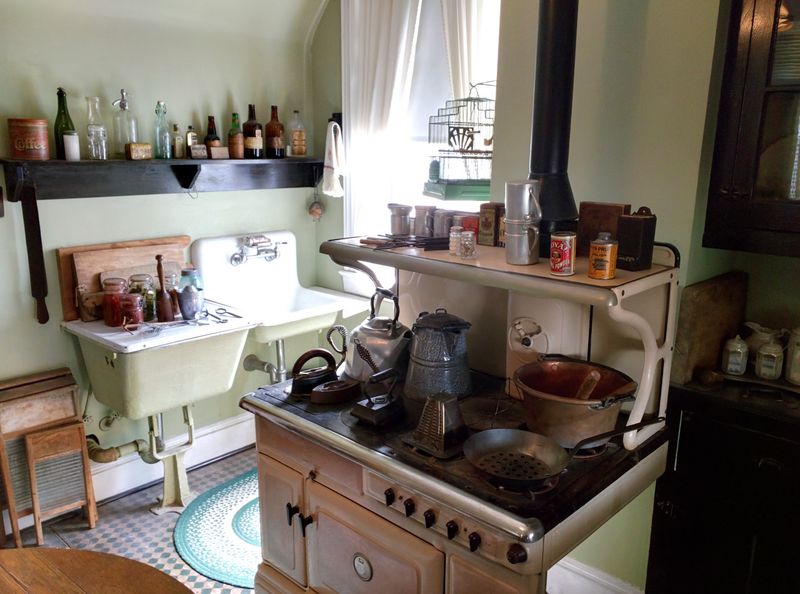
The parlor, the bedrooms, and the kitchen each carry specific details that speak to the Botto family’s Italian heritage and their place within the broader immigrant working class of early twentieth-century New Jersey.
Nothing feels generic or staged.
The museum’s gift shop adds another layer to the experience, stocking an impressive collection of books on labor history, immigrant life, and social movements, both for adults and younger readers.
The building also continues to serve as an active community space, hosting union meetings and educational events year-round.
The Botto House did not stop being useful when the strike ended. It simply found new ways to serve the community it was always meant to support.
Where Paterson’s Weavers Fought for Change
Paterson, New Jersey, was once known as the Silk City of America, producing more silk fabric than anywhere else in the country.
The men, women, and children who worked in those mills faced brutal conditions, including twelve-hour workdays, dangerous machinery, and wages that barely covered basic living expenses.
By 1913, the breaking point had arrived.
When 23,000 workers walked out, they needed a place to gather that was beyond the reach of Paterson’s hostile authorities. The Botto property in neighboring Haledon filled that role perfectly.
Its natural hillside setting beyond the house created an outdoor amphitheater capable of holding enormous crowds, while the balcony above provided an elevated platform for speakers to address the masses.
The museum’s exhibits on the 1913 strike include authentic silk samples, mill equipment, photographs, and documents that place you directly inside that pivotal moment. You can feel the weight of what those workers risked and what they ultimately helped achieve.
The eight-hour workday and the abolition of child labor did not arrive by accident. They were won right here, on this hillside, by people who refused to accept anything less than dignity.
An Immigrant House, A Labor Movement Beacon
There is something deeply moving about standing in a house that was once just a family’s home and understanding the full arc of what it became. The Botto House started as a dream built by two Italian immigrants who wanted stability, community, and a better future for their children.
It ended up becoming a beacon for an entire national movement.
Maria Botto’s kitchen remains the emotional center of the museum experience. The idea that she cooked steadily for up to 100 people on Sundays during the strike, maintaining her household routines while history unfolded on her front lawn, is almost impossible to fully absorb.
Food, family, and solidarity were inseparable in this house, and the museum honors that connection throughout every exhibit.
Visiting the American Labor Museum is the kind of experience that stays with you long after you leave. The bocce court in the garden, the root cellar beneath the yard, the balcony where thousands once listened in rapt attention, all of it adds up to something rare and genuinely powerful.
Address: 83 Norwood Street, Haledon, NJ.
