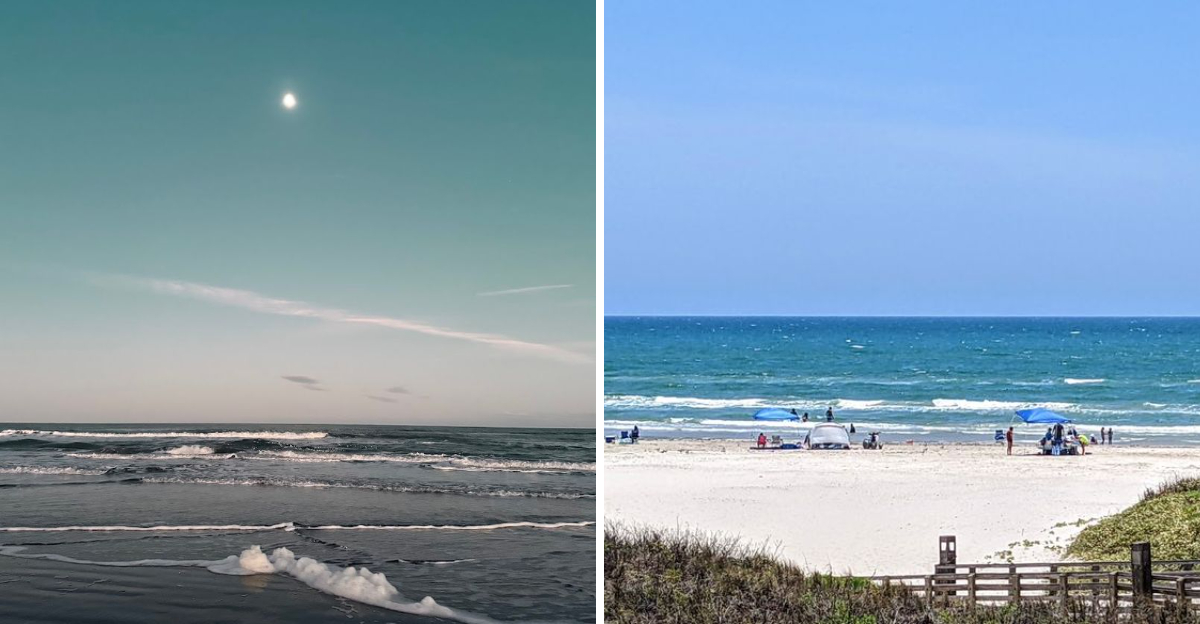
White sand, salt air, and the kind of quiet you can only find when you are surrounded by water. That is what you will find on these Texas barrier islands.
They are wild, beautiful, and mostly off the radar of the average tourist. Some are easy to reach, others require a boat or a little patience, but all of them offer something special.
Think secluded beaches, birdwatching, and sunsets that make you forget your phone exists. It is the Texas coast the way it used to be, before the crowds showed up.
Whether you want to fish, explore, or just sit and stare at the water, these islands deliver. Pack your sunscreen and a sense of adventure.
1. Galveston Island
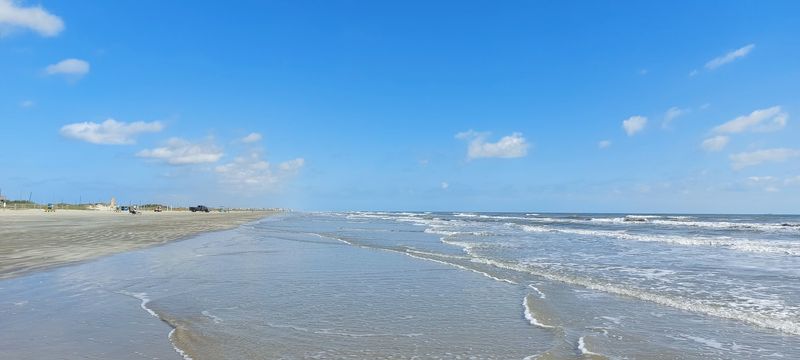
There’s something almost theatrical about arriving on Galveston Island for the first time, where grand Victorian mansions line streets just blocks from the crashing Gulf waves. This island carries history the way the sea carries salt, deeply embedded in everything you touch and see.
Located about 50 miles southeast of Houston, it’s one of the most accessible barrier islands on the Texas coast, yet it never feels ordinary.
The 32 miles of Gulf shoreline offer plenty of room to spread out, whether you’re swimming near the seawall or finding a quieter patch of sand farther down the beach. Galveston Island State Park is worth an entire day on its own.
Kayaking through the marshes, fishing from the shore, and watching herons move silently through the tall grass are experiences that feel surprisingly removed from the busy boulevard nearby.
History lovers will find themselves completely absorbed here. The Moody Mansion and Bishop’s Palace are architectural showstoppers, and the Texas Seaport Museum is home to the 1877 Tall Ship Elissa, which still sails.
Wandering through the historic downtown feels like flipping through a living scrapbook of a city that once served as a capital of the Republic of Texas.
The Pleasure Pier adds a playful energy to the waterfront, with rides and games that make the place feel alive even on overcast afternoons. Families tend to gravitate toward the pier, while couples and solo travelers often prefer the quieter corners near the state park.
The Ocean Star Drilling Rig and Museum offers a surprisingly fascinating glimpse into the offshore energy industry that defines so much of this region.
What makes Galveston genuinely special is how it holds so many different versions of itself at once. You get the bustling, neon-lit seawall experience alongside the gentle solitude of a coastal wetland, sometimes within the same afternoon.
It’s a place that rewards slow exploration. The more time you give it, the more it gives back, and that’s a quality not every island can claim.
2. Follet’s Island
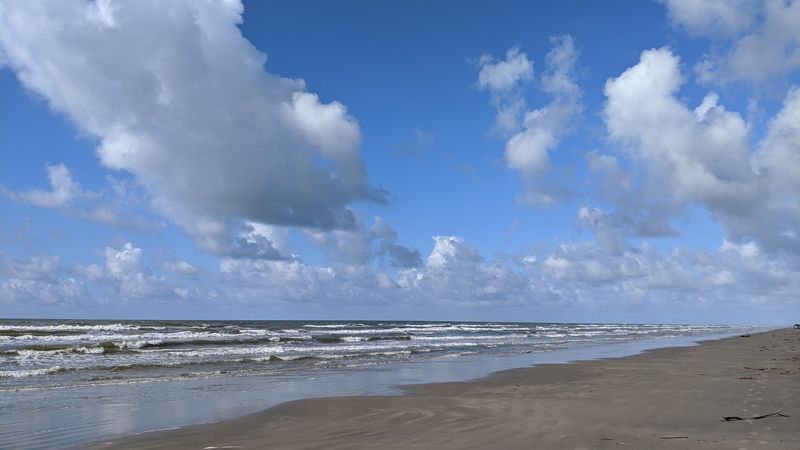
Follet’s Island doesn’t announce itself loudly, and that’s precisely what makes it worth seeking out. This 13-mile stretch of barrier island sits southwest of Galveston in Brazoria County, and it operates at a pace that feels like a welcome exhale after the busier shores nearby.
Sometimes called the Velasco Peninsula, it sits between the Gulf of Mexico and Christmas Bay, and both sides of this narrow island have something distinct to offer.
Christmas Bay itself is recognized as a nursery habitat, meaning the waters here are teeming with life in ways that aren’t immediately visible but are deeply felt.
Kayaking across the bay on a calm morning, with egrets gliding overhead and the water barely rippling, is one of those quiet experiences that stays with you.
The bay also forms part of the Great Texas Coastal Birding Trail, drawing serious birders from across the country who come specifically for the herons, pelicans, and migratory species that pass through seasonally.
The beaches here are wide, compact, and genuinely uncrowded. That compactness actually makes vehicle access easier than you’d expect, which is a practical bonus for anyone hauling gear for a longer beach day.
Surf fishing is popular along the Gulf side, and beachcombing yields some interesting finds, especially after a strong swell moves through.
Camping directly on the sand is allowed here, which is rarer than you might think along the Texas coast. There’s something deeply satisfying about falling asleep with the sound of waves just a few feet away and waking up to a beach that’s entirely yours for those first quiet hours of morning.
Horseback riding is another activity that draws visitors, and seeing horses moving along the shoreline at golden hour is a scene that feels almost cinematic.
Follet’s Island also plays an important role in protecting migratory bird pathways and supporting sea turtle conservation efforts.
It’s a place where the natural world is genuinely doing something meaningful, and visiting here feels less like tourism and more like bearing witness to a coastline that’s still largely intact.
Address: Public access entrances along Bluewater Highway, or CR 257
3. Matagorda Island
Getting to Matagorda Island requires a little effort, and that effort is absolutely part of the appeal. Accessible only by private boat or ferry from Port O’Connor, this 38-mile island sits about seven miles offshore and has no permanent residents.
The moment you step off the boat, the silence hits you in a way that’s almost disorienting if you’ve come from a busy city.
The island is managed primarily as a wildlife refuge, which means the natural world here operates on its own schedule without much human interference.
Whooping cranes and peregrine falcons have been spotted along the shoreline and inland grasses, making this one of the more rewarding birding destinations on the entire Texas Gulf Coast.
Deer, coyotes, and even alligators share the landscape, giving the island a genuinely wild character that sets it apart from more developed destinations.
Thirty-nine miles of Gulf beachfront stretch along the island’s eastern edge, and the shelling here is exceptional. You’re allowed to collect what you find, and the variety of shells after a good tide can fill an afternoon of slow, meditative beachcombing.
Fishing from the shore, by boat, or through wade fishing in the shallows is a consistent draw for anglers who appreciate the solitude that comes with a location this remote.
Hiking and biking trails wind through the island’s interior, and a network of paddling trails allows kayakers to explore the ecosystem from a water-level perspective that reveals details you’d miss entirely on foot.
The variety of ways to move through this place keeps it interesting across multiple visits.
I’d recommend a paddling trail at least once just to understand how layered the coastal habitat really is.
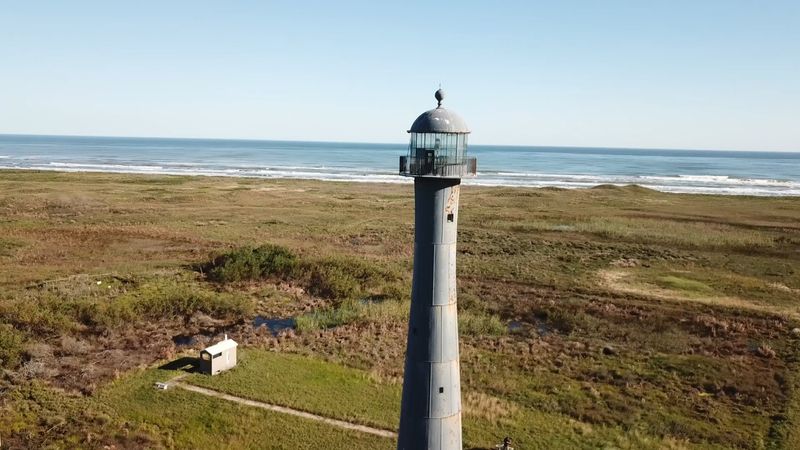
The Matagorda Island Lighthouse is a landmark that deserves its own moment of appreciation. Built in 1852, this historic black cast-iron structure stands as a quiet testament to the island’s maritime past.
Primitive camping is available for those who want to extend their stay into something more immersive. Spending a night here, under a sky completely free of light pollution, is an experience that genuinely resets something inside you.
4. San José Island
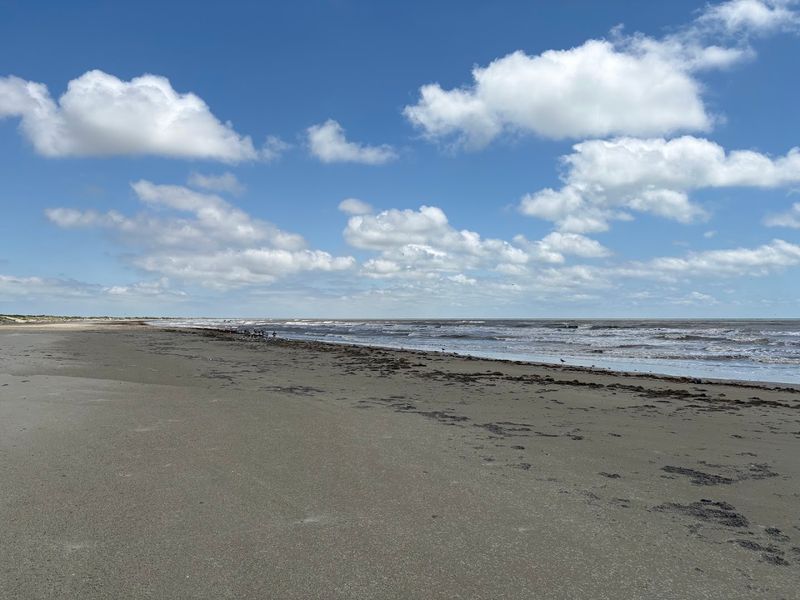
San José Island, known affectionately as St. Jo’s by the locals who love it most, is the kind of place that makes you feel like you’ve slipped through a gap in time.
Stretching 21 miles along the Texas coast and privately owned, this island is managed for wildlife rather than development, which means no cars, no permanent buildings, and no noise beyond what the wind and waves decide to make.
That’s a rare thing anywhere along the Gulf Coast.
A short passenger ferry ride from Fisherman’s Wharf in Port Aransas is all it takes to get here, and the transition from the mainland’s activity to the island’s calm happens almost immediately.
Visitors are welcome to explore the public beach area below the mean high tide line, and that stretch of beach is genuinely stunning.
The sand is pale and clean, the dunes roll behind you, and the Gulf stretches out ahead without a single obstruction.
Shell collectors consider this island something close to sacred ground. Lightning whelks, shark eyes, sand dollars, starfish, and angel wings all wash up here with impressive regularity, and an afternoon of slow beachcombing can yield a genuinely remarkable collection.
The pristine conditions of the beach contribute to this abundance, since fewer visitors means fewer shells get picked over before you arrive.
Fishing along the rocky edges of the North Jetty is another highlight. Speckled trout, redfish, and flounder are common catches for anglers who know where to position themselves, and the jetty provides structure that draws fish consistently.
The birding here is also exceptional, with the island’s undisturbed coastal grasslands and dunes providing habitat for a wide variety of species throughout the year.
What strikes me most about San José Island is how completely it commits to its own wildness. There’s no compromise with commercialism, no gift shop waiting at the end of the trail.
It’s just the coast in its most honest form, and spending even a few hours here has a way of recalibrating your sense of what a beach day can actually feel like. It’s simple, and it’s genuinely beautiful.
5. Mustang Island
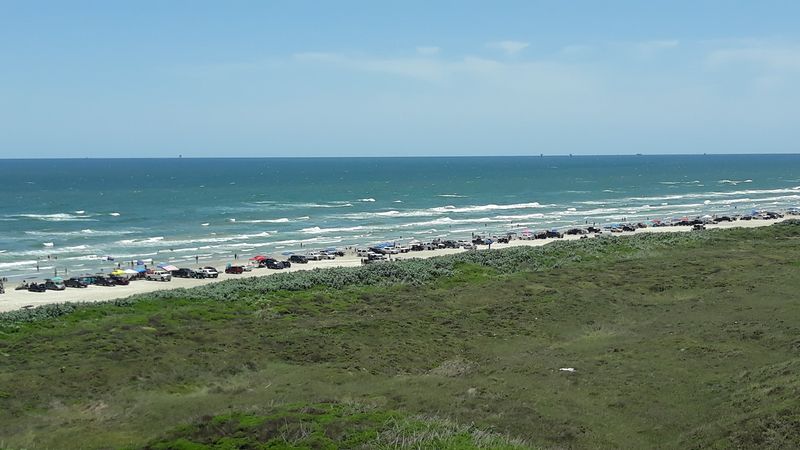
Mustang Island manages to be two very different things at once, and somehow that contrast makes it more interesting rather than less.
On one end, Port Aransas hums with the energy of a lively coastal town, full of fishing boats, beachside eateries, and the kind of easy social atmosphere that draws people back year after year.
On the other end, Mustang Island State Park stretches quietly across coastal dunes and prairies, offering a completely different rhythm for those willing to step away from the crowds.
The state park is where the outdoor recreation really opens up. Swimming and surfing are obvious draws along the Gulf side, but the hiking and biking trails that wind through the dunes and coastal prairie add texture to a visit that a simple beach day wouldn’t provide.
The trails are accessible for various skill levels, and moving through the coastal scrub on a clear morning, with the smell of salt grass and the sound of birds in every direction, is genuinely refreshing.
The Mustang Island Paddling Trail is a standout experience worth planning around. Three interconnected segments span over 20 miles through some of the most scenic bay waters on the Texas coast.
Birders in particular will find this trail rewarding, as the area supports over 400 species throughout the year. Kayaking through those calm, sheltered waters while shorebirds work the shallow flats nearby is the kind of thing that makes a trip feel complete.
Fishing is a consistent draw here, whether from the beach, a kayak, or the jetties near Port Aransas. Beachcombing along the wide sandy shores turns up shells and other coastal curiosities with satisfying regularity.
Evenings on Mustang Island have their own quiet magic. Watching the sun drop behind the bay while the Gulf glows orange on the other side is a moment worth staying still for.
Sea turtle hatchling release events happen seasonally and draw visitors who want something more meaningful than just a beach day.
Attending one of those releases, watching tiny turtles navigate the sand toward the surf, is a surprisingly moving experience that tends to stay with people long after they’ve driven home.
Address: Mustang Island State Park, 9394 TX-361, Corpus Christi, TX 78418
6. Padre Island
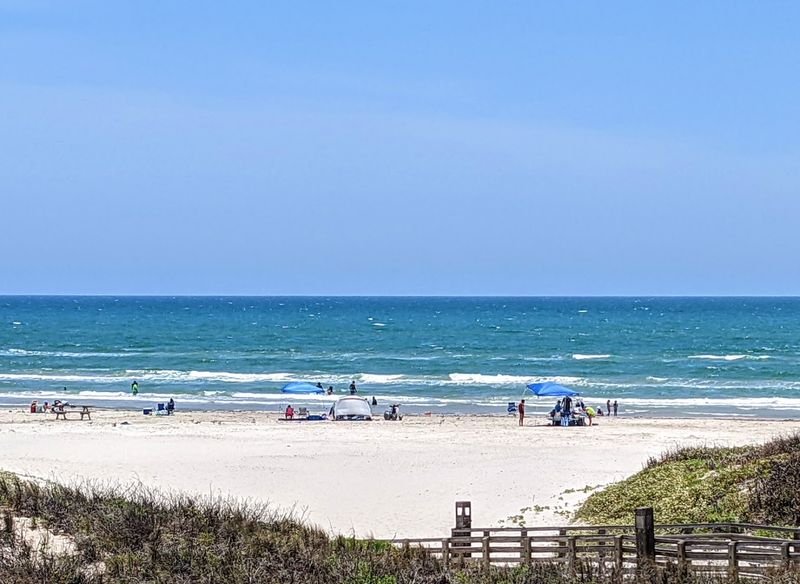
Padre Island holds a record that genuinely earns a moment of appreciation: it protects the longest undeveloped barrier island in the world.
The Padre Island National Seashore stretches across a remarkable expanse of Gulf coastline, and the scale of it doesn’t fully register until you’re actually standing on the beach watching the horizon curve gently in both directions with nothing built by human hands in sight.
It’s the kind of landscape that makes you feel appropriately small.
The island’s role in sea turtle conservation is one of the most compelling reasons to visit.
The Padre Island National Seashore is critical nesting habitat for the endangered Kemp’s ridley sea turtle, and during summer months, visitors may have the rare opportunity to witness hatchling releases organized by park staff.
Watching those tiny creatures make their first scramble toward the surf is one of those experiences that bypasses cynicism entirely and hits you somewhere genuinely soft.
Camping along the dunes here is a different kind of experience than most campgrounds offer. The sites are primitive, the stars are extraordinary, and the only sounds at night are wind and water.
Horseback riding directly on the beach is permitted in certain areas, adding an almost cinematic quality to a morning ride along the tide line. The island invites a pace that most people have forgotten how to keep.
Birding within the national seashore is excellent across all seasons, with diverse avian species moving through the coastal habitats depending on the time of year.
The northern stretch of the island tends toward a laid-back fishing and beach day atmosphere, while the southern reaches near South Padre Island offer dolphin cruises and paddleboarding for those who want more structured activity on the water.
Long walks on Padre Island feel meditative in a way that’s hard to manufacture elsewhere. The beach goes on long enough that you can walk for an hour and still feel like you haven’t reached the end of anything.
That kind of space is increasingly rare, and Padre Island guards it well.
Address: Padre Island National Seashore, Park Road 22, Corpus Christi, TX 78418
7. Brazos Island
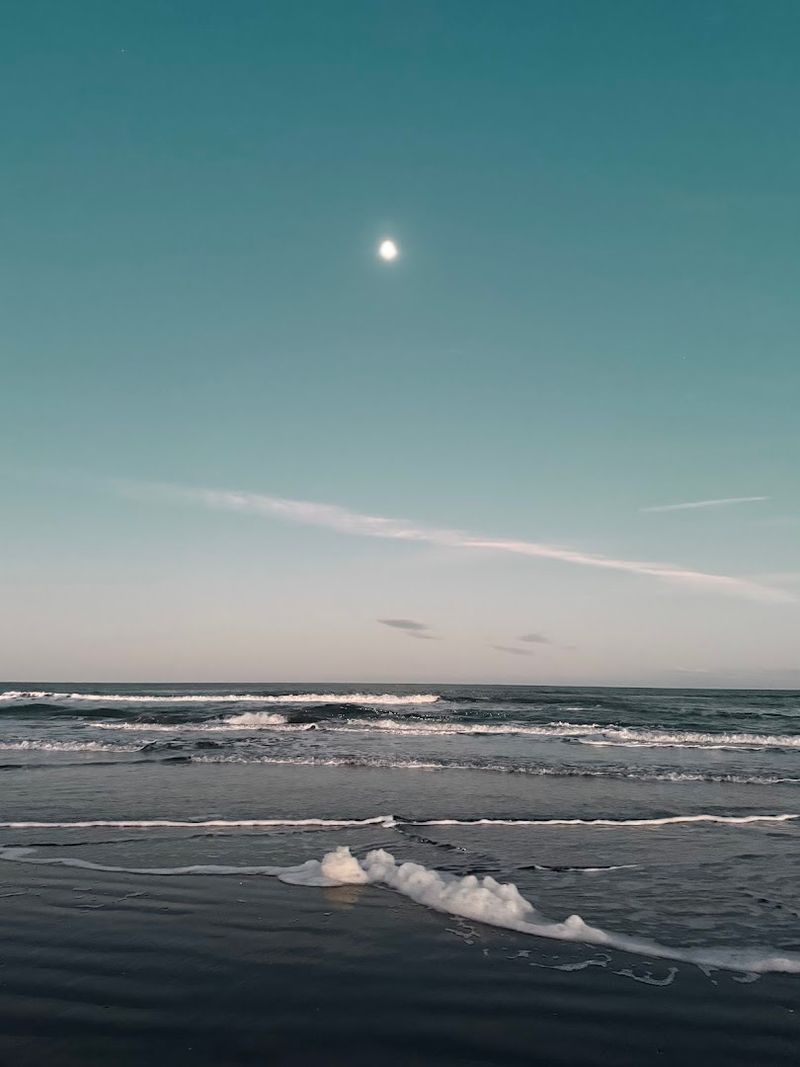
At the very southern tip of the Texas coast, where the Laguna Madre meets the Gulf of Mexico and the border with Mexico sits just a few miles away, Brazos Island offers something that few coastal destinations anywhere in the country can match: genuine, unhurried remoteness.
Also known as Boca Chica Beach, this stretch of shoreline is part of Brazos Island State Scenic Park, and it arrives without fanfare, without facilities, and without the crowds that follow more polished destinations.
That lack of development isn’t a flaw. It’s the entire point.
The beach here is soft and wide, the dunes are low and windswept, and the Gulf moves with an energy that feels less tamed than it does farther north along the coast.
Ocean fishing directly from shore is a primary draw, with red drum, spotted seatrout, and sheepshead all regularly caught by anglers who wade out into the shallows with nothing but patience and a good rod.
Swimming and surfing are enjoyed here too, though the waves can run heavy, so paying attention to conditions before getting in the water is genuinely important.
Nature study and hiking through the dunes reward visitors who slow down enough to notice the animal tracks pressed into the sand and the resilient plant life that manages to thrive in this salt-blasted environment.
It’s a quiet kind of discovery, the kind that feels personal rather than curated.
One of the most unexpected aspects of visiting Brazos Island is its proximity to the SpaceX launch facility. On the right day, you can stand on the beach and watch the Starship up close in a way that almost no other public location allows.
It’s a surreal combination of raw coastline and cutting-edge technology, and it gives the island a character unlike anywhere else on this list.
Brazos Island also carries historical weight as the site of several battles during the 1800s, adding a layer of significance beneath its quiet surface.
This is a place to spread out, breathe deeply, and let the southernmost stretch of the Texas coast do what it does best: remind you how good it feels to be somewhere truly untouched.
Address: Brazos Island State Scenic Park, State Highway 4, Brownsville, TX
