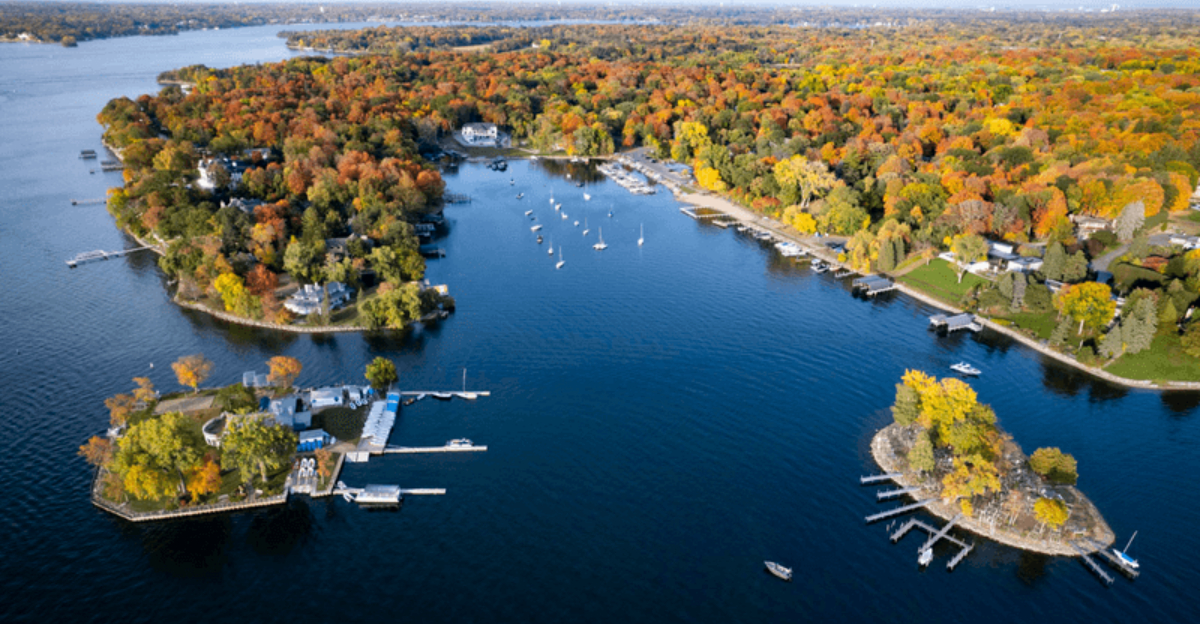
Kayaking across a glassy lake, spotting a secluded beach fringed with pines. That is the draw of Minnesota’s island escapes. With over ten thousand lakes, the state is naturally dotted with thousands of islands.
For a true wilderness adventure, a water-based park offers around five hundred islands spread across its main lakes. You can camp, fish, and paddle in near-total solitude. History buffs can seek out an island accessible only by boat, where a historic hotel and dam tell stories of the past.
Not all islands are wild. A popular lake in the metro area features over a hundred islands, including one that is great for picnicking and swimming. On a river in the city, you will find an island with Victorian-era homes and a charming inn. Another protected island serves as a haven for wildlife.
Whether you are seeking solitude or a fun day trip, the islands of Minnesota promise a unique perspective on the state’s beautiful waters.
1. Spirit Island on Mille Lacs Lake
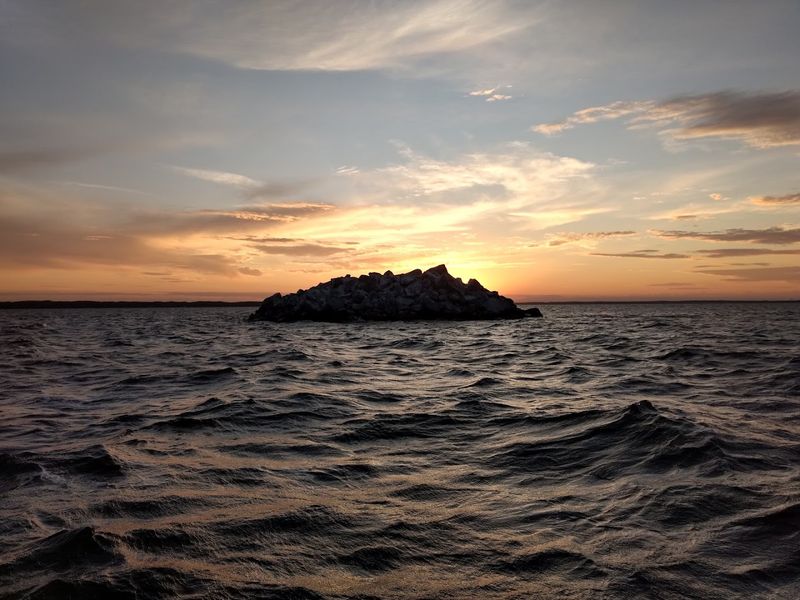
Spirit Island is one of those places that earns its name. This tiny island sits in the vast expanse of Mille Lacs Lake. It holds deep significance for the Ojibwe people who have called this region home for centuries. It is a sacred site. Even as a visitor, you feel that weight the moment you lay eyes on it.
The island itself is modest in size, but its presence on the lake is undeniable. Mille Lacs is one of Minnesota’s largest lakes, and Spirit Island rises from the water with quiet authority. Most visitors view it respectfully from a distance, which feels right given its cultural importance.
Fishing is a major draw on Mille Lacs, and many anglers pass by Spirit Island during their time on the water. Walleye, perch, and northern pike are all common catches in the area.
The surrounding lake is beautiful in every season. Summer mornings are glassy, winter landscapes freeze over and ice fishing shacks dot the surface. Spirit Island anchors the whole scene. It feels both grounding and quietly profound.
2. Cranberry Island on Burntside Lake
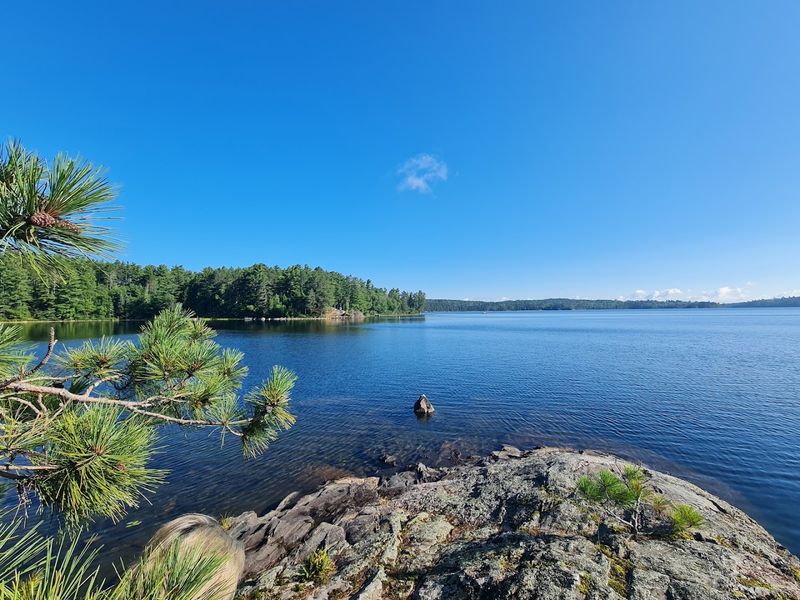
Burntside Lake near Ely is one of those places that makes you understand why people fall in love with northern Minnesota. The water is dark and deep. Pines and granite outcroppings ring the shoreline. Cranberry Island sits right in the middle of it all like a postcard that somehow became real.
The island has a rugged, untamed feel that sets it apart from more accessible spots.
Paddling out to Cranberry Island by canoe is part of the appeal. Ely is the gateway to the Boundary Waters Canoe Area Wilderness, so the whole region has that adventurous, exploratory energy.
Once you reach the island, rocky shores and dense forest greet you. There are no crowds here, no facilities, just the sound of wind through the trees and the occasional loon calling across the water. It is the kind of island that rewards patience and a willingness to sit quietly and observe.
Burntside Lake has long attracted artists and nature lovers, and after spending time around Cranberry Island, it is very easy to understand why they keep coming back.
3. Gull Island on Gull Lake
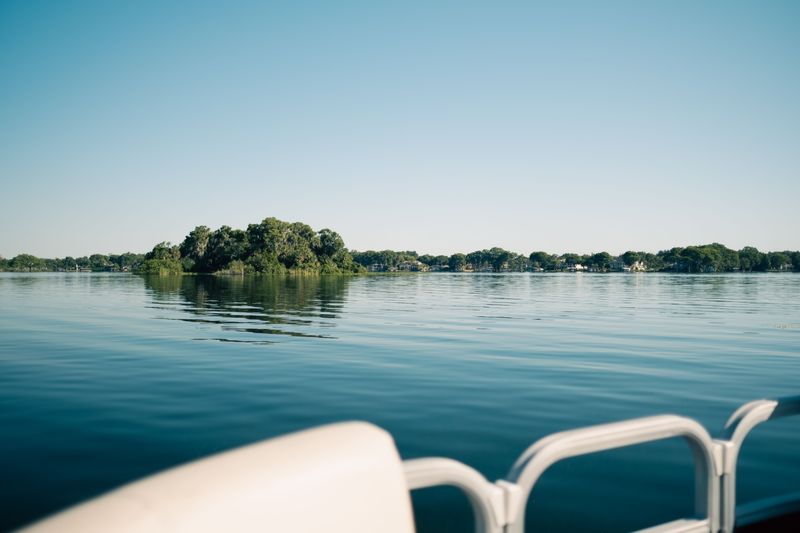
Gull Lake in the Brainerd Lakes area is a favorite among Minnesota vacationers. Gull Island is one of the reasons why. The island feels like a little reward tucked into the middle of an already beautiful lake. You can reach it by boat. It is just far enough from shore to feel like its own separate world.
There is something genuinely fun about heading out to an island, even a small one.
The water around Gull Island is popular for swimming, tubing, and wakeboarding. Families with boats often make a loop of the lake that includes a slow pass by the island, and on warm summer weekends, the surrounding water gets lively with activity.
Gull Lake is large enough to spend a full day exploring its bays and inlets without covering the same water twice. The island acts as a natural landmark and meeting point. Boaters gather there to enjoy the afternoon sun.
The Brainerd area has plenty of dining, lodging, and outdoor activities nearby, making Gull Island a natural highlight within a broader regional adventure. It is a simple pleasure, but sometimes simple is exactly what you need.
4. Pine Island on Lake of the Woods
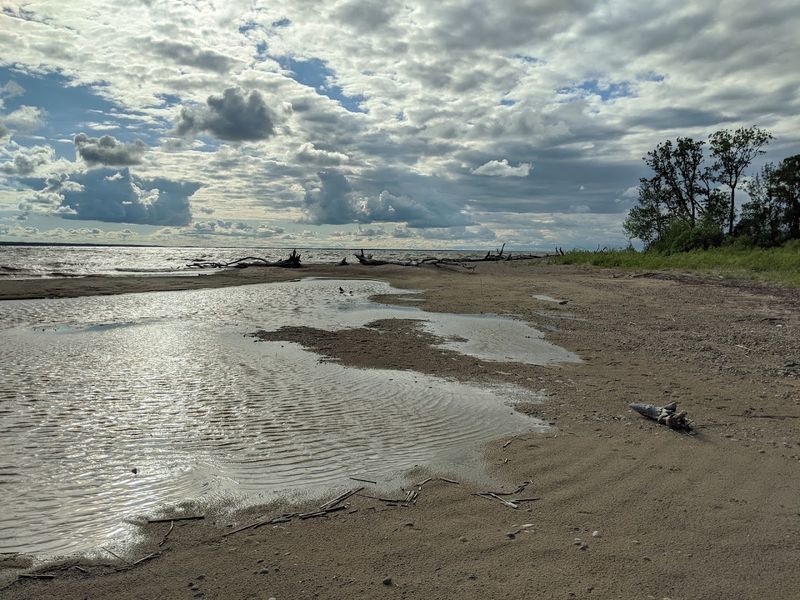
Lake of the Woods is enormous, bordering both Minnesota and Canada, and it contains thousands of islands scattered across its surface. Pine Island is one of the more notable among them, offering the kind of raw, northern wilderness that feels genuinely remote.
The scale of the lake alone is humbling, and the islands within it each have their own distinct personality.
Fishing on Lake of the Woods is legendary. Walleye, sauger, and muskie draw anglers from across the country, and Pine Island sits within some of the most productive fishing waters in the region. Many visitors arrive by boat with rods in hand and spend the day working the waters around the island.
The forested interior of Pine Island is thick with pines, hence the name, and wildlife is plentiful. Bald eagles are a common sight overhead, and the shoreline is quiet enough that deer sometimes appear at the water’s edge in the early morning.
The remoteness of this part of Minnesota is part of its charm. Getting to Lake of the Woods requires a bit of effort, but the payoff is access to one of the most spectacular and underappreciated lake landscapes in the entire country. Pine Island is a worthy destination within that remarkable setting.
5. Raspberry Island on Rainy Lake

Rainy Lake inside Voyageurs National Park is one of Minnesota’s crown jewels, and Raspberry Island is one of many beautiful islands scattered across its surface. The park itself is only accessible by water, which immediately sets it apart from most national parks in the country.
That water-only access gives Voyageurs a genuinely wild and exploratory character.
Raspberry Island is a peaceful spot within this vast aquatic wilderness. Kayakers and canoeists often stop here to rest, eat lunch on the rocks, or simply take in the quiet. Spending a night under the stars out on the lake is one of the most memorable things you can do in Minnesota.
The wildlife around Rainy Lake is extraordinary. Loons, osprey, great blue herons, and even wolves call this area home. Seeing a bald eagle dive for a fish near the island is not an unusual experience.
The water clarity in this part of the park is remarkable, and on calm mornings, the reflections of the pines in the still water look almost too perfect to be real. Raspberry Island is a small piece of a much larger puzzle, but it is a beautiful one. Voyageurs deserves far more attention than it typically gets.
6. Coney Island on Lake Minnetonka
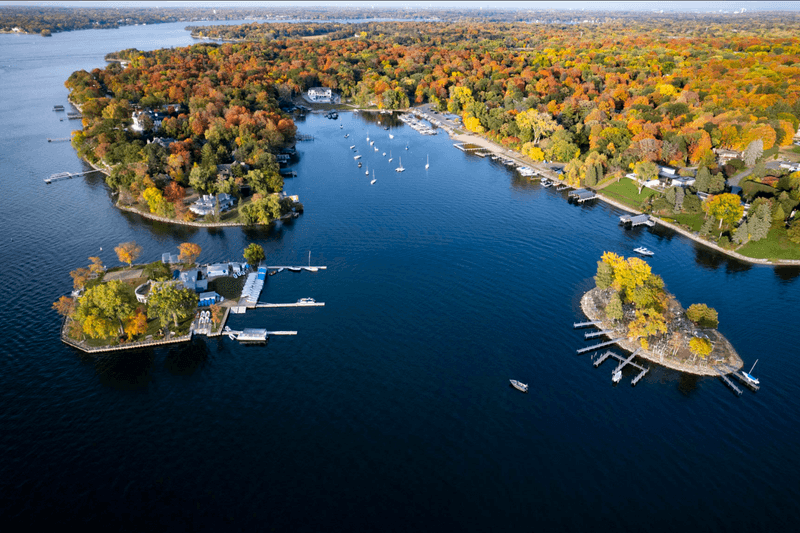
Coney Island sits right in the heart of Lake Minnetonka, and the first time you spot it from a boat, it genuinely looks like something out of a dream. The island is small but full of character, with tall trees providing shade and a relaxed atmosphere that feels a world away from the busy suburbs nearby.
It has a long history as a gathering spot, and that sense of community still lingers.
Boaters often anchor just off the shore and wade in, making it a casual, low-key stop rather than a formal destination. The shallow waters around the island are calm and clear, perfect for a quick swim or just floating around. Kids especially love the sandy patches along the edge.
Lake Minnetonka itself is massive, so combining a visit to Coney Island with a longer cruise around the lake makes for a full and satisfying day. The scenery shifts constantly as you move through different bays, and the island feels like a natural centerpiece to the whole experience.
7. Pelican Island on Pelican Lake
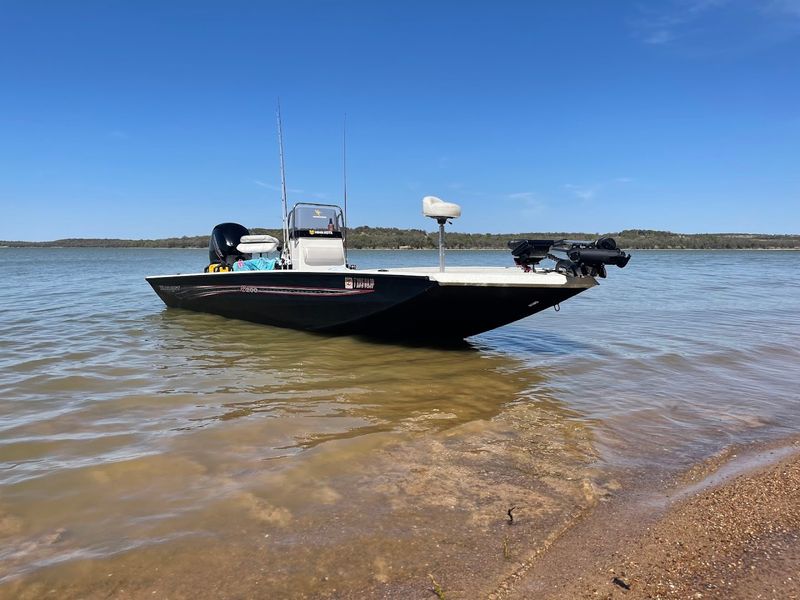
There is something delightfully straightforward about a lake named Pelican Lake that actually has pelicans. Located near Orr in northern Minnesota, Pelican Lake is home to a healthy population of American white pelicans, and Pelican Island serves as one of their key nesting areas.
Watching these large, graceful birds from a respectful distance is a genuinely special experience.
The island is protected, as it should be, so getting too close is not encouraged during nesting season. Viewing from a canoe at a comfortable distance is the right approach. The birds are surprisingly large up close and seeing a group of them gliding low over the water is something that sticks with you.
Pelican Lake itself is a lovely destination beyond the wildlife watching. The water is clear, the fishing is solid, and the surrounding forests give the whole area a peaceful, unhurried feel. Orr is a small town but a friendly one, with enough amenities to make a weekend trip comfortable.
The combination of wildlife, scenery, and that quiet northern Minnesota atmosphere makes Pelican Island one of the more unique island experiences on this list. It is proof that not every island needs to be famous to be worth the trip.
8. Ottertail Island on Otter Tail Lake
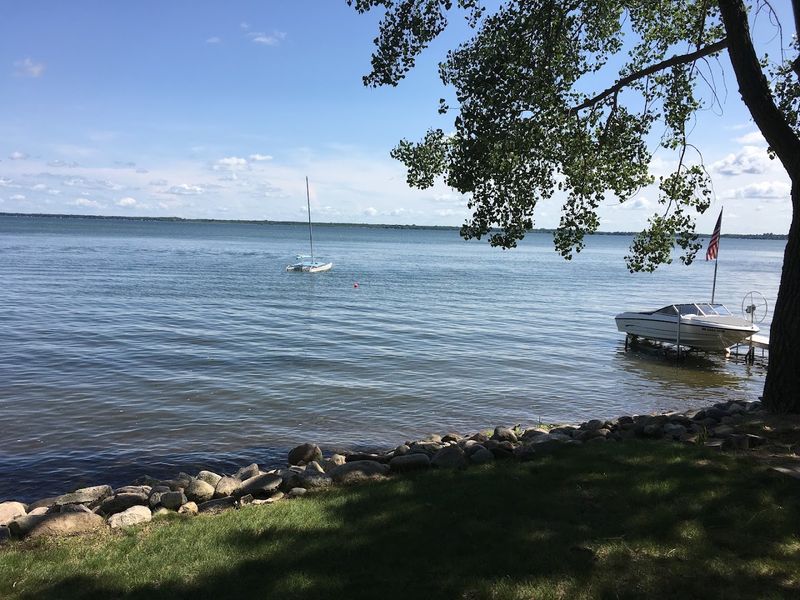
Otter Tail Lake in central Minnesota is one of the state’s larger and more popular recreational lakes, and the small island within it offers a quiet counterpoint to all the activity on the water.
Central Minnesota’s lake country has a different feel from the north, a bit warmer, a bit more open, with rolling farmland giving way to chains of connected lakes. It is gentle and welcoming in a way that is all its own.
The island on Otter Tail is a natural gathering point for boaters exploring the lake. The surrounding water is excellent for swimming, and the sandy shallows near the island are a favorite spot for families spending a summer afternoon.
The lake has good populations of walleye and bass, which keeps anglers happy throughout the season.
Fergus Falls, the county seat of Otter Tail County, is a charming small city with a surprising amount of character. Visiting the lake and the island pairs nicely with exploring the town and its local parks and trails.
The whole region feels like an authentic slice of Minnesota lake life, untouched by the tourist polish that sometimes smooths over the rough, real edges of a place. Ottertail Island is modest and unassuming, but that is exactly what makes it feel so genuinely Minnesota.
9. Oak Island on Red Lake
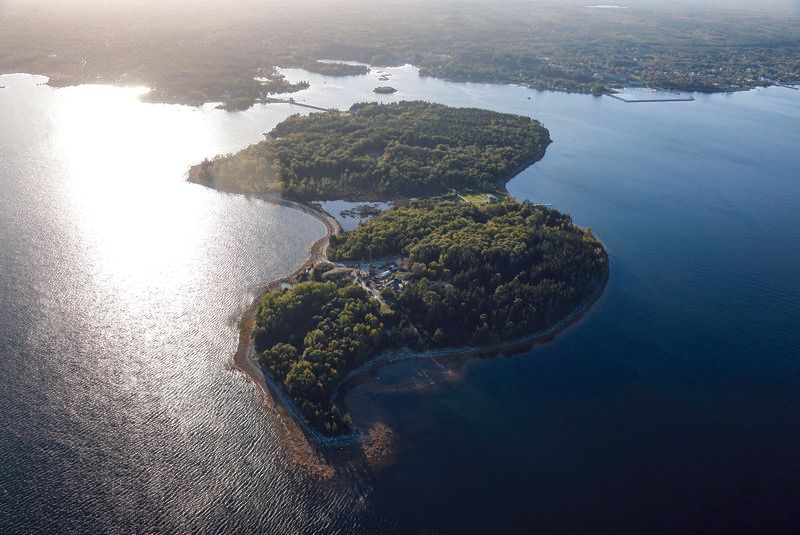
Red Lake is the largest lake entirely within Minnesota, and it holds enormous cultural and historical significance for the Red Lake Band of Ojibwe. Oak Island rises from its shallow, expansive waters as a quiet and meaningful landmark within this important landscape.
The lake has a different character from the deep northern lakes, wide and open, with a sky that seems to stretch forever above it.
Access to Red Lake and its islands is managed by the Red Lake Nation, and visitors should be aware of and respectful toward tribal regulations before planning any trip here. That respect is not just a formality. It is the right way to approach a place with this kind of living cultural history.
The fishing on Red Lake is remarkable, particularly for walleye. The lake has been carefully managed by the Red Lake Band for generations, and that stewardship shows in the health of the fishery. Oak Island sits within this carefully tended ecosystem in the middle of a very large, very important lake.
The surrounding landscape is flat and vast, giving the whole area a sense of openness that feels different from the rocky, pine-covered terrain of other parts of northern Minnesota. It is a place that asks you to pay attention and appreciate what is around you.
10. Kabetogama Peninsula Islands on Lake Kabetogama
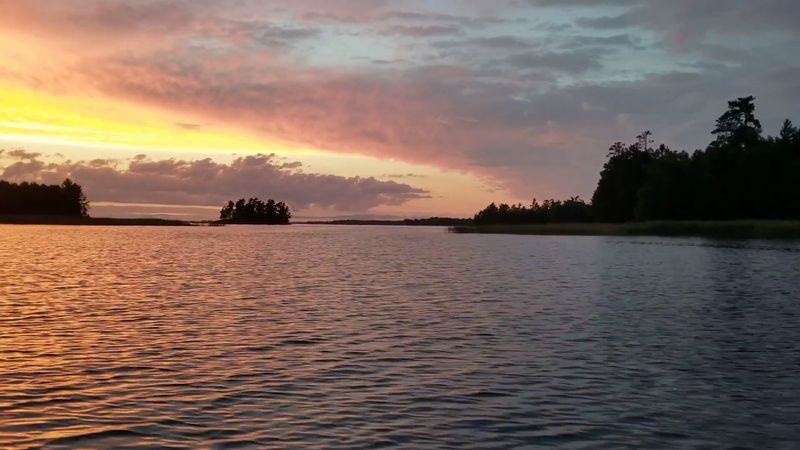
Lake Kabetogama is part of Voyageurs National Park, and the cluster of islands spread across its surface is one of the most rewarding paddling destinations in the entire state. The lake is quieter than Rainy Lake, which gives it a more intimate atmosphere.
You feel the wilderness more acutely here, as if the park is keeping a closer eye on you.
The islands range from tiny rocky outcroppings to larger forested masses with enough space to set up camp and spend a night listening to loons echo across the water. That sound alone, the trembling call of a common loon at dusk, is worth the whole trip. It is the sound of real wilderness.
Kayaking between the islands on a calm morning is one of those experiences that is hard to describe but easy to remember. The water picks up color from the sky, the pines stand perfectly still, and the only sound is your paddle dipping in and out of the lake.
Voyageurs is one of the least visited national parks in the country, which means Lake Kabetogama rarely feels crowded. The Kabetogama Peninsula itself is the largest roadless area in the national park system east of the Rocky Mountains.
