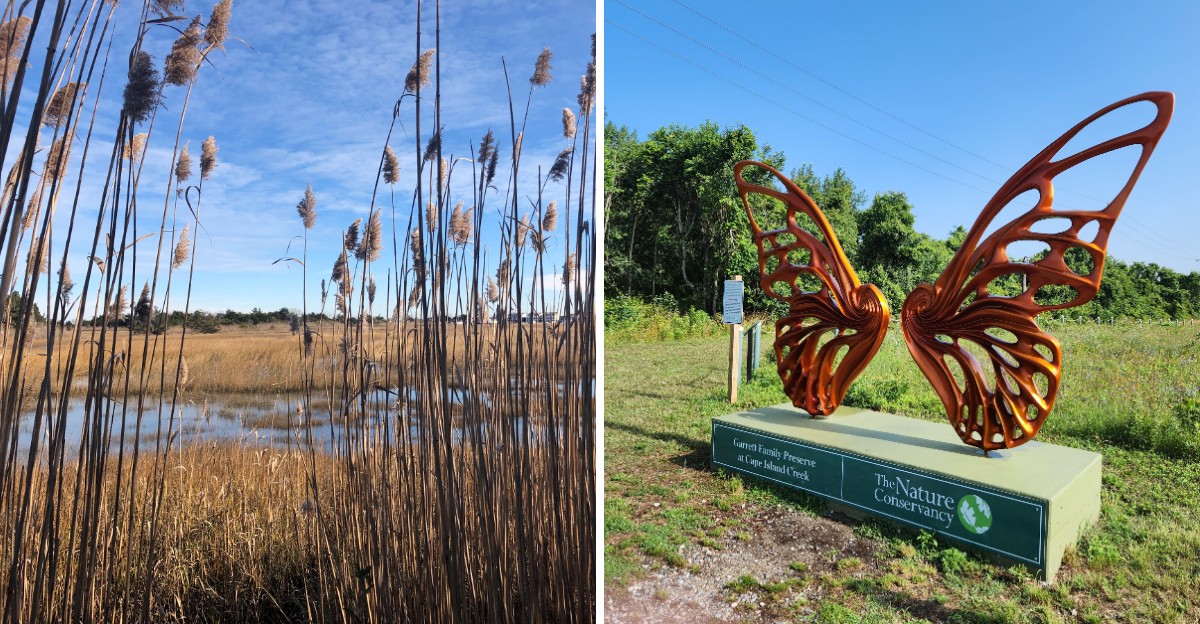
Vacation plans can get exhausting surprisingly fast.
You’ve seen the sights, walked the busy streets, and somehow managed to turn a relaxing getaway into a full-time scheduling job. Sound familiar?
Luckily, there’s a quieter side to this popular coastal area, and it comes with fresh air, open scenery, and plenty of opportunities to slow down.
This New Jersey nature preserve offers a refreshing change from the usual crowds, with a landscape that invites visitors to pay attention to the little things.
Look for birds moving through the vegetation, notice how the light changes across the open ground, and enjoy a walk without feeling like you have to reach some spectacular finish line.
Sometimes the nicest part of a trip is finding somewhere you can simply wander.
A Quiet Escape Just Off the Busy Path
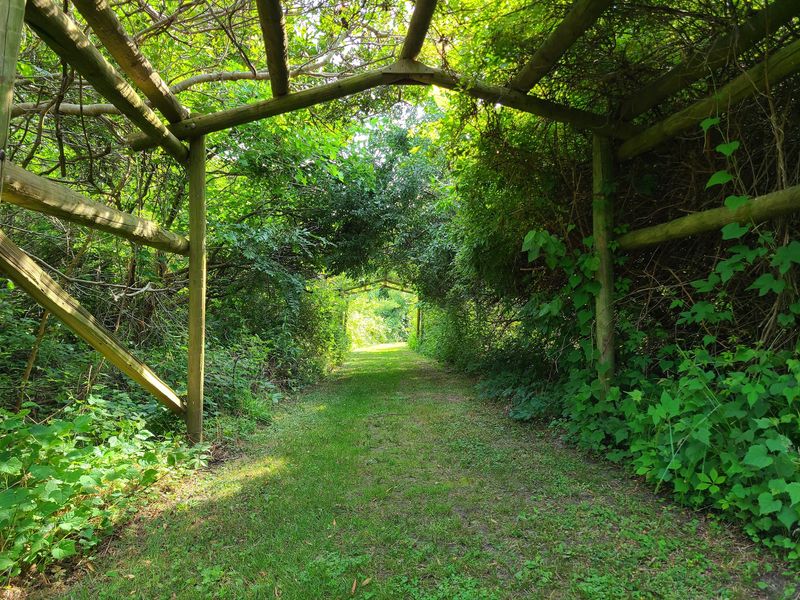
Peace shows up fast here. The Garrett Family Preserve at Cape Island Creek sits at the end of short Wilson Street, tucked away from the shops, beaches, and busy sidewalks that pull most visitors into town.
Once you leave the car in the small lot, the noise just seems to drop away.
Plenty of people pass right by without knowing it exists. That is part of the charm.
There is no flashy sign shouting for attention on the main road, so a map app is your best friend for finding the turn onto Wilson Street.
The preserve covers about 180 acres of marsh, meadow, and woods, which is a lot of breathing room for a spot so close to a lively beach town. Many guests arrive as part of a rail bike tour on the nearby tracks, then stay longer than planned once they see the trails.
A smart tip is to snap a photo of the trail map at the entrance. The paths loop around in several directions, and having a picture on your phone keeps you from wandering in circles.
Gates open early, at 6 AM, and stay open until 8 PM every day.
Easy Trails Made for Wandering
My kind of hike is the one where my legs never complain. More than four miles of flat, easygoing paths weave through this preserve, and they connect in loops so you can make your walk as short or as long as you like.
The ground is even and simple. Strollers roll along without much trouble, and families with little ones can set an easy pace.
Benches pop up roughly every quarter mile, which makes it easy to stop, sip some water, and just watch the grass sway.
Each loop passes through a slightly different scene, from open fields to brushy edges to marsh views. Small signs along the way share bits of information about the plants and animals nearby, so a stroll quietly turns into a nature lesson.
Runners like the trails too, especially in the early morning when the air is still cool. Remember that these are rustic, natural paths rather than paved walkways.
Sturdy shoes are a good idea, and long pants help in grassy areas, since ticks can be active in warmer months, so bug spray belongs in your bag.
Where Salt Marsh Meets Open Meadow
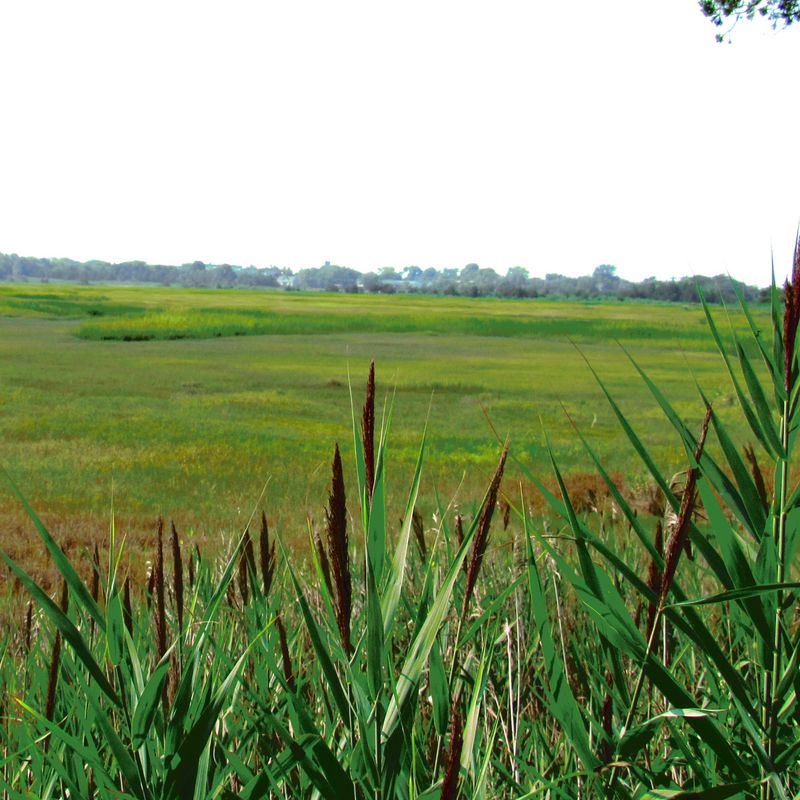
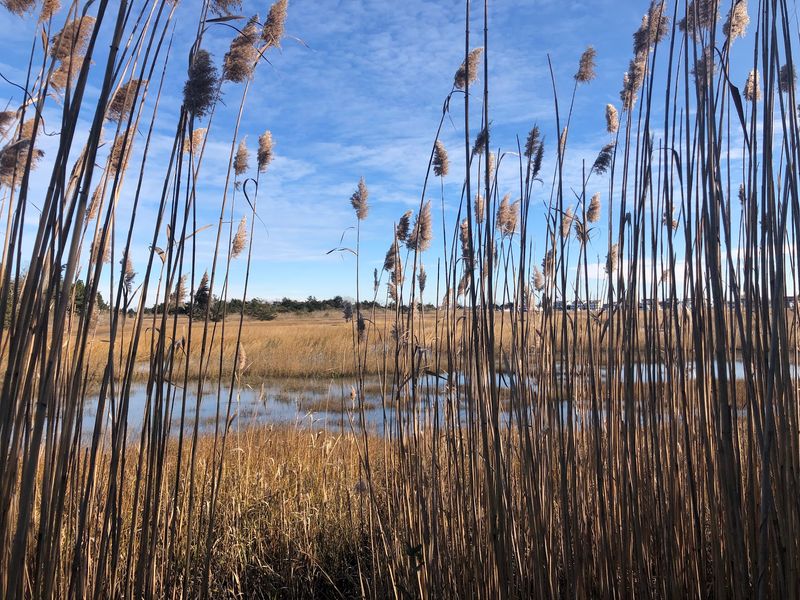
Tides set the mood along Cape Island Creek. Twice a day the water creeps in and slips back out, changing how the salt marsh looks from one hour to the next.
The grass shines gold in some light and deep green in others.
These marshes do serious work, even if they look calm. They act as nurseries for many kinds of young fish, giving them shelter while they grow.
Healthy marshes also help protect the land behind them from storms, which matters a lot on the coast.
Step back from the water and the scenery shifts again. Native wildflower meadows spread out across the old fields, followed by shrubby areas and taller lines of trees.
Some of the land seems to be slowly returning to the wild after years of farming, and you can almost read that story in the mix of plants.
Bring a camera. Honestly, the contrast between shimmering creek water and bright blossoms makes for some of the prettiest photos in the area, and nobody will be crowding into your shot.
Look for nesting osprey around the marsh, too.
A Birdwatcher’s Hidden Hideaway
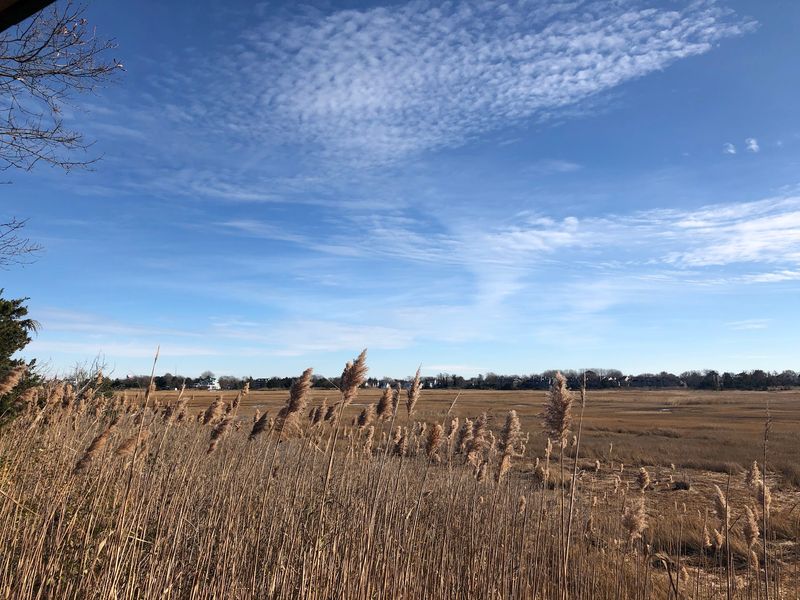
Cape May is famous among bird lovers, and this preserve is one of the quieter places to join the fun. Migrating songbirds, raptors, and shorebirds all use the land as a stopover on their long trips up and down the coast.
Spring and fall are the busiest seasons for feathered visitors. That is when the shrubs and trees fill with tired travelers looking for food.
The blue trail at the south end is known for berry-producing plants that attract small birds during migration.
Out by the marsh, keep an eye out for sandpipers poking their long bills into the mud. Tree swallows like to perch and swoop over the fields.
Osprey nest near the salt marsh, and spotting one gliding overhead is always a thrill.
A bird blind gives you a sneaky spot to watch without scaring anyone off. Binoculars make a huge difference, so pack a pair if you have them.
Move slowly, talk softly, and give it a few minutes. Birds tend to reappear once they decide you are harmless.
Monarchs, Bees, and Blooming Fields
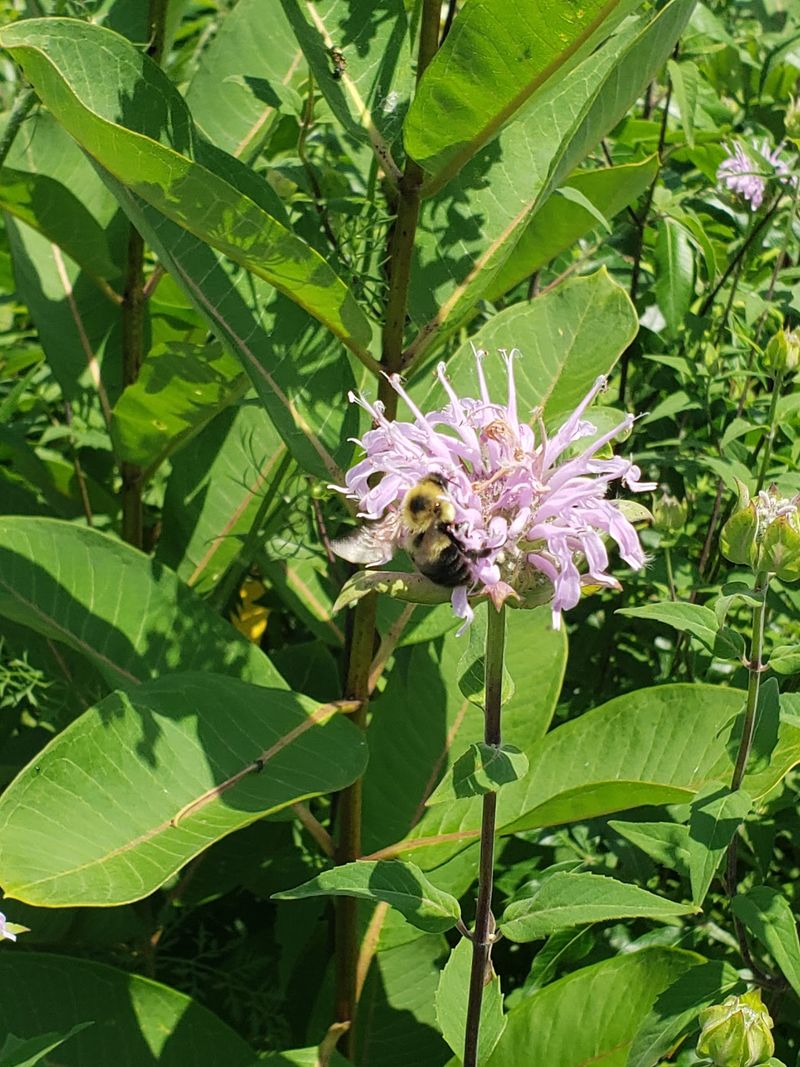
Bright color takes over the meadows from about May through July. Wildflowers bloom in waves, and the fields hum with bumblebees and other busy pollinators moving from flower to flower.
The real stars arrive later. Starting in late August and lasting into fall, monarch butterflies stop here to refuel before their long journey south toward Mexico.
Seeing orange wings flutter over the flowers feels a bit magical, and it happens right in front of you.
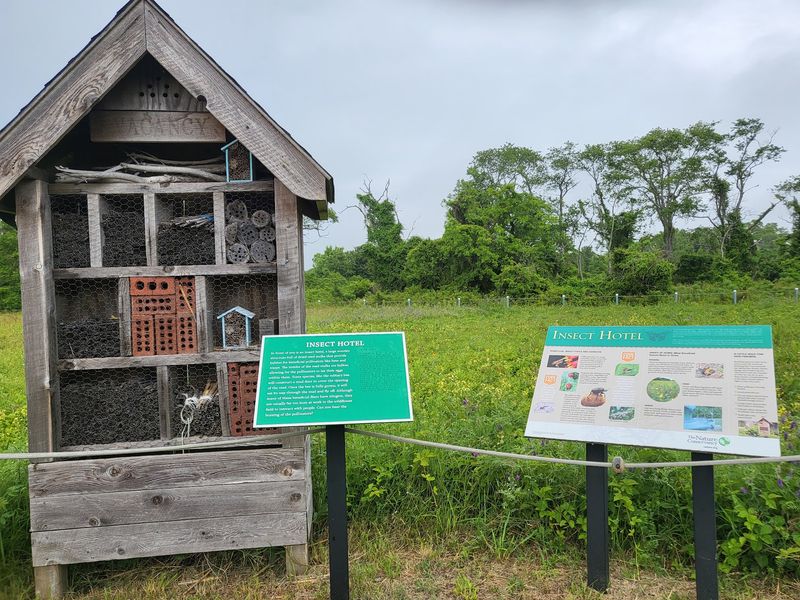
The preserve leans into the pollinator theme in playful ways. An insect hotel offers shelter to helpful bugs, and it is fun to peek at how it is built.
A monarch sculpture and colorful caterpillar murals add an artsy touch that kids especially enjoy.
Beehives sit in one of the fields, another reminder of how much this land supports tiny creatures. A quick tip for butterfly season is to go on a sunny, mild day.
Butterflies stay more active in warm sunshine, though very hot afternoons can feel draining on these open trails.
Thoughtful Touches for Everyone
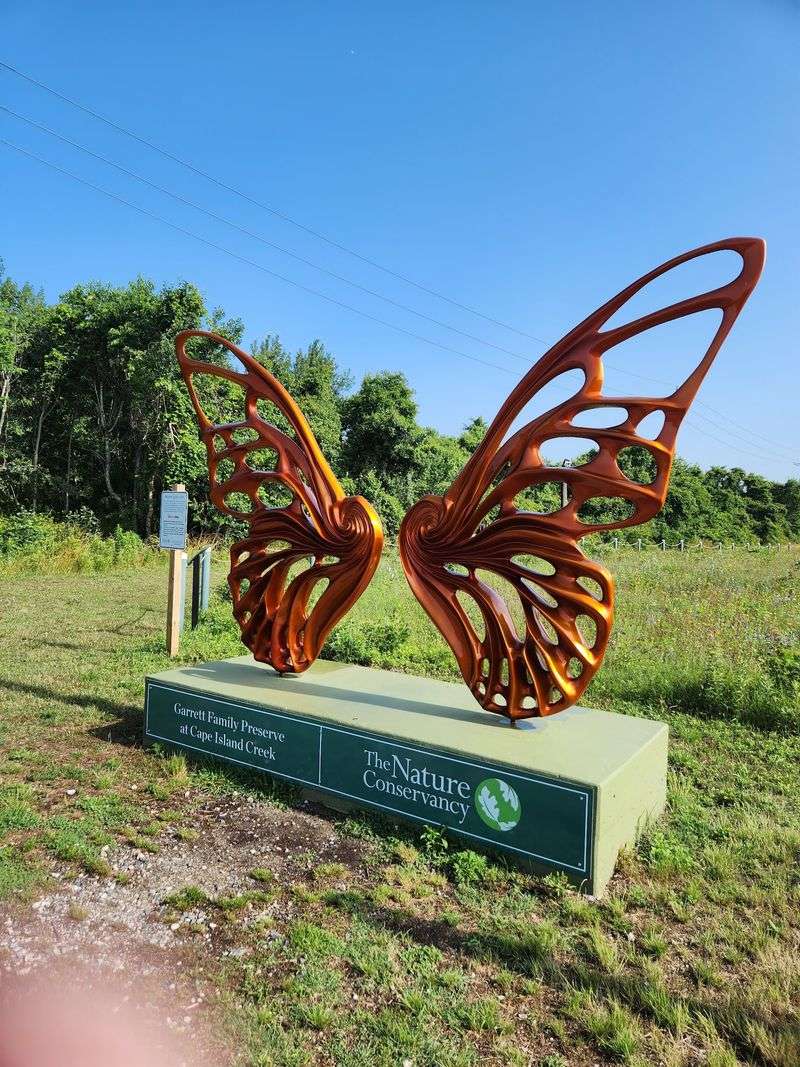
Good planning shows in the details here. A shaded picnic pavilion offers a spot to sit down with a packed lunch, which is a welcome break since much of the trail system sits in open sun.
Accessibility gets real attention as well. A Braille trail loops around a wildflower meadow, and it comes with an audio tour so visitors with low vision can enjoy the preserve in their own way.
That kind of care makes a place feel truly welcoming.
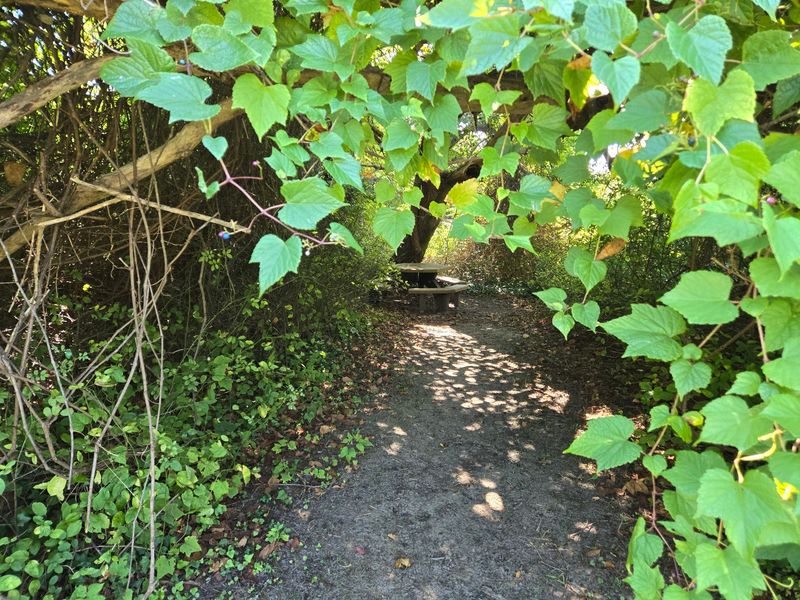
Look for the leafy tree canopy along the trails, too. Some folks call it a tree cave because the branches arch over to form a cozy natural room, and there is even a picnic table tucked inside.
It is a cool little hideout on a warm day.
A portable restroom is available on site, which helps with longer visits. Still, there are no snack stands or stores, so bring everything you need.
Water, sunscreen, hats, and bug spray all make the visit far more comfortable.
Every Season Paints a New Scene
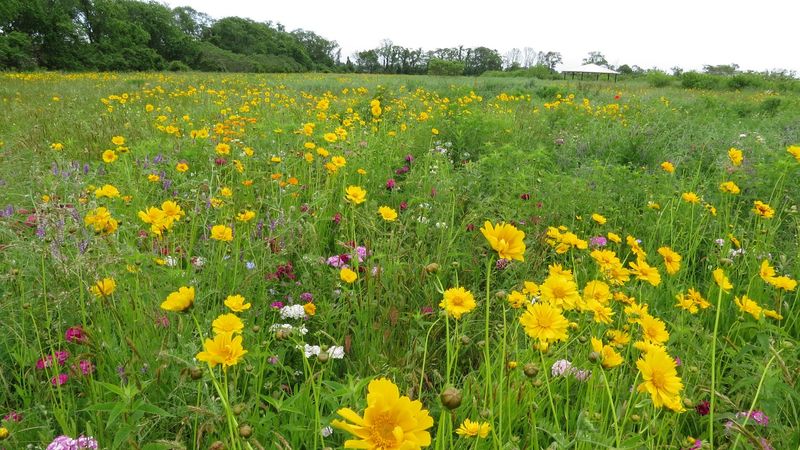
Timing changes everything at this preserve. Spring brings fresh green growth and the first wave of migrating birds.
Summer fills the meadows with color and buzzing pollinators.
Fall might be the showstopper. Leaves turn warm shades, the marsh glows gold, and both birds and monarchs pass through on their way south.
It is a busy season for wildlife but still calm for people, which feels like a fair trade.
Winter gets less attention, yet it has its own quiet beauty. Bare branches make birds easier to spot, and the trails feel extra peaceful.
Here is a bonus for pet owners. Leashed dogs are welcome from November 1 through March 31, so cold months are the time to bring your furry sidekick along.
Since the scenery shifts so much, one visit rarely feels like enough. Locals and repeat travelers often return in different months just to see what has changed.
If your schedule allows, try planning a spring stop and an autumn stop. They almost feel like two different places.
Land Saved for the Wild
Knowing why a place exists makes it even sweeter to visit. This preserve is managed by The Nature Conservancy, which protected the land so it would stay wild instead of becoming more buildings and pavement.
Its location matters a great deal. Cape May sits at the tip of a peninsula, and migrating birds funnel through here in big numbers.
They need safe spots to rest and eat before crossing open water, and this preserve works like a roadside refueling station for them.
Habitat loss has made those stops harder to find. Every protected acre helps.
The meadows, shrubs, and marsh provide food and shelter for birds, butterflies, bees, and many other small creatures.
Insects may not get much love, but they are a big deal. They pollinate plants that people and animals depend on, and they feed many birds.
By caring for them, the preserve supports the whole web of life around it. Visitors can help simply by staying on trails, packing out trash, and leaving flowers where they grow.
Planning a Calm Day Off the Beach
Pair this spot with the rest of your trip and the day just flows better. Morning walks are cool and quiet, and they leave plenty of time for beach hours or a stroll through town later.
Fun fact. Train tracks run by the entrance, and a longer trail follows them north and south, so runners and walkers can stretch their outing well beyond the preserve.
Some painted rail cars nearby add an unexpected splash of color.
Shade is limited on many paths, so avoid the hottest part of a summer afternoon if you can. A hat, sunscreen, and a full water bottle go a long way.
Bug spray and a quick tick check afterward are smart habits too.
Families of all ages can enjoy a visit that is not too long and not too short. Kids get to spot butterflies and birds, while grown-ups get a real breather.
For a peaceful reset in New Jersey, head to the Garrett Family Preserve at Cape Island Creek, located at 801 Wilson St, Cape May, NJ 08204.
