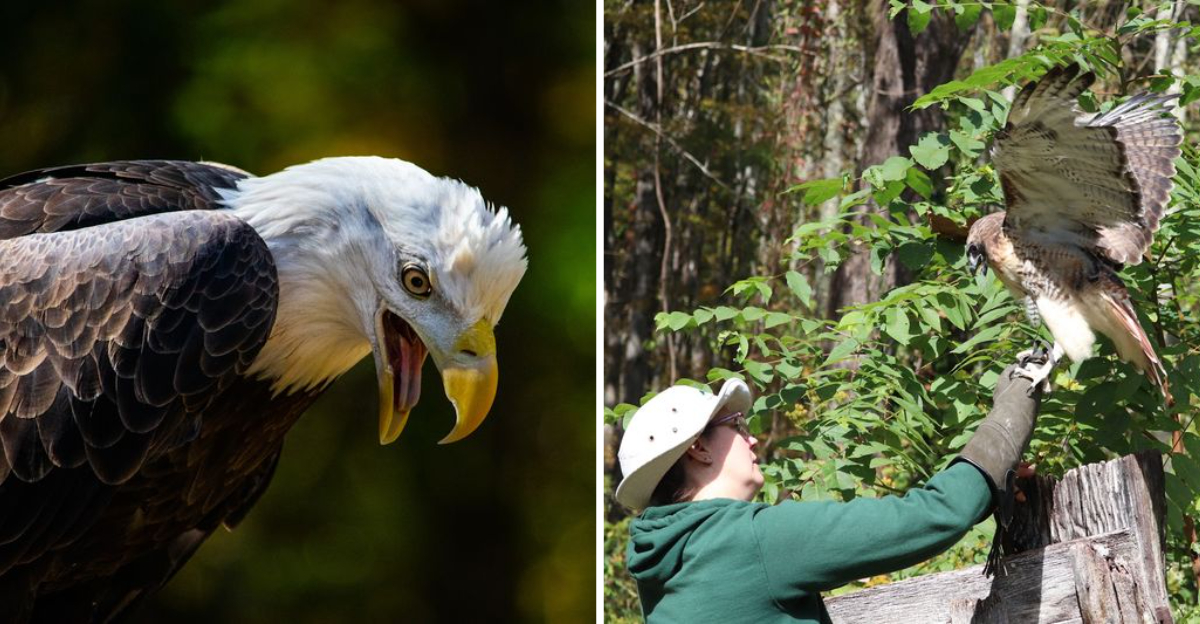
You can lock eyes with a bald eagle in West Virginia and it will not cost you a single penny.
Free tours are offered on the first Saturday of each month from May through October, giving visitors a rare glimpse into the world of wild bird rehabilitation.
The resident celebrities are the non-releasable raptor ambassadors, including owls, falcons, a hawk, and a majestic bald eagle named Regis, all native to the Mountain State.
The passionate staff love sharing the stories of these birds, explaining their rescue journeys and the center’s mission of conservation.
Since its founding decades ago, the center has treated thousands of birds representing over one hundred species.
It is a unique, hands on experience that is equal parts educational and jaw dropping.
West Virginia has a wild side, and this sanctuary puts it front and center.
A Mountain Morning and the Promise of Discovery
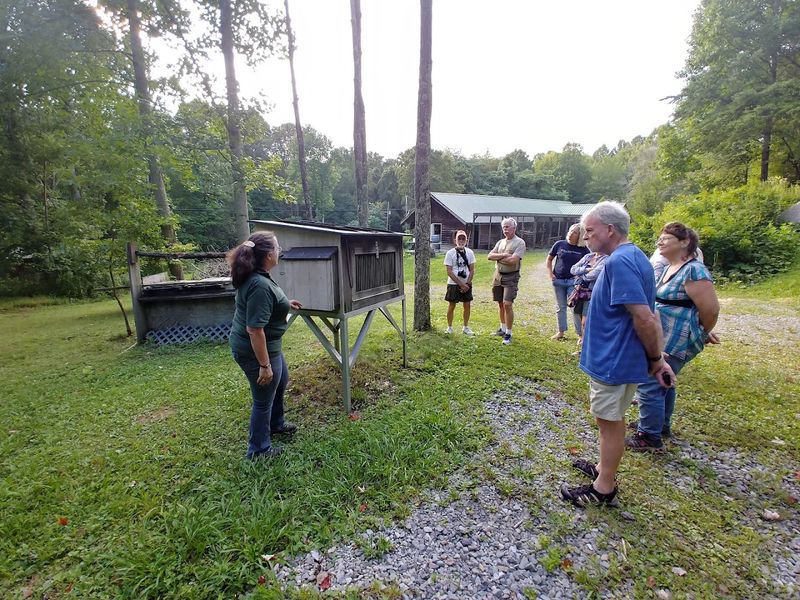
Getting to Three Rivers Avian Center feels like an adventure before you even arrive. The drive up Brooks Mountain Road winds through thick forest, with gravel crunching under your tires and trees forming a canopy overhead.
It is the kind of road that makes you wonder if you took a wrong turn, right up until the moment the sanctuary appears.
The center sits at the top of a mountain, surrounded by the kind of quiet that city life rarely offers. That stillness is intentional.
It creates the perfect environment for recovering birds and curious visitors alike.
Open house tours run on the first Saturday of each month during the season, making planning easy. Families, school groups, and solo explorers all find their way up here, drawn by the promise of something genuinely rare.
Coming prepared with good shoes and a sense of wonder is really all you need. The mountain air alone is worth the drive.
Meeting the Ambassador Birds
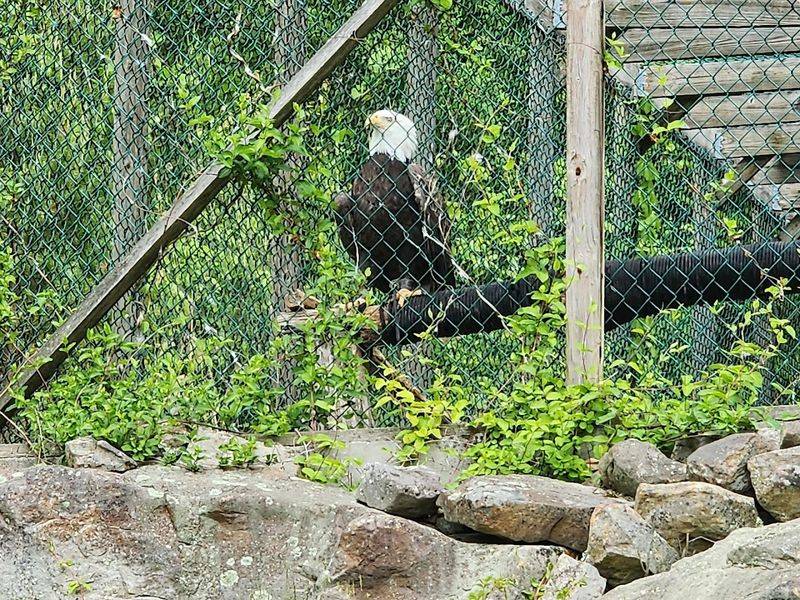
Standing a few feet away from a bald eagle is a moment that simply does not lose its power, no matter how many nature documentaries you have seen. At Three Rivers Avian Center, the ambassador birds are permanent residents who cannot safely be released into the wild.
Each one carries a story of injury, recovery, and resilience.
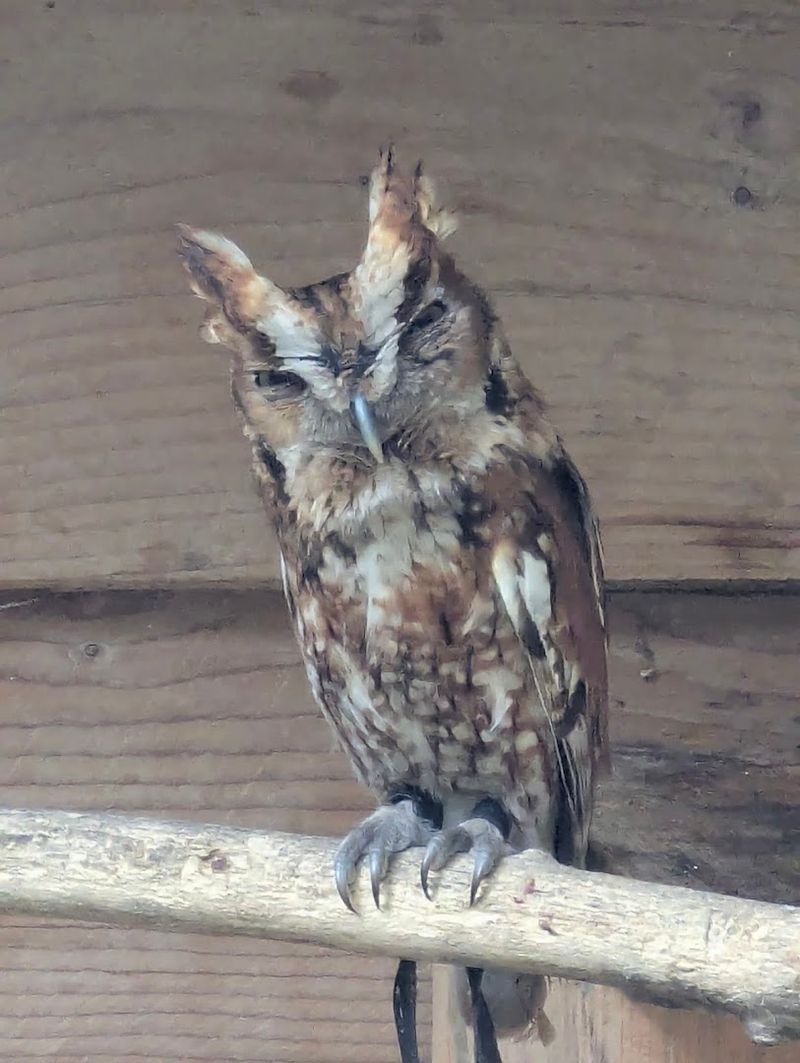
Among the resident birds, you might meet a Great Horned Owl with a gaze so steady it feels philosophical. Peregrine falcons, screech owls, red-tailed hawks, and American kestrels are also part of the remarkable lineup.
Every bird is housed in quality protected enclosures designed with enrichment in mind. The care given to each animal is visible in how calm and healthy they appear.
Watching a turkey vulture spread its enormous wings or a barn owl tilt its heart-shaped face toward you creates memories that stick around long after the drive home. This is genuinely up-close wildlife access at its finest.
The Mission Behind the Magic
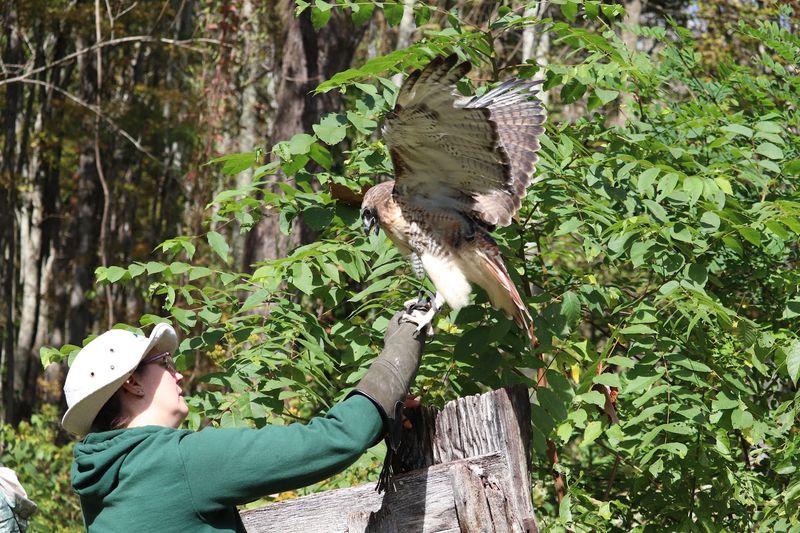
Three Rivers Avian Center, widely known as TRAC, is a nonprofit organization with roots stretching back to 1990. Their mission covers four main pillars: educational outreach, wild bird rehabilitation, ecosystem restoration, and ongoing research.
Every program connects back to a genuine love for native wild birds and the landscapes they inhabit.
The rehabilitation numbers alone are staggering. Between 1990 and 2016, TRAC treated more than 4,214 patients representing over 100 different native wild bird species.
That kind of dedication takes years of expertise and an enormous amount of heart.
Ecosystem stewardship is woven into everything the center does. Volunteers and staff work together with a shared sense of purpose that visitors can feel the moment they arrive.
The open house format gives everyday people a window into conservation work that usually happens far from public view. Supporting a place like this, even just by showing up and learning, genuinely matters for the future of West Virginia’s wild birds.
The Peregrine Falcon Restoration Project
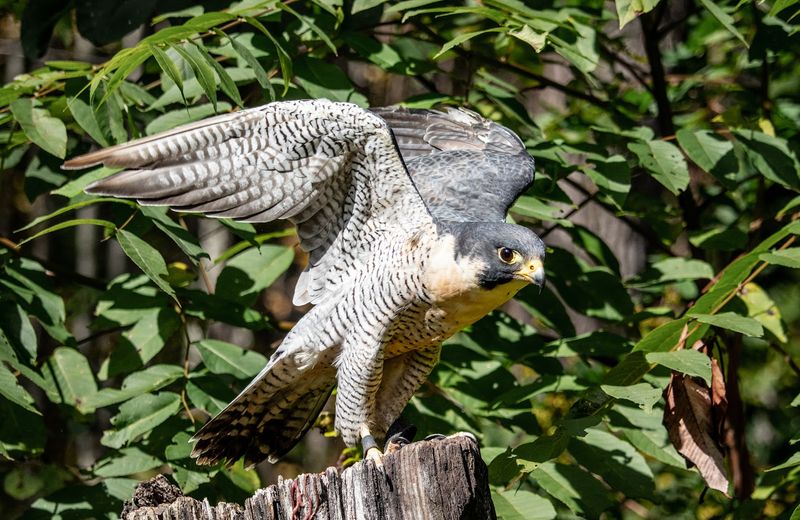
Few conservation stories from West Virginia carry as much weight as the peregrine falcon restoration project. From 2006 to 2011, TRAC partnered with other organizations on a six-year mission to bring peregrine falcons back to the southern Appalachian mountains.
The effort was ambitious, focused, and ultimately triumphant.
Over the course of the project, 120 young peregrine falcons were successfully released into the wild, specifically within the dramatic cliffs and gorges of the New River Gorge area. Peregrines had been largely absent from this region, making their return a remarkable ecological milestone.
Hearing about this project during a tour adds a whole new layer to the experience. These birds are not just fascinating to look at.
They represent years of coordinated effort, scientific knowledge, and community investment. Knowing that a falcon soaring above the gorge today might owe its presence to work done right here on this mountain gives the whole visit a quietly powerful feeling that is hard to shake.
The Open House Experience
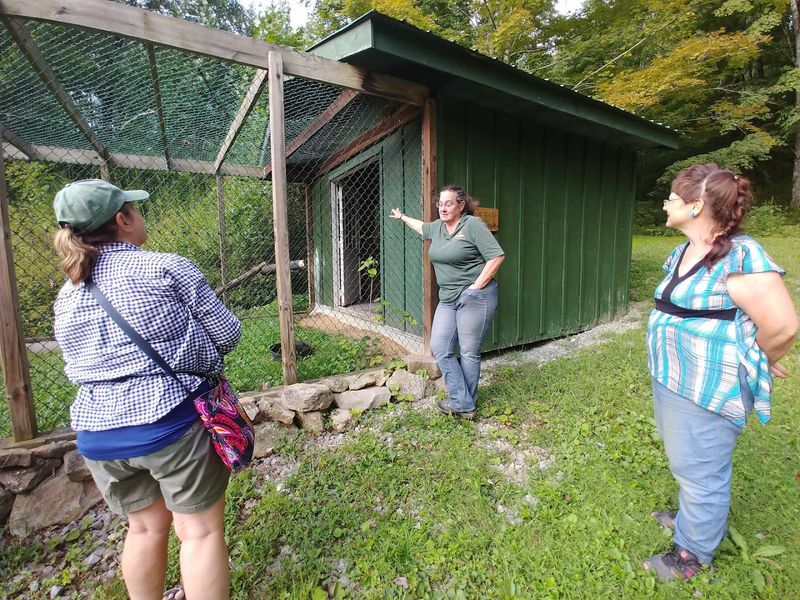
Arriving for an open house at TRAC feels immediately welcoming. Volunteers and staff set up information tables around the grounds, and comprehensive guided tours take small groups through the ambassador bird enclosures one by one.
The pace is relaxed and the atmosphere feels more like a community gathering than a formal attraction.
Kids absolutely light up during these tours. Seeing a screech owl up close or learning why a red-shouldered hawk cannot return to the wild sparks questions that keep coming long after the visit ends.
Multi-generational family groups are a common sight here, and the format works beautifully for all ages.
Photography enthusiasts should also know that TRAC occasionally offers dedicated photography workshops where participants can capture stunning images of ambassador birds in natural outdoor settings. Those workshops fill up quickly for good reason.
Whether you come for a regular open house or a special event, the experience always delivers something memorable. Checking the TRAC website before visiting ensures you arrive on the right day.
The Raptors You Might Meet
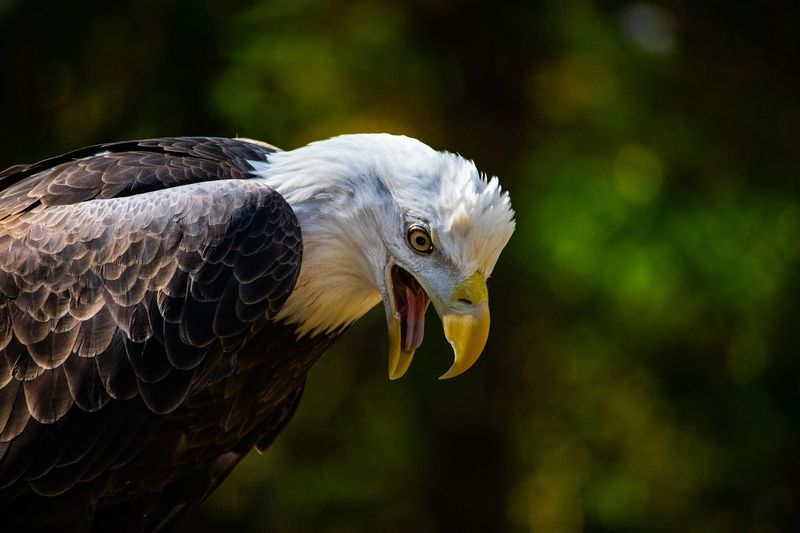
West Virginia is genuinely raptor country, and a visit to TRAC puts that reality front and center. The roster of ambassador birds reads like a field guide come to life.
Screech owls, barred owls, barn owls, and great horned owls represent the nocturnal side of the lineup with quiet authority.
Daytime hunters like red-tailed hawks, red-shouldered hawks, and American kestrels bring sharp-eyed energy to the tour. The peregrine falcon, once absent from this region, now makes a powerful appearance as both a resident ambassador and a symbol of successful conservation.
Then there is the turkey vulture, often overlooked but endlessly fascinating once you learn about its ecological role. And the bald eagle, always the showstopper, tends to draw a collective hush from visitors the moment it comes into view.
Each species has its own personality, quirks, and backstory that the knowledgeable guides bring to life with obvious enthusiasm. Walking away without a new favorite bird feels nearly impossible.
Maple Magic Across the Road
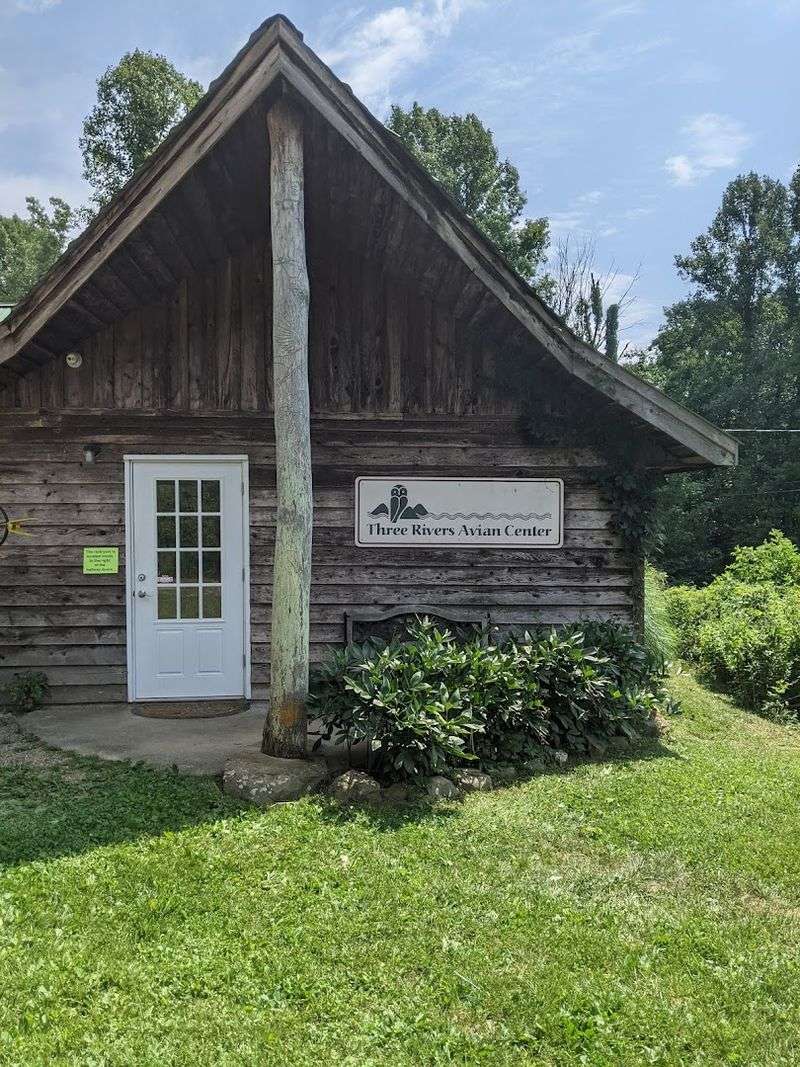
Right across the road from TRAC, a completely different kind of wonder awaits. Moonstruck Maple offers free tours of their maple house, walking visitors through the entire process of turning raw tree sap into rich, golden maple syrup.
The aroma inside the facility is the kind that makes you stop mid-sentence.
Learning about tree tapping, sap collection, and the careful evaporation process that concentrates the syrup adds genuine appreciation to every drop. Free tastings of their gourmet maple products make the stop feel like a small celebration after the bird sanctuary experience.
Pairing a morning with raptors and an afternoon with maple syrup sounds almost too good to be a real itinerary, but that is exactly what a visit to this corner of West Virginia delivers.
The two stops complement each other in a way that feels wonderfully unplanned, like the mountain itself arranged the perfect day.
Picking up a jar of local maple syrup to bring home is basically a requirement at this point.
Hinton Farmers Market
A short drive from the sanctuary brings you into Hinton, a town that carries its Appalachian character with easy confidence.
The Summers County Farmers Market, open on Fridays from April through October, is one of those places that reminds you why local food culture matters so much.
Tables overflow with seasonal produce, handmade jams and jellies, freshly baked goods, and crafts made by people who live just down the road. Finding grass-fed meats and pasture-raised products here connects the food directly to the land surrounding it.
Shopping at a farmers market after spending the morning learning about ecosystem stewardship feels surprisingly consistent. Both experiences ask you to pay attention to the natural world and appreciate what it provides.
The market has an easy, unhurried energy that encourages lingering, sampling, and striking up conversations with vendors who genuinely love what they grow and make.
It is a wonderful place to stock up on flavors that are distinctly, authentically West Virginian before heading back down the mountain.
Why TRAC Stays With You
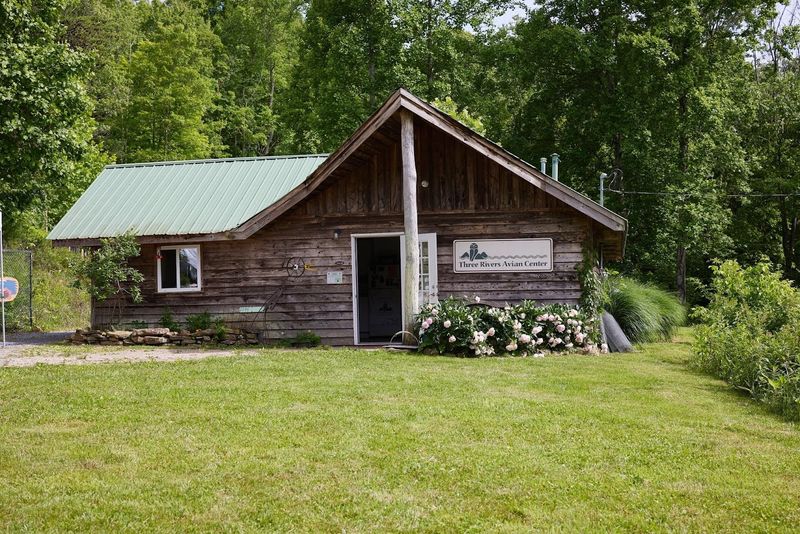
Driving back down Brooks Mountain Road after a visit to Three Rivers Avian Center, something shifts. The experience has a way of settling into you quietly, the way really meaningful things tend to do.
It is not loud or flashy. It is simply genuine.
The combination of wildlife conservation, knowledgeable guides, and the kind of up-close animal encounters that most people never get to have creates something that feels rare and worth protecting. Families leave with kids who cannot stop talking about owls.
Solo visitors leave with a deeper appreciation for the ecosystems right outside their doors.
TRAC has built something remarkable on top of that mountain, a place where science, compassion, and community all show up together.
Supporting the center by visiting, spreading the word, or contributing to their nonprofit mission keeps that work alive for future generations of birds and bird lovers alike.
Some places just deserve more attention than they get, and this one absolutely earns every bit of it.
Address: Brooks Mountain Rd, Brooks, WV 25951
