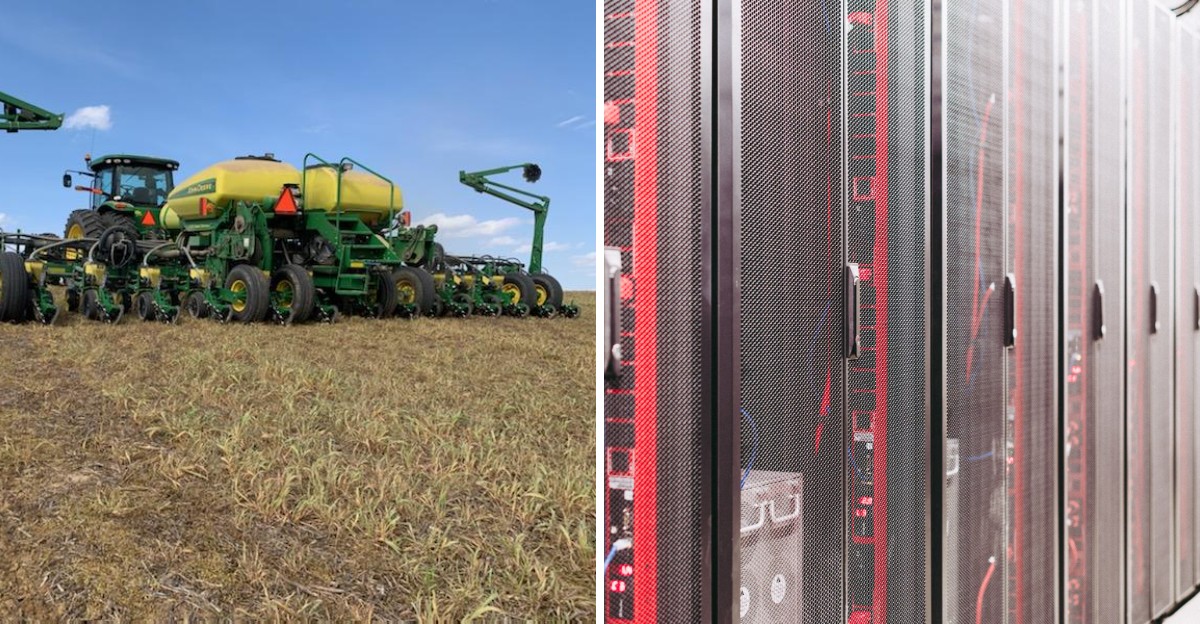
Not every billion-dollar technology plan gets a warm welcome. Sometimes it gets a farmer saying, “No, thanks.” That is the unexpected turn in this Indiana story.
A major tech company wanted to purchase farmland for a massive data center and reportedly put millions on the table. But many of the families approached decided to keep their land, with community members backing them up.
Their decision challenges the assumption that large offers will always win over rural property owners. Farmland has economic value, of course, but it can also represent a family’s livelihood and a community’s future.
The proposed development has sparked a debate about what progress should look like in agricultural country. And for now, the farmers’ message is clear: a big check does not make every field for sale.
Farmland Counts as Infrastructure Too
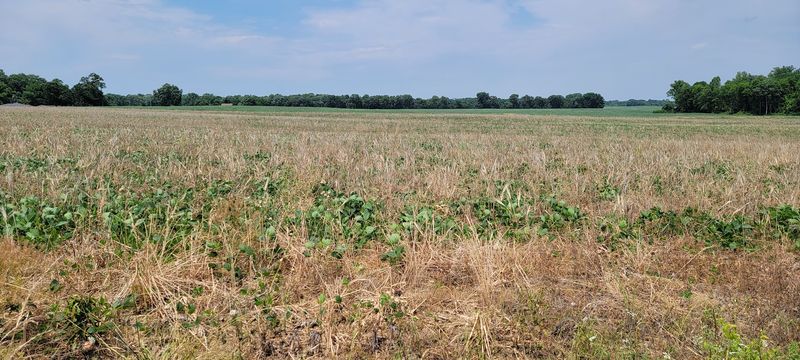
Picture a summer afternoon on a county road outside Mount Vernon, with soybeans running in neat lines all the way to the tree line. Those rows are not just pretty scenery.
They are a working machine that feeds people.
Residents of Posey County like to put it simply, saying that farmland is infrastructure too. Roads, bridges, and power lines get that label all the time, yet the soil under these fields does a job just as important.
The rich river-bottom ground near the Wabash and Ohio rivers is some of the most productive land in the region, shaped over thousands of years by floods that left behind fertile earth.
Once concrete covers that soil, it does not come back. A data center might stand on hundreds of acres, and those acres would stop growing food forever.
Farmers here know that good ground cannot be manufactured in a factory.
Local grain also supports more than one family. It keeps elevators busy, gives truck drivers work, and helps seed and equipment dealers stay open.
Every field that disappears chips away at that chain.
Visitors driving through can spot this busy farm economy easily. Look for combines in the fall, grain bins shining in the sun, and pickup trucks parked at the edge of fields at dawn.
Each scene is a reminder of why people here protect the land so fiercely.
Wells, Water Pressure, and a Thirsty Neighbor
Water is the quiet hero of rural life. Most homes out in the countryside of Posey County do not run on a big city system, so many families rely on wells or rural water lines.
Large data centers need a lot of water to keep their computer servers cool. Some of the biggest ones use huge amounts every single day, especially during hot Indiana summers.
That kind of demand makes neighbors nervous, and for good reason.
Residents have shared worries about dry wells and dropping water pressure. A faucet that sputters might sound like a small problem.
On a farm, though, water means healthy livestock, clean dishes, working sprayers, and showers after a long day in the field.
Fun fact. The county sits between two of the biggest rivers in the Midwest, the Wabash and the Ohio, yet underground water still has limits.
Rivers flowing nearby do not guarantee that every well will stay full forever.
Anyone curious about this landscape can head to the Ohio River riverfront in Mount Vernon to watch barges drift by. Seeing all that moving water helps explain why locals treat it as precious rather than endless.
Protecting it for the next generation feels like common sense around here, not a political stance.
The Sound of Crickets Beats the Hum of Servers
Step outside a farmhouse here after sunset and the loudest thing around might be a chorus of crickets. Maybe a dog barks a mile away.
That is about it.
Data centers bring a different kind of soundtrack. Giant cooling fans and equipment can create a steady hum that runs day and night, and that noise can carry across open fields where nothing blocks it.
Folks who chose country living specifically for the peace are not eager to trade it away.
Light is the other piece of the puzzle. Huge industrial buildings often stay lit all night for security, which can wash out the stars.
In rural Posey County, a clear night still shows the Milky Way, a sight that many city kids have never seen with their own eyes.
Fireflies matter too. Bright lights can confuse them, and summer evenings without their blinking glow would feel strangely empty.
Here is a tip for travelers. Pull over safely on a back road on a clear summer night, turn off the headlights, and just look up.
Hearing the frogs near a creek and spotting shooting stars makes it easy to understand why residents fight to keep their darkness and their quiet. Some treasures cannot be bought, even with millions of dollars on the table.
Diesel Generators and Clean Country Air
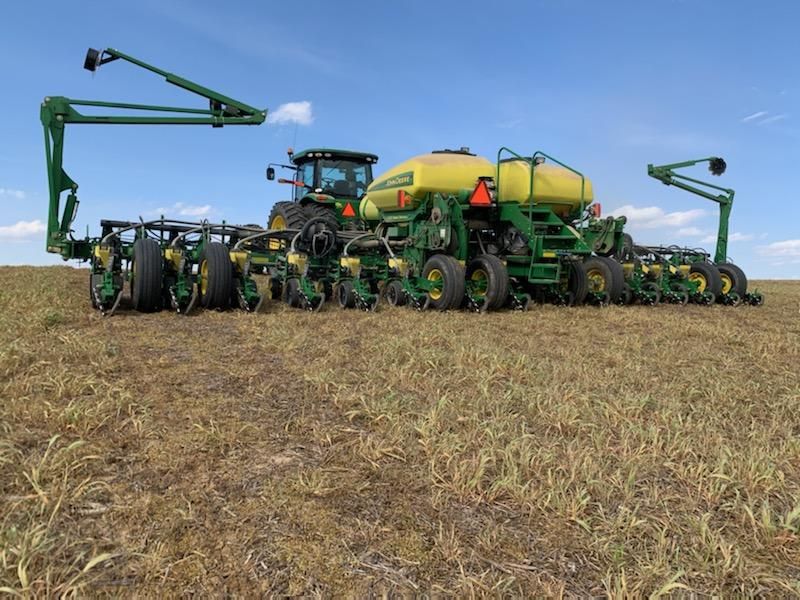
Fresh air smells different out here. In spring it carries freshly turned soil, and by summer it brings sweet clover drifting from the roadside ditches.
Many large data centers keep rows of diesel generators on site as backup power. These machines need regular testing, and when they run, they release exhaust into the air.
Residents in Posey County have raised concerns about what that pollution could mean for families living nearby.
Kids playing in the yard, older folks sitting on porches, and farmers working outside for hours all breathe that air. Health worries are a big deal when the outdoors is basically your workplace and your backyard at the same time.
Short version? People like breathing easy.
Who could blame them?
The county already has some industry along the river, so locals understand how factories and plants shape a community. Many feel that adding another big source of emissions to farm country would tip the balance too far.
For visitors, a great way to enjoy that clean air is at Harmonie State Park, located at 3451 Harmonie State Park Road in New Harmony. Its wooded trails, river views, and picnic areas show off the natural side of the county.
A slow hike there makes the case for protecting the region better than any speech at a county meeting ever could.
Small Towns Where Everybody Waves
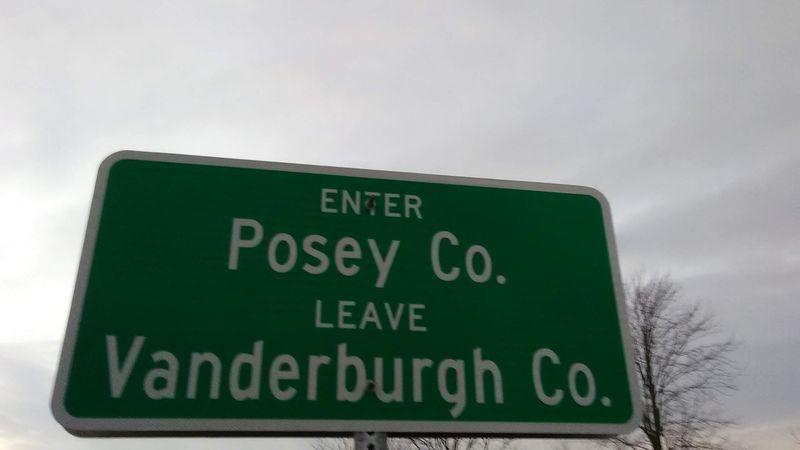
Drive down a back road here and the person in the oncoming pickup will probably lift two fingers off the steering wheel in a friendly wave. That little gesture says a lot.
Posey County is home to around 25,000 people, spread across towns like Mount Vernon, the county seat, along with New Harmony, Poseyville, Cynthiana, and Wadesville. Neighbors know each other by name.
Church suppers, high school ballgames, and the county fair pull everyone together.
A massive industrial complex could change that rhythm. More traffic, construction crews, and big trucks could make the area feel less like home and more like a business park.
Farmers have said plainly that the money is not worth giving up their way of life.
New Harmony adds an extra layer of charm. Founded in the early 1800s as a utopian community, the little town still has historic buildings, peaceful gardens, and a famous labyrinth that visitors love to wander.
It shows how long people here have valued community over pure profit.
Travelers should grab a meal at a local diner, chat with whoever is behind the counter, and stroll the courthouse square in Mount Vernon. Those small moments reveal the real reason behind the pushback.
Folks are protecting a feeling, and that feeling is hard to rebuild once it fades.
Secret Deals Made Neighbors Suspicious

Nothing gets a small town talking faster than a secret. When word spread that county commissioners had reportedly signed non-disclosure agreements with a development company, people wanted answers.
Non-disclosure agreements are contracts that keep details private. Companies use them often, but residents felt left in the dark about a project that could reshape their homes, roads, and water.
Not even the company’s name was widely shared, which only added to the frustration.
So locals did what Hoosiers tend to do. They showed up.
Meetings filled with residents, and bright “No Data Center” signs started popping up in yards and along fence lines across the county.
County officials learned that at least four groups had asked about data center zoning rules. In response, they began working on changes to the Unified Development Ordinance, the set of rules that decides what can be built where.
A petition also asks for a two-year pause on data center development so independent studies and public hearings can happen first.
Here is a helpful takeaway for any community. Attend local meetings, read zoning updates, and ask questions early.
Posey County shows that regular people paying attention can slow things down and make sure everyone gets heard before big decisions become permanent.
Grandpa Plowed This Field, and So Will the Grandkids
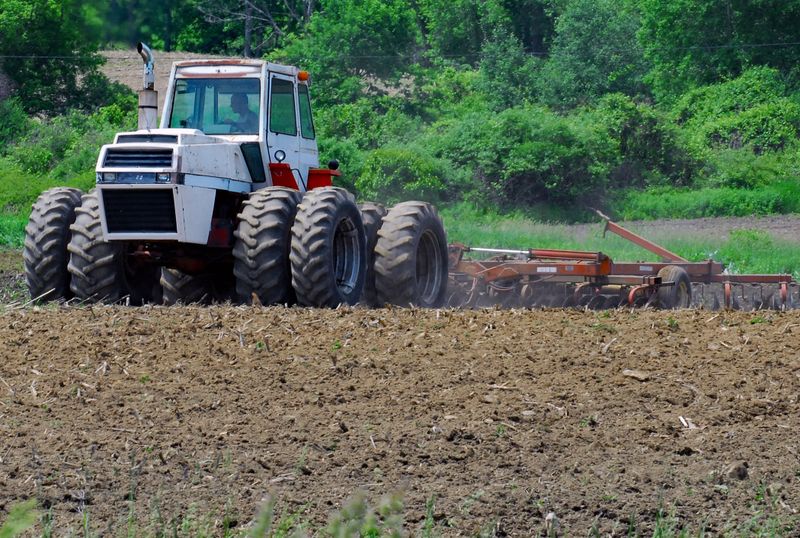
Some fields carry more than crops. They carry stories of great-grandparents clearing land, parents planting through tough years, and kids learning to drive a tractor before they could drive a car.
Dennis Herrenbruck, a Posey County farmer, and his family are among those who turned down offers from the tech company. Their decision reflects how many local families feel.
Land handed down through generations is not just property waiting for the highest bidder.
Selling might bring a big check. Yet it would also close a chapter that started long before anyone alive today, and many residents believe that kind of loss could never be undone.
Once farmland becomes industrial ground, the family story on that soil ends for good.
A quirky history bit fits nicely here. Posey County is the southernmost and westernmost county in Indiana, and farming has shaped it since pioneer days, when settlers arrived by river to work the fertile bottomland.
Visitors can feel that heritage at the Posey County Fair each summer in New Harmony, where 4-H kids show livestock and families gather under the barns. Watching a young farmer proudly lead a calf around the ring explains everything.
The future of this land is already growing up right in front of everyone, and it is not for sale.
