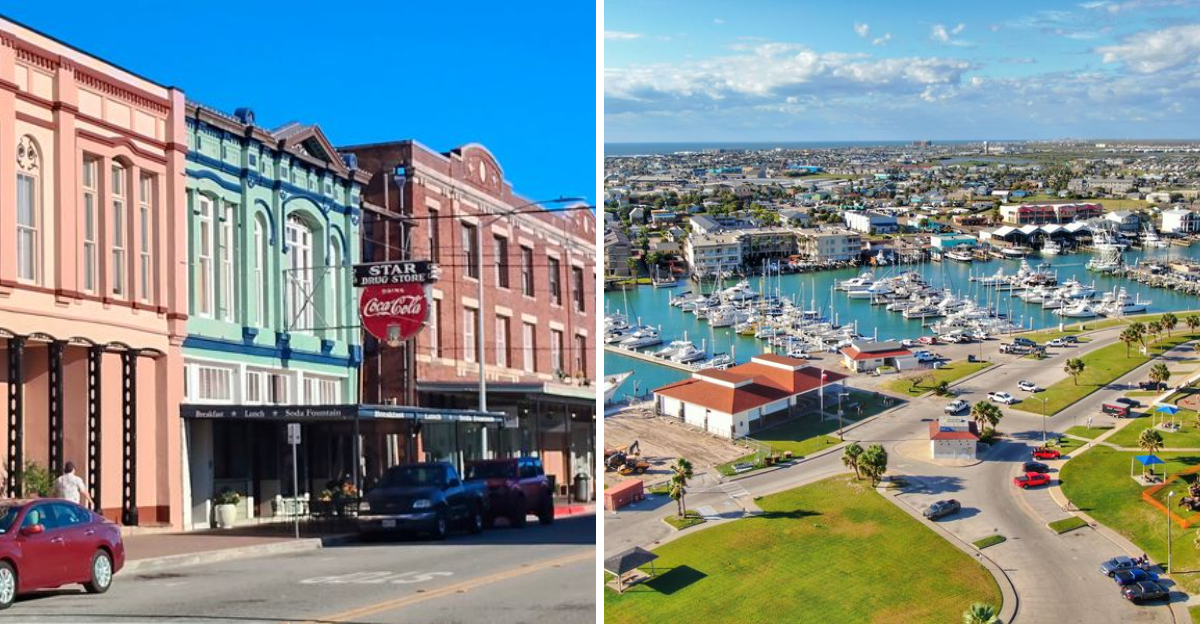
A hundred dollars does not feel particularly powerful in 2026, especially once food, gas, admission tickets, and one completely unnecessary snack start asking for their share.
Yet some Texas getaways still make that budget surprisingly workable if the day revolves around free scenery, inexpensive attractions, casual meals, and places where wandering around is part of the entertainment.
The trick is skipping destinations that charge premium prices simply because everybody has heard of them and looking instead for towns, parks, historic districts, and low-key experiences that leave some money in the wallet.
This is not about spending the entire day hunting for bargains or eating crackers in the car.
These Texas escapes prove $100 can still buy a genuinely fun day when the destination is doing more of the entertaining than your credit card.
1. Pharr
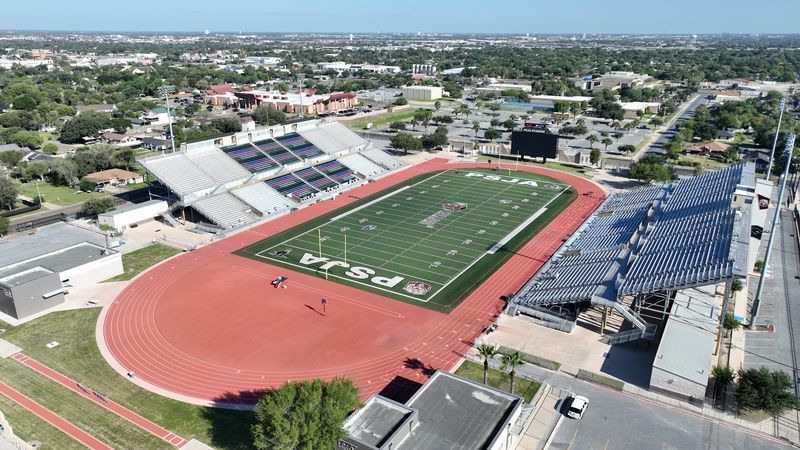
There is something quietly magnetic about Pharr, a city that sits at the southern tip of Texas with a personality all its own. Positioned along the Rio Grande Valley, it carries the energy of a place where two cultures have been blending for generations.
The streets feel lived-in, colorful, and genuinely welcoming to anyone passing through.
Pharr’s Quinta Mazatlan-style green spaces and local parks invite slow afternoon walks, especially during the cooler months when the South Texas climate is at its most pleasant.
Birdwatchers find the region especially rewarding, since the Valley sits along one of North America’s most active migratory bird corridors.
Even a short visit to a local nature trail can turn into an unexpected wildlife encounter.
The city’s proximity to the border gives it a distinct cultural texture that is hard to replicate anywhere else in the state. Local festivals, community murals, and family-run food spots all reflect a community that takes pride in its heritage.
It is the kind of place where the everyday rhythm of life becomes the attraction.
Spending a day here doesn’t require a detailed itinerary. Wander the parks, admire the murals, and simply absorb the atmosphere.
Pharr rewards those who slow down and pay attention to the small details that reveal its true character. It is a genuine South Texas experience, unpretentious and full of warmth.
2. McAllen
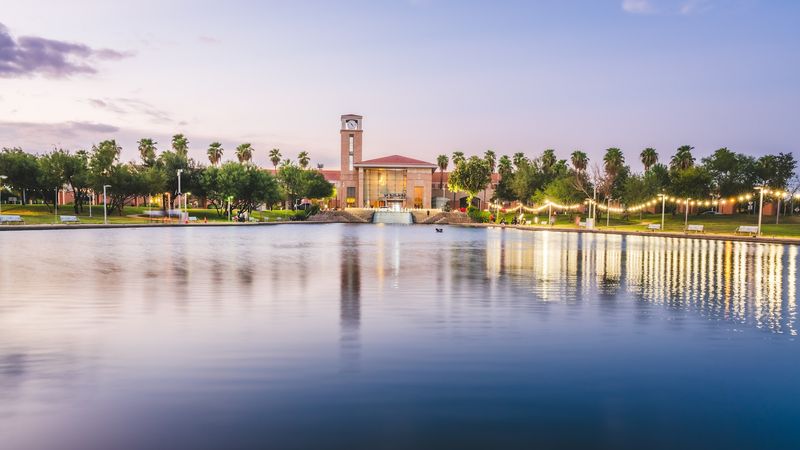
McAllen has a way of catching visitors off guard with how much natural beauty it tucks inside a busy South Texas city. Quinta Mazatlan is the crown jewel of that surprise, a century-old Spanish Revival mansion surrounded by seven acres of lush, bird-filled grounds.
The property feels more like a secret garden than an urban park, and that contrast is exactly what makes it so appealing.
The McAllen Nature Center adds another dimension to the outdoor experience, offering peaceful boardwalk trails through native habitat where herons, butterflies, and native plants coexist in quiet harmony.
These are the kinds of places that don’t ask anything of visitors except a little patience and curiosity.
Good things reveal themselves slowly here.
Downtown McAllen brings a different kind of energy altogether. The arts district pulses with color, featuring murals that stretch across building facades and small galleries that showcase regional talent.
There is a genuine creative community here that doesn’t feel manufactured or tourist-facing.
McAllen also hosts a variety of free and low-cost cultural events throughout the year, from outdoor concerts to art walks that bring locals and visitors together in a relaxed setting. The city’s warmth is not just climatic.
It comes from the people, the food culture, and the deep sense of community pride that shapes every neighborhood. For a budget-conscious traveler, McAllen delivers a surprisingly full and satisfying day without much effort at all.
3. Fort Boggy State Park
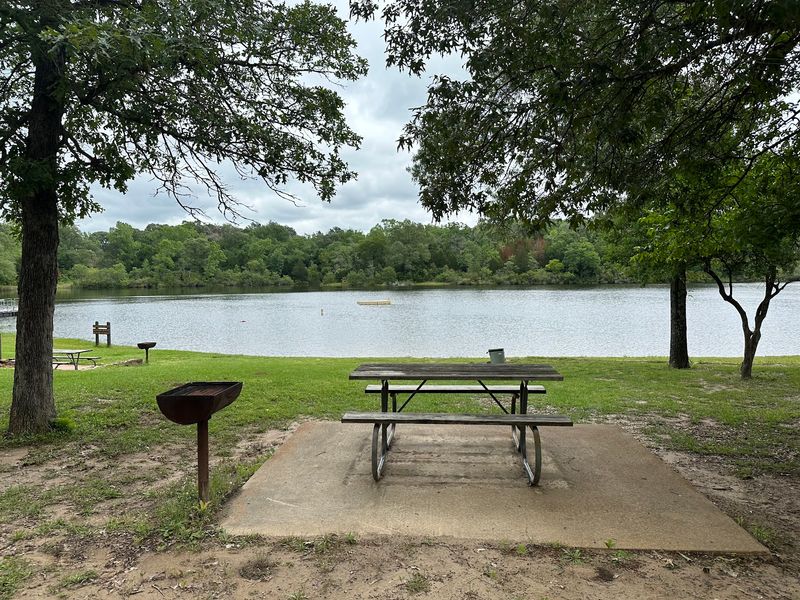
Fort Boggy State Park is the kind of place that feels like a well-kept secret among East Texas outdoor lovers. The park centers around Sullivan Lake, a peaceful 15-acre body of water where the only sounds are birdsong and the occasional splash of a fish breaking the surface.
It is genuinely restorative in a way that busier parks simply cannot replicate.
Hiking and biking trails wind through a beautiful mix of post oak woodland, wetland edges, and open prairie grassland. Each terrain type brings its own set of wildlife and plant life, making every trail loop feel slightly different from the last.
Families often spend entire mornings just exploring the interconnected path system without covering the same ground twice.
Swimming in the lake is a simple pleasure that never gets old, especially on a warm afternoon when the shade trees along the bank provide a natural retreat.
Fishing is another popular activity, and the calm, no-wake policy keeps the water undisturbed for those who prefer a quiet paddle in a kayak or canoe.
The park also offers ranger-led programs and Junior Ranger activities that make the experience especially engaging for younger visitors.
Picnic areas and an open-air pavilion provide comfortable spots to rest and take in the surroundings. Fort Boggy is proof that the best outdoor experiences don’t need to be dramatic or expensive.
Sometimes a quiet lake and a shaded trail are more than enough.
Address: 4994 Highway 75 South, Centerville, TX 75835
4. Gruene
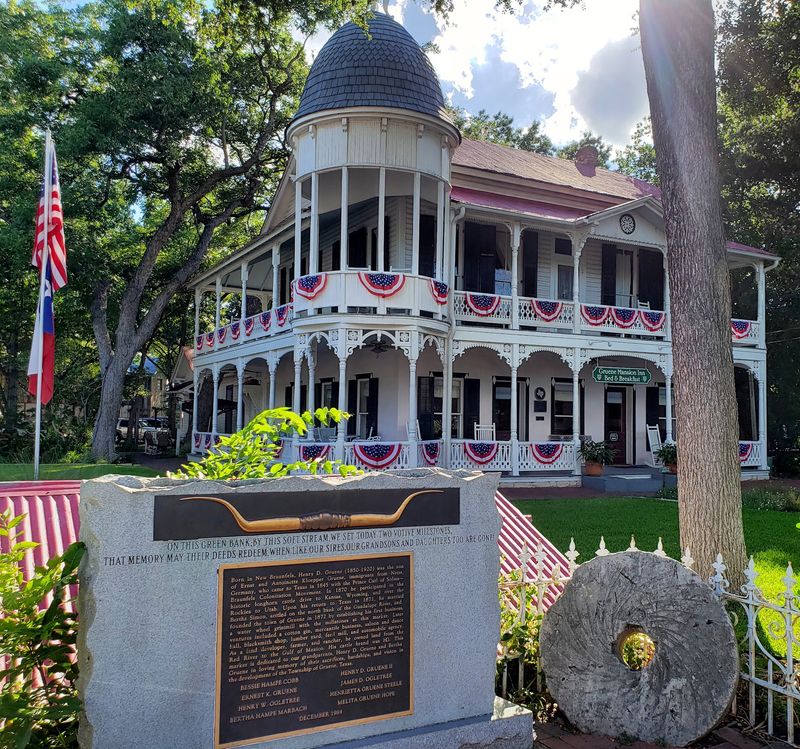
Gruene is one of those rare places where history feels genuinely alive rather than staged for tourists. The historic district, perched along the Guadalupe River, has held onto its 19th-century character with impressive care.
German cotton farming roots are visible in the architecture, the layout of the streets, and the unhurried pace that still defines the community today.
Gruene Hall is the undisputed heart of the district and the oldest continuously operating dance hall in Texas. Catching a live performance there, even on a quiet weekday afternoon, connects visitors to a musical tradition that stretches back generations.
The worn wooden floors and open-air sides of the building make the whole experience feel authentic in a way that modern venues rarely achieve.
Beyond the hall, the district is filled with antique shops, boutique stores, and the long-standing Gruene General Store, which has been serving the community for well over a century. Browsing through these spots is an activity in itself.
You never quite know what you will find.
The Guadalupe River provides a natural playground just steps from the historic district. Tubing is a beloved local tradition, especially during summer, and fly fishing draws a quieter crowd to the riverside.
Old Gruene Market Days bring artisans and makers to the streets on select weekends, adding a lively, community-centered energy to an already charming destination. Gruene is small, but it delivers an experience that feels much larger than its footprint.
5. Fredericksburg
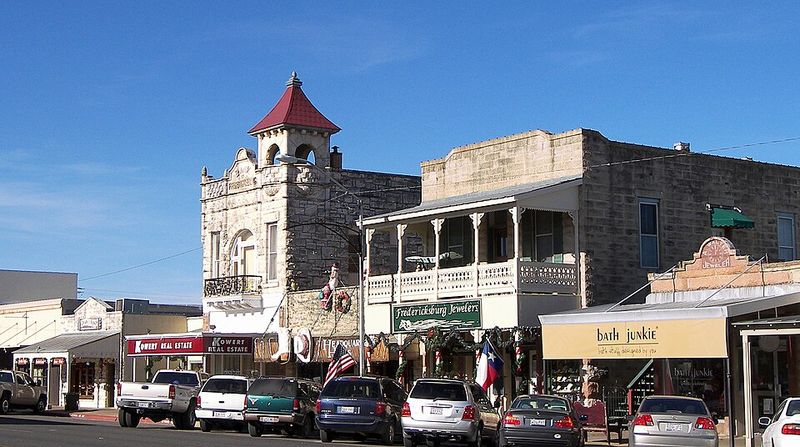
Fredericksburg has a particular kind of charm that feels both polished and deeply rooted. The downtown area along Main Street is a pleasure to explore on foot, with its rows of 19th-century German limestone buildings that have been lovingly preserved over generations.
Architecture enthusiasts and casual strollers alike find plenty to appreciate in every block.
Wildseed Farms sits just outside town and offers something genuinely spectacular, especially in spring when the fields explode with color.
As the largest working wildflower farm in the country, it welcomes visitors to wander through acres of blooms and butterfly gardens without any admission fee.
That kind of natural abundance feels almost too good to be true.
Cross Mountain Park rewards those willing to make the short hike to its summit with sweeping panoramic views of the surrounding Hill Country. The trails are accessible and well-maintained, making the experience enjoyable for a wide range of fitness levels.
Early morning visits offer the best light and the quietest atmosphere.
The grounds of the National Museum of the Pacific War provide a thoughtful and moving historical experience for those interested in World War II history. Nearby, the Lyndon B.
Johnson State Park and Historic Site offers a window into both presidential history and traditional Texas farm life. Scenic drives through the surrounding Hill Country complete the picture, with rolling landscapes and dramatic vistas that seem to stretch on forever.
Fredericksburg earns its reputation as one of the Hill Country’s most beloved destinations.
6. Galveston
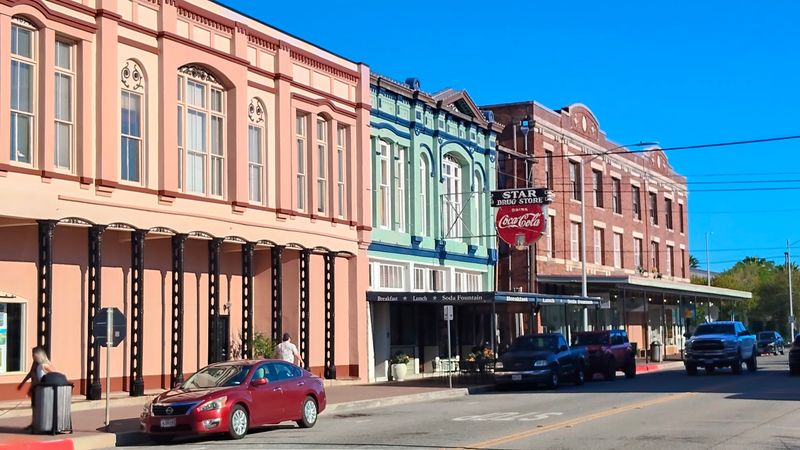
Galveston occupies a unique place in the Texas travel landscape, an island city where Gulf Coast beauty and layered history exist side by side.
The beaches along the Gulf of Mexico stretch for miles and remain freely accessible, offering plenty of room for swimming, walking, and simply sitting with your feet in the sand.
There is a timeless quality to a Galveston beach morning that is hard to put into words.
Seawall Boulevard is one of the most iconic stretches of road on the Texas coast, perfect for a long bike ride or a leisurely walk with unobstructed Gulf views at every turn. The free ferry crossing to Bolivar Peninsula adds a spontaneous adventure to any visit.
Dolphins frequently follow the boat, and spotting them from the deck is one of those simple joys that stays with you long after the trip ends.
The Historic Strand District draws visitors into a beautifully preserved Victorian streetscape filled with art galleries, museums, and unique shops. The Galveston Railroad Museum and the Bryan Museum offer rich historical narratives that reveal just how significant this island once was to the entire region.
Each exhibit adds another layer to an already fascinating story.
The Tree Sculpture Tour is a hidden gem worth seeking out, featuring intricate carvings created from trees that were damaged by past storms. It is a creative tribute to resilience that fits perfectly with Galveston’s broader character.
The island rewards curious visitors who look beyond the beach and explore its many unexpected treasures.
7. New Braunfels
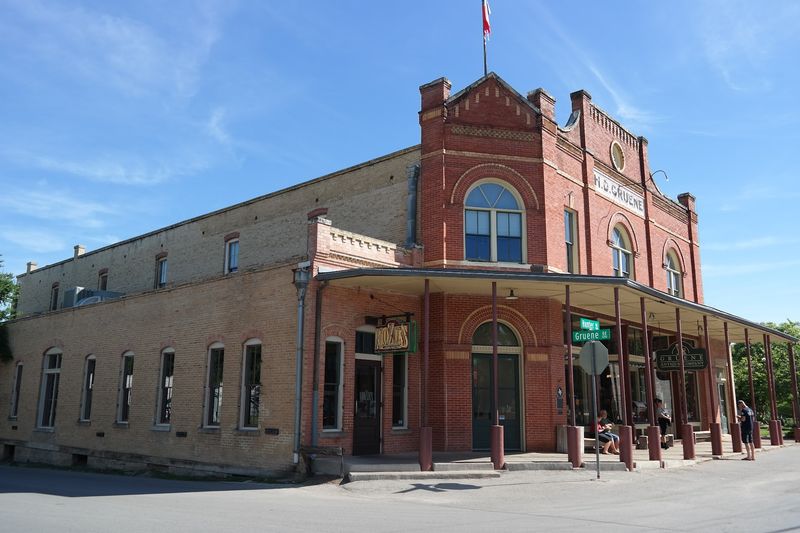
New Braunfels has a festive, easygoing energy that makes it one of the most enjoyable small cities in the Texas Hill Country. The Comal River runs right through the heart of town, and its spring-fed, crystal-clear water draws crowds of happy tubers every summer.
Few things feel as quintessentially Texan as drifting lazily down that river on a warm afternoon.
Landa Park is a wonderful destination for families and solo travelers alike. The sprawling green space includes walking trails, shaded picnic areas, and a beloved miniature train ride that delights visitors of all ages.
It is the kind of park that invites you to slow down, spread out a blanket, and stay longer than planned.
The historic downtown district reflects the city’s German founding heritage through its architecture and the character of its local businesses. Boutique shops and artisan galleries line the streets, offering a browsing experience that feels genuinely curated rather than mass-produced.
The whole area has a warmth to it that is easy to settle into.
Canyon Lake, located just a short drive from the city, provides a scenic escape for those who want to extend their outdoor time with boating, swimming, or simply admiring the reservoir from the dam overlook.
The Gruene Historic District, technically within New Braunfels city limits, adds another cultural layer to the visit.
New Braunfels manages to pack an impressive variety of experiences into a compact and very walkable destination.
8. Marfa
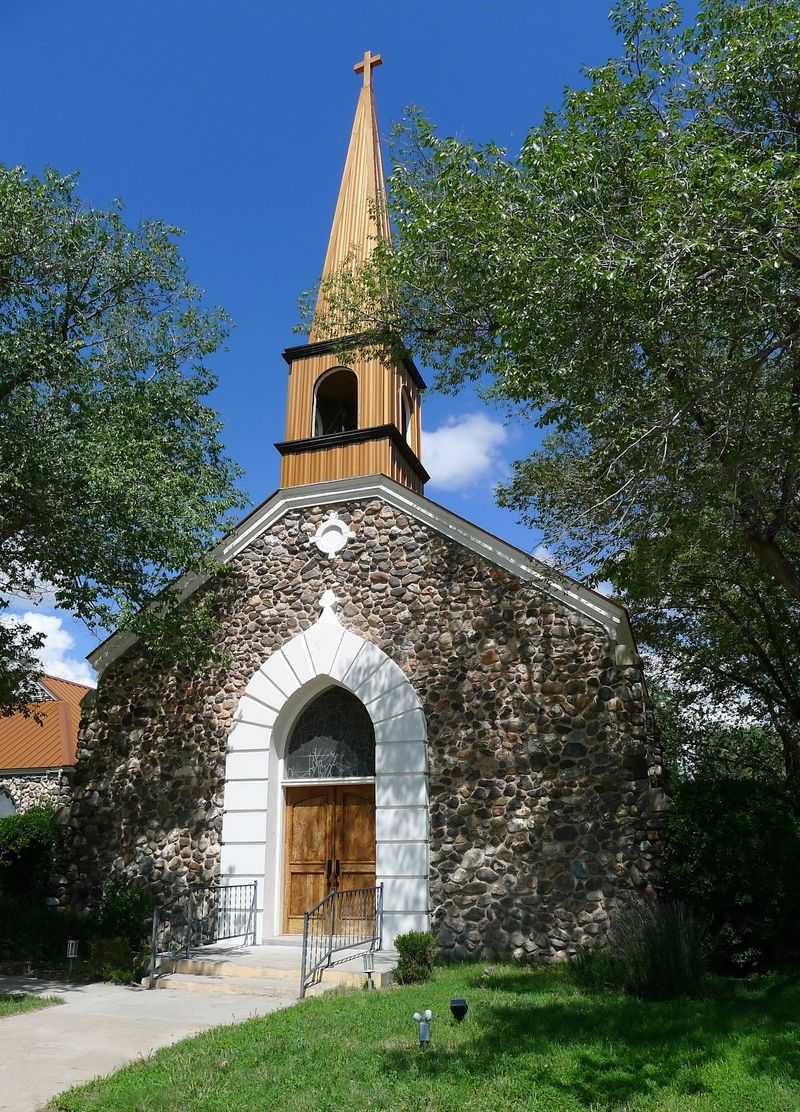
Marfa defies easy description, and that is precisely what makes it so compelling. This small West Texas town has become one of the most talked-about creative destinations in the country, yet it somehow maintains an air of unhurried authenticity.
The desert surroundings are stark and beautiful, and the town itself feels like an artwork placed deliberately within that landscape.
The Prada Marfa installation sits along a lonely stretch of highway outside of town and has become one of the most photographed spots in all of Texas. It is simultaneously absurd and thought-provoking, a tiny designer storefront standing alone in the high desert.
Visiting it feels like being in on a very good joke.
As evening settles over the desert, the Marfa Lights Viewing Area becomes a gathering point for curious observers. Mysterious orbs of light have been appearing in the darkness here for well over a century, and no definitive explanation has ever satisfied everyone.
Whether the phenomenon is atmospheric, geological, or something else entirely, watching the sky for those lights is an experience unlike anything else in Texas.
Marfa’s designation as a Dark Sky Community means the stargazing here is extraordinary on clear nights. Locally owned galleries and creative spaces fill the downtown area with an artistic energy that feels organic rather than forced.
The town rewards slow exploration, long conversations, and an openness to the unexpected. Marfa is not for everyone, but for those who connect with it, the feeling is unforgettable.
Address: Marfa Lights Viewing Area, US-90, Marfa, TX
9. Port Aransas
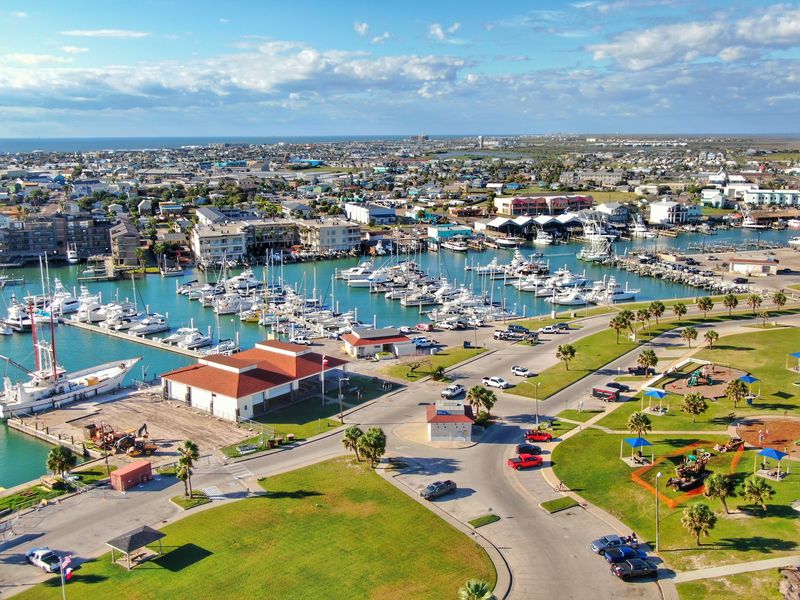
Port Aransas has the kind of laid-back coastal energy that immediately puts visitors at ease. The moment you arrive on Mustang Island, the pace slows, the air smells like salt and sea, and whatever was stressing you out back home starts to feel very far away.
This small fishing town has been welcoming travelers for generations, and it has not lost its genuine charm.
The beaches here are wide, public, and remarkably uncrowded compared to larger coastal destinations. Swimming, shell collecting, and long barefoot walks along the waterline are all free activities that can fill an entire day without any planning.
The Gulf is warm and inviting for most of the year.
The Leonabelle Turnbull Birding Center is a standout attraction for nature lovers, featuring elevated boardwalks over a coastal pond where roseate spoonbills, herons, and even resident alligators can be spotted with ease.
The Port Aransas Nature Preserve adds more trail options for those who prefer a quiet walk through coastal habitat.
Both spots are peaceful and unhurried.
Roberts Point Park is the place to be at sunset, offering sweeping views over the marina and the ship channel where dolphins are frequently spotted playing near passing vessels.
The Port Aransas Museum, housed in a charming historic kit home, shares the island’s maritime heritage through engaging and well-curated exhibits.
Farley Boat Works offers a fascinating glimpse into the craft of traditional boat building. Port Aransas is small, soulful, and very easy to love.
10. Wimberley
Wimberley has a reputation for being one of the Hill Country’s most beloved escapes, and spending even a single day there makes it easy to understand why.
The town sits at the confluence of Cypress Creek and the Blanco River, and that natural setting shapes everything about the place, from its art scene to its outdoor culture.
There is a creative, unhurried spirit here that feels genuinely refreshing.
Blue Hole Regional Park is the jewel of the local outdoor scene, featuring a spring-fed swimming hole shaded by towering ancient cypress trees. The water is breathtakingly clear and cool even in the height of summer.
Hiking trails, bike paths, and picnic areas extend through the park and remain open to the public year-round at no cost.
Jacob’s Well Natural Area offers a different kind of natural wonder, centered on a rare artesian spring that bubbles up from the Edwards Aquifer. The site is open for hiking and viewing, and the surrounding landscape of cedar and oak is quietly beautiful in every season.
It is one of those places that feels almost otherworldly.
Wimberley Square brings the town’s artistic identity into focus, with galleries showcasing regional painters, sculptors, and craftspeople.
The self-guided Boot Trail, featuring over 50 hand-painted oversized boot sculptures scattered through downtown, adds a playful dimension to exploring the area on foot.
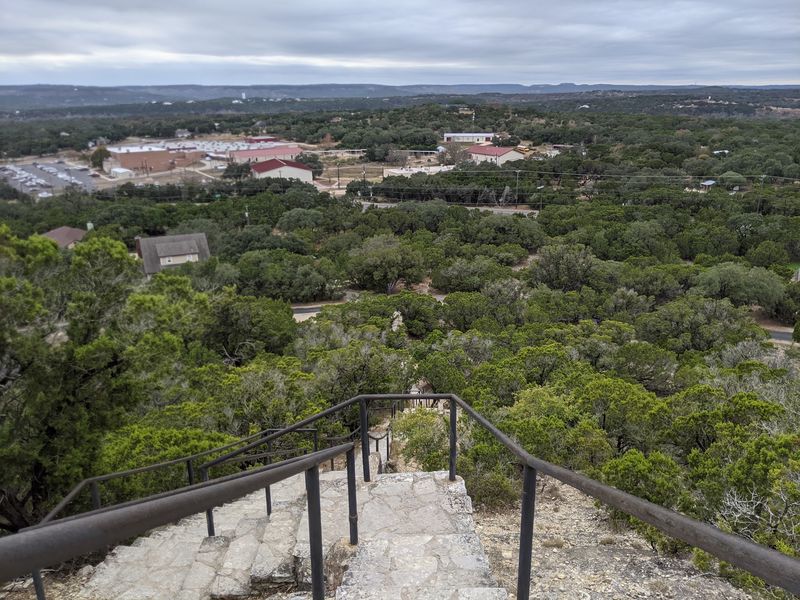
Old Baldy, also known as Prayer Mountain, rewards hikers with panoramic valley views from its 218-step summit. Wimberley is a place that genuinely nourishes the soul.
Address: Blue Hole Regional Park, 333 Blue Hole Lane, Wimberley, TX 78676
11. Jefferson
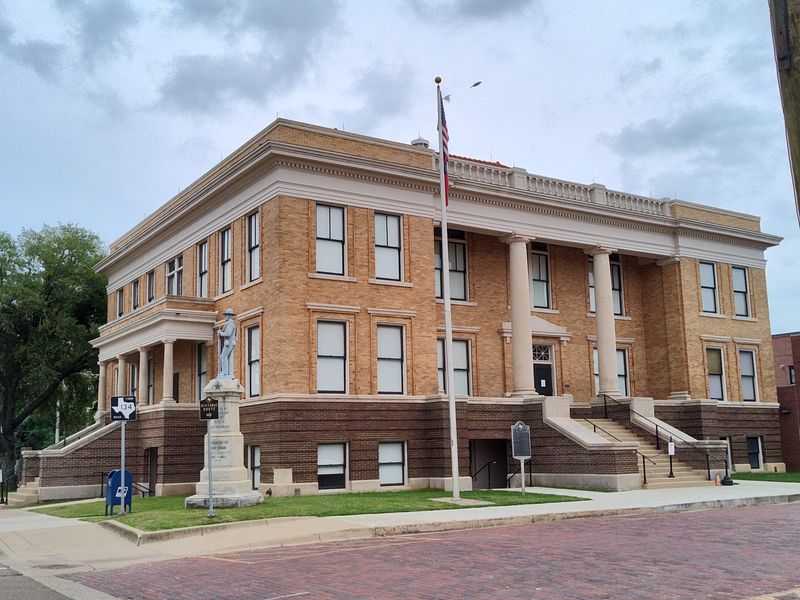
Jefferson carries the weight of a remarkable past with surprising lightness. Once one of the most prosperous inland ports in the entire South, this East Texas town welcomed steamboats loaded with cotton and commerce along Big Cypress Bayou.
The boom faded long ago, but the beautiful historic downtown that era built remains almost perfectly intact, giving the town a character that is genuinely rare.
Brick streets, preserved storefronts, and antique shops define the downtown walking experience. The Jefferson General Store is a particularly enjoyable stop, filled with nostalgic goods and local finds that make for excellent browsing without any pressure to buy.
The Jefferson Historical Society and Museum occupies four floors of exhibits that trace the region’s history in impressive detail.
The Howe Truss Train Trestle, an 1897 engineering achievement, is illuminated beautifully each night, casting a warm golden reflection across the bayou below. It is one of those quiet, atmospheric sights that feels more magical in person than any photograph can capture.
Evening walks along the bayou with that trestle glowing in the background are genuinely memorable.
Caddo Lake, the largest natural lake in Texas, lies just a short drive from town and is one of the most hauntingly beautiful landscapes in the entire state. Ancient cypress trees draped in Spanish moss create a labyrinthine waterway that is best explored by boat or kayak.
Lake O’ the Pines offers additional scenic overlooks and excellent birdwatching opportunities. Jefferson rewards travelers who appreciate history, nature, and the quiet pleasure of a town that time has treated kindly.
