Some of the best food in Texas never makes it onto a list or a food blog, because the people who love it would rather keep it to themselves than watch it get overrun by crowds, and this Puerto Rican kitchen is a perfect example of that quiet loyalty in action.
The menu is built on family recipes that go back generations, with dishes like pernil, mofongo, and arroz con gandules that taste like they came straight from a home kitchen rather than a restaurant line, and the portions are generous enough to send you home with leftovers.
Locals know exactly where to find it and they keep coming back week after week, but tourists tend to drive right past without a second glance, which is exactly how the regulars prefer it.
If you are willing to look a little harder and ask around a little more, you will find a meal that is worth every bit of the effort, and you will understand why this spot has stayed hidden for so long.
A Little Island Tucked Into a Texas Plaza
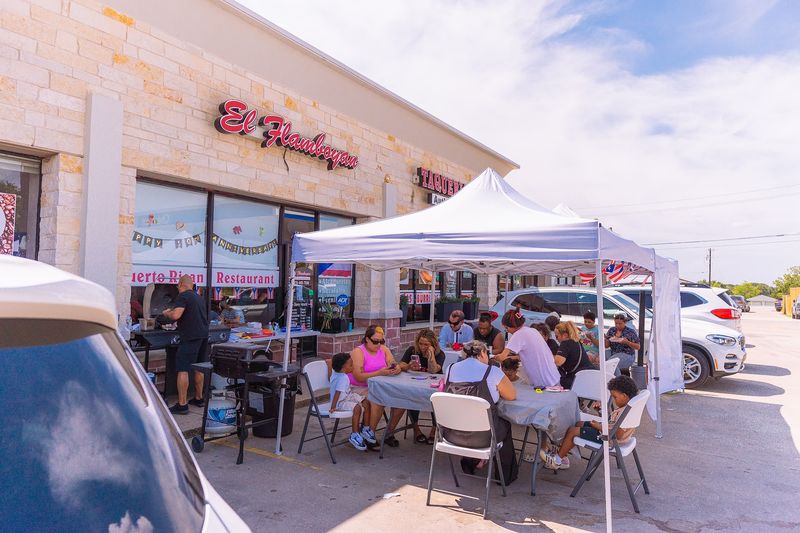
Nobody expects a trip to the Caribbean to start in a quiet Wylie shopping plaza. That surprise is half the fun.
The building looks modest from the outside, and plenty of people have probably driven past it for years without a second glance.
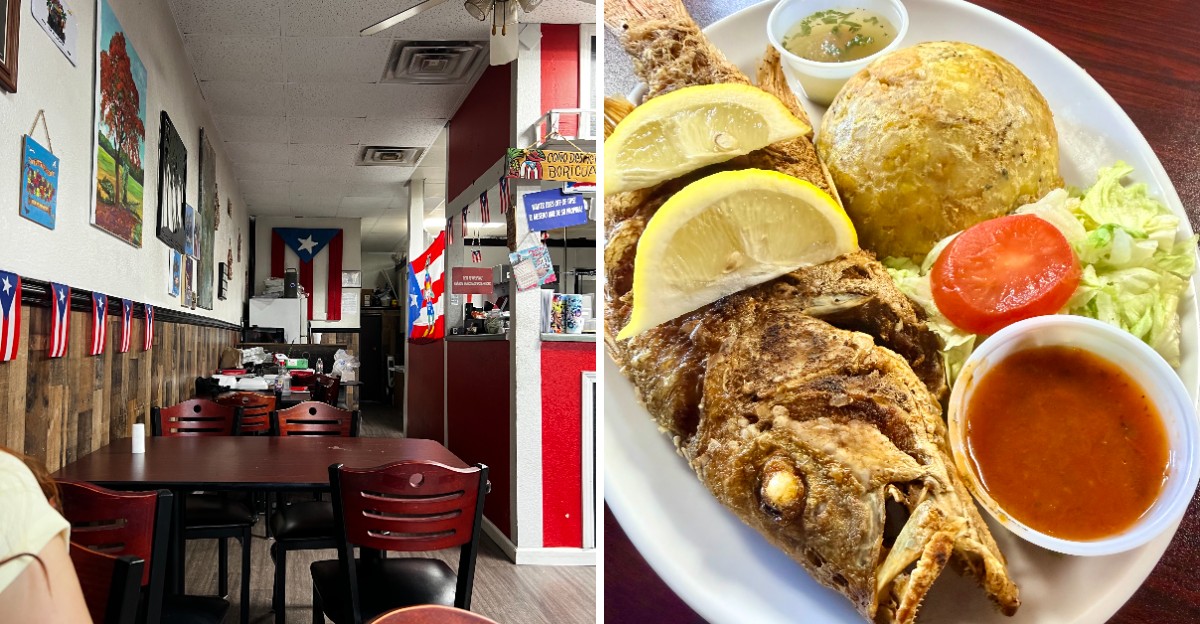
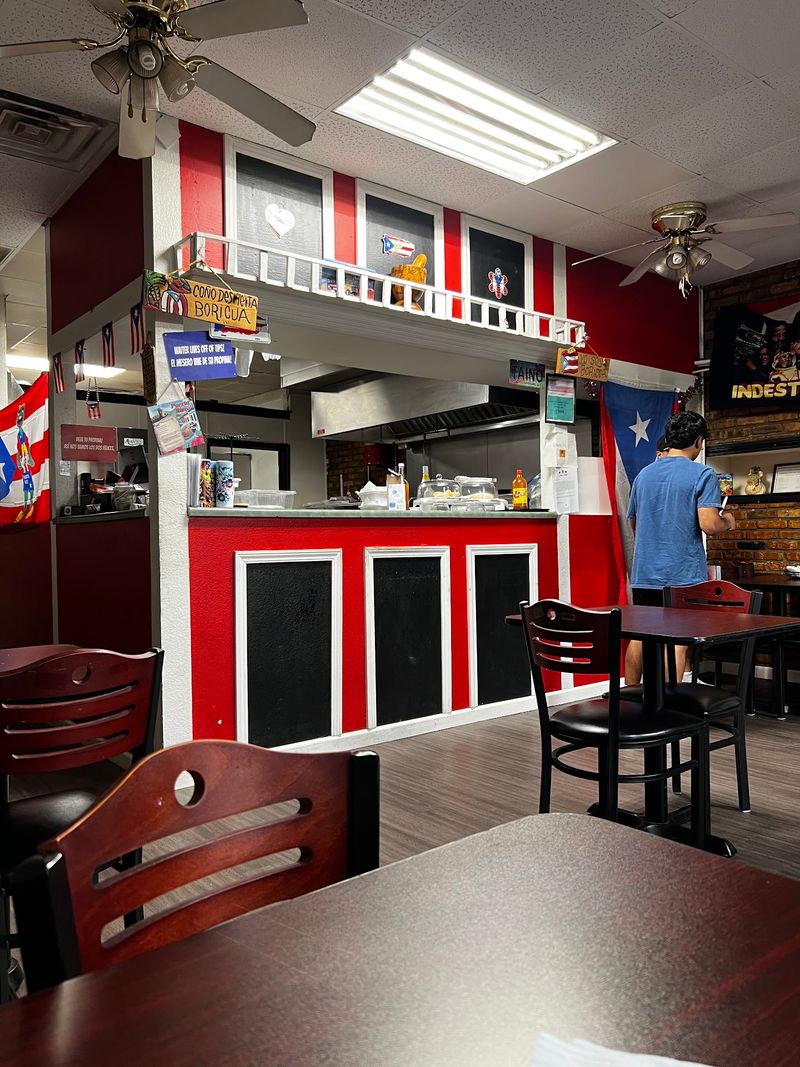
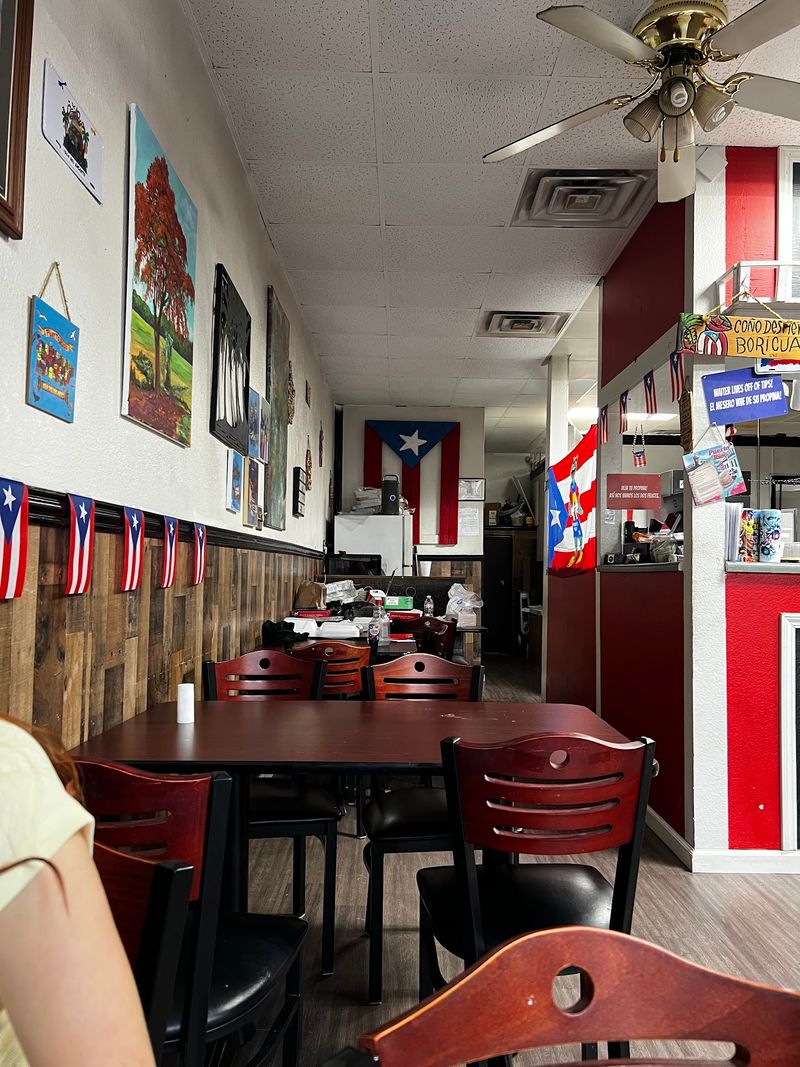
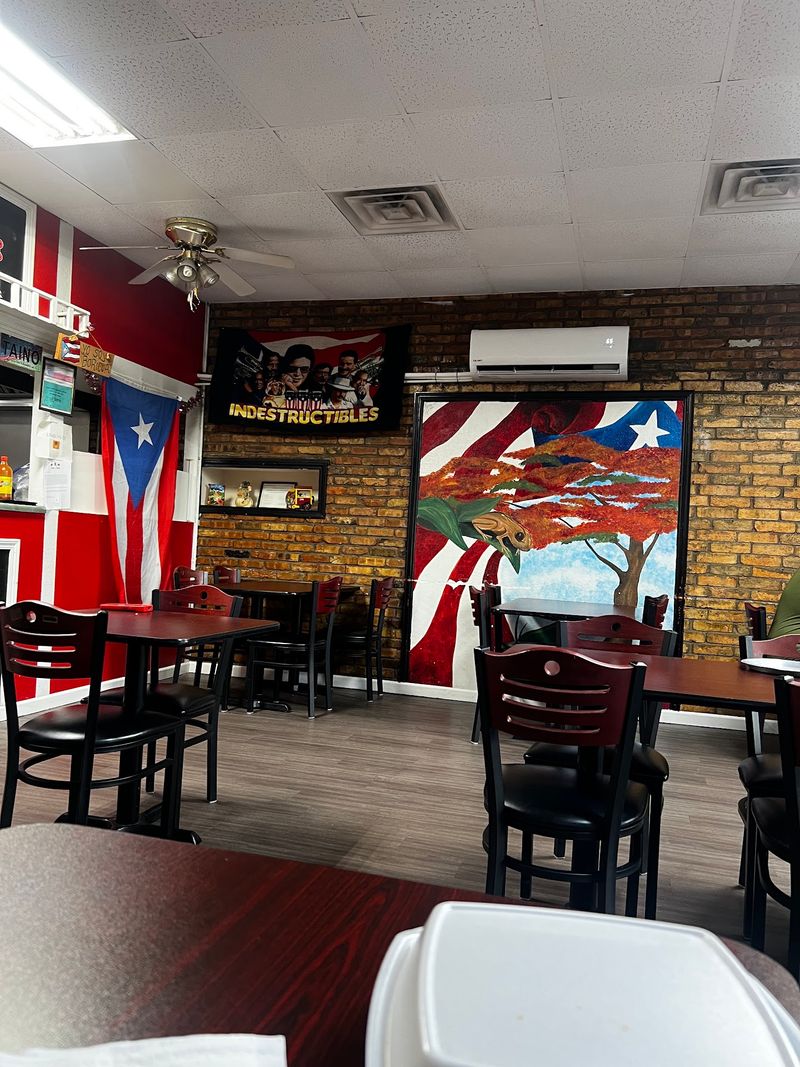
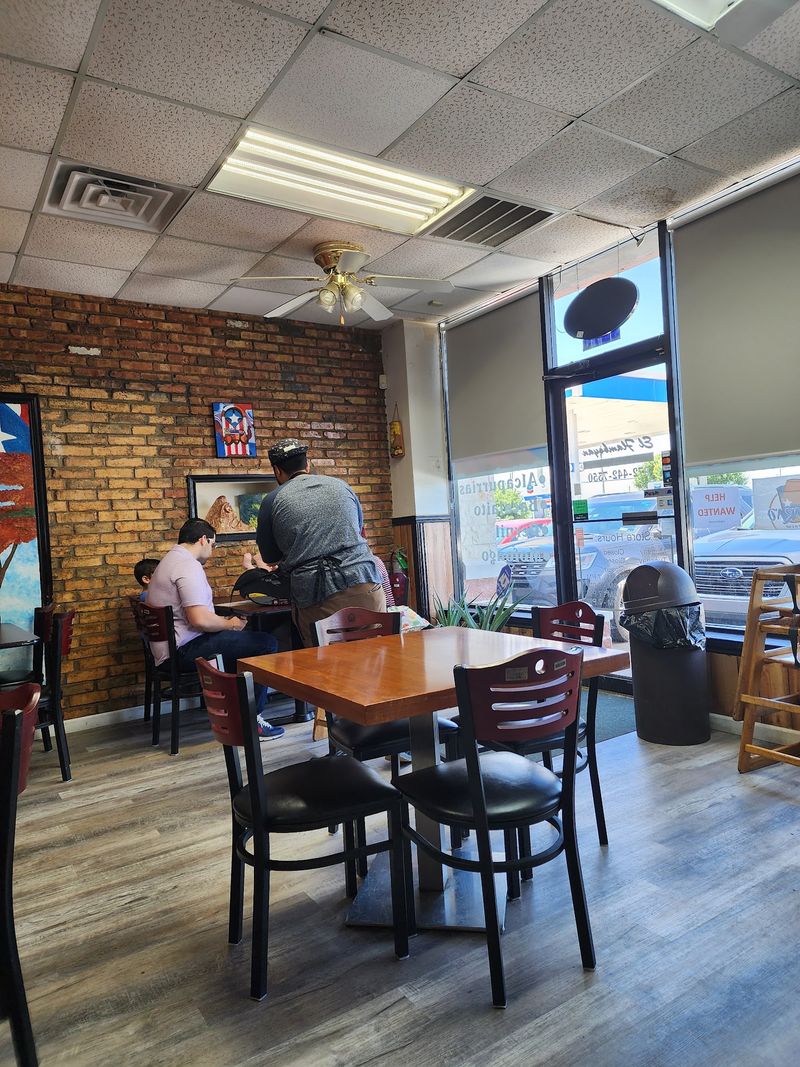
Once inside, the mood changes fast. The space is compact, with brick walls, cheerful decor, and a counter where orders are placed and plates come out hot.
Salsa music plays at a comfortable level, loud enough to set the mood but soft enough that conversation still flows easily across the table.
Many guests describe the setting as feeling like a visit to a grandmother’s house. That comparison makes sense here.
The room is small, so tables sit close together, and it becomes easy to peek at what the next table ordered and quietly plan the next visit around it.
People who have traveled to Puerto Rico often say this spot brings back their trip in a big way. The accents, the music, the smell of sofrito drifting from the kitchen, all of it adds up to a place that feels lived in and loved rather than designed by a marketing team.
A friendly tip for first-timers is to arrive with an open schedule. Meals are cooked to order, so food takes a little time, and that is honestly a good sign.
Settle in, enjoy the music, and let the island mood do its work. Rushing through lunch here would feel a bit like sprinting through a beach day.
Mofongo, the Star of Every Table
Ask any regular what to order and the answer usually comes back in one word. Mofongo.
It is the dish that turns curious first-timers into loyal fans.
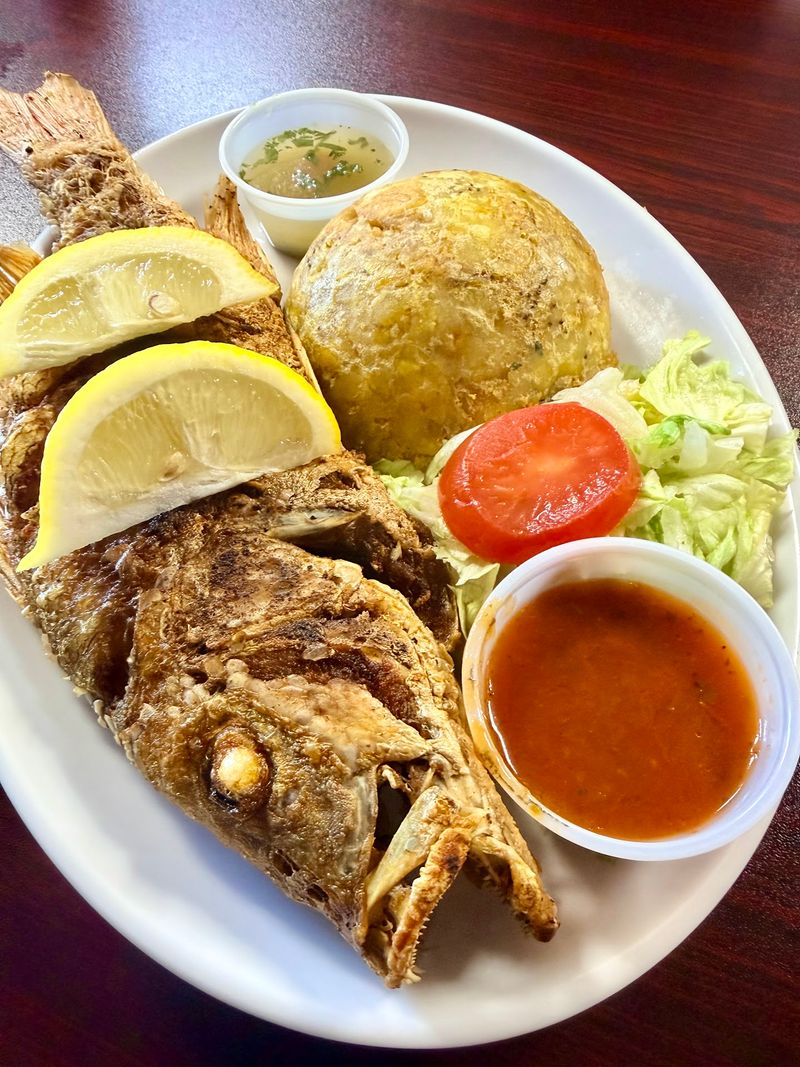
For anyone new to it, mofongo is made from green plantains that are fried, then mashed with garlic and fat until the texture turns rich, a little crunchy, and soft all at once. It gets shaped into a mound and paired with a filling.
At El Flamboyan, choices include roasted pork called pernil asado, fried pork chunks called carne frita, shrimp, roasted chicken, or bistec.
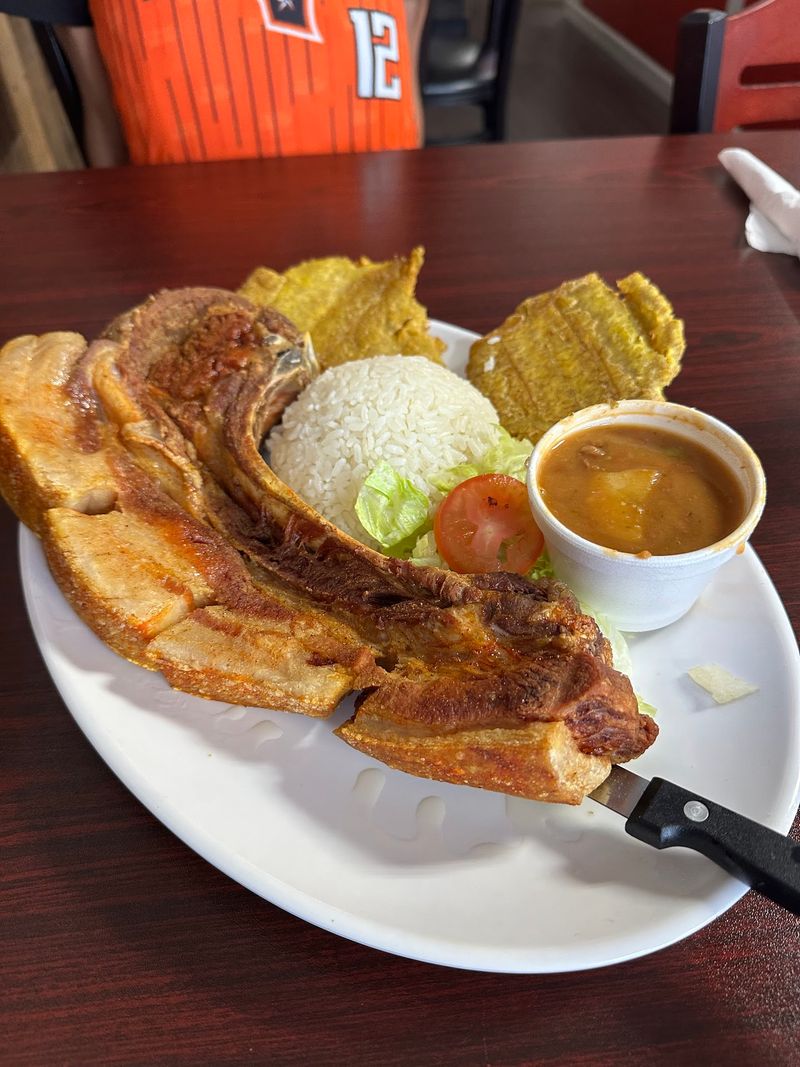
The carne frita version gets a lot of love, and for good reason. The pork chunks come out seasoned and crisp on the edges, which plays nicely against the garlicky plantain base.
Shrimp fans often go for the garlic shrimp version, and some diners even pair mofongo with red snapper.
Here is a helpful trick. Mofongo can be served with chicken broth, known as caldo de pollo, and dipping or pouring a bit over the plantains softens them and adds even more flavor.
Some guests say this combination became their favorite part of the whole meal.
Fun fact for the table. Mofongo traces its roots to West African cooking traditions, where mashed starchy foods were a staple, and those methods blended with island ingredients over centuries.
So every forkful carries a little history. Just be ready, because it is filling, and leftovers are pretty common.
Crispy Fritters Worth the Drive
Fried snacks are a love language in Puerto Rico. At this Wylie kitchen, the appetizer list reads like a street stand menu from a beach town on the island.
Alcapurrias get talked about more than almost anything else here. They are torpedo-shaped fritters made with a dough of green banana and root vegetables, stuffed with seasoned ground beef, then fried until the outside turns deep golden.
The first bite is crunchy, the middle is soft and savory, and it is hard to stop at one.
Bacalaitos are another must. These are thin, crispy cod fritters with ragged edges that crackle a little.
Anyone who likes fish and chips will probably feel right at home with them, though the seasoning is all island.
Then come the empanadillas, half-moon turnovers with a flaky shell. Beef versions are a customer favorite, and they make a smart starter for a group because they are easy to share.
Quesitos also show up, but save those for dessert talk later.
A practical tip. Order a mix of fritters for the table instead of one type, especially on a first visit.
That way everyone gets a taste of the different textures and fillings without committing to a full plate.
Also, do not ignore the sauces. Diners often mention how good the house sauces are, from creamy dipping sauce to homemade hot sauce.
A little of each on a warm fritter is simple, messy, and completely worth the extra napkins.
Plantains Two Ways, Salty and Sweet
Plantains might look like oversized bananas, but they play a whole different game. At El Flamboyan, they show up in two very different moods.
Tostones come first. These are green plantains sliced, fried, smashed flat, and fried again until crisp.
They land at the table hot and golden, ready for a sprinkle of salt and a dip into sauce. Think of them as the Puerto Rican answer to french fries, only sturdier and a bit more satisfying.
Maduros sit on the other side of the flavor chart. They come from ripe plantains, the ones with dark, spotty skins, and frying brings out a natural sweetness with soft, caramelized edges.
Kids tend to love them. Adults do too, honestly.
Ordering both is the move. The salty crunch of tostones next to the sweet softness of maduros makes a great balance, especially alongside a rich meat dish like pernil or bistec.
Some diners have also spotted yucca chips on the table, another fun crunchy option.
Here is a little kitchen knowledge to impress friends. The same fruit can become savory or sweet depending only on how ripe it is when cooked.
Green plantains are starchy and firm, while ripe ones turn sugary. Same plant, totally different personality.
Plantains are a staple across the Caribbean, and in Puerto Rico they appear at nearly every family table. Getting to taste them made the traditional way in a small Texas plaza is a small joy worth leaning into.
Rice, Beans, and a Taste of Childhood
Side dishes rarely steal the show. Here, they sometimes do.
Arroz con gandules is often called the unofficial national dish of Puerto Rico. It is rice cooked with pigeon peas, sofrito, and seasoning, giving it a golden color and a savory, slightly herby flavor.
Holiday tables on the island almost always include a big pot of it, so tasting it any regular weekend feels a little like a celebration.
White rice with habichuelas is the other classic combo. The beans are stewed until soft and saucy, and spooning them over plain rice creates comfort food at its simplest.
Guests who grew up in Puerto Rican homes frequently say the rice and beans here taste just like childhood.
That kind of reaction says a lot. Rice and beans are easy to make, but hard to make with real soul.
Getting the seasoning just right takes years of practice and family know-how.
For a first visit, try both rice styles if possible. Compare them side by side, then decide which one pairs better with the main dish.
Many people find the gandules shine next to pernil, while plain rice and beans fit perfectly with bistec or fried pork chop.
A small history note. Pigeon peas originally came from Africa and India before becoming a Caribbean staple.
That tiny pea traveled a long way to land on a plate in Wylie. Pretty impressive for something that fits on a fork.
Hidden Gems for the Adventurous Eater
Every menu has a corner where the regulars hang out. At El Flamboyan, that corner holds dishes that rarely show up anywhere else in North Texas.
Cuajitos with guineitos en escabeche is a great example. Cuajitos is a traditional stewed pork dish with deep, rich flavor, and guineitos en escabeche are boiled green bananas marinated with onions and vinegar.
The tangy bananas cut through the richness of the stew. Fans rave about this pairing, though anyone sensitive to vinegar should know the escabeche has a noticeable bite.
Mondongo also appears, a hearty traditional stew that many island families treasure. It is the sort of dish that tells people this kitchen is serious about real home cooking, not just the greatest hits.
Thirsty? The house-made juices deserve a spotlight.
Flavors like passion fruit, mango, and tamarind show up, and guests love that they are not overly sweet. Some people even carry home half-gallon containers.
That says plenty.
The best way to explore these deeper cuts is to ask the staff. Servers are known for explaining dishes patiently and making spot-on recommendations, especially for first-timers who are not sure where to start.
A tip for groups. Order one familiar dish and one adventurous dish, then share.
That way nobody goes home hungry, and everyone gets to try something new. Worst case, a new favorite is discovered.
Best case, a new favorite is discovered and the rest of the table wants it too.
Sweet Endings and a Warm Goodbye
Dessert here is not optional. At least, it should not be.
Flan de queso leads the list. It is a cream cheese flan, denser and richer than a regular custard, topped with glossy caramel that drips down the sides.
Each spoonful is smooth, sweet, and just tangy enough from the cheese to keep it interesting.
Quesitos come next, and they are dangerously easy to love. These are flaky puff pastry rolls filled with sweetened cream cheese and often finished with a shiny sugar glaze.
They crackle when bitten, then melt into creamy filling. Grab a few for the road, since they travel pretty well.
Sobao bread also gets mentions from diners. It is a soft, slightly sweet Puerto Rican bread, great for anyone who wants something simple with a meal.
Beyond the food, the service leaves a big impression. The restaurant is family-owned, and guests regularly praise the warmth of the team, with some servers remembered by name after just one visit.
That personal touch is part of why people keep coming back.
Some practical advice before heading out. Weekends and holidays can get busy, and the dining room is small, so a short wait may happen.
Patience pays off. Arriving earlier in the afternoon may help avoid the biggest rush.
Finishing a meal with flan, a fresh juice, and a friendly goodbye is a lovely way to end a trip to the island, no plane ticket required.
