A proposed data center could draw as much electricity as 100,000 Texas homes use on a peak summer day. Another nearby proposal covers 520 acres, and both have residents asking what these massive facilities would mean for their neighborhoods.
Neighbors have organized meetings, collected petition signatures, and questioned how much water and electricity the projects might need. Some also worry about noise and the loss of rural land.
Developers and local officials, meanwhile, have pointed to potential economic benefits.
I can see why the debate goes well beyond construction plans. For families living near the proposed sites, details about water supplies and daily life matter just as much as promises of new tax revenue.
The projects remain proposals, but they have already sparked organized opposition and difficult conversations about who gets a say when major development comes to town.
Two Projects, One County, And A Whole Lot Of Raised Eyebrows
McLennan County, Texas, is mostly known for wide farm fields and easy Central Texas living. Right now, though, two towns there are at the center of a big tech showdown.
The first project is the Lacy Lakeview Data District, nicknamed L2D2 like a friendly robot. InfraKey Capital, also called Infrakey DC Parks, wants to build it on 520 acres of farmland.
The second plan comes from Cipher Digital, a data center developer based in New York. Its project, code-named McLennan, would sit on a 300-acre site north of downtown Riesel.
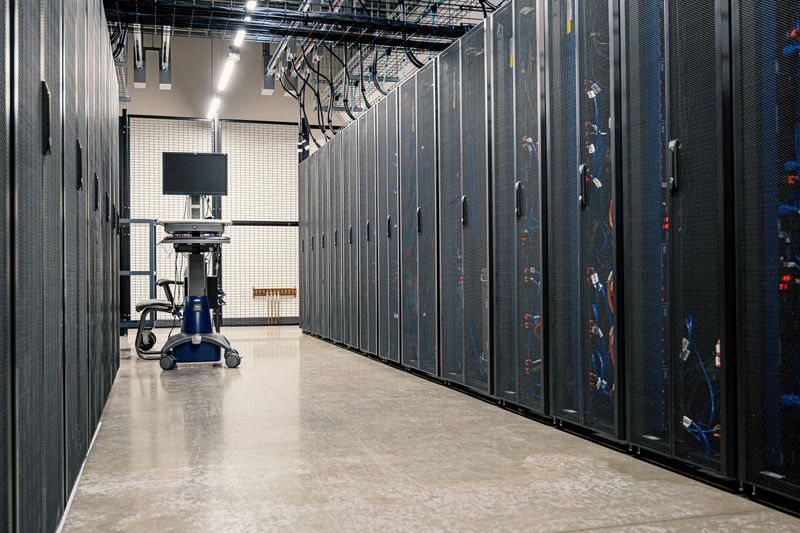
So what exactly is a data center? Think of it as a giant warehouse packed with computers that store photos, run apps, and power artificial intelligence.
Those computers never take a day off. They hum along around the clock, and they need huge amounts of electricity and cooling to keep running.
The two sites sit roughly 20 miles apart in the same county. That means plenty of families could feel the effects of both projects at once.
Riesel is a small agricultural town about 10 miles east of Waco. Lacy Lakeview is a city of about 7,000 people that sits within the Waco metro area.
Neither project has crossed the finish line yet. Residents in both places are using that window of time to speak up, sign petitions, and ask hard questions.
Here is a fun twist on the debate. Most people use data centers every single day without realizing it, yet few ever expect one to show up next door.
Fifteen Million Gallons A Day Is A Number That Sticks
Fifteen to 16 million gallons. That is how much water the Lacy Lakeview Data District is projected to use and reuse each day at full buildout.
For comparison, that equals the daily water use of about 183,000 Americans. It even tops the entire amount of water Lacy Lakeview bought in a recent December.
No wonder residents gasped. In a state that knows drought all too well, water is never a small topic at the dinner table.
InfraKey has an answer it calls sewer mining. The plan would use recycled wastewater from the Lacy Lakeview and Waco systems instead of fresh groundwater.
That sounds clever on paper, and it does avoid tapping wells directly. Still, residents worry about what happens if supplies tighten during a long, dry Texas summer.
Over in Riesel, the water picture is even fuzzier. Cipher Digital has not released details about how much water its project would need.
Local leaders have pointed to that gap as part of a bigger transparency problem. It is hard to judge a plan when one of the biggest numbers is missing.
Want to follow the water story yourself? Start by reading your city council agendas and asking your local water provider how big users are planned for.
Public meetings are open to residents, and questions about water usually get noticed. A simple, polite question can push officials to share numbers sooner.
Water may be invisible inside those server halls. Out here in farm country, though, every gallon has a name and a purpose.
Half A Gigawatt Is Hard To Wrap Your Head Around
Every summer afternoon, Texans crank up the air conditioning and the state grid feels the heat. Now add a single facility that wants as much power as a small city.
Cipher Digital’s Riesel project could use up to 500 megawatts of electricity. That equals the peak summer day usage of about 100,000 Texas homes.
The company has applied to connect to the state power grid. For residents, that raises a fair question about who comes first when demand spikes.
The Lacy Lakeview Data District aims even higher. Its total planned capacity is 925 megawatts across up to six data centers.
Phase 1 targets 170 megawatts by 2027. That first step alone is a big jump for a quiet farming area north of Waco.
Why do these buildings need so much juice? Thousands of computers run nonstop, and keeping them cool takes serious energy too.
The Riesel City Council has publicly shared concerns about whether local infrastructure and utilities can handle a project this size. That is not a small worry for a small town.
Power lines, substations, and road work often follow big energy users. Neighbors are wondering how those changes might reshape the land around them.
A smart move for curious residents is to track grid connection requests and utility planning meetings. Knowing the timeline helps people speak up before decisions get locked in.
Megawatts can feel like an abstract word. Picture your own electric bill, multiplied by a hundred thousand households, and the debate suddenly feels very real.
Starry Nights And Quiet Roads Are On The Line

Out in Riesel, a clear night sky is part of the deal. Residents worry that a hyperscale data center could trade those stars for an all-night glow.
Light pollution is one of the top concerns in both communities. Data centers run 24 hours a day, so lights and equipment stay on long after bedtime.
Noise comes up a lot too. Cooling systems and backup equipment can create a steady hum that carries across open farmland.
Near Lacy Lakeview, the proposed site sits next to Ross Road and North Katy Road, west of Elm Mott. Neighbors there fear the area’s rural charm could fade fast.
Property values are another big question mark. Some homeowners wonder if buyers will still want a country home near a giant tech campus.
Many folks chose this part of Texas on purpose. They wanted room to breathe, space for animals, and a slower pace of life.
Residents in Riesel have described the change as something that cannot be undone. Once farmland becomes an industrial site, it rarely goes back to growing crops.
If you live near a proposed project, ask developers about lighting plans and sound barriers. Requests for shielded lights and buffer zones are reasonable things to bring up.
Taking photos and recording sound levels now can also help later. A simple record of how things look today gives residents something solid to compare against.
Quiet is easy to take for granted. Residents here clearly know what they have, and they would like to keep it.
A Petition That Kept Growing Like A Texas Weed
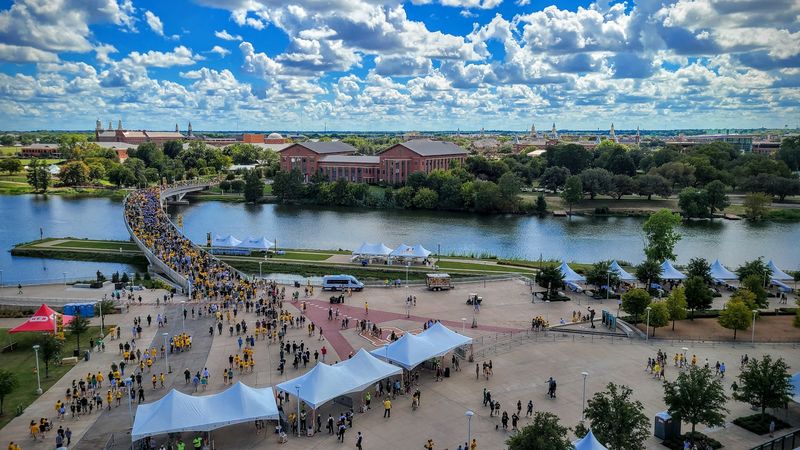
In December 2025, more than 1,500 people had signed a petition against the Lacy Lakeview Data District. By February 2026, that number had climbed to nearly 3,000.
The growth did not stop there. By May 2026, almost 4,000 people had put their names on it.
That is a big crowd for a city of around 7,000 residents. Numbers like that are hard for any city leader to ignore.
Residents also formed a Facebook group to organize. It gives people a place to share updates, meeting dates, and news about the project.
Down the road, Riesel neighbors launched their own page called Stop the Riesel Data Center. Two towns, two pages, one shared set of worries.
Grassroots efforts like these work because they are simple. Anyone with a phone can sign, share, and show up to a public meeting.
Want to get involved in a local issue like this one? Start by reading the actual project documents instead of relying only on social media posts.
Next, keep comments respectful and focused on facts. Officials tend to listen more closely to calm, specific concerns about water, power, and traffic.
It also helps to attend meetings in person when you can. A full room of neighbors sends a message that online clicks cannot always match.
The petition in McLennan County shows how quickly people can organize in today’s Texas. Hundreds of concerned voices turned into thousands within months.
Whatever happens next, these residents have already proven one thing. Small towns can make a big noise when they choose to.
City Hall Sees Opportunity Where Neighbors See Risk
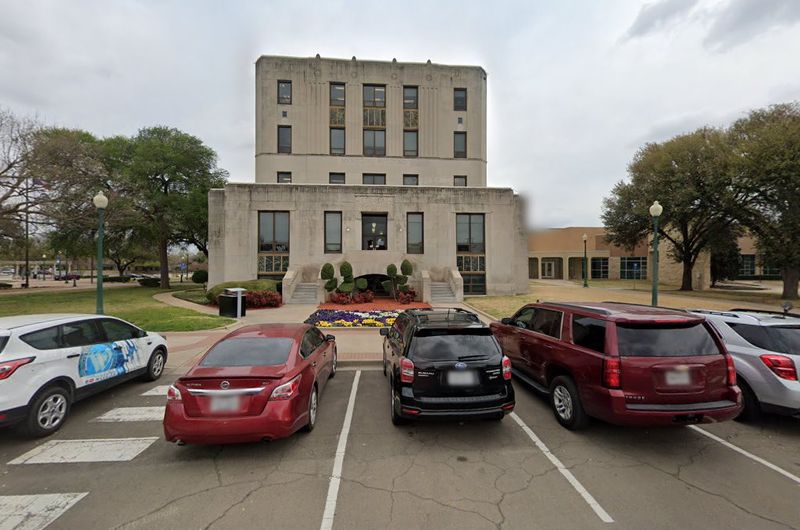
Not everyone in Lacy Lakeview is waving a protest sign. City leaders, including Mayor Charles Wilson, have supported the Lacy Lakeview Data District.
The city signed a non-binding memorandum of understanding with Infrakey in 2025. That agreement helped move the multibillion-dollar project forward.
City Manager Calvin Hodde has said much of the concern comes from a natural resistance to change. Residents, of course, see their worries about water and noise as more than that.
The land question adds a real twist. The property sits inside the City of Waco’s extraterritorial jurisdiction, often called the ETJ.
Infrakey has petitioned Waco to release the land from that zone. If the request meets state requirements, Lacy Lakeview could annex the property without a public hearing or council vote.
That possibility worries many residents most of all. Skipping a public hearing would remove one of their best chances to be heard.
The city has also explored a special purpose district. The idea would let nearby communities like Ross and Chalk Bluff share in tax and infrastructure decisions.
Supporters see tax money that could pay for roads, services, and growth. Critics wonder whether those benefits outweigh the costs to everyday life.
As of mid-2026, the project is still proposed and not officially approved. That leaves time for both sides to make their case.
Curious residents can learn a lot by reading the MOU and council meeting minutes. Knowing the rules around ETJ releases also helps people understand what power they actually hold.
County Leaders Have Opinions But Surprisingly Few Tools
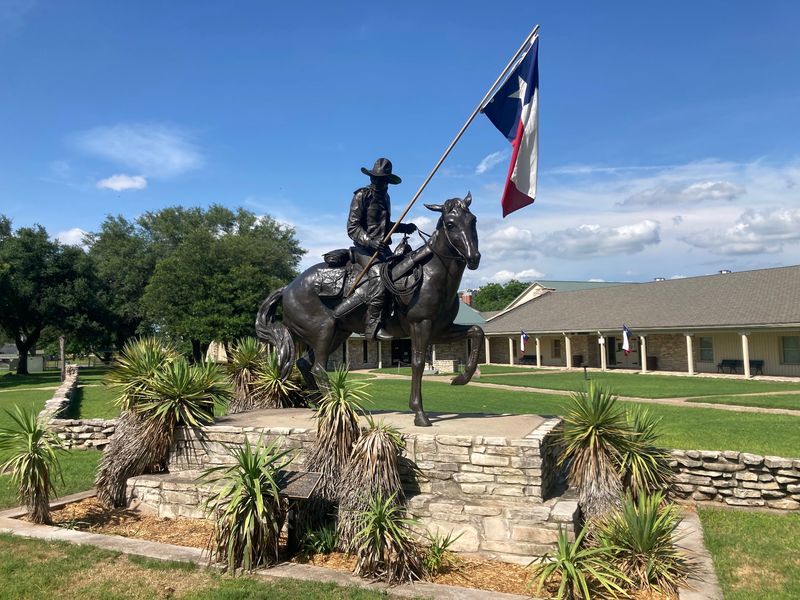
DL Wilson, the Precinct 2 Commissioner for McLennan County, has spoken out against data centers in the county. He has also admitted a frustrating truth about his job.
Under Texas law, county commissioners have limited authority to stop projects like these. Counties often have far fewer land-use tools than people expect.
That surprises a lot of folks. Many people assume their county can simply say no to a big development.
In reality, much of the decision-making happens elsewhere. City councils, utility planners, and state grid regulators often hold more of the cards.
Riesel leaders have voiced another frustration. Local officials have criticized Cipher Digital for a lack of transparency about its plans.
The Riesel project was announced in October 2024. As of May 2026, it had been in the planning stages for over two years.
Two years is a long time to wait for key answers. Without water numbers, residents feel like they are guessing about the future of their town.
So what can regular people do when county power is limited? Contacting state lawmakers is one option, since state rules shape what local leaders can and cannot do.
Showing up at city council meetings matters too. In Riesel, the council has already shared its own concerns about infrastructure and utilities in public.
Knowing who holds which power saves residents time and energy. It points their voices toward the people who can actually change the outcome.
Local government can feel like a maze. Folks in McLennan County are learning that map quickly.
Neighbors Across Texas Are Asking The Same Questions
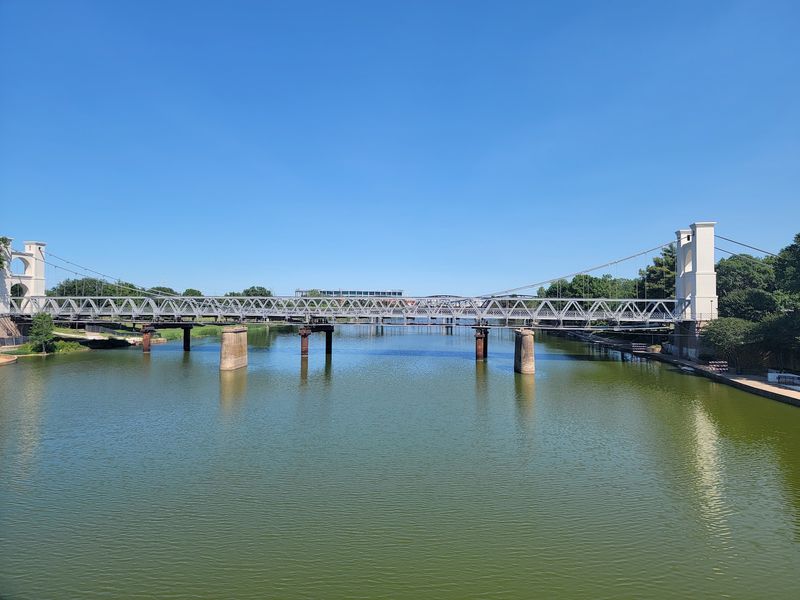
Fifty-six percent. That is the share of Texans who oppose data centers being built in their communities, according to a Texas Politics Project poll.
So residents in Riesel and Lacy Lakeview are hardly alone. Rural communities across the state are pushing back on large tech developments.
State leaders have started paying attention. In January 2026, Texas Agriculture Commissioner Sid Miller introduced a plan for Agriculture Freedom Zones.
The idea is to steer data centers away from prime farmland and ranchland. For farm country, that is a notable signal from a statewide official.
Just north of McLennan County, Hill County took a different route. It put a temporary moratorium on data center development to study what these projects demand.
A pause like that gives communities breathing room. Leaders can gather facts about water, power, and roads before making permanent choices.
The bigger debate is about balance. Texas wants tech investment and economic growth, but it also treasures its open land and small-town life.
Neither side is going away soon. Demand for computing power keeps rising, and so does the pressure on rural land with cheap electricity access.
For anyone following along, the McLennan County fight is worth watching closely. Its outcome could shape how other towns handle similar proposals.
Keep an eye on state rules, local votes, and new petition milestones. Those three things will tell you a lot about where this story heads next.
Two small communities started asking tough questions about land, water, and power. Now the whole state seems to be listening.
