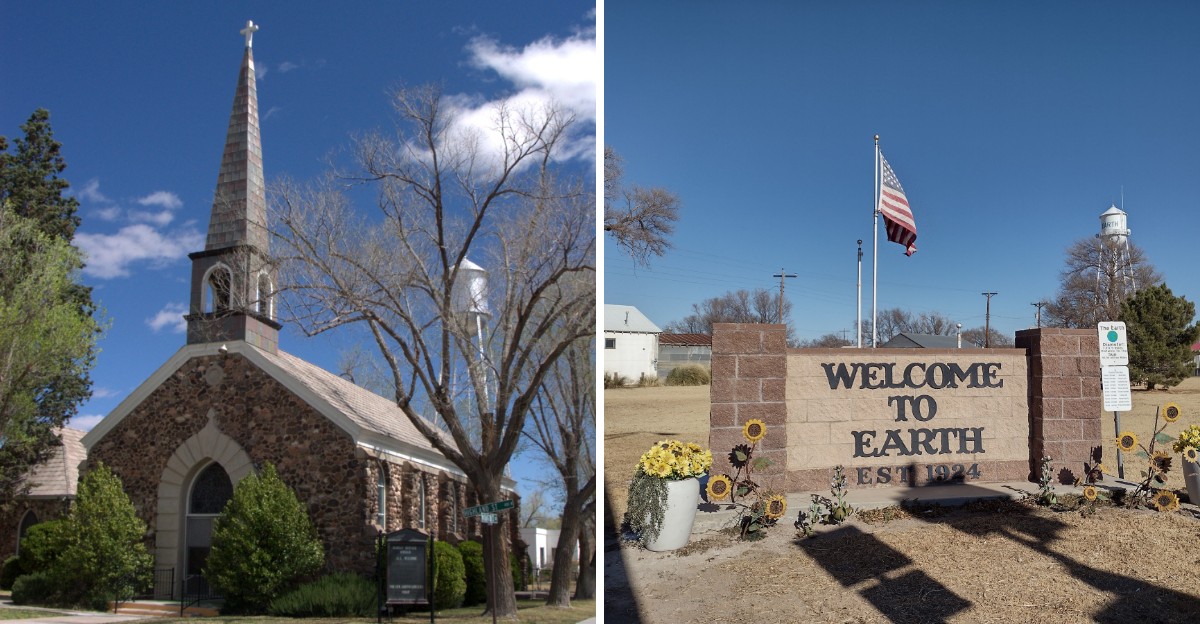
Texas has plenty of famous history, but some of its strangest stories never make it into the textbooks, and the eight towns on this list are proof that even lifelong residents have not heard everything.
These places are tied to unusual legends, odd events, and local lore that sounds made up until you dig into the details and realize it actually happened.
Some involve mysterious disappearances, others involve eccentric characters or events that defied explanation at the time, and a few are simply too strange to forget once you know the story.
Traveling through these towns adds a layer of mystery to any road trip, and the tales behind them are worth repeating.
Whether you are a history buff or just love a good story, this list delivers something unexpected. Bring your curiosity and a willingness to believe the unbelievable.
1. Luckenbach
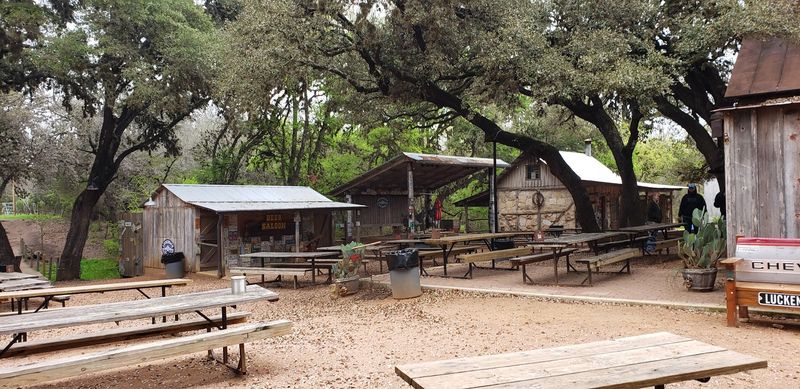
Few towns can say they were sold like a used pickup, but Luckenbach can. Back in 1970, this fading Hill Country settlement was bought by a local folklorist and humorist with a big imagination.
He turned it into a playful, self-styled little kingdom with its own easygoing rules.
That sense of humor still hangs in the air. The town is tiny, really just a cluster of weathered wooden buildings under tall oak trees, and that is exactly the charm.
There is no downtown to rush through and no traffic lights to wait at.
Music is the heartbeat of the place. Luckenbach became famous in country music lore, and a popular song made its name known far beyond Gillespie County.
Guitar pickers often gather in the shade and play just for the joy of it, so it pays to bring a folding chair and some patience.
The setting does a lot of the work. Rolling hills, limestone, and quiet farm roads surround the town, and the drive in from Fredericksburg is pleasant all on its own.
Spring brings wildflowers along the roadsides, which turns the trip into a colorful ride.
Keep expectations simple. The fun here comes from slowing down, swapping stories, and soaking in a spot that has refused to take itself seriously for decades.
Old-timers like to say that everybody is somebody in Luckenbach.
Weekends get busy, especially when live music is scheduled. A weekday visit feels calmer and more relaxed, with room to wander, snap photos of the old buildings, and enjoy a little Texas whimsy without the crowds.
2. Uncertain
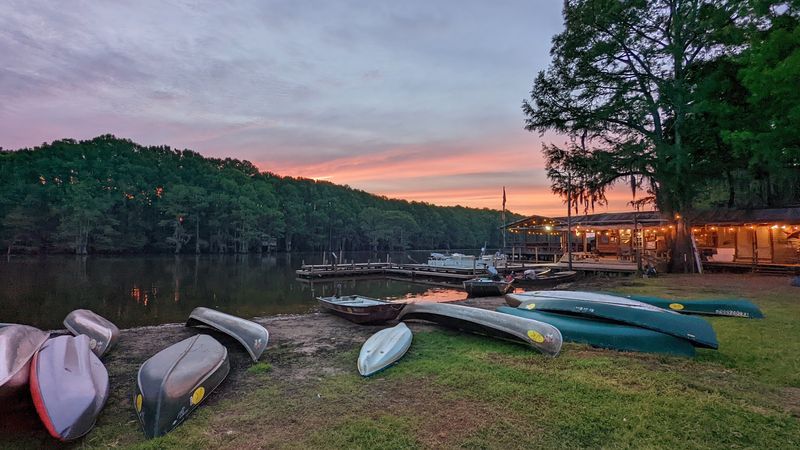
Here is a town that cannot even agree on its own name story, which feels perfectly fitting. Uncertain sits on the shores of Caddo Lake in far East Texas, and the explanations behind its name are as foggy as the water at dawn.
The favorite version points back to the steamboat days. Captains working their way through the twisting bayous were often unsure where they could safely tie up their boats.
Another tale says folks living along the lake were not sure whether they stood in Texas or Louisiana, since the border once felt a little blurry out here.
Either story works, honestly. What matters most is the scenery, and it is unforgettable.
Caddo Lake is known as the only naturally formed lake in Texas. Giant bald cypress trees rise straight out of the water, their branches dripping with gray Spanish moss.
Paddling through the narrow channels feels like moving through a quiet green maze, where herons lift off and turtles slide from logs at the slightest sound.
Renting a canoe or joining a guided boat tour is the best way to explore. The channels can be confusing, so going with someone who knows the water is a smart move for first-timers.
Mornings are calm and misty, while evenings bring orange light glowing through the moss.
Local legend adds one more layer of mystery, with reports of Bigfoot sightings in the surrounding woods. No proof has turned up yet.
Still, keep an eye on the tree line, just in case.
Bring bug spray in warm months. The mosquitoes take their job very seriously around here.
3. Marfa
Strange glowing orbs have been drifting over the desert near Marfa since at least 1883, and nobody has managed to fully explain them. Early ranchers guessed they were campfires.
Searches turned up no sign of anyone camping out there.
Over the years, the theories have piled up like tumbleweeds against a fence. Swamp gas, static electricity, reflected headlights, and even visitors from outer space have all been suggested.
The headlight idea has one big problem, since people were reporting the lights long before cars existed.
Seeing them is never guaranteed, and that is part of the fun. The lights tend to show up east of town, where the land flattens out and the sky stretches forever.
Bring a jacket, because desert nights get surprisingly chilly even after a hot day.
Marfa has a second personality that surprises first-time visitors. The town became a magnet for contemporary art after a minimalist artist moved here in the 1970s and started placing large, permanent works out in the open landscape.
Now the quiet streets mix old adobe buildings with galleries and odd installations that seem to pop up in the middle of nowhere.
The pace here is slow. Shops may close early, and the nearest big city is hours away, so plan meals and gas stops ahead of time.
Arrive in the late afternoon if possible. The sunset turns the grasslands gold and the mountains purple, and then the waiting begins.
Some nights bring a show of flickering lights, while other nights bring only a sky crowded with stars. Either way, the drive feels worth it.
4. DISH
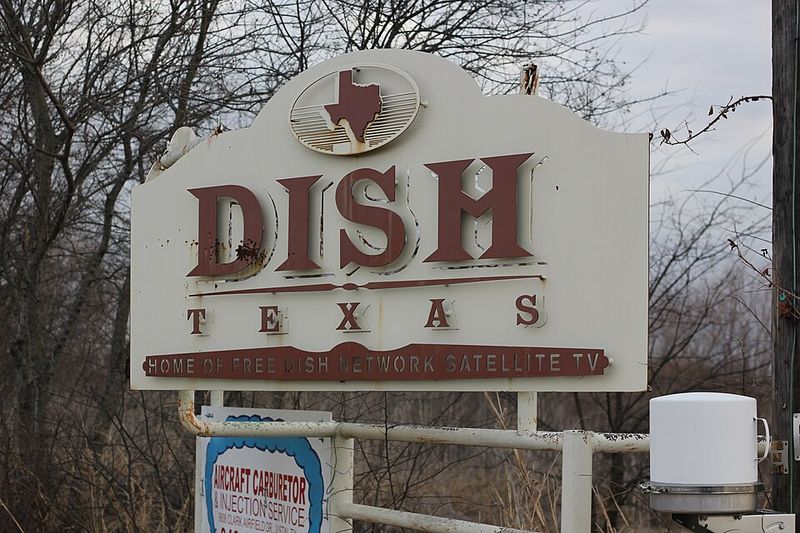
Would any town really change its name for free TV? In 2005, one small North Texas community answered with a loud yes.
The town of Clark voted to rename itself DISH, all capital letters, after a satellite company offered every household ten years of free service and equipment.
It sounds like a joke, but it is completely official. The name shows up on maps, on road signs, and in state records.
Plenty of Texans drive right past without ever hearing the story, which makes it a fun one to share on a road trip.
The town itself is quiet and very small. It sits in Denton County, surrounded by open prairie, farm roads, and the growing edges of the Dallas and Fort Worth area.
Do not expect a big tourist strip or a museum about the deal.
So why stop? Mostly for the sign, if a little honesty is allowed.
A photo next to a road sign that reads DISH, Texas, is a great souvenir and a guaranteed conversation starter back home.
The stop also says something about small-town life. Tiny communities often look for creative ways to get noticed, and this one landed in national headlines almost overnight.
Love it or laugh at it, the plan worked.
DISH fits nicely into a day of exploring North Texas. Nearby towns offer historic squares, local diners, and parks, so pairing a quick photo stop with a longer outing makes sense.
Be respectful when parking for pictures, since these are working roads and private homes. A quick, polite visit keeps the fun going for everyone.
5. Cut and Shoot
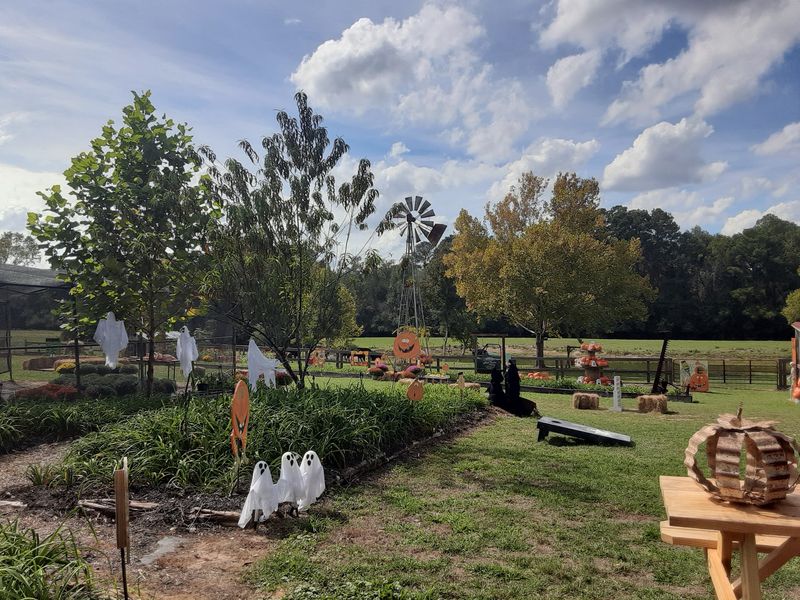
A name like Cut and Shoot sounds ready for a Wild West movie poster. The real story is far less dangerous and a whole lot more human.
Nobody got hurt, which is the best part.
Back in 1912, members of a local church got into a heated argument. Accounts disagree on the cause, with versions pointing to a church steeple design, who should preach, or a land dispute.
In the middle of all that tension, a young boy reportedly announced that he was going to cut around the corner and shoot through the bushes, meaning he planned to run away fast.
The phrase stuck. Before long, the whole community carried the name, and it never let go.
Cut and Shoot sits in eastern Montgomery County, north of Houston, among tall pines and winding country roads. The area blends rural living with a touch of suburban growth.
Families here have deep roots, and churches still play a big part in everyday life.
The town also had a brief brush with national fame in the 1950s. A local heavyweight boxer fought for the world championship in 1958, and suddenly reporters across the country were saying the town name out loud.
Many found it hard to believe it was real.
Visitors will not find a tourist district, so treat it as a scenic stop on a drive through the Piney Woods. Snap a picture with the town sign, enjoy the shady back roads, and maybe grab a meal in nearby Conroe.
Lake Conroe is also close by for anyone wanting water views. A short stop here makes a funny highlight on any Southeast Texas route.
6. Earth
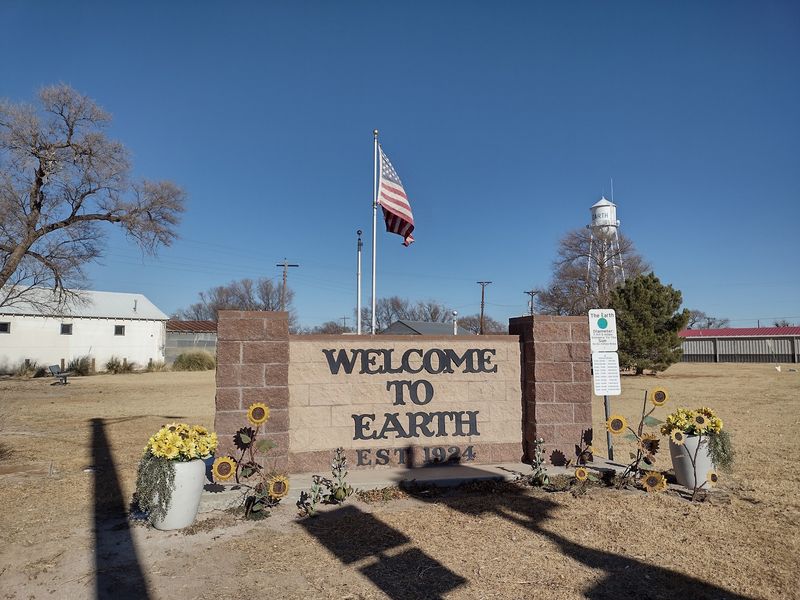
Sending a letter to Earth might sound like science fiction. In the Texas Panhandle, it is simply an address.
The tiny farming town of Earth sits on the wide, flat plains northwest of Lubbock, and its name comes with a delightfully practical backstory.
The town was first called Fairlawn. When residents applied for a post office in the 1920s, they needed a name nobody else was using.
According to the town story, they settled on Earth after learning that no other post office in the world carried that name.
Other tales say the name was inspired by the swirling dust storms that blow across the plains. Either way, the result is a name that makes travelers grin.
Out here, the land feels endless. Cotton fields and other crops spread in every direction, broken up by grain elevators, irrigation lines, and the occasional windmill.
The sky is enormous, and sunsets can paint the whole horizon at once.
Earth is a working agricultural town, not a tourist stop with souvenir shops. That honesty is part of its appeal.
Visitors get a real look at how Panhandle farm communities live, work, and hang on through dry years and windy seasons.
A quick photo with the city limit sign is practically required. Lines like welcome to Earth make for the best captions.
After that, take time to drive the farm roads slowly and notice the small details, like crops changing with the seasons. Lubbock is close enough for food and lodging, which makes Earth an easy and memorable half-day side trip.
7. Ding Dong
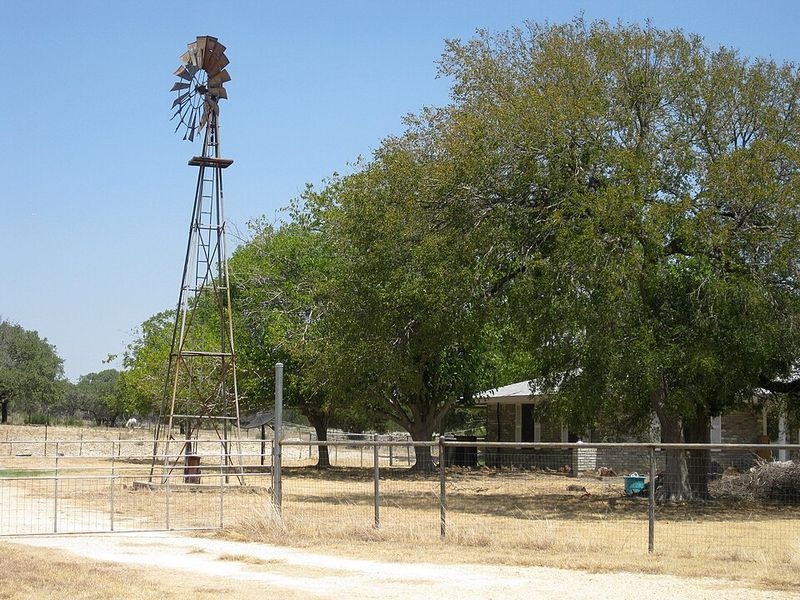
Some town names come from war heroes or railroad bosses. Ding Dong came from a sign painter with a sense of humor.
And honestly, that might be the better way.
The story starts in the early 1930s in Bell County, Central Texas. Two relatives who shared the last name Bell opened a country store and needed a sign.
The painter they hired decorated it with two bells, one labeled Ding and the other labeled Dong, as a playful nod to the owners.
People loved it. The sign became a local landmark, and before long the whole area was known as Ding Dong.
The extra joke here is easy to miss. A town called Ding Dong sitting inside a county named Bell feels almost too perfect, like a pun that planned itself.
Today the community is very small, hidden near Killeen among rolling hills, ranch land, and live oaks. The original store sign is long gone.
Highway signs bearing the name have been stolen so often over the years that they became a running local headache.
Visiting is more about the story than any attraction. Drive the country roads, enjoy the Central Texas scenery, and appreciate how a simple bit of whimsy shaped a place for generations.
Nearby Killeen and Belton offer food, parks, and places to stretch out.
Belton Lake and Stillhouse Hollow Lake are close by too, perfect for a picnic or a lazy afternoon by the water. Ding Dong makes a cheerful detour, especially for anyone who enjoys collecting odd place names.
Please leave the signs where they are, though. The town has lost enough already.
8. Bug Tussle
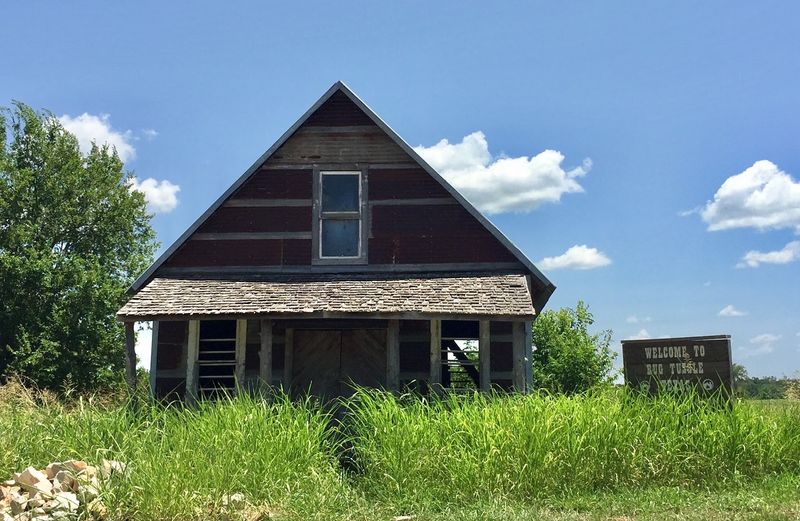
Bugs ruined a church picnic, and a town got its name. That is the short version of how Bug Tussle came to be, and it might be the most Texan origin story on this whole list.
The community sits in southeastern Fannin County, not far from the Red River in North Texas. It was once called Truss, after an early settler.
Then came an 1890s church ice cream social that was overrun by swarms of insects, and according to legend, someone remarked that the bugs were tussling over the food.
Other versions of the tale exist. One says picnickers had so little to do that they watched bugs wrestle for fun.
Another claims two residents arguing over a town name were distracted by a pair of fighting beetles.
Whatever happened, the name stuck like syrup on a summer afternoon. Bug Tussle stayed tiny, with only a handful of residents by 1990.
The countryside around it is peaceful, full of pastures, fence lines, scattered trees, and narrow roads where passing cars are rare.
Road signs here have been a favorite target for souvenir hunters, so finding one still standing feels like a small victory. Antique car clubs have also been known to cruise through, drawn by the catchy name and quiet routes.
Plan Bug Tussle as part of a slow North Texas drive. Bonham, the county seat, has a historic courthouse square and places to eat nearby.
Visit on a mild spring or fall day when the fields are green. Packing a picnic would be fitting, though maybe skip the ice cream.
History has made its warning pretty clear.
