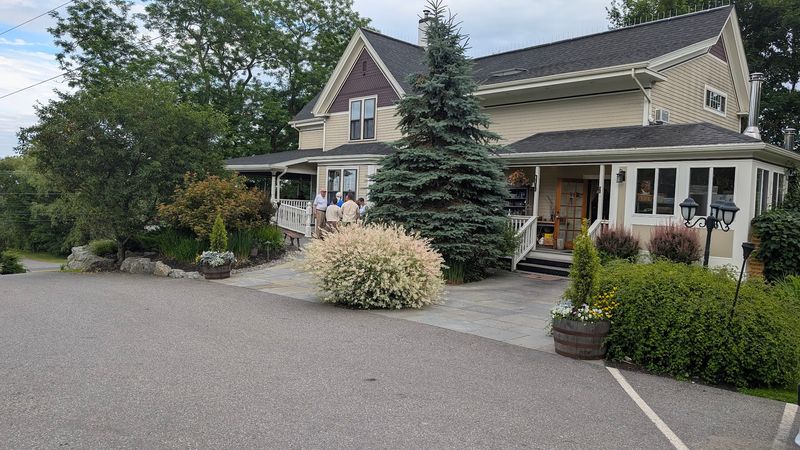
Pulling up to that Victorian home on a cool Maine evening, the smell of fresh earth and something roasting nearby hits you before you even reach the door.
Surrounded by nearly five acres of working gardens, the whole setup feels less like a restaurant arrival and more like a visit to someone’s extraordinary home. The farm is literally steps from your dinner plate.
The chef has been running the place since 2000, and the James Beard Awards on the wall tell you everything about the level of intention behind every dish.
I walked through the garden before dinner, watching the kitchen staff snip herbs and pull vegetables that would end up on my plate within the hour. The calendar, not a corporate menu planner, decides what gets cooked each night.
Nature sets the pace here, and after one meal, you completely understand why that is the only way it should work.
A Restaurant That Lives on a Farm, Not Just Near One
Most restaurants that claim a farm connection source ingredients from a supplier a few counties away. Primo flips that idea entirely.
The farm is not a marketing detail; it is a functioning, productive property that feeds the kitchen every single service night.
Nearly five acres surround the Victorian building, packed with fruit and vegetable gardens, two greenhouses, and rotating animal enclosures. Chickens, ducks, and pigs all live here, contributing to a kitchen ecosystem that wastes almost nothing.
During peak season, around 80% of what lands on your plate was grown or raised right outside the dining room windows.
Chef Melissa Kelly has described Primo not as a farm-to-table restaurant but as a restaurant on a farm, and that distinction matters. The farm shapes every decision, from what gets planted in spring to what appears on the menu months later.
Arriving early to wander the property before dinner is genuinely worth doing. Garden beds full of vegetables, edible flowers tucked between rows, and beehives humming in the background make the whole experience feel grounded in something real.
It is a rare place where the land and the kitchen are truly inseparable.
Chef Melissa Kelly and the Philosophy Behind the Plate
Two James Beard Awards do not happen by accident. Chef Melissa Kelly earned her first in 1999 and her second in 2013, both for Best Chef: Northeast, a recognition that reflects decades of consistent, thoughtful cooking rather than a single flashy moment.
Her culinary style is rooted in simplicity, seasonality, and freshness, principles she traces back to her Italian grandmother’s kitchen. Mediterranean-accented dishes appear throughout the menu, but they are always filtered through a Maine lens, shaped by whatever the farm and the season make possible.
There is no rigid formula, just a deep respect for good ingredients handled with care.
That philosophy shows up in ways that go beyond the food itself. Kitchen waste feeds the animals or fuels a wood-burning oven, so the cycle stays closed and nothing is thrown away carelessly.
Soil health is maintained through consistent crop rotation, keeping the land productive year after year. The result is a kitchen that operates with genuine purpose, not just culinary ambition.
Spending an evening at Primo feels like sitting inside someone’s deeply held belief system about how food should be grown, cooked, and shared with people who care about the difference.
How the Calendar Becomes the Menu
At Primo, the menu changes daily. That is not a tagline; it is a logistical reality driven entirely by what the farm produces on any given day.
Some nights the kitchen has an abundance of summer squash. Other nights, a new crop of micro-greens comes in and suddenly everything shifts slightly in a fresh direction.
This approach demands a different kind of trust from the diner. You cannot plan your order weeks in advance or fixate on a specific dish you read about online.
The menu you get is the menu the land decided to offer, and that unpredictability is actually one of the most exciting parts of the experience. Regulars often say the hardest part is choosing because the options on the daily menu and the specials list are both genuinely compelling.
Sundays bring something even more specific: the 0KM menu, where every single ingredient comes exclusively from Primo’s own property. No outside sourcing, no exceptions.
It is the purest expression of what the restaurant stands for, and securing a Sunday reservation is worth the extra planning effort. The 0KM menu turns dinner into something closer to a harvest celebration than a regular restaurant meal.
The Victorian House That Sets the Mood Before You Sit Down
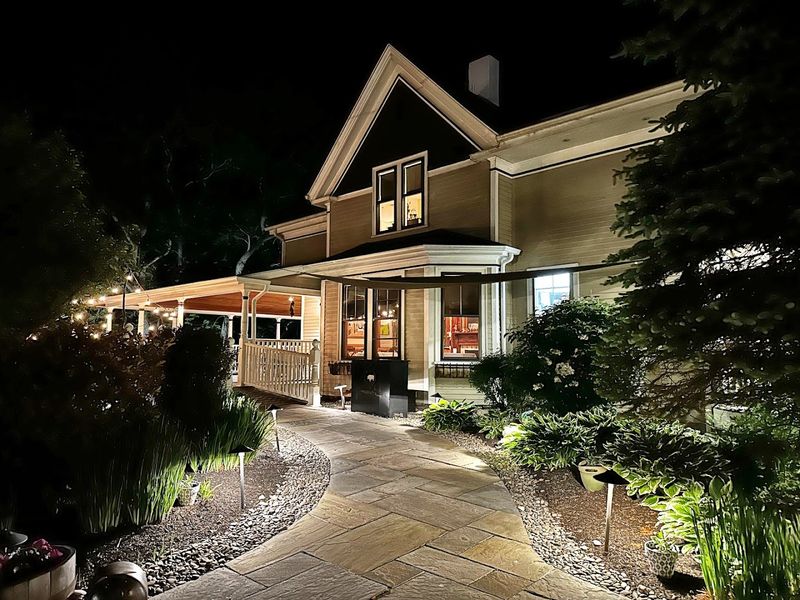
The building itself earns its own moment of appreciation. Primo occupies a carefully restored 1890 Victorian home that manages to feel both elegant and genuinely cozy at the same time.
The kind of place where the architecture does half the work of making you feel welcome before anyone even takes your coat.
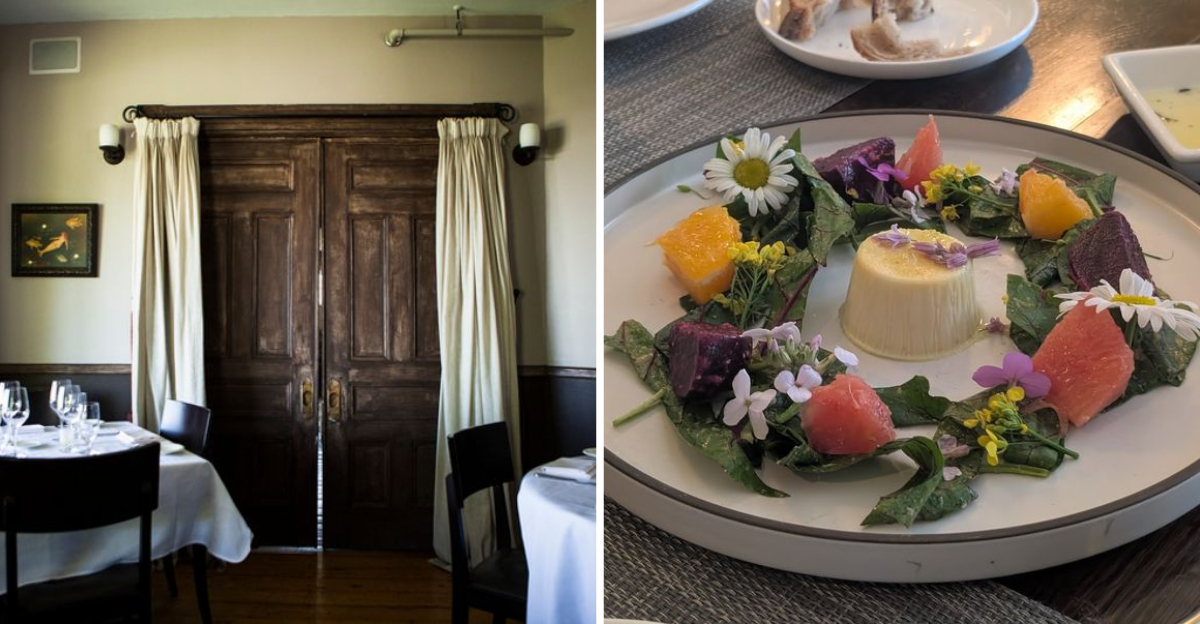
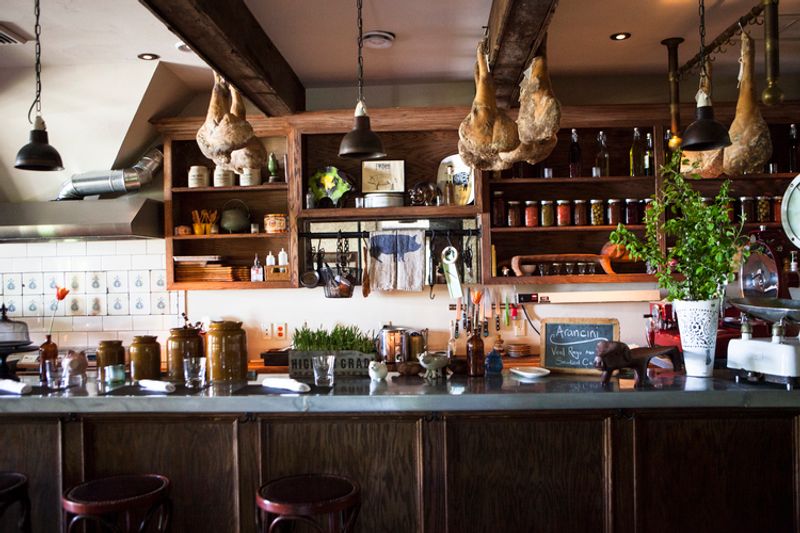
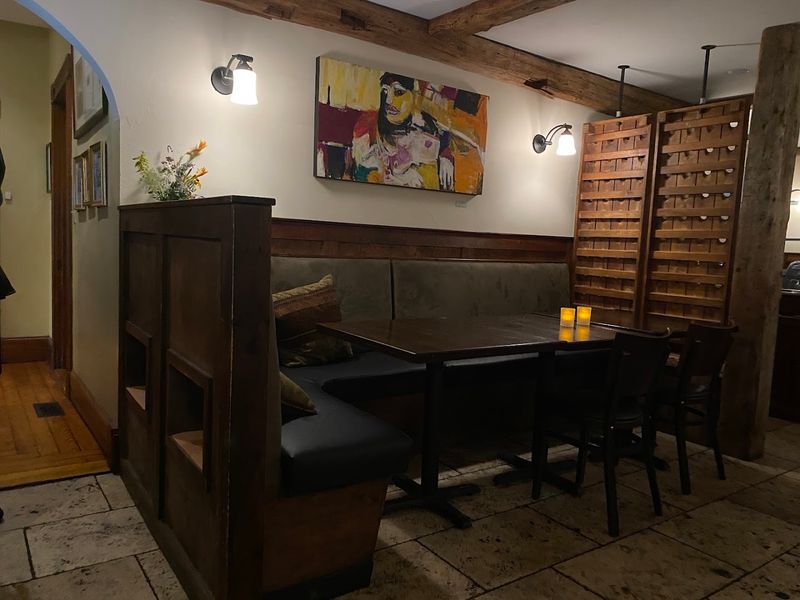
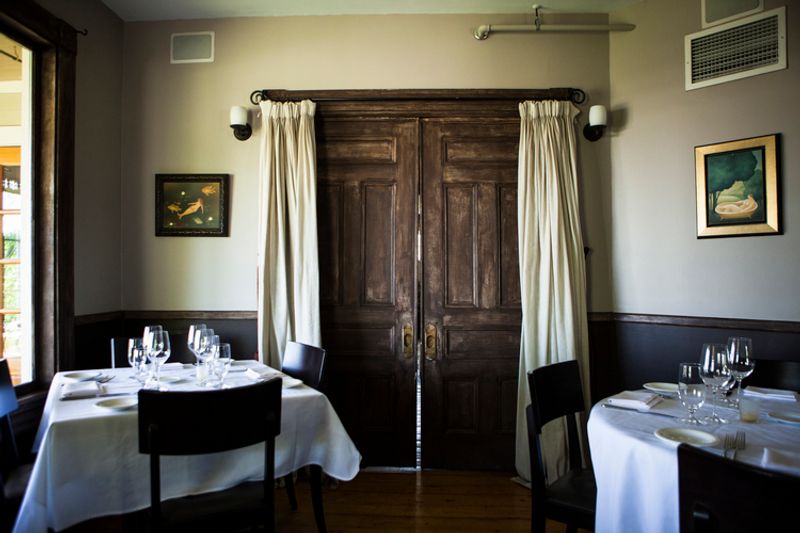
Inside, the dining spaces are intimate rather than grand. Multiple rooms across two floors create pockets of atmosphere, each with its own feel.
The second floor has steep stairs, something worth keeping in mind if mobility is a concern, but the reward is a more tucked-away, private dining experience. Ambient lighting, comfortable seating with pillows, and thoughtful decor give the whole interior a warmth that feels genuinely considered rather than staged.
Arriving before your reservation to explore the property adds another layer to the experience. The farm sits right beside the restaurant, and guests regularly take a slow walk through the garden beds and past the animal enclosures before heading inside.
That transition from open air and working land to a candlelit Victorian dining room is a genuinely memorable shift. It sets the tone for the meal in a way that no amount of interior design alone could replicate.
The setting is part of the dish.
The Ingredients That Make Each Bite Taste Like a Specific Moment in Time
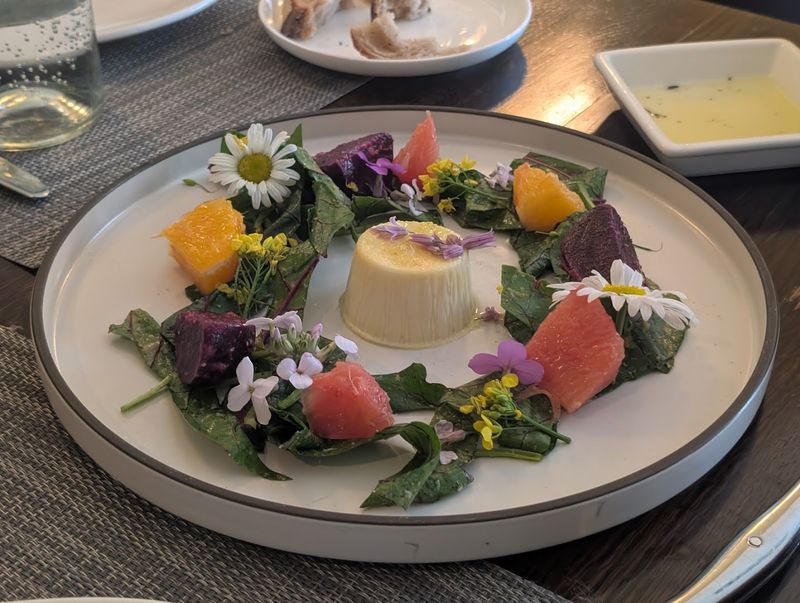
Fresh ingredients sound like a given at any good restaurant. At Primo, the freshness has a different quality because the gap between harvest and plate is measured in steps, not miles.
Vegetables pulled from the garden that afternoon arrive in the kitchen with a vitality that processed or long-shipped produce simply cannot replicate.
Edible flowers and micro-greens grown on the property add visual and flavor detail that feels specific to the season rather than decorative. Honey from the on-site beehives, eggs from the resident chickens, and pork raised in the farm’s own pens all contribute to a larder that is unusually self-contained for a restaurant of this caliber.
That self-sufficiency translates directly to flavor depth on the plate.
Guests frequently mention the pasta dishes as standouts, and the handmade quality shows in both texture and taste. The fish preparations draw on Maine’s natural coastal bounty, connecting the farm’s inland agriculture to the broader regional food story.
Each dish feels like a snapshot of a particular week in a particular season, something that cannot be replicated on a different night or in a different month. That specificity is exactly what makes a meal at Primo feel worth the trip from anywhere.
Sustainability as a Way of Life, Not a Selling Point
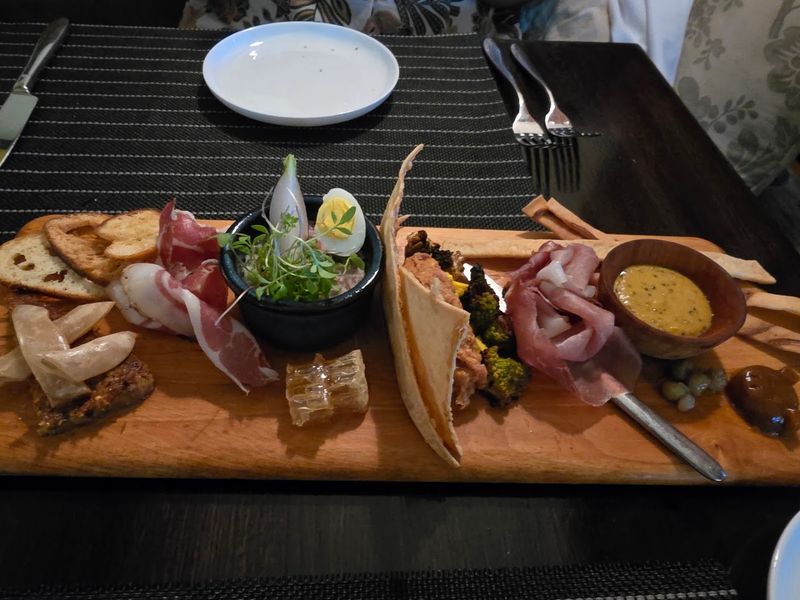
Plenty of restaurants use the word sustainable without fully committing to what it actually requires. Primo has built an entire operational system around closing the loop between kitchen and farm, and it shows in the details rather than just the marketing language.
Kitchen scraps feed the pigs and chickens. Organic matter fuels the wood-burning oven.
Garden beds rotate on a consistent schedule to preserve soil health across seasons. These are not optional add-ons; they are the structural backbone of how the restaurant functions day to day.
The result is a food system that generates remarkably little waste for an operation serving full dinner service five nights a week.
After 26 seasons, the approach has proven itself as genuinely durable rather than trendy. The farm has expanded its offerings over the years, and longtime visitors often comment on how the local sourcing has deepened rather than plateaued.
There is something quietly radical about a restaurant that has operated this way consistently since 2000, long before sustainability became a buzzword in the dining world. Eating at Primo feels like participating in a system that actually works, one where every element, from soil to plate to scrap bin, has a purposeful place in the cycle.
Planning Your Visit to Primo in Rockland, Maine
Getting a table at Primo requires some advance planning. Reservations fill up quickly, especially during the summer and fall seasons when Maine draws visitors from across the country.
Booking well ahead is genuinely recommended, and the effort pays off the moment you arrive on the property.
The restaurant opens at 5 PM Wednesday through Sunday and closes on Mondays and Tuesdays. Service runs until 9:30 PM, which gives you a comfortable window for a leisurely dinner without feeling rushed.
If you plan to arrive early to explore the farm, build in an extra thirty minutes before your reservation time. The property rewards a slow walk, and the animals and garden beds are genuinely interesting to see up close before the meal.
One practical note worth keeping in mind: rideshare services have limited availability in Rockland after late evening, so arranging your return transportation before dinner is a smart move. The experience of the meal itself is relaxed, warm, and attentive from start to finish.
Primo has earned its reputation over more than two decades not through hype but through consistent, grounded hospitality. Address: 2 Main St, Rockland, Maine.
