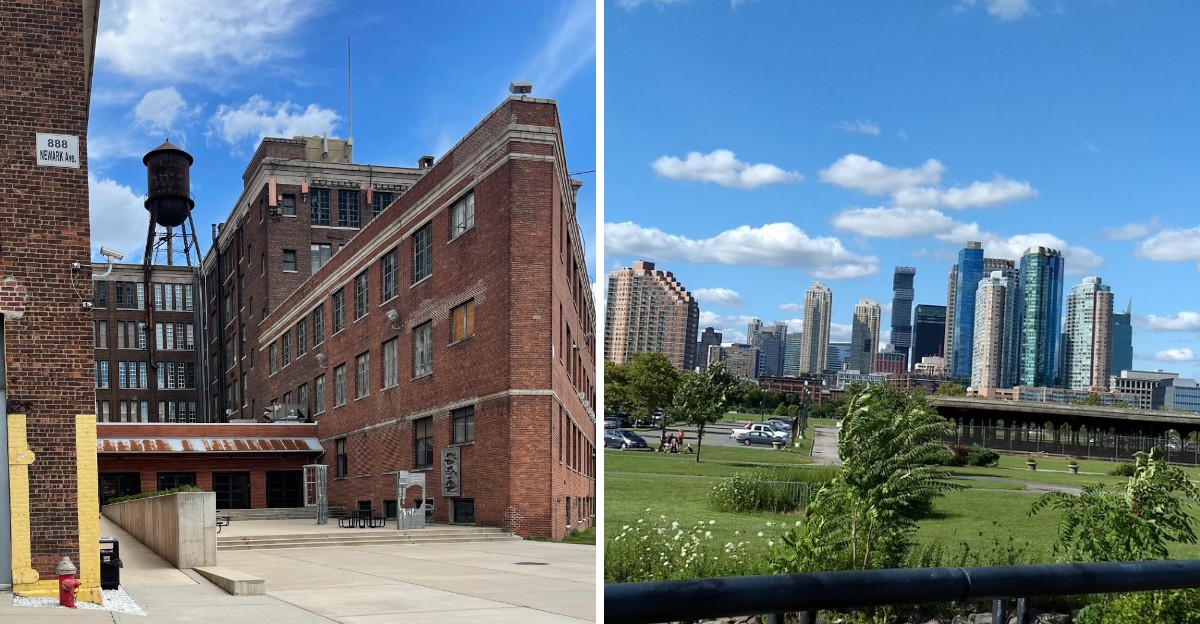
More than half of the renters in one waterfront city pay over 30 percent of their income just for housing. That is a lot of paychecks going straight to the landlord.
I can’t imagine budgeting for groceries after that.
This New Jersey city has Manhattan skyline views, busy transit hubs, and towers rising almost everywhere you look. It added nearly 26,000 homes in about twelve years.
Yet rents still climbed by half in less than a decade.
I like how proud people here are of their neighborhoods. Longtime residents built whole lives on these blocks.
Now some of them say they simply can’t keep up with the bills.
So who gets to stay when a city grows this fast? The answer says a lot about where American cities are headed.
The Old Factory Town Grew A Glass Skyline Almost Overnight
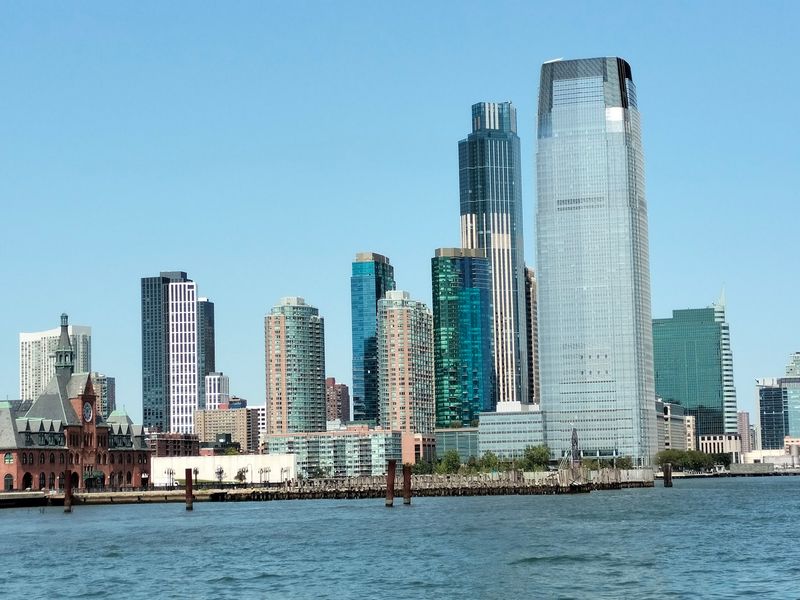
Smokestacks and rail yards once defined the waterfront here. Today, glass towers catch the sunset and reflect the Hudson River back at Manhattan.
Jersey City has changed more in a few decades than many places change in a century. It went from an industrial hub to a busy financial and residential center.
The shift did not happen all at once. Gentrification began in the early 1980s, mostly Downtown and along the waterfront.
Those areas filled up first with offices, condos, and luxury rentals. Then the wave rolled inland, block by block, like a slow tide nobody could stop.
Journal Square, Bergen-Lafayette, and the West Side felt it next. Each neighborhood now carries pieces of the old city mixed with the new one.
I believe that mix is what makes the place fascinating. You can still spot older brick buildings standing right beside shiny new high-rises.
Change itself is not the villain in this story. The tough part is that the price of living here climbed right along with the skyline.
For many families, the view got better while the budget got tighter. That trade-off sits at the heart of everything happening in this city today.
Thousands Of New Homes Still Could Not Catch Up
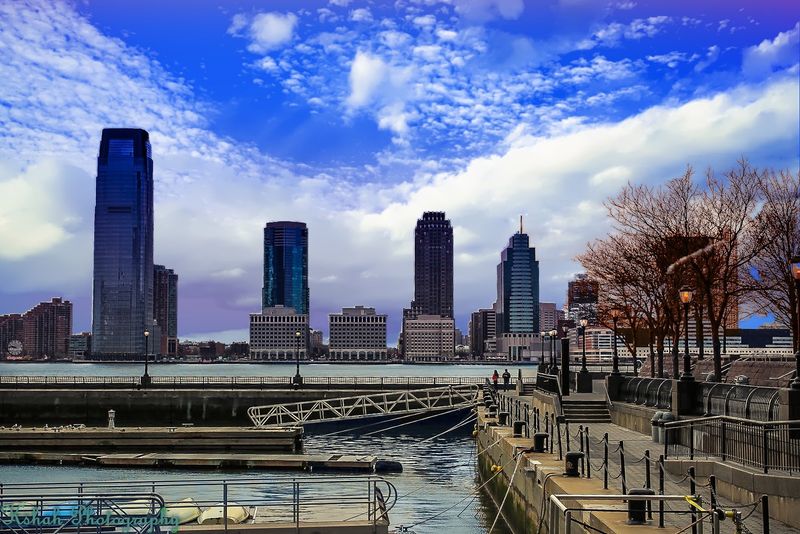
Nearly 26,000 new housing units went up in Jersey City between 2010 and 2022. That number sounds huge, and honestly, it is.
The pace was more than triple the per capita output of the wider New York metro area. Cranes basically became part of the local scenery.
You would think all that building would push prices down. More homes usually means more choices and less competition, right?
Not here, at least not yet. Demand kept running ahead of supply like a kid racing a slow parent to the ice cream truck.
People kept arriving faster than towers could open. Every new building filled up, and rents kept heading in one direction.
A lot of the new construction also aimed at higher earners. Luxury units with doormen and rooftop decks don’t help a family that needs a modest two-bedroom.
So the city faces a strange puzzle. It builds more than most neighbors, yet many longtime residents still feel squeezed out.
Here’s a practical tip if you are apartment hunting. Ask early about affordable set-aside units in new buildings, because those spots often go fast and require applications ahead of move-in.
Your Rent Check Has Been Hitting The Gym
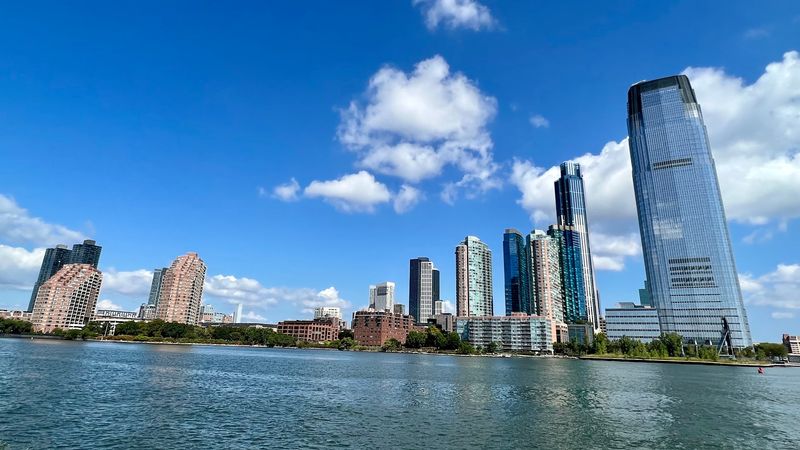
Median market-rate rents in Jersey City jumped about 50 percent between 2015 and 2024. Imagine your favorite sneakers costing half again as much in under ten years.
That kind of climb hits hard when paychecks don’t keep pace. It is why more than half of local renters now count as cost-burdened.
Cost-burdened means spending over 30 percent of income on housing. Once rent eats that much, savings and emergencies start to feel impossible.
The overall cost of living runs about 64 percent above the national average. It is also roughly 34 percent higher than the average city in New Jersey.
Groceries, transit, and child care all add up on top of rent. Families end up doing tricky math every single month.
A Regional Plan Association study projected that Jersey City could face an overall housing shortage of 27,000 to 36,500 units by 2032. That gap is big enough to fill an entire small town.
Recent rent growth even outpaced state and national averages. So this is not just a nationwide trend hitting everyone equally.
If you live here, track your lease renewal dates carefully. Knowing your timeline gives you room to compare options before a surprise increase lands.
Some Neighbors Quietly Packed Up And Never Came Back
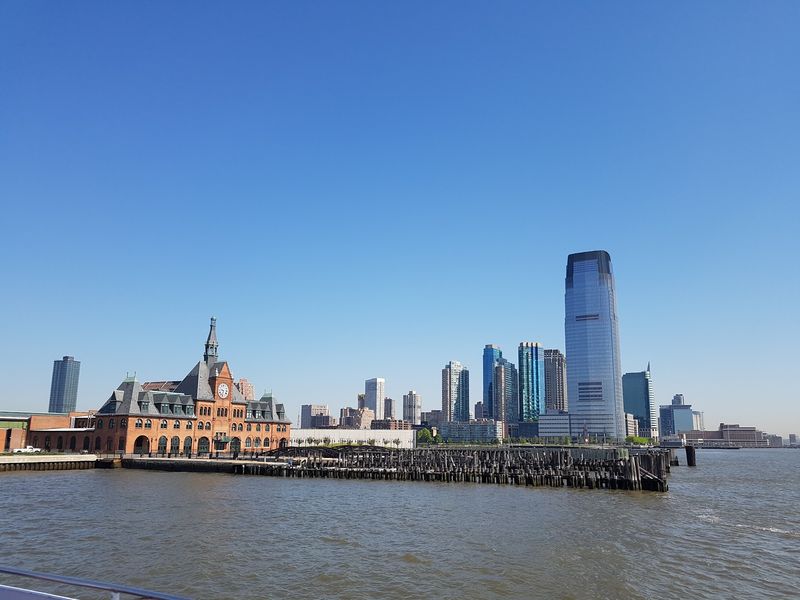
About 3,000 Black residents left Jersey City between 2013 and 2023. Behind that number are families, church members, coaches, and friends who once lived down the street.
Rising rents and property taxes hit communities of color especially hard. Black and Latino residents have felt the heaviest share of the pressure.
Many newcomers are well-paid professionals who commute to New York City. Their budgets can stretch further, which nudges prices up for everyone else.
Neighborhood shops feel the shift too. When a family-run store closes, a chain or trendy spot often takes its place.
That swap changes more than the storefront. It changes where people bump into each other and share news.
Cultural institutions can fade when the people who supported them move away. A city’s memory lives in those places, not just in its buildings.
I can’t imagine leaving a block where your grandparents once lived. Yet that choice has become real for many households here.
Supporting longtime local businesses is one small way to help. Every purchase at a neighborhood shop keeps a familiar face around a little longer.
Neighborhoods Near The Trains Changed First And Fastest
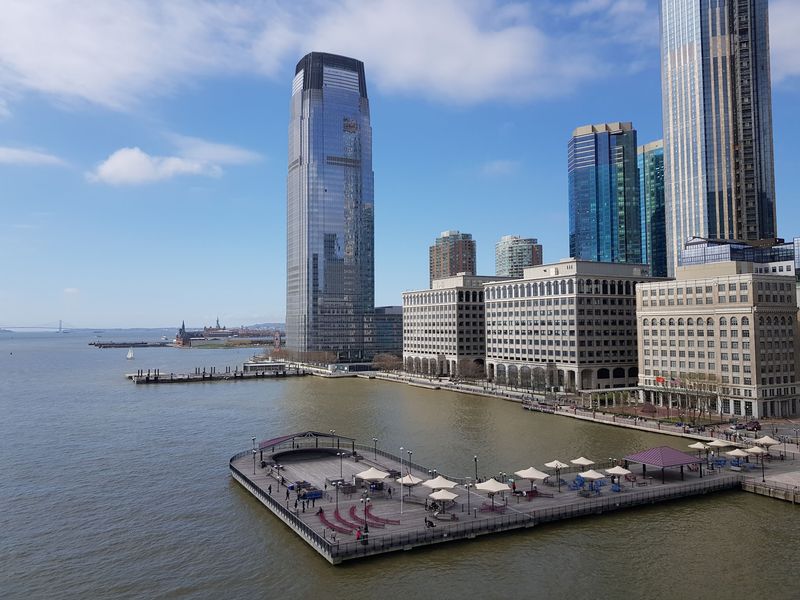
Transit is a magnet for developers. Journal Square and Exchange Place became hot spots because trains can whisk people into Manhattan in minutes.
Bergen-Lafayette and the West Side were once more affordable. Many residents also felt those areas were long overlooked by investment.
Now luxury towers and trendy cafes are popping up there. Some long-standing community fixtures have been replaced along the way.
New investment can bring perks like fresh sidewalks and new businesses. Still, higher property values usually mean higher taxes and rents for people already living there.
A 2025 Rutgers-Newark study examined gentrification in Jersey City, Newark, and Paterson, highlighting how rising property values can displace longtime residents.
That would be a real loss. The diversity and local character are exactly what drew people here in the first place.
So how much can a neighborhood change before it becomes somewhere else? Residents are asking that question out loud at community meetings.
If you are new to the area, learn its history. Visiting local landmarks and longtime businesses helps you understand the neighborhood you now share.
Property Taxes Turned City Hall Into A Hot Seat
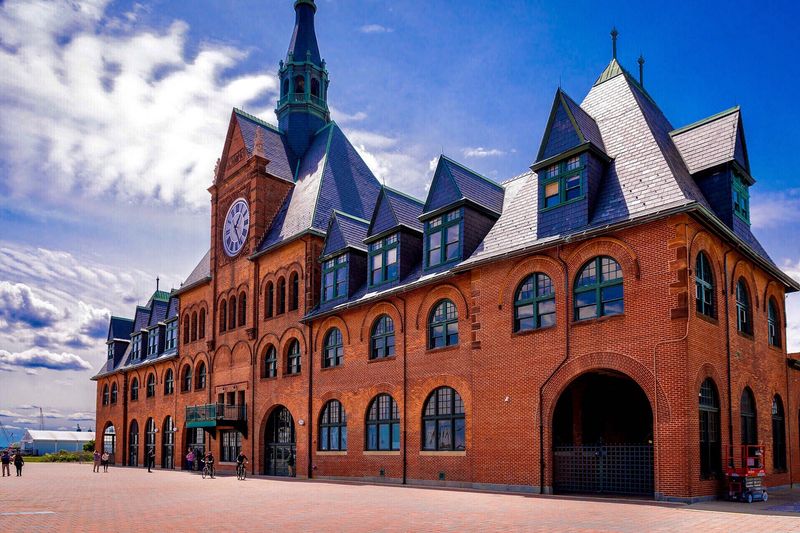
Property taxes in Jersey City rose more than 50 percent over about five years. Homeowners felt it first, and renters soon felt it too.
Landlords often pass tax increases along through higher rent. So a tax bill can quietly shape a tenant’s budget without ever landing in their mailbox.
In July 2026, Mayor James Solomon introduced a budget proposing a 15.5 percent increase in the municipal property tax rate, adding to residents’ concerns about housing affordability.
Much of that debate centers on City Hall at 280 Grove Street, Jersey City, New Jersey 07302. The stately building hosts council meetings where budgets get discussed and decided.
Public meetings matter more than people think. Residents can speak, ask questions, and push leaders to explain where money goes.
Showing up is surprisingly powerful. Officials notice when a room fills with neighbors who care about the outcome.
Homeowners should also look into any tax relief programs they might qualify for. Seniors and lower-income residents sometimes have options worth checking.
Reading the city budget may sound as fun as folding laundry. But understanding it helps you speak up with confidence when big decisions come around.
Living Next Door To Manhattan Comes With A Price Tag
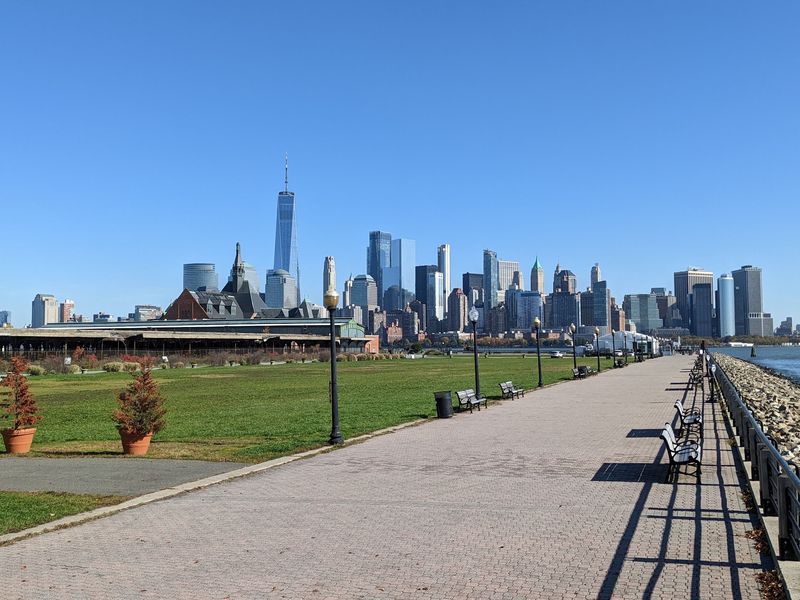
Few cities can claim views of the Statue of Liberty, Ellis Island, and the Manhattan skyline from a single park. Liberty State Park delivers all three.
That closeness to New York City has shaped Jersey City for decades. Some even call it a bedroom city, since many residents work across the river.
Commuters love the quick trips and waterfront living. Compared with Manhattan, housing here can feel like a relative bargain, even though it is still expensive.
Between 2010 and 2020, the population grew by 18 percent. That marked the city’s fastest growth in over a century.
Every new arrival adds to the demand for apartments. Longtime residents often end up competing with households earning much more.
Still, the city is far more than a place to sleep. It has its own parks, food scenes, and neighborhoods with real personality.
Liberty Science Center, with its interactive exhibits and IMAX Dome, sits inside that same park. It is a reminder that local life has plenty to offer.
The challenge is keeping these perks open to everyone. A great view feels better when your neighbors can afford to stay and enjoy it.
A New Plan Promises Homes For Working Families
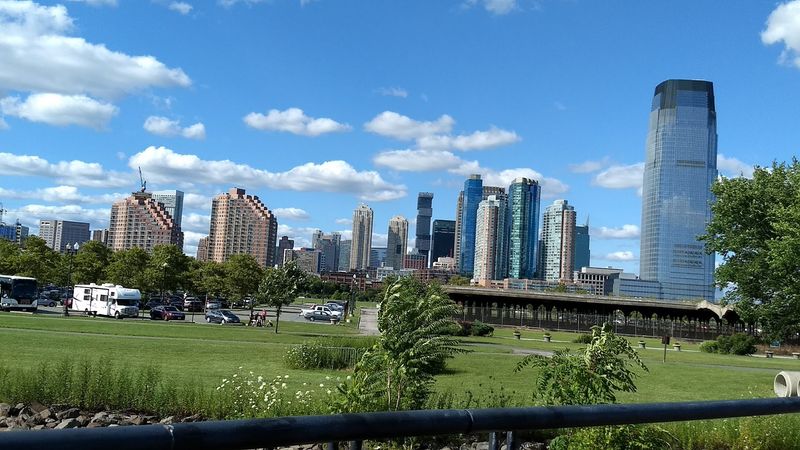
Rents under $1,000 sound almost mythical in this market. Yet some units at the Canal Crossing Project in Bergen-Lafayette are designed to hit that mark.
The project sets aside 20 percent of its units as affordable. It is a key example of a larger city plan.
Mayor James Solomon launched the Building for Working Families agenda in June 2026. It aims to maximize affordable homes and make development benefit the whole community.
The plan also leans on union labor. That means construction jobs that support local workers while new homes rise.
Critics say there is still a long road ahead. Inclusionary zoning has not always met the 15 percent affordable unit threshold citywide.
Many new buildings are also exempt from rent control. That leaves tenants in those units more exposed to big increases.
So the plan is a hopeful start, not a finish line. Watching how it plays out over the next few years will matter a lot for New Jersey cities facing similar pressures.
Want to apply for affordable units? Keep income documents organized now, since applications often move quickly once listings open.
Help Exists If You Know Where To Look
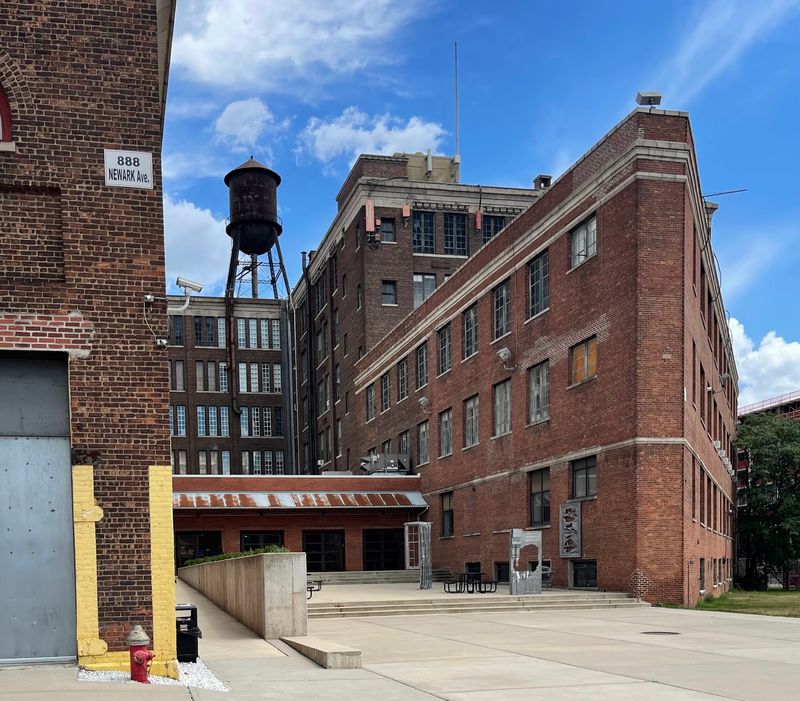
Emergency housing, security deposit help, and even storage reimbursements might surprise you. The city offers these through its Relocation Assistance for Displaced Individuals program.
The program supports tenants forced out by things like fires, code violations, or government acquisition. Aid depends on income and household size.
Homeowners have options too. The Division of Community Development runs the CDBG Home Improvement Program for eligible low- and moderate-income owners.
That program provides grant funds for needed repairs. A fixed roof or safer wiring can help a family stay put longer.
Community voices are also loud and organized. The Jersey City Anti-Gentrification Coalition pushes for stronger tenant protections across the city.
Advocacy groups often help residents understand their rights. They can point people toward resources they never knew existed.
The city now stands at a real crossroads. Growth is not slowing, but the push for fairness is growing just as quickly.
My advice is simple and practical. Save contact info for local housing offices and tenant groups now, because having it ready during a crisis makes everything easier.
