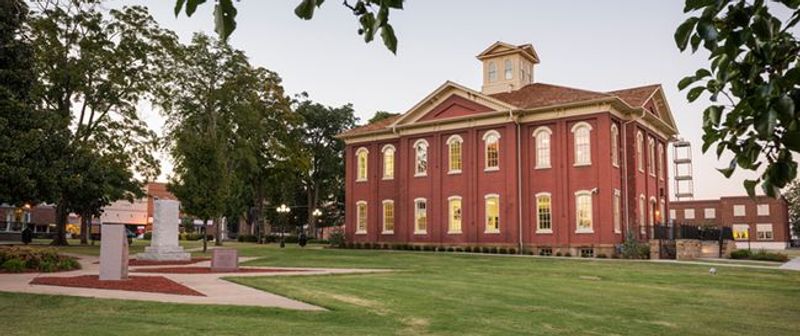
I almost drove right past it, a stately old brick building sitting under shade trees like it had nothing to prove. Then I stepped inside and spent the next two hours completely absorbed, hungry for one more story, one more painting, one more voice telling it the way it really happened.
This spot in northeastern Oklahoma lets a Native nation share its own history, in its own words, inside the very halls where it once made its laws. Best of all, it costs nothing to walk through the door.
Red Brick Landmark on a Downtown Square
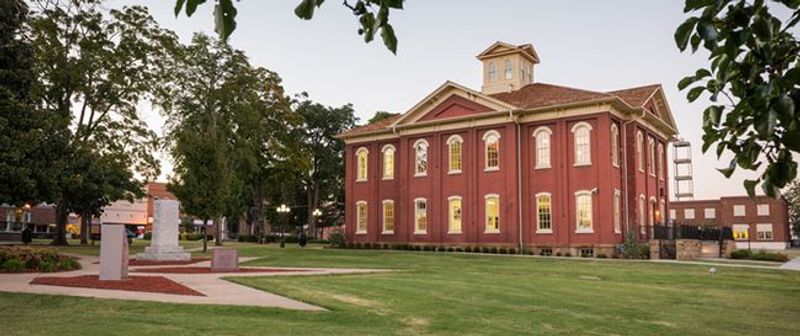
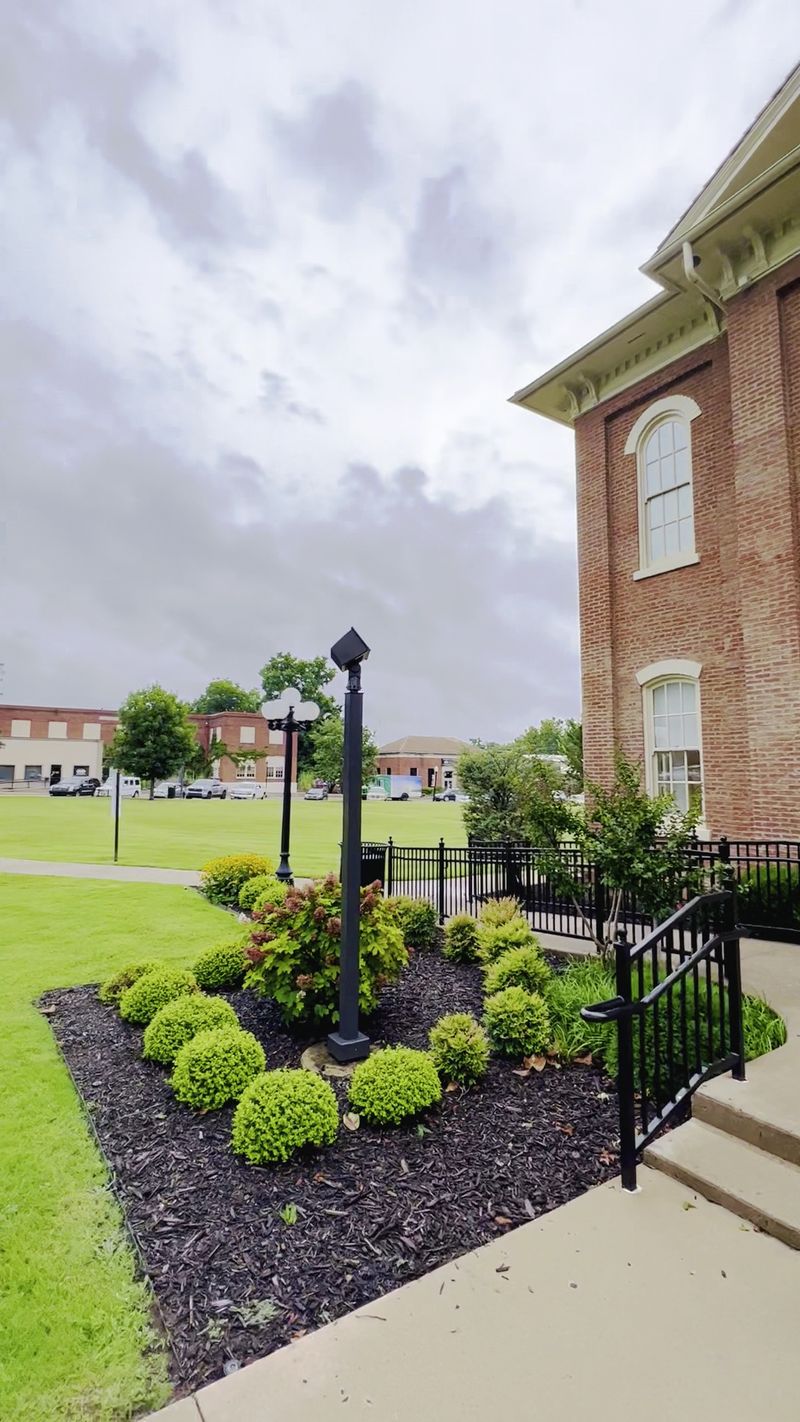
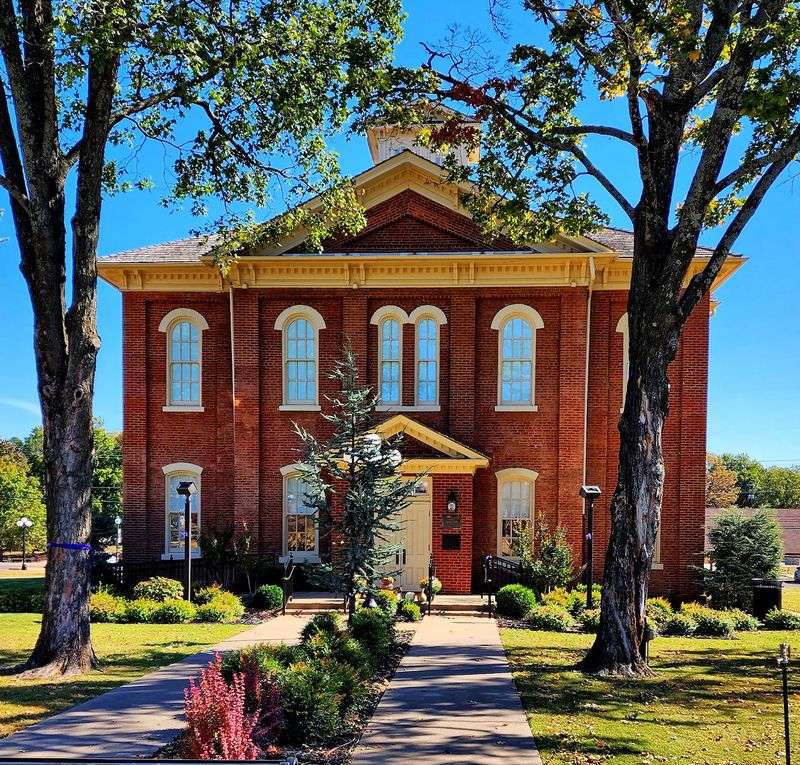
Picture a two-story red brick building sitting calmly in the middle of a downtown square, shaded by old trees and ringed by neat lawns. That is the 1869 Cherokee National Capitol, and today it goes by a new name: the Cherokee National History Museum.
You will find it at 101 S Muskogee Ave in Tahlequah, the capital city of the Cherokee Nation.
Few museums get to live inside a building that is itself the main artifact. For nearly four decades, Cherokee lawmakers, judges, and chiefs did their work within these walls, and the Nation reacquired the property in 1979.
After years of careful restoration, it reopened as a museum in 2019, with the Cherokee people telling their own story in their own space.
The building is not just a relic, either. It still serves as home to the judicial branch of the Cherokee Nation government, so history and present-day sovereignty share the same address.
Visitors often mention how pleasant it is to stroll the well-kept grounds, and the friendly, walkable downtown around it makes the museum an easy anchor for a relaxed afternoon in northeastern Oklahoma.
From Council Ground to Capitol, 1839 to 2019
Long before bricks were ever laid, this patch of ground mattered. Cherokee leaders began meeting here in 1839, shortly after their arrival in Indian Territory following the forced removal known as the Trail of Tears.
Early government buildings on the site were wooden, and they were lost during the American Civil War.
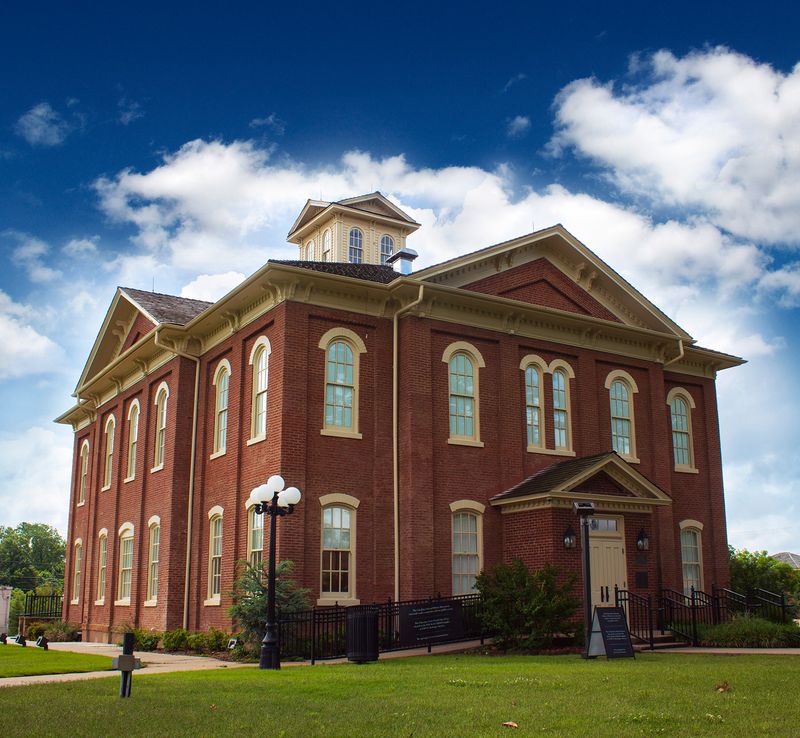
Rebuilding came quickly. Between 1867 and 1869, workers raised the Italianate-style brick Capitol you see today, designed by architect C.W.
Goodlander and built for more than $17,000, a serious sum at the time. From 1869 until 1907, all three branches of Cherokee government, executive, legislative, and judicial, operated under this single roof.
Oklahoma statehood in 1907 changed everything, as Congress dissolved the tribal government and the building passed out of Cherokee hands for decades. It earned National Historic Landmark status in 1961, and the Cherokee Nation reacquired it in 1979.
A rehabilitation in 2013 and a renovation in 2018 set the stage for its 2019 debut as a museum.
Standing in the old hallways, those dates stop feeling like numbers on paper and start feeling like a place you can touch.
An Origin Story Painted Large
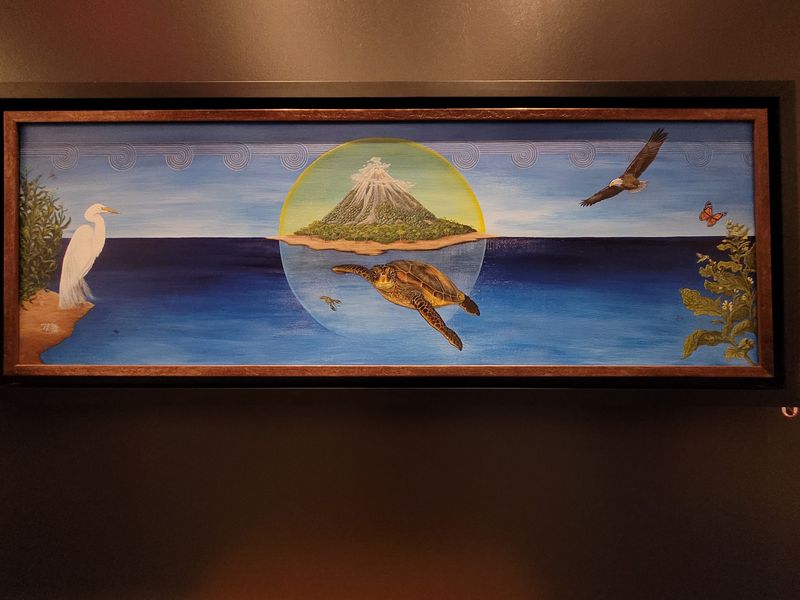
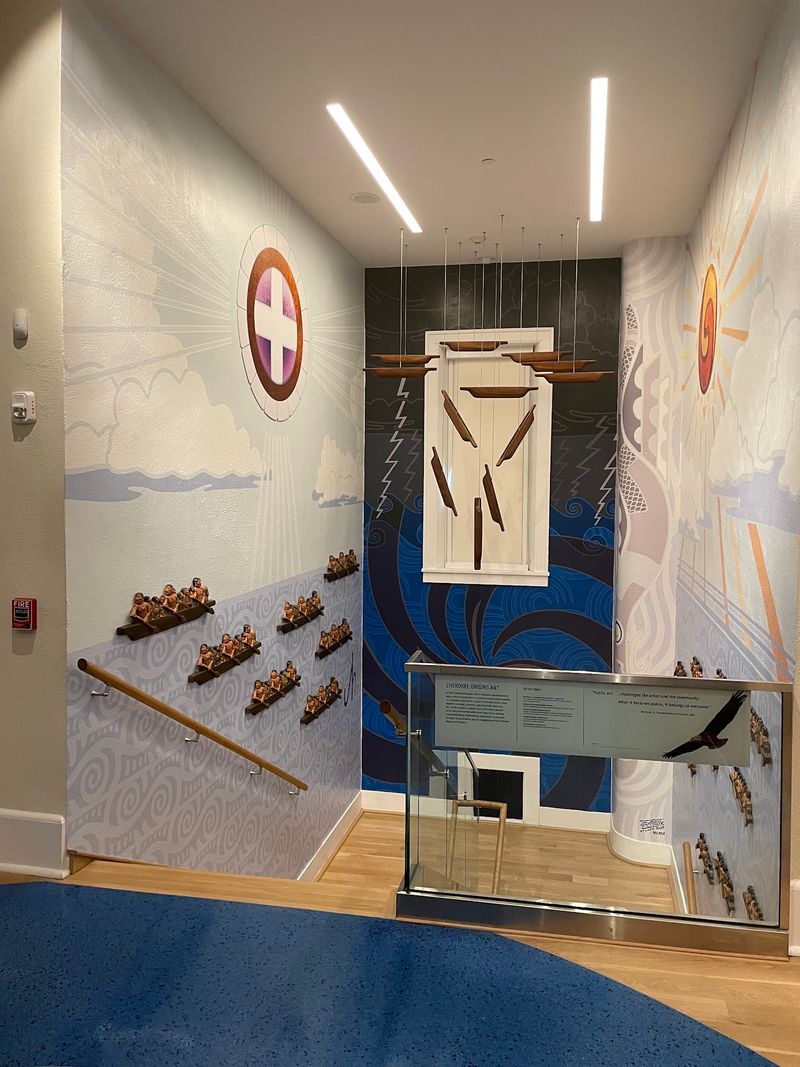
Most history museums begin with a date. Here, the journey opens with a story, told through a striking art installation that depicts one of the Cherokee Nation’s origin stories.
Visitors frequently single out this symbolic mural as a highlight, praising how it captures where the Cherokee people come from in a way no textbook paragraph could.
From there, the galleries unfold in timeline fashion. You move from life before European contact through the upheaval of removal, the Civil War years, and eventually into modern revitalization and sovereignty.
Guests say the flow feels natural and easy to follow, with plenty of chances to slow down whenever something catches your eye.
More than 7,000 square feet of exhibit space fills the old Capitol, yet it never feels overwhelming. Color and sound play a big part, with videos, photographs, and multimedia presentations layered alongside objects and text panels.
One small tip from past visitors: some of the audio runs a little quiet, so older guests may want to lean in close or find a spot nearby.
Art threads through nearly every room, not just the opening mural. That choice keeps the pace lively and gives kids and adults something visual to talk about as they walk.
The Trail of Tears Gallery, Handled With Care
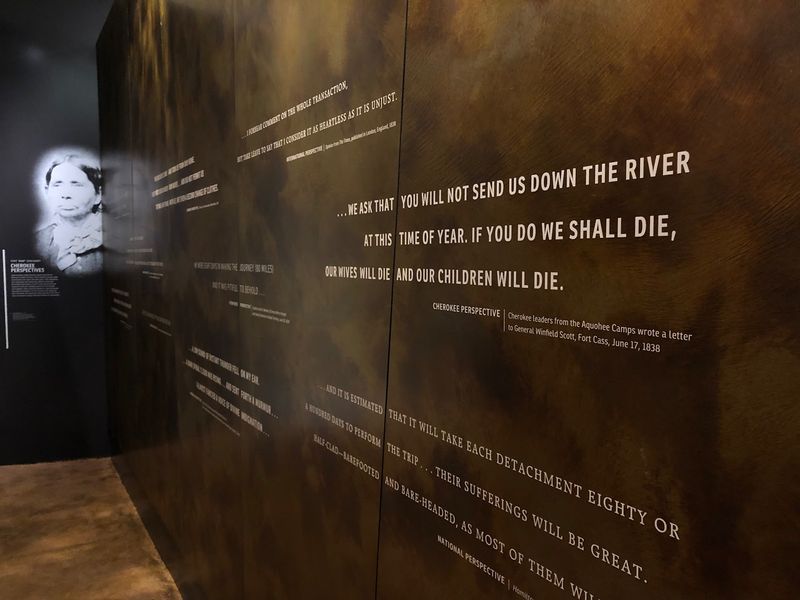
Some chapters are hard to walk through, and the museum does not pretend otherwise. A dedicated Trail of Tears gallery tells the story of the forced relocation of the Cherokee people from their southeastern homelands to Indian Territory in the 1830s.
It is the topic visitors bring up more than any other, and for good reason.
Context matters here. The 1830 Indian Removal Act and the disputed 1835 Treaty of New Echota set the removal in motion, even though the treaty signers were not elected Cherokee leaders.
Thousands of families were uprooted and made to travel roughly a thousand miles west, a journey that left deep sorrow in its wake.
What stands out is the balance. Guests describe the gallery as moving and poignant, yet it also highlights the strength and resilience of Cherokee leaders and families who rebuilt their nation on new land.
Many visitors with Cherokee heritage say the experience changed how they see their own family story.
Parents of younger children may want to preview the space first and talk things over together. The focus leans toward understanding and resilience, which can open the door to honest family conversations.
Statehood to Sovereignty in the Modern Era Gallery
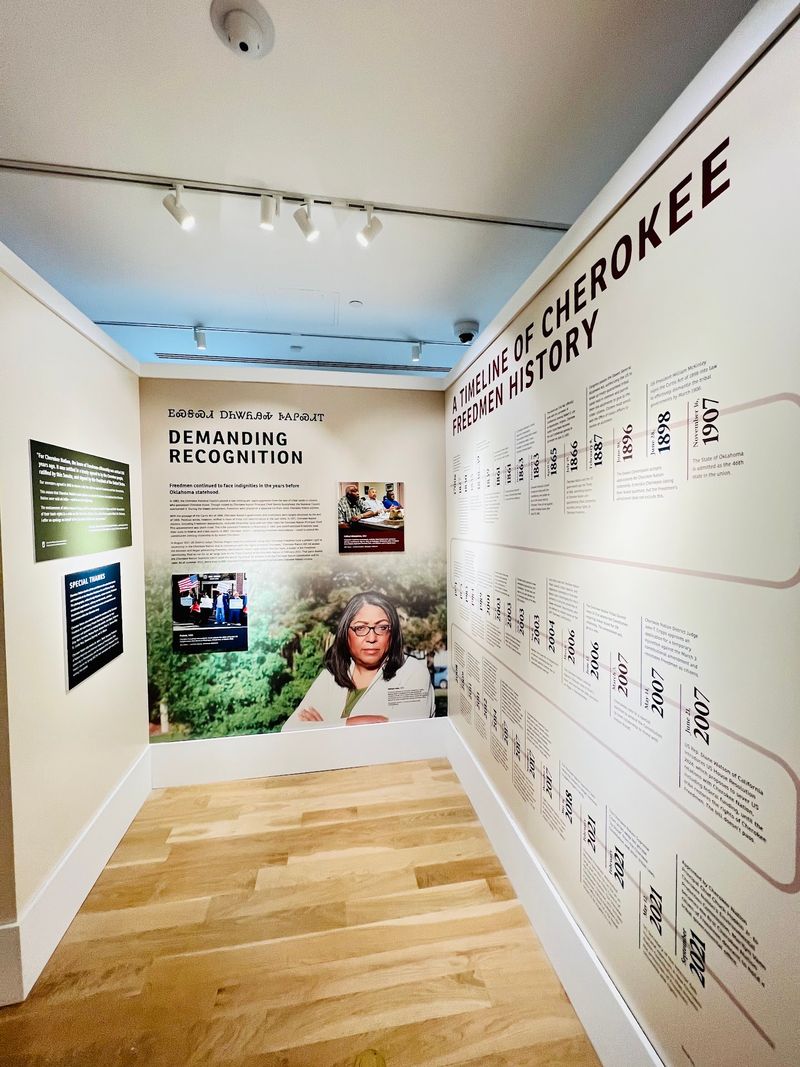
Here is where the story takes an uplifting turn. The Modern Era Gallery charts the Cherokee Nation’s path from Oklahoma statehood in 1907 all the way to the present day.
Reviewers appreciate that the museum does not stop at hardship, instead showing how the Nation has prospered and grown in recent times.
One display draws a lot of attention: an exhibit honoring Wilma Mankiller, the first female chief of a tribal nation. Among the items on view is the suit she wore when meeting President Ronald Reagan, a simple piece of clothing carrying a very big story.
Kids who think history belongs only in dusty books may be surprised to see something from the 1980s behind the glass.
A special exhibits gallery adds even more depth. During one past visit, guests found a display on the history of the Cherokee Freedmen, a story that broadens the larger picture in meaningful ways.
Special shows may change over time, giving returning visitors a reason to stop in again.
Walking out of this section, you get a clear sense that the Cherokee Nation is very much alive, governing, creating, and looking ahead with confidence.
Borrowed Treasures and Homegrown Art
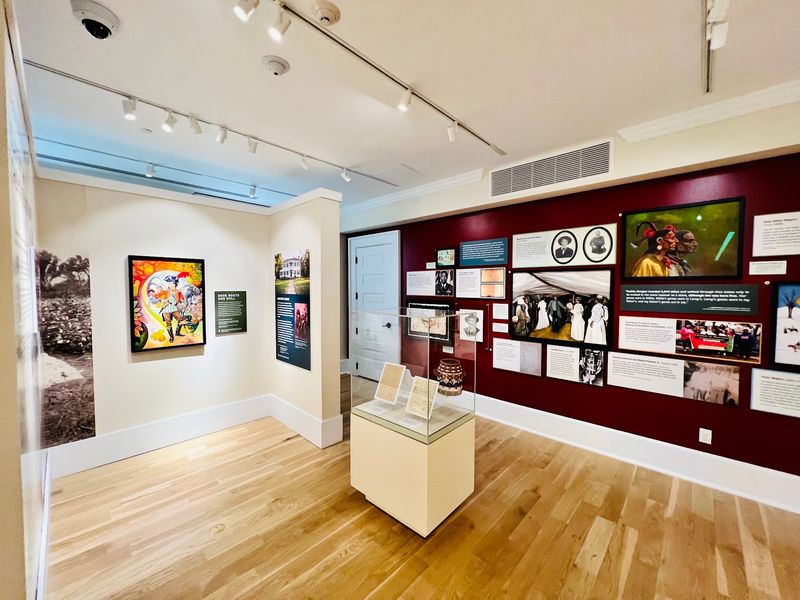
Did you know some of the objects here traveled from the Smithsonian Institution? Tribal art and artifacts on loan from the Smithsonian and Tulsa’s Gilcrease Museum appear throughout the galleries, giving a small-town museum the kind of lineup you might expect in a much bigger city.
Downstairs, a lower-level gallery focuses on Cherokee artwork. Visitors love the art woven throughout the museum, calling out beautiful displays, striking works, and pottery that rewards a closer look.
Take your time here, because details in color and texture are easy to miss on a quick pass.
Technology gets a turn too. Interactive augmented reality experiences add a modern layer to the storytelling, which tends to win over teenagers who normally drag their feet at museums.
Multimedia screens and videos bring sound and motion into the rooms, so the space feels vibrant rather than hushed.
Keep in mind that the lower level has occasionally closed for updates in the past, so a quick call ahead can help if the art gallery is your main reason for the trip. Either way, the pieces on display make a strong case that Cherokee creativity is not just a thing of the past.
Syllabary Lessons, Craft Workshops and Kind Guides
Ever tried writing your name in Cherokee? The museum offers chances to study the Cherokee syllabary, the writing system that lets the language be read and written, and visitors of every age seem to enjoy puzzling over the characters.
Workshops focused on authentic Cherokee arts and crafts may also be offered, turning a museum stop into a hands-on afternoon, so check the schedule.
Families say children stay engaged here, and some have arrived to find activities set up just for kids. That makes the museum a smart pick for school breaks, grandparent outings, or a homeschool field trip, and custom group tours are available for larger crowds.
Then there are the people. Helpful staff come up again and again in visitor feedback, with guests describing docents and hosts as kind, courteous, and full of knowledge.
Several mention long conversations with employees who explained tricky parts of the history and patiently answered every question.
The mood overall feels welcoming and unhurried. Whether you carry Cherokee lineage and want to connect with your roots or you simply love Oklahoma history, the building has a way of making everyone feel like an invited guest rather than a passerby.
Hours, Free Admission and Parking Tips
Good news for budget-minded road-trippers: admission costs exactly $0. The museum is free, though many guests encourage dropping a donation or picking up something from the gift shop to support the work.
Timing takes a little planning. Doors open Tuesday through Saturday from 10 a.m. to 4 p.m., and the museum is closed Sundays and Mondays, a detail that has surprised more than one weekend traveler.
Most people spend around two hours inside, so arriving by 2 p.m. gives you time to see everything without rushing.
Accessibility is a strong point, with a few insider tips. The building is ADA compliant, and disabled parking sits directly behind the building, along with the accessible entrance.
The ramp is a bit steep with handrails on both sides, and at the top, look right for an easy-to-miss button that opens the doors.
Inside, guests report a working elevator and clean restrooms. For questions about group tours, current exhibits, or any schedule changes, call 877-779-6977 or check the Visit Cherokee Nation website before heading out.
Tahlequah sits in northeastern Oklahoma, an easy day trip from Tulsa, and the walkable downtown makes it simple to explore the square once you finish.
A Free Afternoon Worth the Drive
Plenty of places promise history, but few let a nation speak for itself inside the very building where it once governed. That is the quiet power of the Cherokee National History Museum, and it lingers long after you step back out onto the square.
For families, the mix of art, technology, and hands-on activities keeps young minds busy while grown-ups soak up the details. For Cherokee citizens and descendants, many visitors describe the trip as a meaningful way to learn about their own heritage.
Retirees and history buffs will appreciate the 1869 architecture as much as the exhibits themselves.
No, it is not a sprawling complex, and a few guests wish the gift shop offered more. Think of it as a well-edited book rather than an encyclopedia.
The compact size works in its favor, since you can take in the whole story in an afternoon without tired feet or a drained wallet.
Pack a little curiosity, check the hours, and plan to wander the downtown blocks afterward. With free admission, friendly guides, and a story told with honesty and pride, this red brick landmark makes a strong case for pointing the car toward northeastern Oklahoma on your next open Saturday.
