I pulled off the road in south central Oklahoma expecting a quick stretch of the legs and maybe a snack. Instead, I found myself holding hands in a circle of strangers, stepping to the beat of turtle shell rattles while a singer called out words older than the state itself.
A few hours later I was eating grape dumplings and wondering why nobody had told me about this place sooner. If you think you already know your home state, this stop might quietly change your mind.
A 184-Acre Campus in the Arbuckle Foothills
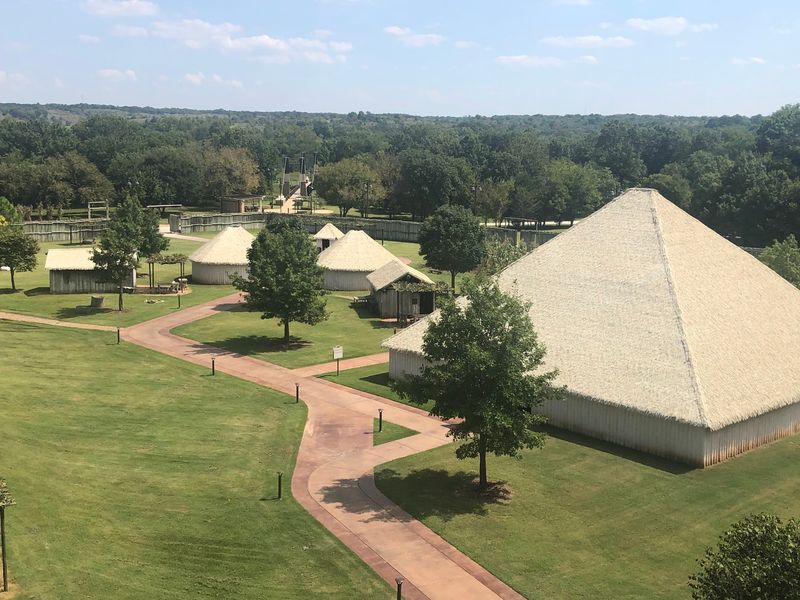
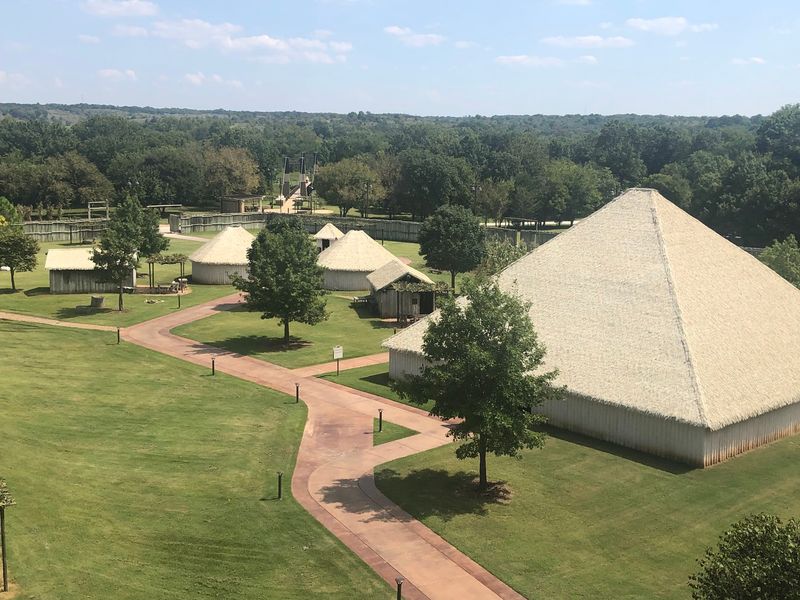
Tucked into the green, rolling country near the Chickasaw National Recreation Area, the Chickasaw Cultural Center spreads across 184 acres in Sulphur, Oklahoma. It sits at 867 Cooper Memorial Road, and the drive in feels more like entering a park than pulling up to a museum.
So what exactly is it? Think of it as a living home for Chickasaw culture.
The Chickasaw Nation built the center to share its language, stories, food and ceremonial dance with anyone curious enough to visit, and it treats that culture as something happening right now, not something stuck behind glass.
Visitors often say the campus is bigger than they expected. You will find an exhibit hall, a theater, a research library, a café, a gift shop, gardens, a recreated traditional village and a bridge that links the grounds to a wider natural preserve.
For most Oklahomans, getting here is a manageable day trip. It is roughly a 90-minute drive from Oklahoma City, which puts it squarely in easy-yes territory for a weekend outing.
Pack comfortable shoes. The walking adds up, and many guests say you can easily fill an entire day without running out of things to see.
Why the Chickasaw Story Belongs Here
Long before Oklahoma had a name, the Chickasaw people lived in the southeastern part of what is now the United States. Their story includes deep roots in that land, a forced removal westward, and a determined rebuilding in Indian Territory.
That journey shapes everything at the center. One visitor described it as a taste of Chickasaw life both before and after removal, and that framing helps the whole campus make sense.
Here is a detail worth remembering. The Chickasaw Nation is one of Oklahoma’s 39 federally recognized tribes, and it operates as a modern government with schools, health services and cultural programs of its own.
So a visit here is not a history lesson about a vanished people. It is a chance to meet a nation that is very much present, sharing its heritage on its own terms.
Families who come say they want their kids to hear more than one side of history. Plenty of parents mention leaving with a richer picture than any single textbook could offer.
Approach the visit with an open mind, a little patience and some time to read. The stories reward anyone willing to slow down and listen.
Chikashshanompa’, a Language Still Spoken
Hearing a word spoken aloud changes how you remember it. That is the quiet idea behind the language stations scattered through the exhibits, where guests of any age can listen to Chikashshanompa’, the Chickasaw language.
You will notice Chickasaw names everywhere on campus. The café is Aaimpa’, meaning a place to eat, and the theater is Anoli’, which means stories.
Trying to pronounce them becomes a fun little game for kids and grown-ups alike.
The Chickasaw Nation treats its language as a gift from ancestors, and revitalization is a real priority. The center serves as a hub for that work rather than just a display about it.
Want to keep learning at home? Chickasaw.TV hosts a language channel with lessons, songs and stories, and community classes are offered in Sulphur.
For a more structured option, Ithana: The Learn and Lunch Series meets monthly at the Holisso research center. An optional lunch is sometimes available for a small fee, so check ahead if that interests you.
Even five minutes at a listening station can leave you humming a new word on the drive home.
Stomp Dance Circles You Can Join
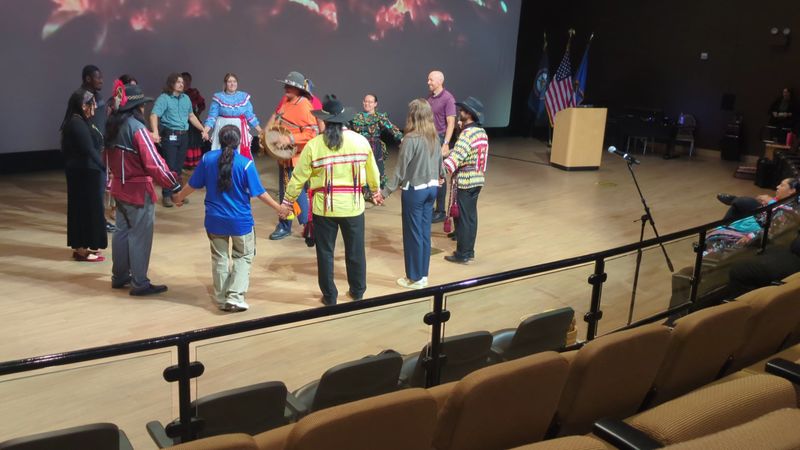
Picture a line of dancers moving in a slow spiral, a leader singing out and everyone answering back. That call-and-response rhythm is the heartbeat of the stomp dance, and the center shares it with visitors through daily demonstrations.
The best part might surprise you. Dancers often invite guests to step into the Friendship Dance, and parents say their kids love becoming part of the circle instead of just watching it.
Where the dance happens depends on the weather. Performances may take place in the Chikasha Inchokka’ Traditional Village, the Kochcha’ Aabiniili’ Amphitheater, or indoors at the Anoli’ Theater when Oklahoma skies turn uncooperative.
Listen closely to the sounds. Men carry turtle shell rattles, and women wear leg shakers that keep the beat with every step, creating a rhythm that feels tied to nature itself.
Stomp dance is one of the most mentioned highlights among visitors, and it is easy to see why. Watching it is memorable, but joining in sticks with you.
Ask staff about the day’s schedule when you arrive. Planning your walk around the dance time keeps you from missing it.
The Glowing Stomp Dance Gallery
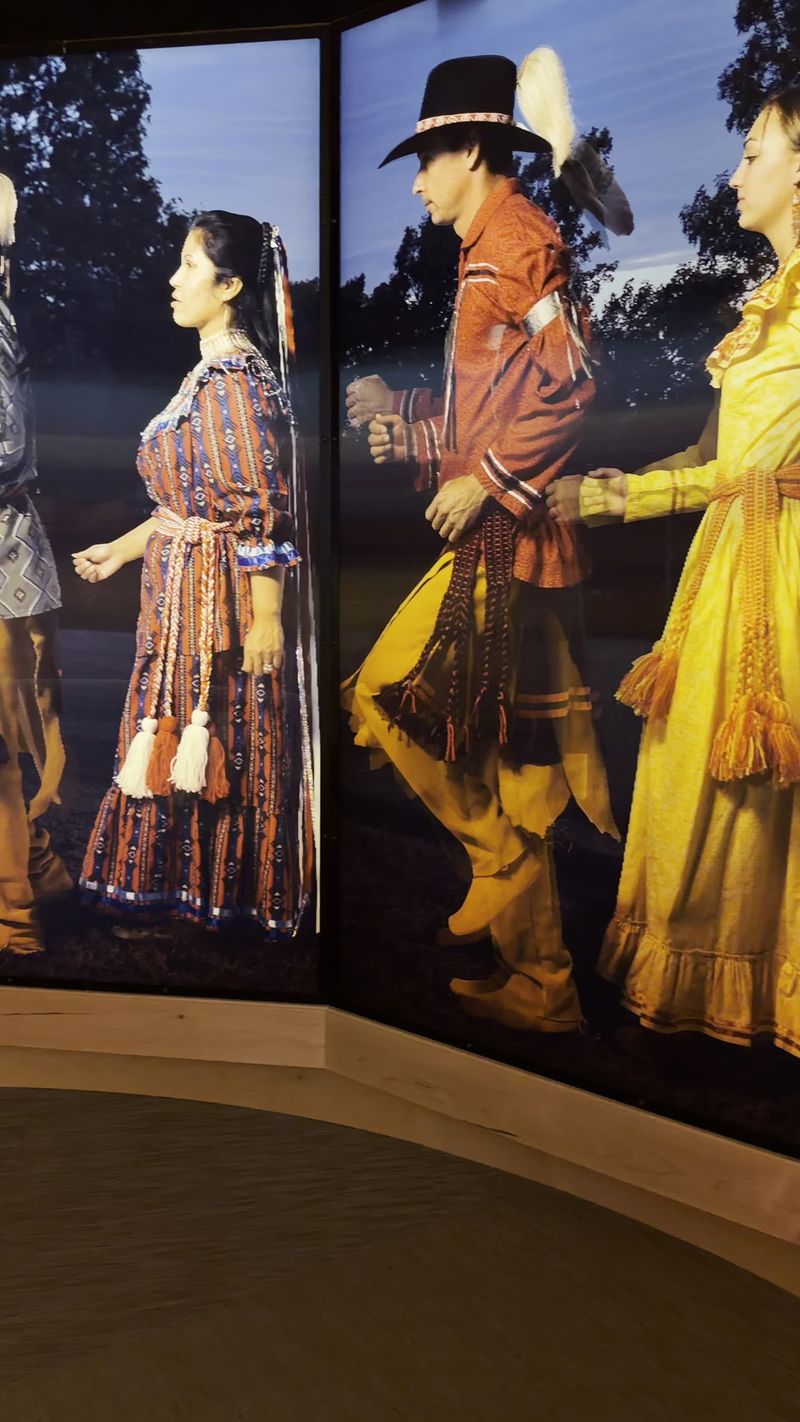
Rain on your parade? Head indoors.
The stomp dance gallery explains the tradition in a way that works on any day, hot or stormy.
Holograms of dancers circle a symbolic glowing campfire, and the effect is quietly striking. The room feels hushed, almost like gathering around a real fire at night.
Panels and recordings break down the pieces that make the dance meaningful. You learn how the songs pass back and forth between leader and dancers, and why the shells and shakers matter.
Here is a neat fact. The rattles and shakers were traditionally made from turtle shells, and their sound helps set the pace for everyone in the circle.
For kids, the gallery gives context before or after the live performance. Seeing the holograms first may help them understand what is happening when real dancers take the floor.
Adults tend to linger longer than they planned. The mix of light, music and explanation makes a spiritual tradition feel approachable without stripping away its importance.
Give yourself at least fifteen minutes here. It is a calm pocket in a busy campus and a great place to cool off.
Spirit Forest and the Chikasha Poya Exhibits
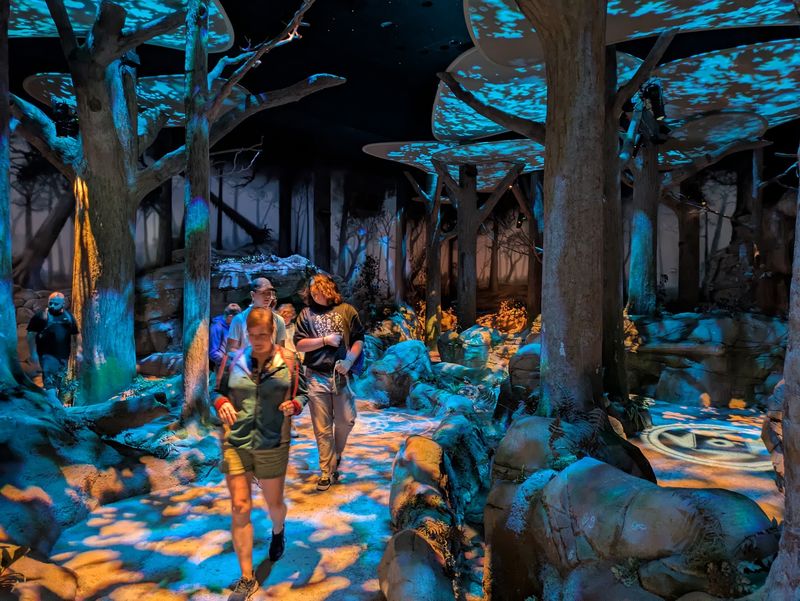
Walk through a doorway and suddenly you are in the woods. Spirit Forest, inside the Chikasha Poya Exhibit Center, wraps you in an immersive forest that explains how Chickasaw people connect with the natural world.
Guests rave about it. One called it a wonderful forest simulation, and kids tend to slow down here, pointing at details and listening for sounds.
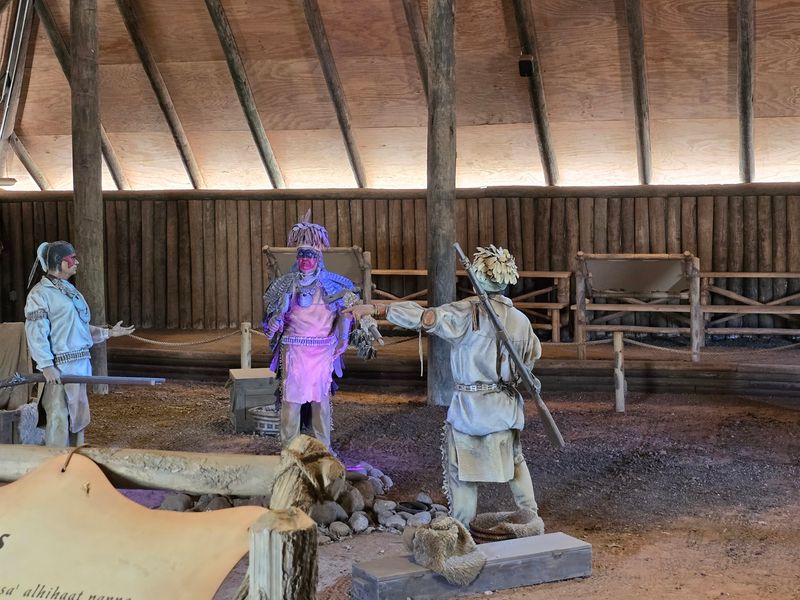
Beyond the forest, the exhibit hall starts with the basics of Chickasaw culture and builds from there. Hands-on displays, artifacts and multimedia pieces carry you through the nation’s way of life.
The quality stands out. The exhibits are often described as Smithsonian-level, and many visitors say they took their time reading and listening so they would not miss anything.
A section on removal and the Trail of Tears is deeply moving. Letters from children and other personal items make the history feel close, so parents may want to talk with younger kids beforehand.
One practical note: the Chikasha Poya Exhibit Center is the part of campus that charges admission. Check current prices before you go, since fees and exhibit updates can change during ongoing campus construction.
Stories on Screen at the Anoli’ Theater
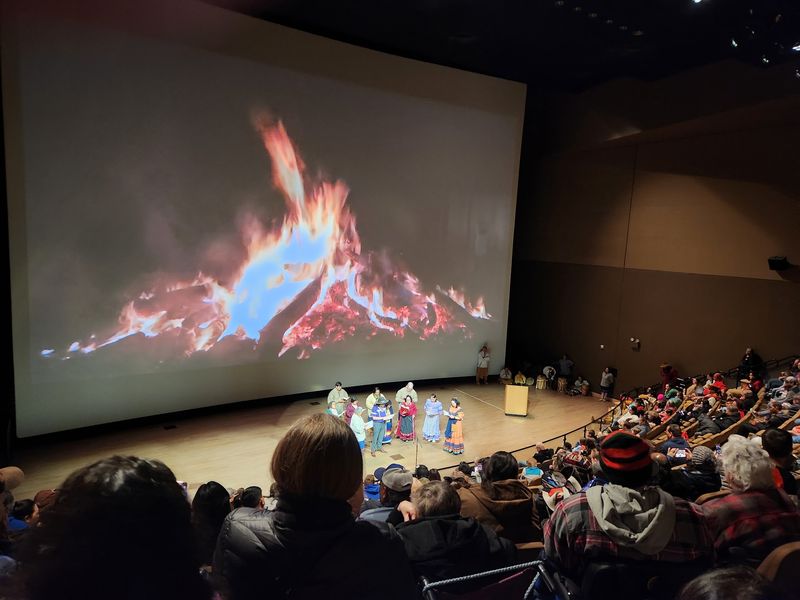
Anoli’ means stories in Chickasaw, and the name fits perfectly. The theater shows films and documentaries that trace the Chickasaw people’s journey through hardship, change and renewal.
Visitors regularly call the movies fantastic. They give a strong overview, so catching a showing early in your visit can make the rest of the campus click into place.
Beyond film, the Chickasaw Living History Players bring the past to life through original plays and short vignettes. These performances often happen on campus and turn family stories into something you can watch unfold.
A quick tip from one guest’s experience: the theater can run chilly or warm depending on the day. Bringing a light layer is smart, and the lobby has even sold sweatshirts.
The theater also doubles as a backup stage for stomp dance when weather pushes things indoors. That flexibility means your trip is less likely to be ruined by a summer storm.
Sit back and let the stories do the work. After walking the grounds, a comfortable seat and a good film feel like a welcome breather.
Summer and Winter Homes in the Traditional Village
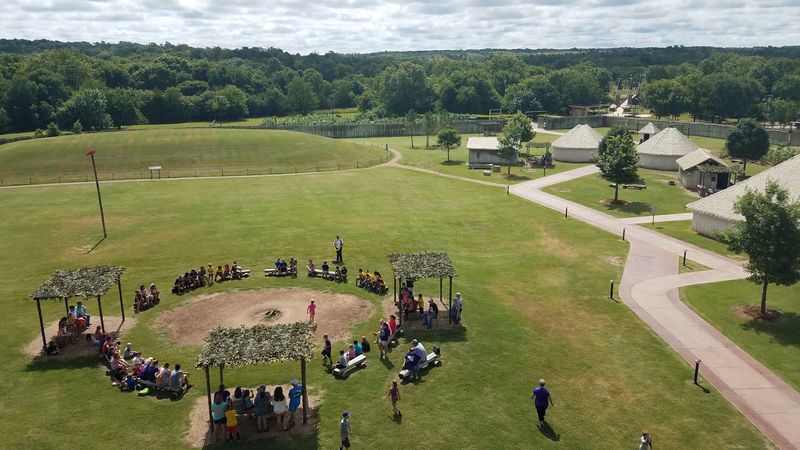
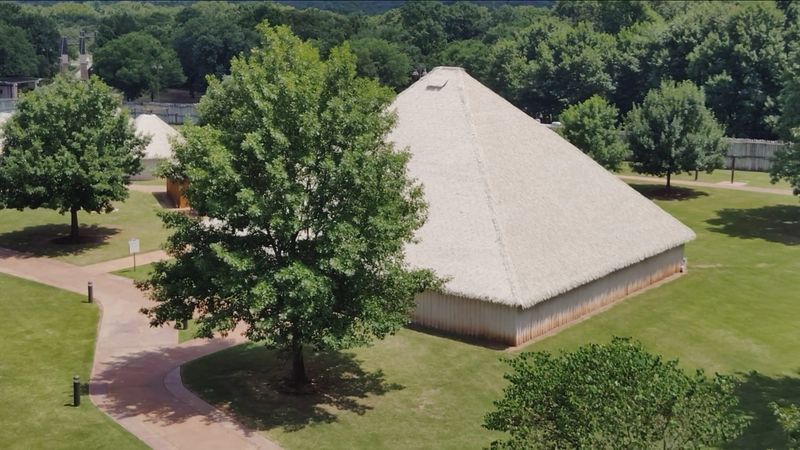
Step outside, and the past is suddenly something you can walk through. The Chikasha Inchokka’ Traditional Village recreates a Chickasaw settlement with historical accuracy.
You will see summer houses built for airflow and winter houses designed to hold warmth. A corn crib, ceremonial buildings, a dance circle and a simulated Mississippian-style mound round out the scene.
Guides explain how families actually lived here season to season. Visitors often mention learning about the different homes as a highlight, especially for kids who love poking their heads into doorways.
Want the best view? Climb up to the Sky Pavilion, which overlooks the whole village.
It is a great spot for photos and for understanding how the layout fits together.
Staff have even taught visiting kids to play stickball, a traditional game, and joined in the fun. That kind of hands-on moment tends to be what children remember most.
Plan around the clock here. The village typically closes around 4:30 p.m., a bit earlier than the rest of campus.
Some areas have been roped off during construction, so ask what is open when you arrive.
Grape Dumplings, Pashofa and Bison at Aaimpa’ Café
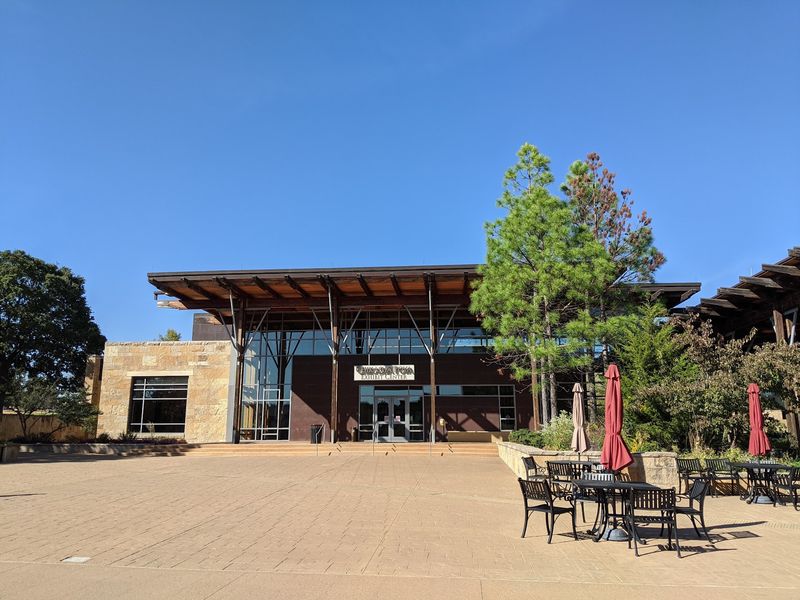
Hungry yet? You should be.
The Aaimpa’ Café, whose name means a place to eat, might be the most talked-about stop on campus after the dances.
The menu blends traditional Chickasaw dishes with familiar favorites. Try Nannachampoli’, sweet grape dumplings, or Pashofa, a meaningful corn porridge with deep roots in the culture.
Indian tacos come piled on fry bread with bison, and a three sisters salad celebrates corn, beans and squash. One dad said the venison stew was the best he had ever tasted, and he claimed to have eaten plenty.
Prefer something classic? Bison burgers and charbroiled ground elk mountain burgers keep picky eaters happy while still feeling special.
Guests repeat one phrase over and over: lunch here is a must. Several say they planned their visit around eating at the café, and nobody seemed to regret it.
Prices and menu items can shift, so treat this as a delicious preview rather than a guarantee. Arriving before the noon rush may help you grab a table and enjoy your meal without hurry.
Gardens, Turtles and the Friendship Bridge
Some of the sweetest moments here have nothing to do with exhibits. Feeding the turtles, for instance, ranks as a favorite memory for more than one visitor.
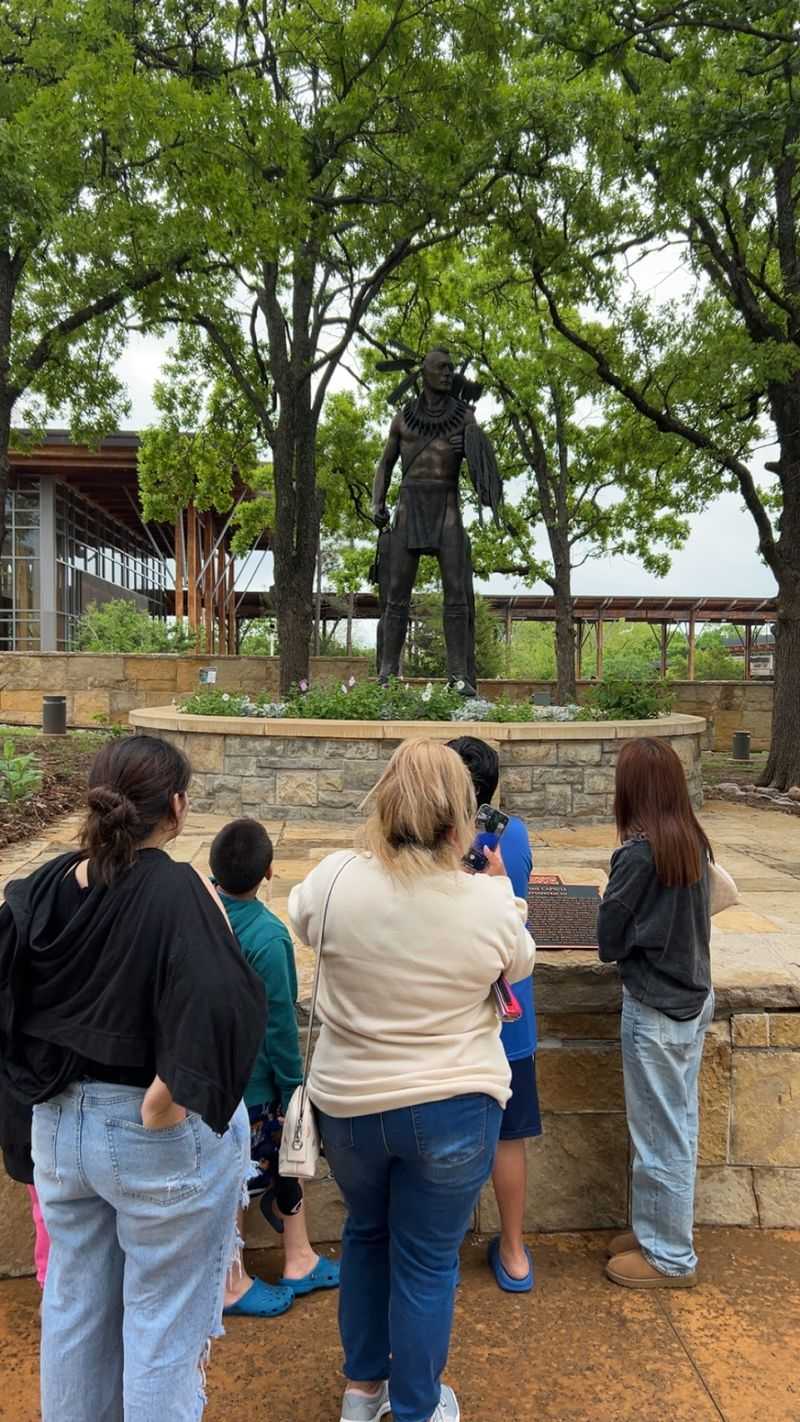
The Aaholiitobli’ Honor Garden pays tribute to Chickasaw leaders, elders and warriors. It is a quiet, reflective space, and guests often describe the whole campus as peaceful.
Wander a little farther and you will find a spiral garden and a big garden where, according to one visitor, guests have even been allowed to pick things. There are also statues throughout the grounds that make for lovely photo stops.
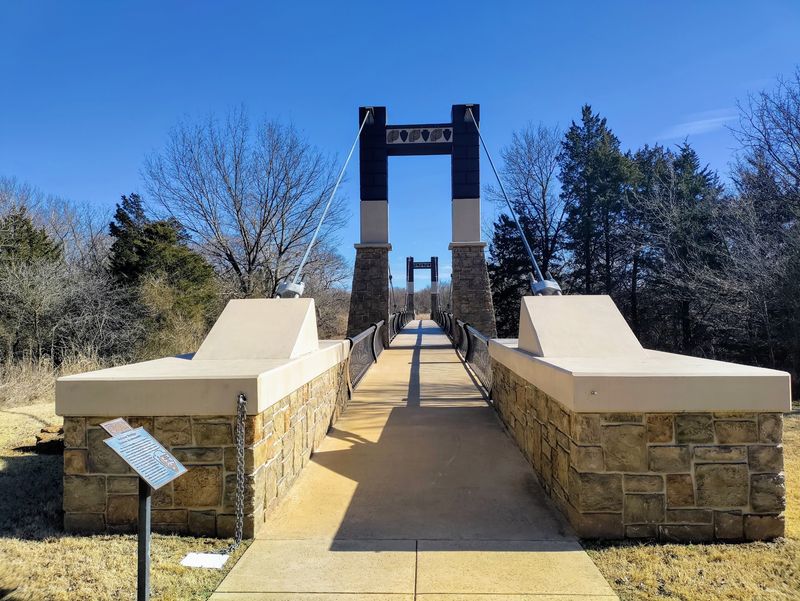
The Friendship Bridge connects the campus to a larger natural preserve. Crossing it feels like a small adventure, especially with trees all around.
Warm weather brings extra life. The center has hosted a butterfly festival and maintains a butterfly garden, which can be a treat for young nature lovers.
Oklahoma summers get very hot, and visitors recommend choosing a cooler day for outdoor wandering. Bring water, sunscreen and a hat, and take breaks in the shade or indoors when the heat climbs.
Family Roots at Holisso Research Center
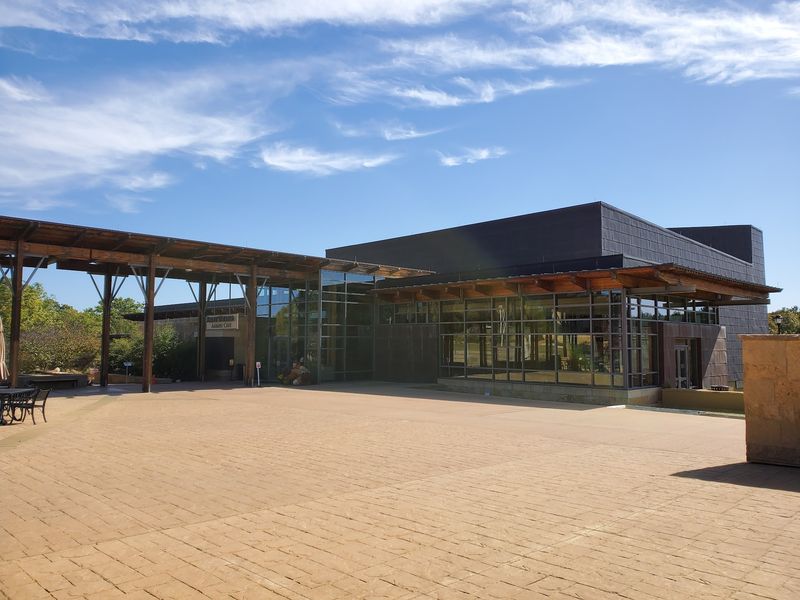
Ever wondered where your family’s story really begins? Holisso: The Center for Study of Chickasaw History and Culture could help you find out.
The research center holds a vast collection of tribal archives. Guests can trace family records, and one visitor praised staff for patient help searching land allotment history.
Even if genealogy is not your thing, the space is worth a peek. A visitor described the library as cute and the people inside as friendly and helpful.
Holisso also hosts the monthly Ithana language series mentioned earlier, which makes it a learning hub as well as an archive. Locals interested in deeper study may want to keep an eye on its schedule.
Here is a tip for serious researchers. Bring whatever names, dates and documents you already have, since starting with a few known details can speed up the search.
For many Oklahomans with Chickasaw ancestry, this room carries special meaning. Plenty of families say the visit helped them celebrate and understand their own heritage more fully.
Hours, Costs and Getting Around
Good news for budget-minded travelers: much of the campus costs nothing. The Traditional Village, Honor Garden and most of the grounds are free, while the Chikasha Poya Exhibit Center charges admission.
Hours run Tuesday through Saturday, 10 a.m. to 5 p.m. The center is closed Sunday and Monday, so do not plan a Monday road trip around it.
Call 580-622-7130 to confirm before heading out.
Getting around is easier than the size suggests. Trams and golf carts can pick you up from the parking area, and guests say drivers happily share stories along the way.
One visitor stumbled onto the center by driving behind Veterans Lake on Cats Eye Road. Signage can be light, so using GPS with the full address is wise.
Construction has been underway on campus, with work expected to stretch over several years. Some areas may be moved or temporarily closed, so ask staff what is open.
Do not skip the gift shop. Guests mention quality items, and the center has offered free comic books that kids reportedly read cover to cover within a day.
Worth the Drive in Any Season
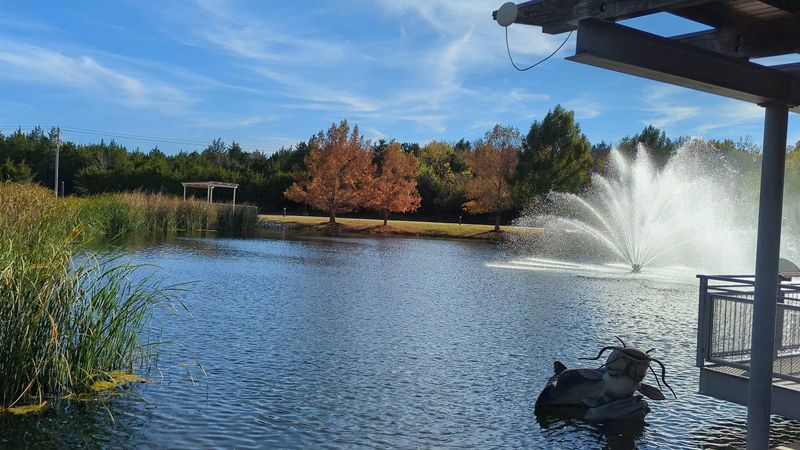
Every season brings a different reason to return. Spring and summer offer gardens, butterflies and outdoor dancing, while fall weather makes the long walks far more comfortable.
Winter has its own sparkle. Guests have raved about a free Christmas drive-through light display with beautiful scenery and plenty of photo opportunities, though dressing warmly is a must.
Festivals add extra fun too. Families who attended the Toompalli festival mentioned lots of activities for children, along with the joy of seeing young people carry dance traditions forward.
Who will love it most? Families wanting kids to learn by doing, grandparents who enjoy thoughtful history, and anyone curious about the nations who call Oklahoma home.
The staff deserve their own mention. From gate guards to cart drivers to café servers, visitors keep describing warm, knowledgeable people who make them feel genuinely welcome.
So, is it worth the drive? For a modest cost, a full day of learning, a plate of grape dumplings and a chance to join a stomp dance circle, the answer seems pretty clear.
Take your time here, or you might miss some of its treasures.
