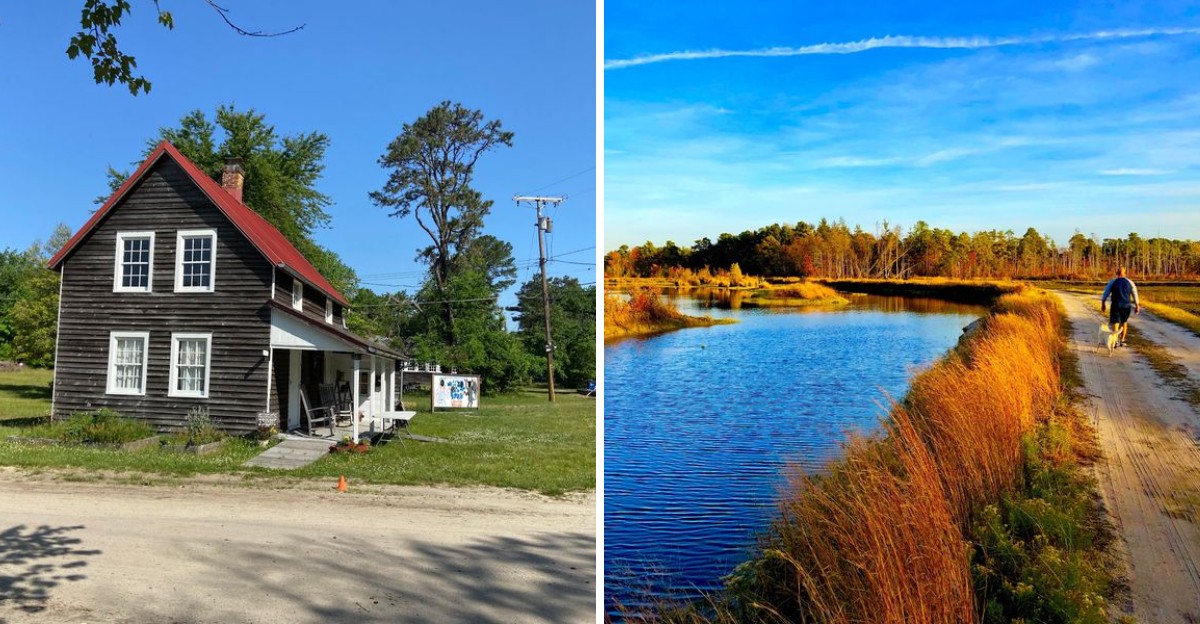
Some places grab you slowly, and this one did exactly that. Sandy roads crunch underfoot, pine trees lean in close, and wide stretches of water throw the sky right back at you.
I came expecting a quiet walk and left with a whole new appreciation for a fruit I had always taken for granted.
Set into the pine forests of New Jersey, an old farming settlement holds one of the biggest agricultural breakthroughs of the last century, and almost nobody talks about it.
Weathered wooden buildings still stand along the lanes, and the fields where the whole story started are just a short stroll away. If you like history that comes with birdsong, muddy shoes, and a little sweetness, keep reading.
Where the Blueberry Stopped Being Wild
Blueberries were once a fruit you foraged, not something you bought by the pint. That changed in these sandy fields, where wild plants were studied, selected, and slowly coaxed into a crop that farmers could actually grow.
In 1916, Elizabeth Coleman White, a farmer with a sharp eye for possibility, and Dr. Frederick V. Coville, a botanist with the U.S.
Department of Agriculture, succeeded in developing the first commercially viable highbush blueberry. Their work launched an entirely new agricultural industry.
What gets me is how ordinary the setting looks. No grand laboratory, no marble plaque, just soil, pines, and patience.
Today, Whitesbog Historic Village preserves that origin story in a way that feels refreshingly unpolished. Walk the paths and you pass the same kind of acidic, sandy ground that made the experiments possible in the first place.
Next time you toss berries into a bowl of cereal, remember they trace back to a quiet stretch of pine country.
Cranberries Came First, and You Can Still See Why
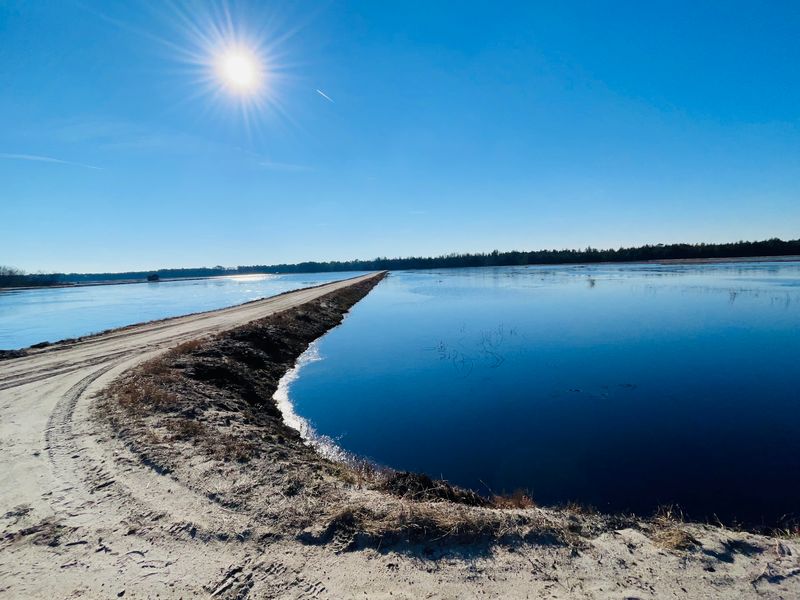
Long before anyone thought about taming blueberries, this land was all about cranberries. The bogs came first, and they shaped everything that followed.
Founded in 1857, the farm grew into one of the largest cranberry operations in New Jersey by the early 1900s. Joseph J.
White, Elizabeth’s father, was a leading figure in that industry, and the family business gave her the training and the land to experiment.
Elizabeth began working on the family farm in 1893. She noticed the sandy, acidic soil between the bogs sitting mostly unused and started wondering what else could thrive there.
That practical curiosity is what led her toward the wild blueberries scattered across the Pine Barrens.
Today the bogs still stretch out in neat geometric shapes, rimmed by pine and edged with sandy roads. Some are working sections, so certain areas stay off limits, but the views from the trails are generous enough.
Water, sky, and silence make a pretty good combination.
A Farmer and a Botanist Who Refused to Give Up
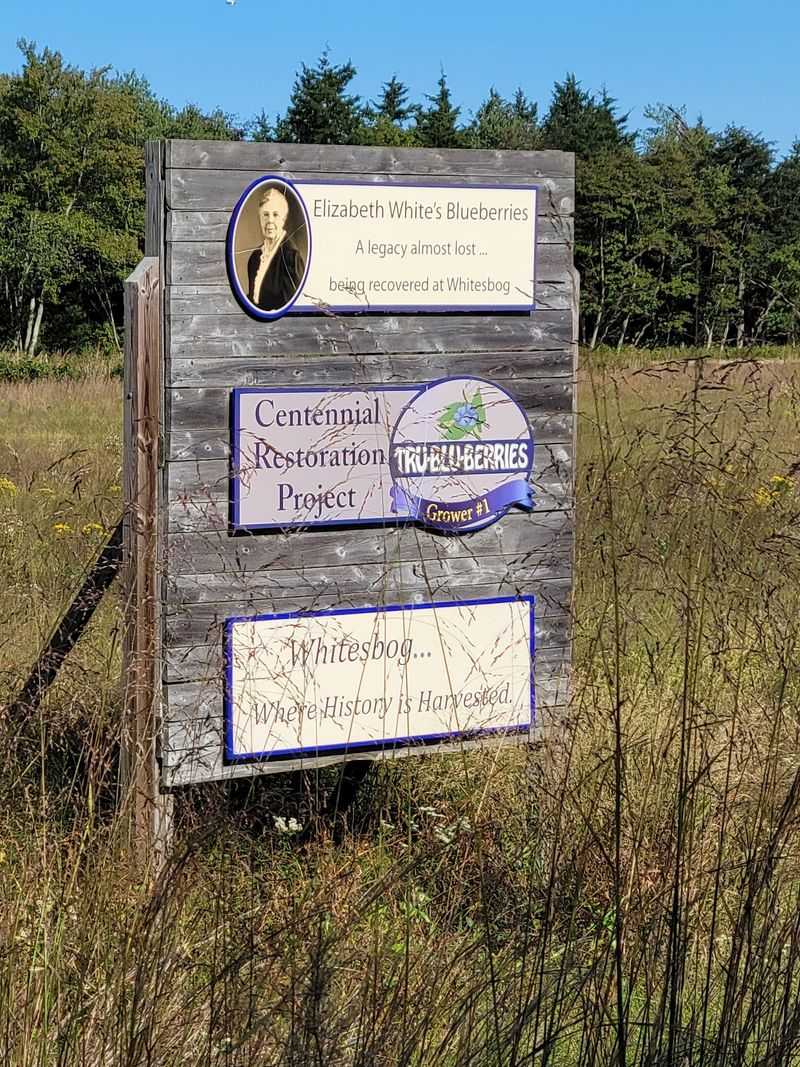
Two very different skill sets met here, and the combination worked beautifully. Coville had spent years studying wild blueberry physiology, figuring out why the plants insisted on acidic soil and refused to cooperate otherwise.
White brought hands-on farming knowledge, familiarity with the Pine Barrens, and access to land where real trials could happen.
Starting in 1911, the two collected and cross-bred wild blueberry plants gathered from the surrounding woods. They tracked traits like berry size, flavor, plant vigor, and resistance, then kept only the strongest candidates.
It was slow, repetitive, unglamorous work. Notes, tags, seasons of waiting.
By 1916 the persistence paid off with a blueberry that could be grown commercially, which is the reason grocery stores carry them year after year.
Reading about it is one thing. Standing near the old test fields at Whitesbog Historic Village, with wild bushes still growing along the edges, makes the whole effort feel surprisingly close and human.
Twenty Five Old Buildings With Stories in the Walls
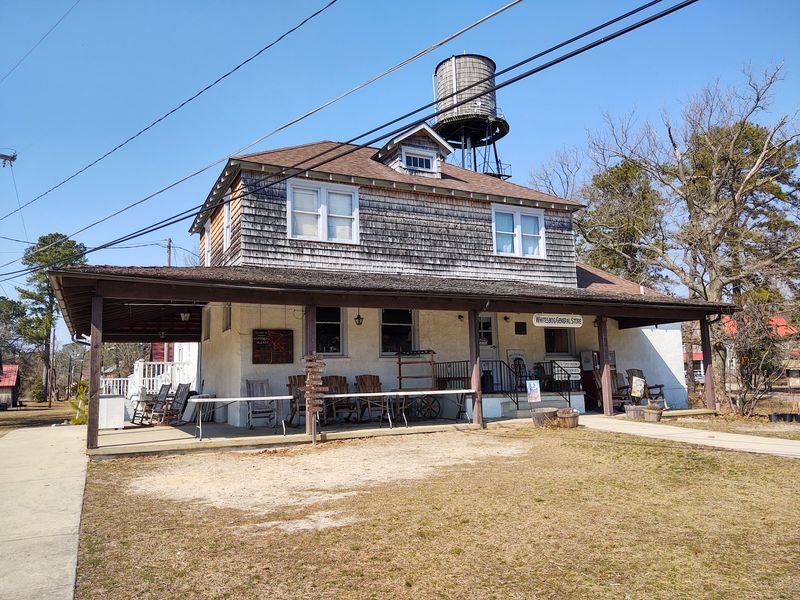
Old company towns rarely survive intact, which makes this collection of structures special. Twenty five historic buildings still stand, lined along sandy lanes that once carried workers, wagons, and crates of fruit.
Between roughly 1890 and 1925, this was a self-sufficient settlement. Workers lived here, shopped here, and sent their children to school here.
You will spot the pay office, storage buildings, processing structures, the schoolhouse, and rows of modest cottages. Not every building opens to the public every day, but the exteriors do plenty of talking on their own.
Peeling paint, uneven porches, and weathered siding give the place an honest, lived-in character that no reconstruction could fake.
There is also a small museum that helps connect the dots between the buildings and the people who filled them.
Give yourself time to wander slowly. The layout rewards curiosity, and half the fun is noticing details like old hardware, faded signage, and the way the pines crowd right up to the edges.
Three Thousand Acres of Pine Barrens Calm
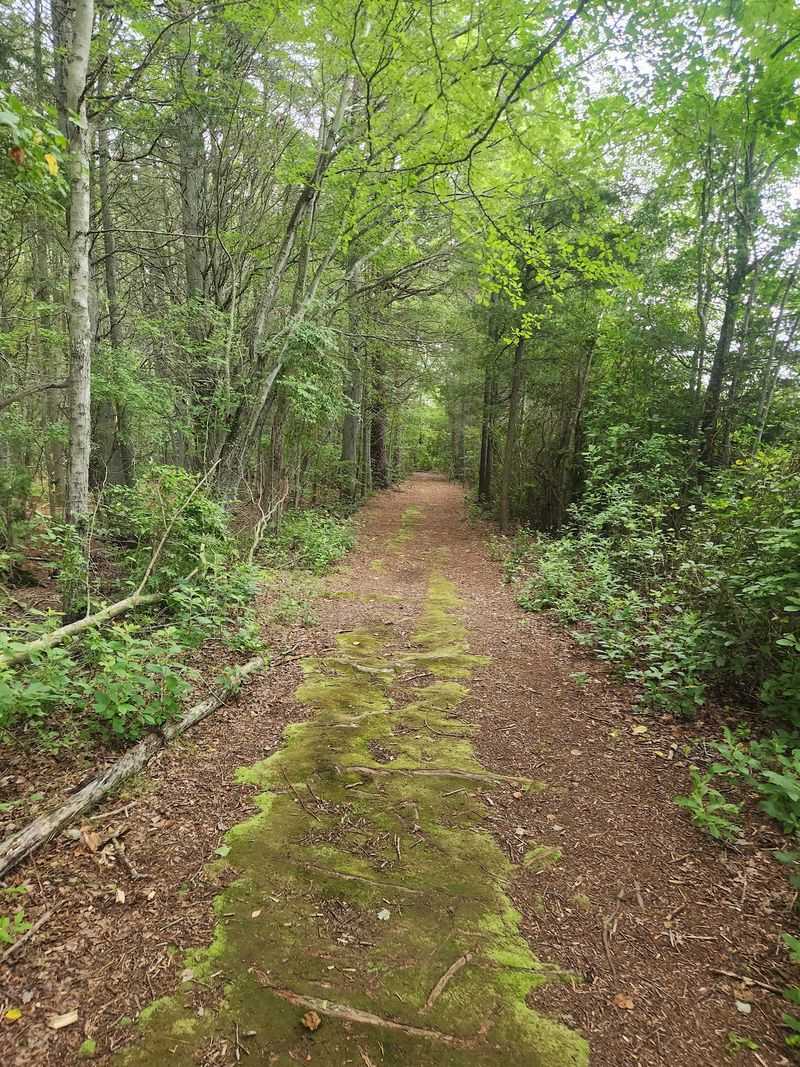
Quiet is the real headline here. The village sits inside the sprawling Brendan T.
Byrne State Forest, surrounded by roughly 3,000 acres of cranberry bogs, blueberry fields, reservoirs, and pine woods.
Sugar sand roads run through it all, pale and soft underfoot, perfect for an unhurried walk or a longer ramble.
Reservoirs sit like mirrors, catching clouds in the morning and turning gold near sunset. Frogs, dragonflies, and the odd rustle in the underbrush provide the soundtrack.
Traffic noise simply does not reach out here, which is a small luxury in this part of the country.
Wildlife watching is genuinely good. Deer slip between the pines, birds work the bog edges, and during winter months tundra swans are known to spend time on the water before heading off in early spring.
Bring water, sturdy shoes, and bug spray in warmer months. The sand can be tiring to walk in, so pace yourself and enjoy the stillness instead of rushing.
Elizabeth White’s Home and Her Clever Ideas
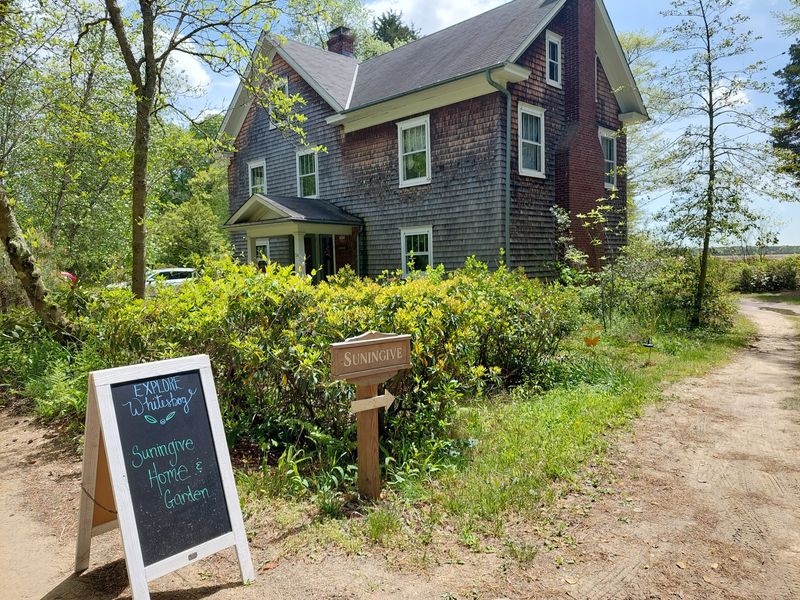
Her name deserves more recognition than it usually gets. Beyond co-developing the cultivated blueberry, Elizabeth Coleman White came up with practical innovations that shaped how fruit reached shoppers.
One of the best examples is packaging fresh blueberries in clear cellophane, letting buyers actually see the quality of what they were getting. Simple, smart, and still the basic idea behind those plastic clamshells today.
Her home, Suningive, was built in 1923 and sits right beside the old blueberry test fields. Gardens surround it, and a nearby trail connects the house to the fields where her experiments took shape.
She became the first woman to receive a citation from the New Jersey Department of Agriculture, a notable milestone for the era.
Walking that stretch of ground, it is easy to picture someone who spent her days outdoors solving problems nobody else was bothering to solve.
Her influence helped turn the state into a major blueberry producer, and that legacy is still growing on farms today.
Trails That Double as History Lessons
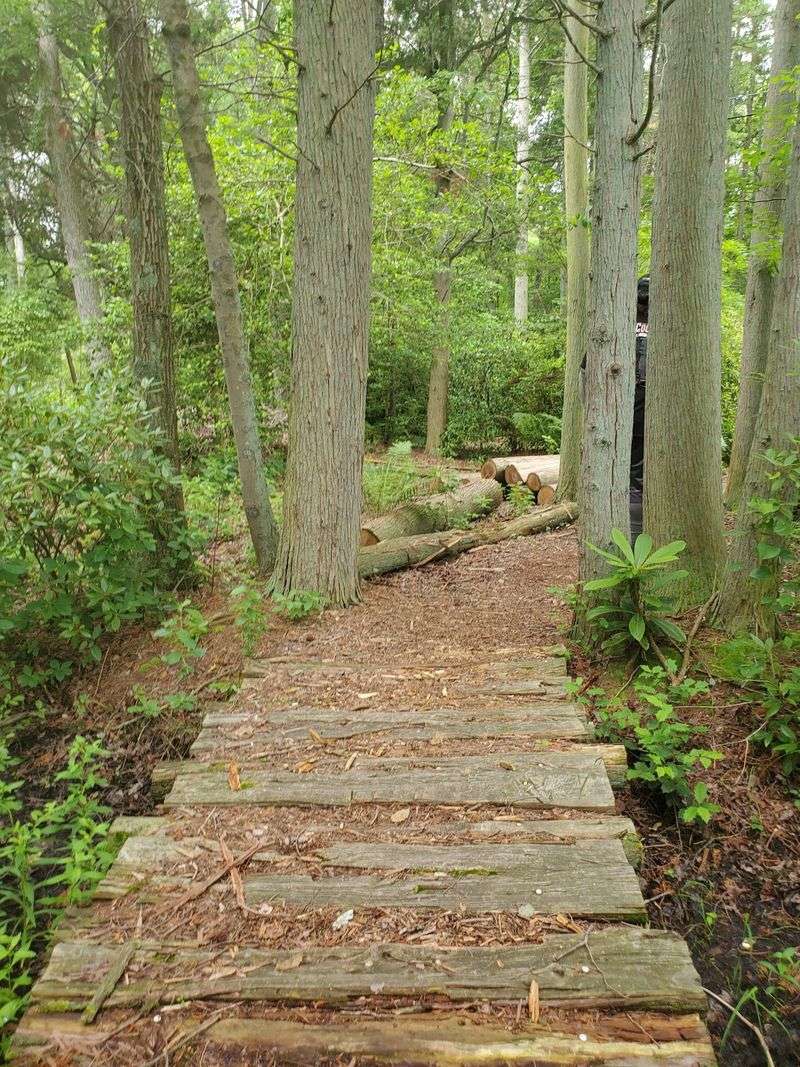
Here is the part that surprised me most. The trail network is bigger than it first appears, and each route highlights something different.
The Blueberry Trail runs from Elizabeth White’s home out to her historic test fields, with wild blueberry bushes growing along the sides. Short, meaningful, and easy for most walkers.
The Historic Cranberry Trail loops past workers’ cottages and processing buildings before circling a demonstration cranberry bog, which is a great way to understand how the harvest actually functioned.
For a gentler option, the Old Bog Trail traces the edge of a lake and winds through an older bog where water lilies sometimes appear.
Small footbridges, interpretive markers, and a newer interpretive nature trail with scannable signs add extra layers along the way.
Trails stay well maintained, and you can often walk long stretches without passing another person. Cyclists use them too, so keep an ear out.
Leashed dogs are welcome, which makes it a favorite for local walkers.
The General Store Is Worth a Stop
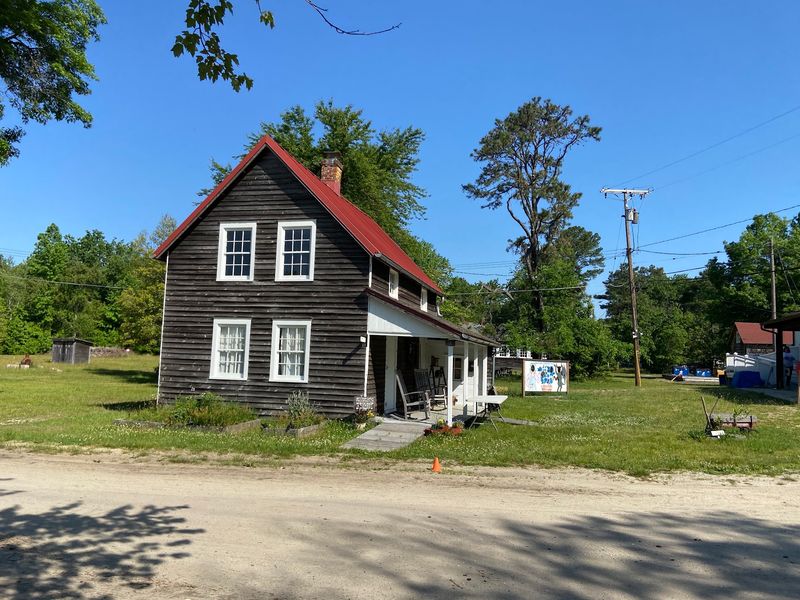
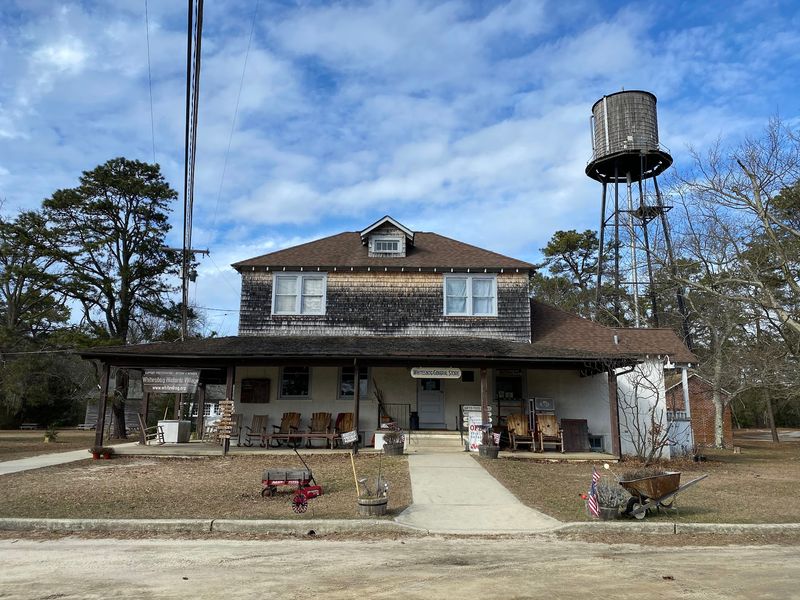
Old wooden shelves, jars lined up in neat rows, and a screen door that announces every visitor. The General Store sits at the heart of the village, just as it would have when this was a working company town.
Inside you will find local farm goods like jams, honey, and handmade items, along with cranberry-based treats that make excellent souvenirs.
Many visitors mention how much this New Jersey place reminds them of childhood shops, and that nostalgic pull is real. Nothing feels manufactured for tourists.
It also works as a practical pit stop. Grab a snack before hitting the trails, or reward yourself afterward once your shoes are properly sandy.
Volunteers often staff the counter and happily share background about the buildings, the bogs, and the blueberry story. Those conversations frequently end up being the highlight of a visit.
Store hours are more limited than the grounds themselves, so it helps to check timing if shopping matters to you.
Seasons Shift and So Does the Whole Experience
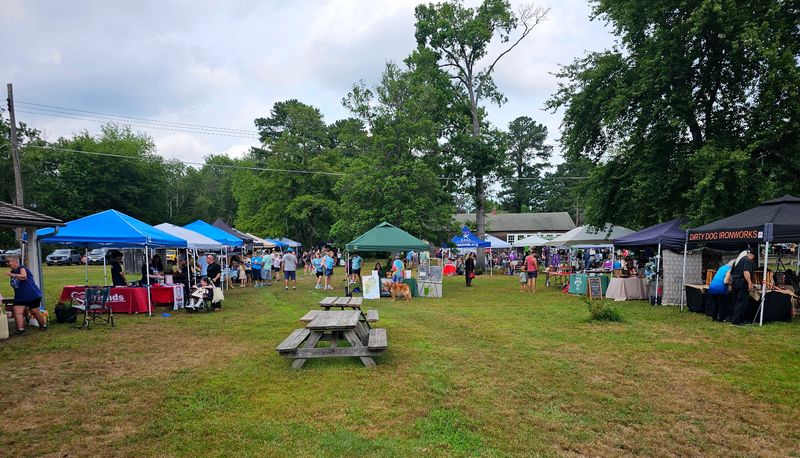
Come back four times a year and you will swear you visited four different places. Spring brings blossoms and birdsong across the bog edges.
Summer turns the blueberry bushes heavy and green, and the village hosts its well-known Blueberry Festival, a lively day of music, vendors, and plenty of fruit.
Autumn is the showstopper, when cranberry harvest activity can flood the bogs with floating red berries. Guided cranberry tours run during the season, though harvest work depends on daily farm conditions, so nothing is guaranteed.
Winter has its own quiet appeal. Bare branches open up the views, and tundra swan programs draw people out into the cold for a glimpse of something graceful.
The grounds stay open from dawn to dusk every day, which makes spontaneous visits easy.
My advice? Pick a season based on what you want to see, then plan to return in a completely different month.
The contrast is half the fun.
Preservation Work That Keeps the Story Alive
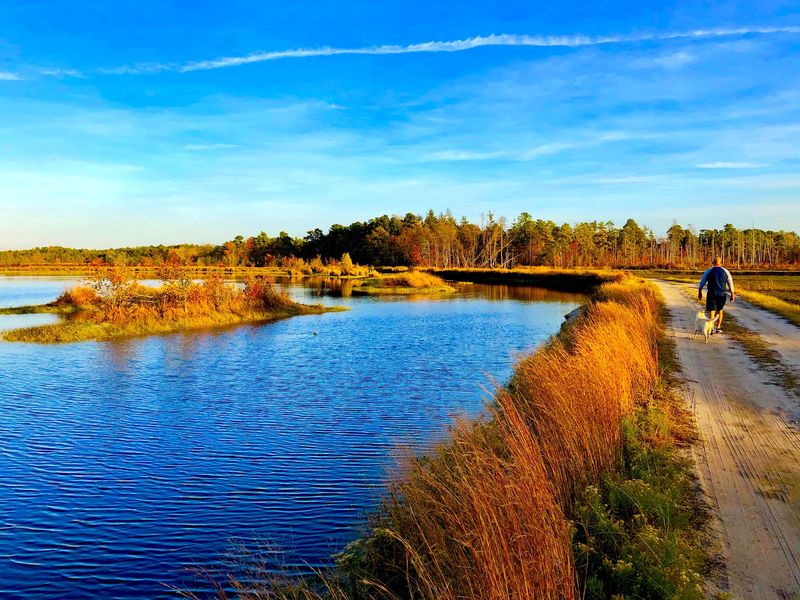
None of this survives by accident. The Whitesbog Preservation Trust, a non-profit organization, looks after the buildings, the trails, and the ongoing job of telling this story properly.
Their programming covers seasonal hikes, festivals, guided tours, and music gatherings, all of which turn a historic site into something that actually feels alive rather than frozen.
Volunteers do a huge amount of the work, from staffing the store to leading walks, and their enthusiasm is easy to notice.
Because of that effort, visitors get access to fields, bogs, and structures that could easily have disappeared into the pines decades ago.
What I appreciate most is the lack of gloss. It stays a working landscape with real farm rhythms, not a polished attraction.
For anyone curious about where the modern blueberry began, or simply craving pine-scented quiet in New Jersey, this place delivers both. Whitesbog Historic Village sits at 120 W Whites Bogs Rd #34, Browns Mills, NJ 08015, United States.
