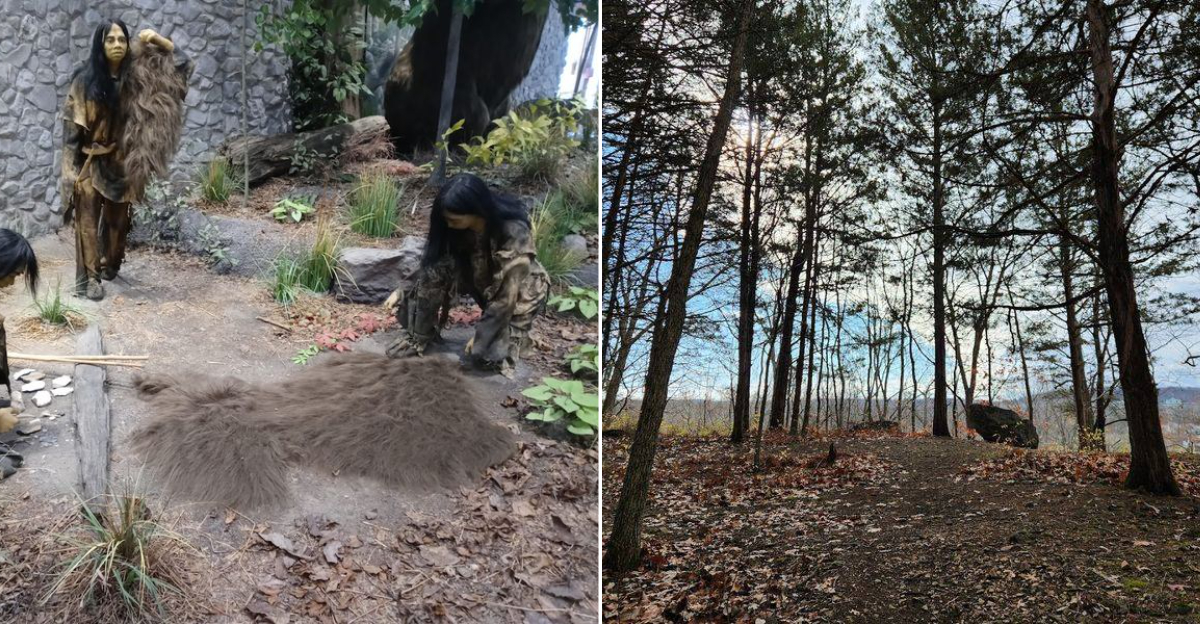
The first solid proof that humans and mastodons walked the same land was found here. A stone spear point wedged against a mastodon bone. That discovery changed everything.
You can see the exact spot where it was unearthed at a Missouri state park. The museum holds the actual artifacts.
Trails wind through the woods where these creatures once roamed. A replica campsite shows how early hunters might have lived.
This is not a history lesson. It is a place where the past is still being uncovered. Walk the same ground, touch the same bones, and feel the weight of a discovery that rewrote the history books.
Why This Place Changes The Whole Story
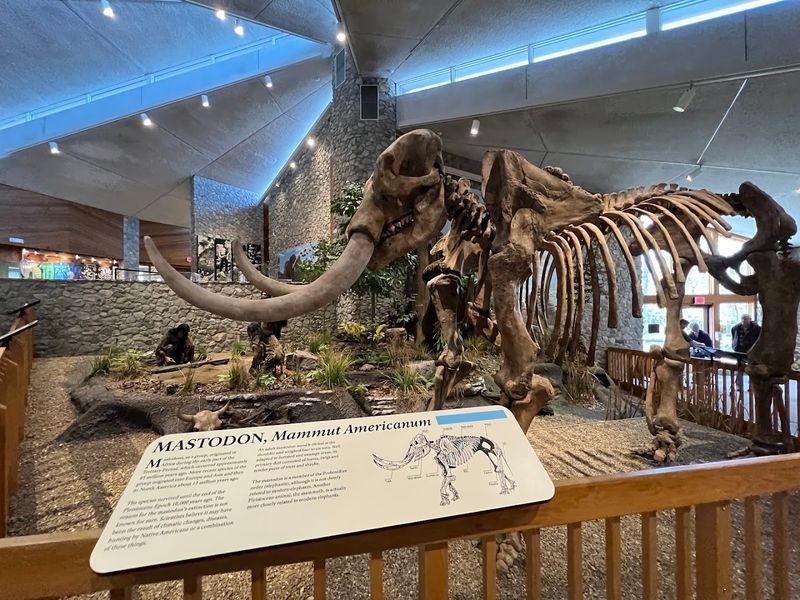
The wild part is that this is not just another fossil stop where you nod politely and move on, because the discovery here genuinely changed how people understood ancient life in this part of North America. When a Clovis point turned up with mastodon remains, it gave researchers the first solid proof that humans and mastodons were here at the same time in what is now eastern Missouri.
Standing there with that in your head makes the site feel less like background information and more like a real scene that once held breath, movement, and risk.
I kept thinking about how easy it is to hear words like prehistoric and let them float away from you, but this place keeps pulling them back to the ground. The landscape feels approachable, almost gentle, which somehow makes the deep history more startling instead of less.
You are not trying to force your imagination at all, because the story is already doing most of the work for you.
That is why this site sticks with people. It gives you one clear, unforgettable idea, and then everything you see starts building around it.
By the time you start walking, you are already looking at the trees and open space a little differently.
The Ground Zero Feeling At Kimmswick Bone Bed
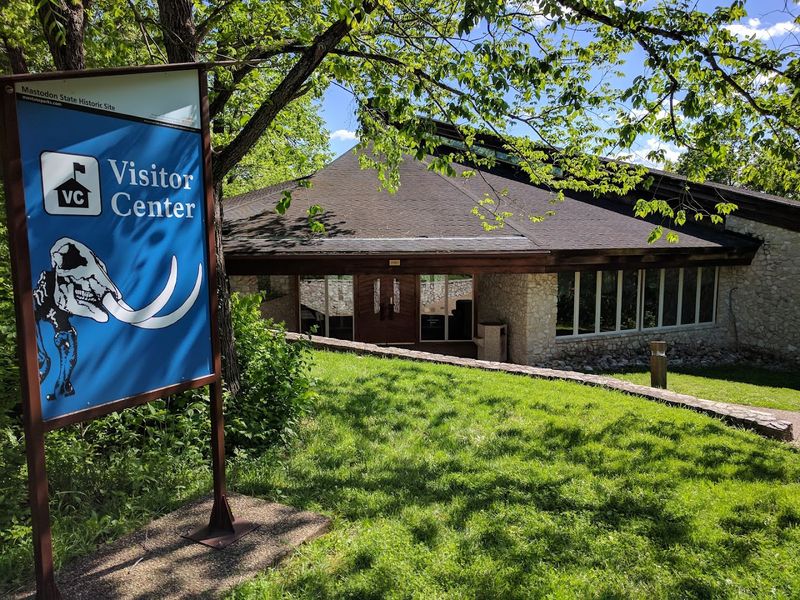
Here is where the whole thing stops being abstract, because the Kimmswick Bone Bed is the center of the story and it carries a kind of weight you can feel without anyone needing to oversell it. This part of Mastodon State Historic Site sits at 1050 Charles J.
Becker Drive, Imperial, MO 63052, and just knowing the full address makes the discovery feel surprisingly grounded in ordinary life. You are standing at a real place in Missouri, not some distant chapter in a textbook, and that simple fact lands harder than I expected.
The bone bed is famous for good reason, since it produced an extraordinary concentration of Ice Age remains and helped connect people directly to those vanished animals. Even if you do not see a dramatic excavation scene in front of you, the significance hangs in the air once you understand what came out of this ground.
It turns a quiet patch of landscape into something you read almost like a page.
I liked that the experience stays thoughtful instead of theatrical. There is room to pause, read, and let the story settle in at your own pace.
That slower feeling actually makes the place more powerful, because your imagination has space to catch up with the science.
Start Inside The Museum First
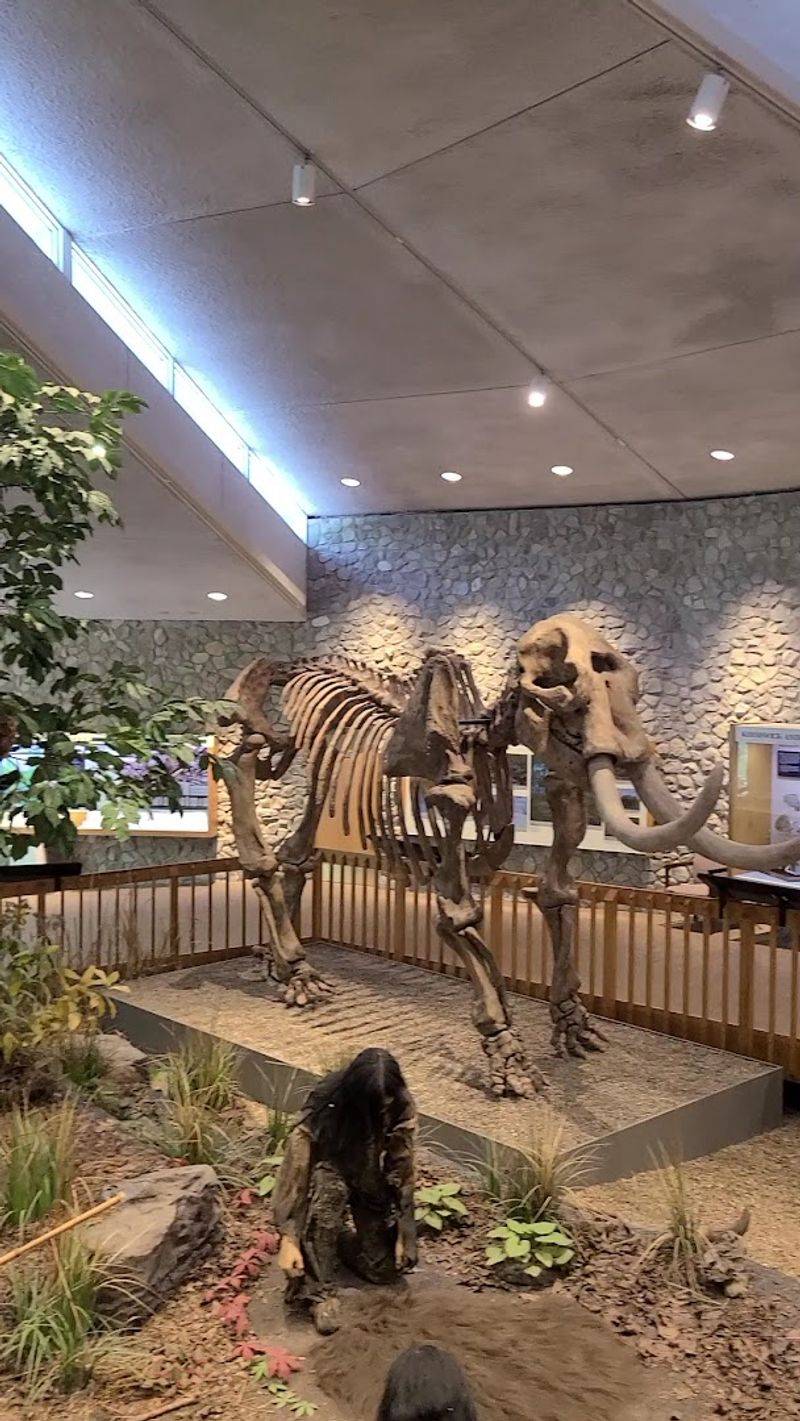
If you do one smart thing before wandering outside, make it starting in the museum, because everything out on the trails means more once you have the story straight in your head. The exhibits walk you through the site without feeling stiff, and the mastodon skeleton replica gives you that instant physical sense of scale that words alone never quite manage.
Suddenly these animals are not just ancient names, because you can picture their size in relation to the woods and creek beds around you.
I also appreciated how the museum connects the fossils to the people who were here, instead of treating them like separate stories that happen to share a map. You get artifacts, context, and a clearer understanding of why the Clovis connection matters so much.
By the time you step back outside, the landscape stops feeling generic and starts feeling charged with evidence.
The museum does not try to overwhelm you, which honestly helps. It gives you enough detail to make the site vivid without turning the visit into homework.
That balance makes the whole place feel welcoming, whether you love archaeology already or just got curious on a drive through Missouri.
The Trails Make The Story Feel Real
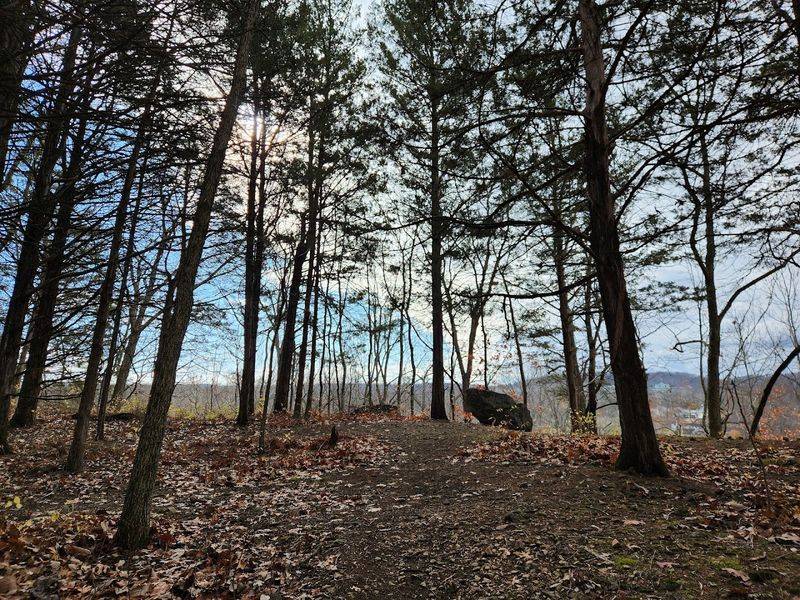
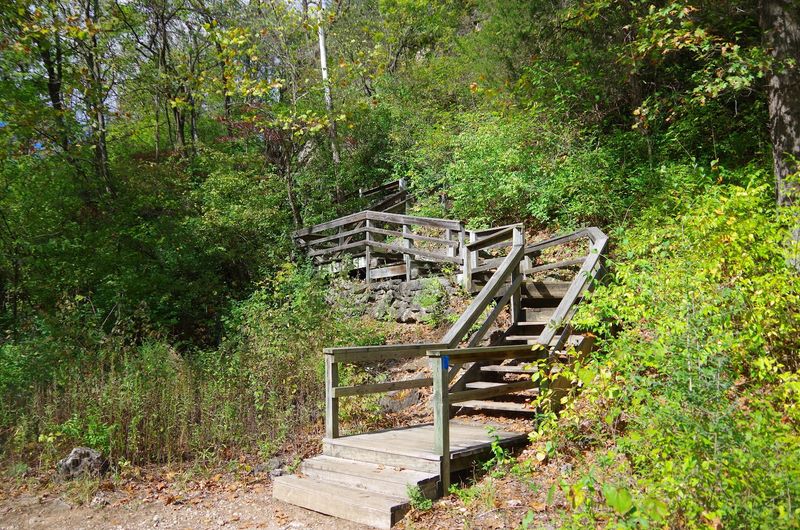
Once you get on the trails, the site starts working on you in a different way, because walking through the landscape makes the history feel less fixed and more lived in. You are not just reading about where things happened, you are moving through the same broad setting where people tracked animals and where mastodons once passed through.
That physical connection is simple, but it is honestly the thing I remembered most after leaving.
The paths are approachable, and that matters because it keeps the experience relaxed instead of turning it into some grand expedition. You can pay attention to the trees, the creek corridor, and the shape of the land while still thinking about how different the climate and wildlife once were.
Every so often, the contrast between the calm present and the ancient past sneaks up on you in the best way.
I would not rush this part at all. Let yourself wander at an easy pace and read the signs without treating them like a checklist.
The trails give the science a setting, and that is what turns the visit from interesting information into something that actually feels personal by the end.
It Was Never Just About Mastodons
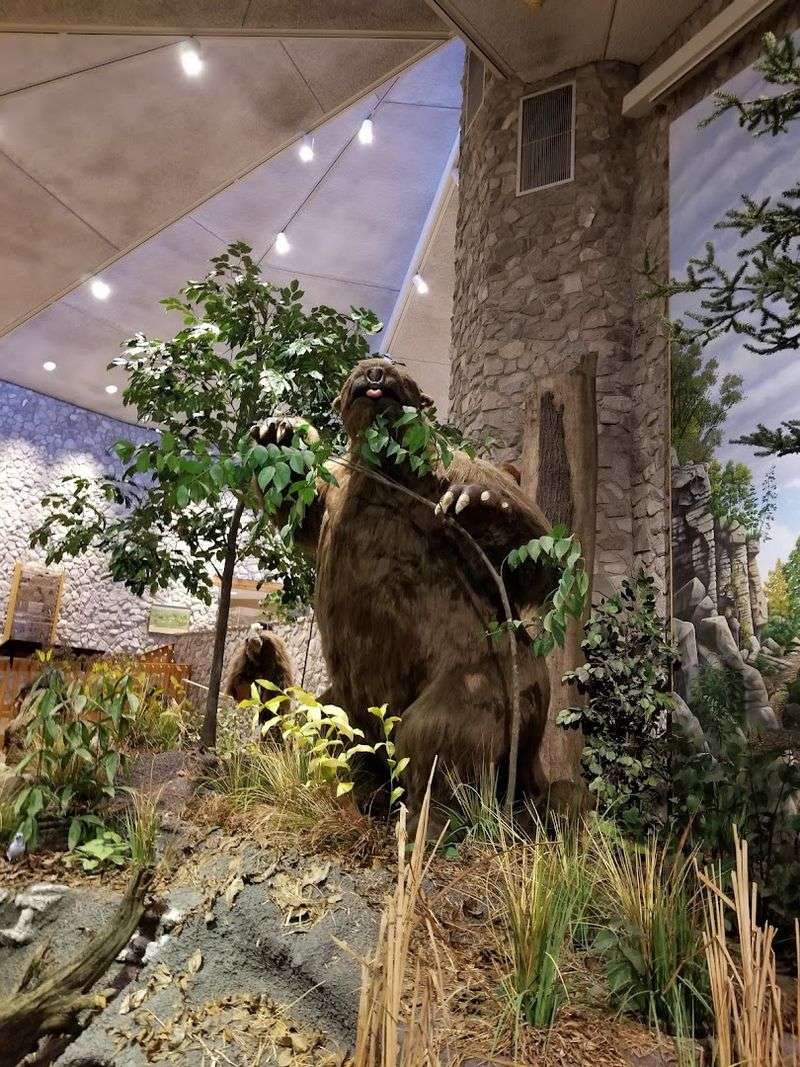
What really opens up your imagination here is realizing the mastodons were only part of a much bigger Ice Age world moving through this area. Researchers found remains from a whole mix of extinct animals, which helps the place feel less like a single dramatic moment and more like a full ecosystem that once had its own rhythms.
You start picturing a busier, stranger Missouri, one with giant ground sloths, ancient bison, and other animals that sound almost made up until you remember their bones came from this ground.
That wider picture matters because it keeps the site from becoming a one note story. Instead of only thinking about a famous discovery, you begin to imagine the food chains, seasonal movement, and daily survival that shaped life here for both animals and people.
It gives the landscape depth, which makes even an ordinary patch of woods feel layered with old possibility.
I loved that this idea sneaks up on you rather than arriving with a big dramatic speech. One minute you are focused on mastodons, and the next you are mentally rebuilding an entire vanished environment.
That shift is part of what makes the visit feel bigger than its footprint and much harder to forget.
There Is A Surprisingly Gentle Picnic Mood
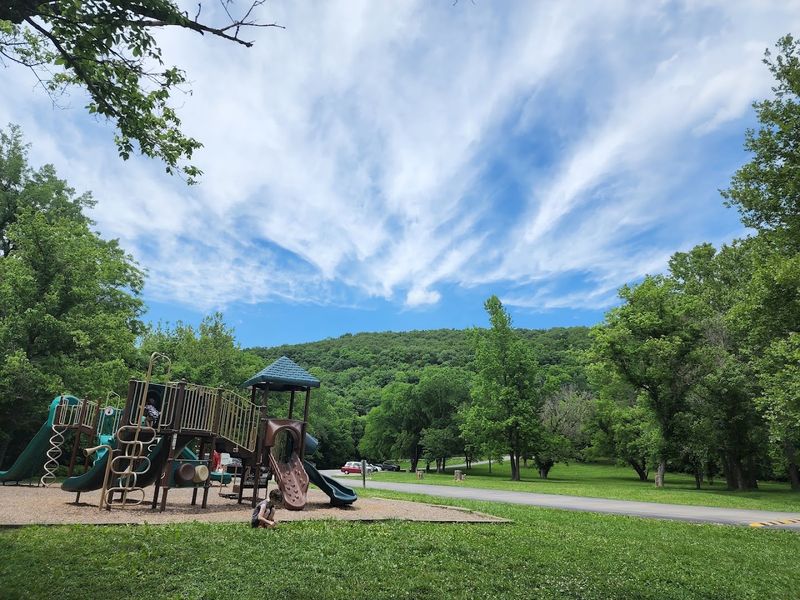
I know it sounds a little funny to talk about picnic tables right after ancient hunters and extinct giants, but that contrast is exactly what makes this place memorable. The grounds have a calm, easy feeling, and if you sit for a while with a snack or just rest your feet, the story has more room to settle in.
You look around at the trees and open spaces and start quietly wondering what this same land felt like when the climate was colder and the animals were enormous.
What I liked most was that the peaceful atmosphere never undercuts the site’s significance. If anything, the stillness gives you a better chance to absorb it without competing noise or a packed schedule pushing you along.
This is one of those rare places where doing less actually helps you understand more.
It also makes the visit feel friendly and human, which fits the story in an unexpected way. You are not only learning about a discovery, you are spending time in a landscape that people have been using, crossing, and responding to for an unimaginably long stretch of time.
That thought sneaks in gently while you sit there, and it stays with you.
Nature Still Has Plenty To Say Here
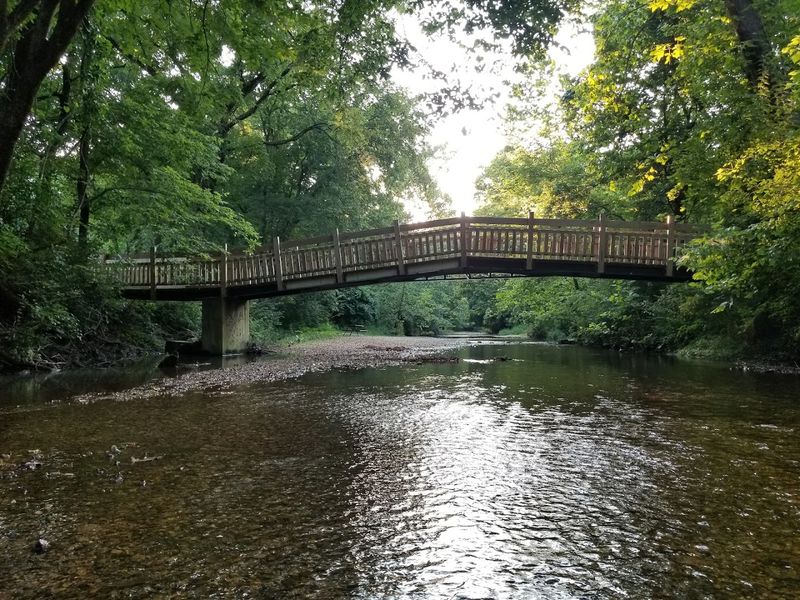
Even if you came mainly for the archaeology, the natural side of the site ends up doing more of the emotional work than you might expect. There are native plant areas, birds moving through the trees, and stretches of quiet that make the whole place feel alive in the present instead of frozen in the past.
That matters, because the story here is really about landscape, adaptation, and the long relationship between people, animals, and changing environments.
I found myself paying attention to small things more than usual, like the way the path edges softened into woods and how the open areas caught the light. Those details do not compete with the mastodon story at all.
They actually support it by reminding you that this has always been a living place, even if the cast of creatures has changed dramatically since the Ice Age.
Missouri has plenty of beautiful outdoor spaces, but this one carries a different kind of depth once you know what happened here. You get the pleasure of a gentle walk, and underneath that you get a real sense of continuity across an almost impossible span of time.
It is subtle, but it really gets under your skin.
The Clovis Connection Hits Hard
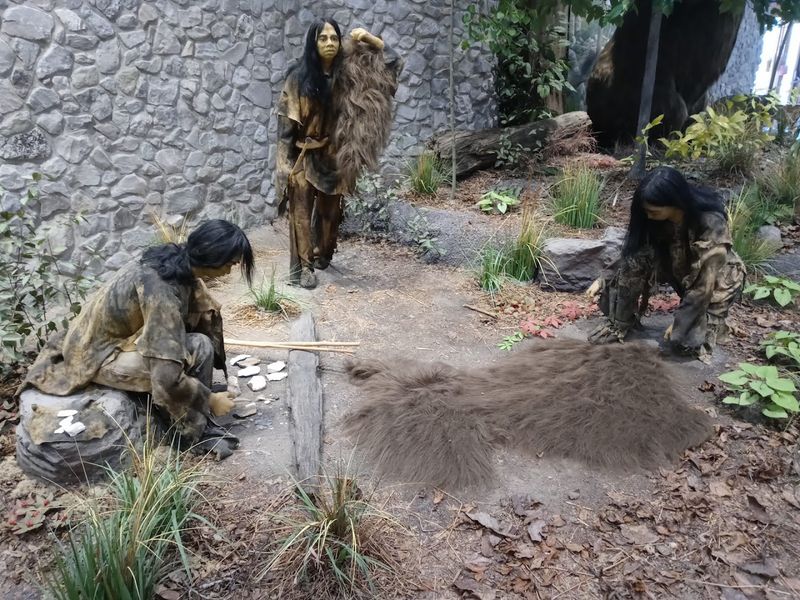
This is the part of the visit that really grabs you by the shoulders, because the Clovis connection turns a fascinating fossil site into a deeply human story. Finding a Clovis point alongside mastodon remains is what made the evidence here so important, and once you understand that, the whole landscape feels charged with human presence.
You are no longer imagining anonymous ancient time, because you can picture skilled people making choices, taking risks, and responding to a world full of giant animals.
What gets me is how direct that connection feels. It is not vague speculation or a romantic guess about the past.
The evidence found here in Missouri helped establish something concrete, and that kind of certainty gives the site unusual force when you are standing there in person.
I think that is why the story lingers after you leave. Fossils are impressive, of course, but evidence of people meeting that world face to face is what gives it tension and emotion.
You walk away thinking less about abstract prehistory and more about intelligence, adaptation, and what daily life might have felt like in a place that demanded constant awareness.
This Is A Good Place To Slow Down
Some places ask you to hurry from one highlighted thing to the next, but this one really rewards a slower kind of attention. If you give yourself time between the museum, the trails, and the interpretive stops, the story starts to build in layers instead of arriving all at once.
I liked that rhythm a lot, because it felt more like having a thoughtful conversation than being marched through a lesson.
There is also something fitting about taking your time at a place connected to such deep history. The discoveries here stretch your sense of scale in a way that makes ordinary rushing feel kind of silly.
You start noticing how often you glance back at a sign or return to a thought you had a few minutes earlier, which is usually a sign that a place is actually getting through to you.
If you are visiting with someone else, this is the kind of site that naturally gives you things to talk about as you go. Questions keep popping up, and they are the good kind that do not need immediate answers.
Missouri has no shortage of places to fill an afternoon, but this one gives your mind something real to carry home.
