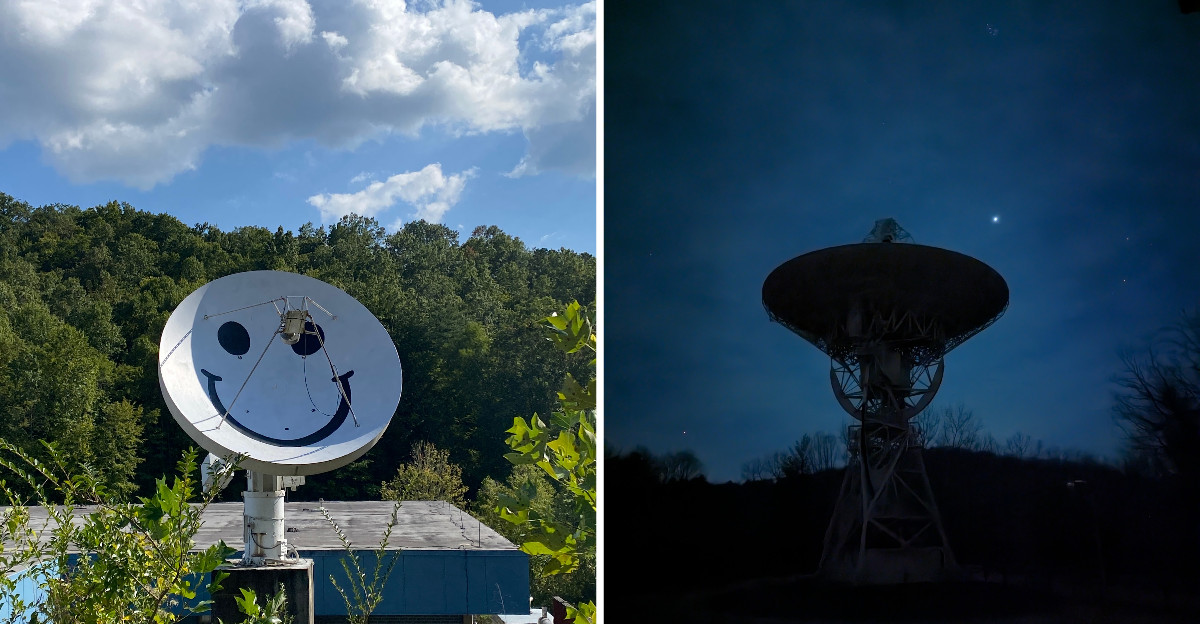
Giant white dishes rising out of a North Carolina forest look like something from a science fiction movie. They sit quietly among the mountain laurel, far from any city, and pulling over to stare is unavoidable.
Back in the 1960s, NASA built them to talk to spacecraft, and later a secret agency used them to listen in on Cold War satellites. Then one day the government packed up and left, leaving the huge antennas alone in the woods.
A couple with big dreams stepped in and turned the place into a science center where anyone can visit. A whole day disappeared while exploring, snacking under the dishes, and learning how these structures once connected Earth to the stars.
The visit still comes to mind every time the night sky appears. North Carolina keeps this kind of surprise hidden in its mountains, waiting for curious travelers to find it.
A Curvy Mountain Road to NASA’s Old Eastern Eye
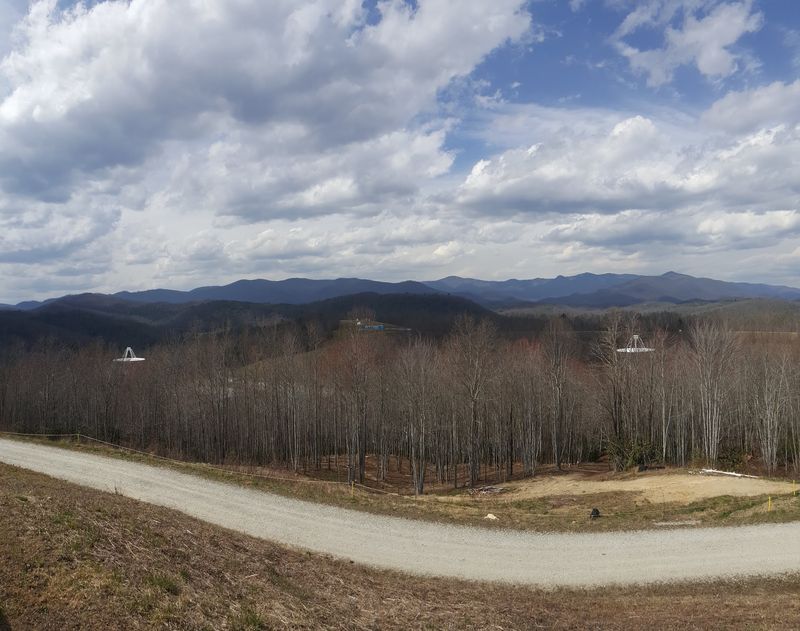
My ears popped a little on the twisty drive up, and my snack bag kept sliding across the seat. Every bend in the road revealed more trees, more ridges, and more of that soft Blue Ridge haze.
By the time the gate appeared, I was buzzing with excitement.
NASA chose this exact spot in 1962 for a very smart reason. The campus sits in a bowl-shaped dip surrounded by granite, which blocks out radio noise and city lights.
In 1963 it opened as the Rosman Satellite Tracking and Data Acquisition Facility, the main East Coast station for a network called STADAN.
Big missions passed through here, including Gemini and Apollo. The station received some of the first pictures of Earth from space, sent by the Nimbus-1 satellite in 1964.
It also helped bring in the first television signal from space in 1967.
One handy tip before you go is to call ahead, since school groups sometimes have the campus. You will press a call box button at the gate to drive in.
Hours usually run weekdays from 8:30 AM to 5 PM, so plan your visit for a weekday morning and pack a snack for the ride up.
The Day the Government Packed Up and Left
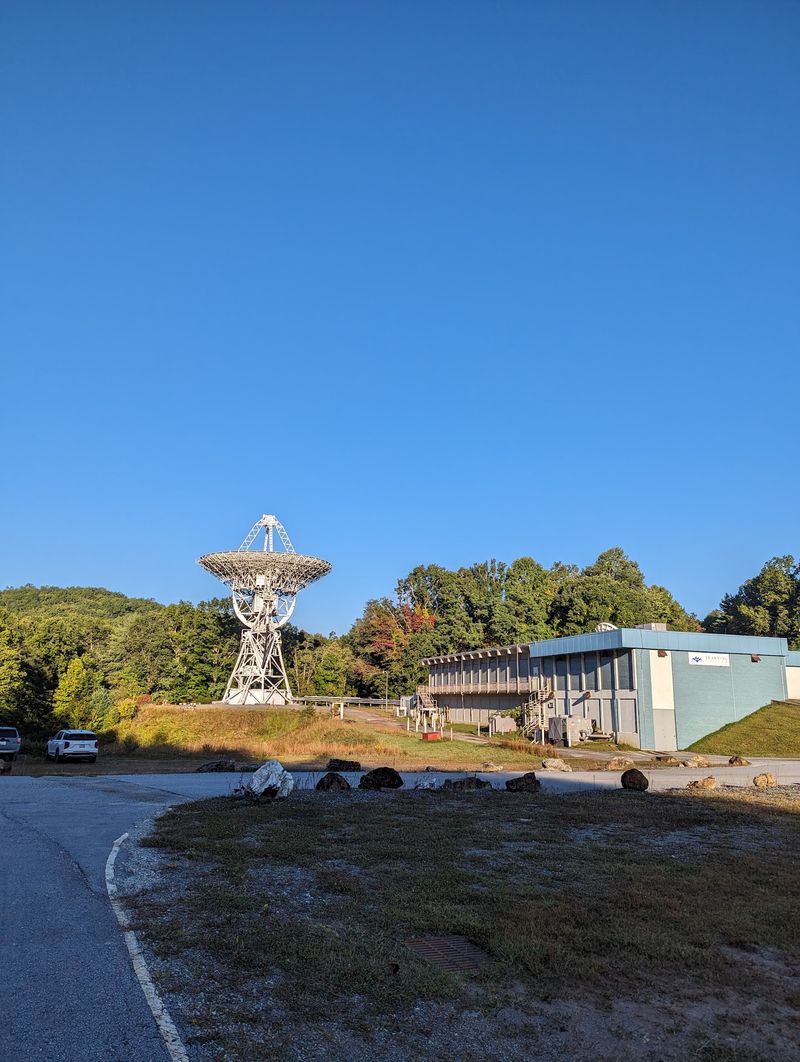
Picture a whole science base going silent almost overnight. By 1995, satellite technology had changed and the world looked very different after the Cold War.
The government no longer needed this remote station, so operations moved elsewhere and the gates closed.
The land went to the U.S. Forest Service, and plans called for taking everything apart.
Out of 23 antennas, 19 were hauled away. Most of the instruments inside the buildings were removed too.
Yet two giants stayed behind. The pair of 26 meter dishes, each about 85 feet across, were simply too big to move easily.
For a few years they stood alone in the forest like quiet guards nobody remembered.
I found that part of the story oddly touching. Standing near those huge dishes today, it is easy to imagine the empty years when only deer and birds came by.
Then again, that lonely pause makes their comeback even sweeter. When you visit, take a moment to look up at the steel frames and think about how close they came to disappearing.
It gives the whole place a little extra heart, and a deeper reason to be thankful someone cared enough to save them.
Cold War Secrets and a Smiley Face for the Soviets
Spy stories are my weakness, so this chapter of PARI history had me grinning from ear to ear. In 1981, the National Security Agency took over the site.
It became the Rosman Research Station, a top secret base that collected satellite data and listened to Soviet satellite signals.
Soviet spy satellites kept snapping photos of the base from above. Someone here had a great sense of humor about it.
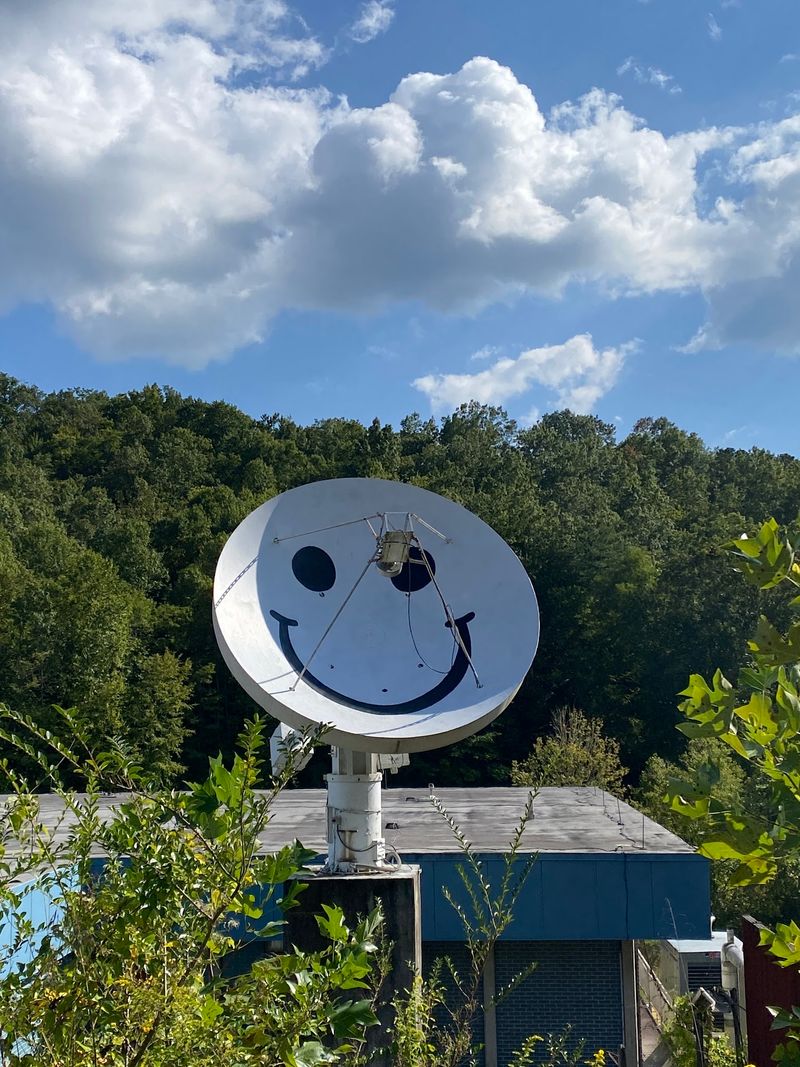
They painted a big cheerful smiley face on one of the 4.6 meter radio telescopes, a sneaky little wave to the cameras overhead.
That dish is still on campus today, and visitors call it Smiley. It might be the friendliest piece of Cold War equipment in the whole country.
I spent way too long taking photos of it from every angle.
The grounds do carry a mysterious mood, with quiet paths and old buildings tucked into the trees. Knowing that secret work once happened here makes every corner feel like a clue.
If the front desk is not too busy, the friendly team sometimes shares extra stories and spots. Bring your curiosity, a good camera, and maybe a granola bar, because exploring spy history works up a surprising appetite.
A Second Life Thanks to Don and Jo Cline
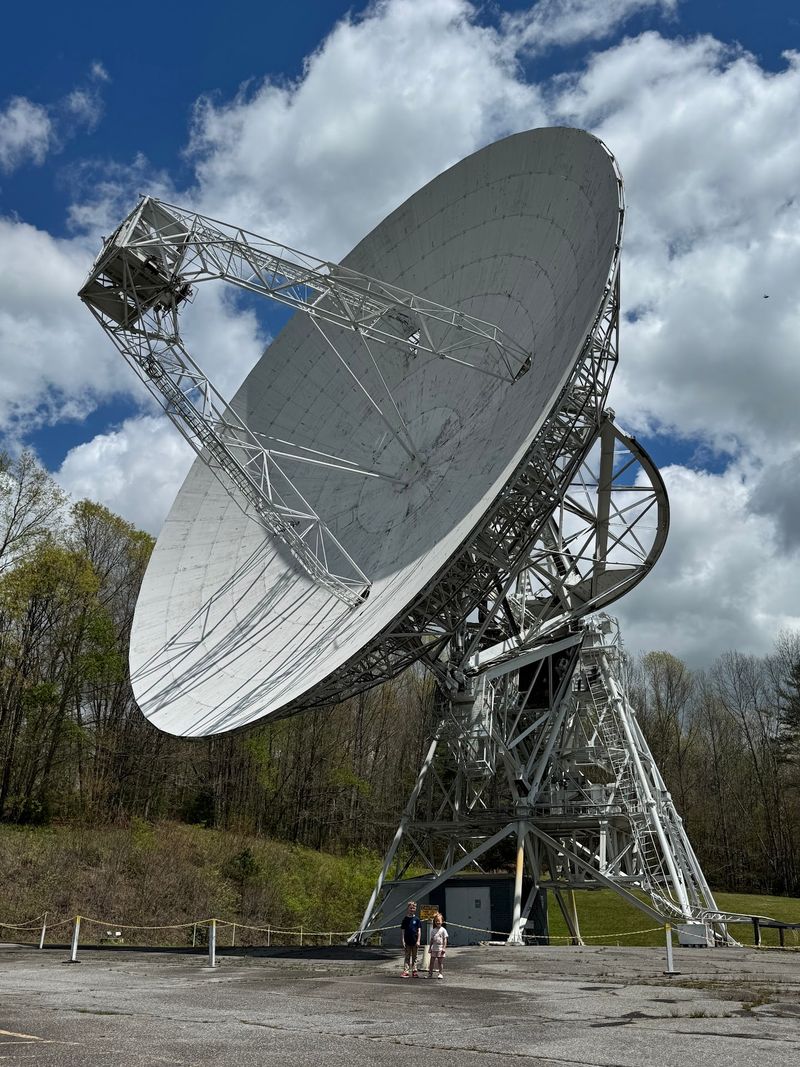
Some people see an old empty base, but Don and Jo Cline saw a classroom for the whole world. In 1998 they bought the 200 acre campus and started the Pisgah Astronomical Research Institute.
They set it up as a non-profit focused on education and research.
Since then, PARI has grown into a lively center for science, technology, engineering, and math. Thousands of students and visitors come every year.
Kids attend space camps and overnight STEM programs, while families enjoy tours and special events.
The big radio telescopes got serious upgrades and work again. Visitors on Space Day have even seen how fast the 26 meter dish can swing to new coordinates.
Some lucky groups have helped steer a dish and watched it turn on command.
My favorite part was how passionate everyone seemed about sharing what they know. Questions never felt silly, and the excitement was catching.
There are cabins for overnight stays and even weddings on the grounds. A dinner during an evening event makes the visit feel complete, especially when it rolls into stargazing.
It is hard not to leave inspired, maybe even ready to sign up for a night class about the planets.
Moon Rocks, Meteorites, and a Step on the Moon
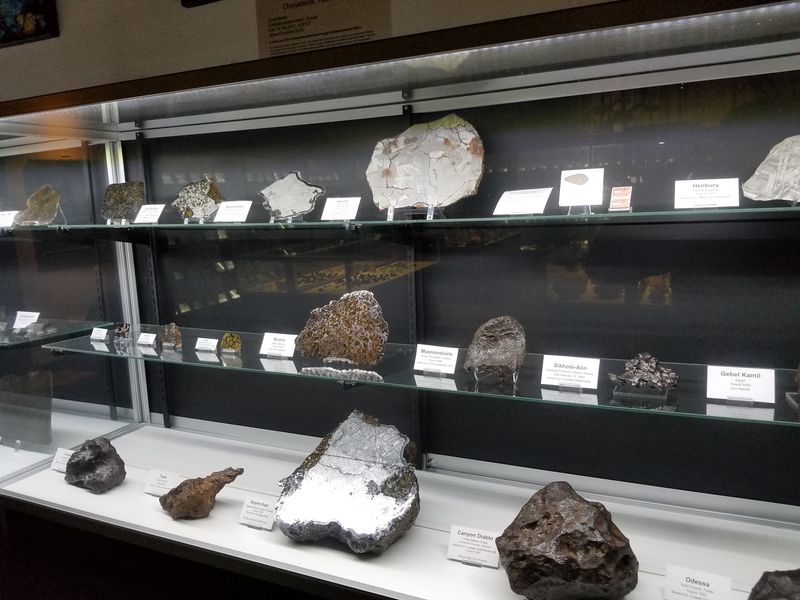
Holding a rock older than Earth itself made my hands feel a tiny bit shaky. The exhibit galleries at PARI are packed with rare meteorites, sparkling minerals, gemstones, and fossils.
Some pieces came from Mars, the Moon, and ancient asteroids.
There are NASA Space Shuttle artifacts too, plus interactive displays that invite you to touch and explore. One fun surprise is a special tire made for space travel.
The galleries are spotless and well organized, which makes browsing a real pleasure.
Here is a fun bonus. If staff have time, visitors can sometimes set foot on a Moon rock.
Yes, you can literally say you stepped on the Moon in North Carolina.
The planetarium is another highlight, especially on cloudy days. Shows guide you through constellations and zoom out to faraway galaxies and exploding stars.
Narrators happily answer questions, so bring a few good ones.
Plan at least an hour inside the main building, and longer if you love science. Kids can bounce from case to case while grown-ups read every label.
I recommend eating something beforehand, because nobody wants a rumbling stomach during a peaceful planetarium show about the Milky Way.
Hearty Meals at Smiley’s Dining Hall and Picnics Under the Dishes
All that space history left me starving, and luckily PARI takes food seriously. Smiley’s Dining Hall has a full commercial kitchen that serves groups from breakfast to dinner.
Snacks and desserts are on the menu too.
Folks attending events often enjoy dinner on site, and the meals get plenty of happy praise. The kitchen team can also handle allergies and dietary needs.
That means everyone in your group can relax and dig in.
My favorite meal, though, was a simple packed lunch outdoors. Picnic tables sit across the grounds with views of the Blue Ridge Mountains and those massive dishes.
A plain sandwich somehow tastes fancier when an 85 foot antenna is your dining companion.
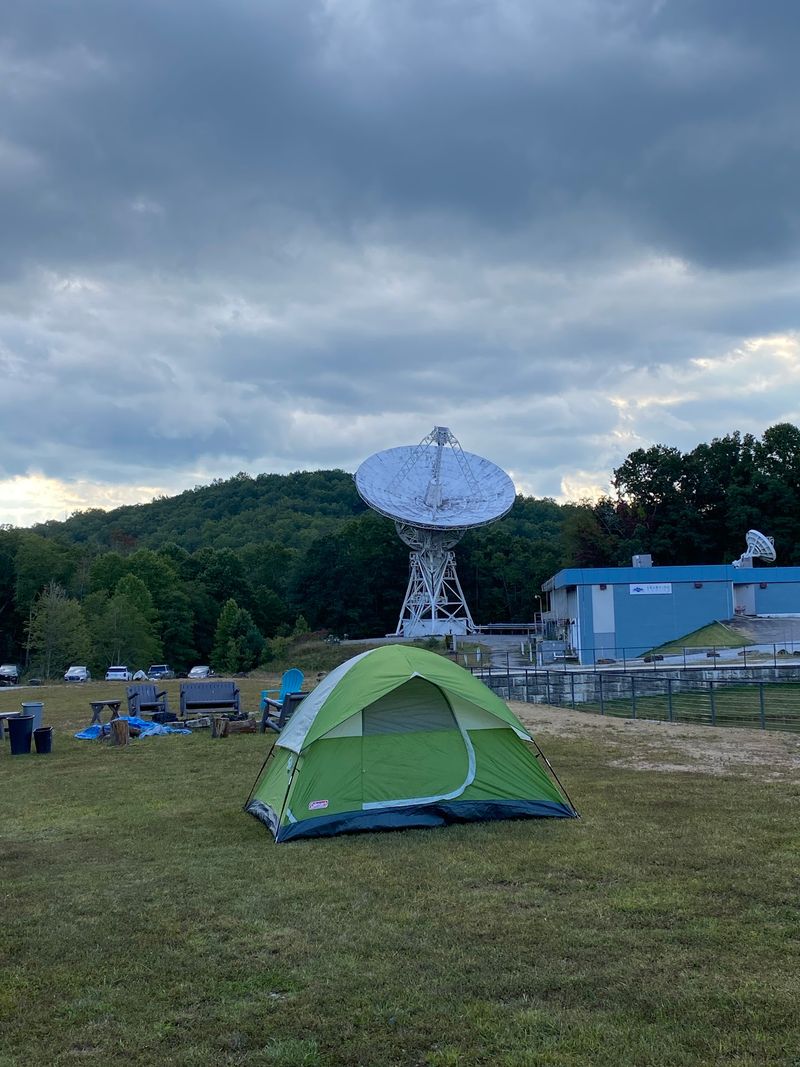
Campers can cook their own food at fire pits near the camping areas. Bring your own wood and cooking gear, and check for burn bans in Transylvania County first.
Roasting marshmallows under a dark sky is pure joy.
A few tips help a lot. Pack napkins, since mountain breezes love to steal them.
Bring extra water for walking the trails. And save a cookie for later, because stargazing snacks hit differently when the stars start popping out.
Galaxy Walk and Nights Under a Certified Dark Sky
Strolling past the planets on foot was the moment PARI truly humbled me. The Galaxy Walk is a scale model of our solar system laid out along a path.
Each step shows just how huge and empty space really is.
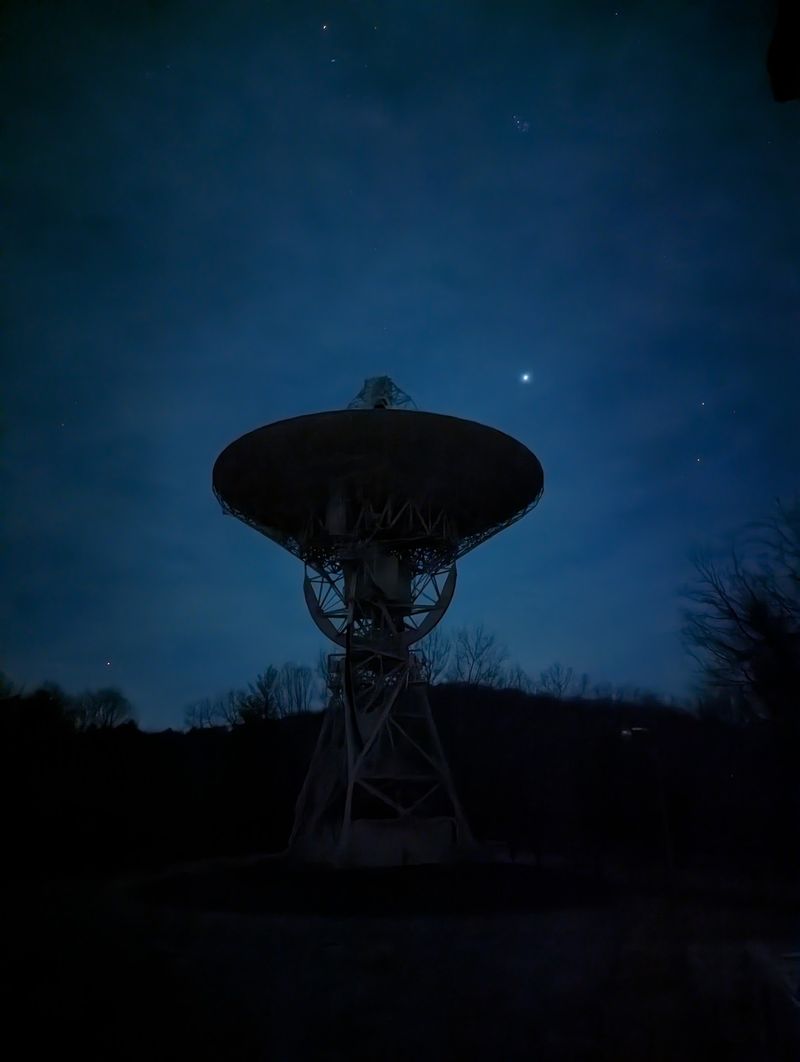
Then night falls, and the real show begins. PARI is an internationally certified Dark Sky Park, one of only two in North Carolina.
With so little light around, stars spill across the sky like sugar on a dark tablecloth.
Star parties, stargazing nights, and fun classes like painting your own planet run throughout the year. Astronomers share telescopes and stories with real enthusiasm.
Cabins with fridges, microwaves, and comfy beds let you stay overnight and skip the dark drive home.
Dress in layers, because mountain nights get chilly fast. A thermos of hot cocoa and a blanket make everything cozier.
Red flashlights help keep your night vision sharp.
Leaving felt hard, honestly. The dishes the government once walked away from now help people of all ages fall in love with the universe.
That might be the happiest ending a forgotten base could ever have.
Address: 1 PARI Drive, Rosman, NC 28772
