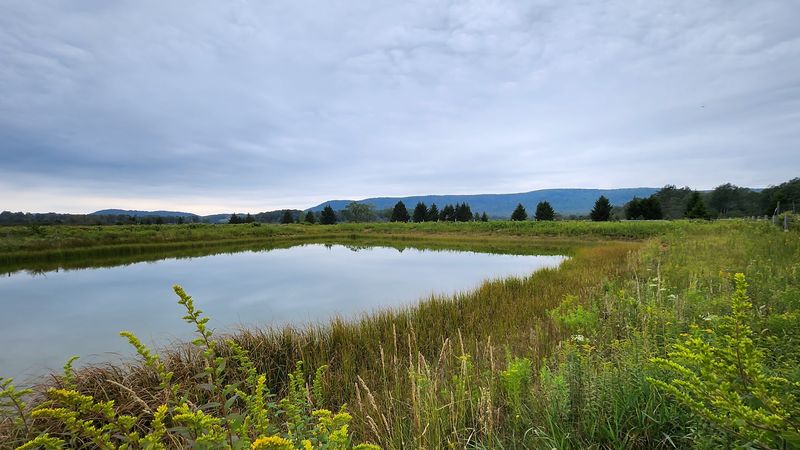
Some places in West Virginia sneak up on you. You drive a winding mountain road expecting a quick look and a leg stretch, and suddenly you are standing beside a wide, open wetland ringed by forested ridges, listening to birds you cannot name.
High in the Allegheny highlands, a quiet valley shelters wildflowers, fir trees, and creatures that seem to belong somewhere much farther north. Grab a map, pack a snack, and slow down, because this one rewards the curious.
Canaan Valley’s Wild Wetland Heart
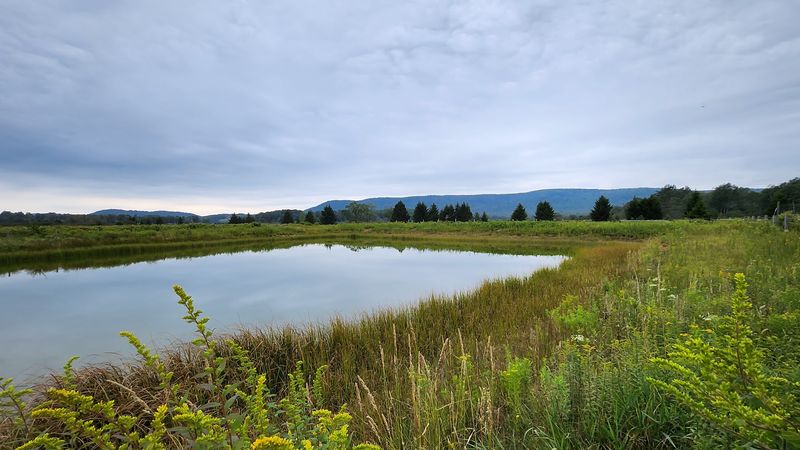
Picture a bowl-shaped valley perched way up in the mountains, where the air stays crisp and the land spreads out in soggy meadows, shrubby thickets, and dark stands of fir. Canaan Valley National Wildlife Refuge sits right there, just outside the small mountain town of Davis.
It is a federal refuge managed by the U.S. Fish and Wildlife Service, set aside to protect high-elevation wetlands and the creatures that rely on them.
Folks often call it the largest high-elevation wetland in the Appalachians, and once you see the open sweep of it, the claim is easy to believe. The refuge blends wetland conservation with plenty of room for people.
Visitors can watch wildlife, join interpretive programs, and, in season, hunt and fish within refuge rules.
Guests describe it as a huge nature refuge, stitched together from many separate hiking areas and trails. Some sections sit along easy roads, while others take a little more effort to reach.
That variety is a big part of the charm.
Right next door is Canaan Valley State Park, a separate resort-style spot with a lodge, golf course, camping, and skiing. Plenty of people explore both in one trip, since the two share the same big mountain scenery and clean, cool air.
A Story of Restoration and Mountain Heritage
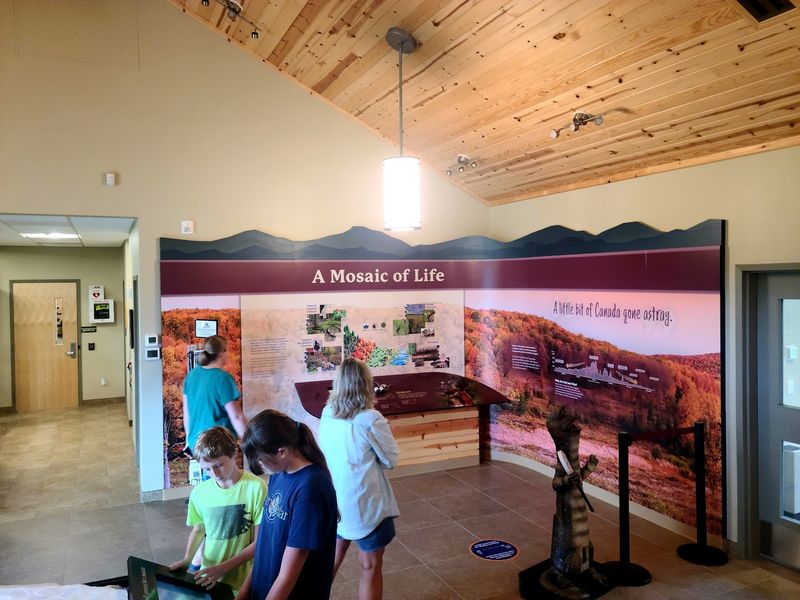
Every valley has a backstory, and this one has been put on display with real care. Visitors mention that the refuge was expanded in recent years with excellent exhibits covering both the natural and cultural history of Canaan Valley.
It is a good place to learn how the land looked, how people used it, and how it is being cared for now.
Many guests come away talking about restoration. One visitor called it a pretty cool place to see the restoration of wildlife in action, and that idea runs through the whole refuge.
The wetlands, fields, and forests are managed so native plants and animals can keep a foothold in this high country.
For West Virginians who grew up hearing stories from parents and grandparents about the old days in the mountains, the cultural side of the exhibits may strike a familiar chord. Rangers here have been known to share tales about the early days of the valley, too.
Those stories help connect the scenery outside to the families and communities who came before.
Think of this part of the visit as the foundation. Once you understand the history, the boardwalks and trails start to feel less like a pretty walk and more like a living story you get to step inside.
Friendly Faces at the Visitor Center
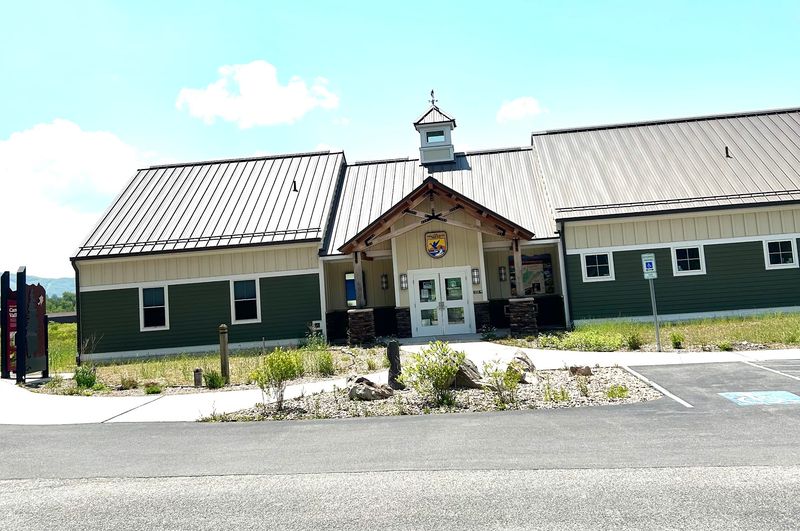
Ask almost anyone who has been, and they will tell you the same thing: start at the visitor center. Guests call it well worth your first stop in the valley, and it is easy to see why.
The building is clean, welcoming, and packed with information about the area.
The volunteers and staff get a lot of love. Visitors describe them as knowledgeable, friendly, and eager to answer questions, whether you want trail tips or just want to know what that bird was.
One family mentioned that the staff pointed them toward a nearby boardwalk trail they might have missed otherwise.
Inside, displays explain the topology of the area, showing how the land rises, dips, and holds water. Visitors say the exhibits are ideal for tourists and especially children, who tend to love learning about animals and landscapes.
Outside, there are gardens to stroll through, which makes a nice warm-up before a longer walk.
Before heading out, ask for a trail map. Several visitors recommend picking one up or downloading it ahead of time, since the refuge spreads across many separate tracts.
A few minutes of planning here can save a lot of guessing later, especially in spots where cell service fades away.
The Freeland Boardwalk and Its Bubbling Spring
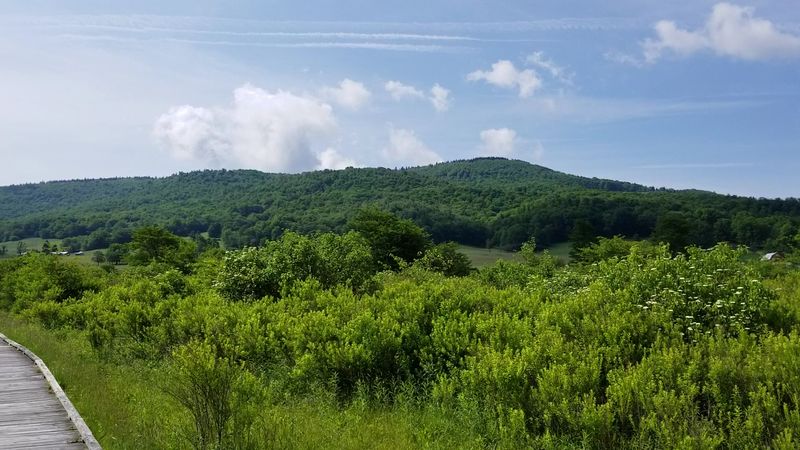
Little legs, big views. That sums up the Freeland Boardwalk, which some visitors call the Freelandia Boardwalk, a pleasant half-mile walk off Freeland Road.
It is one of the easiest ways to get right out over the wetland without muddy boots.
Visitors describe it as very scenic and great for young children. The raised path lets you look across the open valley and down into the plants and water below.
Parents appreciate that it is short enough for a small attention span but interesting enough to keep grown-ups happy, too.
The standout surprise is a bubbling spring along the way. Guests call it an extra treat, and kids tend to crouch down and stare as the water burbles up from the ground.
It is the kind of small detail that sticks in your memory long after the drive home.
Birders like this stretch as well. The boardwalk on Freeland Road is often named among the easily accessible spots for watching birds in the refuge.
Early or quiet visits may bring more sightings.
If you only have an hour, this is a smart pick. Take your time, lean on the railing, and let the valley do the talking.
Sometimes the best moments here come from simply standing still and listening.
A Full-Day Loop Across Glade Run and Cabin Mountain
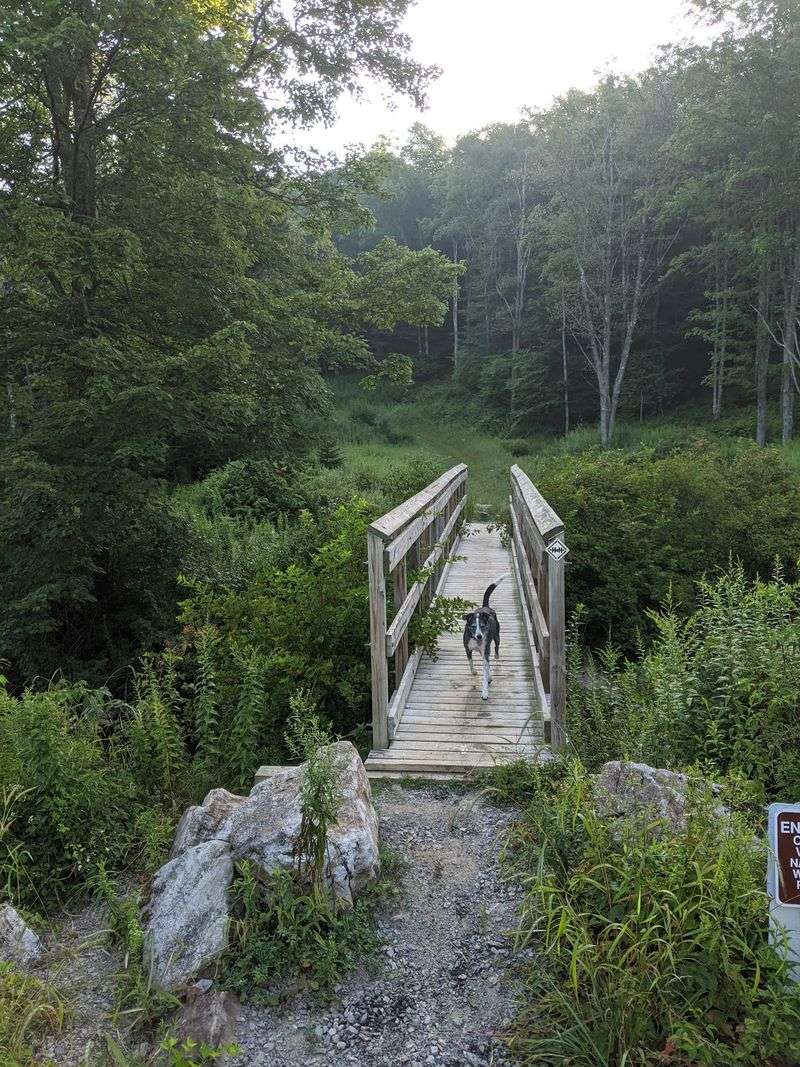
Lace up, because this one is for folks who want to earn their scenery. One group of hikers pieced together Glade Run Crossing, Middle Valley, Sand Run, and Cabin Mountain Trail into a single outing and came back raving about how stunning it was.
Their best advice was simple: slow down. There is so much to see along these paths that rushing would mean missing half the show.
Wildflowers, open meadows, and shifting views of the valley keep popping up around each bend.
Wet feet are less of a worry than you might expect in a wetland. Hikers report that every water crossing on this route has some type of walkway, so they never had to wade.
A couple of muddy patches did show up, but they were easy to get around with a little care.
Parking is plentiful at the trailhead, which is a relief on busy days. Download the trail map before you go, since cell signal can be spotty or missing in much of the area.
A paper copy from the visitor center makes a good backup.
Bring water, snacks, and layers. Mountain weather here can change quickly, and a longer loop means more time out in the elements.
A little preparation turns a big hike into a great day.
Beall Trail’s Rolling Meadows and Shady Woods
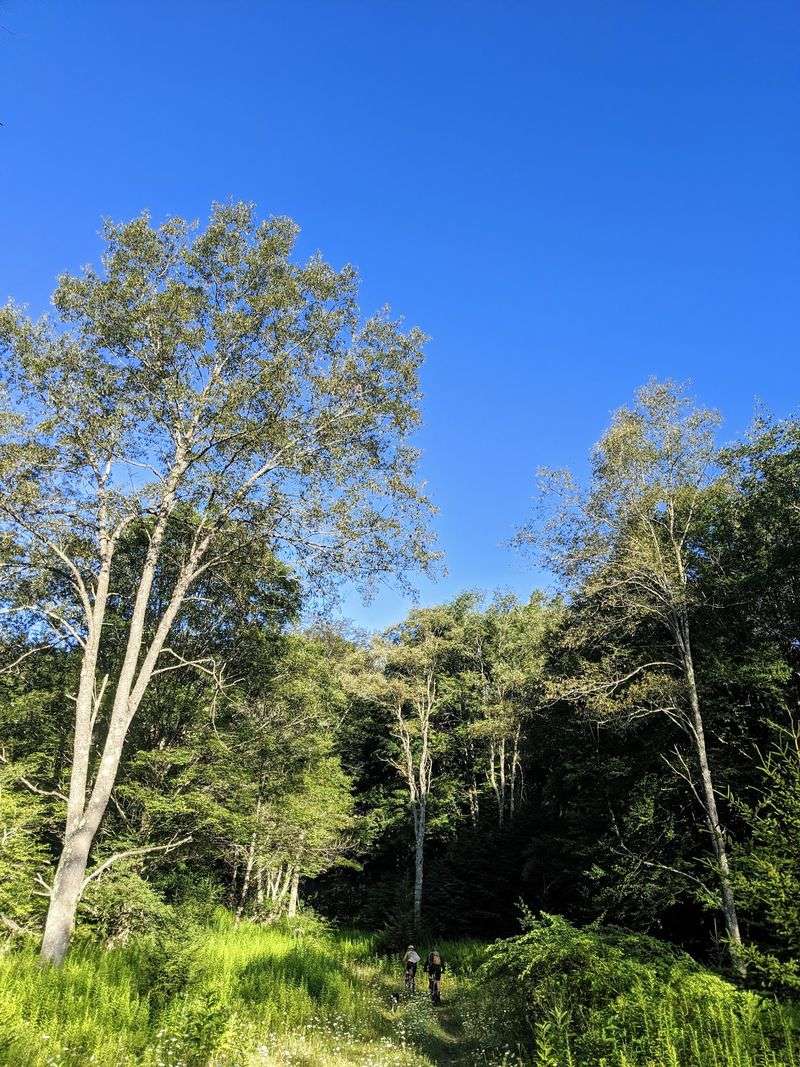
Not every great hike needs to leave you winded. The Beall Trail, on the refuge’s Beall Tract, is often described as an easy, leisurely walk, and it packs plenty of charm into its gentle stretch.
The path begins with rolling terrain and wide, beautiful views across the valley. Then it slips into the trees, winding beneath a canopy that shades the trail and cools things down on a warm day.
That change from open sky to leafy tunnel makes the walk feel like two hikes in one.
Photographers seem especially fond of this area. One visitor who came mainly for pictures planned to return and explore more trails, which says a lot about how much the refuge offers.
Soft light filtering through the branches can make for lovely shots.
The Beall Tract is also reached from Cortland Road, which birders name as one of the most accessible spots in the refuge. That makes it a natural choice for anyone who wants easy walking plus a good chance at spotting feathered neighbors.
Retirees and casual walkers will likely feel right at home here. The pace is relaxed, the footing is friendly, and there is no pressure to cover big distances.
Bring a thermos, find a spot with a view, and enjoy a slow morning in the mountains.
Birding Hotspots from Cortland Road to Camp 70
Binoculars, check. Field guide, check.
Patience, definitely. Birders consider this refuge a great area for spotting feathered visitors, and one guest summed up a trip with pure delight about how many beautiful birds they saw.
Experienced birders have shared a handy list of places to start. For easy access, try Cortland Road with trail access along the Beall Tract, Timberline Road, and the boardwalk on Freeland Road.
These spots are close to parking and suit folks who prefer shorter walks.
For more adventure, head to the trails off A-Frame Road in the north end of the valley. Another option is the area reached from the end of Camp 70 Road out of Davis.
Birders say these take more effort but are well worth the time.
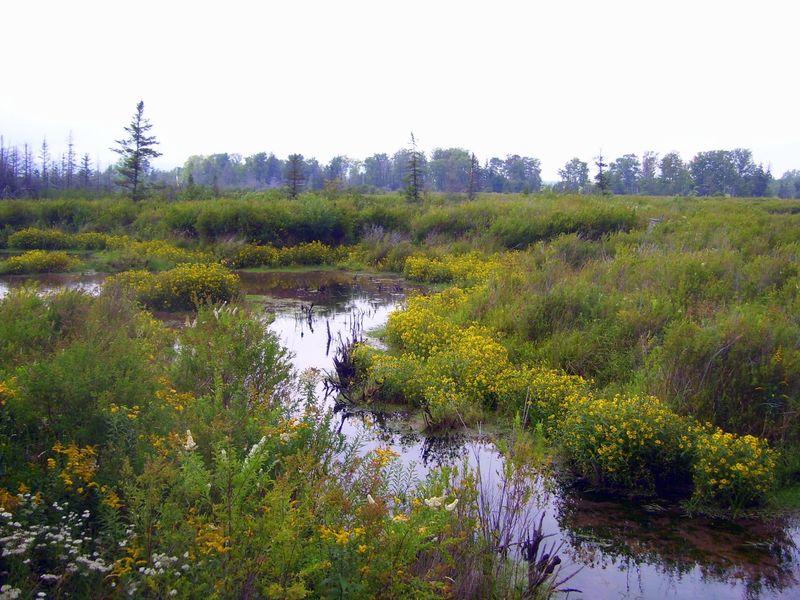
The mix of open wetland, shrubby edges, and forest gives birds lots of different places to feed and nest. That variety often means different species in different corners of the refuge.
Moving between habitats during a single morning can pay off.
Quiet helps. One visitor recommended taking your time, sitting down, and simply listening, which is good advice for any birder.
Some families even report having whole areas to themselves, and that kind of hush tends to bring the birds closer.
Moths, Wildflowers, and Balsam Fir
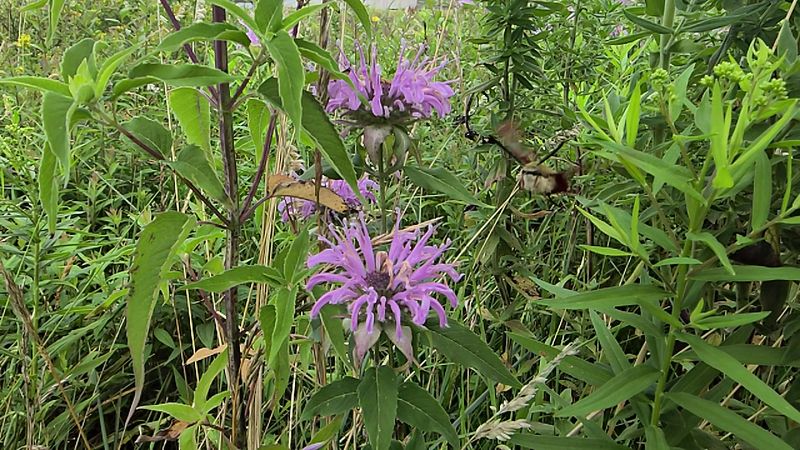
Sometimes the smallest creature steals the whole show. One visitor, back at a windowless office job, wrote fondly about meeting a clearwing hummingbird moth at the refuge, calling the moment magical and otherworldly.
It turns out a tiny insect that hovers like a hummingbird can leave quite an impression.
Moments like that are a big part of the refuge’s appeal. Visitors say the trails are filled with native flowers, insects, and animals, so there is always something to notice if you look closely.
Wildflowers add splashes of color across the meadows and wetland edges.
Then there are the trees. Guests point out amazing balsam fir in the area, a tree that gives parts of the valley a cool, north-woods feeling.
Mixed with clean mountain air, the scent and look of these firs can make you forget you are in the middle of West Virginia.
The staff helped arrange that special moth encounter, which shows how much they care about sharing the refuge’s wild side. Ask them what is blooming or buzzing during your visit.
Kids especially enjoy this kind of treasure hunt. Turn a walk into a game of spotting butterflies, bugs, and blossoms, and the trail slips by without a single complaint.
Snowshoe Adventures When the Valley Turns White
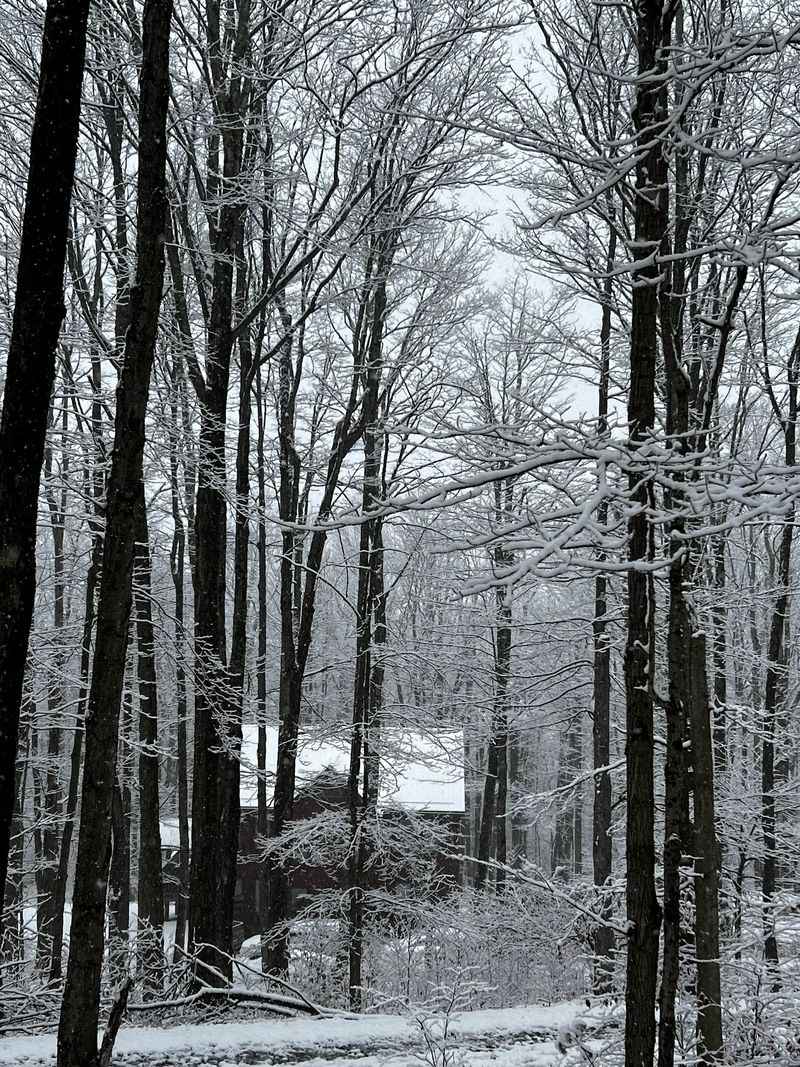
Winter does not shut this place down. It simply changes the outfit.
When snow blankets the valley, the refuge has offered snowshoe tours led by rangers, and visitors who tried one called it great fun.
One recent tour covered about a three-mile loop from White Grass. The ranger leading it shared lots of fun stories about the early days of Canaan Valley, turning a snowy walk into a history lesson with a view.
Those tales are exactly the kind of mountain lore that many West Virginians grew up hearing around the kitchen table.
Both beginners and experienced snowshoers reportedly had a great time together. That makes the tours a friendly way to try something new without feeling left behind.
You get guidance, company, and a chance to see the valley at its most peaceful.
Cold-weather visits call for extra care. Visitors warn that weather here can go from good to bad in the blink of an eye, and that is especially true in winter.
Dress in warm layers, wear waterproof boots, and pack a hot drink.
Tour offerings can change from year to year, so check with the refuge before planning a trip around one. A quick look at the official refuge website may help you line up the right date.
Hours, Directions, and What to Pack
Timing matters here. The visitor center keeps limited hours, open Wednesday through Saturday from 10 AM to 4 PM and closed Sunday, Monday, and Tuesday.
Plan your indoor stop for one of those days if you want exhibits, maps, and a chat with volunteers.
The refuge sits along Appalachian Highway near Davis, and its address is 6263 Appalachian Hwy, Davis, WV 26260. Many trails and overlooks are spread across separate tracts reached by roads like Cortland, Timberline, Freeland, A-Frame, and Camp 70.
A map is a must.
Admission prices were not listed in the information we gathered. Check the U.S.
Fish and Wildlife Service website for the refuge before you go for current details on access, programs, hunting, and fishing.
Campers love the area, and they offer some honest advice. There is no water, electricity, or even cell service in most of the refuge.
Bring everything you need and let someone know your plans before heading out.
Pack layers, rain gear, sturdy shoes, snacks, and plenty of water. Download trail maps ahead of time so you are not stuck without directions.
Weekday visits often feel quieter, which can mean more wildlife and more elbow room on the boardwalks and paths.
A Quiet Mountain Treasure Worth the Drive
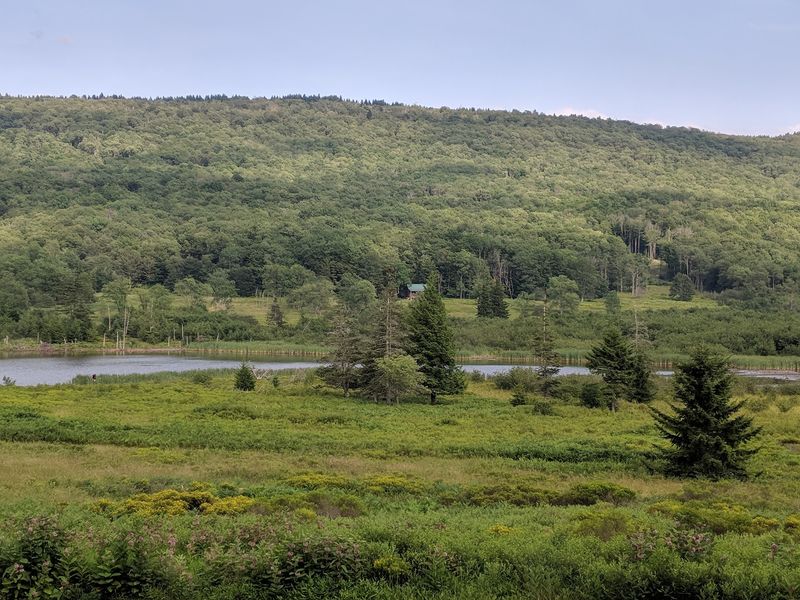
Some places shout for attention. This one whispers, and that is exactly why people fall for it.
Visitors describe the refuge as a great place to unplug and disconnect, and after a morning on its trails, most folks understand what they mean.
Families with young kids will find short, safe walks like the Freeland Boardwalk and a visitor center full of learning. Retirees and easygoing walkers can enjoy the Beall Trail and roadside birding spots without straining a knee.
Serious hikers and photographers have longer loops and remote corners to explore for days.
What ties it all together is the feeling of space. Visitors talk about clean paths, maintained overlooks, and quiet moments where it felt like they had the whole valley to themselves.
The staff and volunteers add warmth, making first-timers feel like old friends.
For West Virginians, it is also a point of pride. A high mountain wetland this big, full of birds, wildflowers, and fir trees, is a reminder of how special our home state really is.
You do not have to travel far to find something remarkable.
Go slow, bring a map, and leave room for surprises. Have you walked these trails before?
Chances are, you will want to come back again and again.
