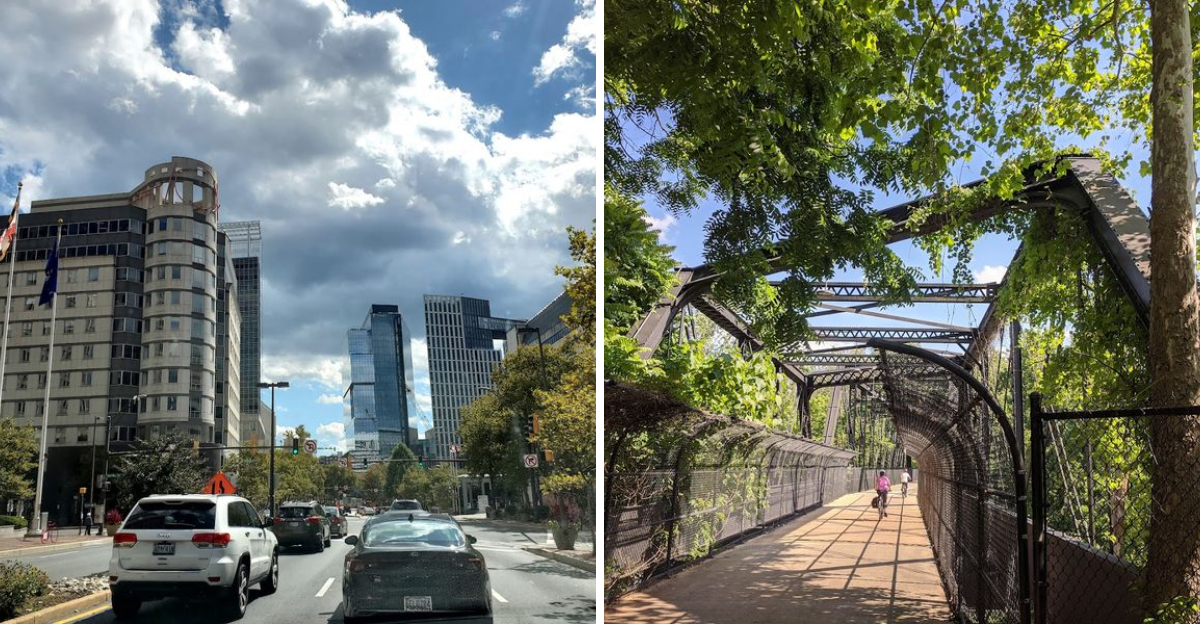
Remember when going out meant actual plans, not just scrolling through your phone? When a place had personality and character, not just a carefully curated Instagram feed?
This Maryland travel spot brings back that era in the best possible way. You walk around and find independent bookstores, locally owned cafes, and the kind of energy that feels old school and comfortable, not trying to keep up with every trend.
There are no flashy pop ups or themed gimmicks, just solid places that have been there for years. You can grab a coffee and sit outside without feeling rushed, browse a record store, or find a restaurant that does not rely on social media buzz.
It feels grounded, familiar, and genuinely welcoming. Locals have been coming here for decades, and they still love it.
Visitors find it and feel like they stepped into a more relaxed version of the present. The kind of place where time slows down just a little.
A reminder that not everything needs to be new.
Bethesda Row, the Block That Earned Its Reputation
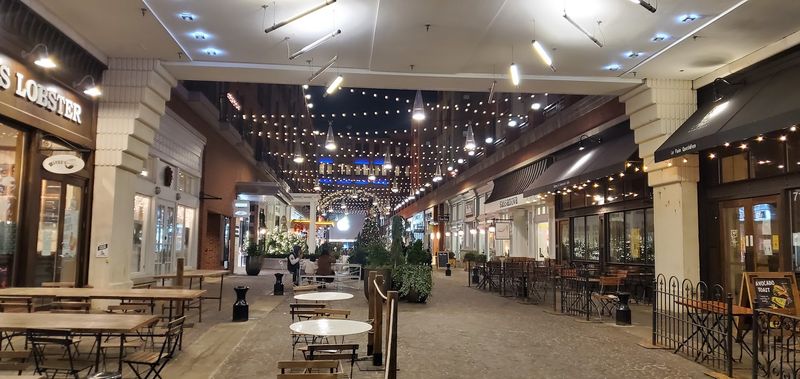
There is a certain kind of street that just gets everything right, and Bethesda Row is exactly that. Designed with New Urbanism principles in the mid-1990s and fully hitting its stride by the early 2000s, this district was built for people, not cars.
Wide brick sidewalks, outdoor cafe tables, and thoughtfully placed greenery make every stroll feel relaxed and unhurried.
By 2001 and 2002, Bethesda Row had already earned an Urban Land Institute Award for Excellence and a Charter Award from the Congress for the New Urbanism, recognizing it as the Best Block in America. That kind of recognition does not come from hype.
It comes from a place genuinely doing things right.
The architecture here mimics historical brick buildings with details that give the whole area a European street feel. It is the kind of place where you slow down without even deciding to.
You might pop into a bookshop, grab a seat outside a cafe, or just watch the foot traffic roll by.
What makes Bethesda Row feel early-2000s is not just its design, it is the pace. Nothing feels rushed or overly curated for social media.
The mix of retail, restaurants, and entertainment options creates a main street atmosphere that has stayed consistent for over two decades.
Centered at the intersection of Woodmont Avenue and Bethesda Avenue, this district is the kind of place you keep coming back to, not because it changes, but because it simply does not need to.
The Historic Bethesda Theatre, a Landmark Frozen in Style
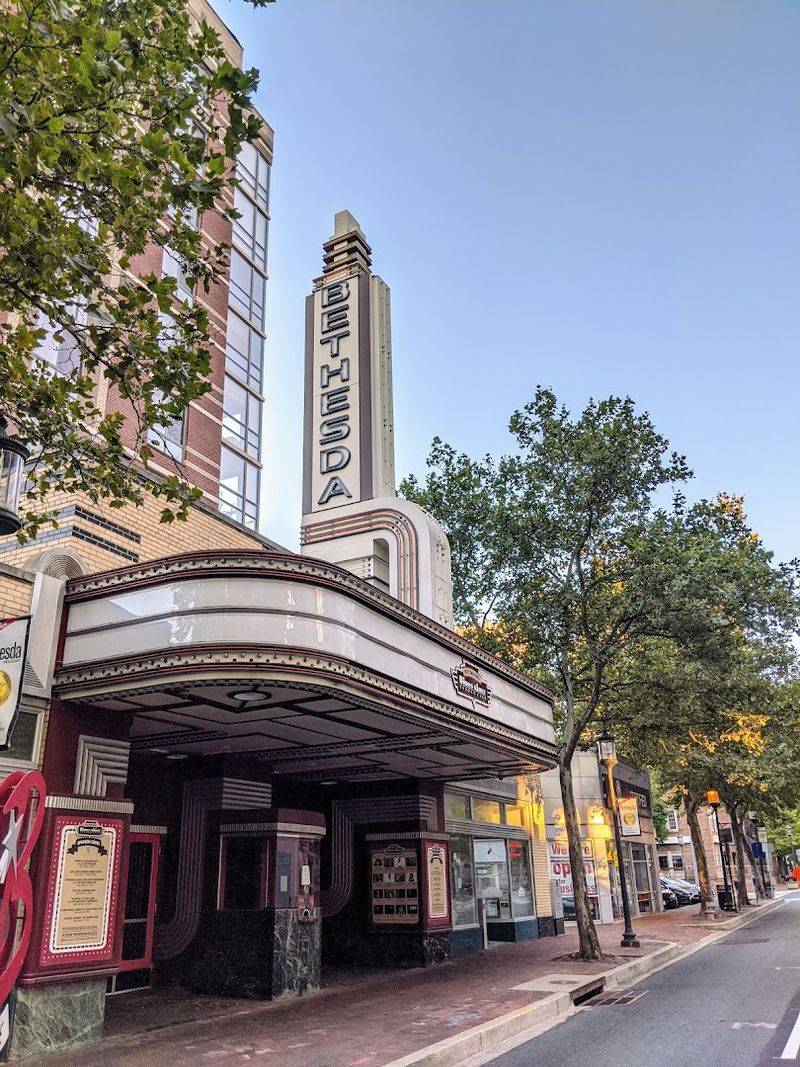
Some buildings just refuse to be forgotten, and the Bethesda Theatre at 7719 Wisconsin Avenue is one of them.
Originally built in 1938 and designed by John Eberson, widely known as the Dean of American Theatre Architects, this structure is a textbook example of Streamline Moderne and Art Deco design.
The distinctive marquee tower, the blond brick facade, and the original interior murals are all still there.
The theatre operated as a first-run movie house for decades before transitioning into the Bethesda Cinema N Drafthouse and later the Bethesda Theatre Cafe, closing in 2001. That timeline alone places it right at the heart of the early-2000s atmosphere this neighborhood carries so naturally.
It was a community gathering point for generations.
Even after its restoration and reopening as the Bethesda Blues and Jazz Supper Club in 2013, the building itself remains a preserved piece of mid-century design that anchors the visual identity of the block. Walking past it, you get this quiet sense that the street remembers what it was.
That feeling is hard to manufacture.
The marquee still draws your eye from halfway down the block. It is the kind of architectural detail that stops you mid-sentence when you are talking to someone beside you.
Bethesda has plenty of newer buildings, but none of them carry this kind of quiet authority. This theatre is proof that great design does not expire.
Address: 7719 Wisconsin Avenue, Bethesda, Maryland.
Montgomery Farm Women’s Cooperative Market, Rooted Since 1932
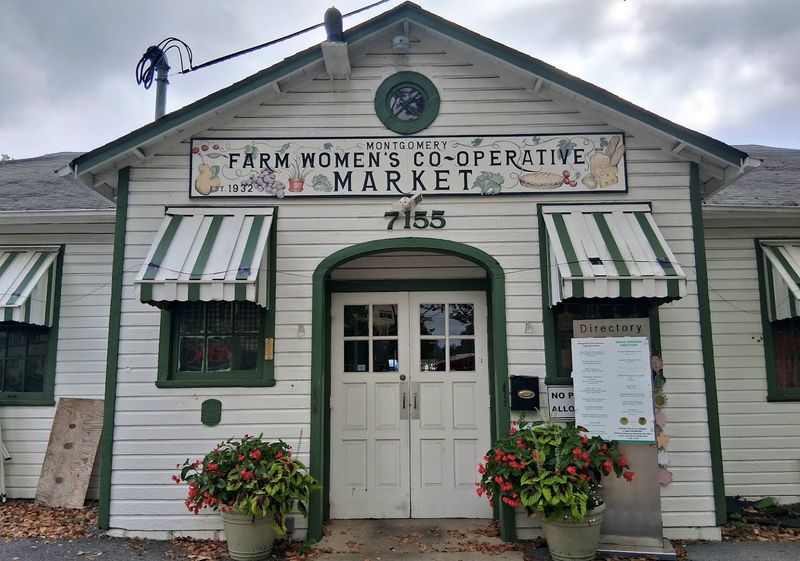
Few places carry the kind of unbroken history that the Montgomery Farm Women’s Cooperative Market does. Founded in 1932 during the Great Depression, this market found its permanent home in a modest white-paneled building on Wisconsin Avenue, and it has not moved since.
That kind of staying power says everything.
Many of the original stands are still operated by families who have passed the business down through generations. That detail hit me differently when I first heard it.
You are not just buying fresh produce here, you are participating in something that has been quietly running for nearly a century without needing a rebrand.
The market reflects a long-standing commitment to Montgomery County’s agricultural roots. Local growers and producers bring fresh vegetables, handmade goods, and artisanal products that feel genuinely personal rather than packaged.
There is a warmth to the shopping experience that most modern markets try hard to replicate but rarely achieve.
Everything about this place feels honest. The building is simple, the vendors are straightforward, and the products speak for themselves.
It is the kind of spot that early-2000s Bethesda regulars would remember fondly, and it is still here, still running, still worth a Saturday morning visit.
The market sits at 7155 Wisconsin Avenue, Bethesda, Maryland, and if you show up expecting something polished and trendy, you will be pleasantly surprised by how refreshingly real it is.
Address: 7155 Wisconsin Avenue, Bethesda, Maryland.
The Capital Crescent Trail, a Green Path Through the Heart of Town
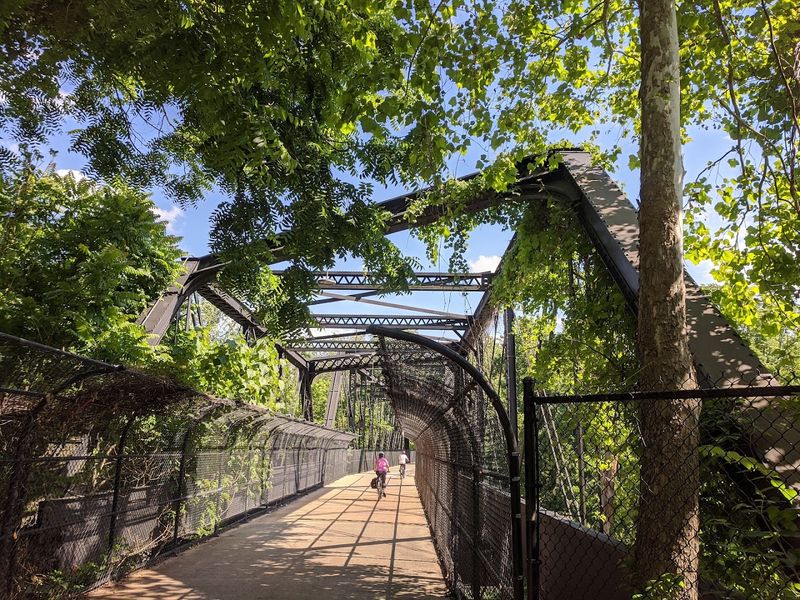
The Capital Crescent Trail is one of those places that earns a different kind of loyalty from everyone who uses it.
Completed from Georgetown to Bethesda by December 1996, this 11-mile paved rail-trail follows an old railroad right-of-way, offering gentle grades and a shaded corridor beneath a canopy of mature trees.
By the early 2000s, it was already recognized as one of the most heavily used rail trails in the entire country.
What makes it special is how it belongs to everyone at once. Joggers, cyclists, families with strollers, and daily commuters all share the path in a kind of unspoken rhythm.
Nobody is in anyone else’s way. There is an easy, democratic quality to the trail that feels genuinely refreshing compared to more exclusive outdoor destinations.
The trail connects Georgetown, D.C., to Silver Spring, Maryland, passing directly through Bethesda along the way. That connectivity made it a natural artery for the community long before urban trail networks became a popular planning priority elsewhere.
Bethesda was ahead of the curve, and the trail has aged beautifully because of it.
Even on a weekday afternoon, the trail hums with quiet activity. The dappled light through the trees, the sound of wheels on pavement, the occasional dog trotting alongside its owner, it all adds up to something genuinely calming.
Access is available at Woodmont and Bethesda Avenue, Bethesda, Maryland, and it is worth arriving early to catch the morning light filtering through the canopy. Address: Woodmont Avenue and Bethesda Avenue, Bethesda, Maryland.
The Architectural Tapestry of Bethesda’s Neighborhoods
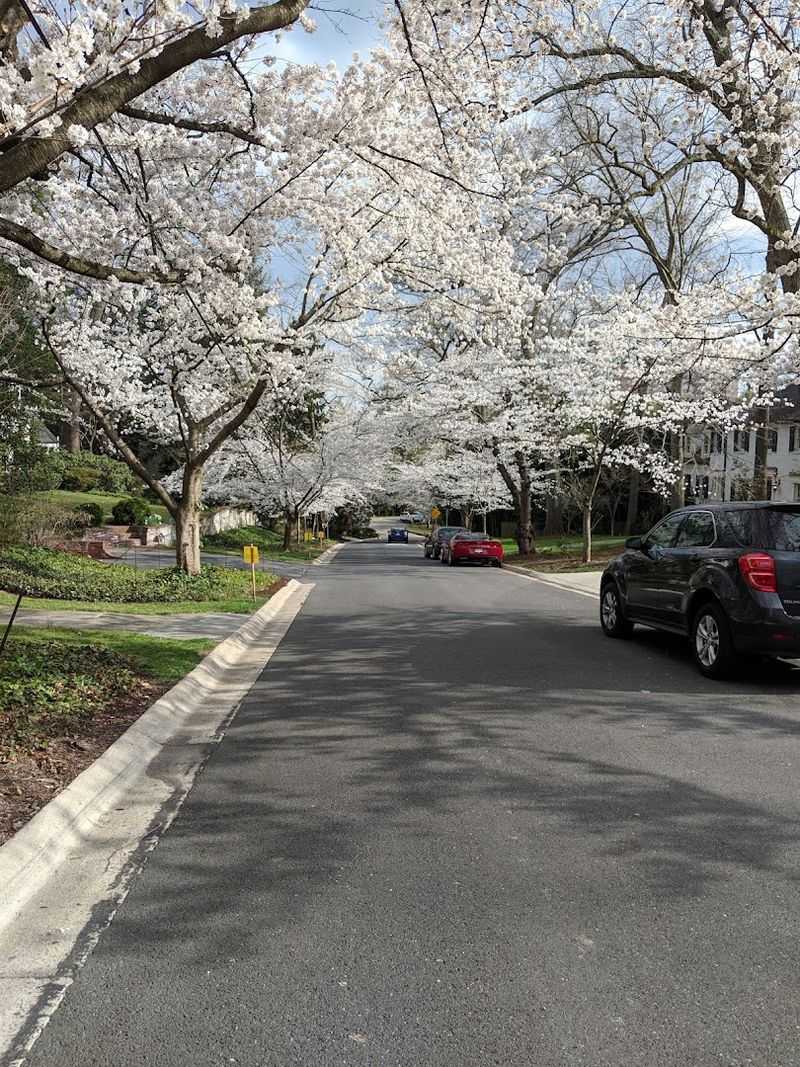
Bethesda’s residential streets are the kind you slow your car down to appreciate.
The older neighborhoods, especially Edgemoor, are filled with Colonial Revival homes featuring symmetrical facades, gabled roofs, and detailed brickwork that feel like they were built to last a lifetime, because they were.
These houses carry a weight and permanence that newer construction rarely matches.
Tudor Revival homes add a distinctly European character to certain blocks, with their steeply pitched roofs and decorative half-timbering giving the streetscape a storybook quality.
Then there are the Craftsman bungalows, modest and warm, celebrating natural materials and handcrafted detail in a way that feels personal rather than showy.
Each style tells a different chapter of the neighborhood’s history.
Mid-Century Modern architecture pops up in the post-war sections of town, with clean horizontal lines and open floor plans that were genuinely forward-thinking for their time. Seeing all of these styles coexist on neighboring blocks is part of what gives Bethesda its layered, unhurried character.
It never feels like a planned community pretending to have history.
This is the kind of neighborhood where architecture nerds and casual walkers both find something to appreciate. The variety keeps things visually interesting without feeling chaotic.
There is a settled quality to these streets that mirrors the early-2000s vibe of the broader community, familiar, well-maintained, and completely comfortable in its own identity. Spending an afternoon wandering these blocks costs nothing and rewards you generously.
Bethesda’s Arts and Entertainment District, a Community Anchor
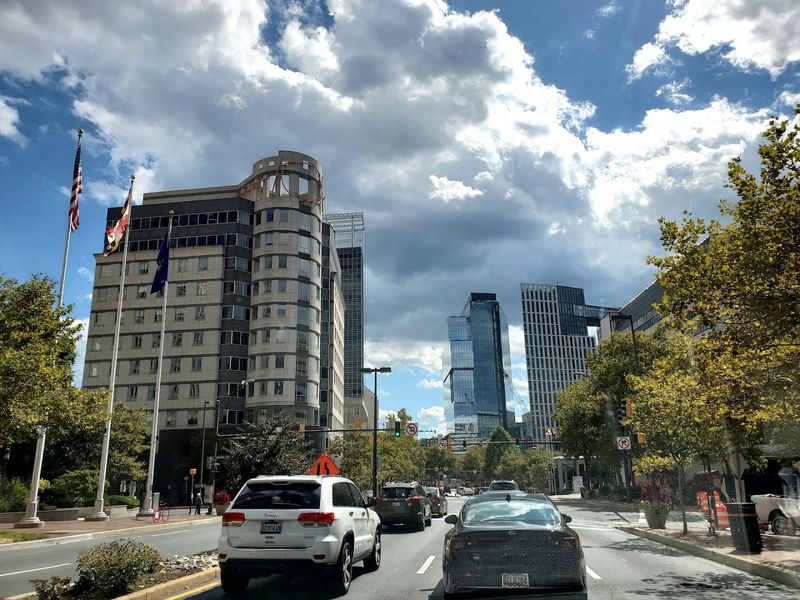
In 2002, Bethesda’s downtown received official designation as an Arts and Entertainment District by the state of Maryland. That recognition did not create the creative energy here, it simply acknowledged what locals already knew.
The galleries, studios, and small theatres that filled the district gave the community a cultural heartbeat that has been steady ever since.
The Art Walks that came out of that designation became a regular fixture in local life. Neighbors and visitors would move from gallery to gallery, stopping to talk with artists and each other in a way that felt genuinely connected rather than performative.
It was the kind of community ritual that early-2000s Bethesda did particularly well.
Year-round events have kept that spirit alive.
The Bethesda Film Fest, the Local Writer’s Showcase, the Summer Concert Series, the Bethesda Fine Arts Festival, and Bethesda Outdoor Movies all contribute to a calendar that feels like it was designed for people who actually live here, not just for visitors passing through.
That distinction matters more than it sounds.
What strikes me most about Bethesda’s arts scene is how unpretentious it is. There is no velvet rope energy, no sense that culture is only for certain people.
A summer concert on a warm evening, families sitting on the grass, kids running around while adults catch up with neighbors, that is the version of community arts that sticks with you long after you leave town. It feels earned, not engineered.
Dining in Bethesda, Unhurried and Grounded in Quality
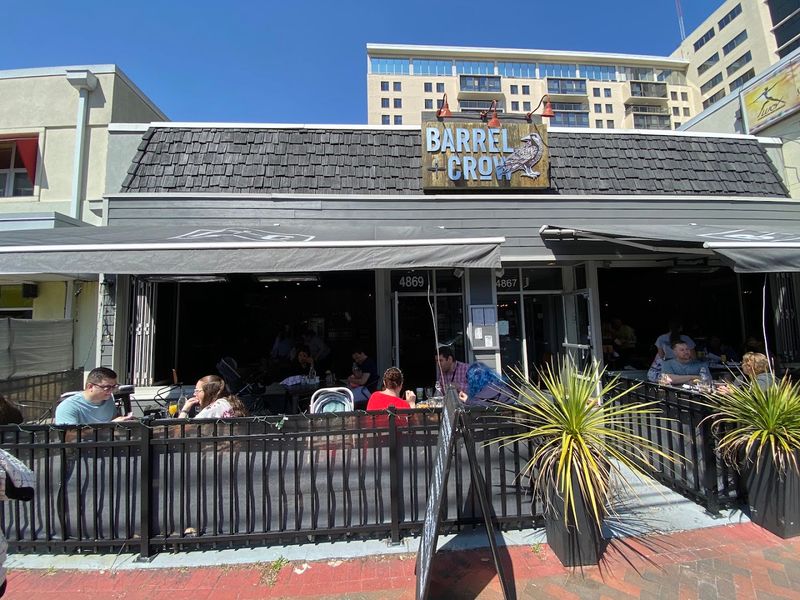
Bethesda’s food scene has never been about chasing the next trend. The restaurants and cafes here tend to prioritize quality ingredients and a welcoming atmosphere over novelty, and that philosophy gives the whole dining experience a grounded, early-2000s sensibility that feels increasingly rare.
You sit down, the food is good, and nobody rushes you out.
Places like Le Pain Quotidien, which arrived in the area by at least 2008, brought a communal table philosophy and a focus on organic breads and simple, well-prepared food that suited Bethesda’s character perfectly.
It is the kind of spot where you might end up sharing a table with a stranger and actually having a decent conversation.
That does not happen everywhere.
The casual eateries scattered around Bethesda Row and the surrounding streets offer a mix of options that range from a quick lunch to a longer, more relaxed evening meal. None of them feel like they are performing for an audience.
The emphasis is consistently on the food itself, fresh, thoughtful, and served without unnecessary ceremony.
There is something quietly satisfying about eating in a place that does not need to reinvent itself every season. Bethesda’s dining culture has a confidence to it, an understanding that good food in a comfortable setting is enough.
After a morning on the Capital Crescent Trail or an afternoon exploring the architecture, finding a table at a neighborhood cafe and simply sitting with a meal feels like the most natural thing in the world.
Cabin John and Rock Creek Parks, Nature Right at the Edge of Town
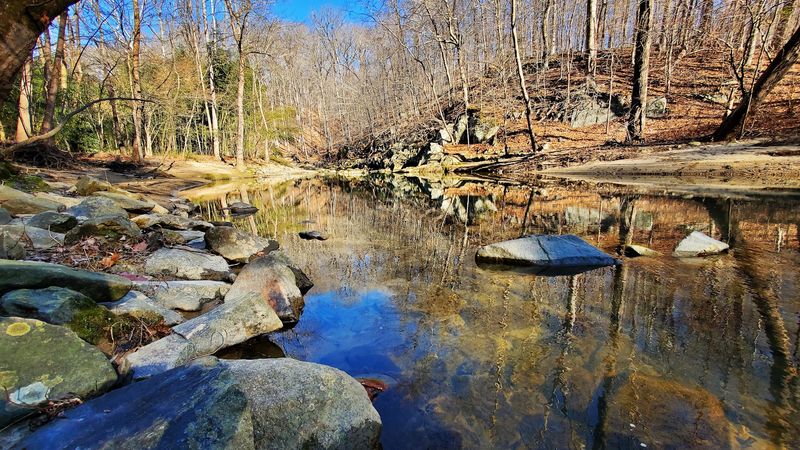
Not every great thing about Bethesda is in the downtown core. Just beyond the brick sidewalks and the familiar storefronts, the natural landscape opens up in a way that genuinely surprises first-time visitors.
Cabin John Regional Park and Rock Creek Regional Park are both within easy reach, and together they offer a remarkable amount of green space for a community this close to a major city.
Cabin John Regional Park has extensive trails, picnic areas, and open fields that have been drawing families and outdoor enthusiasts for decades. It is the kind of park where you can spend three hours without running out of things to do or places to sit.
Rock Creek Regional Park adds even more trail mileage and a wilder, more forested character that feels genuinely removed from urban life.
Both parks have been integral parts of Bethesda’s landscape for a long time, and that longevity shows in how naturally they fit into the community’s rhythm. These are not shiny new additions designed to attract visitors.
They are established, familiar spaces that locals have been using for generations, which gives them a quiet, unhurried quality that perfectly matches the rest of what Bethesda offers.
On a weekday afternoon, you might have a trail almost entirely to yourself. That kind of solitude, just a short drive or bike ride from a busy neighborhood market and a historic theatre, is part of what makes Bethesda feel so balanced.
Nature here is not an afterthought. It is woven right into the fabric of the place.
