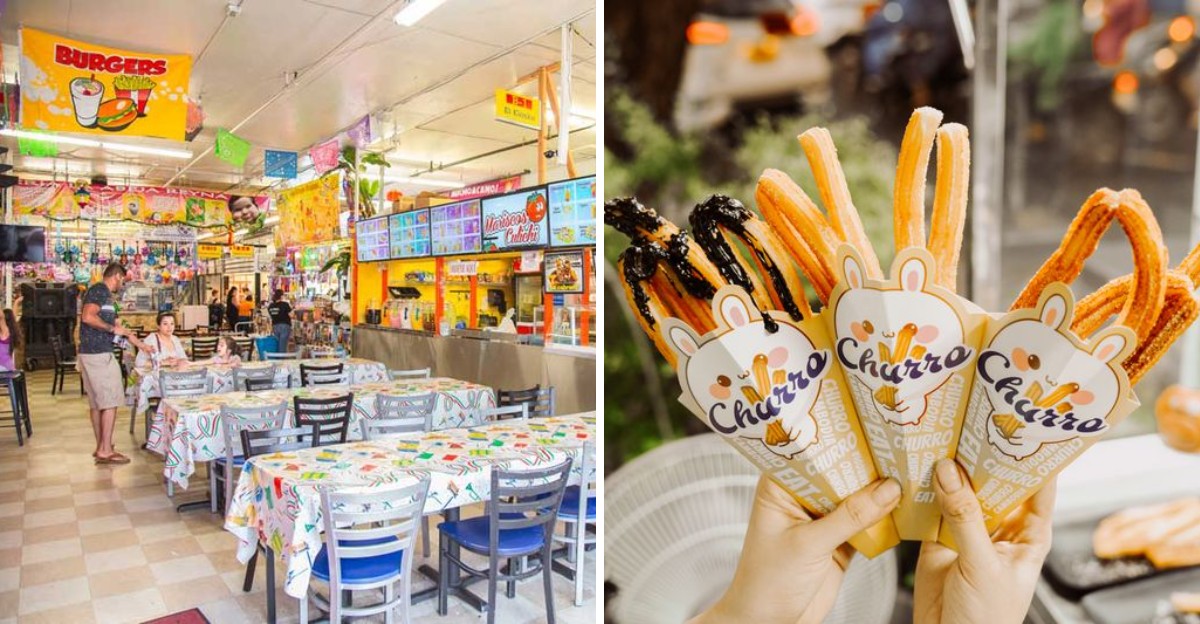
Comfort food secrets don’t usually come this large, spanning enough space to make finding a favorite dish feel like an actual search.
Stalls line every corner here, each one specializing in something slightly different, flavors overlapping just enough to make choosing genuinely difficult.
Staying under the radar despite this much square footage takes something unusual. This market manages it anyway, thriving mostly through word passed quietly between people who’d rather keep a good thing contained to those who already know.
Discovering it for the first time feels a little like stumbling onto something you weren’t supposed to find yet in Oregon. Comfort food rarely gets protected this fiercely by the people who love it most.
A Weekend Only Rhythm That Shapes the Whole Visit
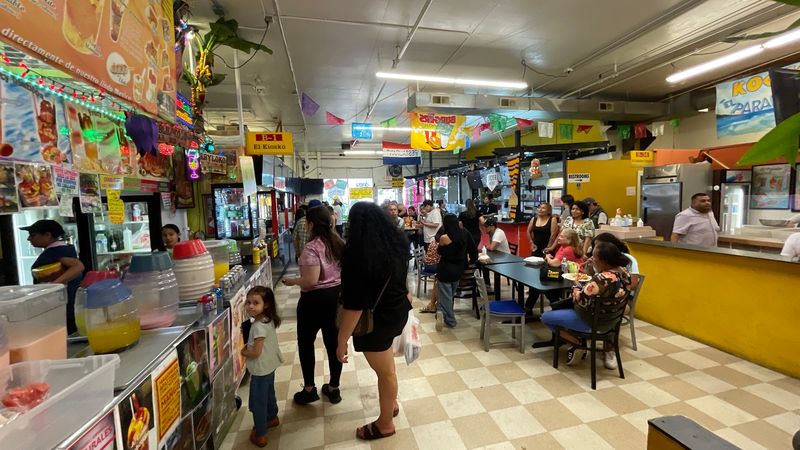
Timing matters more here than at most places. The doors stay shut Monday through Thursday, which means the whole market compresses its energy into Friday afternoon through Sunday evening.
Friday opens at noon and runs to seven, while Saturday and Sunday stretch from ten in the morning until eight at night. Those weekend hours are when the building truly comes alive, with nearly every stall staffed and the food court humming.
Arriving early on a Saturday gave me space to actually browse without weaving around strollers. By two in the afternoon, the aisles had filled and the sound level doubled.
Sunday afternoons carry a different feeling, slower and more family focused, with multigenerational groups sharing tables. Friday tends to be the calmest window if crowds are not the goal.
Plan for at least ninety minutes. Anyone rushing through in twenty will miss entire wings of the building. Parking is plentiful, which removes one of the usual headaches of visiting a busy market on a weekend.
Food Stalls That Take Mexican Cooking Seriously
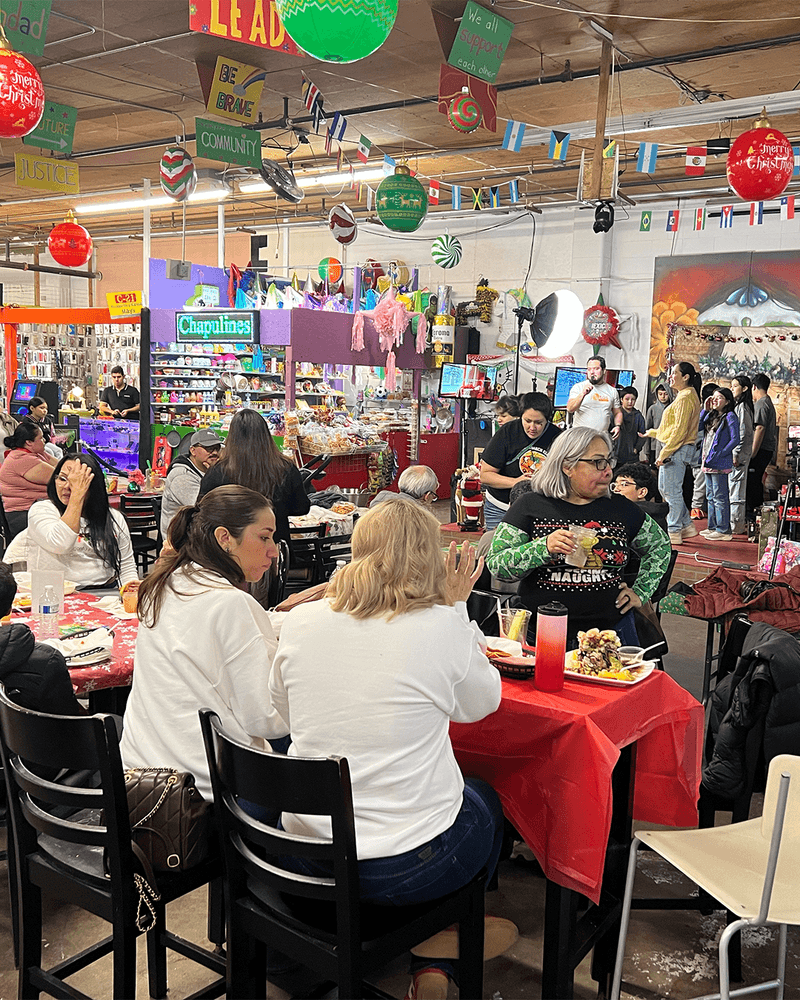
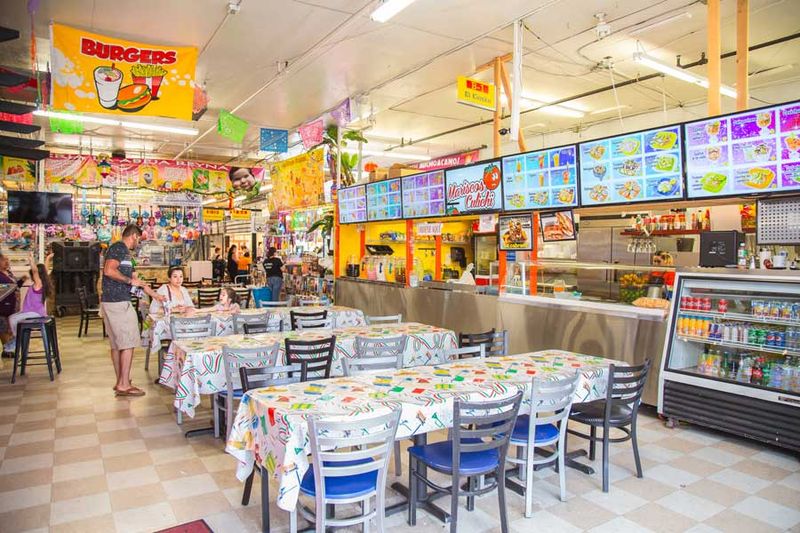
Ask around Hillsboro about where to eat, and this building comes up fast. The food court section holds a cluster of independent kitchens, each one focused on a handful of dishes rather than an endless menu.
Tacos, birria, tortas, and machetes all show up regularly. Machetes in particular deserve attention, since the enormous folded quesadilla shape is not something found on many Oregon menus.
Visitors often describe the cooking as closer to what they would find in a small Mexican town than in a typical restaurant. Regional styles vary from stall to stall, including Oaxacan preparations.
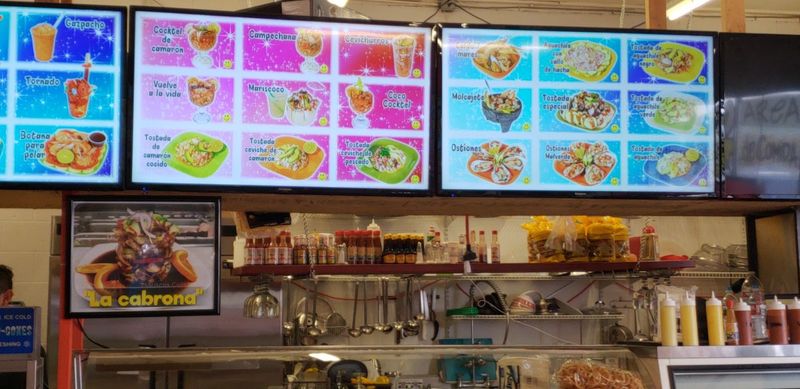
Menu boards are usually posted in Spanish first. A few stalls do not list prices clearly, so asking before ordering is a reasonable habit.
Splitting orders across two or three vendors is the smartest strategy. Portions run generous, and sampling widely beats committing everything to one plate. Grab a shared table and turn it into a slow, unhurried meal.
Esquites and Elotes Worth Standing in Line For
Roasted corn shows up in two forms here, and both have a devoted following. Elotes arrive on the cob, coated in creamy sauce, crumbled cheese, chili powder, and a squeeze of lime.
Esquites take the same ingredients and load them into a cup, which makes eating while walking far less messy. The kernels stay warm, and the mix of tangy, salty, and slightly spicy hits immediately.
Corn preparations get mentioned constantly by people describing their visits, which says something about consistency. Several vendors offer their own version, so comparing is part of the fun.
Ordering tip worth knowing: ask for less chili if heat is a concern, since spice levels differ between stalls. Most vendors adjust without hesitation.
A cup of esquites pairs nicely with a longer browse through the retail aisles. It travels well, cools slowly, and keeps hands busy while eyes scan the booths for something unexpected.
Churros, Pastries, and the Sweet Corner Everyone Finds Eventually
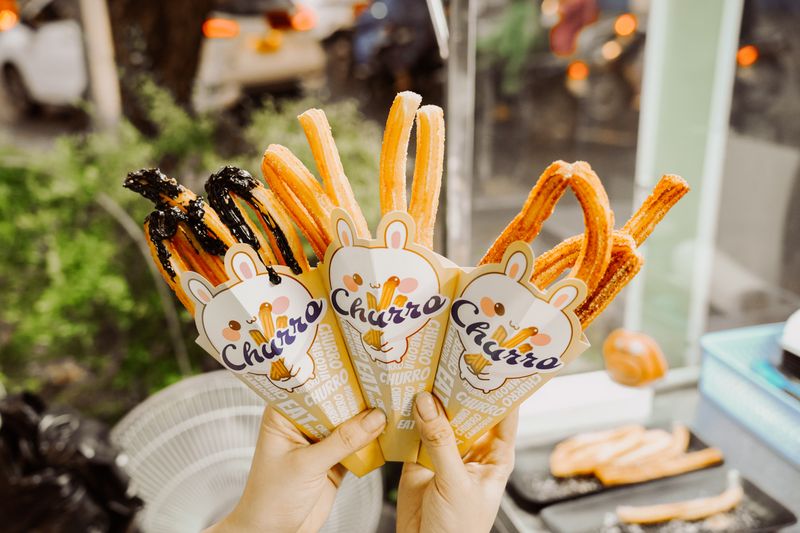
Somewhere between the clothing racks and the produce, the smell of cinnamon sugar takes over. Churros come out hot, crisp on the outside, soft in the middle, and they disappear quickly.
Beyond churros, the bakery offerings cover classic pan dulce, conchas with their shell-patterned tops, and other sweet breads that pair well with coffee.
Ice cream vendors add another layer, especially useful during warmer months when the building gets busy and the aisles feel warm. Fruit-based options tend to be popular.
One thing I appreciated was how casual the whole sweet section feels. Nothing is styled for photos. It is simply baked, stacked, and sold.
Buying a bag of pastries to take home is a common move among regulars. They hold up well overnight and make an easy breakfast the next morning.
Save room. Committing entirely to savory food before reaching this corner counts as a rookie mistake, and one worth avoiding on a first visit.
Pupusas and Flavors Beyond the Mexican Menu
Not everything here follows one national tradition. Pupusas turn up too, thick griddled masa pockets filled with cheese, beans, or meat, usually served with tangy cabbage slaw.
Central American cooking shares space with Mexican regional food, and that variety is part of what makes wandering the food area interesting rather than repetitive.
Clothing and goods from Guatemala appear in the retail sections as well, hinting at how broad the community connections run through this building.
For anyone unfamiliar with pupusas, they are filling and inexpensive to try alongside something else. Two is usually plenty for one person. The slaw served on the side is not decoration. Piling it on top cuts through the richness and completely changes the bite.
Exploring past the first row of stalls pays off here. Smaller operations tucked toward the back often serve dishes that never show up on the busiest counters near the entrance, and those are frequently the most memorable finds.
Racks of Clothing, Boots, and Celebration Outfits
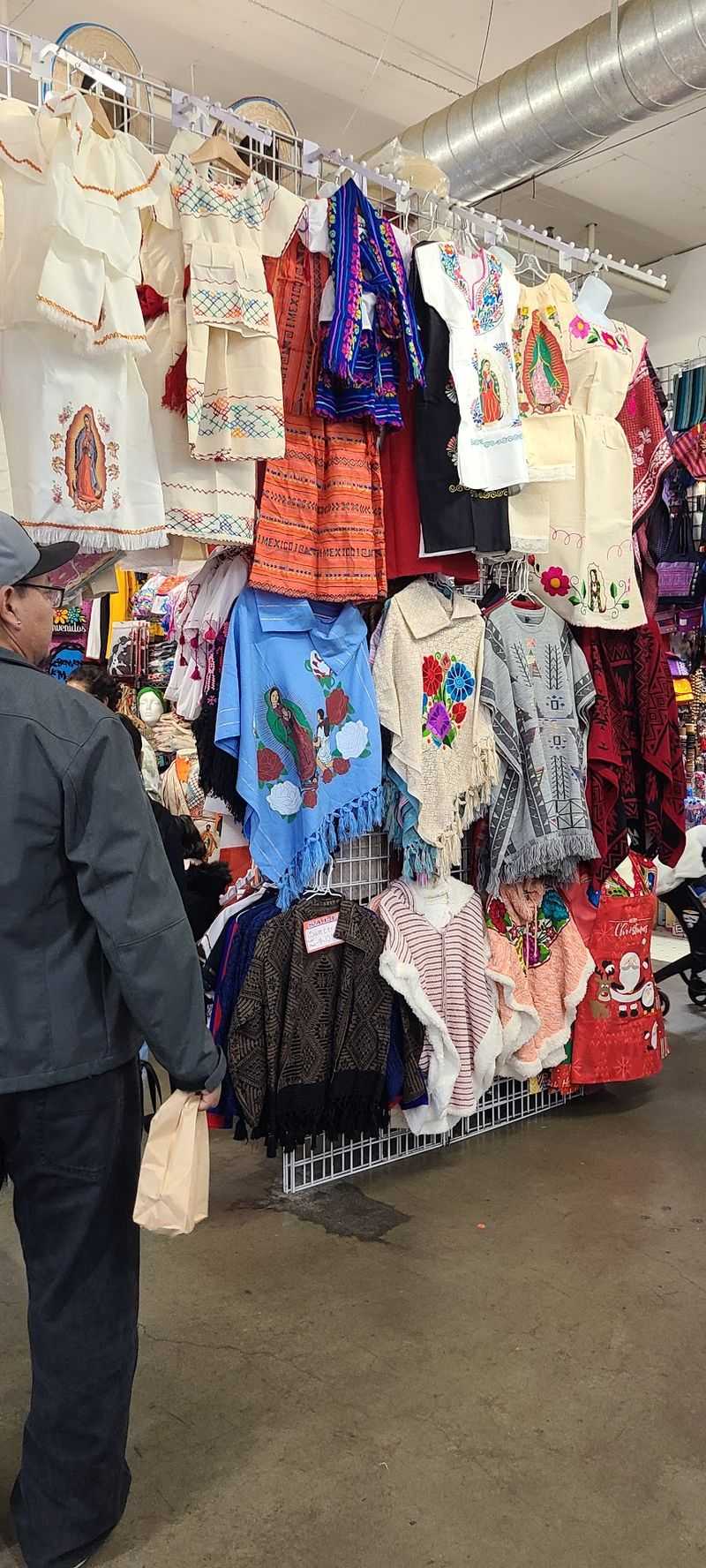
Shoppers come here for reasons that have nothing to do with lunch. Entire booths specialize in formal outfits for baptisms, quinceañeras, weddings, and other family milestones.
Cowboy boots line shelves in stacked rows, alongside leather belts, wide-brimmed hats, and embroidered blouses. Some pieces are imported directly, giving the selection a character chain stores cannot match.
Blankets are another staple, thick and patterned, the kind that end up on couches for years. Browsing takes patience because displays are packed tight and organization varies from stall to stall. Digging is part of the process.
Vendors generally know their inventory well and can point toward sizes or styles quickly if asked. Many conversations happen in Spanish, though pointing and gesturing work fine.
Anyone hunting for a specific outfit should allow extra time and consider visiting earlier in the day. Not every retail booth opens at the same moment, so the fullest selection appears during peak weekend hours rather than right at opening.
Jewelry Cases and Small Treasures Tucked Between Aisles

Glass cases catch the light along several walkways, filled with earrings, chains, rings, and religious medallions. Jewelry vendors here range from tiny one-case setups to larger displays with dozens of styles.
Silver pieces show up often, as do colorful beaded designs and charms tied to specific traditions.
Picking through these cases became one of my favorite slow moments during the visit, mostly because each vendor curates differently. One booth leans classic, the next goes bold and oversized.
Gift shopping works well here. Small, portable, and genuinely different from mall inventory, these pieces make easy souvenirs for anyone visiting from out of town.
Nearby stalls sell candy, toys, phone accessories, and household odds and ends, so the surrounding aisles reward casual browsing. Bring cash where possible, since smaller vendors sometimes prefer it. And take your time.
The best finds tend to sit at the back of a case rather than front and center under the lights.
Fresh Produce and Pantry Staples for Real Cooking
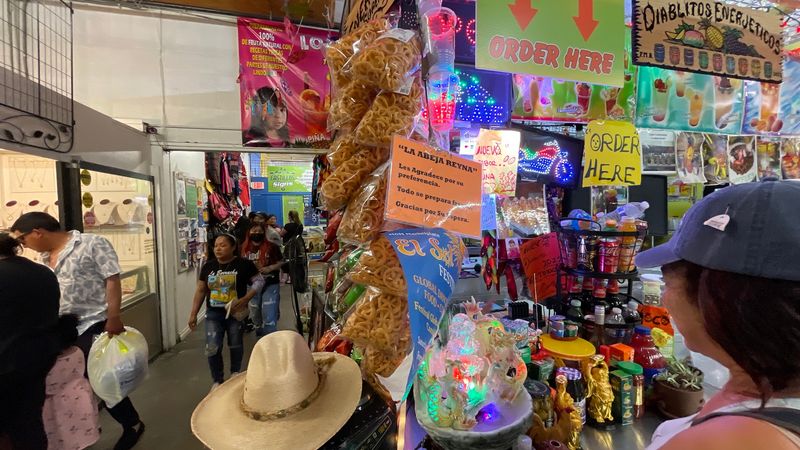
Cooks treat this place as a supply run. Produce vendors stock chiles, tomatillos, cactus paddles, limes, and herbs that can be hard to track down elsewhere in the area. Dried goods fill the shelves too, from bulk spices to specialty ingredients used in traditional recipes.
What struck me was how helpful the vendors are with questions. Ask what to do with an unfamiliar chile and the answer usually comes with a recipe suggestion attached.
Shoppers new to Hillsboro often get pointed here by neighbors, and it functions as a cultural anchor as much as a grocery stop. Buying ingredients after eating at the food court is a smart sequence. Taste something great, then ask where to find the components.
Reusable bags help, since the walk back to the parking lot can involve juggling armfuls. Weekend mornings tend to offer the freshest selection before the afternoon rush clears the best of the produce displays.
Karaoke, Music, and the Sound of a Weekend in Motion
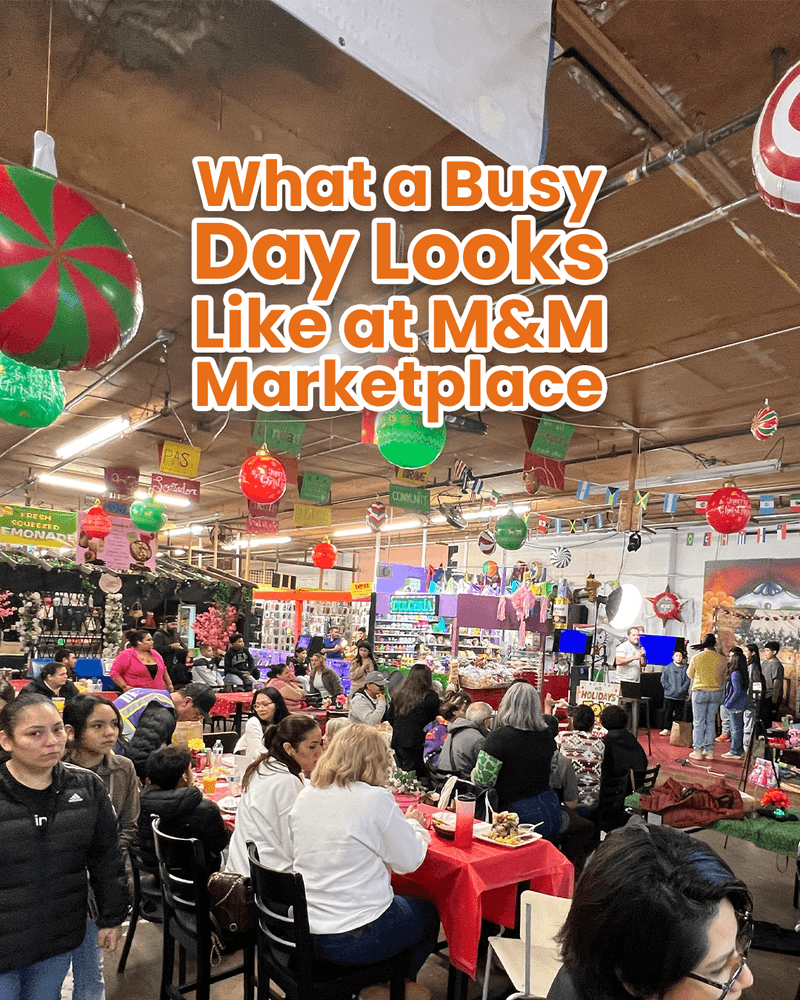
Sound carries through this building in a way that defines the experience. Music plays from multiple directions, and on some weekend evenings karaoke takes over one section entirely.
Regulars have mentioned coming back weekend after weekend just for that atmosphere, treating it like a standing social plan rather than an outing.
The energy peaks later in the day, especially Saturday evening when the market stays open until eight. Families linger over food while the music keeps going.
Anyone sensitive to noise should aim for a Friday afternoon or an early Sunday visit instead. The difference in volume is noticeable. Personally, I liked the overlap of sounds, sizzling griddles, conversations in two languages, and someone belting out a song across the room.
Seating fills quickly during busy stretches. Grabbing a table before ordering saves frustration, especially with a group. It is loud, cheerful, and completely unpretentious, which is exactly the point of a place like this.
Services, Practical Stops, and Planning the Trip
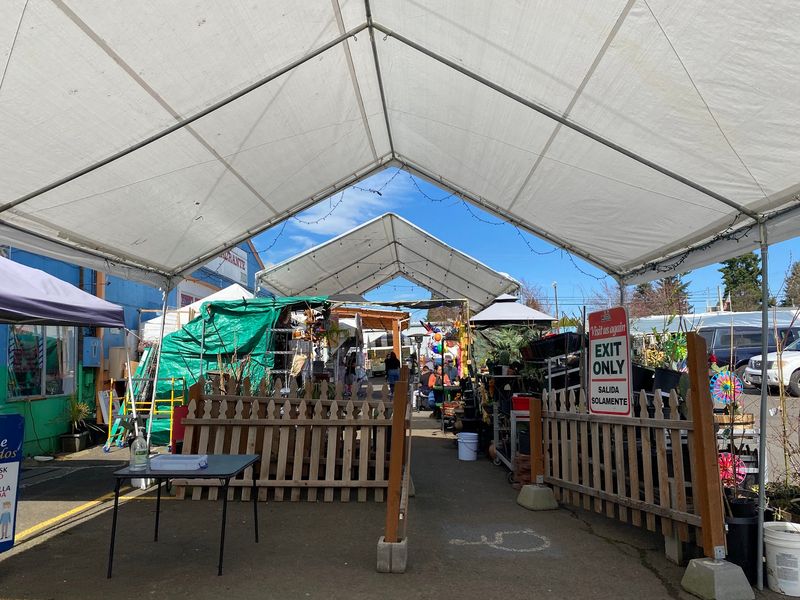
Beyond food and shopping, practical services share the same roof. A barbershop operates inside, and auto repair services are available on site, which turns a shopping trip into a multi-errand stop.
Families use the market that way, handling a haircut, picking up groceries, and eating lunch in a single visit. Parking is generous, a genuine relief compared to squeezing into street spots elsewhere. Restrooms and seating areas are available in the food court section.
Spanish is the dominant language throughout, and knowing a few phrases smooths interactions, though plenty of vendors switch comfortably between languages. Bringing cash, arriving hungry, and leaving room in the schedule are the three tips worth remembering.
For anyone mapping out a weekend in Washington County, the address is 346 SW Walnut St, Hillsboro, OR 97123, open Friday afternoon through Sunday evening. Give it a couple of hours, wander without a plan, and let the smell of roasted corn decide the first stop.
